

এক্সোজেনেটিক অরগুলির মধ্যে সবচেয়ে পরিচিত হল অলিভিয়াল সোনা যা প্লেসার সোনা হিসাবেও পরিচিত। অলিভিয়াল সোনা বোঝায়




Selecting the most profitable technology for processing different types of gold ores is a complex decision that requires thorough evaluation of geological, metallurgical, environmental, and economic factors. The profitability of gold extraction and processing technologies depends on the ore type, mineralogy, grade, infrastructure, and market dynamics. Here are some steps to guide this selection process:
The most profitable technology for gold ore processing depends on an integrated assessment of ore type, recovery rates, costs, and market conditions. Collaborate with experienced metallurgists, geologists, engineers, and environmental experts to make an informed decision. Ultimately, piloting and testing are essential before committing to full-scale implementation.
এ: খনিজ বৈশিষ্ট্যগুলি একই খনিজ দেহের মধ্যে উল্লেখযোগ্যভাবে পরিবর্তিত হয়। একটি পেশাদার পরীক্ষা (যেমন রসায়নিক বিশ্লেষণ, XRD, এবং SEM) নিশ্চিত করে যে প্রবাহচার্টটি আপনার নির্দিষ্ট খনি গ্রেড এবং মুক্তির আকারের জন্য অপ্টিমাইজ করা হয়েছে। এটি ব্যয়বহুল যন্ত্রপাতির অমিল প্রতিরোধ করে এবং আপনার প্রকল্পের জন্য সর্বাধিক সম্ভব পুনরুদ্ধারের হার নিশ্চিত করে।
A: আমরা কোর পরিধান অংশের একটি স্থায়ী স্টক বজায় রাখি (যেমন ক্রাশার লিনার, স্ক্রীন মেশ এবং গ্রাইন্ডিং মিডিয়া)। আন্তর্জাতিক ক্লায়েন্টদের জন্য, আমরা প্রাথমিক ক্রয়ের সাথে একটি সুপারিশকৃত “২-বছরের স্পেয়ার পার্টস তালিকা” প্রদান করি। প্রযুক্তিগত সহায়তা ২৪/৭ রিমোট ভিডিওর মাধ্যমে উপলব্ধ, এবং জটিল রক্ষণাবেক্ষণের প্রয়োজনের জন্য সাইট ভিজিটের ব্যবস্থা করা যেতে পারে।
A: হ্যাঁ। আমরা সাইটে একটি সিনিয়র মেকানিক্যাল এবং ইলেকট্রিক্যাল ইঞ্জিনিয়ারদের দল পাঠাই যাঁরা যন্ত্রপাতির ইনস্টলেশন, কমিশনিং এবং লোড টেস্টিং নিরীক্ষণের জন্য সেখানে উপস্থিত থাকেন। আমরা আপনার স্থানীয় অপারেটরদের জন্য সুদৃঢ় দীর্ঘমেয়াদী পরিচালনার নিশ্চয়তা দিতে ব্যাপক অন-সাইট প্রশিক্ষণও প্রদান করি।
A: অবশ্যই। আমরা EPCM (অ্যাডভান্স ইনজিনিয়ারিং, প্রোকিউরমেন্ট, কনস্ট্রাকশন ম্যানেজমেন্ট) পরিষেবা প্রদানে বিশেষজ্ঞ। এতে শুরুতেই খনিজ পরীক্ষা এবং খনি ডিজাইন থেকে শুরু করে যন্ত্রপাতি উৎপাদন, লজিস্টিক এবং সম্পূর্ণ আকারের প্লান্ট ইন্টিগ্রেশন অন্তর্ভুক্ত রয়েছে, যা সবুজ ক্ষেত্র থেকে উৎপাদনে সহজ সরণ নিশ্চিত করে।
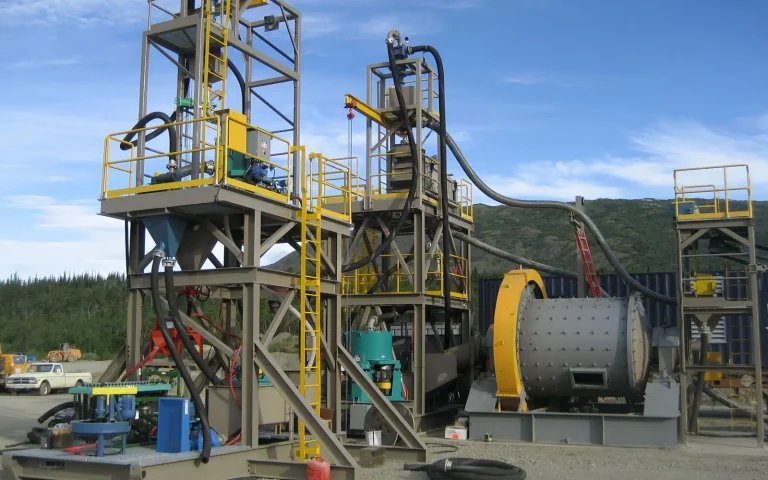
এক্সোজেনেটিক অরগুলির মধ্যে সবচেয়ে পরিচিত হল অলিভিয়াল সোনা যা প্লেসার সোনা হিসাবেও পরিচিত। অলিভিয়াল সোনা বোঝায়
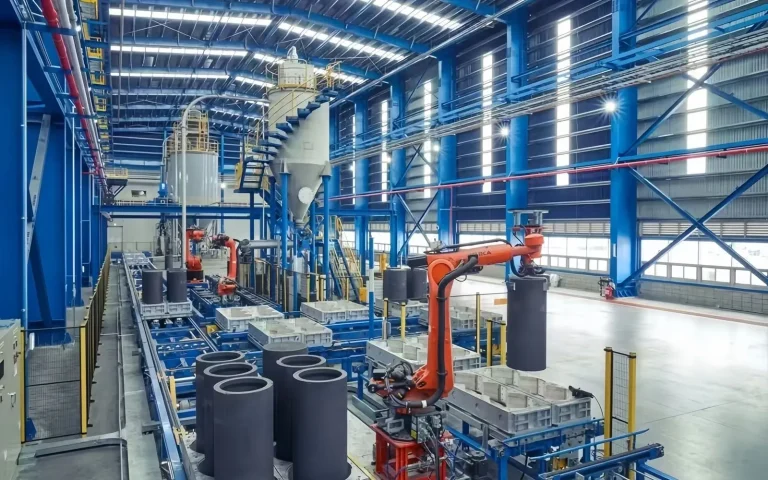
গ্রাফাইট অ্যানোড উপাদান তৈরির সম্পূর্ণ সমাধান, যার মধ্যে রয়েছে পেষণ, আকার দেওয়া, পরিশোধন…
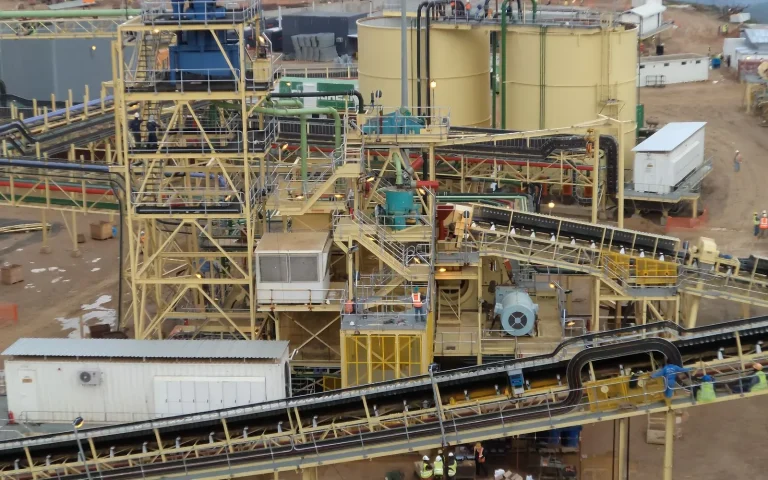
সোনা আকরিক প্রক্রিয়াকরণ প্রক্রিয়ায় গুরুত্বপূর্ণ যন্ত্রপাতি সরবরাহ করে, যেমন CIL/CIP সিস্টেম, ফ্লোটেশন সেল…

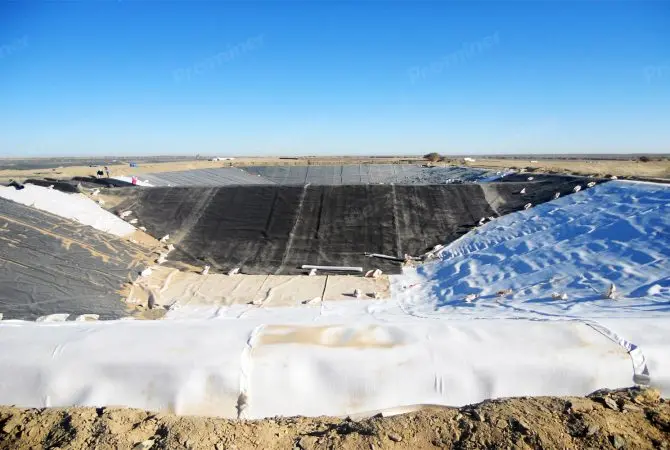
কাঁচা খনিজ: অক্সাইড প্রকারের স্বর্ণ খনিজ স্বর্ণের গ্রেড: ১.৮ গ্রাম/টন
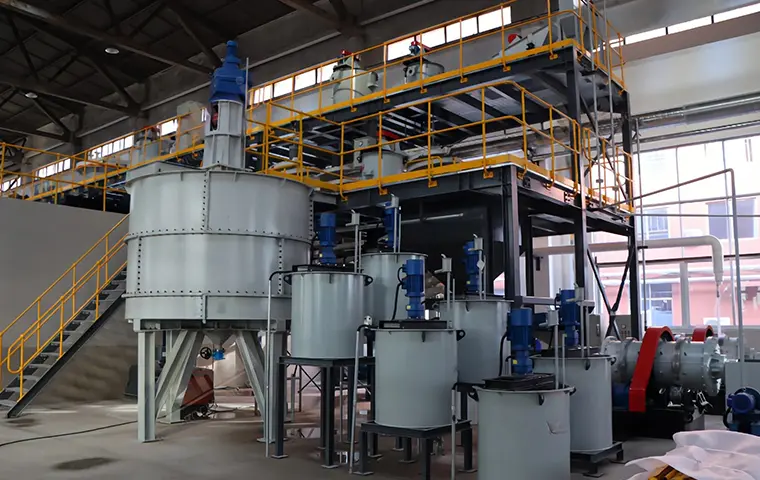
প্রকল্পের পটভূমি: একটি বিদ্যমান ফ্লোটেশন প্ল্যান্টের সম্প্রসারণ এবং প্রযুক্তিগত উন্নয়ন
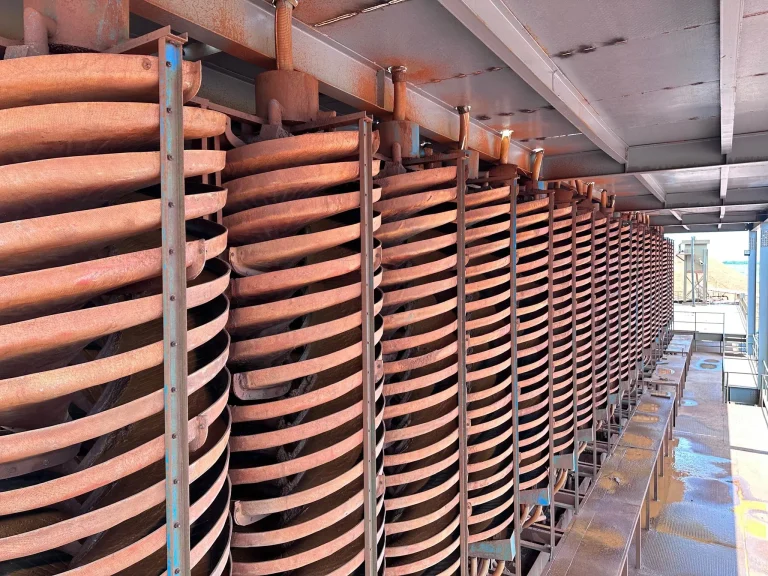
কাঁচা খনিজ: টাইটানিয়াম জার্কোনিয়াম বীচ স্যান্ড খনিজ TiO₂ গ্রেড: ৪.৫% ZrO₂ গ্রেড: ৩.২%
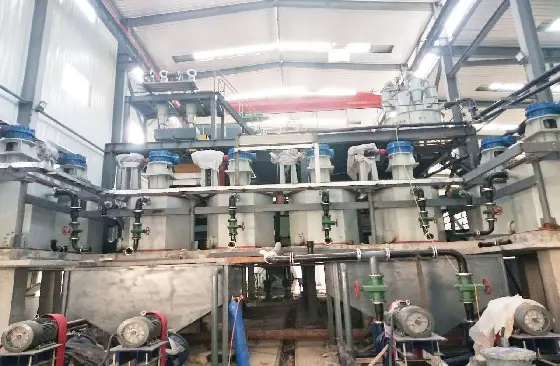
কच्चा উপাদান: কোয়ার্টজাইট পাথর (SiO₂: ৯৭.৮%) ফটোভোল্টাইক গ্রেড: SiO₂≥৯৯.৯৯%, Fe₂O₃≤১০ ppm
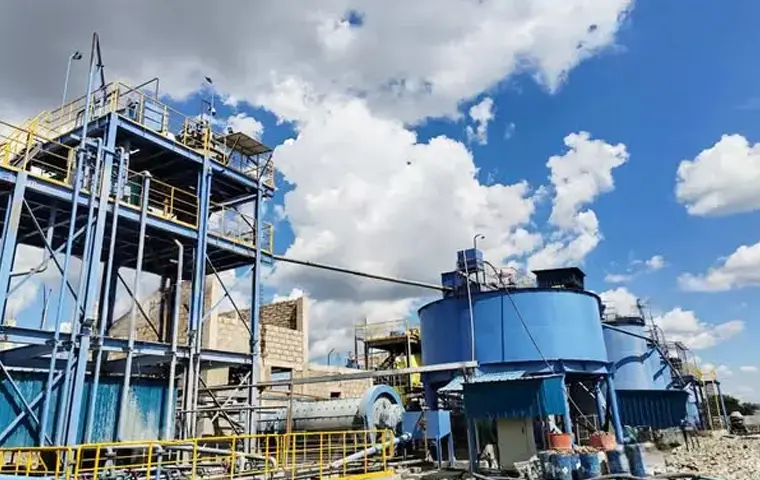
কাঁচামাল: তামা-সোনা আকরিক; তামার গ্রেড: ১.২%; সোনার গ্রেড: ১.৫ গ্রাম/টন; উদ্ধার হার: তামা ৮৯%; সোনা ৮৮%
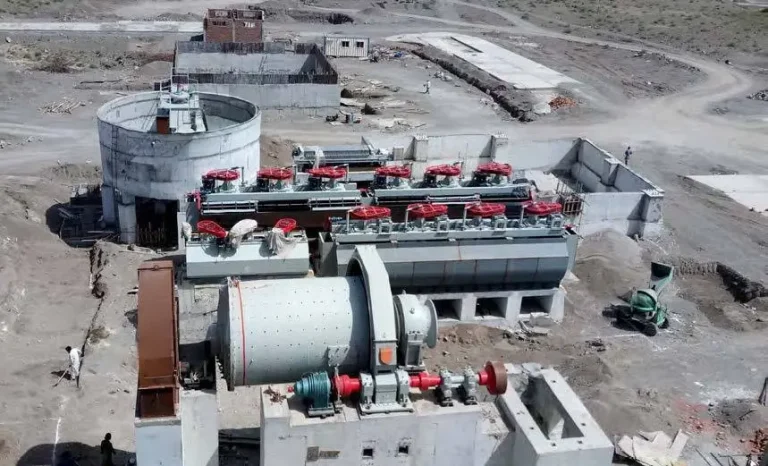
কাঁচামাল: মিশ্র অক্সাইড-সালফাইড তামার খনিজ (চ্যালকোসাইট/ম্যালাকাইট) তামার গ্রেড: ১.২% | রূপা: ১৫ গ্রাম/টন
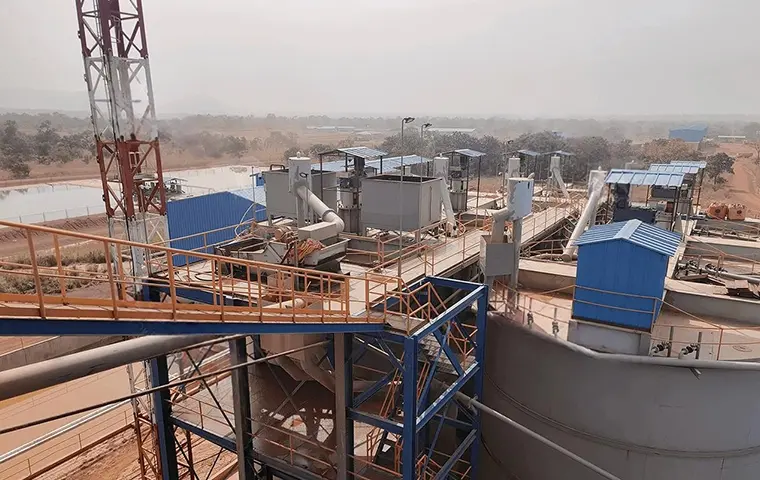
কাঁচা খনিজ: সালফাইড কপার খনিজ (অল্প পাইরাইট উপাদানসহ) কপার গ্রেড: ১.২% কনসেন্ট্রেট গ্রেড ২৫% Cu

Raw Material: Existing gold plant tailings (All-slime) Gold Grade in Tailings: 1.2 g/t Final Product: Gold Ingot
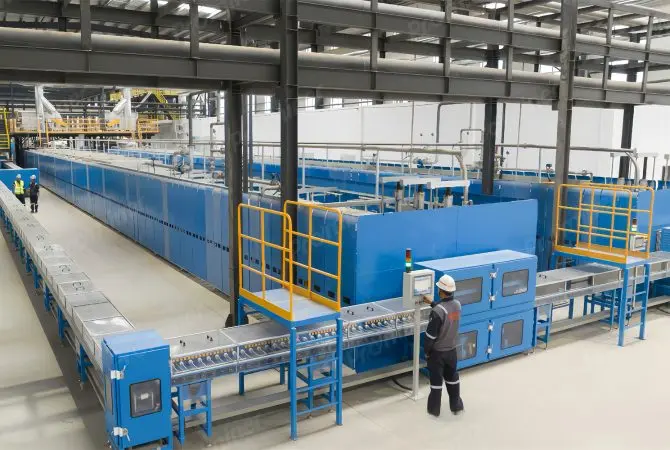
আমরা উচ্চ তাপমাত্রার কার্বনাইজেশন চিকিত্সা সিস্টেমের জন্য সম্পূর্ণ সমাধান প্রদান করতে পারি
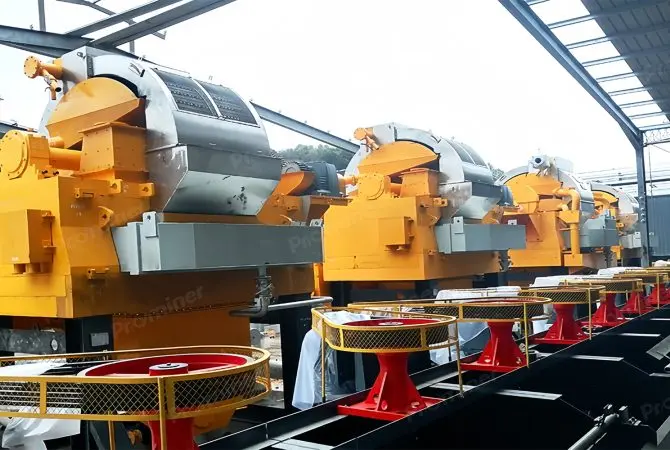
প্রোমিনার বিভিন্ন HIMS (হাই ইনটেনসিটি ম্যাগনেটিক সেপারেটর) চৌম্বক পৃথককারী সরবরাহ করতে পারে
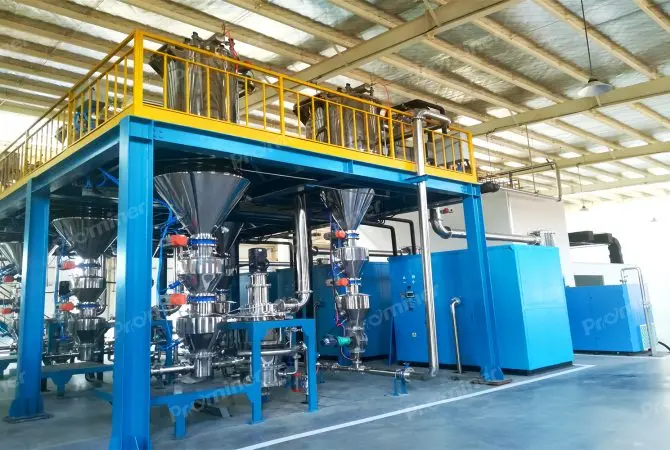
জেট মিলকে মাল্টি নোজল ব্যবহার করে সোনিক স্পিড এয়ার ফ্লো তৈরির জন্য ফ্লুইডাইজড বেড জেট মিলও বলা হয়
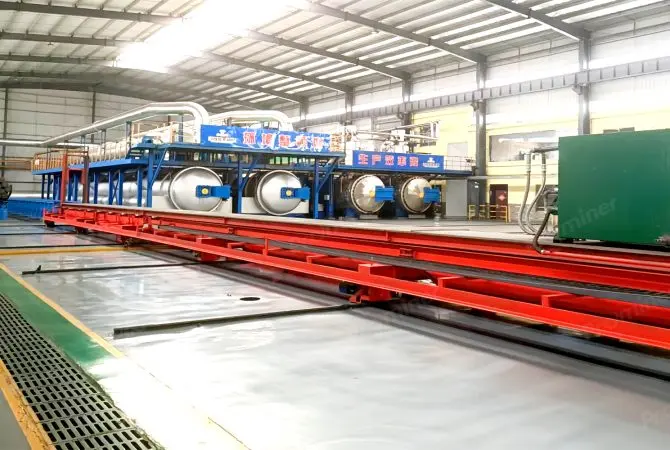
আমরা একবার বেকড গ্রাফাইটের জন্য গরম ভিতরে এবং ঠাণ্ডা বাইরে টাইপের উচ্চ চাপের ইম্প্রেগনেশন সরবরাহ করতে পারি।
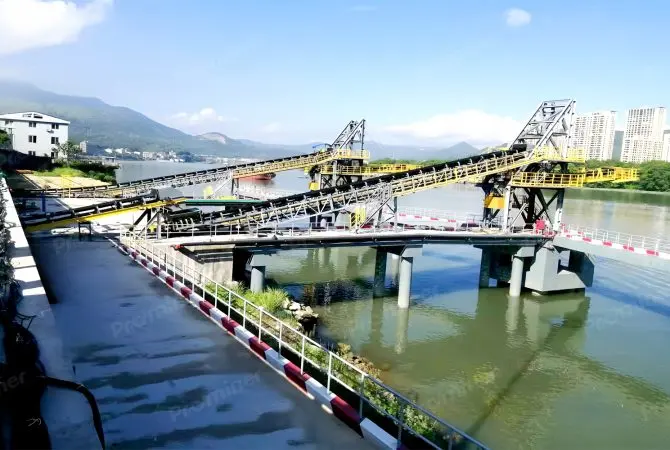
আমরা বিভিন্ন উদ্দেশ্যের জন্য বেল্ট কনভেয়রের সমাধান দিতে পারি যা তীক্ষ্ণভাবে ঝুঁকিপূর্ণ বেল্ট কনভেয়র অন্তর্ভুক্ত করে।
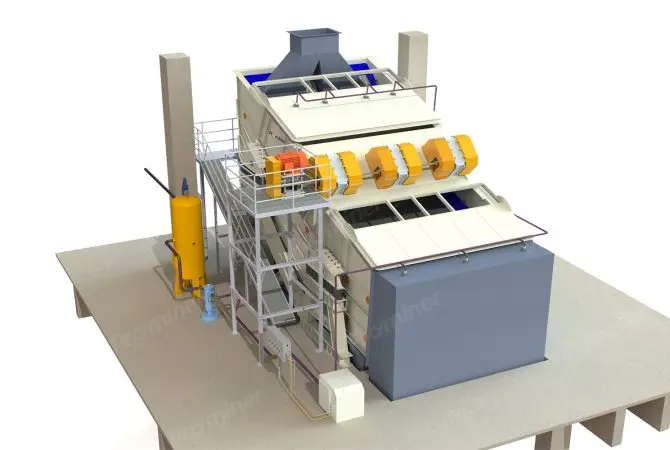
ফ্লিপ-ফ্লো স্ক্রীন প্যানেল একসাথে বিস্তৃত ও সংকুচিত হয় যাতে উচ্চ ত্বরণ হার অর্জন করা যায়।
আমাদের পণ্য এবং সমাধান সম্পর্কে আরও জানতে, অনুগ্রহ করে নীচের ফর্মটি পূরণ করুন এবং আমাদের বিশেষজ্ঞদের একজন শীঘ্রই আপনাকে ফিরে যোগাযোগ করবে
শানডং প্রদেশে ৩০০০ টিপিডি গোল্ড ফ্লোটেশন প্রকল্প
সিচুয়ানে ২৫০০ টিপিডি লিথিয়াম অর ফ্লোটেশন
ফ্যাক্স: (+86) 021-60870195
ঠিকানা:নং ২৫৫৫, শিউপু রোড, পুদং, সাংহাই
কপিরাইট © ২০২৩।প্রোমিনার (শাংহাই) মাইনিং টেকনোলজি কোং, লিমিটেড।


