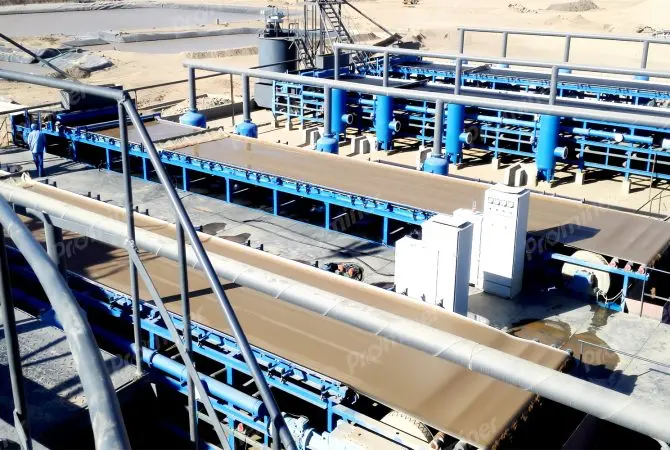
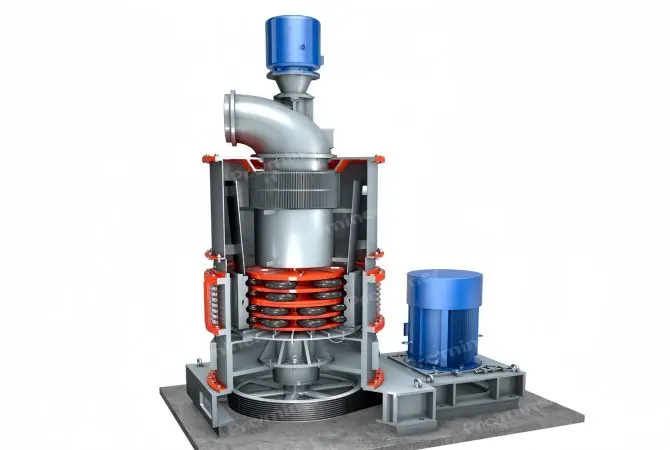
Prominer can provide the complete solution for making natrual graphite anode materials include grinding




Gold processing plants are under constant pressure to improve recovery rates, lower operating costs, and maintain consistent production. One of the most effective methods used in modern hydrometallurgy is the CIP process, or Carbon-in-Pulp process. This method has become widely adopted in gold extraction because it offers a practical balance of high recovery, operational simplicity, and economic performance.
The Carbon-in-Pulp (CIP) process is a gold recovery technique in which activated carbon is added directly into agitated cyanide leach tanks. As the gold dissolves into the cyanide solution, it is adsorbed onto the activated carbon particles.
In a typical CIP circuit, ore is first crushed and ground to liberate the gold-bearing minerals. The slurry is then leached with cyanide, and activated carbon is introduced into a series of tanks. The dissolved gold attaches to the carbon, which is later separated, stripped, and processed to recover the metal.
The CIP process enhances gold extraction efficiency because it combines leaching and adsorption into a streamlined recovery system. This integration reduces the loss of dissolved gold in solution and improves the capture of fine and invisible gold particles that may be difficult to recover by gravity methods alone.
Its efficiency comes from several advantages:
Activated carbon plays a central role in CIP efficiency. Its highly porous structure provides a large surface area, allowing it to adsorb significant amounts of dissolved gold from the leach slurry.
This improves extraction in several ways:
Because of these properties, activated carbon helps maximize recovery even when gold concentrations in solution are relatively low.
Although CIP is highly effective, its performance depends on proper process control. Several variables directly affect extraction efficiency:
Optimizing these parameters can significantly improve overall recovery and reduce reagent consumption.
CIP is often compared with methods such as CIL (Carbon-in-Leach) and heap leaching. While each has its place, CIP offers specific efficiency advantages under the right conditions.
For many conventional milling operations, CIP remains a reliable solution for achieving high gold recovery with manageable operating complexity.
The CIP process can improve plant performance in several important ways:
These benefits make CIP especially attractive for plants seeking to boost output without completely redesigning their processing systems.
Despite its advantages, CIP is not without challenges. To maintain high efficiency, operators must control issues such as:
Regular carbon regeneration, proper circuit maintenance, and careful metallurgical monitoring are essential to keeping the process efficient.
To get the best results from a CIP circuit, operators should focus on both equipment and metallurgy. Common optimization strategies include:
A well-optimized CIP plant can achieve substantial improvements in both recovery and profitability.
The CIP process enhances gold extraction efficiency by combining effective cyanide leaching with direct adsorption onto activated carbon. Its ability to recover dissolved gold quickly, reduce losses, and handle a wide range of ore types makes it one of the most valuable techniques in modern gold processing.
When properly designed and operated, a CIP circuit can deliver high recovery rates, stable production, and strong economic returns. For gold plants aiming to increase efficiency and maximize resource value, CIP remains a proven and powerful solution.
A: The choice depends entirely on your ore’s mineral characteristics:
Gravity Separation: Best for coarse-grained minerals with large density differences (e.g., placer gold).
Flotation: Ideal for fine-grained base metals (e.g., copper oxide) or removing impurities from non-metallic minerals (e.g., quartz sand).
Cyanidation (CIP): Necessary for fine, encapsulated precious metals (e.g., rock gold) to maximize chemical extraction.
A: This approach prevents over-grinding (creating excessive ultra-fine particles), which ruins flotation efficiency. By grinding in stages and immediately separating recovered minerals or waste at each stage, you significantly reduce energy consumption, minimize steel media wear, and protect valuable minerals from turning into unrecoverable slime.
A: Fine particles have low mass and high surface areas, making them hard to float. Key solutions include:
Advanced Reagents: Using highly selective collectors and flocculants to aggregate fine particles.
Micro-bubble Technology: Utilizing flotation columns that generate smaller bubbles to increase particle-bubble collision rates.
Desliming: Removing harmful ultra-fine slimes before the flotation stage to clear the process environment.
A: Relying on a single method is rarely enough. The key is a combined metallurgical flowsheet:
For High-Purity Quartz: Integrate scrubbing, magnetic separation (to remove iron), flotation (for feldspar), and acid leaching for the ultimate purity.
For Precious Metals: Combine gravity separation (to catch coarse gold early) with flotation and CIP (to extract fine gold), ensuring zero valuable minerals are wasted.
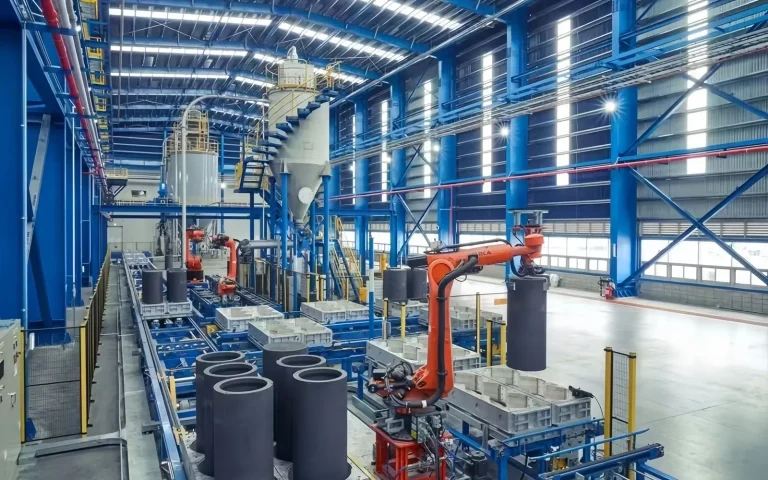
Prominer can provide the complete solution for making natrual graphite anode materials include grinding
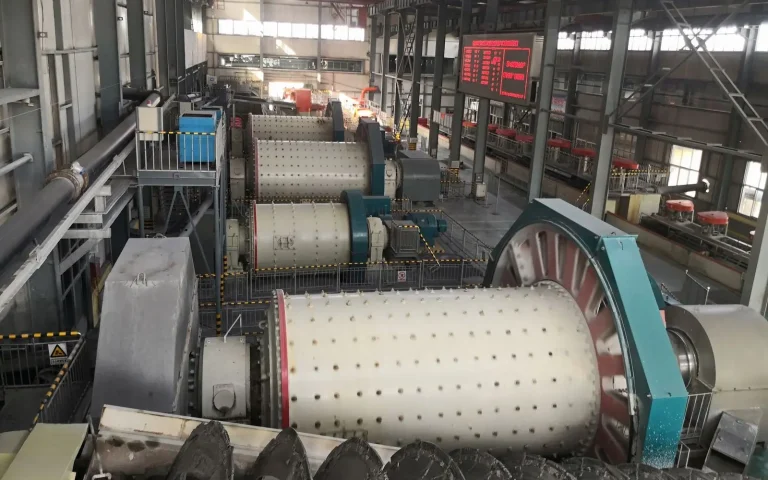
Spodumene and lepidolite are very important lithium bearing minerals and they are very easy to recover
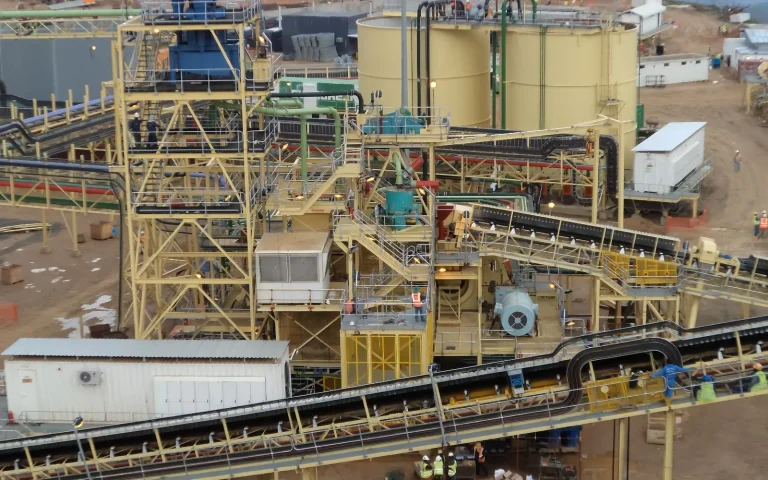
Flotation is the most popular processing way in gold ore processing project. Because the flotation process

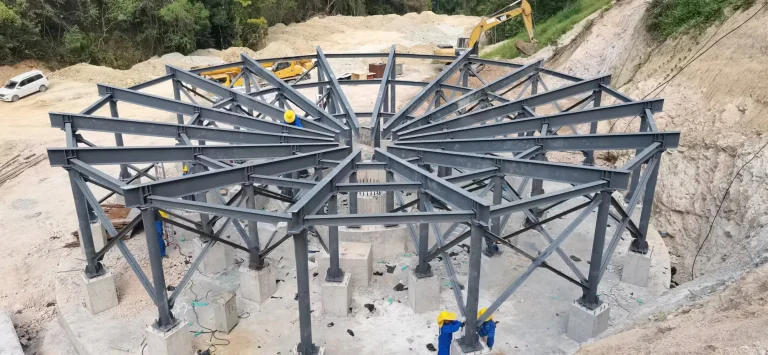
Raw Material: Fluorite Ore (CaF₂) Fluorite Grade: 35-40% Concentrate Grade: ≥97% CaF₂
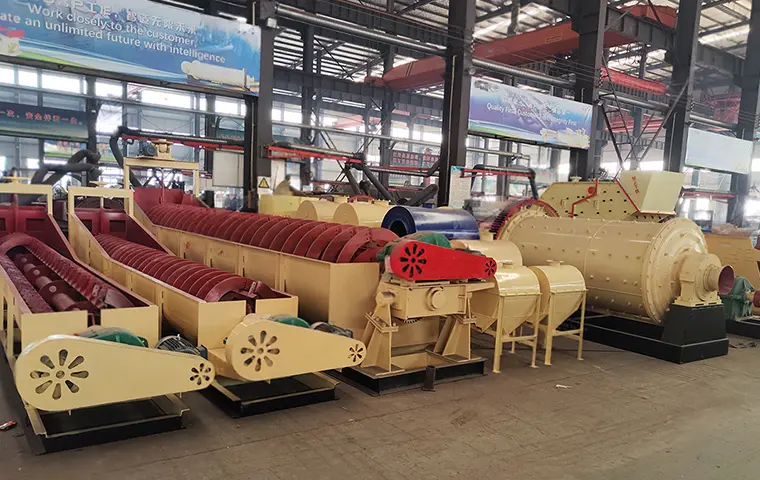
Raw Ore: Alluvial Gold Ore & Primary Hard Rock Gold Ore (Mixed Feed Capability) Feed Gold Grade: 1.2 – 3.5 g/t (variable)
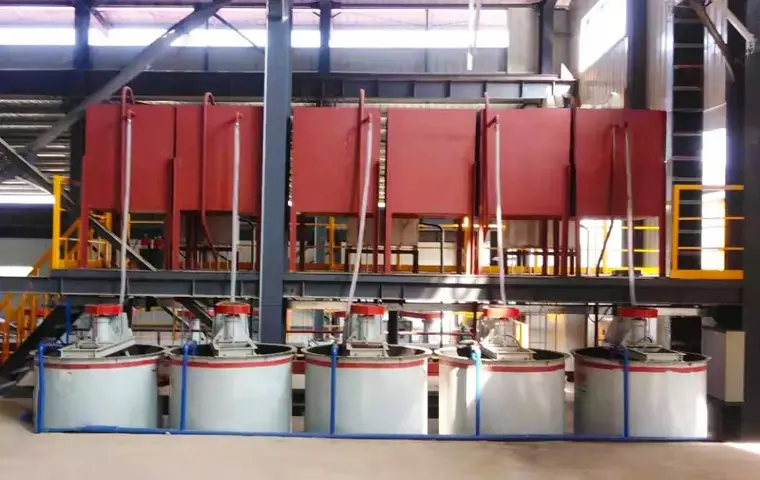
Raw Ore: Mixed Type Gold Ore (Oxide & Sulfide) Gold Grade: 2.8 g/t Gold Recovery Rate: 92% (Post-Optimization)
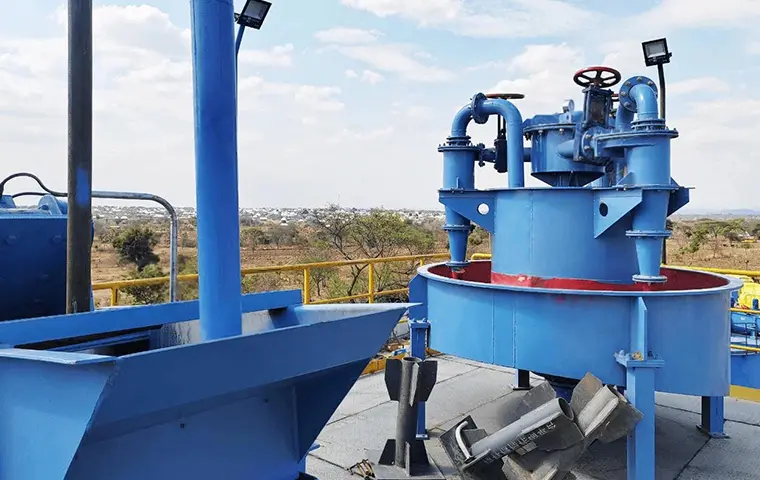
Capacity Target: Increase processing capacity from 500 TPD to 850 TPD in phases without halting production.
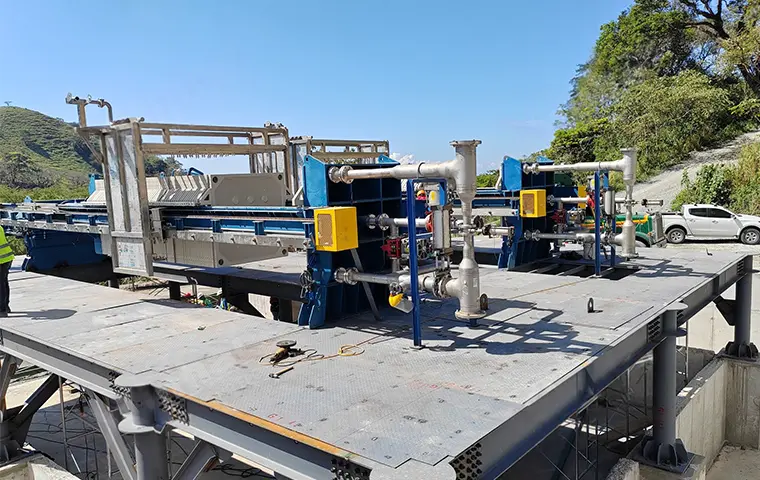
Raw Ore: Oxide and Transition Gold Ore Gold Grade: 3.5 g/t Gold Recovery Rate: 93%
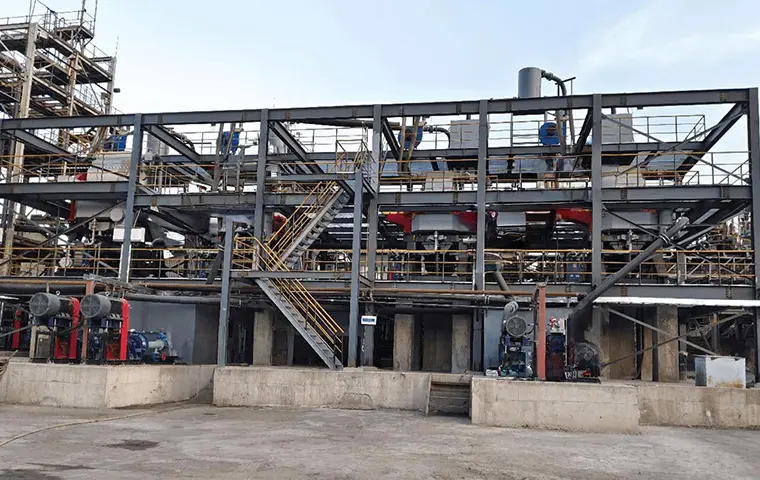
Raw Ore: South African Chrome Ore Original Cr₂O₃ Grade: 38% Upgraded Concentrate Grade: 46%
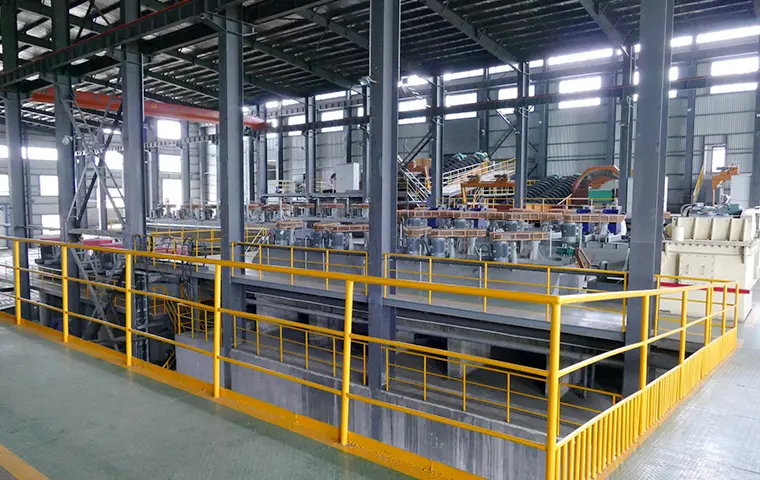
Raw Material: Spherical Graphite, Pitch Binder, Additives Project Capacity: 5,000 tons anode material; 20 tons graphene per annum
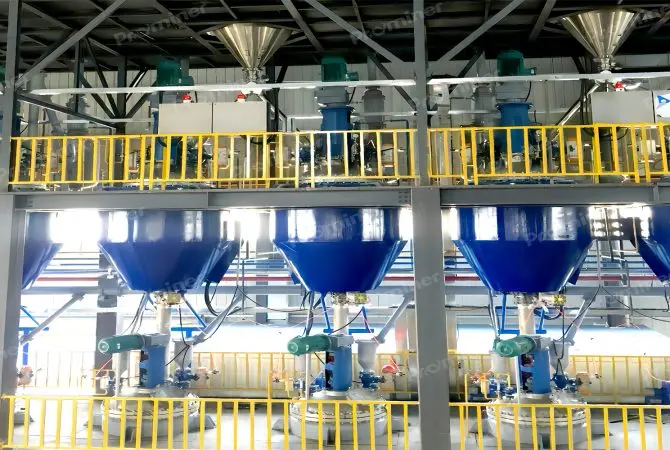
Our granulation reactor combines the coating and granulation processing functions together
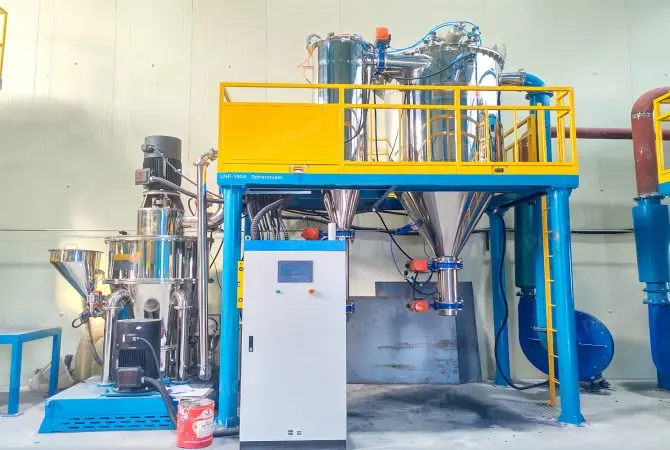
Besides strict PSD requirements, Anode Graphite also requires a spherical shape in order
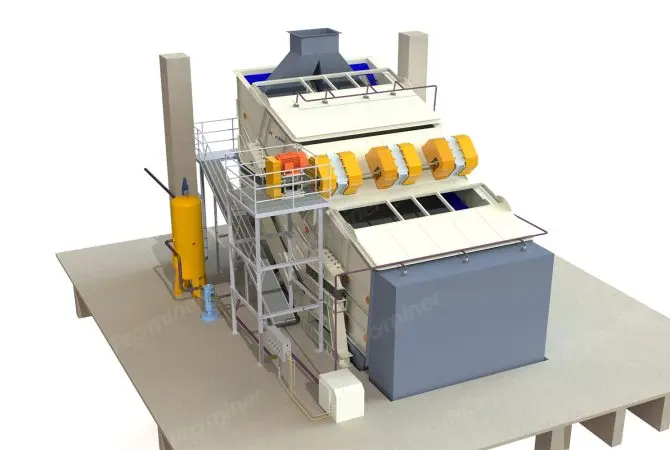
Flip-flow screen panel continues expanding and contracting so achieve a high acceleration rates
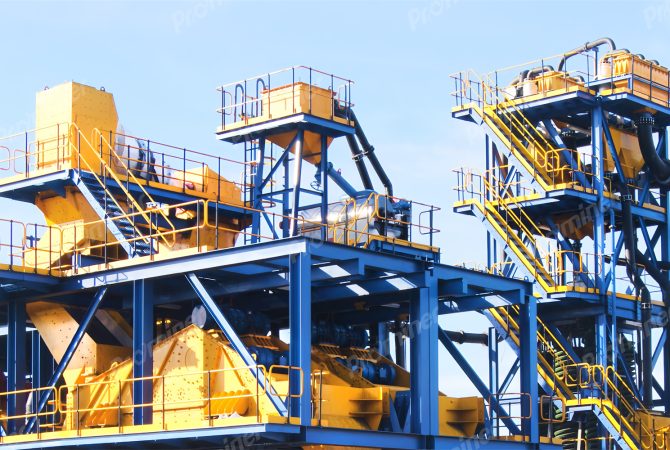
Prominer can provide different LIMS (Low Intensity Magnetic separator) magnetic separators
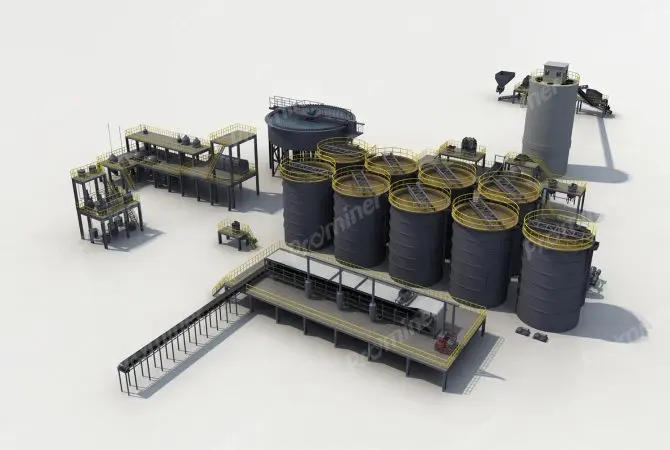
Prominer can provide the complete solution for CIL (carbon in leaching) system
To find out more about our products and solutions, please fll out the form below and one of our experts will get back to you shortly
3000 TPD Gold Flotation Project in Shandong Province
2500TPD Lithium Ore Flotation in Sichuan
Fax: (+86) 021-58779592
Address: Room 606, Building D3, Phase II, Chuansha Business Center, 777 Long, Miaochuan Road, Pudong New Area, Shanghai,China
Copyright © 2023. Prominer (Shanghai) Mining Technology Co.,Ltd.