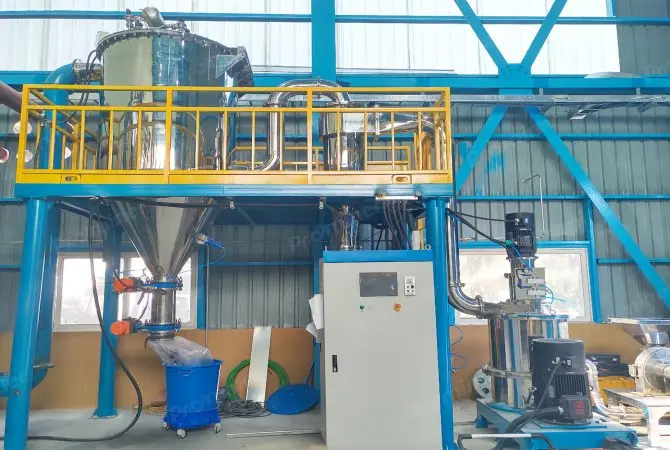
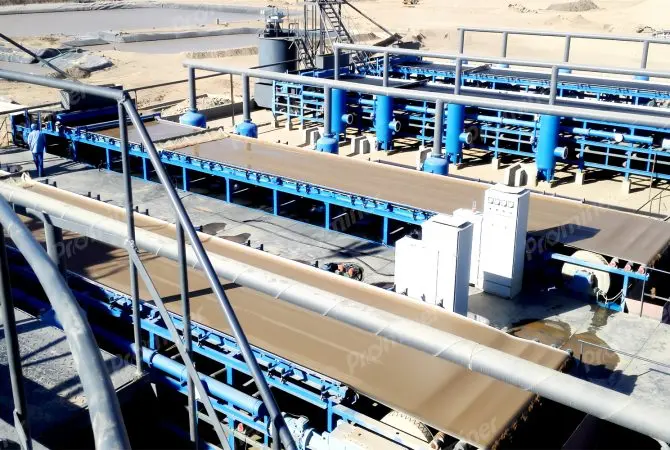
Spodumene and lepidolite are very important lithium bearing minerals and they are very easy to recover


/
/
What Are the Key Factors When Optimizing Copper-Lead-Zinc Beneficiation Technology?


Copper-lead-zinc (Cu-Pb-Zn) ores are commonly found in complex polymetallic deposits where minerals are finely intergrown and difficult to separate. Optimizing beneficiation technology for these ores requires a systematic approach that balances metallurgical efficiency, operational cost, and environmental responsibility. Below are the key factors that influence successful optimization.
Understanding the mineralogical characteristics of the ore is the foundation of any beneficiation strategy. Detailed process mineralogy studies help determine:
Accurate mineralogical analysis enables engineers to select appropriate grinding fineness, flotation reagents, and separation sequences, minimizing trial-and-error adjustments during production.
Proper grinding is critical to achieving sufficient mineral liberation without overgrinding. Under-grinding results in poor separation due to locked particles, while overgrinding can:
Optimizing grinding fineness involves balancing liberation requirements with energy efficiency. Stage grinding and classification processes are often used to improve separation performance.
The flotation process is central to copper-lead-zinc beneficiation. The most common flowsheets include:
Selecting the appropriate flotation sequence depends on ore characteristics, mineral floatability differences, and economic considerations. Process design must also address the effective depression of unwanted minerals at each stage.
Reagents significantly influence flotation performance. The key reagent categories include:
Optimizing reagent type, dosage, and addition points improves concentrate grade and recovery rates. Modern plants often use reagent regime testing and automated dosing systems to ensure consistency and minimize waste.
Advanced process control systems enhance operational stability and recovery efficiency. Real-time monitoring of parameters such as:
helps operators make timely adjustments. Automation reduces human error, improves reproducibility, and increases overall plant productivity.
Water chemistry significantly affects flotation performance. Factors such as dissolved ions, pH, and recycled water contaminants can alter reagent effectiveness and mineral selectivity.
In addition, environmental regulations require careful management of:
Optimizing water reuse systems and implementing environmentally friendly reagents contribute to sustainable plant operation.
Technical optimization must align with economic feasibility. Key economic factors include:
Continuous cost-benefit analysis ensures that improvements in recovery or grade translate into real financial gains.
Ore properties may vary over time, requiring ongoing testing and adaptation. Pilot-scale testing, laboratory flotation experiments, and plant data analysis support continuous improvement.
Regular performance reviews and metallurgical audits help identify bottlenecks and maintain optimal production levels.
Optimizing copper-lead-zinc beneficiation technology requires an integrated approach combining mineralogical research, process engineering, reagent management, automation, and economic analysis. By systematically addressing these key factors, processing plants can maximize recovery, improve concentrate quality, and maintain sustainable, cost-effective operations.
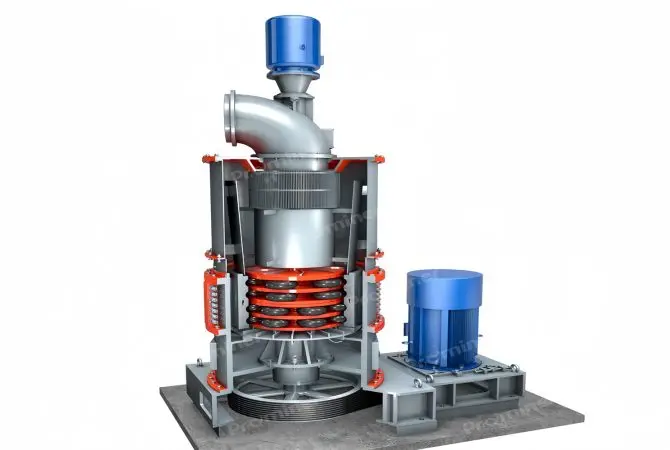
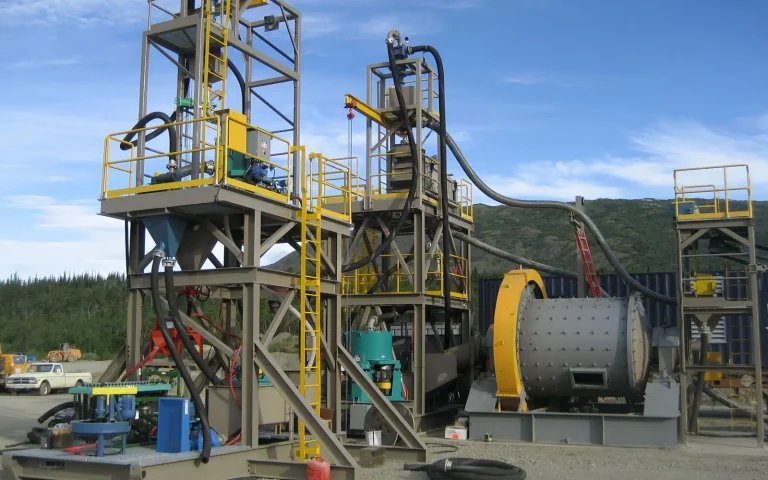
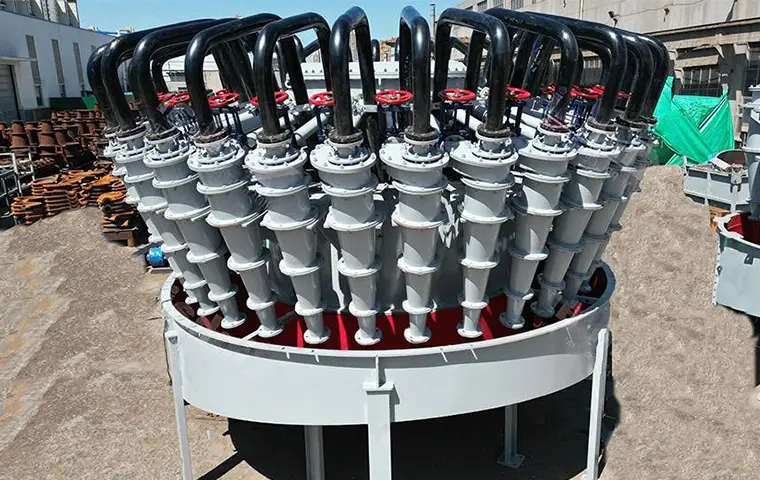
A: For graphite resources, a complete solution should cover both natural graphite flotation and deep processing. The ball mill and hydrocyclone system serve as the basic grinding stage. For advanced anode material production, the shaping mill is essential to improve tap density and reduce specific surface area. Additionally, the Prominer coating system, which combines coating and granulation functions, is a key step in processing high-profit anode materials.
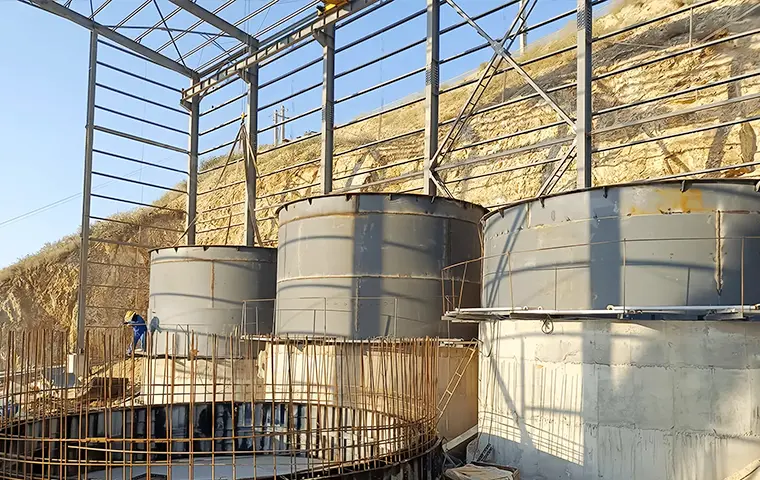
A: Process selection depends entirely on the ore’s characteristics. The Gold CIL/CIP process is a very popular and effective way to process high-grade oxide type gold ore. For many other gold projects, flotation remains the most popular processing method. For owners looking to save investment at the initial stage, vat leaching or heap leaching are flexible and economic options. We recommend starting with a lab & pilot test to determine the most efficient and scientific process flow.
A: Magnetic separation is critical for mineral upgrading. We provide both HIMS (High Intensity) and LIMS (Low Intensity) magnetic separators to handle different mineral magnetic properties. In an optimized plant design, this technology is integrated with a high-performance crushing system—utilizing single-cylinder or multi-cylinder hydraulic cone crushers—and a grinding system. This ensures that waste rock is rejected early, significantly improving productivity and saving energy.
A: Designing a successful plant requires a comprehensive EPC (Engineering, Procurement, and Construction) service. Key considerations include engineering design (site surveys, sampling guidance, and PFD drawings) and equipment customization to ensure machinery matches the specific ore characteristics. For example, Prominer can customize linear screens up to 5.1m in width for large-scale grading and dewatering. Finally, professional on-site services, including civil work supervision and commissioning, are vital for long-term stable operation.
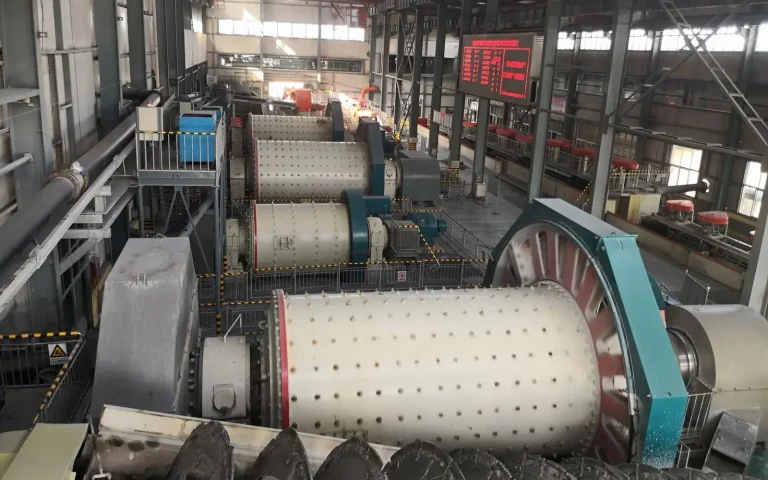
Spodumene and lepidolite are very important lithium bearing minerals and they are very easy to recover
Gold CIL process (carbon in leaching) is very popular way to process the high grade oxide type gold ore
The best-known of the exogenetic ores is alluvial gold which also called placer gold. Alluvial gold refers

Raw Ore: Weathered Oxide Gold Ore Gold Grade: 1.8 g/t Gold Recovery Rate: 90.5%
Raw Ore: Lithium Spodumene Ore Li₂O Grade: 1.45% Concentrate Grade: 6.20%
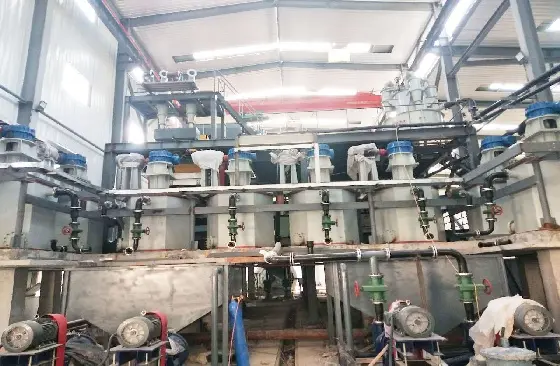
Raw Material: Quartzite Rock (SiO₂: 97.8%) Photovoltaic Grade: SiO₂≥99.99%, Fe₂O₃≤10ppm
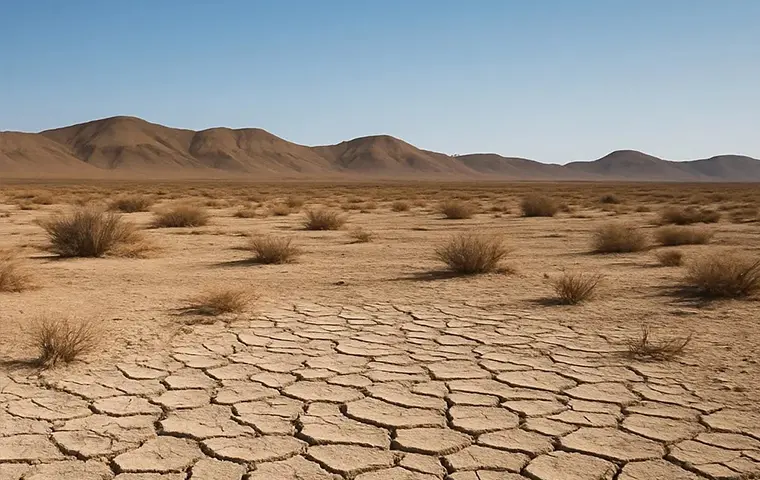
Raw Ore: Oxide Type Gold Ore Gold Grade: 3.5 g/t Gold Recovery Rate: 92% Gold Ingot Purity: 96%
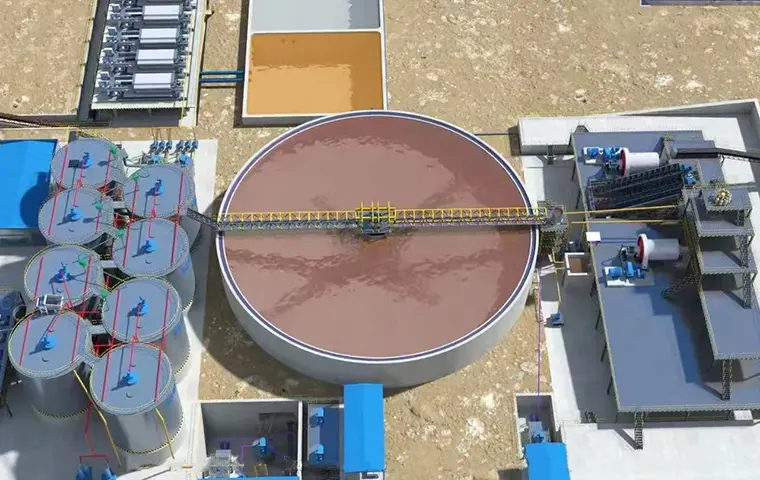
Raw Ore: Sulfide Type Copper Ore (Mainly Chalcopyrite) Copper Grade: 0.8% Final Product: Copper Concentrate
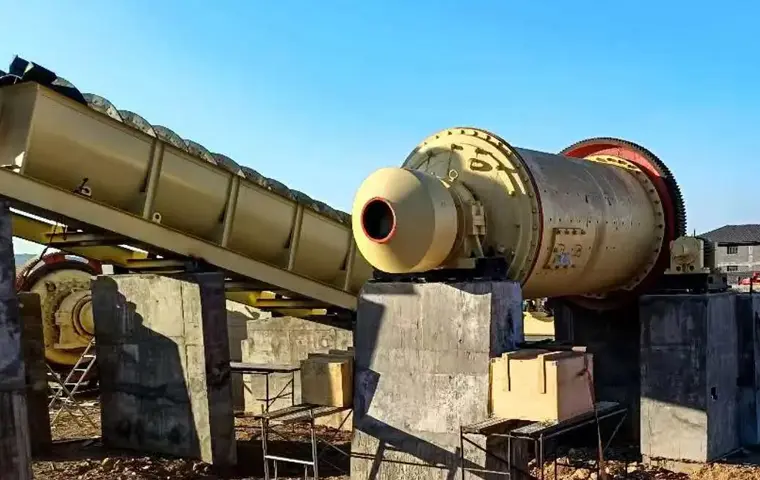
Raw Ore: Oxide Type Gold Ore Gold Grade: 2.5 g/t Gold Ingot Purity: 96%
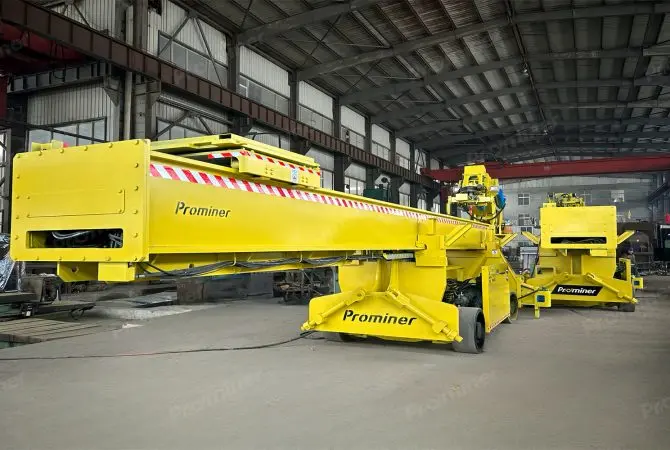
We can design and manufacture the mill relining machine (or called mill relining manipulator)
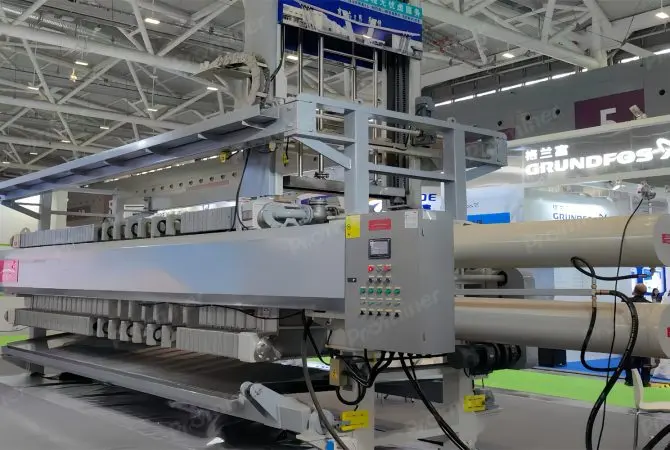
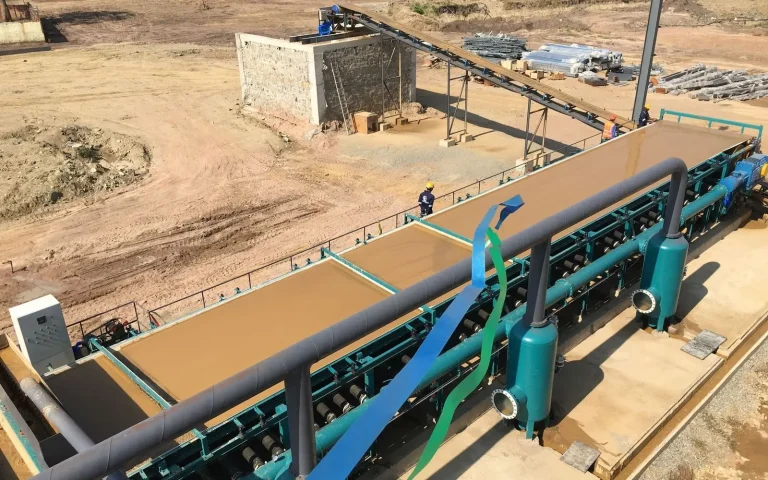
Prominer can provide press filter, belt vacuum filter, disk vacuum filter and ceramic filter
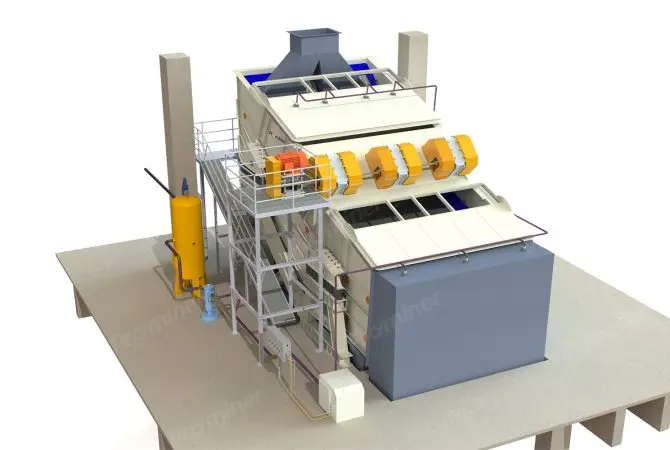
Flip-flow screen panel continues expanding and contracting so achieve a high acceleration rates
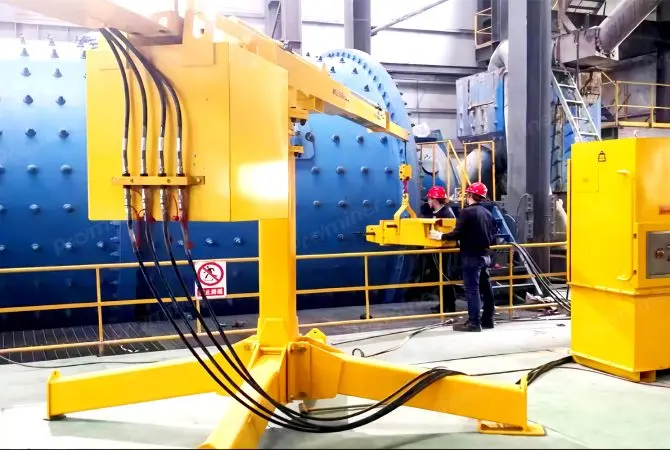
We can manufacture the highly automated and powerful recoilless Bolt Hammer to remove
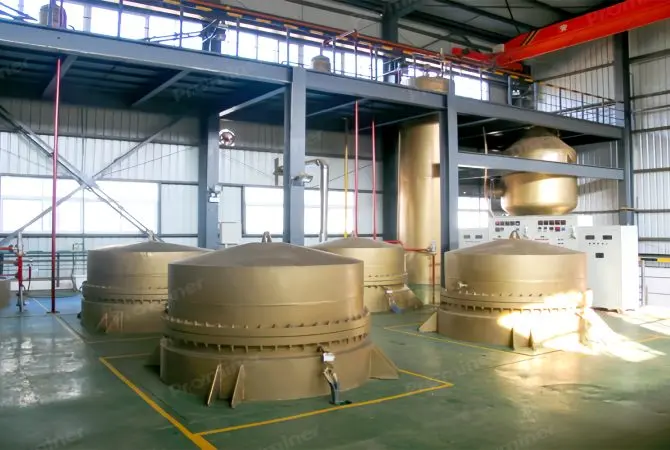
Prominer can design and provide the complete refinery and smelting system for gold CIL project
To find out more about our products and solutions, please fll out the form below and one of our experts will get back to you shortly
3000 TPD Gold Flotation Project in Shandong Province
2500TPD Lithium Ore Flotation in Sichuan
Fax: (+86) 021-58779592
Address: No.2555,Xiupu Road, Pudong, Shanghai
Copyright © 2023. Prominer (Shanghai) Mining Technology Co.,Ltd.