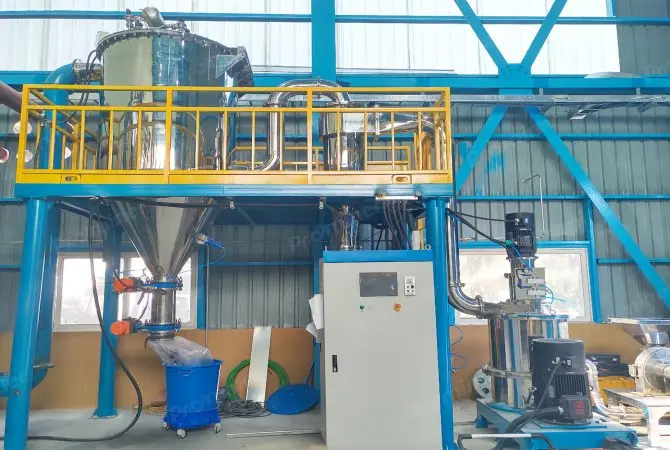
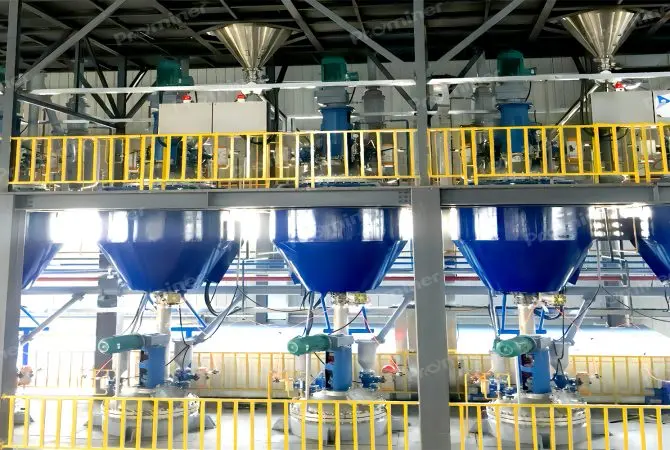
Siliconen gebaseerde anode is een soort composiet anodemateriaal door silicium te combineren




Designing a mineral processing plant is a complex task that requires balancing technical performance, economic viability, safety, and environmental responsibility. Each plant must be tailored to the specific ore body, location, and production goals. Below are the key considerations that guide successful mineral processing plant design.
Understanding the ore body is the foundation of plant design. Detailed mineralogical and metallurgical studies determine:
These factors influence the selection of crushing, grinding, separation, and dewatering equipment. Variability in ore composition must also be considered to ensure the plant can handle fluctuations without major performance losses.
The process flow sheet defines how raw ore is transformed into a marketable product. It includes:
Extensive laboratory and pilot-scale testing are typically required to validate the selected process. The goal is to maximize recovery and product quality while minimizing energy, reagent, and water consumption.
Plant capacity must align with production targets and mine life. Designers must consider:
Building flexibility into the design allows for upgrades or increased capacity as market conditions or ore reserves change.
Equipment must be selected based on reliability, efficiency, and compatibility with the process flow. Important considerations include:
Plant layout should optimize material flow, minimize material handling, and ensure safe access for operation and maintenance. Proper layout also reduces bottlenecks and operational downtime.
Mineral processing plants are resource-intensive. Efficient management of water and energy is critical for both cost control and environmental compliance.
In remote areas, power supply reliability and alternative energy options must also be evaluated.
Environmental regulations significantly influence plant design. Key areas include:
Early integration of environmental safeguards ensures smoother permitting processes and reduces long-term liabilities.
Modern mineral processing plants rely heavily on automation to improve efficiency and consistency. Advanced control systems can:
Automation enhances productivity, reduces human error, and supports data-driven decision-making.
Safety must be integrated into every stage of design. This includes:
Designing for safety not only protects workers but also reduces downtime and legal risks.
Capital expenditure (CAPEX) and operating expenditure (OPEX) must be carefully evaluated. Designers should consider:
A well-designed plant balances upfront investment with long-term operational efficiency and profitability.
Designing a mineral processing plant requires a multidisciplinary approach that integrates geology, metallurgy, engineering, environmental science, and economics. By carefully considering ore characteristics, process design, equipment selection, sustainability, and safety, companies can develop efficient, compliant, and cost-effective operations that remain viable throughout the life of the mine.
A: Voor grafietbronnen moet een volledige oplossing zowel de natuurlijke grafietflotatie als verwerking op diepte omvatten. Het balpkart- en hydrocyclonsysteem dienen als de basis voor het maalproces. Voor de productie van geavanceerde anodenmaterialen is de vormpers essentieel om de tapdichtheid te verbeteren en de specifieke oppervlakte te verminderen. Daarnaast is het Prominer-coatingsysteem, dat coating- en granulatiefuncties combineert, een belangrijke stap in de verwerking van winstgevende anodenmaterialen.
A: Processelectie hangt volledig af van de eigenschappen van het erts. Het Gold CIL/CIP-proces is een zeer populaire en effectieve manier om hoogwaardig oxidatiegouderts te verwerken. Voor veel andere goudprojecten blijft flotatie de meest populaire verwerkingsmethode. Voor eigenaren die bij de eerste fase willen besparen op investeringen, zijn vatstroom- of heap-stroombiolevering flexibele en economische opties. We raden aan te beginnen met een lab- en proefproces om de meest efficiënte en wetenschappelijke processtroom te bepalen.
A: Magnetische scheiding is cruciaal voor mijnverrijking. We bieden zowel HIMS (Hoge Intensiteit) als LIMS (Lage Intensiteit) magnetische scheiders om verschillende magneet eigenschappen van mineralen aan te kunnen. In een geoptimaliseerd plantontwerp wordt deze technologie geïntegreerd met een hoogrenderend breeksysteem—gebruikmakend van enkelcilinder- of meercilinder hydraulische kegelbrekers—en een maalproces. Dit zorgt ervoor dat afvalgesteente vroeg wordt afgewezen, wat de productiviteit aanzienlijk verbetert en energie bespaart.
A: Het ontwerpen van een succesvolle plant vereist een uitgebreide EPC (Engineering, Procurement, and Construction) dienstverlening. Belangrijke overwegingen zijn onder andere engineeringontwerp (site surveys, bemonsteringsgidsen en PFD-tekeningen) en maatwerk voor apparatuur om ervoor te zorgen dat de machines aansluiten bij de specifieke eigenschappen van het ertsmateriaal. Bijvoorbeeld, Prominer kan lineaire schermen aanpassen tot wel 5,1 meter breed voor grootschalige sortering en ontwatering. Tot slot zijn professionele on-site diensten, inclusief toezicht op civiele werken en ingebruikname, essentieel voor een langdurige stabiele werking.
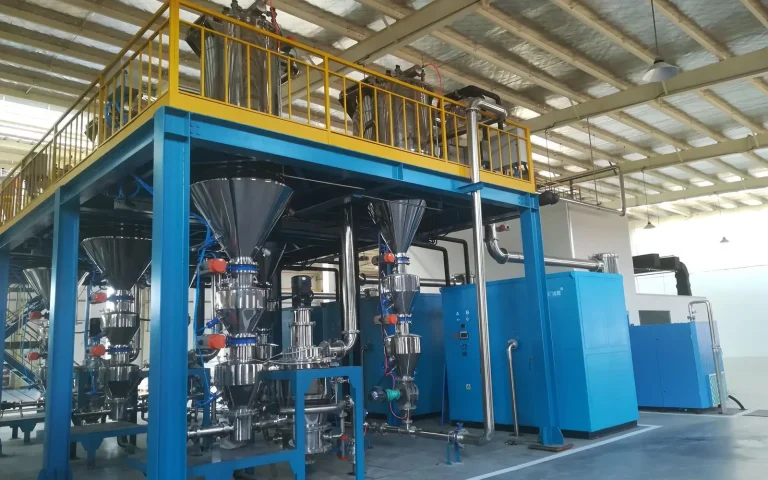
Siliconen gebaseerde anode is een soort composiet anodemateriaal door silicium te combineren
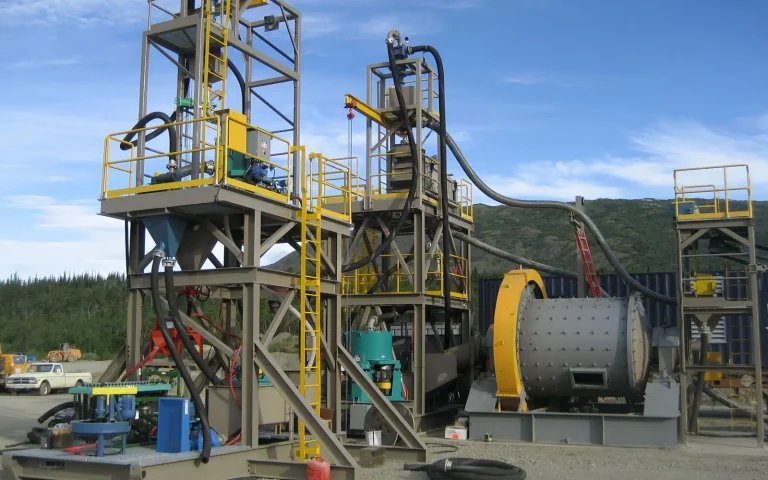
Het bekendste van de exogenetische ertsen is alluviaal goud, dat ook wel placer goud wordt genoemd. Alluviaal goud verwijst
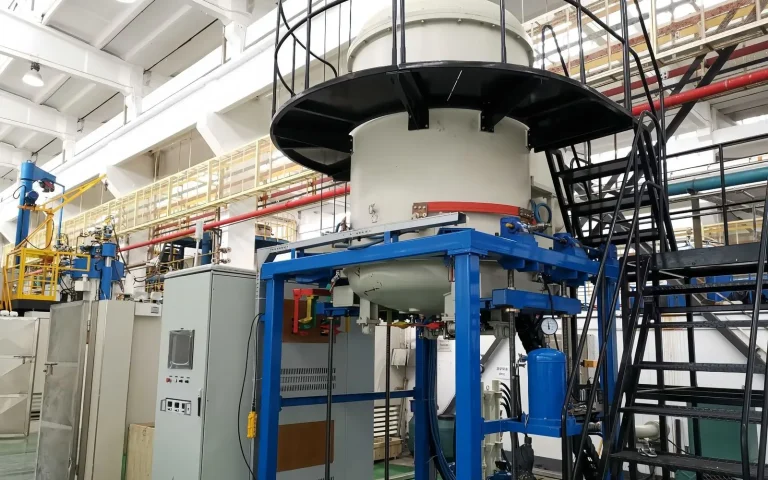
De vraag vanuit de industrie in de loop der jaren is geweest naar speciale grafiet en koolstof met steeds striktere

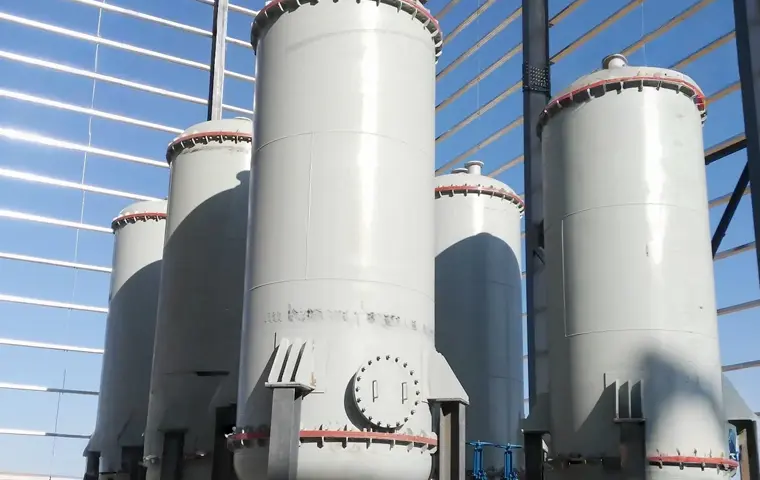
Ruwe Erts: Sulfide-type gouderts Goudgraad: 1,2 g/t Werkingshoogte: 4200 meter
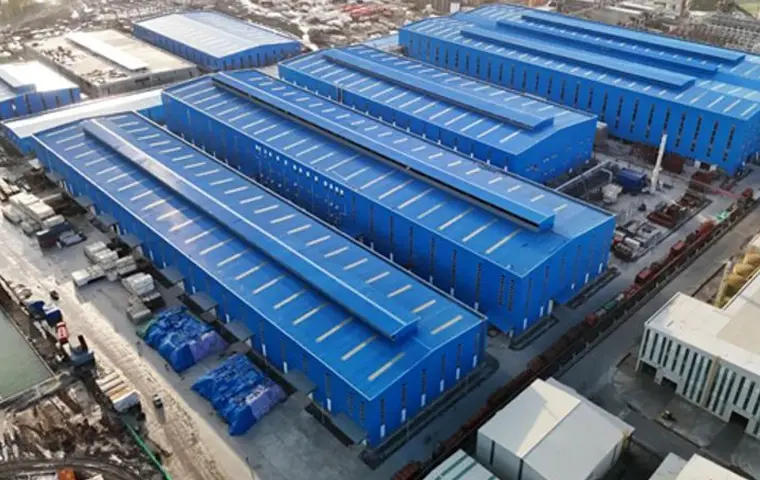
Grondstof: Petroleumkook, Naaldkook, Teerbindmiddel Projectcapaciteit: 50.000 ton per jaar
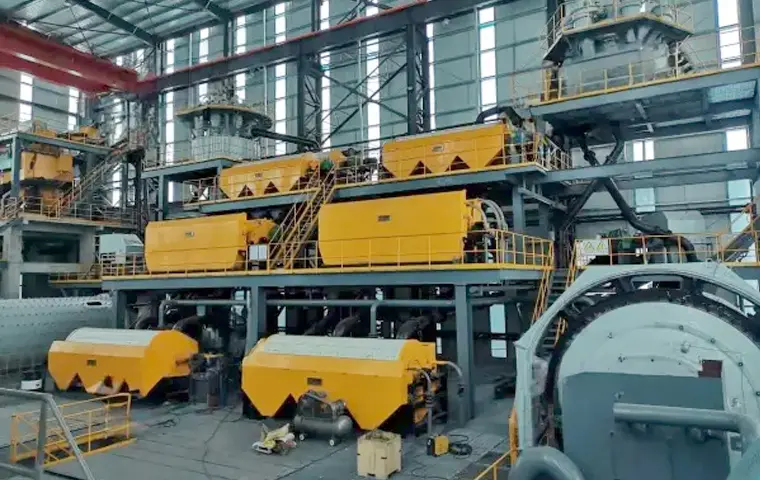
Ruwe erts: Magnetiet ijzererts met hematietbanden Fe-gehalte: 28-32% Eindproduct: Hoogwaardig ijzerconcentratie
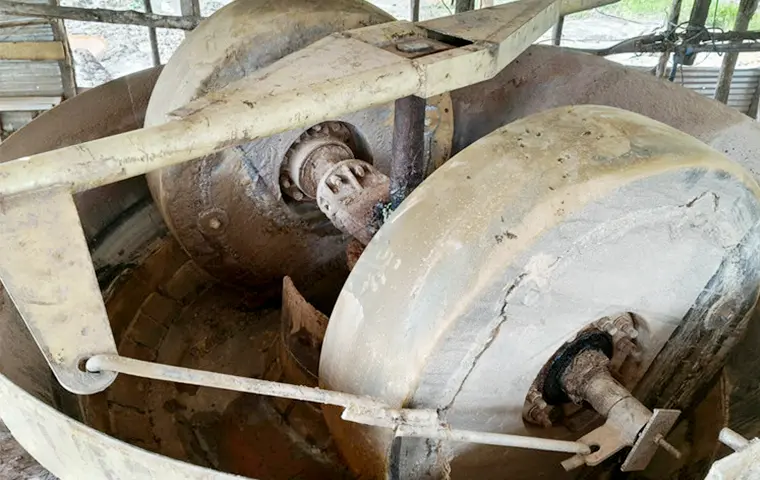
Ruwe Erts: Alluviaal gouderts / Adergouderts na het malen Goudgraad: 1,5 – 2,5 g/t Goudstaaf Zuiverheid: ≥ 90%
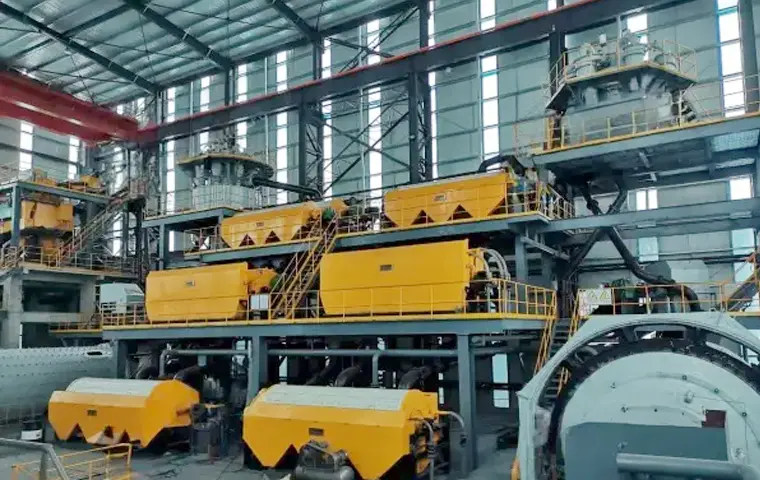
Ruwe erts: Magnetiet ijzererts met hematietbanden Fe-gehalte: 28-32% Eindproduct: Hoogwaardig ijzerconcentratie
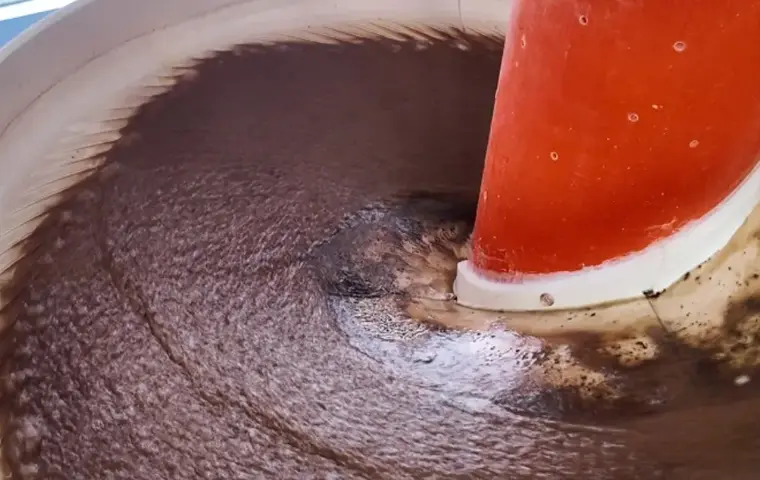
Grondstof: IJzerertsafval Verwerkingscapaciteit: 800 ton per dag
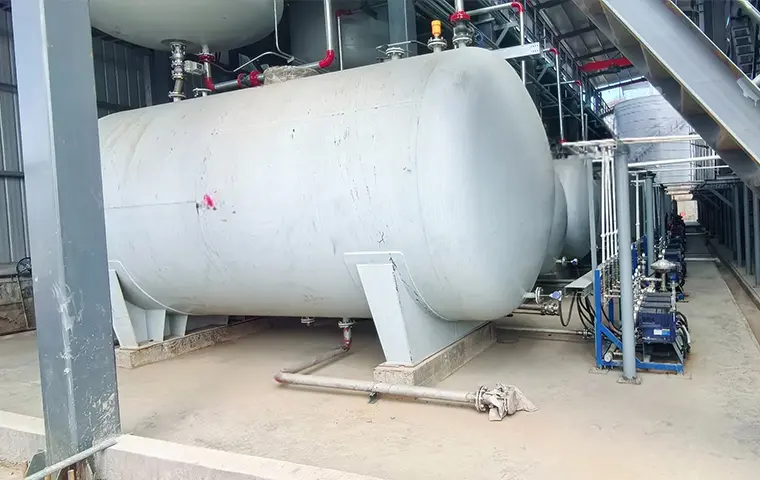
Ruwe Erts: Spodumene Lithium Erts Li2O Gehalte: 1,5% Concentratie Gehalte: 6,0%
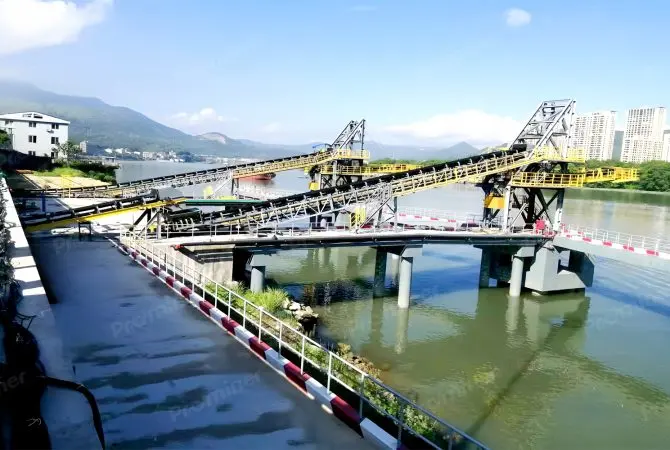
We kunnen de oplossing van bandtransporteurs voor verschillende doeleinden bieden, inclusief steil hellende bandtransporteur
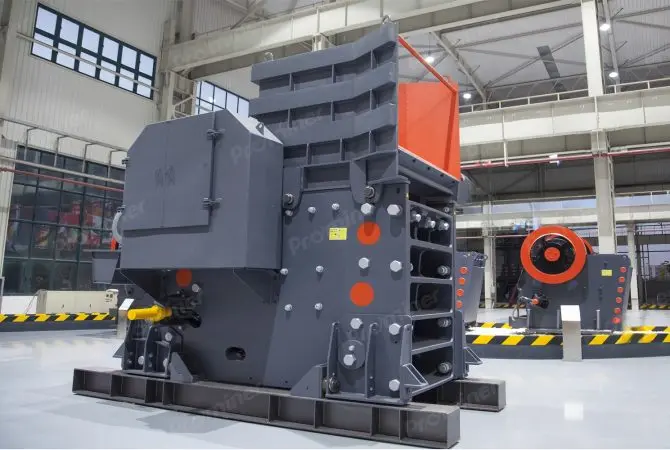
Kegelbreker, de opening bepaalt de maximale invoergrootte. De vergruizingskamer van een kegelbreker
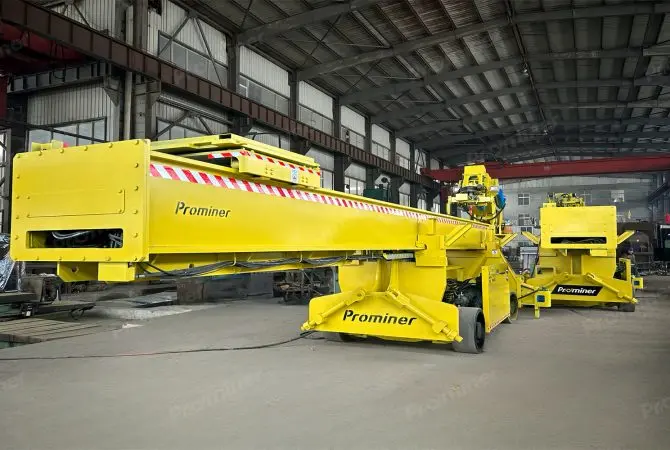
Wij kunnen de maalherstelmachine (ook wel maalherstelmanipulator genoemd) ontwerpen en vervaardigen
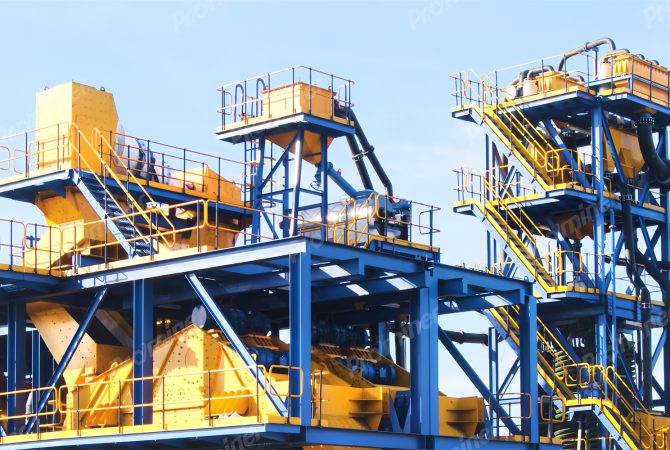
Prominer kan verschillende LIMS (Low Intensity Magnetic Separator) magnetische separators bieden
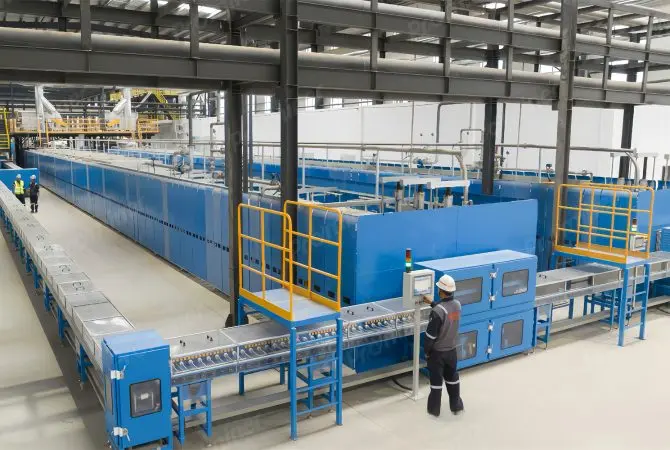
Wij kunnen de complete oplossing voor het koolstofisatiethermisch behandelingssysteem bieden
Om meer te weten te komen over onze producten en oplossingen, vul alstublieft het onderstaande formulier in en een van onze experts zal u binnenkort terugbellen
3000 TPD goud flotatieproject in de provincie Shandong
2500 TPD lithiumerts flotatie in Sichuan
Fax: (+86) 021-58779592
Adres:Kamer 606, Gebouw D3, Fase II, Chuansha Business Center, Long 777, Miaochuan Road, Pudong Nieuwgebied, Shanghai, China
Auteursrecht © 2023.Prominer (Shanghai) Mining Technology Co., Ltd.