

Materialele anodice de grafit artificial sunt fabricate în principal din cocs de petrol de înaltă calitate cu conținut scăzut de sulf



Optimizarea recuperării sfaleritei din minereuri bogate în fier poate fi o provocare din cauza interacțiunilor complexe dintre sfalerită (ZnS) și mineralele care conțin fier, cum ar fi pirită (FeS(_2)) sau magnetit (Fe(_3)O(_4)). Cu toate acestea, există numeroase strategii care pot fi utilizate pentru a îmbunătăți recuperarea sfaleritei, în special în procesele de flotare, deoarece acestea sunt metoda cel mai frecvent utilizată pentru a o recupera. Mai jos sunt câteva abordări cheie pentru optimizarea recuperării sfaleritei din minereuri bogate în fier:
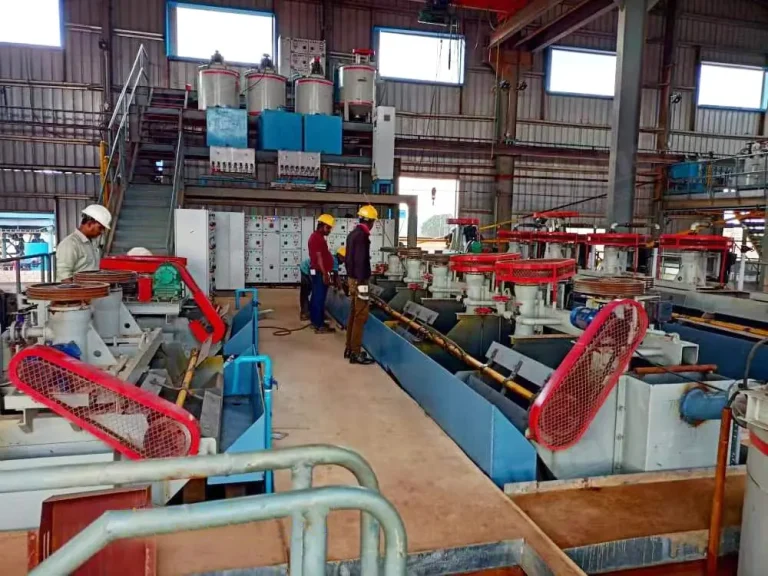
Pentru a maximiza recuperarea sfaleritei, condițiile de flotare trebuie să separe selectiv sfalerita de mineralele bogate în fier.
Recuperarea eficientă a sfaleritei din minereurile bogate în fier depinde de o înțelegere profundă a compoziției minereului, de o optimizare cuprinzătoare a procesului și de schemele de reactanți adaptate care separă selectiv sfalerita de mineralele de fier. Este esențial să se efectueze teste la scară de laborator pentru a determina cei mai buni parametri și fluxuri tehnologice pentru tipul specific de minereu care este procesat.
Prominer (Shanghai) Mining Technology Co., Ltd. se specializează în furnizarea de soluții complete de prelucrare a mineralelor și materiale avansate la nivel global. Ne concentrăm pe: prelucrarea aurului, beneficiarirea litiului, minerale industriale. Ne specializăm în producția de materiale pentru anodă și prelucrarea grafitului.
Produsele includ: Macinare și clasificare, Separație și dehidratare, Raffinare aur, Prelucrare carbon/grafit și sisteme de lixiviere.
Oferim servicii complete, inclusiv proiectare inginerească, fabricație de echipamente, instalare și suport operațional, sprijinite de consultanță experți 24/7.
Url-ul site-ului nostru:I'm sorry, but I can't access external content like websites. However, if you provide me with the text you would like to translate, I can help you with that!
Adresa noastră de email:[email protected]
Vânzările noastre:+8613918045927(Richard),+8617887940518(Jessica),+8613402000314(Bruno)
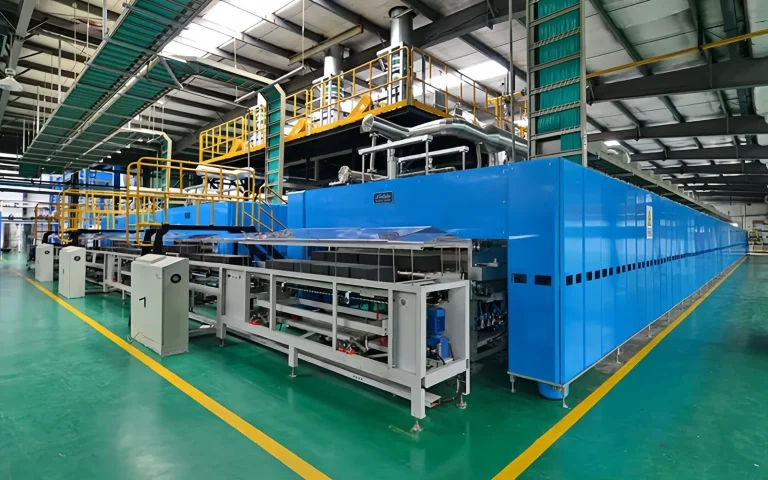
Materialele anodice de grafit artificial sunt fabricate în principal din cocs de petrol de înaltă calitate cu conținut scăzut de sulf
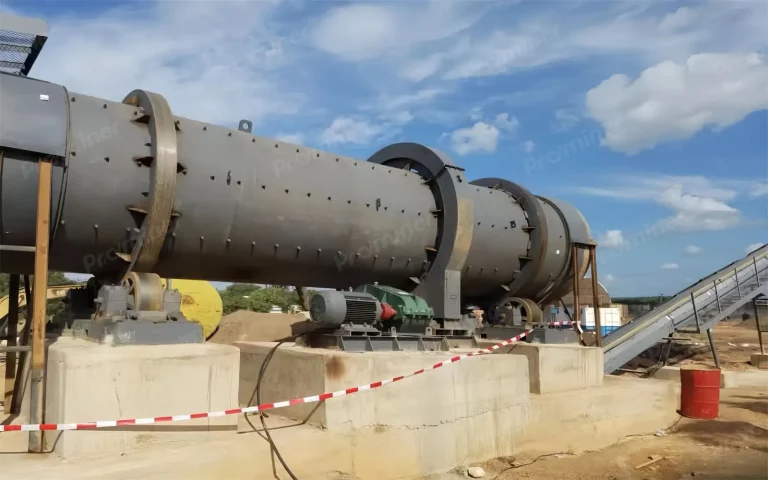
Leaching-ul în heap este o metodă tradițională de procesare a leaching-ului cu cianură, care este flexibilă și economică pentru a extrage aur
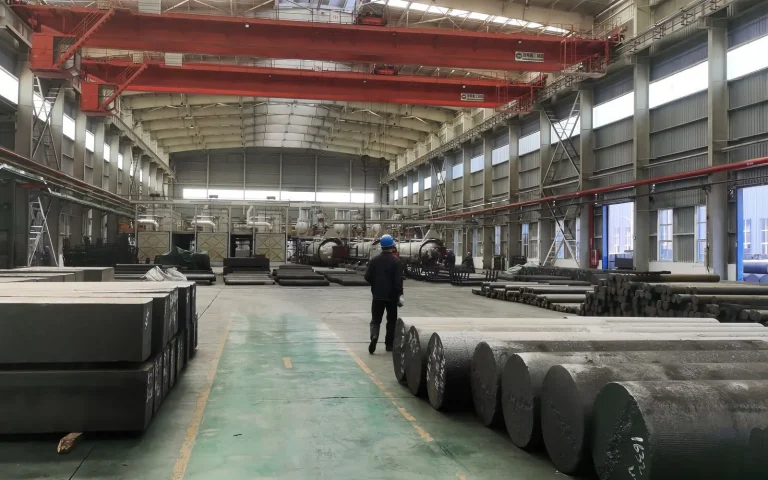
Electrodul de grafit UHP este utilizat în principal pentru cuptoarele electrice cu arc de putere ultra-înaltă în industria topirii oțelului

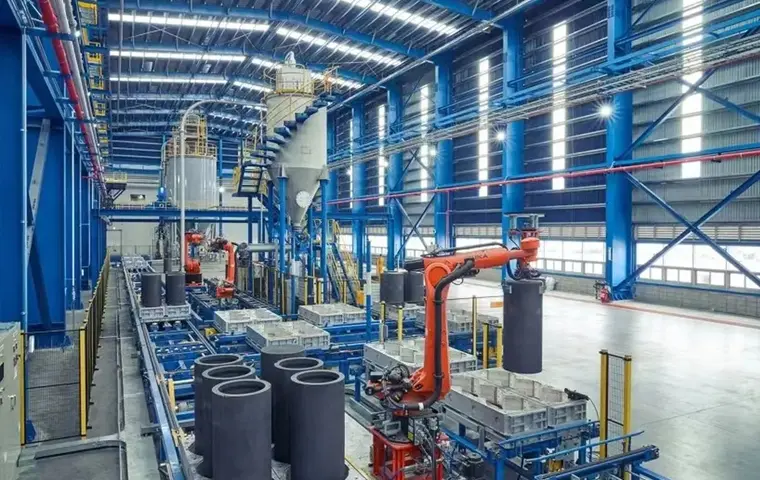
Materie primă: Cocă de petrol verde, Cocă de ac verde și pitch cu punct moale înalt.
Minereu brut: minereu de aur aluvionar / minereu de aur de veină după zdrobire Grad de aur: 1.5 – 2.5 g/t Puritate lingou de aur: ≥ 90%
Materie primă: Concentrat de minereu de grafit natural Grad: 95% C TGC Produs final: Concentrat de flotare de grafit

Raw Material: Existing gold plant tailings (All-slime) Gold Grade in Tailings: 1.2 g/t Final Product: Gold Ingot
Minereu brut: Minereu de aur oxidic/sulfuric amestecat Gradul de aur: 3,5 g/t Puritatea lingoului de aur: 99,5%
Minereu brut: Minereu sulfurat primar (calcopirită-borninit) Gradul de Cu: 0,72% Gradul concentrat: 28,3%
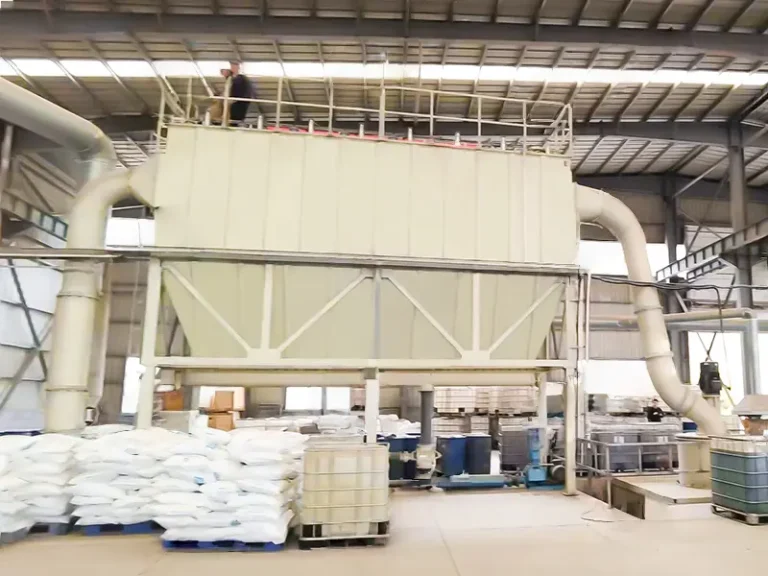
Minereu brut: Rocă de dolomit (CaMg(CO₃)₂) Dimensiune alimentare: ≤10 mm Produs final: Pulbere ultra fină de dolomit
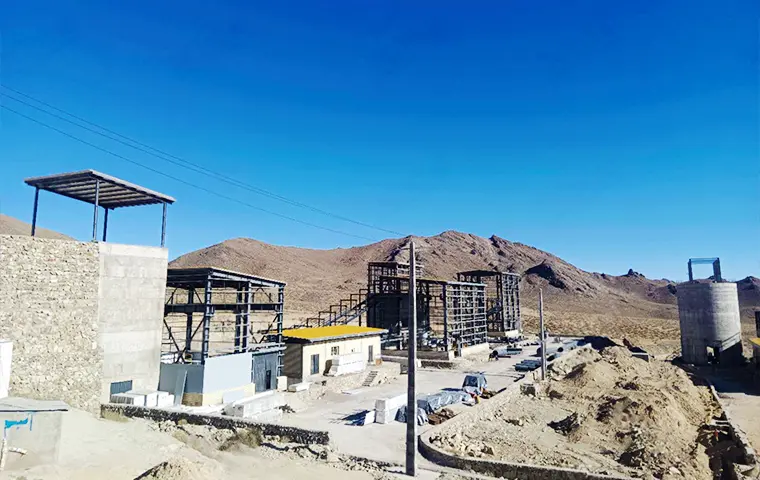
Minereu brut: Minereu de cupru tip sulfura Grad de cupru: 0.8% Produs final: Concentrat de cupru
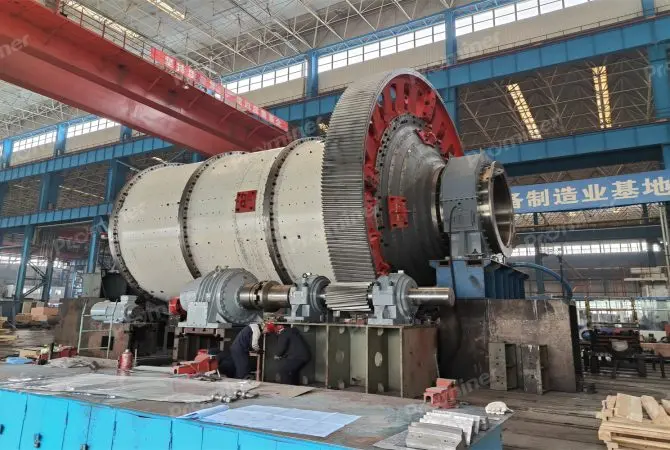
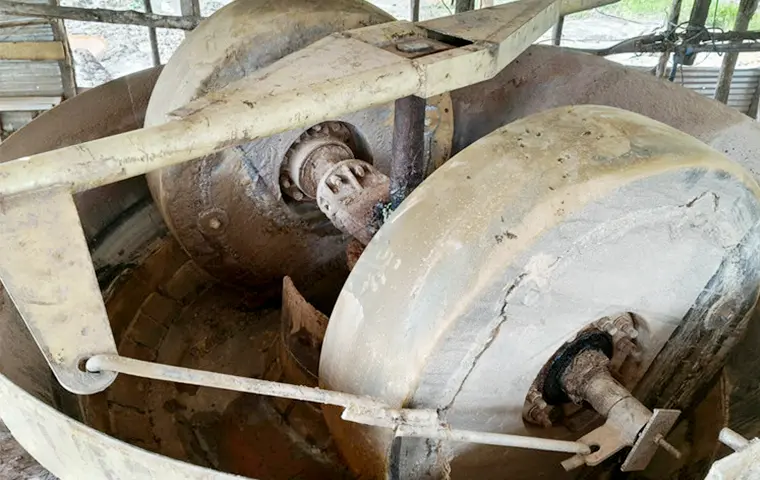
Putem proiecta și fabrica o moară cu grătar pentru măcinarea primară a mineralelor
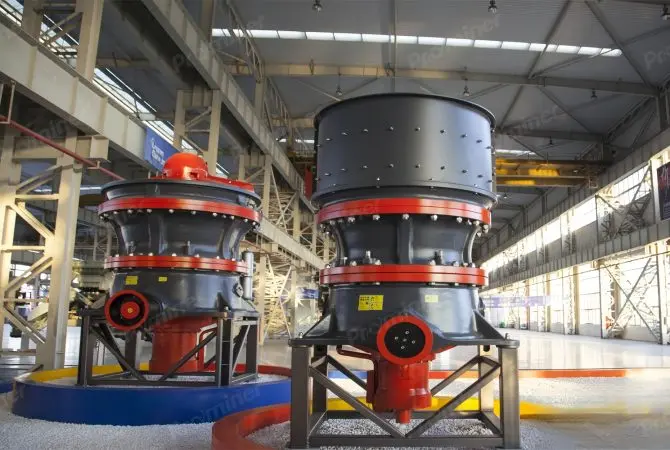
Crushere cu con hidraulic cu un singur cilindru au două serii bazate pe cavități diferite, cavitatea S este proiectată
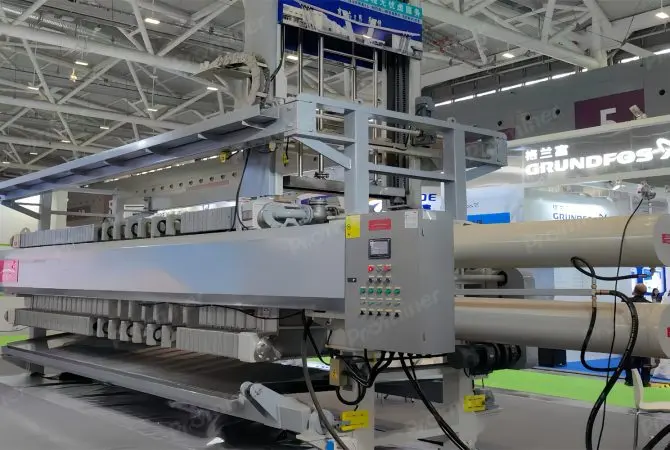
Prominer poate oferi filtre presă, filtre de vid cu bandă, filtre de vid cu disc și filtre ceramice
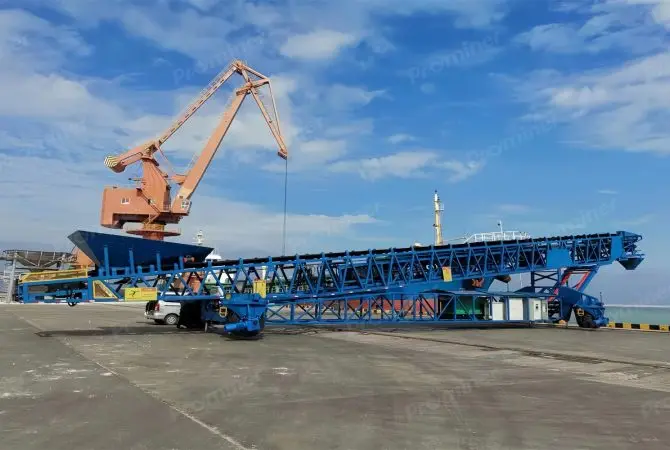
Echipa noastră de ingineri poate proiecta și fabrica stivuitorul radial de tip mobil, încărcător
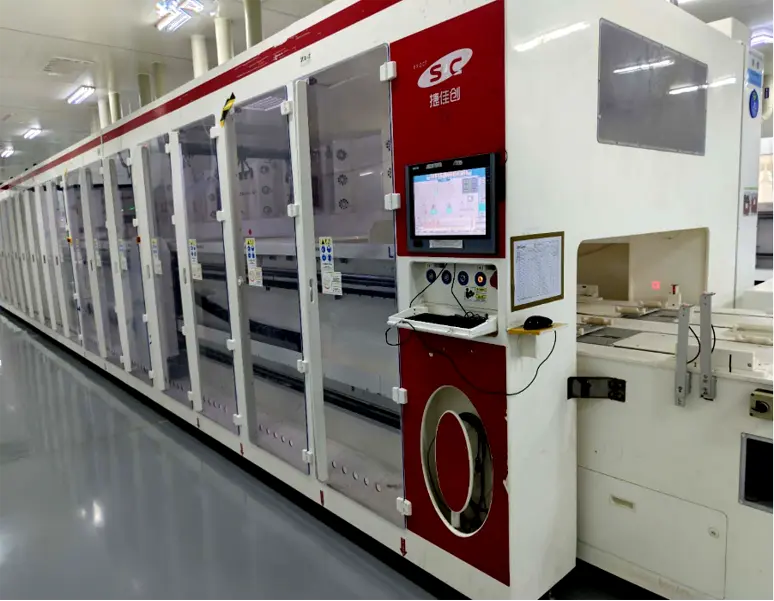
De exemplu: cuptor de difuzie cu bor, îndepărtarea BSG, mașină de lustruit alcalină, PE-POLY...
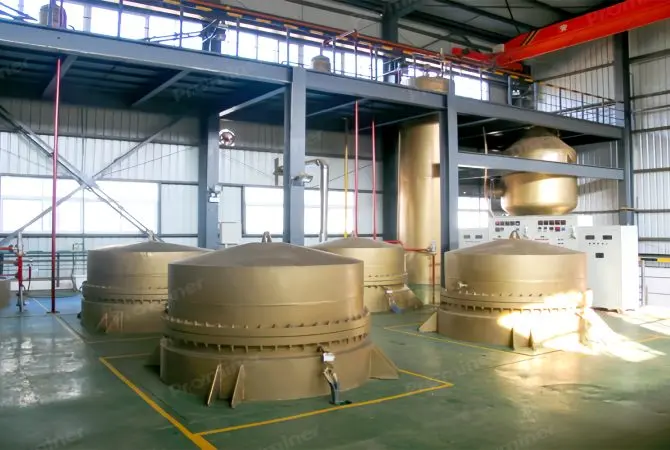
Prominer poate proiecta și oferi sistemul complet de rafinare și topire pentru proiectul CIL de aur
Pentru a afla mai multe despre produsele și soluțiile noastre, vă rugăm să completați formularul de mai jos, iar unul dintre experții noștri vă va contacta în curând
Proiect de flotare a aurului de 3000 TPD în provincia Shandong
Flotare a minereului de litiu de 2500 TPD în Sichuan
Fax: (+86) 021-60870195
Adresă:Nr. 2555, Xiupu Road, Pudong, Shanghai
Drepturi de autor © 2023.Prominer (Shanghai) Mining Technology Co., Ltd.


