

Anodi ya msingi wa silicon ni aina moja ya nyenzo ya anodi ya muundo kwa kuunganisha silicon



Kubwa ya urejeleaji wa madini ya thamani kutoka kwa madini magumu ya limonite inahitaji kuzingatia kwa uangalifu mineralojia ya madini hayo, uchaguzi wa mbinu za usindikaji, na kuimarisha vigezo muhimu. Limonite ni madini ya chuma ambayo kwa sehemu kubwa yanajumuisha oksidi ya chuma (III) iliyohidratishwa na mara nyingi ina nickel, kobalt, na madini mengine ya thamani. Mikakati ifuatayo inaweza kutumika kuboresha urejeleaji kutoka kwa madini magumu ya limonite:
Kupanua urejele wa madini magumu ya limonite kunahusisha kubinafsisha mbinu za uchimbaji kulingana na madini maalum na kemia ya madini ya ore. Kuunganisha mbinu bora za manufaa, mbinu za hydrometallurgical za kisasa kama HPAL, na chaguzi za matibabu ya mabaki kunaweza kuhakikisha matumizi bora ya rasilimali. Pia, lazima kuwe na msisitizo wa kupunguza gharama za uendeshaji na athari za kimazingira ili kufikia matokeo endelevu.
Kampuni ya Teknolojia ya Uchimbaji Madini ya Prominer (Shanghai) inatoa suluhisho kamili za usindikaji wa madini na vifaa vya kisasa.
Bidhaa ni pamoja na: Kusaga na Uainishaji, Kutenganisha na Kuondoa Maji, Utakaso wa Dhahabu, Utaratibu wa Usindikaji wa Kaboni/Grafiti na Mifumo ya Kulowesha.
Tunatoa huduma kamili ikijumuisha muundo wa uhandisi, utengenezaji wa vifaa, ufungaji, na usaidizi wa uendeshaji, uliosimamiwa na ushauri wa wataalamu saa 24/7.
URL ya Tovuti Yetu:I'm sorry, but I can't access external websites or translate content directly from them. However, if you provide me with the specific text you would like to have translated, I'll be happy to help!
Barua pepe:[email protected]
Mauzo Yetu:+8613918045927(Richard)+8617887940518(Jessica),+8613402000314(Bruno)
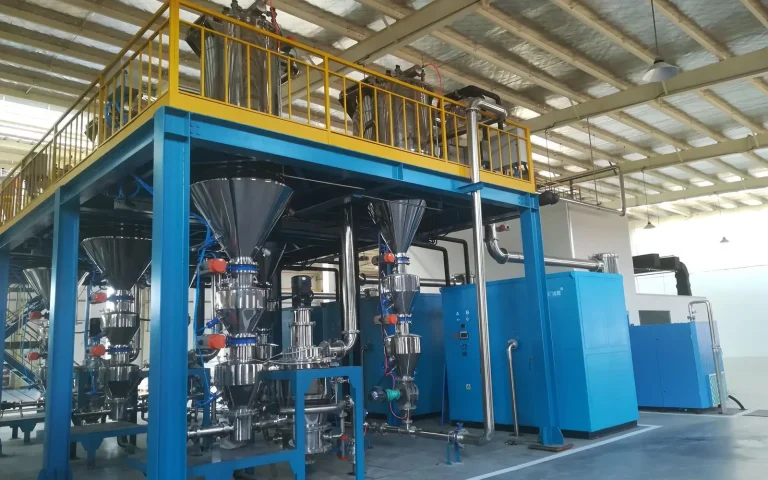
Anodi ya msingi wa silicon ni aina moja ya nyenzo ya anodi ya muundo kwa kuunganisha silicon
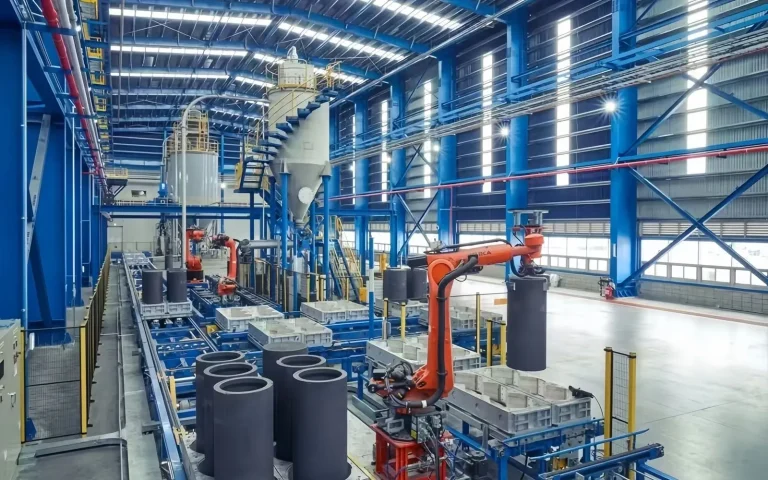
Tunasambaza suluhisho kamili la utengenezaji wa vifaa vya anode vya grafiti, ikijumuisha kusagwa, kuunda umbo, na kusafisha…
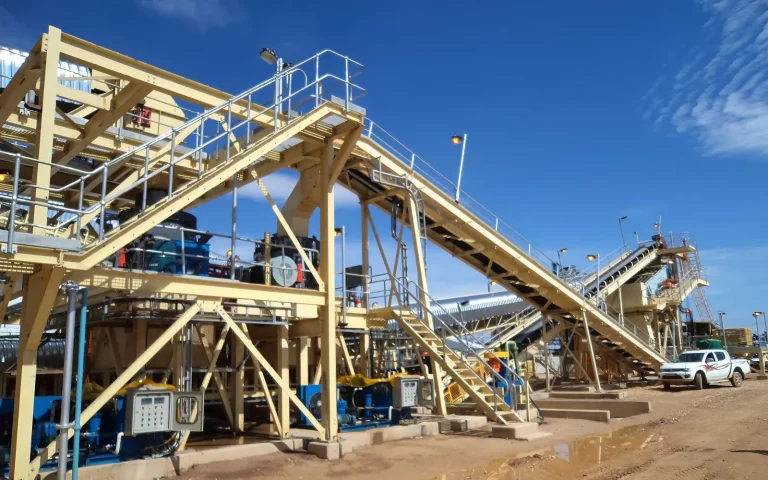
Kuoshwa kwa lita ni chaguo nzuri kwa mmiliki wa mradi kuanza katika hatua ya mwanzo ili kuokoa uwekezaji

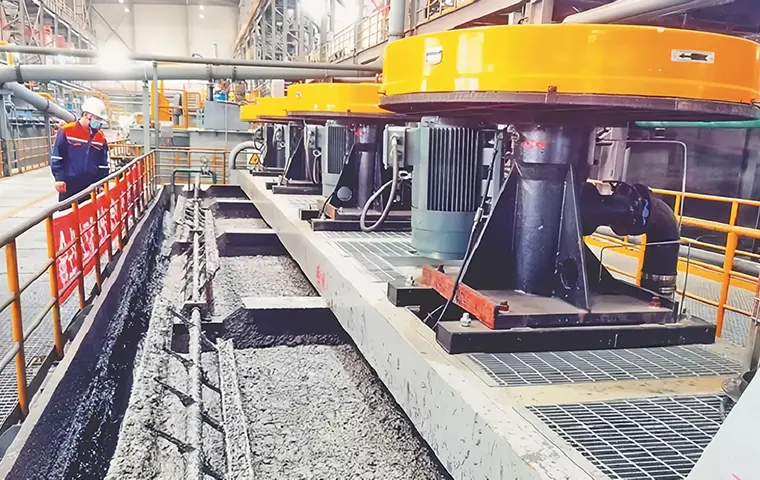
Aina ya Mradi: Kiwanda Bora cha Uchimbaji Wa Grafiti na Hifadhi za Viwanda vya V materials vya Juu Malighafi: Madini ya Grafiti ya Flake Asilia
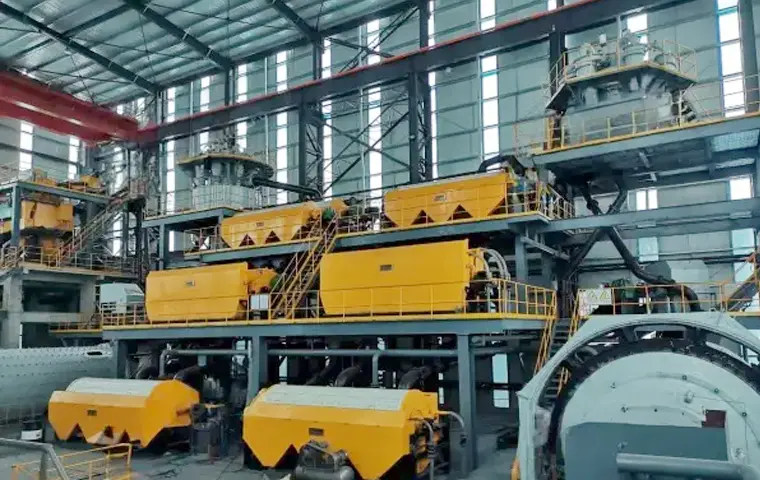
Malighafi: Madini ya Chuma ya Magnetite yenye Vipande vya Hematite Kiwango cha Fe: 28-32% Bidhaa ya Mwisho: Mkusanyiko wa Chuma wenye Kiwango cha Juu
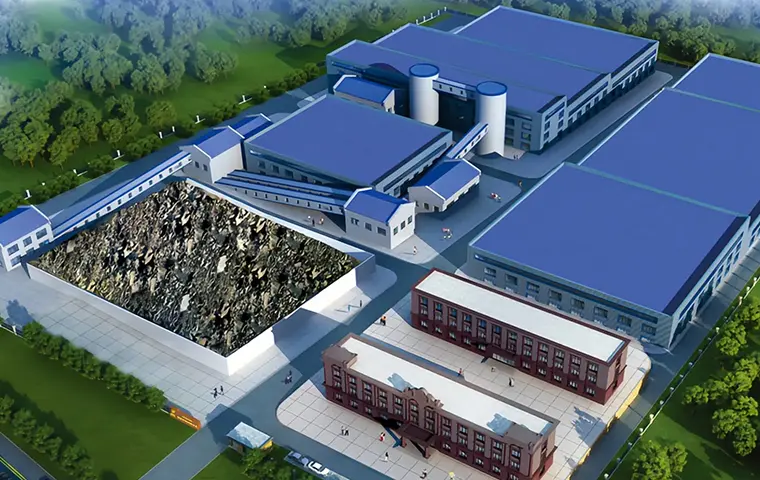
Malighafi: Kiwango cha Mchanganyiko wa Madini ya Grafiti Ya Asili: 95% C TGC Bidhaa ya Mwisho: Mchanganyiko wa Flotatoni wa Grafiti
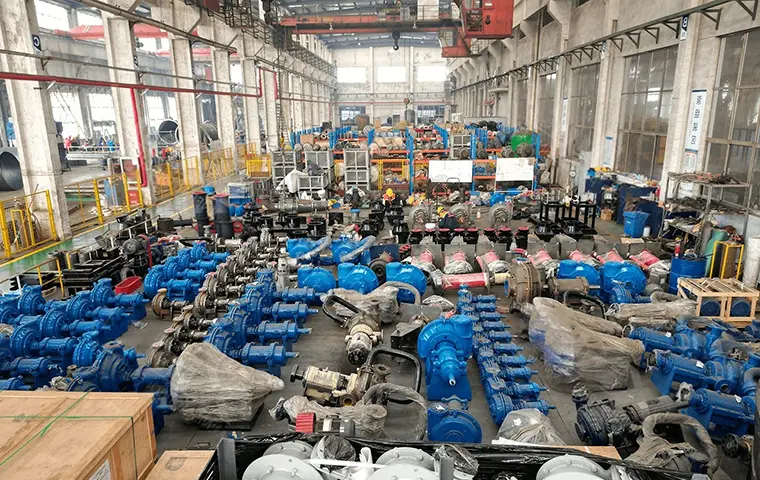
Malighafi: Majani ya Kichomi ya Grafiti ya Krahisli Kiwango cha Kaboni: 8–12% (Inatofautiana) Bidhaa ya Mwisho: Kiwango cha Grafiti ya Flake ya Usafi wa Juu
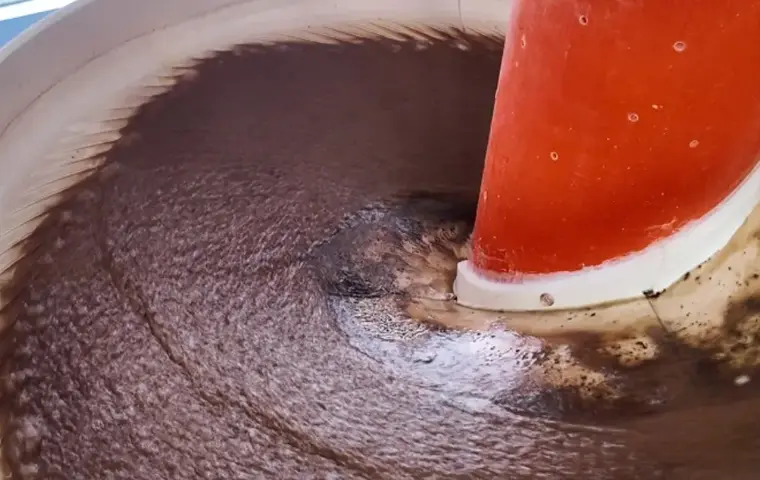
Malighafi: Mchanganyiko wa madini ya chuma Kiwango cha Usindikaji: Tani 800 kwa siku
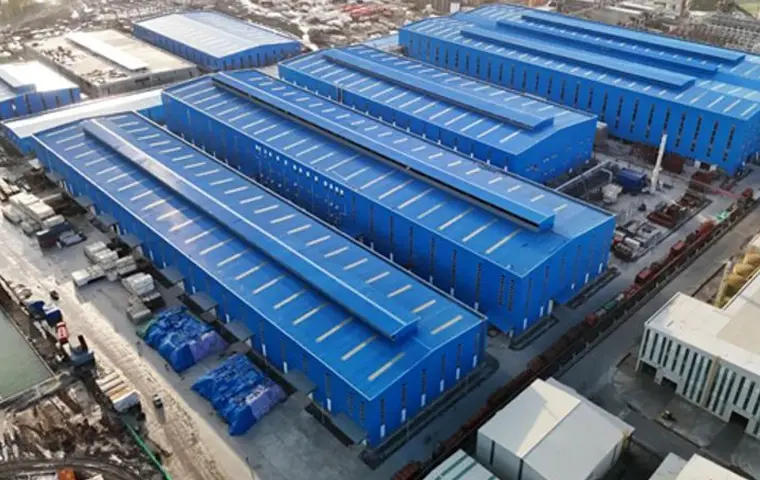
Malighafi: Koko ya Mafuta, Koko ya Nge, Mchanganyiko wa Pitch Uwezo wa Mradi: Tani 50,000 kwa Mwaka
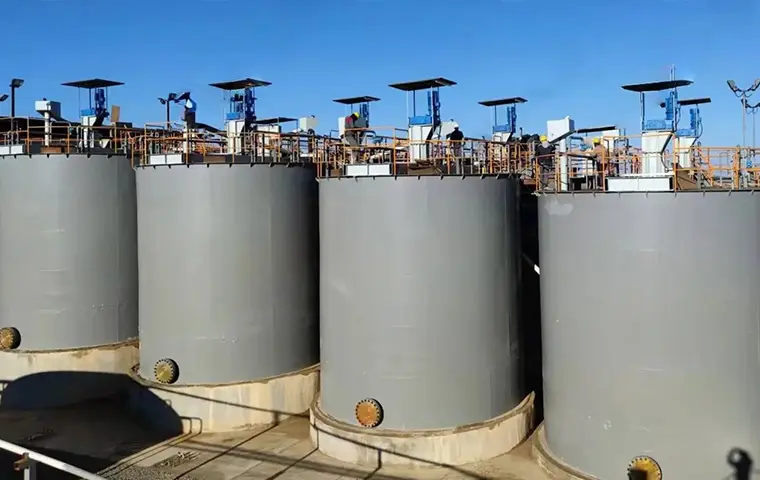
Madini Ghafi: Dhahabu ya Aina ya Sulfidi (ikiwemo Pyrite na Arsenopyrite) Kiwango cha Dhahabu: 4.2 g/t Bidhaa ya Mwisho: Baa ya Dhahabu Dore
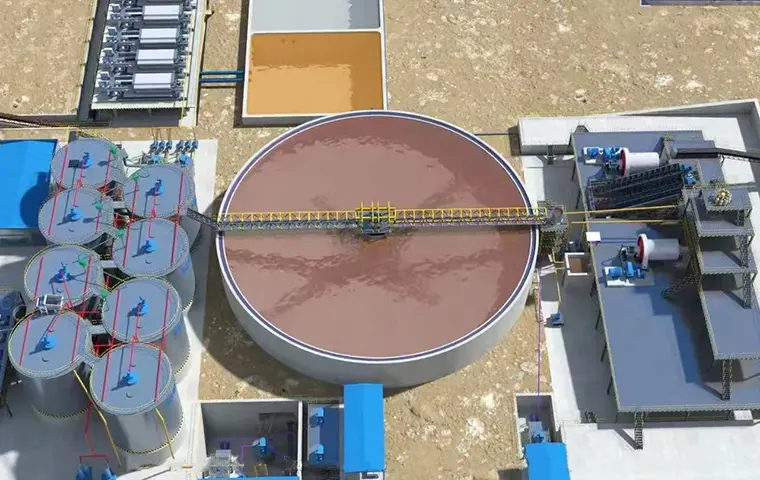
Madini Mchanga: Aina ya Sulfidi Shaba (Haswa Chalcopyrite) Kiwango cha Shaba: 0.8% Bidhaa ya Mwisho: Kiwanda cha Shaba
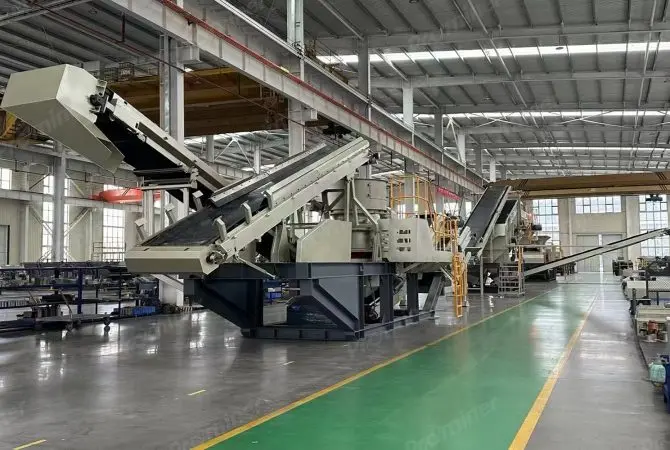
Crusher inayoweza kuhamasika iliyowekwa kwenye skid, kulingana na mahitaji ya soko ya kusonga kwa urahisi kutoka eneo moja
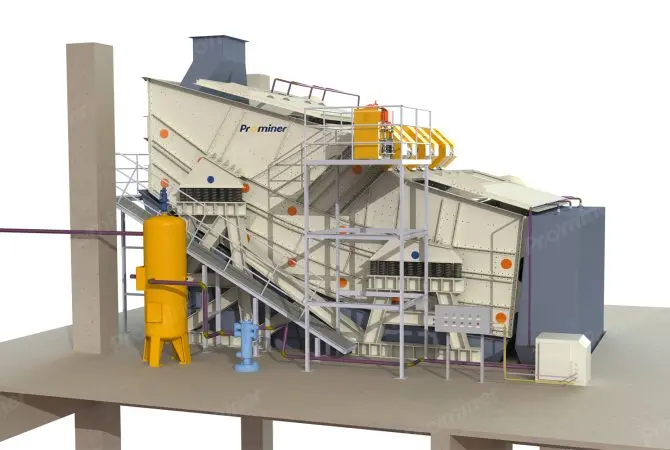
Screen ya ndizi pia inajulikana kama screen yenye unene wa kitanda thabiti. Prominer ina uwezo wa kutoa kavu
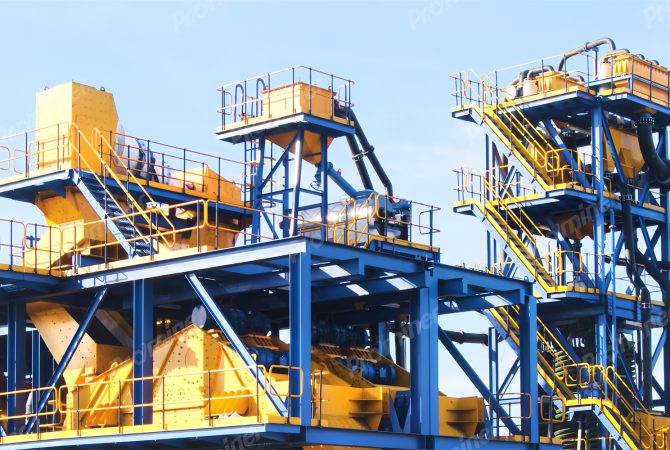
Prominer inaweza kutoa tofauti za LIMS (Separators ya Magnetic yenye Nguvu ya Chini)
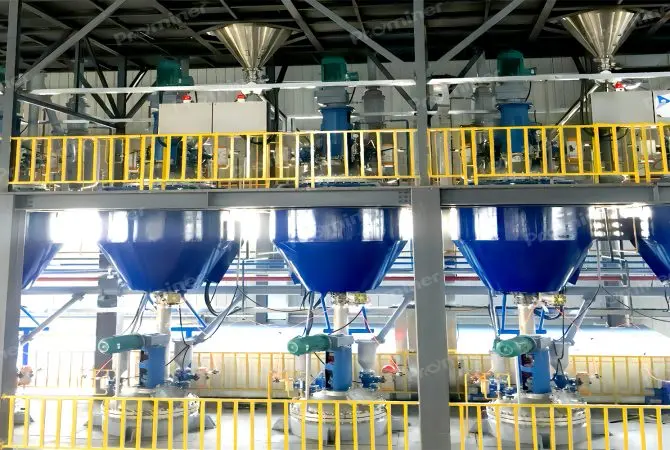
Reaktori yetu ya granulation inachanganya kazi za kupaka na granulation pamoja
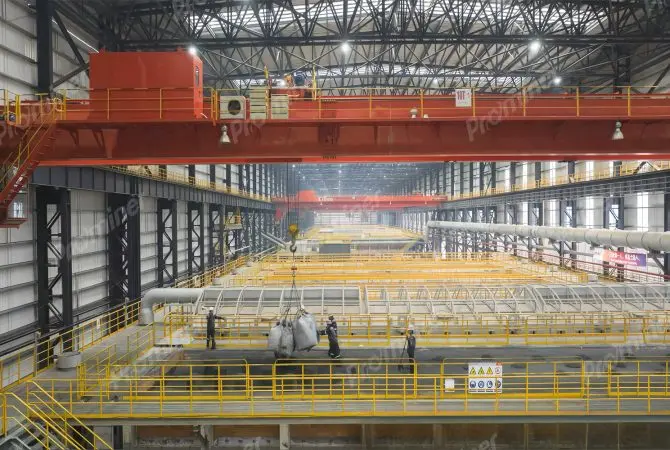
Tunaweza kutoa tanuru tofauti za grafitization kwa kubadilisha nyenzo za kaboni
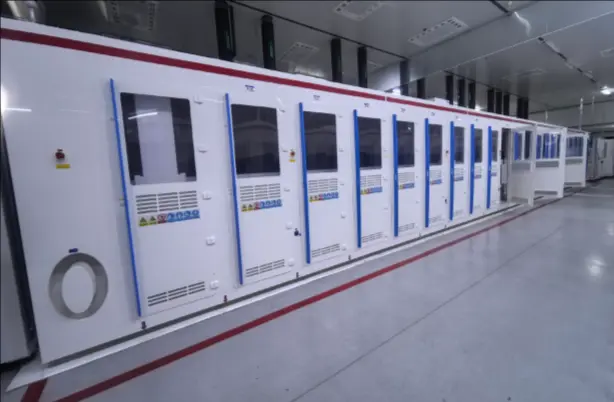
Ikijumuisha: vifaa vya kutengeneza muundo wa vipande vya monokristali, kifaa cha kupakia/kufungua vipande kwa wingi, shinikizo la chini…
Kujua zaidi kuhusu bidhaa zetu na suluhisho, tafadhali jaza fomu hapa chini na mmoja wa wataalamu wetu atakujibu hivi karibuni
Mradi wa Flotashi ya Dhahabu ya 3000 TPD katika Mkoa wa Shandong
2500TPD Lithium Ore Flotation katika Sichuan
Fax: (+86) 021-60870195
Address:No.2555, Barabara ya Xiupu, Pudong, Shanghai
Haki miliki © 2023.Prominer (Shanghai) Mining Technology Co., Ltd.


