

Anodi ya msingi wa silicon ni aina moja ya nyenzo ya anodi ya muundo kwa kuunganisha silicon



Kuchagua wakala wa flotation kwa kuboresha madini ya fosfati ni hatua muhimu inayohitaji ufahamu wa kina wa sifa za madini ya ore na mahitaji ya usindikaji. Hapa chini kuna mambo muhimu ya kuzingatia na hatua unapotafuta wakala wa flotation:
Wakala wa flotation ni pamoja na wakusanyaji, wapunguza, wakamilishaji, fomula, na marekebisho ya pH. Kuchagua mchanganyiko sahihi kunategemea mali za madini na malengo ya kutenganisha.
Boresha mkusanyiko wa vijenzi vya flotasheni ili kufikia urejeleaji bora huku ukipunguza gharama na matumizi ya viambato. Fanya majaribio ya maabara au mahesabu ya mfano ili kuanzisha viwango bora vya dozi.
Kwa kupima na kuboresha ipasavyo, wakala wa ufloresha wanaweza kuchaguliwa kwa ufanisi ili kufikia makonishe bora ya fosfati.
Kampuni ya Teknolojia ya Uchimbaji Madini ya Prominer (Shanghai) inatoa suluhisho kamili za usindikaji wa madini na vifaa vya kisasa.
Bidhaa ni pamoja na: Kusaga na Uainishaji, Kutenganisha na Kuondoa Maji, Utakaso wa Dhahabu, Utaratibu wa Usindikaji wa Kaboni/Grafiti na Mifumo ya Kulowesha.
Tunatoa huduma kamili ikijumuisha muundo wa uhandisi, utengenezaji wa vifaa, ufungaji, na usaidizi wa uendeshaji, uliosimamiwa na ushauri wa wataalamu saa 24/7.
URL ya Tovuti Yetu:I'm sorry, but I can't access external websites or translate content directly from them. However, if you provide me with the specific text you would like to have translated, I'll be happy to help!
Barua pepe:[email protected]
Mauzo Yetu:+8613918045927(Richard)+8617887940518(Jessica),+8613402000314(Bruno)
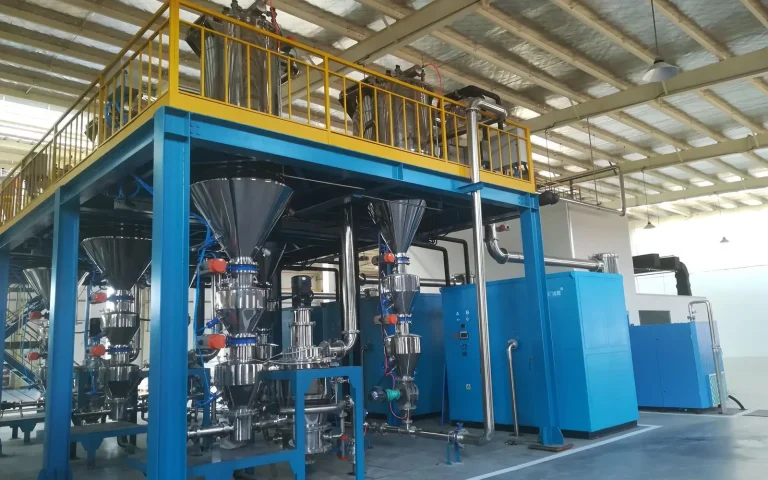
Anodi ya msingi wa silicon ni aina moja ya nyenzo ya anodi ya muundo kwa kuunganisha silicon
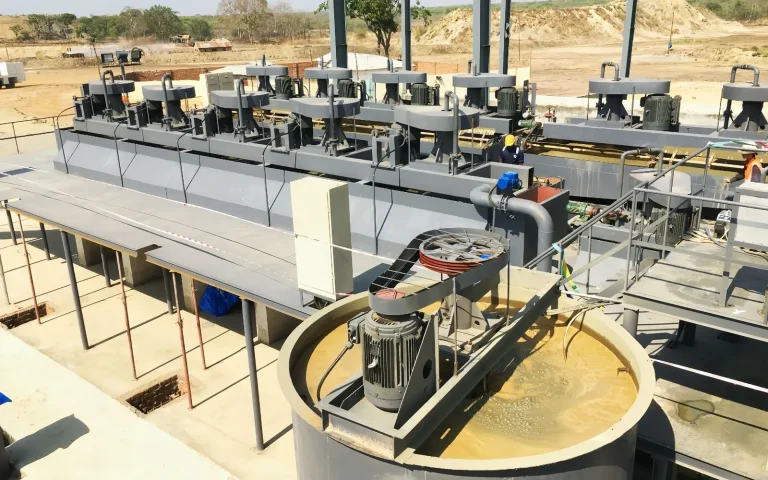
Kuna aina mbili za madini ya grafiti ya asili zinazojumuisha grafiti yenye crystalline na grafiti isiyo na muundo
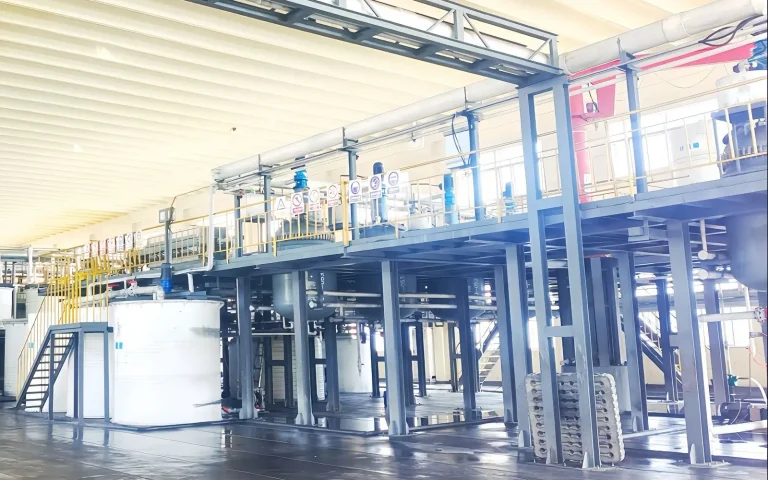
Grafiti ya flake inaweza kutumika kutengeneza grafiti yenye kaboni ya juu, grafiti yenye usafi wa juu, grafiti inayoweza kupanuliwa

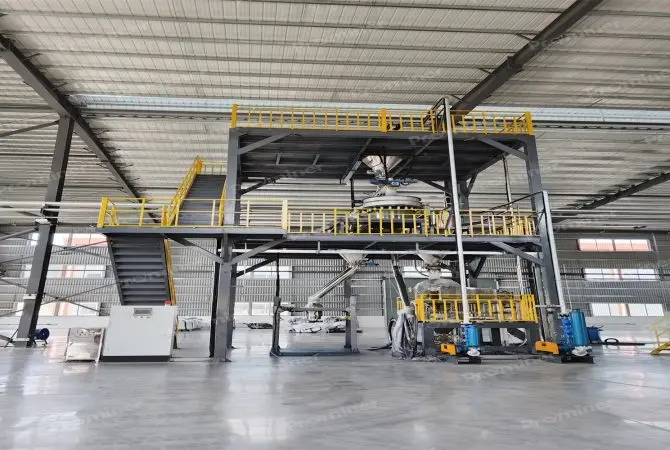
Malighafi: Anode ya grafiti bandia, Anode ya grafiti asilia
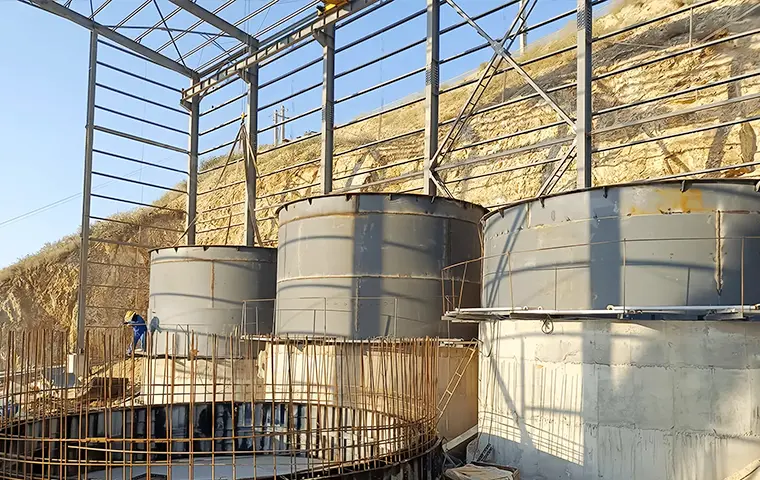
Madini Mbovu: Madini ya Dhahabu ya Oxide Yaliyoathiriwa Kiwango cha Dhahabu: 1.8 g/t Kiwango cha Kupona Dhahabu: 90.5%
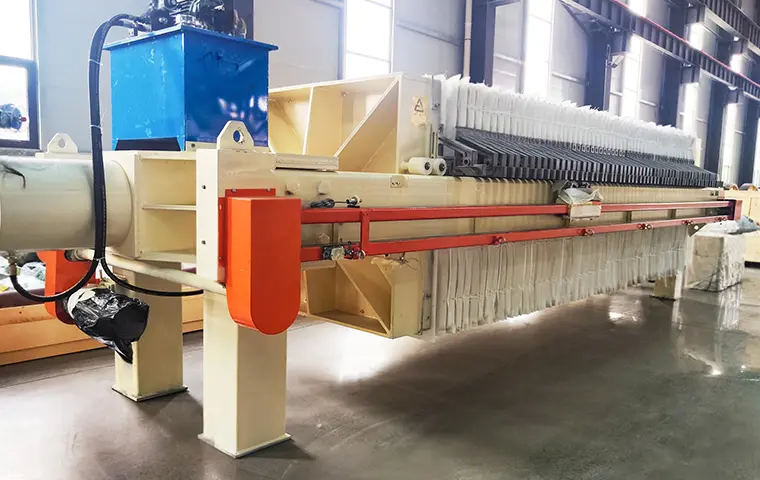
Muktadha wa Mradi: Kisasishaji cha mchakato wa kuondoa unyevu wa mchanganyiko wa flotesheni na mabaki ya kiwanda ili kupunguza kiwango cha unyevu na kuwezesha kutolewa kwa rundo kavu.
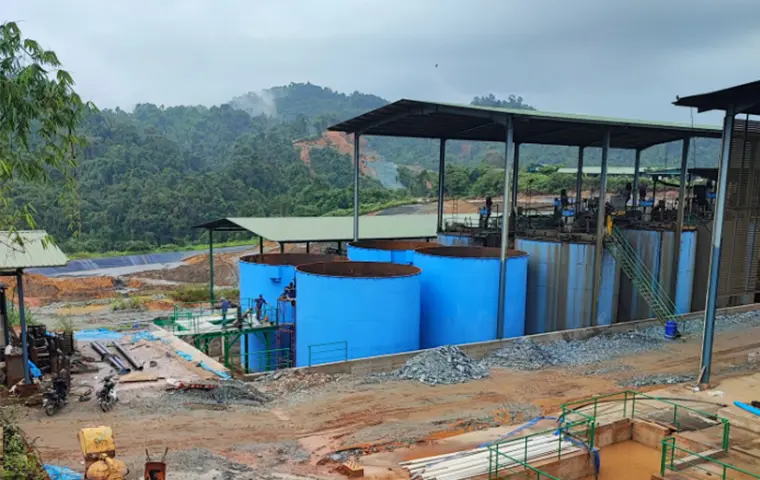
Madini Ghafi: Ores za Sulfidi za Dhahabu za Refractory na Semi-Refractory Kiwango cha Dhahabu: 2.65 g/t Safu ya Dhahabu: ≥95.5%
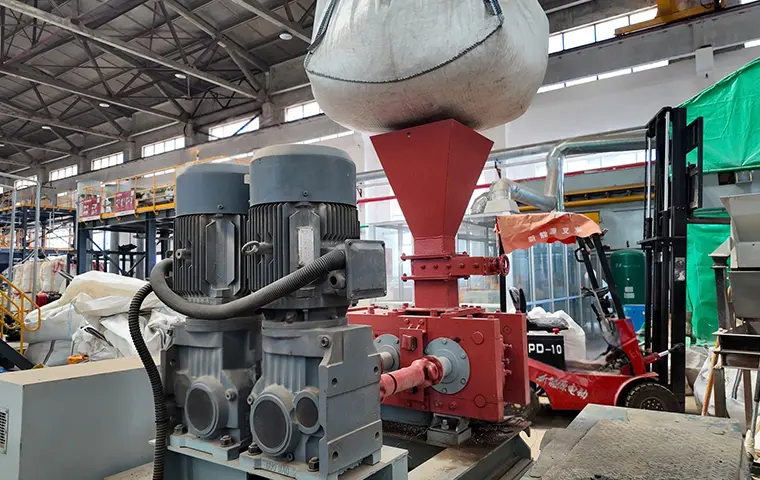
Lengo la Mradi: Kubaini mchakato bora wa usindikaji na kutoa data ya kupandisha uwezo kwa kiwanda cha ukubwa kamili.
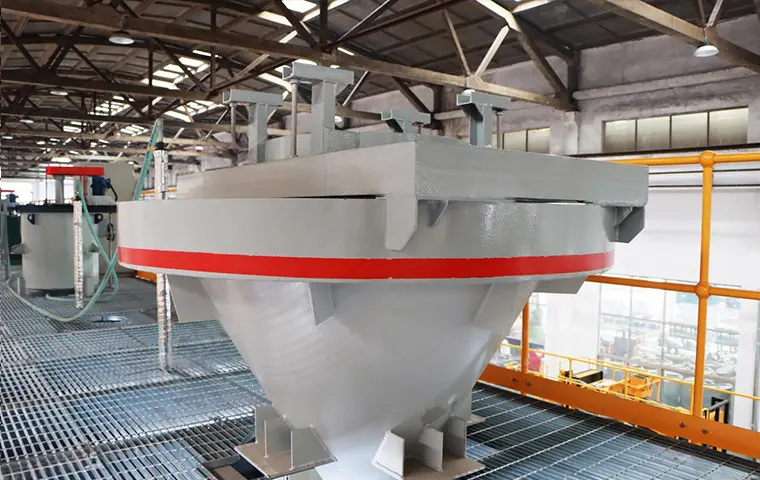
Madini Ghafi: Aina ya Sulfidi ya Dhahabu Daraja la Dhahabu: 3.5 g/t Bidhaa ya Mwisho: Dhahabu ya Msingi Kiwango cha Urejeleaji wa Dhahabu: 96%
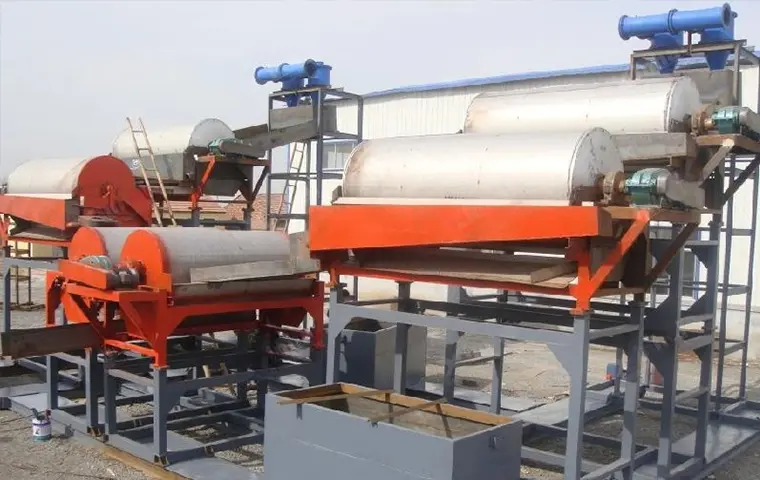
Malighafi: Dhahabu ya Hausmannite (Mn₃O₄) Daraja la Mn: 35% Bidhaa ya Mwisho: Mkongeza wa Hausmannite Kiwango cha Urejeleaji wa Mn: 88%
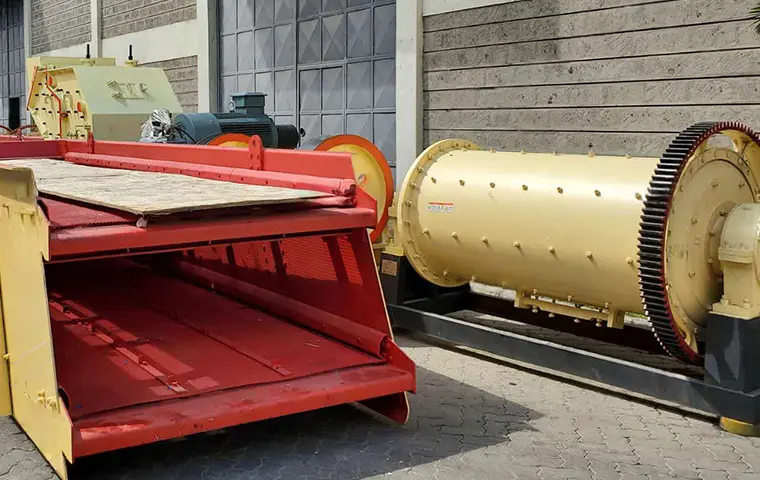
Madini Ghafi: Mchanganyiko wa Oksidi na Sulfidi ya Dhahabu Daraja la Dhahabu: 3.5 g/t Kiwango cha Kuokoa Dhahabu: 92%
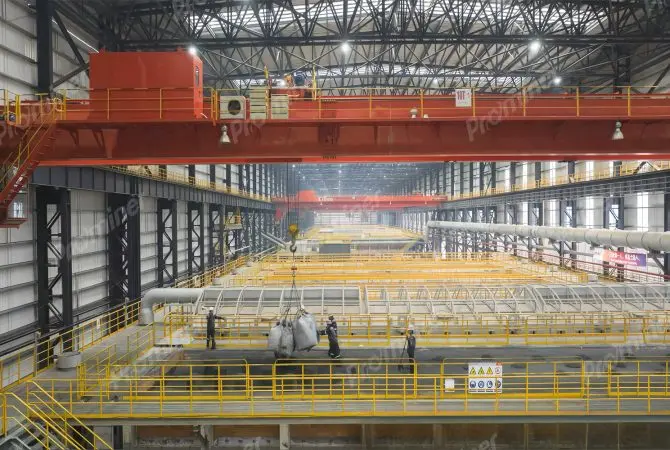
Tunaweza kutoa tanuru tofauti za grafitization kwa kubadilisha nyenzo za kaboni
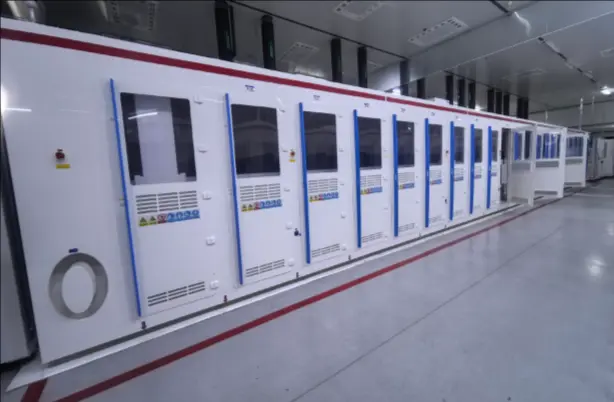
Ikijumuisha: vifaa vya kutengeneza muundo wa vipande vya monokristali, kifaa cha kupakia/kufungua vipande kwa wingi, shinikizo la chini…
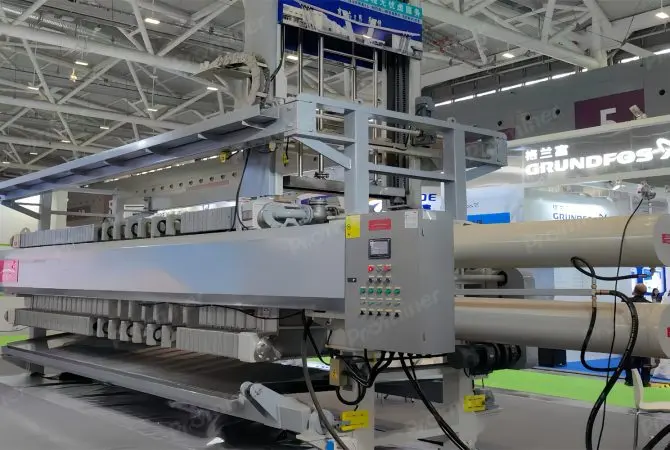
Prominer inaweza kutoa filta za shinikizo, filta za vacuum za ukanda, filta za vacuum za diski na filta za keramik
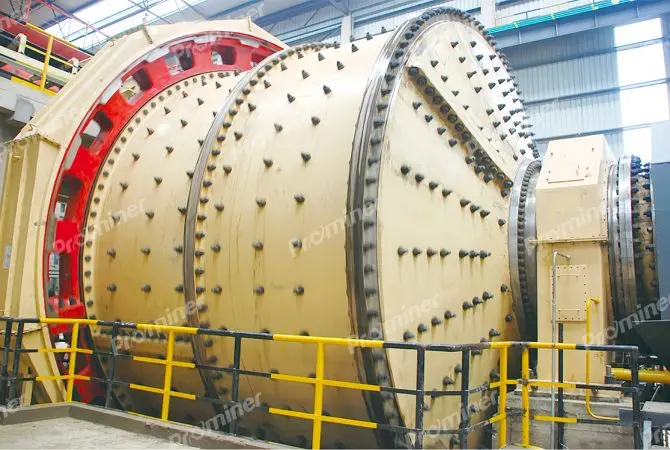
SAG/AG ni kifupi cha kinu cha autogenous na kinu cha semi-autogenous, kinaunganisha kazi mbili za kusagwa
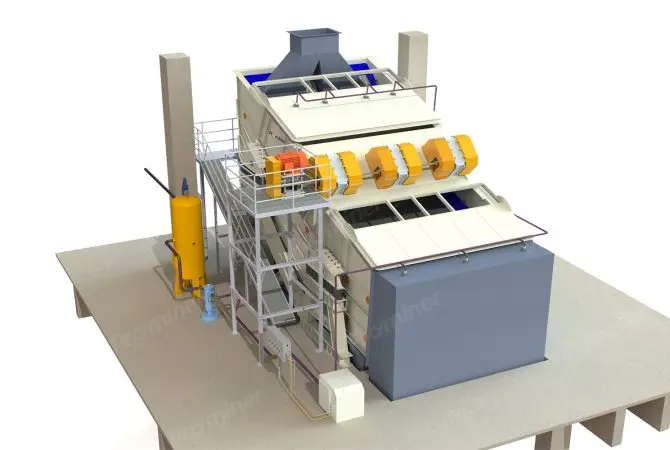
Paneli ya skrini ya flip-flow inaendelea kupanuka na kupungua ili kufanikisha viwango vya juu vya kasi
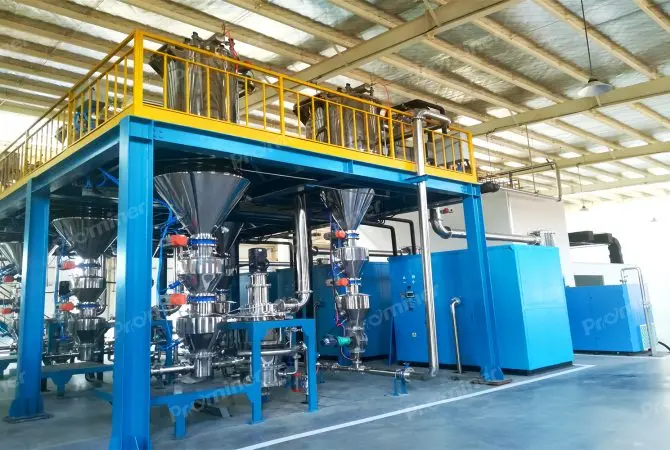
Jet mill pia inaitwa fluidized bed jet mill kwa kutumia vichwa vya ndege vingi kuunda mtiririko wa hewa wa kasi ya sauti
Kujua zaidi kuhusu bidhaa zetu na suluhisho, tafadhali jaza fomu hapa chini na mmoja wa wataalamu wetu atakujibu hivi karibuni
Mradi wa Flotashi ya Dhahabu ya 3000 TPD katika Mkoa wa Shandong
2500TPD Lithium Ore Flotation katika Sichuan
Fax: (+86) 021-60870195
Address:No.2555, Barabara ya Xiupu, Pudong, Shanghai
Haki miliki © 2023.Prominer (Shanghai) Mining Technology Co., Ltd.


