

Prominer inaweza kutoa suluhisho kamili la kutengeneza vifaa vya anode ya grafiti asilia ikiwa ni pamoja na kusaga



Mbinu za kuogea zinazotumika kutenganisha chalcopyrite (madini ya sulfidi ya shaba-iron) kutoka pyrrhotite (madini ya sulfidi ya chuma) kawaida hujumuisha tofauti katika mali zao za uso na mwingiliano na wakala wa kuogea. Ili kufanikisha kutenganisha kwa ufanisi, kuogea kwa povu na wakala wanaofaa na hali sahihi hutumika. Hapa chini ni mbinu muhimu zinazotumika kwa kutenganisha yao:
Katika mazoezi, mchanganyiko wa mbinu hizi umeandaliwa kwa ore maalum inayoshughulikiwa ili kupata utenganisho wa mafanikio wa chalcopyrite kutoka kwa pyrrhotite.
Kampuni ya Teknolojia ya Uchimbaji Madini ya Prominer (Shanghai) inatoa suluhisho kamili za usindikaji wa madini na vifaa vya kisasa.
Bidhaa ni pamoja na: Kusaga na Uainishaji, Kutenganisha na Kuondoa Maji, Utakaso wa Dhahabu, Utaratibu wa Usindikaji wa Kaboni/Grafiti na Mifumo ya Kulowesha.
Tunatoa huduma kamili ikijumuisha muundo wa uhandisi, utengenezaji wa vifaa, ufungaji, na usaidizi wa uendeshaji, uliosimamiwa na ushauri wa wataalamu saa 24/7.
URL ya Tovuti Yetu:I'm sorry, but I can't access external websites or translate content directly from them. However, if you provide me with the specific text you would like to have translated, I'll be happy to help!
Barua pepe:[email protected]
Mauzo Yetu:+8613918045927(Richard)+8617887940518(Jessica),+8613402000314(Bruno)
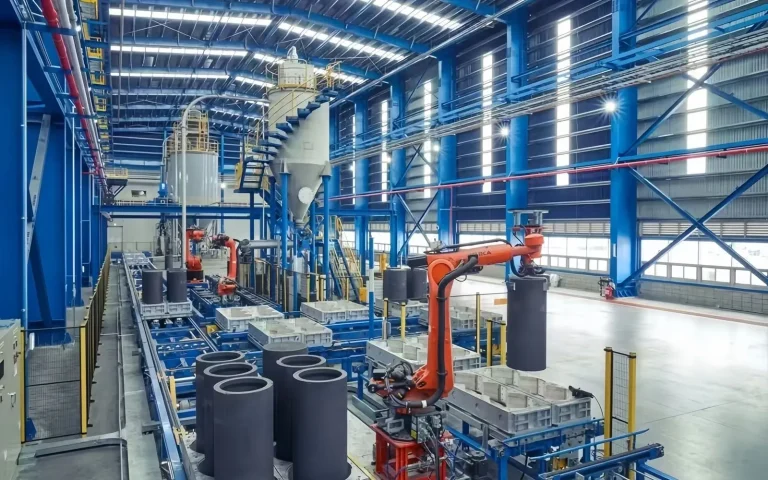
Prominer inaweza kutoa suluhisho kamili la kutengeneza vifaa vya anode ya grafiti asilia ikiwa ni pamoja na kusaga
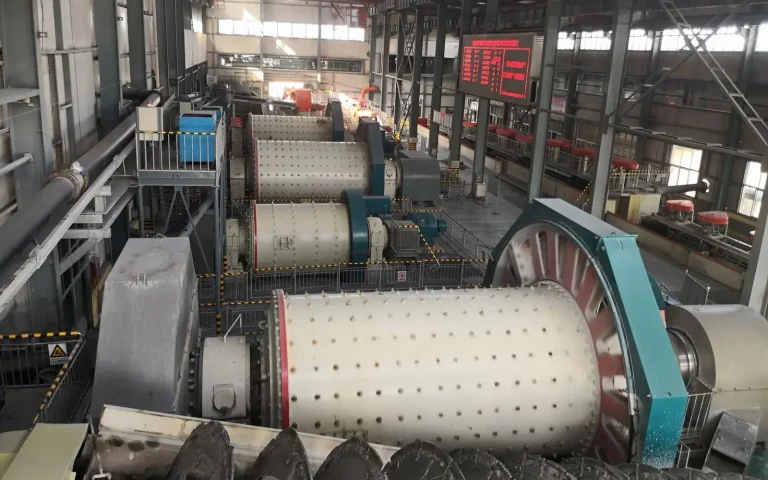
Spodumene na lepidolite ni madini muhimu yanayobeba lithiamu na ni rahisi sana kuyapata
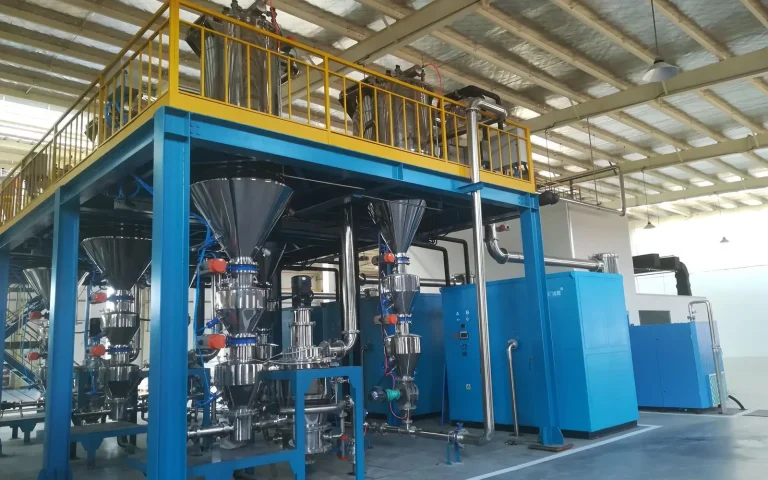
Anodi ya msingi wa silicon ni aina moja ya nyenzo ya anodi ya muundo kwa kuunganisha silicon

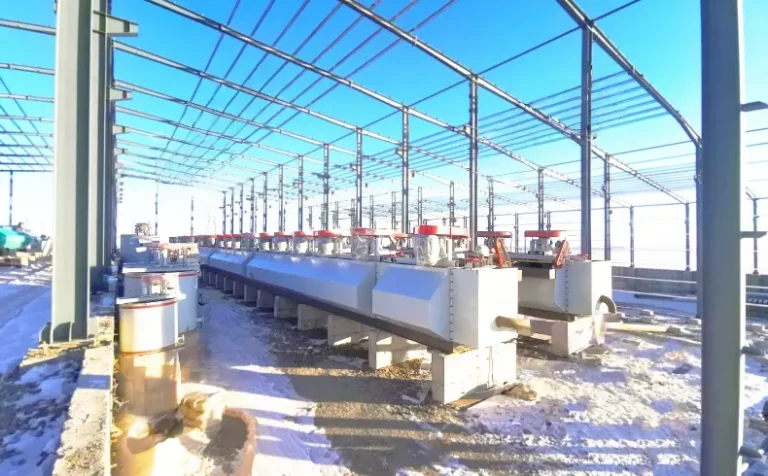
Malighafi: Ore ya Sulfidi ya Shaba, Kiwango cha Shaba: 0.85% Bidhaa ya Mwisho: Mkusanyiko wa Shaba
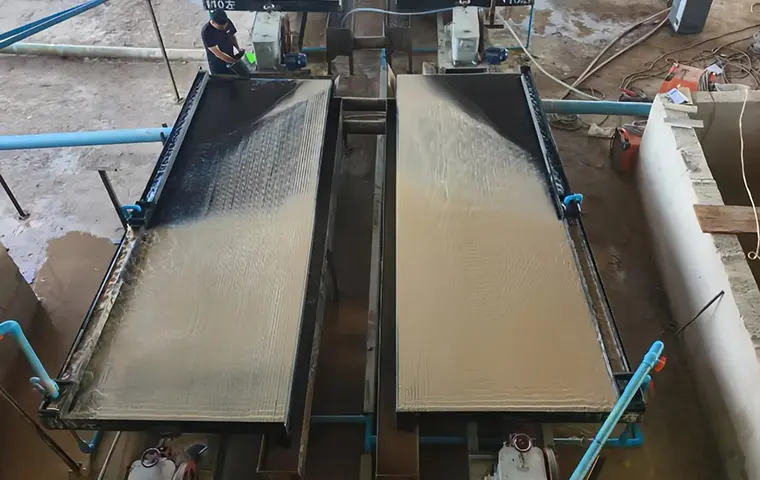
Madini Yasafishwa: Madini ya sulfidi ya antimony na mshipa wa quartz Kiwango cha Sb: 3.5% Kiwango cha Mkonka: 55%
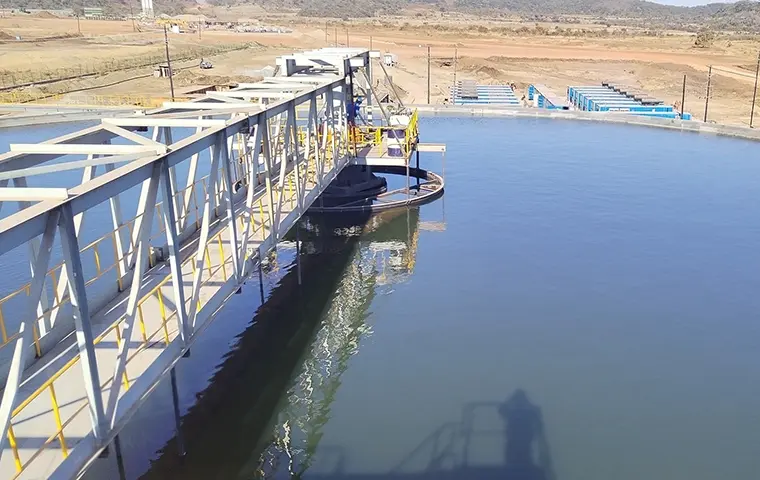
Mchanga Mbovu: Mchanga wa Calcite CaCO3 Daraja: 85% Bidhaa ya Mwisho: Poda ya Calcite yenye Kifuniko na Isiyo na Kifuniko (325 – 2500 mesh)
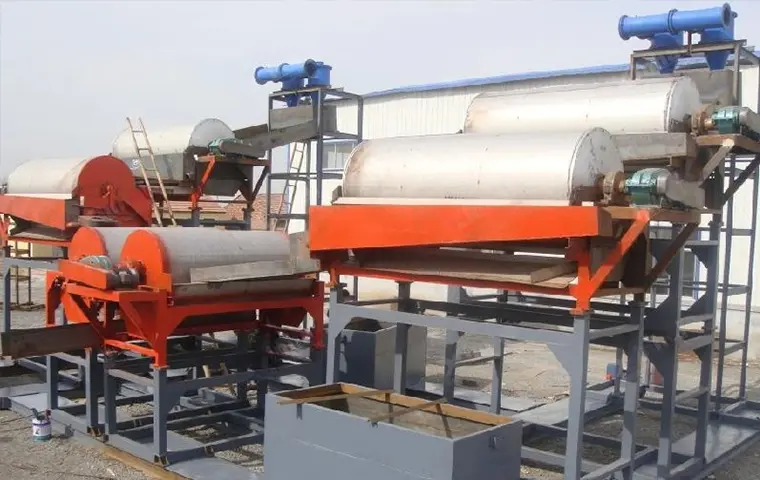
Malighafi: Dhahabu ya Hausmannite (Mn₃O₄) Daraja la Mn: 35% Bidhaa ya Mwisho: Mkongeza wa Hausmannite Kiwango cha Urejeleaji wa Mn: 88%
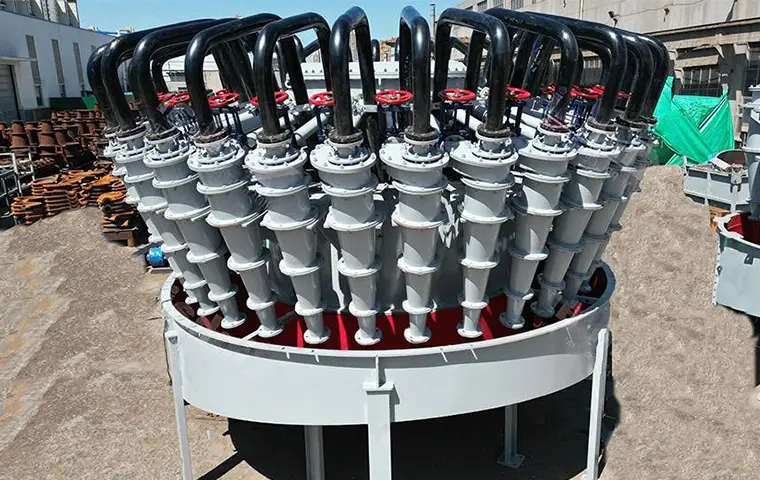
Madini Ghafi: Madini ya Lithium Spodumene Li₂O Kiwango: 1.45% Kiwango cha Mwito: 6.20%
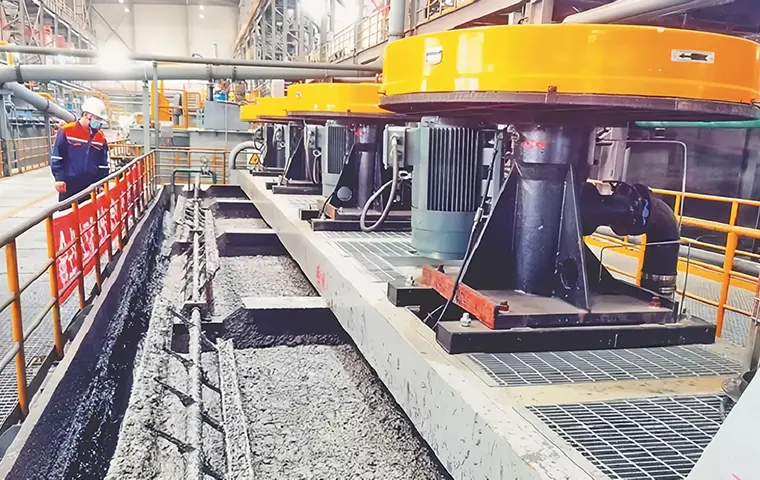
Aina ya Mradi: Kiwanda Bora cha Uchimbaji Wa Grafiti na Hifadhi za Viwanda vya V materials vya Juu Malighafi: Madini ya Grafiti ya Flake Asilia
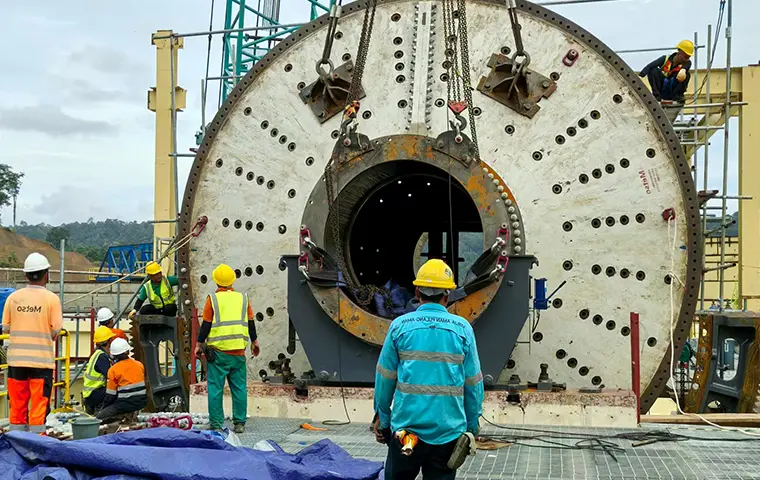
Madini Mbichi: Dhahabu ya Aina ya Alluvial/Sulfide (kulingana na akiba maalum) Kiwango cha Dhahabu: 3.5 g/t Kiwango cha Urejeleaji wa Dhahabu: 92%
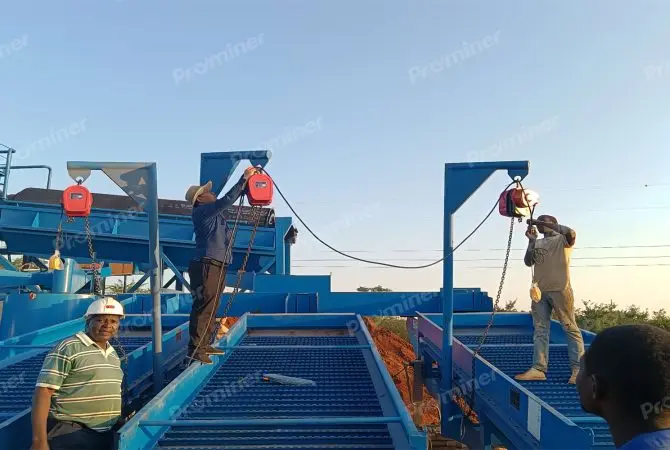
Madini Ghafi: Dhahabu ya alluvial kutoka kwenye mto Daraja la Dhahabu: 0.8 g/t
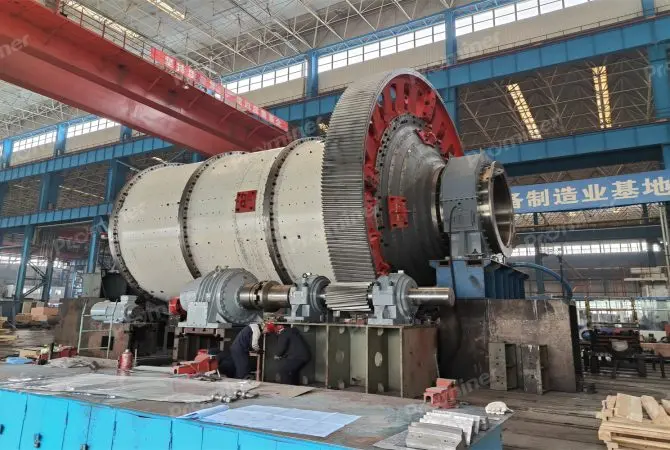
Tunaweza kubuni na kutengeneza kinu cha mpira wa aina ya grate kwa kusaga madini ya awali
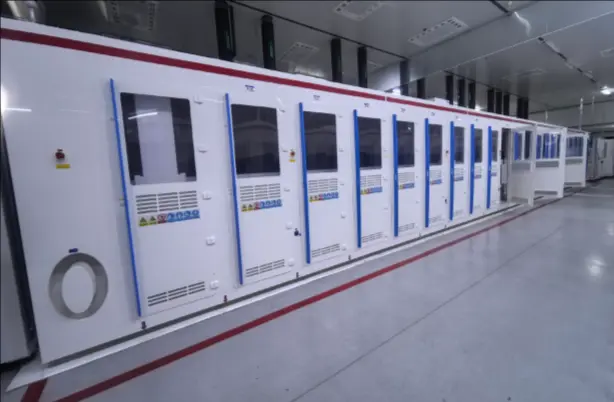
Ikijumuisha: vifaa vya kutengeneza muundo wa vipande vya monokristali, kifaa cha kupakia/kufungua vipande kwa wingi, shinikizo la chini…
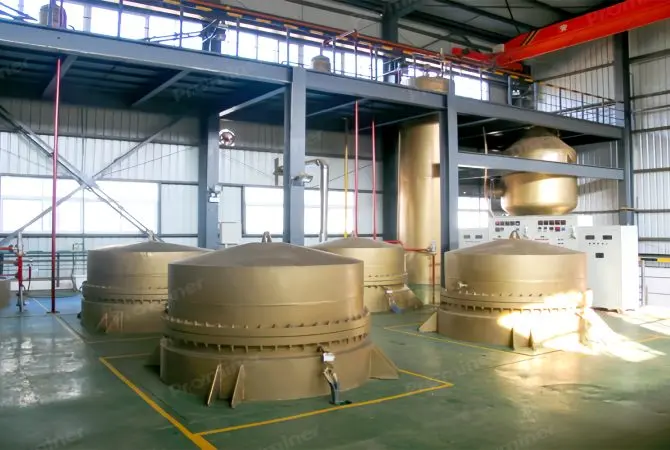
Prominer inaweza kubuni na kutoa mfumo kamili wa refinery na suluhisho za kuyeyusha kwa mradi wa dhahabu CIL
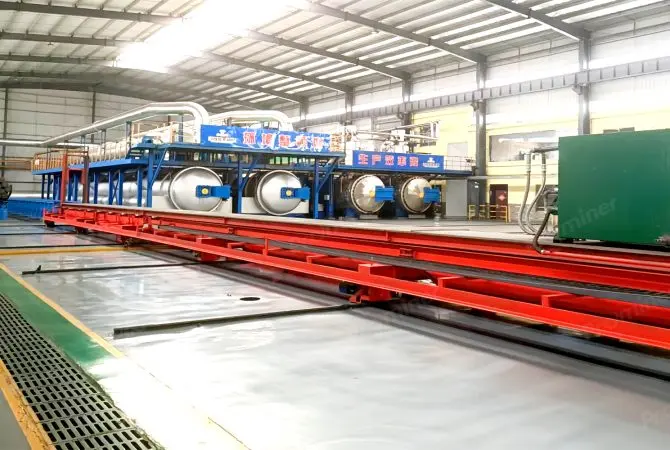
Tunaweza kutoa aina ya kupenyeza yenye shinikizo kubwa ya joto na baridi ya grafiti iliyopikwa mara moja
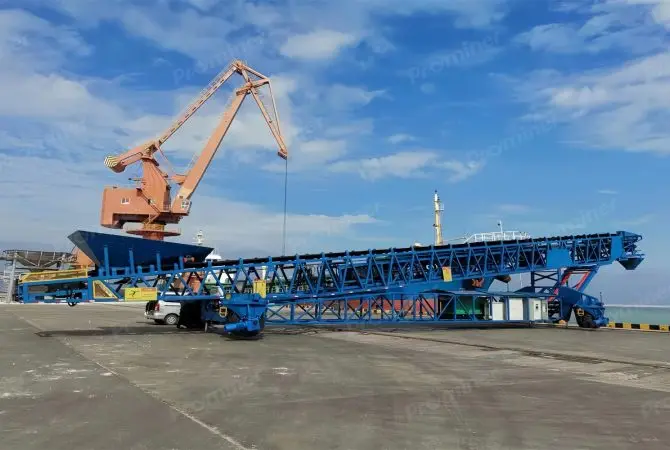
Timamu yetu ya wahandisi inaweza kubuni na kutengeneza stacker ya radial ya aina ya simu, loader
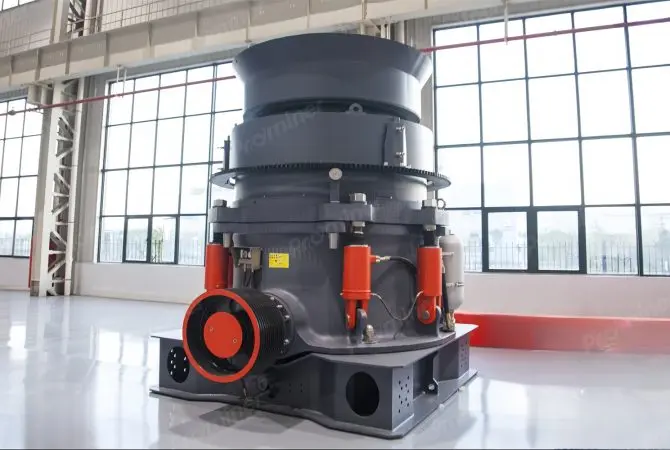
Crusher ya koni ya maziwa mengi inaunganisha kasi ya crusher, eksentrisiti na wasifu wa pafu
Kujua zaidi kuhusu bidhaa zetu na suluhisho, tafadhali jaza fomu hapa chini na mmoja wa wataalamu wetu atakujibu hivi karibuni
Mradi wa Flotashi ya Dhahabu ya 3000 TPD katika Mkoa wa Shandong
2500TPD Lithium Ore Flotation katika Sichuan
Fax: (+86) 021-60870195
Address:No.2555, Barabara ya Xiupu, Pudong, Shanghai
Haki miliki © 2023.Prominer (Shanghai) Mining Technology Co., Ltd.


