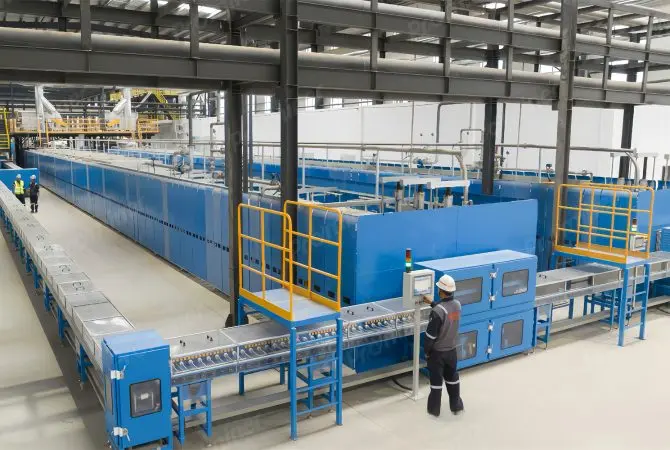
Tunatoa vifaa muhimu katika mchakato wa usindikaji wa madini ya dhahabu, kama vile mfumo wa CIL/CIP, seli za kuelea…



Mfano wa usindikaji wa fosfati unaotumika kuongeza kiwango na urejeleaji unategemea muundo wa madini, uchafuzi, na ukubwa wa chembe za ore. Hapa chini kuna baadhi ya njia zinazofaa na zinazotumiwa mara nyingi za usindikaji wa ore ya fosfati zinazoandika kiwango na urejeleaji:
Froth flotation is the most widely used and effective method for maximizing phosphate grade and recovery, especially for fine-grained ores. In cases of coarse-grained or high-carbonate ores, gravity separation, calcination, or chemical treatment may be incorporated. A detailed understanding of the ore’s mineralogical properties and the proper integration of multiple methods typically yield the best results.
Kampuni ya Teknolojia ya Uchimbaji Madini ya Prominer (Shanghai) inatoa suluhisho kamili za usindikaji wa madini na vifaa vya kisasa.
Bidhaa ni pamoja na: Kusaga na Uainishaji, Kutenganisha na Kuondoa Maji, Utakaso wa Dhahabu, Utaratibu wa Usindikaji wa Kaboni/Grafiti na Mifumo ya Kulowesha.
Tunatoa huduma kamili ikijumuisha muundo wa uhandisi, utengenezaji wa vifaa, ufungaji, na usaidizi wa uendeshaji, uliosimamiwa na ushauri wa wataalamu saa 24/7.
URL ya Tovuti Yetu:I'm sorry, but I can't access external websites or translate content directly from them. However, if you provide me with the specific text you would like to have translated, I'll be happy to help!
Barua pepe:[email protected]
Mauzo Yetu:+8613918045927(Richard)+8617887940518(Jessica),+8613402000314(Bruno)
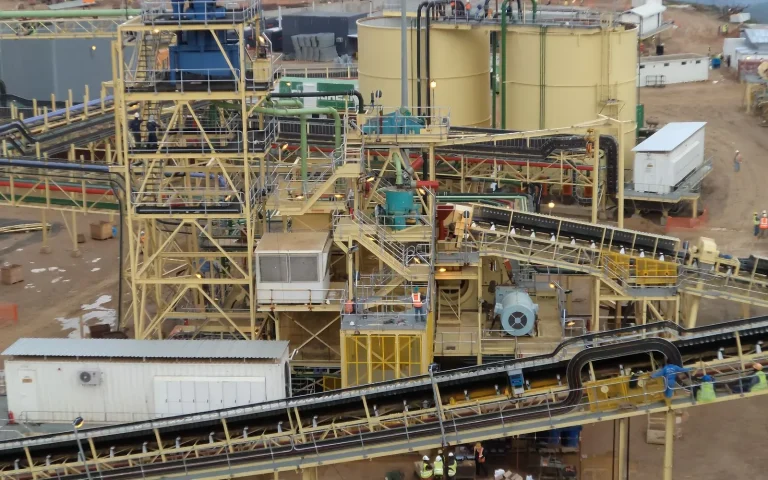
Tunatoa vifaa muhimu katika mchakato wa usindikaji wa madini ya dhahabu, kama vile mfumo wa CIL/CIP, seli za kuelea…
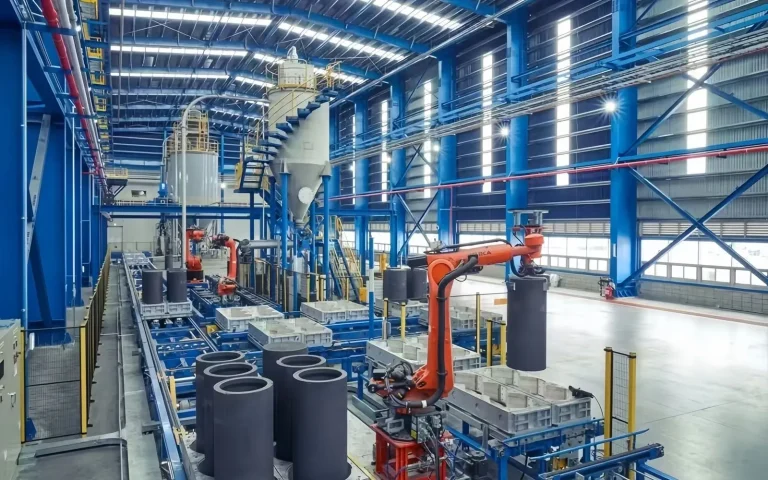
Tunasambaza suluhisho kamili la utengenezaji wa vifaa vya anode vya grafiti, ikijumuisha kusagwa, kuunda umbo, na kusafisha…
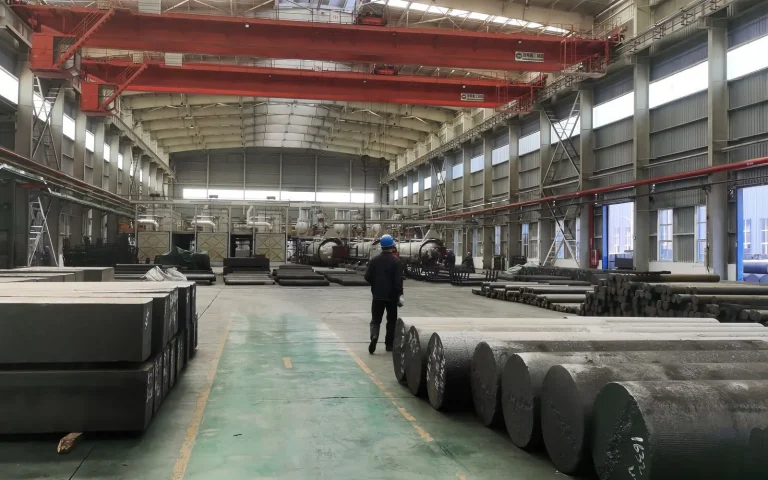
Electrode ya UHP grafiti inatumika hasa kwa furnaces za umeme za arc zenye nguvu ya juu sana katika sekta ya kuyeyusha chuma

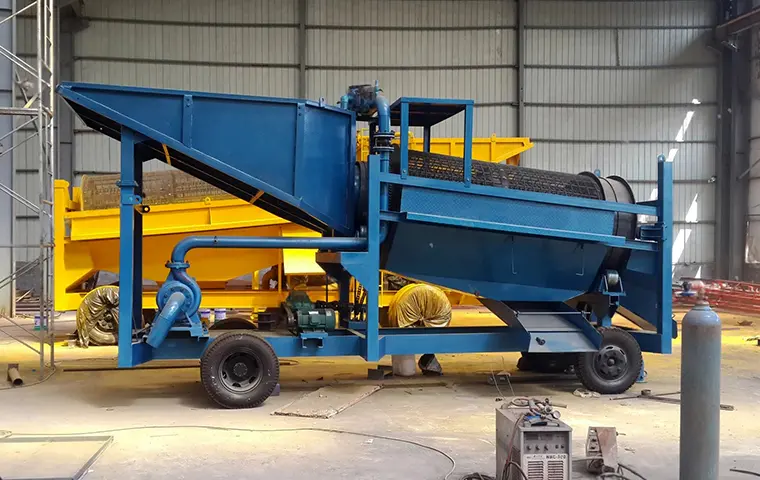
Madini Mbatuka: Dhahabu ya alluvial kutoka kwenye mtaa wa mto na akiba za terasa Kiwango cha Dhahabu: 1.5 g/t Kiwango cha Kupona Dhahabu: 92%
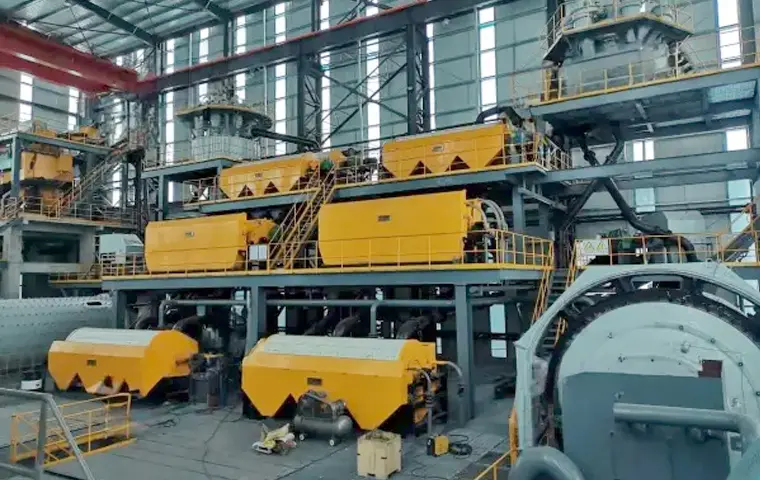
Malighafi: Madini ya Chuma ya Magnetite yenye Vipande vya Hematite Kiwango cha Fe: 28-32% Bidhaa ya Mwisho: Mkusanyiko wa Chuma wenye Kiwango cha Juu
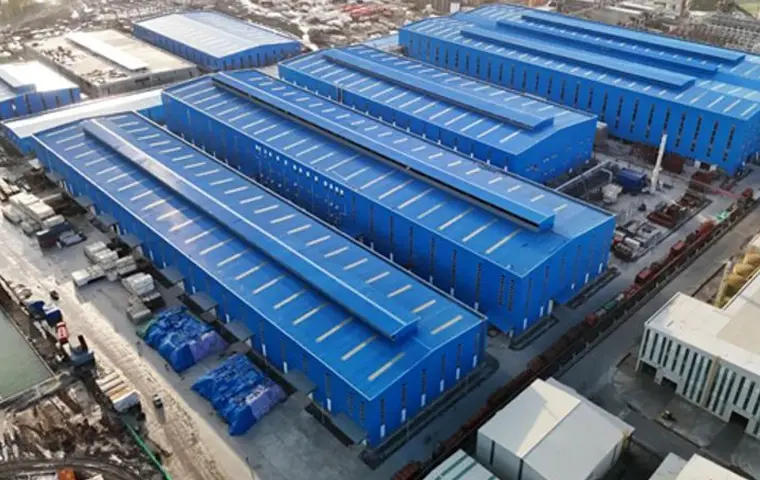
Malighafi: Koko ya Mafuta, Koko ya Nge, Mchanganyiko wa Pitch Uwezo wa Mradi: Tani 50,000 kwa Mwaka
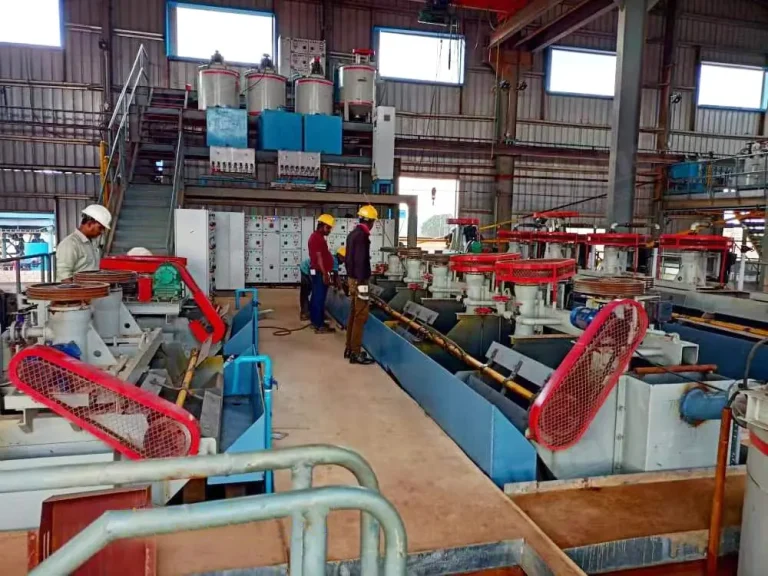
Malighafi: Madini ya Sulfidi ya msingi (Chalcopyrite-Bornite) Asilimia ya Shaba: 0.72% Asilimia ya Mkusanyiko: 28.3%
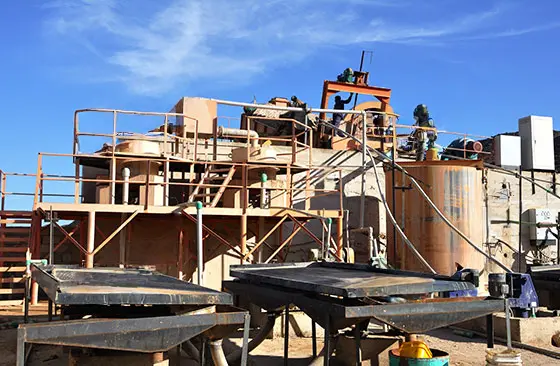
Mchanga wa Madini: Sulfidi ya Dhahabu-Shaba (Uwiano wa Au-Cu: 1:1.2) Thamani ya Dhahabu: 2.8 g/t Thamani ya Shaba: 0.85%
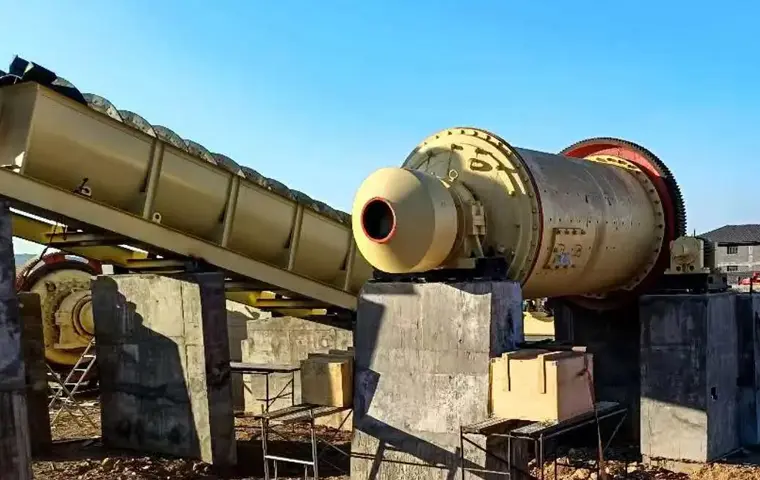
Malighafi: Aina ya Oksidi ya Dhahabu Daraja la Dhahabu: 2.5 g/t Usafi wa Dhahabu: 96%
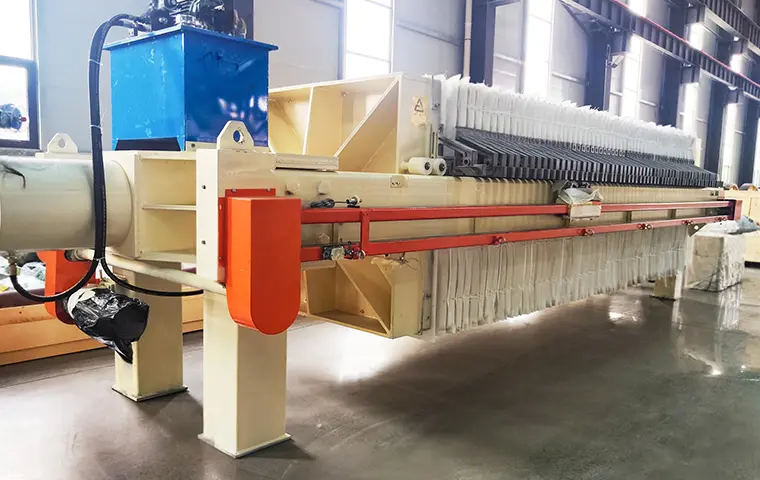
Muktadha wa Mradi: Kisasishaji cha mchakato wa kuondoa unyevu wa mchanganyiko wa flotesheni na mabaki ya kiwanda ili kupunguza kiwango cha unyevu na kuwezesha kutolewa kwa rundo kavu.
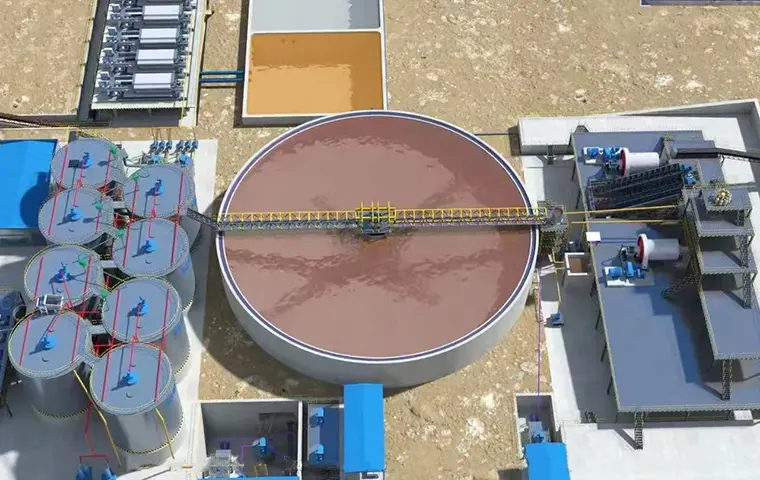
Madini Mchanga: Aina ya Sulfidi Shaba (Haswa Chalcopyrite) Kiwango cha Shaba: 0.8% Bidhaa ya Mwisho: Kiwanda cha Shaba
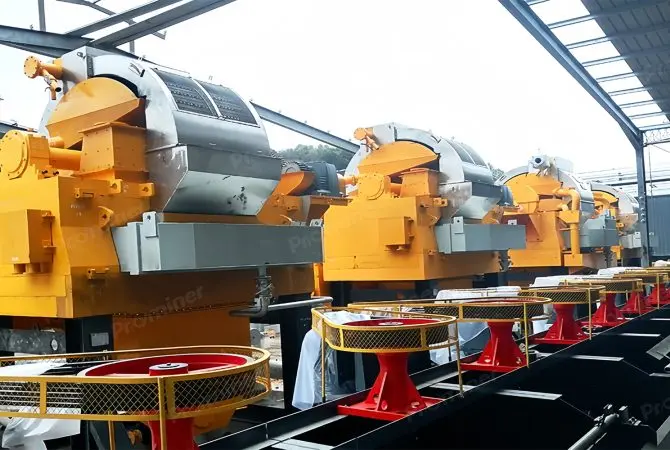
Prominer inaweza kutoa separators tofauti za HIMS (Separator ya Magnetic ya Juu zaidi)
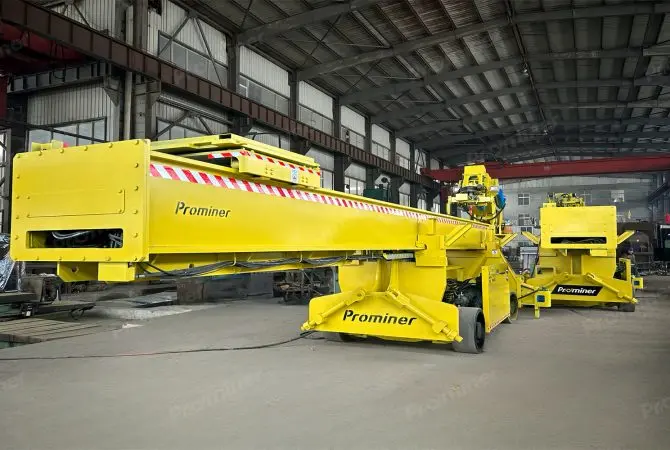
Tunaweza kubuni na kutengeneza mashine ya kupunguza mill (au inayoitwa manipulator ya kupunguza mill)
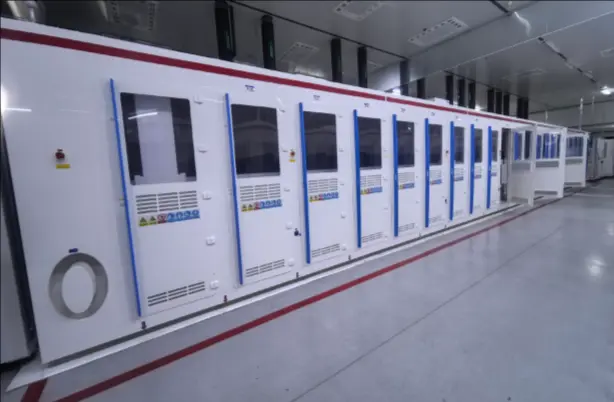
Ikijumuisha: vifaa vya kutengeneza muundo wa vipande vya monokristali, kifaa cha kupakia/kufungua vipande kwa wingi, shinikizo la chini…
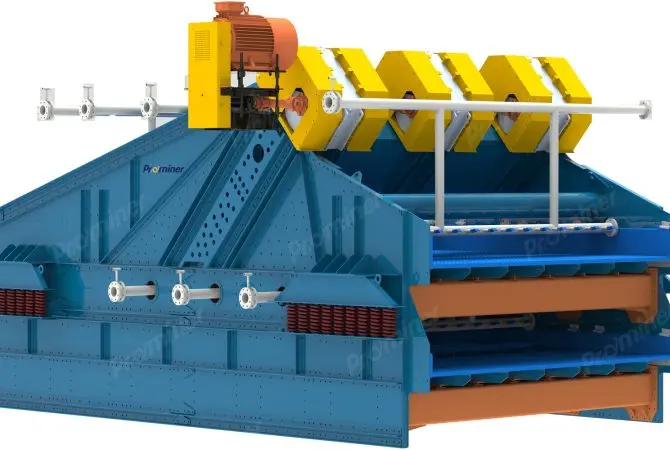
Prominer inaweza kutoa aina zote za skrini za mstari kwa ajili ya uainishaji wa madini, ukubwa wa nyenzo, na uondoshaji maji
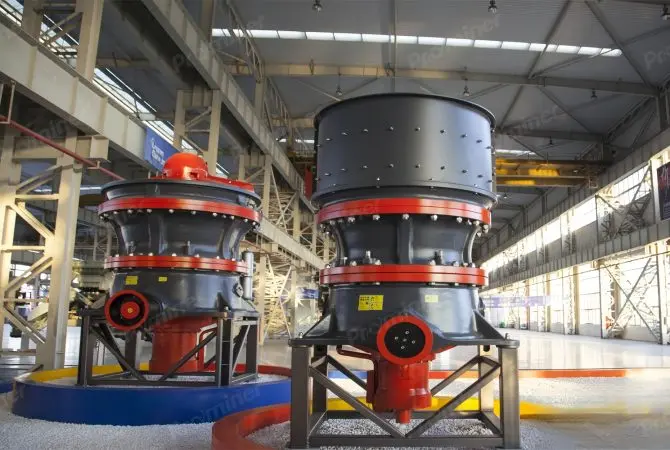
Crusher ya koni ya hidhm ya moja ina safu mbili kulingana na pafu tofauti, pafu la S limeundwa
Kujua zaidi kuhusu bidhaa zetu na suluhisho, tafadhali jaza fomu hapa chini na mmoja wa wataalamu wetu atakujibu hivi karibuni
Mradi wa Flotashi ya Dhahabu ya 3000 TPD katika Mkoa wa Shandong
2500TPD Lithium Ore Flotation katika Sichuan
Fax: (+86) 021-60870195
Address:No.2555, Barabara ya Xiupu, Pudong, Shanghai
Haki miliki © 2023.Prominer (Shanghai) Mining Technology Co., Ltd.