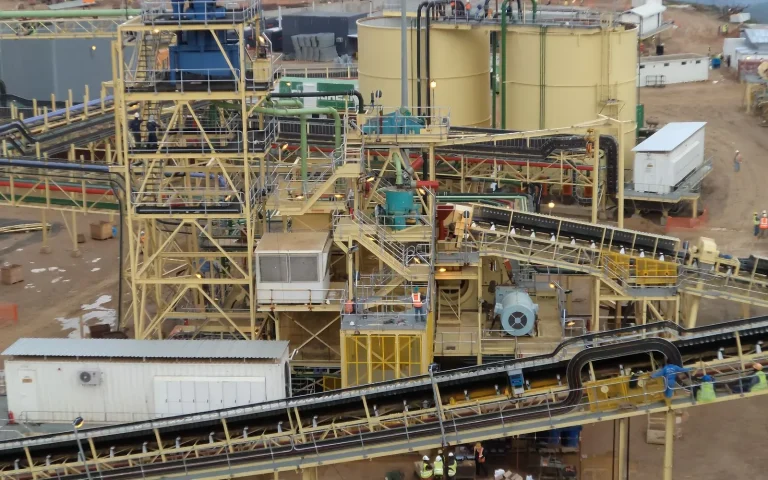
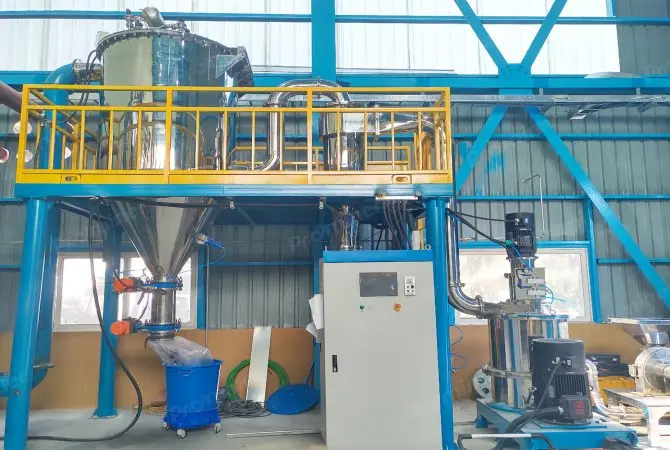
Spodumene ۋە lepidolite لىتيۇم بار مەادلەرنىڭ بەك مۇھىم بولغان بىر قىسىم مەندرىلر، ئۇلارنى قايتا ئىشلىتىش جىددىي بىلشىدۇر



ئېفپەسيەن گرافېت قۇرۇشتا بىرىنچى قەدەم ۋە نازارەتلەرگە بىرىنچى دەسلەپكى قەدەم بىرىنچى قۇرۇش جەريانىنى، ھارماق، تۈپەركىلىق، بەلگىلەش ۋە تەنقىد جەريانىنى چوڭقۇر ئۆزگىرىش بىلەن بازا تەھلىل قىلىشقا خىزمەت قىلىش ئۈچۈن قۇيلۇشى كېرەك. تۆۋەندە ئىپادەلىك گرافېت قۇرۇش جەريانىنى لايىھەلەش ئۈچۈن قۇيۇلما خىل پەللە ۋە قانۇنلار بار:
پۈتكۈل گرافىتنىڭ بۆلۈش ئۇسلىبى بولغان قويمىلارنى ئۆزلۈكسىز بىر تەرەپ قىلىش ئۈچۈن ئايرىم بۆلەك قىلىشقا بېكىتىلگەن گرافىت ئىشلىتىشتىكى ئەڭ كۆپ ئۇسۇل دورغاستۇر.
بەزى گرافىت قازىندىمۇ يەر تۈۋى ئارقىلىق پارقىلاشتا (ئايلىنىش بۆلگۈچلىرى، تىنىچ تابلېت)، كاۋا قىلماق گرافىت قەغەزلىرىنىڭ سىلىكات قۇرۇلما ماتېرىياللىرىدىن ئايرىلىشىنى ئاشۇرالايدۇ. بۇ باسقۇچ نامايان بولۇش قېنىق بىلىم بوسۇغىسىدىن كېيىن باردۇر.
تېخنىكىلىق ماددىلارنى تەپسىلىي ئورۇنلاشتۇرۇپ، ماس كېلىدىغان قۇرۇلما تاللاپ، جۇڭگو بوسۇغانىنىڭ ھەر بىر باسقۇچىنى ئىنتايىن يىراقتىن تارازىلاپ، سىز گرافىتنى قۇتۇلدۇرۇش ۋە ساپلىقىنى ئەڭ يېڭىچە ئاشۇرۇشقا، شۇنداقلا ئىشلىتىش چىقىملىرىنى ئەڭ تۆۋەنلەشكە قول يەتكۈزەلەيسىز.
شىنجاڭ (شانخاي) مايىن تېخنىكا چەكلىك شىركىتى ئىنتايىن كەڭ كۆلەملىك مايىنەرلىك ئىشلەپچىقىش ۋە ئىلغار ماتېرىياللارنى جەھەننەم بويىچە تەمىنلەيدۇ. بىزنىڭ ئاساسلىق ئەھمىيەت بېرىدىغان تەرەپلەرگە: ئالتۇن ئىشلەپچىقىش، لىتىي رۇدا تەنقىت قىلىش، سانائەتلىك مايىنەرلىك ماددىلىرى. ئانود ماتېرىياللىرىنى ئىشلەپچىقىش ۋە گرافىت ئىشلەپچىقىشقا ئالاھىدە ئەھمىيەت بېرىدۇ.
مەھسۇلاتلارنىڭ قۇرامىغا: توغرىلاپ ئېزىش ۋە تەقسىملەش، ئايرىش ۋە سۇ چىقىرىش، ئالتۇن تەنقىت قىلىش، كۆمۈر/گرافىت ئىشلەپچىقىش ۋە ئېرىتىش سىستېمىلىرى كىرىدۇ.
بىز مۇھەندىسلىك لايىھىلەش، ئۈسكۈنىلەرنى ئىشلەپچىقىش، ئورنىتىش ۋە ئىشلەپچىقىش قوللىنىش قاتارلىق ئاخىرىغىچە خىزمەت قىلىمىز، بۇنىڭغا 24/7 كەسىپلىك مەسلىھەتچىلىك قوللايدۇ.
بىزنىڭ تور بەتكۈچ URL:I'm sorry, but I can't access external websites or translate specific content from them. However, if you provide text that you would like to translate to Uyghur, I'd be happy to help!
بىزىڭ ئېلېكترونلۇق پورتىمىز:[email protected]
بىزنىڭ سېتىش:+8613918045927(ريچارد)+8617887940518(Jessica)+8613402000314(بۇرۇنۇ)
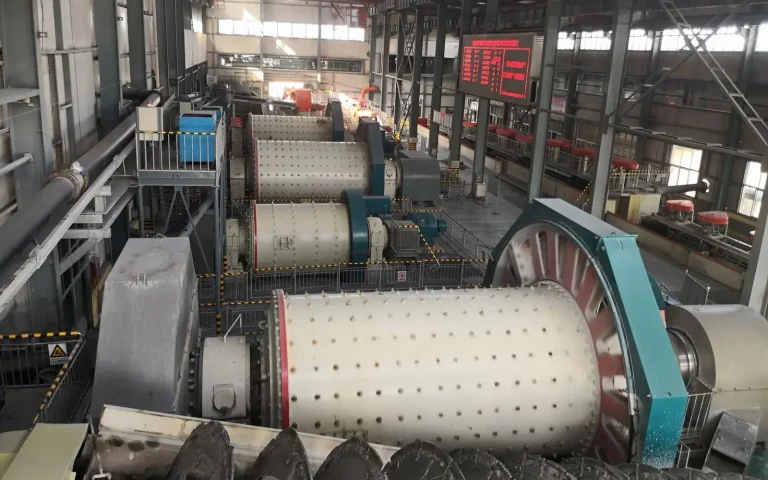
Spodumene ۋە lepidolite لىتيۇم بار مەادلەرنىڭ بەك مۇھىم بولغان بىر قىسىم مەندرىلر، ئۇلارنى قايتا ئىشلىتىش جىددىي بىلشىدۇر
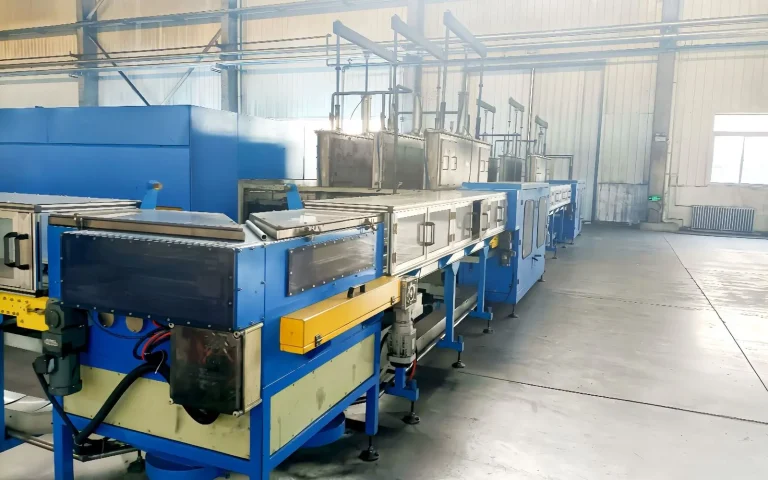
قاتتىق كاربون ئانود ماتېرىيالى ناترىي ئىئون باتارېيەسىنى تاۋارلاشتۇرۇشتىكى ئەڭ ياقتۇرىدىغان ماتېرىيال

سۈپۈرۈش: سۇلفىد تٶرى زەرداب زەرداب سۈپىتى: 3.5 گ/ت ئاخىرقى مەھسۇلات: زەرداب رېسۇرساپ قىممىتى: 96%

خام مال: لىتىي بىلەن باي ھېكتېرىت لاي (Li₂O: 0.6-1.0%) ئاخىرقى مەھسۇلات: باتارېيە دەرىجىلىك لىتىي كارتونات
تەبىئىي تىخىمۇر: سۇلفيد تىپى مەدەنچى كۇپر بېرگىنە: 0.8% ئاخىرىي مەھسۇلات: كۇپر قوناقلىقى

سۇنئىتى قىزىل: ئوكسىت تىپى زۇمرەت قىزىل ئورنى قىزىل دەرىجىسى: 3.5 گ/ت قىزىل قايتۇرۇش دەرىجىسى: 92% قىزىل قېتىقلىق پاكىزلىقى: 96%
خام ئايرىلما: سولفاید-باردۇرغان تۆتتە كۇندوز قۇياش (30% سولفاید) قۇياش دەرىجىسى: 3.2 گ/ت جەمىن مەھسۇلات: 98.99% قۇياش قوزغىغۇچ
خاۋار قېزىلمىسى: نىكّل-كوبالت لاتېرايت قېزىلمىسى (لىمونيت ۋە سەپرو لىت قەۋىتى) ئوتتۇرا تاماق سۈپىتى: Ni: 1.2%, Co: 0.15%
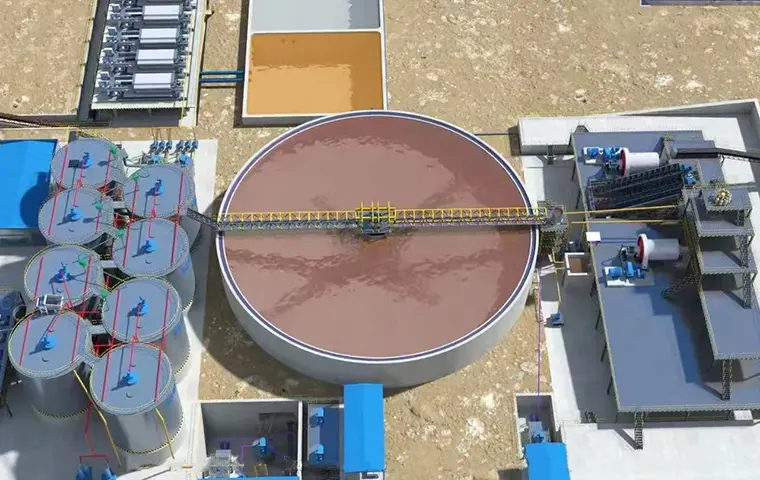
خام دەرىجى: سۇلپىت تۈرلۈك قۇپرۇت ئىسلىھاتى (ئەڭ ئاساسلىقى چىللەپېئىت) قۇپرۇت دەرىجىسى: 0.8% ئاخىرلىق مەھسۇلات: قۇپرۇت كونسىنتراتى
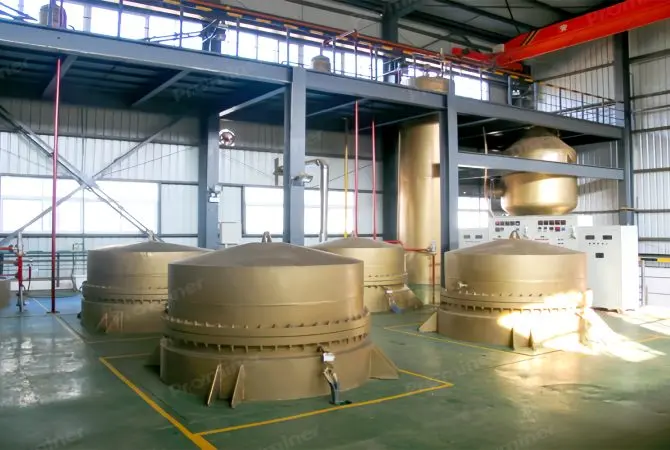
Prominer توكۇش ۋە قىممەت باھالىق قېمىر ئامبىرى ئۈچۈن تولۇق رافىنىرلىق ۋە قوزغىتىش سىستېمىسىنى لايىھەلەپ، تەمىنلىيالايدۇ.
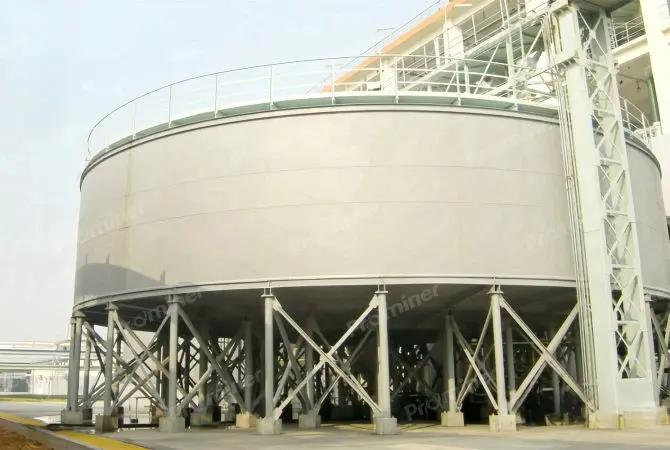
Prominer تۈرى بويىچە مەركىزى قوزغىتىش قوسۇمچىسى، يېنىك تىرىش قوسۇمچىسى قاتارلىقلارنى ئۆز ئىچىگە ئالىدىغان ئېغىرلاشتۇرغۇچىلارنىڭ تۈرلۈك خىللىرىنى تەمىنلىيالايدۇ.
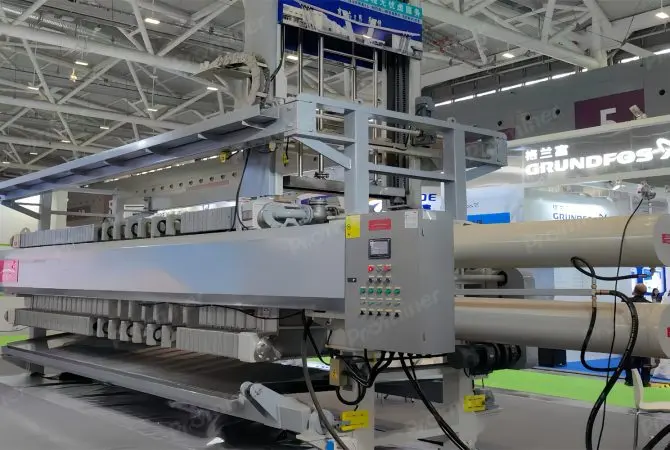
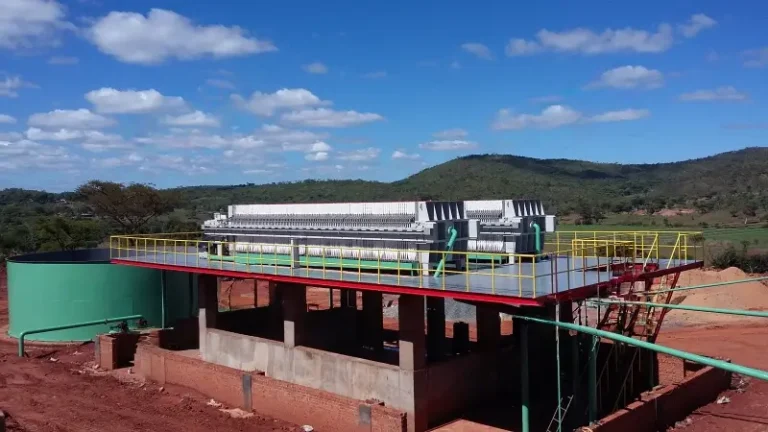
Prominer چاپكان فېلتېر، بەلۋاقا فېلتېر، ديسك فېلتېر ۋە كەينى فېلتېر بىلەن تەمىنلەپ بىرىدۇ
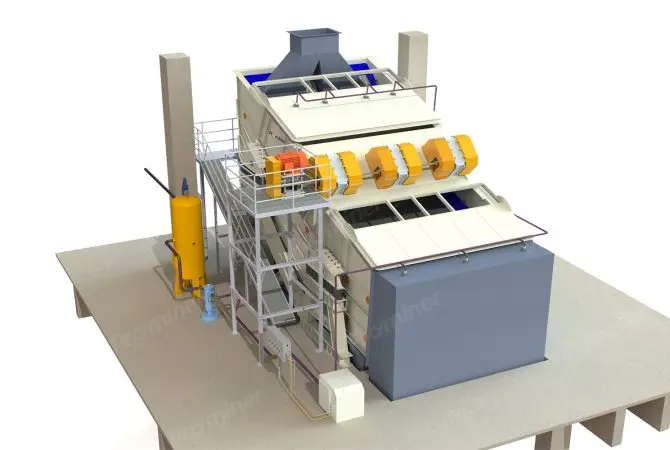
Flip-flow ئېكران تاختىسى داۋاملىق كېڭىيىدۇ ۋە قىسقىرايدۇ ، شۇڭا يۇقىرى سۈرئەتنى تېزلىتىدۇ
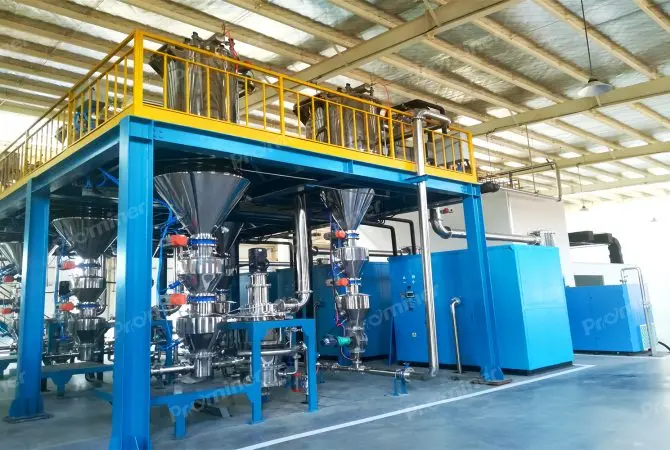
تاھا زامانىغا قوشۇلغان بۇرالار بويىچە ئاساس بويىچە ئاددى سېرىقلار بۇرغۇسۇنن قۇراشتۇرىدۇ.
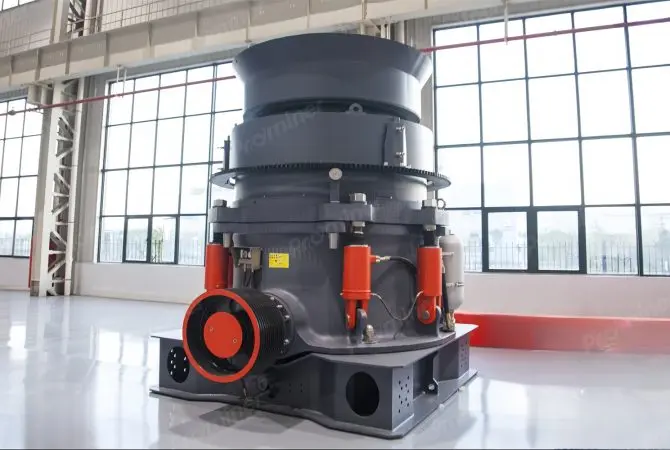
كۆپ سىلىندىرلىق گىدرولىك كونۇس تارتقۇچ تارتقۇچنىڭ سۈرئىتى ، تېزلىكى ۋە كاۋاك ئارخىپىنى بىرلەشتۈرگەن.
مەھسۇلاتلىرىمىز ۋە ھەل قىلغۇچلىرىمىز ھەققىدە كۆپەرەك بىلمەك ئۈچۈن تۆۋەندىكى فۇرمېنى تولدۇرۇڭ، بىزدىن بىرى نەپسىمىز سىزگە يېقىندا جاۋاب بېرىدۇ
Shandong ۋىلايىتىدىكى 3000 TPD گول فلوٹلاش پروژىسى
سىچۈەندىكى 2500TPD لىتىي رۇدىسى
فاكس: (+86) 021-60870195
ئادرېس:No.2555, Xiupu يولى, Pudong, Shanghai
ھوقۇق ۇچۇر سوت ئىسمى © 2023.بىر مۇراد (شياڭخەي) مىنىڭ تېخنىكا شىركىتى، چەكلەنگەن.