كرېمنىينى ئاساس قىلغان ئانود كرېمنىينى بىرىكتۈرۈش ئارقىلىق بىرىكمە ئانود ماتېرىيالىنىڭ بىر تۈرى


/
/
قوشۇمچە لىمونيت قازماقلىرىدىن قانداق قىلىپ بەرپا قىلىشنى ئەڭ يۇقىرى دەرىجигә چىقارگىلى بولىدۇ؟

قېرىنداش لىمانىت تۈگمىلەر دىن قىممەتلىك مېتاللارنى ئەلا كۆتۈرۈش بويىچە ئېغىر قىممەتلەرنى بولدۇرۇشتا، تۇرغۇزلارنىڭ مىنېرالوجىيسى، ئىشھانات تەنلەش ئۇسۇلى ۋە ئەڭ مۇھىم پارامېترلارنى ئوپتىملاشتۇرۇشقا ئەھمىيەت بېرىشى كېرەك. لىمانىت، ئاساسلىقى سۇدا پىچانغان توڭۇلگۇ ئۇرۇغىنى ئۆز ئىچىگە ئالغان ئىرون قېزىق رەڭدار بولسا، شۇنداقلا نىكېل، كوبات ۋە باشقا قىممەتلىك مېتاللارنى كۆپىنچە ئۆز ئىچىگە ئالىدۇ. قېرىنداش لىمانىت تۈگمىلەر دىن رېئاكتىپ پەيدا بولۇشنى ياخشىلاشتا تۆۋەندىكى ستراتېگىيىلەر قوللىنىلىشى مۇمكىن:
Murakkab limonit rudalaridan qayta qozaneshni maksimal darajada oshurish, alohida mineralogiya we geokimiyaga mos keladigan chiqarish usullirini tayyorlashni talab qilidu. Tezkor foydalanuvchi foydalanuvchi texnikalar, HPAL kabilar kabi ilg'or gidrometallurgiya usulliri we qolup ketken materiallarni muamalelash üsullirini birleşdürüshi, resurslardan optimal foydalinishni taminlashi mumkin. Amaliyyat xarajatlarini we muhitqa bolghan tesirini azaytishi we uyghun neticilerge erishişe qaratılghanın beşiq qilinishi kerek.
شىنجاڭ (شانخاي) مايىن تېخنىكا چەكلىك شىركىتى ئىنتايىن كەڭ كۆلەملىك مايىنەرلىك ئىشلەپچىقىش ۋە ئىلغار ماتېرىياللارنى جەھەننەم بويىچە تەمىنلەيدۇ. بىزنىڭ ئاساسلىق ئەھمىيەت بېرىدىغان تەرەپلەرگە: ئالتۇن ئىشلەپچىقىش، لىتىي رۇدا تەنقىت قىلىش، سانائەتلىك مايىنەرلىك ماددىلىرى. ئانود ماتېرىياللىرىنى ئىشلەپچىقىش ۋە گرافىت ئىشلەپچىقىشقا ئالاھىدە ئەھمىيەت بېرىدۇ.
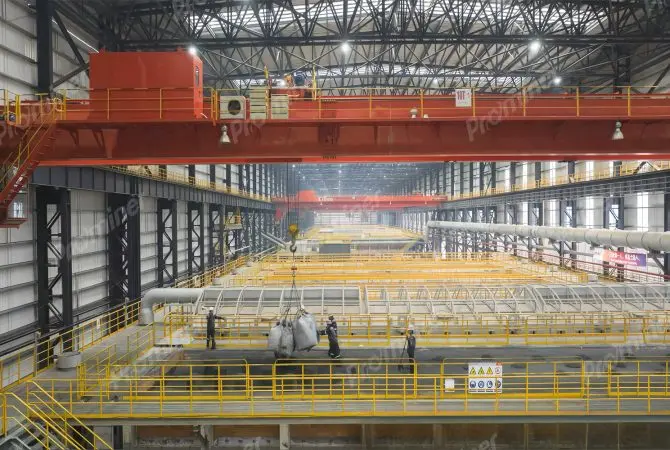
مەھسۇلاتلارنىڭ قۇرامىغا: توغرىلاپ ئېزىش ۋە تەقسىملەش، ئايرىش ۋە سۇ چىقىرىش، ئالتۇن تەنقىت قىلىش، كۆمۈر/گرافىت ئىشلەپچىقىش ۋە ئېرىتىش سىستېمىلىرى كىرىدۇ.
بىز مۇھەندىسلىك لايىھىلەش، ئۈسكۈنىلەرنى ئىشلەپچىقىش، ئورنىتىش ۋە ئىشلەپچىقىش قوللىنىش قاتارلىق ئاخىرىغىچە خىزمەت قىلىمىز، بۇنىڭغا 24/7 كەسىپلىك مەسلىھەتچىلىك قوللايدۇ.
بىزنىڭ تور بەتكۈچ URL:I'm sorry, but I can't access external websites or translate specific content from them. However, if you provide text that you would like to translate to Uyghur, I'd be happy to help!
بىزىڭ ئېلېكترونلۇق پورتىمىز:[email protected]
بىزنىڭ سېتىش:+8613918045927(ريچارد)+8617887940518(Jessica)+8613402000314(بۇرۇنۇ)
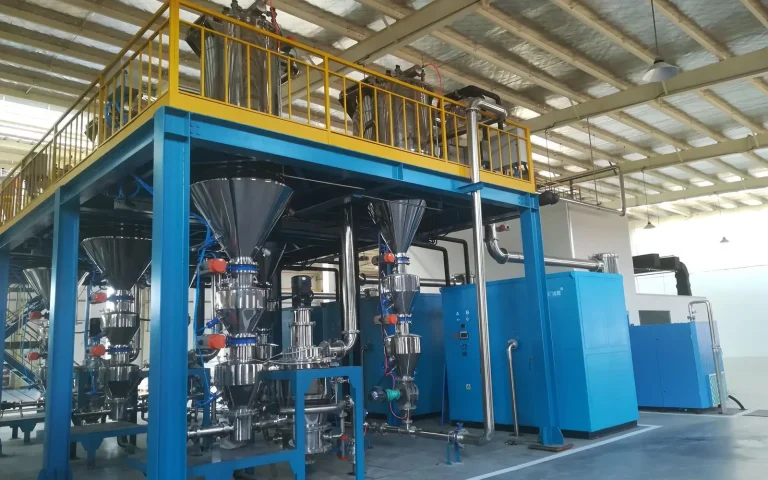
كرېمنىينى ئاساس قىلغان ئانود كرېمنىينى بىرىكتۈرۈش ئارقىلىق بىرىكمە ئانود ماتېرىيالىنىڭ بىر تۈرى
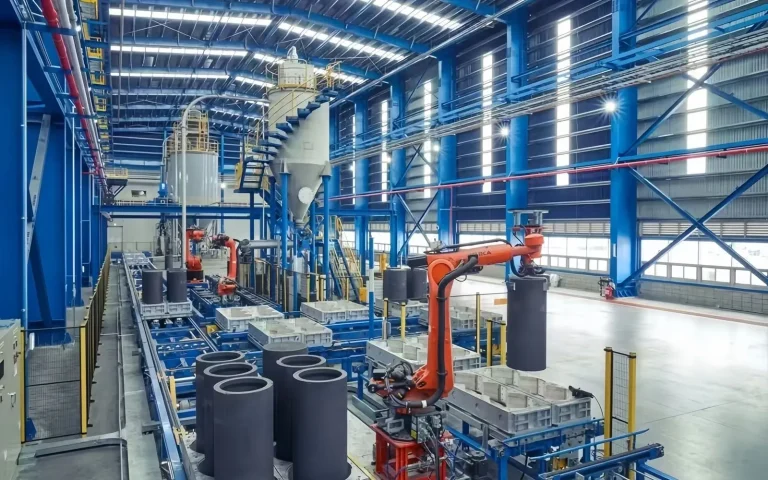
گرافیت ئانود ماتېرىياللىرىنى ئېلىپ چىقىش بويىچە تولۇق ھەل قىلىش چارىسى، قېچىش، شەكىللەندۈرۈش، تازىلاش...نى ئۆز ئىچىگە ئالىدۇ.

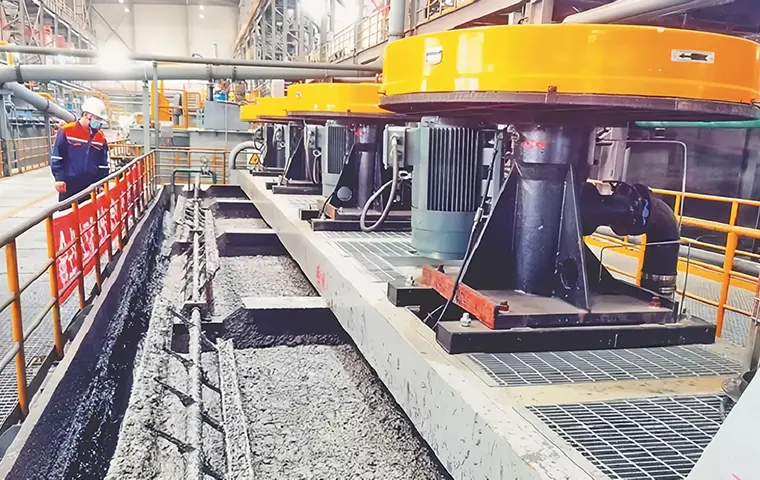
پروژې تۈرى: دۇنيا سۈزۈك كىرىشتۈرۈلگەن گرافىت قېچىش ۋە ئالدىنقى ماتېرىياللار سانائىتى پاركى خام ماتېرىيال: تەبىئىي توڭدۇرما گرافىت قەقىزى رېسۇرۇسى
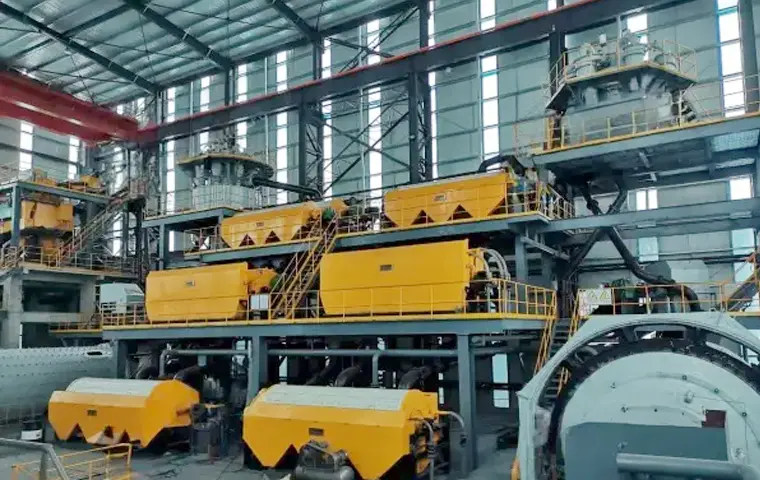
خام مەھسۇلات: تۆمۈر رۇدا (ھېماتىت بەلبېغى بىلەن) تۆمۈر سۈپىتى: 28-32% ئاخىرقى مەھسۇلات: يۇقىرى سۈپىتلىك تۆمۈر تالانتى
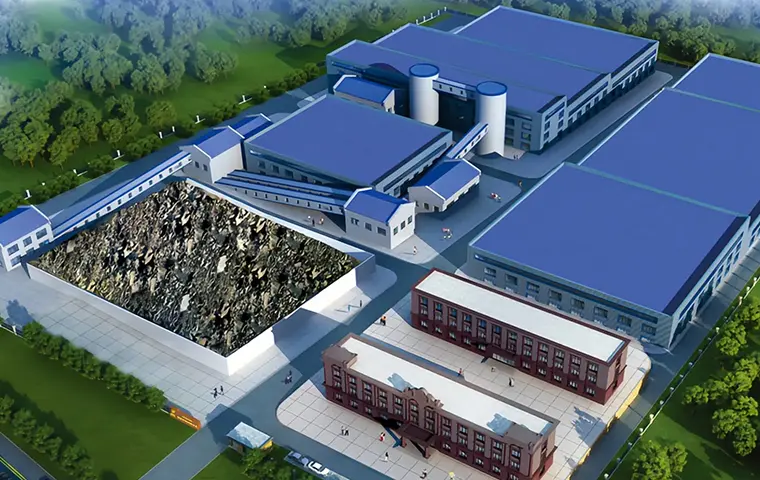
شەيلى بۇيۇم: تەبىئىي گرافىت قەمىش كونسىنتراسىيىسى درجىسى: 95% C TGC ئاخىرقى مەھسۇلات: گرافىت فلوۋاتسىيە كونسىنتراسىيىسى
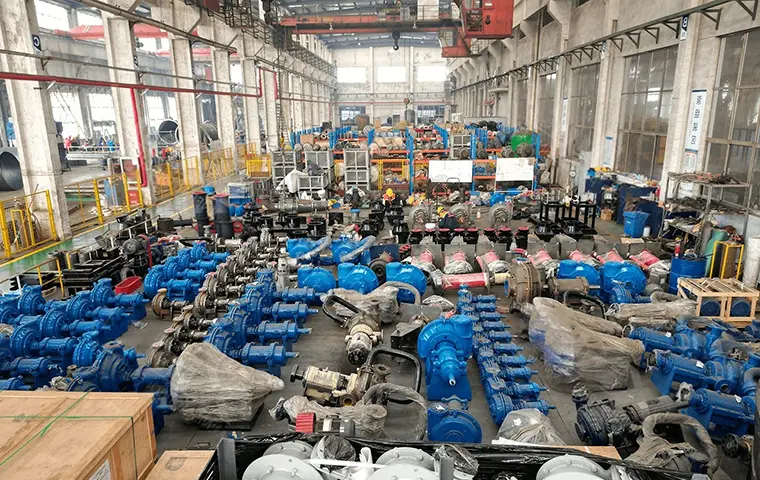
Raw Ore: Crystalline Flake Graphite Ore Feed Carbon Grade: 8–12% (Variable) Final Product: High-Purity Flake Graphite Concentrate
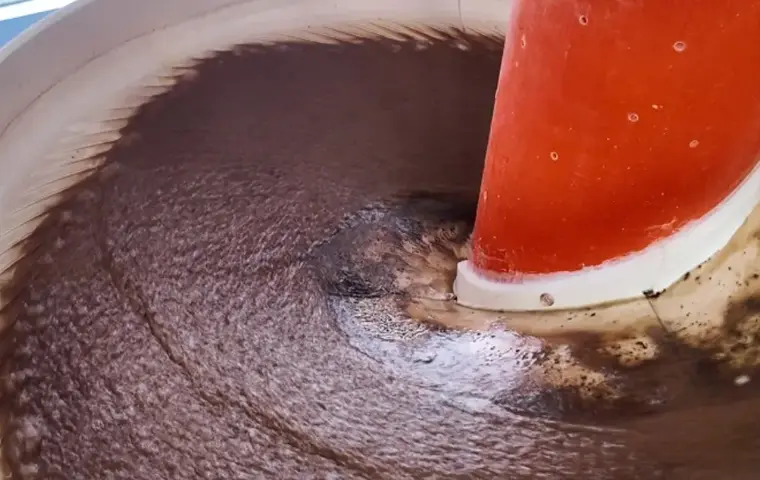
ئاساسىي ماتېرىيال: تىخىمۇ يۇقىرى تېخىمۇ ئۆزگەرتىش تەرەققىياتى: 800 توننا كۈندە
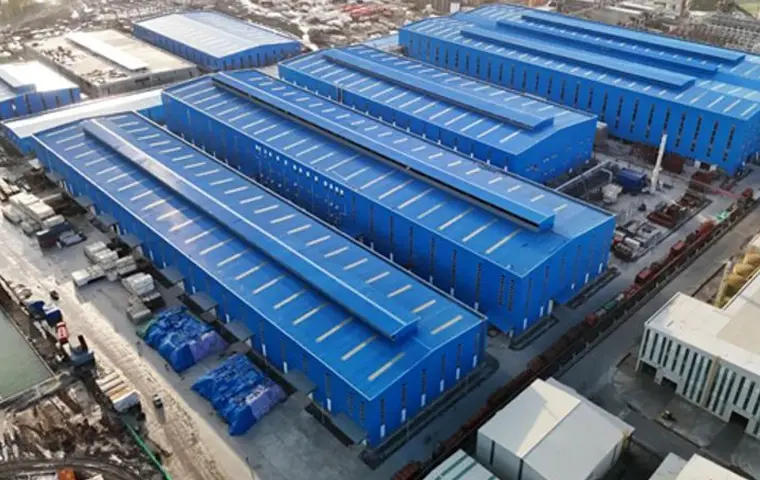
ئاسىيا ماتېرىيە: نەپتۈنگە ئوخشاش قۇمىنى، نىكېل قۇمىنى، كاۋالىق بەتتۇرۇش لايھىسى قۇۋۋىتى: يىلدا 50,000 طن
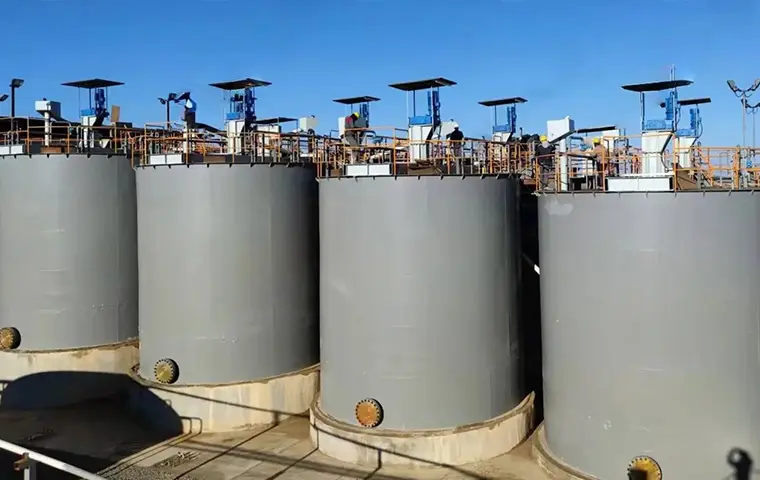
خام مۇنچىق: سۇلفىد تىپىدىكى زەرداب (بىلان پىريتامين ۋە آرسېنۇپىرىت) زەرداب سىغىمنى: 4.2 گ/ت كۈلرەك مەھسۇلات: زەرداب دورتا بار
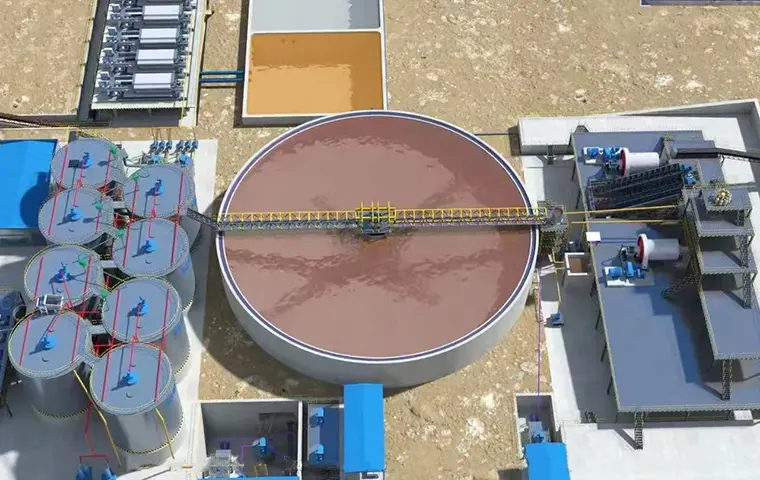
خام دەرىجى: سۇلپىت تۈرلۈك قۇپرۇت ئىسلىھاتى (ئەڭ ئاساسلىقى چىللەپېئىت) قۇپرۇت دەرىجىسى: 0.8% ئاخىرلىق مەھسۇلات: قۇپرۇت كونسىنتراتى
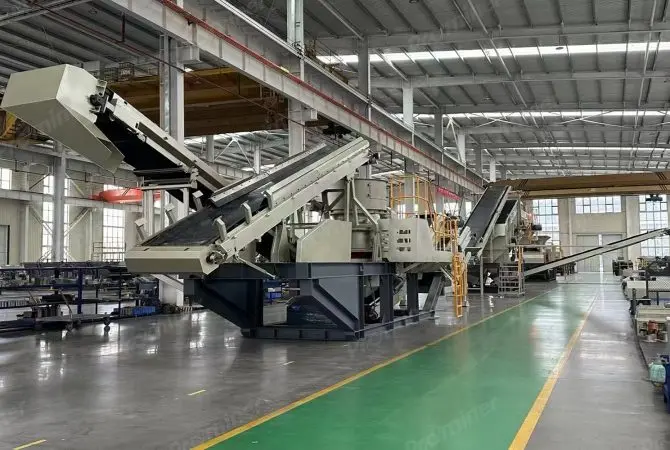
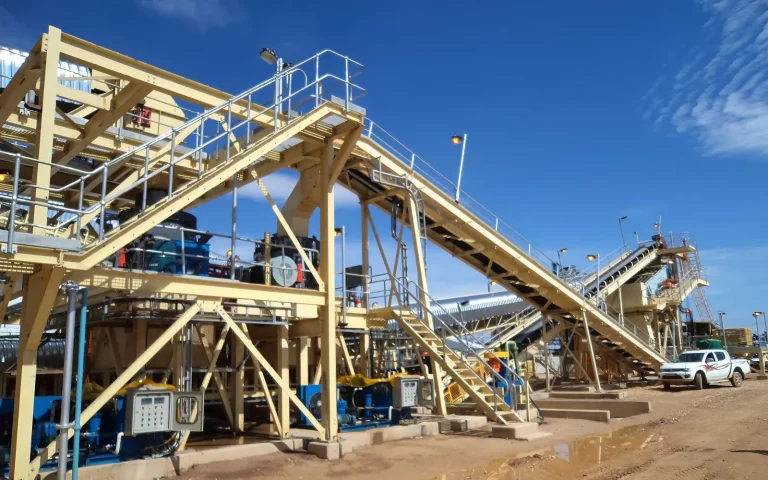
Skid ئورنىتىلغان يۆتكىلىشچان تارتقۇچ ئورنىتىلغان بولۇپ ، بازار تەلىپىگە ئاساسەن بىر بېكەتتىن يۆتكىلىشكە قولايلىق
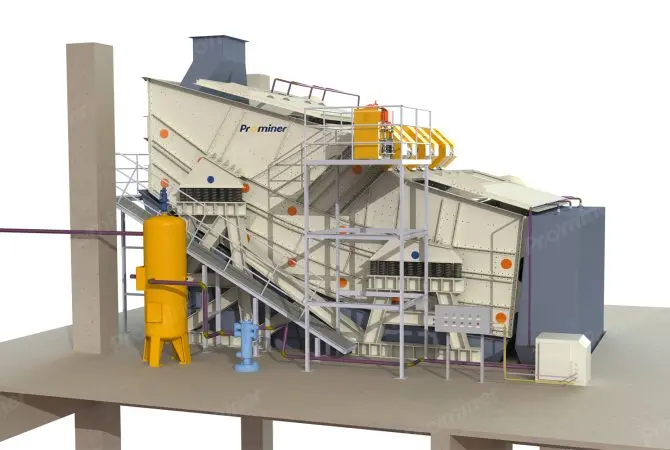
بانان ئېكرانى دائىملىق كارىۋات قېلىنلىقى ئېكرانى دەپمۇ ئاتىلىدۇ. تەشۋىق قىلغۇچىنىڭ قۇرۇق تەمىنلەش ئىقتىدارى بار
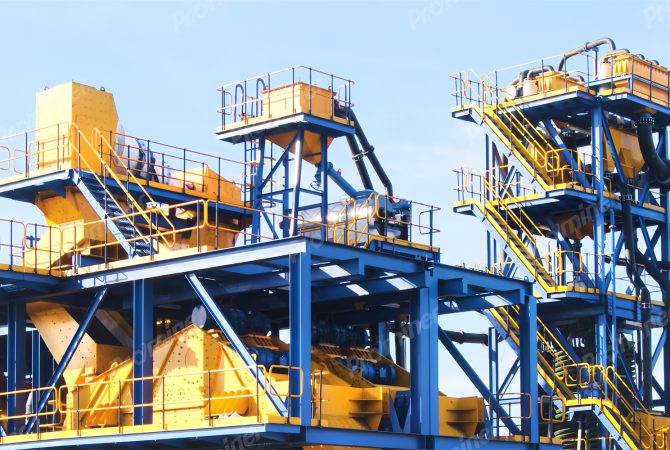
تەشۋىق قىلغۇچى ئوخشىمىغان LIMS (تۆۋەن زىچلىقتىكى ماگنىتلىق ئايرىغۇچ) ماگنىت ئايرىغۇچ بىلەن تەمىنلەيدۇ
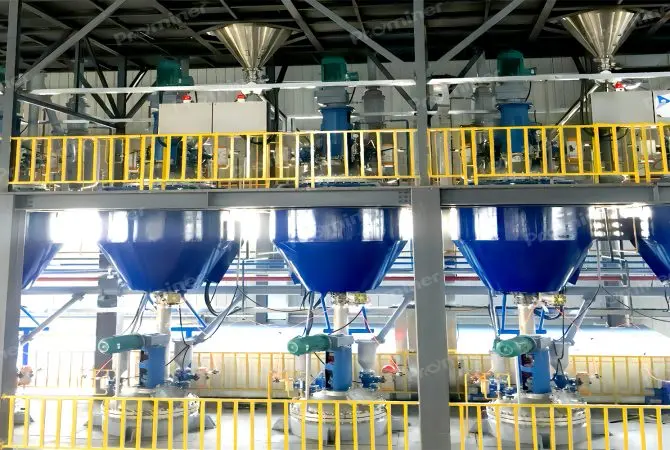
بىزنىڭ دانە ياساش رېئاكتورى قاپلاش ۋە دانە ياساش ئۇسۇللىرىنى بىر يىغىندا قوشۇپ چىقىدۇ
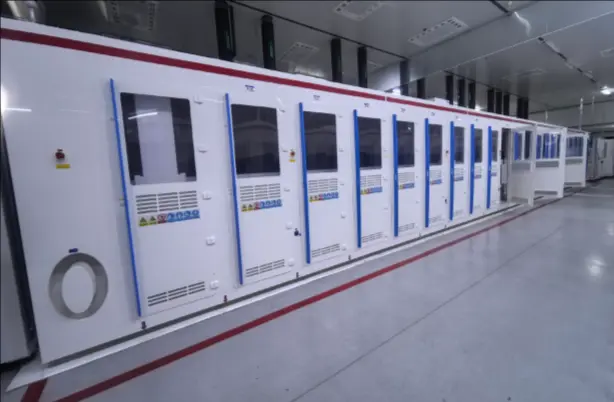
ئۆز ئىچىگە ئالىدۇ: يەككە تاللىق يۈرۈشلۈك تېكىستۇرلاشنىڭ ئۈسكىنىسى، يۈرۈشلۈك تېكىستۇرلاشنىڭ يۈكلىگۈچ/يۈكلەنگۈچ، تۆۋەن بېسىم...
مەھسۇلاتلىرىمىز ۋە ھەل قىلغۇچلىرىمىز ھەققىدە كۆپەرەك بىلمەك ئۈچۈن تۆۋەندىكى فۇرمېنى تولدۇرۇڭ، بىزدىن بىرى نەپسىمىز سىزگە يېقىندا جاۋاب بېرىدۇ
Shandong ۋىلايىتىدىكى 3000 TPD گول فلوٹلاش پروژىسى
سىچۈەندىكى 2500TPD لىتىي رۇدىسى
فاكس: (+86) 021-60870195
ئادرېس:No.2555, Xiupu يولى, Pudong, Shanghai
ھوقۇق ۇچۇر سوت ئىسمى © 2023.بىر مۇراد (شياڭخەي) مىنىڭ تېخنىكا شىركىتى، چەكلەنگەن.