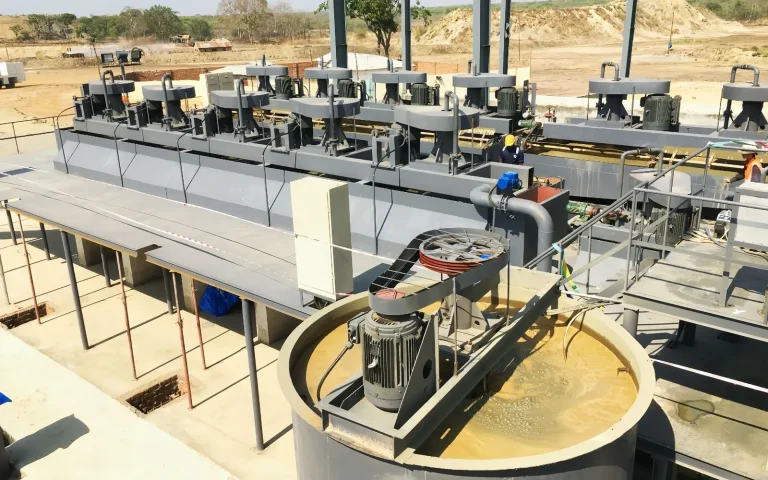
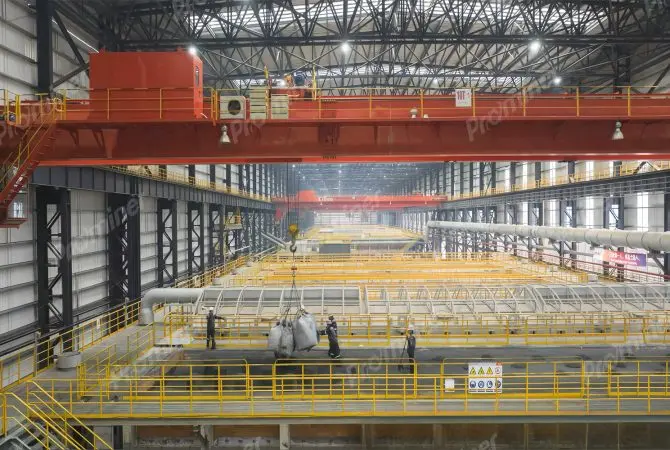
ئېكسوگېنيك مەندرىلەرنىڭ ئەڭ بىلشىق اتراپى سودا گولدىكى سىغائەت گول. سودا گول، دەپ ئاتىلىدۇ


/
/
Sulfid mineraisida алтунни флотатсия арқилиқ қайта елишни қандақ оптималлаштуруш мумкин?

سولفید قۇتۇزلىرىدا زەرىر بۆلۈشنى ئوبدانلاشتۇرۇش قېتىم ئىزدىنىش، توغرا مىنېرالوجىنى چۈشىنىش، ماس كەلگەن ماددىلارنى تاللاش، جەريان پارامېتىرلىرىنى تەڭشەش ۋە توغرا ئىجرا شرايتلىرىنى تەمىنلەشنى ئۆز ئىچىگە ئالىدۇ. زەرىر بۆلۈشنى ئوبدانلاشتۇرۇش ئۈچۈن قадам-قەدەم يۆرۈلۈش:
شۇنداقلا، ئاڭلىشىش مەركىزىدىن ئانا لوكالوگىيەلەر سانىغا ئايرىمىز، سۇسپېند توكەنلىگىنى بەلگىلەش ۋە جەريان بېلگىلەرنى ساقلاش ئارقىلىق، سىلپىل سۇيدۇرا دەرەختىن زىلزىلە شېكىلگە ئىگە بولغاندىن كېيىن، قىممەتلىك سوقۇم تەنھەندە كۈرۈش قازانچىلىق مەزكۇرارلىق تىلىمان.
شىنجاڭ (شانخاي) مايىن تېخنىكا چەكلىك شىركىتى ئىنتايىن كەڭ كۆلەملىك مايىنەرلىك ئىشلەپچىقىش ۋە ئىلغار ماتېرىياللارنى جەھەننەم بويىچە تەمىنلەيدۇ. بىزنىڭ ئاساسلىق ئەھمىيەت بېرىدىغان تەرەپلەرگە: ئالتۇن ئىشلەپچىقىش، لىتىي رۇدا تەنقىت قىلىش، سانائەتلىك مايىنەرلىك ماددىلىرى. ئانود ماتېرىياللىرىنى ئىشلەپچىقىش ۋە گرافىت ئىشلەپچىقىشقا ئالاھىدە ئەھمىيەت بېرىدۇ.
مەھسۇلاتلارنىڭ قۇرامىغا: توغرىلاپ ئېزىش ۋە تەقسىملەش، ئايرىش ۋە سۇ چىقىرىش، ئالتۇن تەنقىت قىلىش، كۆمۈر/گرافىت ئىشلەپچىقىش ۋە ئېرىتىش سىستېمىلىرى كىرىدۇ.
بىز مۇھەندىسلىك لايىھىلەش، ئۈسكۈنىلەرنى ئىشلەپچىقىش، ئورنىتىش ۋە ئىشلەپچىقىش قوللىنىش قاتارلىق ئاخىرىغىچە خىزمەت قىلىمىز، بۇنىڭغا 24/7 كەسىپلىك مەسلىھەتچىلىك قوللايدۇ.
بىزنىڭ تور بەتكۈچ URL:I'm sorry, but I can't access external websites or translate specific content from them. However, if you provide text that you would like to translate to Uyghur, I'd be happy to help!
بىزىڭ ئېلېكترونلۇق پورتىمىز:[email protected]
بىزنىڭ سېتىش:+8613918045927(ريچارد)+8617887940518(Jessica)+8613402000314(بۇرۇنۇ)
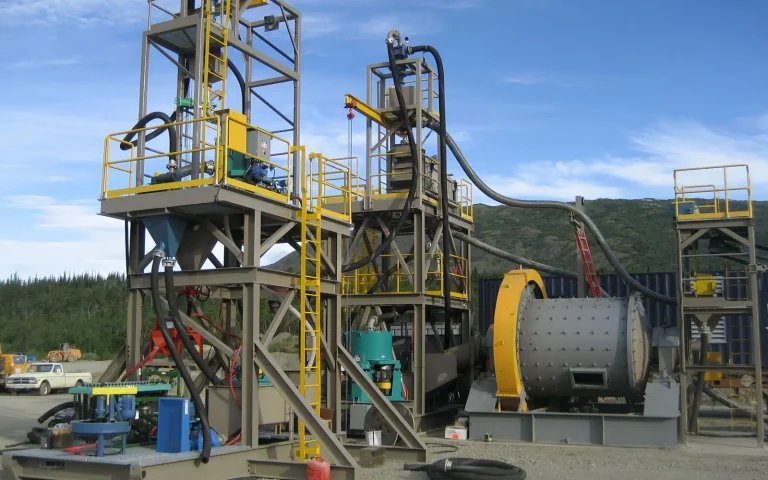
ئېكسوگېنيك مەندرىلەرنىڭ ئەڭ بىلشىق اتراپى سودا گولدىكى سىغائەت گول. سودا گول، دەپ ئاتىلىدۇ
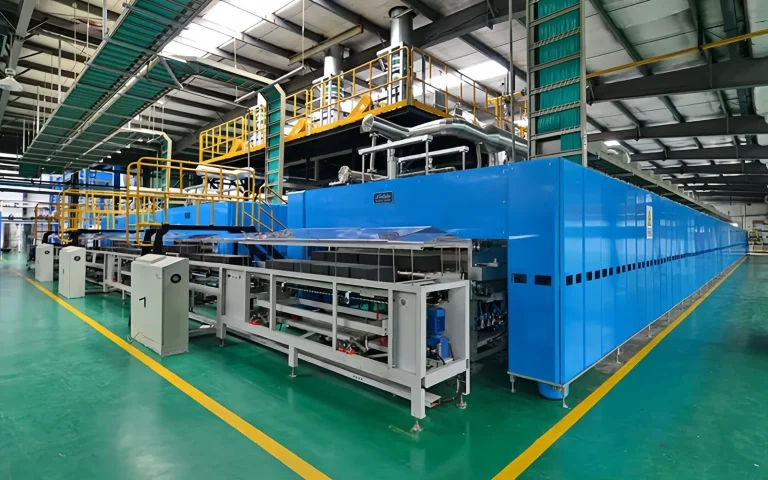
سۇيۇق گرافيت ئانودى ماتېرىيالى يۇقىرى سۈپەتلىك پەس غاز مەنى يەتكۈزۈشتىن ياسىلىدۇ

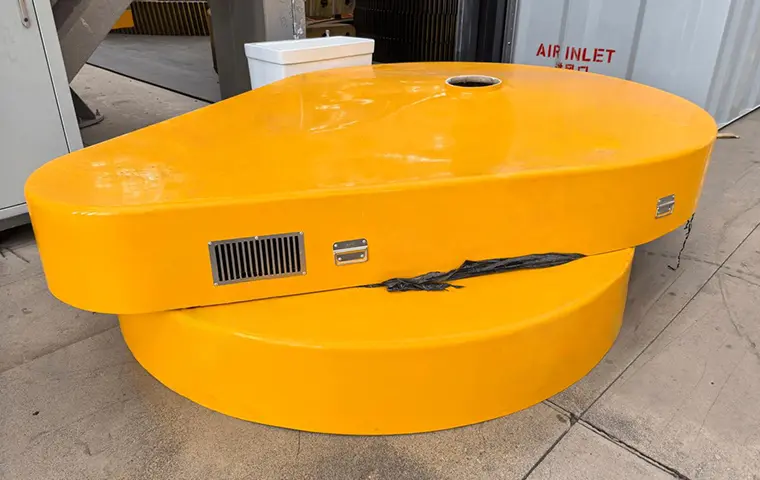
غەزەپلەنگەن مېتال: سۇلتاڈ/ئوكچۈرھە كىمياۋى زەنجىرقە يارىشلىق، مىسى، لىتىي، قۇيماق، رېسسېر، ۋە باشقا قاپال سوزغۇن مېتاللار.
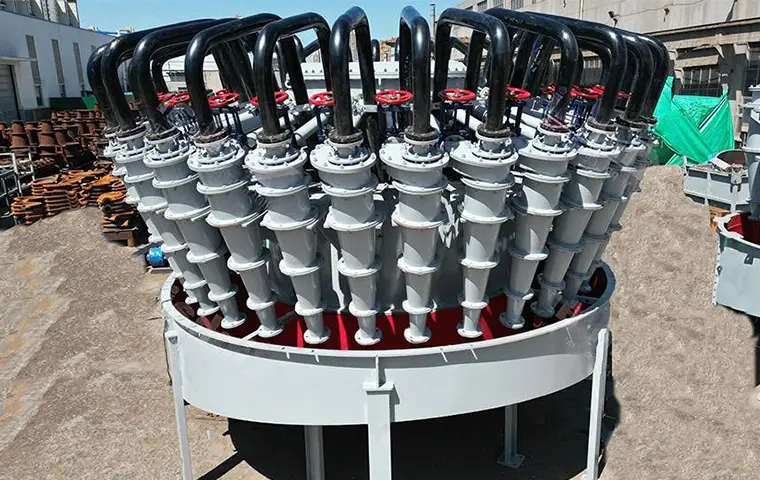
خام قورالعار: لىتىيىم سپودومېن قورالعار Li₂O دەرىجىسى: 1.45% كونسېنترات دەرىجىسى: 6.20%
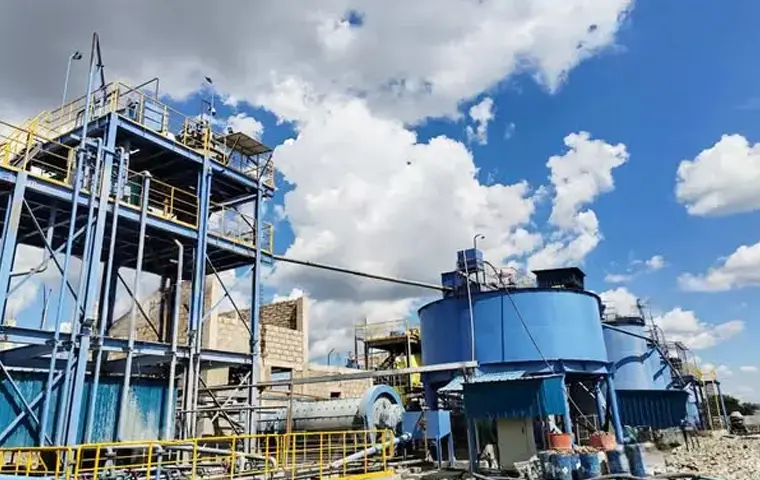
خام مەھسۇلات: مىس-ئالتۇن رۇدا مىس گرادۇسى: %1.2 ئالتۇن گرادۇسى: 1.5 گ/ت قايتۇرۇش نىسبىتى: مىس %89، ئالتۇن %88
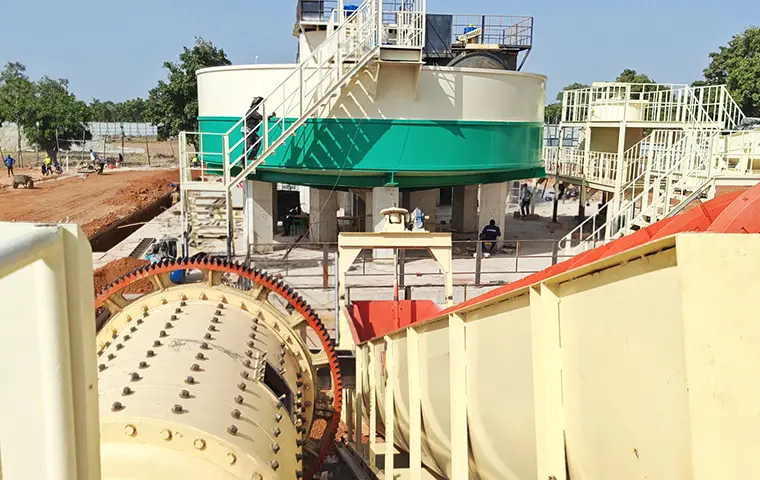
ئەتىرەش قازما: ئوكسىد ۋە سۇل فىر تىپلىق زۇلكۇن قازما زۇلكۇن سەئاي: 2.5 گ/ت Final مەھсулات: زۇلكۇن بۈللېن
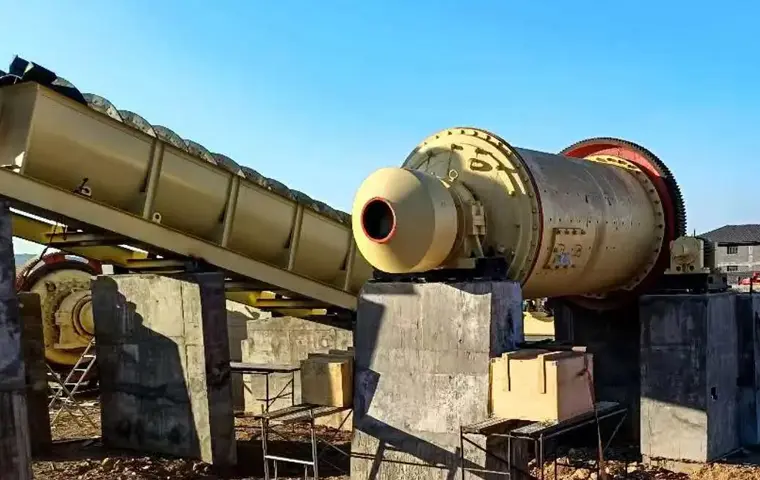
چېقىلما معدنى: ئوكسىد تۈرلۈك زەنجىۋىل مەدنىسى، زەنجىۋىل دەرىجىسى: 2.5 گ/ت زەنجىۋىل قۇلىقىنىڭ پاكىزلىقى: 96%
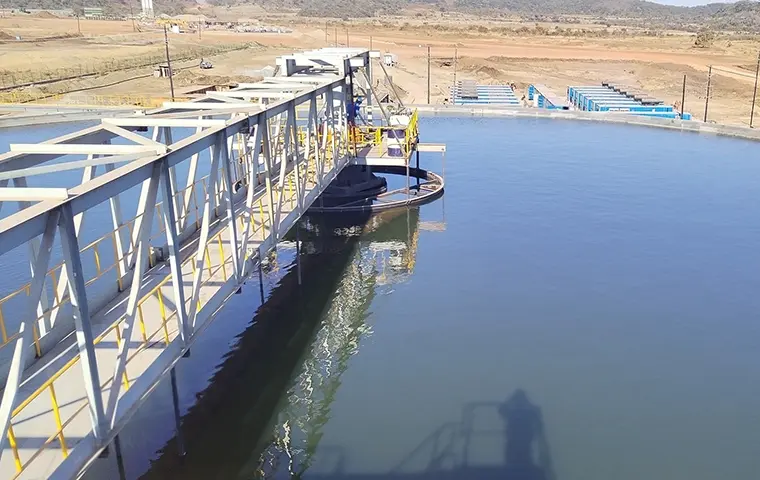
خام قازما: كالسىت قازما CaCO3 دەرىجىسى: 85% ئاخىرىي مەھسۇلات: يىلتىزلىق ۋە يىلتىزسىز كالسىت پودر (325 – 2500 مېش)
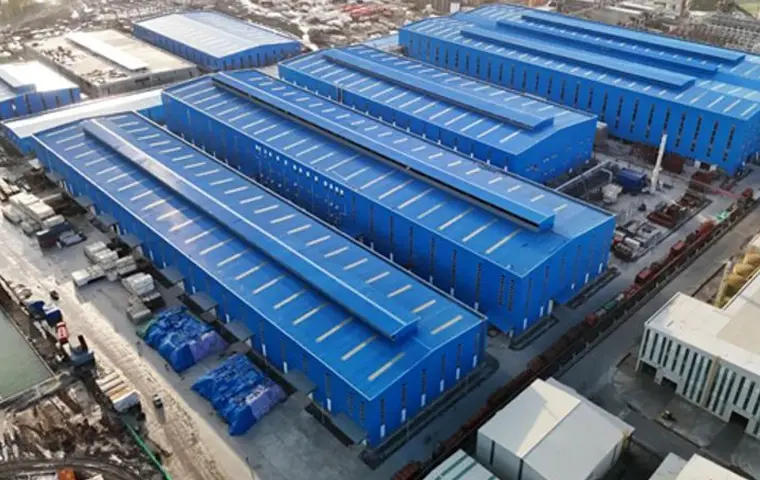
ئاسىيا ماتېرىيە: نەپتۈنگە ئوخشاش قۇمىنى، نىكېل قۇمىنى، كاۋالىق بەتتۇرۇش لايھىسى قۇۋۋىتى: يىلدا 50,000 طن
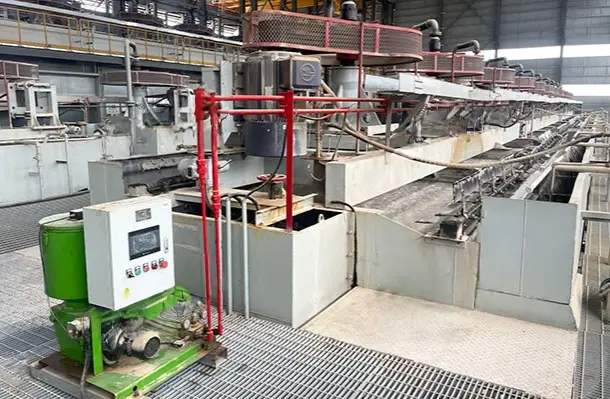
خام مال: پورتفيري ئالتۇن-مس رۇدا ئالتۇن زىچلىقى: 0.8-1.5 گ/ت مس زىچلىقى: 0.6-0.9%
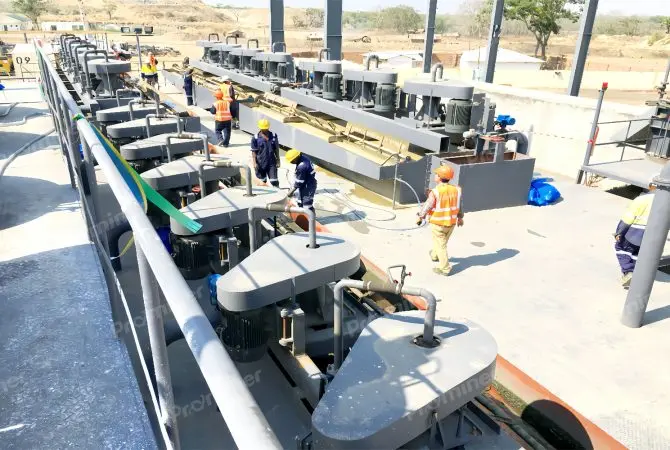
تەشۋىق قىلغۇچى SF يۈرۈشلۈكى ئۆزلۈكىدىن تەقلىد قىلىش ماشىنىسى ۋە XCF / KYF يۈرۈشلۈك ئۆپكە شەكىللىك ھۈجەيرە بىلەن تەمىنلەيدۇ.
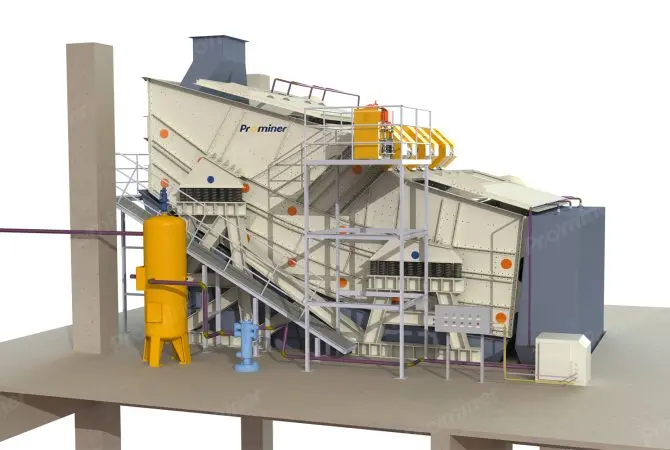
بانان ئېكرانى دائىملىق كارىۋات قېلىنلىقى ئېكرانى دەپمۇ ئاتىلىدۇ. تەشۋىق قىلغۇچىنىڭ قۇرۇق تەمىنلەش ئىقتىدارى بار
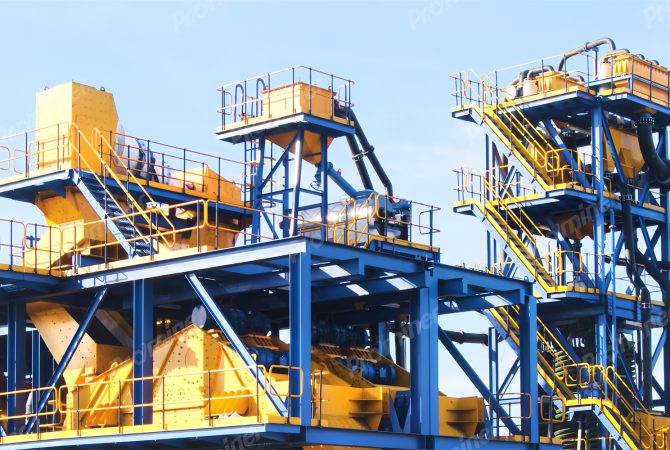
تەشۋىق قىلغۇچى ئوخشىمىغان LIMS (تۆۋەن زىچلىقتىكى ماگنىتلىق ئايرىغۇچ) ماگنىت ئايرىغۇچ بىلەن تەمىنلەيدۇ
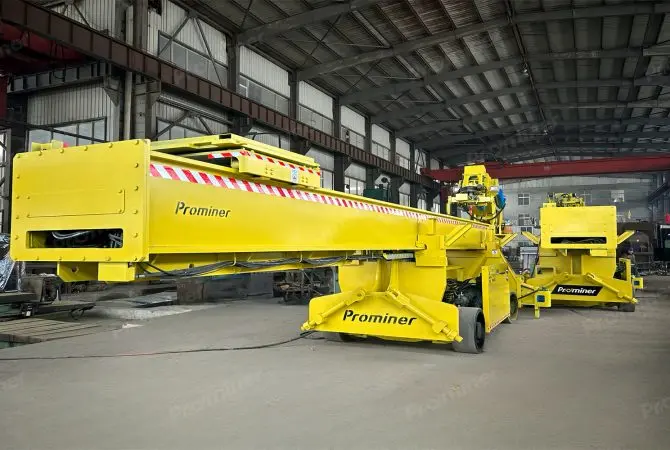
بىز تاجىم شلەپ ماشىنىسىنى لايىھەلىگىلى ۋە ئىشلەپچىقارىشقا بىزگە كەلگىلى بولىدۇ (ياكى تاجيم شلەپ دستور ناخشىدا شلەپ ماشىنا دەپ ناملاندۇرۇلىدۇ)
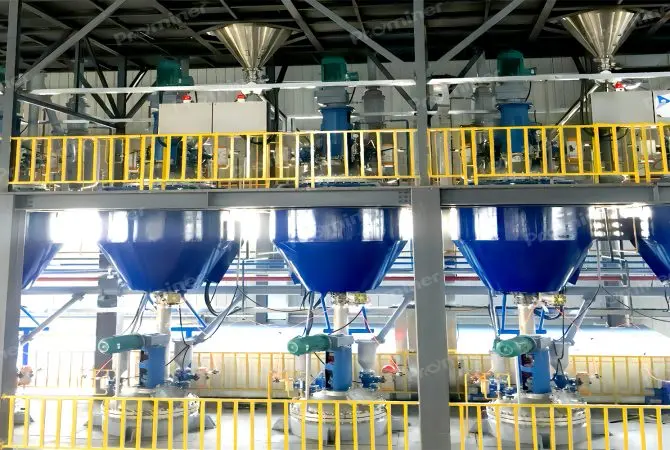
بىزنىڭ دانە ياساش رېئاكتورى قاپلاش ۋە دانە ياساش ئۇسۇللىرىنى بىر يىغىندا قوشۇپ چىقىدۇ
مەھسۇلاتلىرىمىز ۋە ھەل قىلغۇچلىرىمىز ھەققىدە كۆپەرەك بىلمەك ئۈچۈن تۆۋەندىكى فۇرمېنى تولدۇرۇڭ، بىزدىن بىرى نەپسىمىز سىزگە يېقىندا جاۋاب بېرىدۇ
Shandong ۋىلايىتىدىكى 3000 TPD گول فلوٹلاش پروژىسى
سىچۈەندىكى 2500TPD لىتىي رۇدىسى
فاكس: (+86) 021-60870195
ئادرېس:No.2555, Xiupu يولى, Pudong, Shanghai
ھوقۇق ۇچۇر سوت ئىسمى © 2023.بىر مۇراد (شياڭخەي) مىنىڭ تېخنىكا شىركىتى، چەكلەنگەن.