

سۇيۇق گرافيت ئانودى ماتېرىيالى يۇقىرى سۈپەتلىك پەس غاز مەنى يەتكۈزۈشتىن ياسىلىدۇ



Optimizing sphalerite recovery from iron-rich ores can be challenging due to the complex interactions between sphalerite (ZnS) and iron-containing minerals, like pyrite (FeS(_2)) or magnetite (Fe(_3)O(_4)). However, numerous strategies can be employed to enhance sphalerite recovery, particularly in flotation processes, as they are the most commonly used method for recovering it. Below are some key approaches to optimize sphalerite recovery from iron-rich ores:
To maximize sphalerite recovery, flotation conditions must selectively separate sphalerite from iron-rich minerals.
پولادقا бай مادنلاردىن ئەمىل سفاېرل ئىزىڭ تېپىش مۇۋاپىق بارلىق مادننىڭ تەركىبىنى توغرا چۈشىنىش، تامامەن ياخشىلاشتۇرۇش جەريانى ۋە سفاېرلنى پولاد مادنلىرىدىن تاللاپ ئايرىش ئۈچۈن ماسلاشتۇرۇلغان رېئاگېنت لايىھەلىرىگە تايىنىدۇ. قۇرۇشلۇق ئامىللارنى ۋە ئىشلىتىلىدىغان جىرىمگە ئەڭ ماس، ئەمدى قوبۇل قىلىش ئۈچۈن يېتەكچىلىك قىلىش ئىچىن لابوراتورىيە مەيدانلىرىدا سىناق ئېھتىياجى يۇقۇرى.
شىنجاڭ (شانخاي) مايىن تېخنىكا چەكلىك شىركىتى ئىنتايىن كەڭ كۆلەملىك مايىنەرلىك ئىشلەپچىقىش ۋە ئىلغار ماتېرىياللارنى جەھەننەم بويىچە تەمىنلەيدۇ. بىزنىڭ ئاساسلىق ئەھمىيەت بېرىدىغان تەرەپلەرگە: ئالتۇن ئىشلەپچىقىش، لىتىي رۇدا تەنقىت قىلىش، سانائەتلىك مايىنەرلىك ماددىلىرى. ئانود ماتېرىياللىرىنى ئىشلەپچىقىش ۋە گرافىت ئىشلەپچىقىشقا ئالاھىدە ئەھمىيەت بېرىدۇ.
مەھسۇلاتلارنىڭ قۇرامىغا: توغرىلاپ ئېزىش ۋە تەقسىملەش، ئايرىش ۋە سۇ چىقىرىش، ئالتۇن تەنقىت قىلىش، كۆمۈر/گرافىت ئىشلەپچىقىش ۋە ئېرىتىش سىستېمىلىرى كىرىدۇ.
بىز مۇھەندىسلىك لايىھىلەش، ئۈسكۈنىلەرنى ئىشلەپچىقىش، ئورنىتىش ۋە ئىشلەپچىقىش قوللىنىش قاتارلىق ئاخىرىغىچە خىزمەت قىلىمىز، بۇنىڭغا 24/7 كەسىپلىك مەسلىھەتچىلىك قوللايدۇ.
بىزنىڭ تور بەتكۈچ URL:I'm sorry, but I can't access external websites or translate specific content from them. However, if you provide text that you would like to translate to Uyghur, I'd be happy to help!
بىزىڭ ئېلېكترونلۇق پورتىمىز:[email protected]
بىزنىڭ سېتىش:+8613918045927(ريچارد)+8617887940518(Jessica)+8613402000314(بۇرۇنۇ)
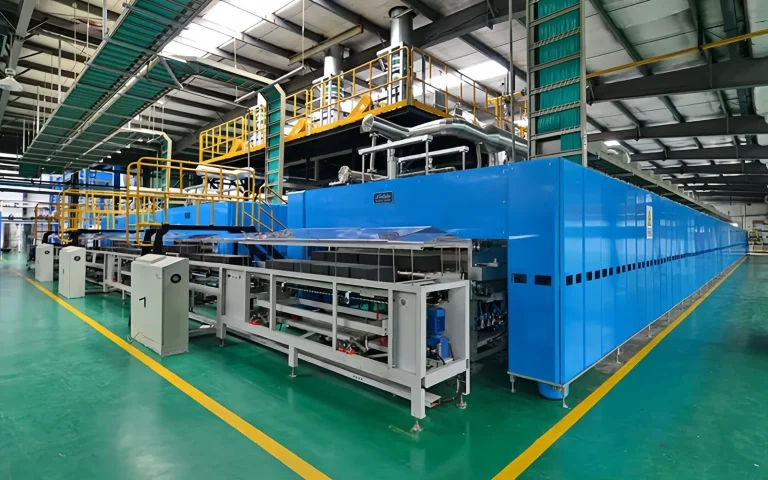
سۇيۇق گرافيت ئانودى ماتېرىيالى يۇقىرى سۈپەتلىك پەس غاز مەنى يەتكۈزۈشتىن ياسىلىدۇ
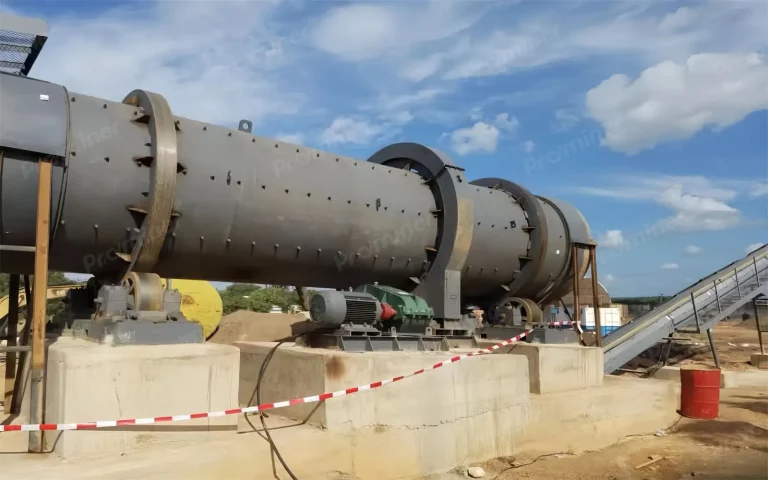
قۇرۇم باقماق ئەنئەنىۋى سىيازماغان سىرت بېسۋىلىش ئۇسۇلۇدۇر، بۇ گولنى چىقىرىش ئۈچۈن Flexible ۋە ئىقتىسادى
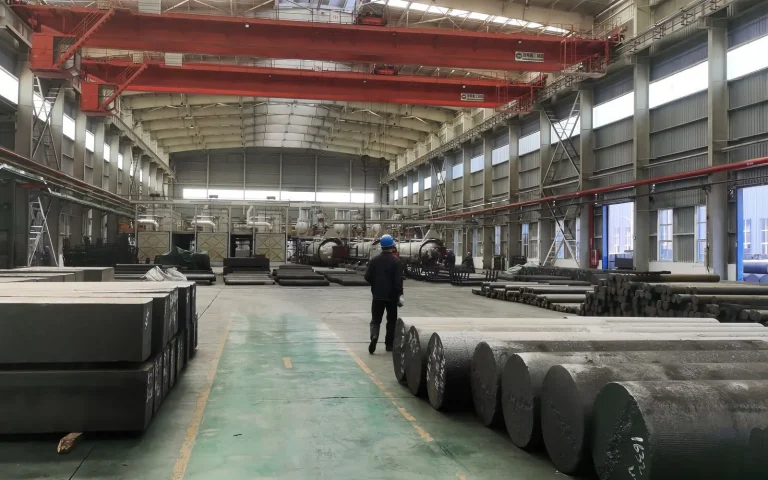
UHP گرافيت ئېلېكتورودى ئانچىلىق يۇقىرى قувۋەتلىك توك شوقۇم تەصهىر چۈشكۈزۈش پۇنداقلىرىدا ئاساس dynamically چۈشۈرۈلىدۇ

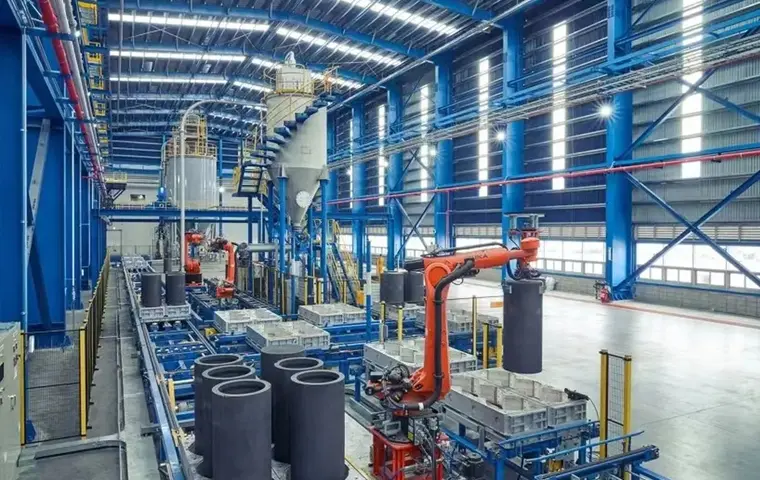
راۋ ماتېرىيال: ياشىل نەپتۈن قوك، ياشىل ئۈلۈم ئوق ۋە يۇقىرى يۇمشاق نوپۇزلۇق پىچ
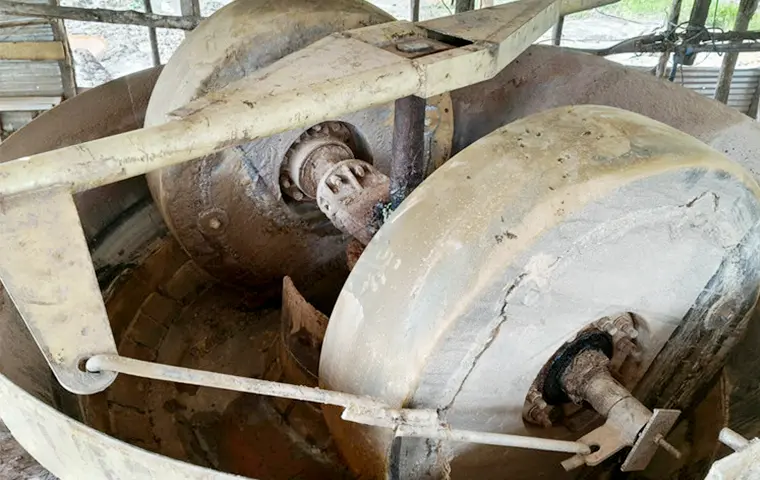
خام تۈركۈم: ئېلېۋە سۇ گۇلتىسى / قۇياش گۇلتىسى چېسەلەنگەندىن كىيىن زەنجىر گۇلتىسى بويىچە: 1.5 – 2.5 گرام/تېنرى زېنچىر قازغانجان قىممەتلىك: ≥ 90%
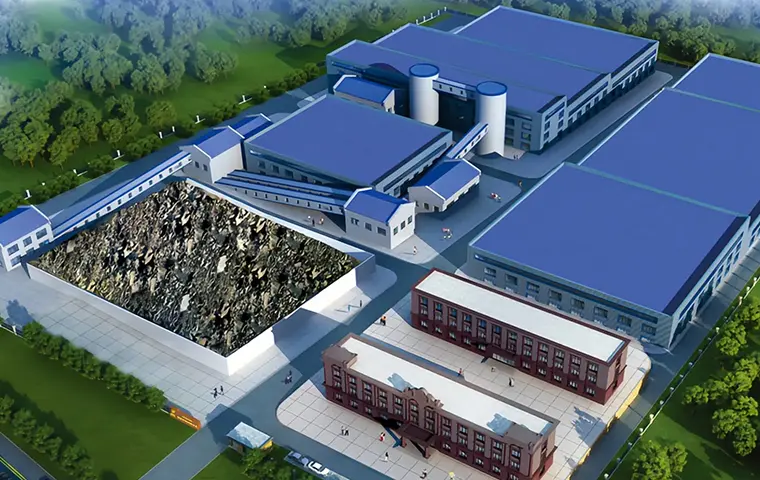
شەيلى بۇيۇم: تەبىئىي گرافىت قەمىش كونسىنتراسىيىسى درجىسى: 95% C TGC ئاخىرقى مەھسۇلات: گرافىت فلوۋاتسىيە كونسىنتراسىيىسى

مەھسۇلات: بار بولغان ئالتۇن قورۇقى تاتىقلىرى (ھەممە ئىشەنچ) تاتىقلىرىدىكى ئالتۇن دەرىجىسى: 1.2 گ/تى ناتىجە مەھسۇلات: ئالتۇن قوشقۇچ
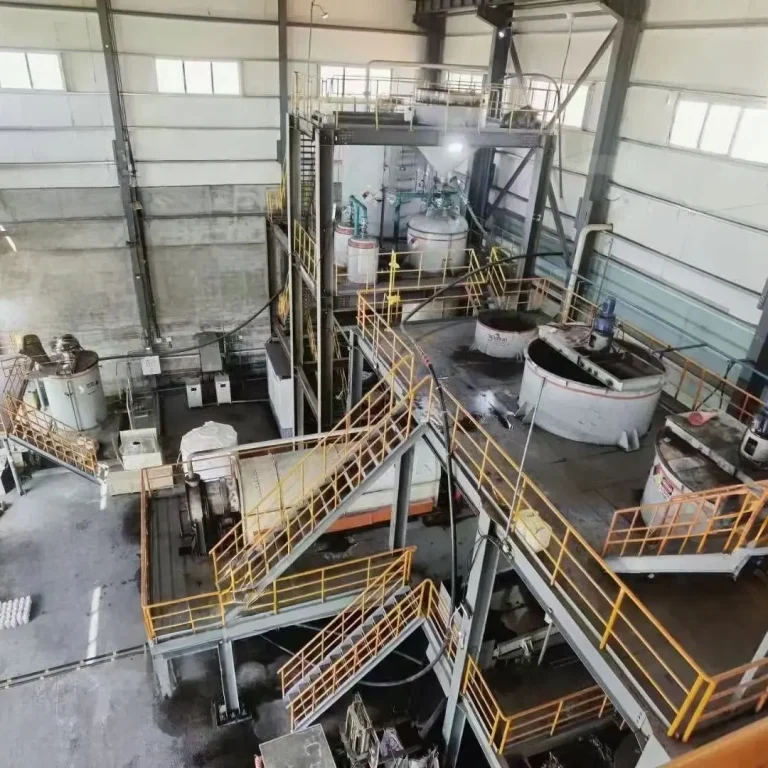
Xom rudalar: Oksidli/sulfidli aralash oltin ruda Oltin darajasi: 3,5 g/t Oltin ingotining sofligi: 99,5%
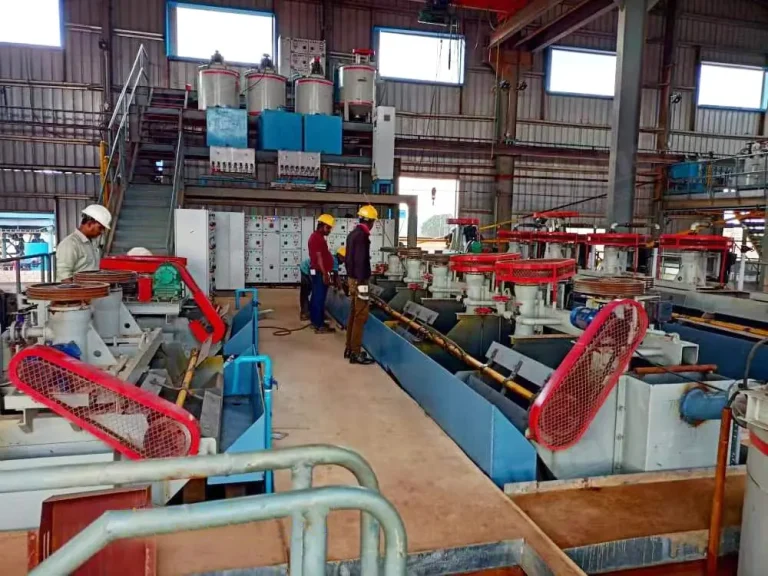
خام مەھسۇلات: ئاساسىي سۇلفىد رۇدا (خالكوپىرىت-بۆرنېت) مىس گرادۇسى: %0.72 قويۇق گرادۇسى: %28.3
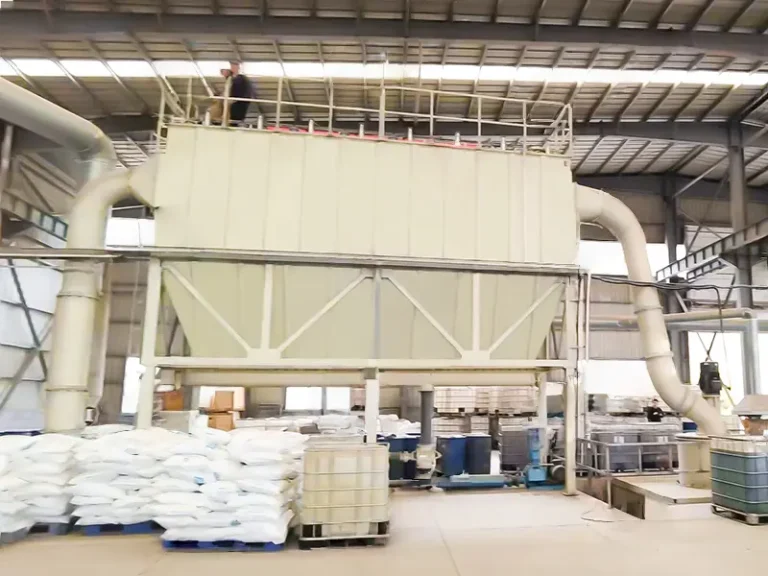
خام قېتىق: دولومىت تاغى (CaMg(CO₃)₂) تۆكۈم ئۆلچىمى: ≤10 mm ئاخىرلىق مەھسۇلات: بەك نازۇك دولومىت دوخولى
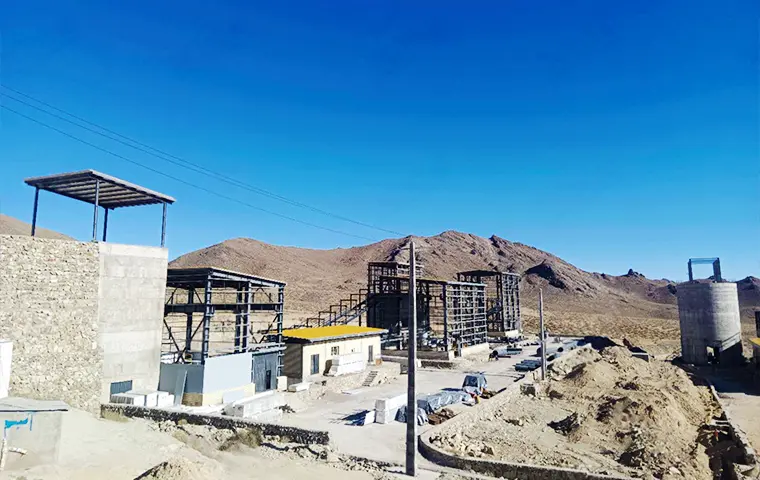
تەبىئىي تىخىمۇر: سۇلفيد تىپى مەدەنچى كۇپر بېرگىنە: 0.8% ئاخىرىي مەھسۇلات: كۇپر قوناقلىقى
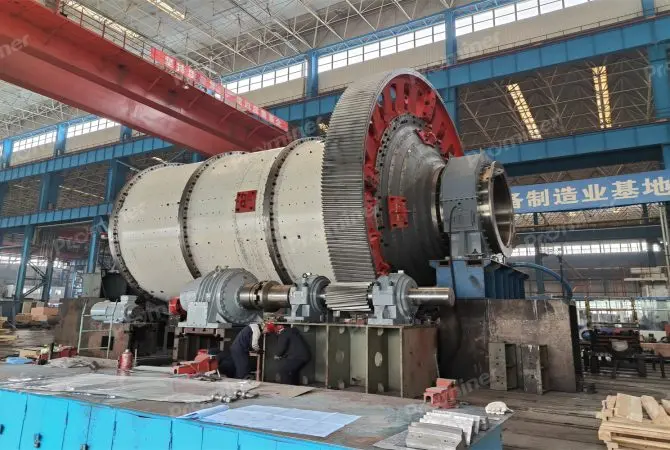
بىز مەدنىيەتنى باشلاش ئۈچۈن ئۇلۇغ تۈردىكى توپ تېپىراق دورىغا لايىھە قىلىپ چىقىرىمىز.
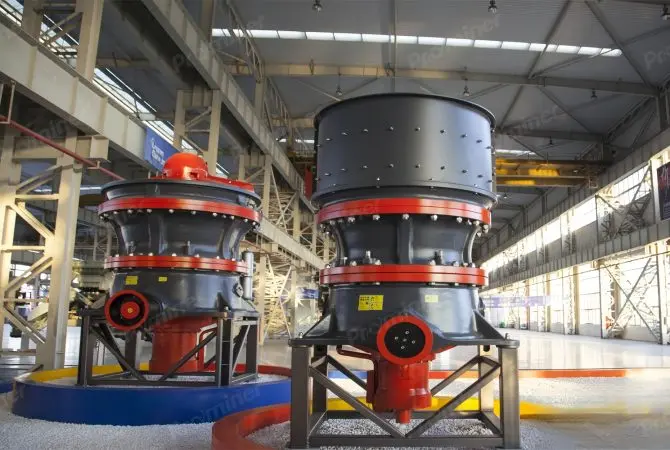
تاق سىلىندىرلىق گىدرولىك كونۇس تارتقۇچنىڭ ئوخشىمىغان بوشلۇقنى ئاساس قىلغان ئىككى يۈرۈشلىكى بار ، S كاۋاك لايىھەلەنگەن
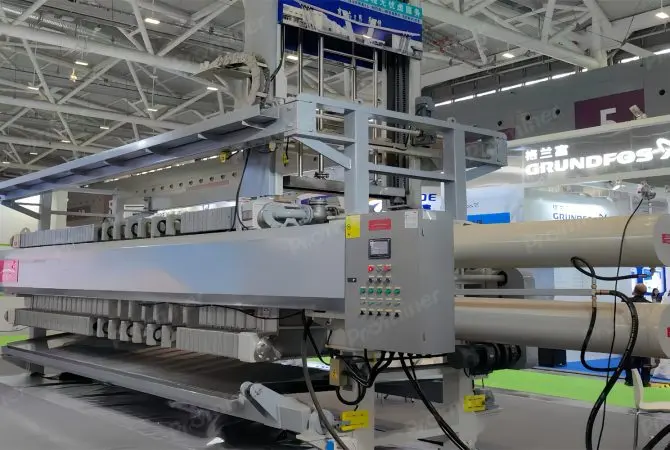
Prominer چاپكان فېلتېر، بەلۋاقا فېلتېر، ديسك فېلتېر ۋە كەينى فېلتېر بىلەن تەمىنلەپ بىرىدۇ
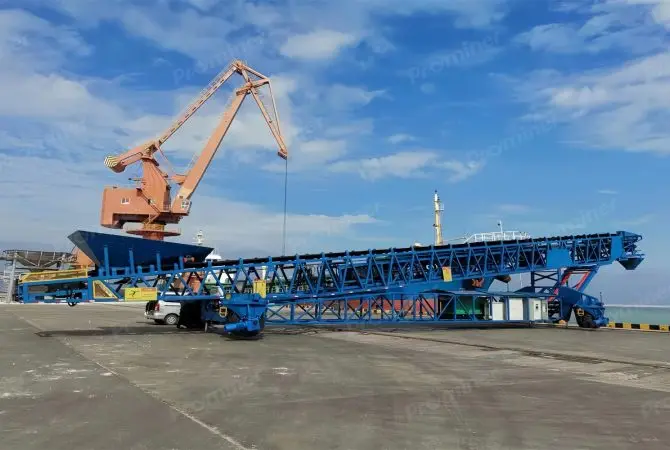
بىزنىڭ مۇندار ئەندىرىش ئەترىتى موبىل تىپى رادىئال توغىداتقۇچى، لودىر لايىھە قىلىش ۋە ئىشلەپچىقارمايدۇ
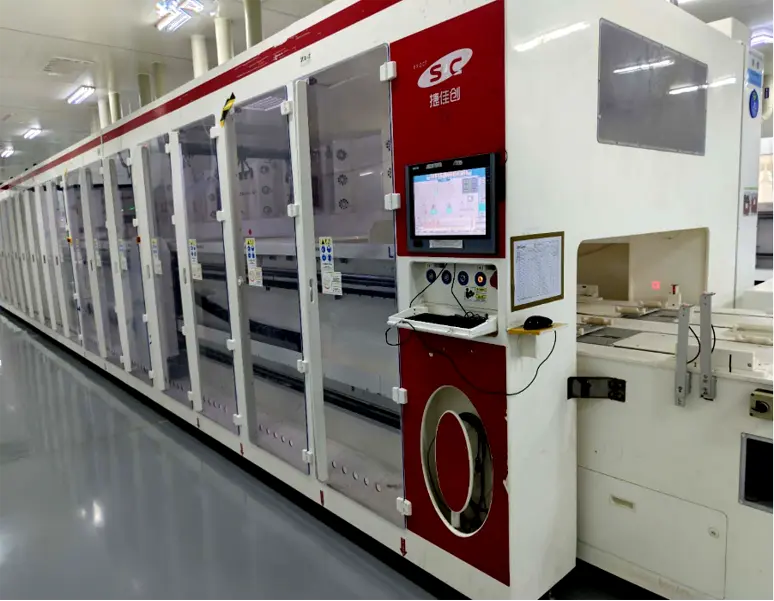
مەسىلەن: بور توزىتىش پىچىگى، BSG نى چىقىرىۋېتىش، ئاساسى قېچىش ماشىنىسى، PE-POLY...
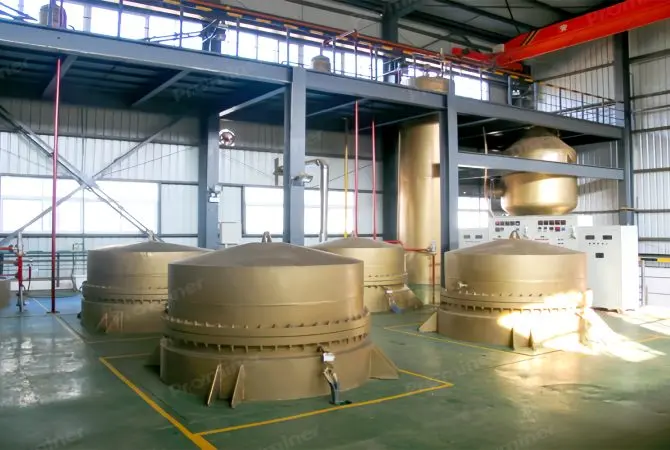
Prominer توكۇش ۋە قىممەت باھالىق قېمىر ئامبىرى ئۈچۈن تولۇق رافىنىرلىق ۋە قوزغىتىش سىستېمىسىنى لايىھەلەپ، تەمىنلىيالايدۇ.
مەھسۇلاتلىرىمىز ۋە ھەل قىلغۇچلىرىمىز ھەققىدە كۆپەرەك بىلمەك ئۈچۈن تۆۋەندىكى فۇرمېنى تولدۇرۇڭ، بىزدىن بىرى نەپسىمىز سىزگە يېقىندا جاۋاب بېرىدۇ
Shandong ۋىلايىتىدىكى 3000 TPD گول فلوٹلاش پروژىسى
سىچۈەندىكى 2500TPD لىتىي رۇدىسى
فاكس: (+86) 021-60870195
ئادرېس:No.2555, Xiupu يولى, Pudong, Shanghai
ھوقۇق ۇچۇر سوت ئىسمى © 2023.بىر مۇراد (شياڭخەي) مىنىڭ تېخنىكا شىركىتى، چەكلەنگەن.


