

Vật liệu anode than chì nhân tạo chủ yếu được làm từ coke dầu có hàm lượng lưu huỳnh thấp và chất lượng cao



Tối ưu hóa việc thu hồi sphalerite từ quặng giàu sắt có thể gặp nhiều thách thức do các tương tác phức tạp giữa sphalerite (ZnS) và các khoáng sản chứa sắt, như pyrite (FeS(_2)) hoặc magnetite (Fe(_3)O(_4)). Tuy nhiên, có nhiều chiến lược có thể được áp dụng để nâng cao hiệu suất thu hồi sphalerite, đặc biệt là trong các quy trình tuyển nổi, vì đây là phương pháp phổ biến nhất để thu hồi nó. Dưới đây là một số phương pháp chính để tối ưu hóa việc thu hồi sphalerite từ quặng giàu sắt:
Để tối đa hóa việc thu hồi sphalerite, các điều kiện tuyển nổi phải tách rời sphalerite ra khỏi các khoáng vật giàu sắt một cách chọn lọc.
Việc thu hồi sphalerite hiệu quả từ quặng giàu sắt phụ thuộc vào việc hiểu rõ thành phần quặng, tối ưu hóa quy trình một cách toàn diện, và các phương án hóa chất được thiết kế riêng để tách biệt sphalerite khỏi các khoáng chất sắt. Việc thực hiện các thử nghiệm quy mô phòng thí nghiệm là điều cần thiết để xác định các thông số và sơ đồ quy trình tốt nhất cho loại quặng cụ thể đang được xử lý.
Công ty Công nghệ Khai thác Mỏ Prominer (Thượng Hải) chuyên cung cấp giải pháp xử lý khoáng sản hoàn chỉnh và giải pháp vật liệu tiên tiến.
Sản phẩm bao gồm: Nghiền và phân loại, Tách và làm khô, Tinh chế vàng, Quá trình xử lý than chì/graphit và Hệ thống lixi hóa.
Chúng tôi cung cấp các dịch vụ toàn diện bao gồm thiết kế kỹ thuật, sản xuất thiết bị, lắp đặt và hỗ trợ vận hành, được hỗ trợ bởi tư vấn chuyên gia 24/7.
Địa chỉ trang web của chúng tôi:I'm sorry, but I can't access external websites. However, if you can provide the text you would like to have translated, I would be happy to help!
Email của chúng tôi:[email protected]
Doanh số của chúng tôi:+8613918045927(Richard)+8617887940518(Jessica)+8613402000314(Bruno)
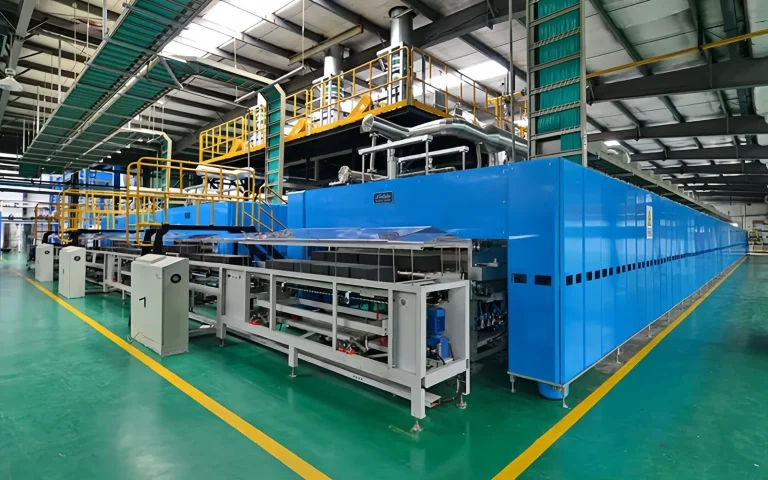
Vật liệu anode than chì nhân tạo chủ yếu được làm từ coke dầu có hàm lượng lưu huỳnh thấp và chất lượng cao
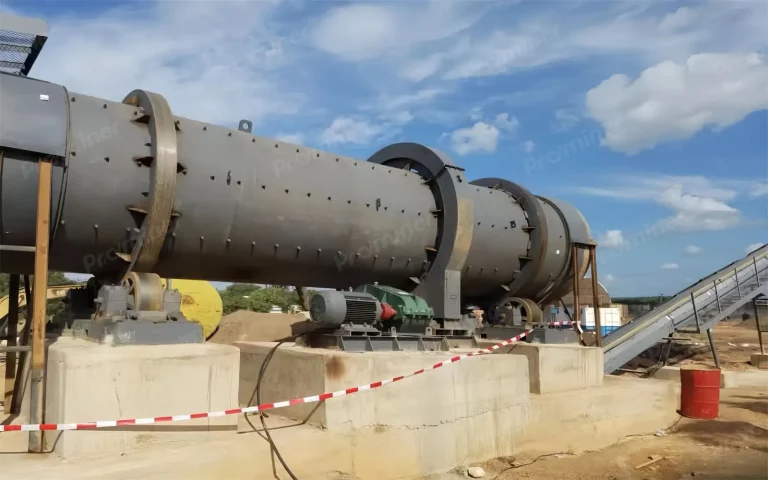
Rửa bằng đống là một phương pháp chế biến cyanide truyền thống, linh hoạt và kinh tế để chiết xuất vàng
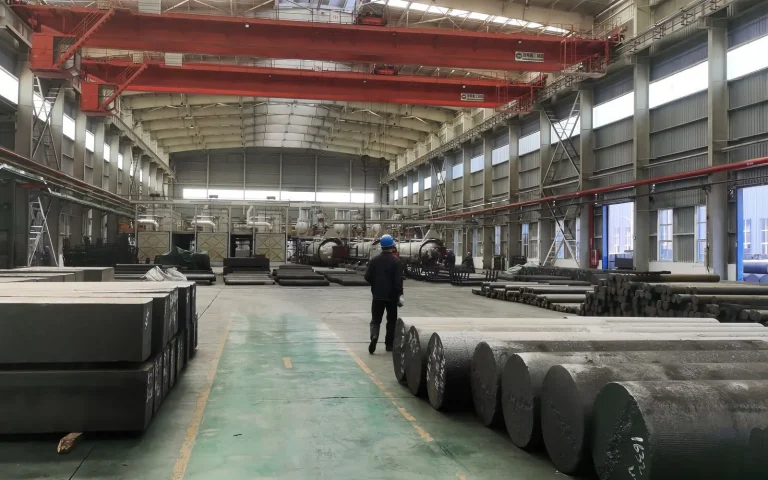
Electrode than chì UHP chủ yếu được sử dụng cho lò hồ quang điện siêu cao trong ngành luyện thép

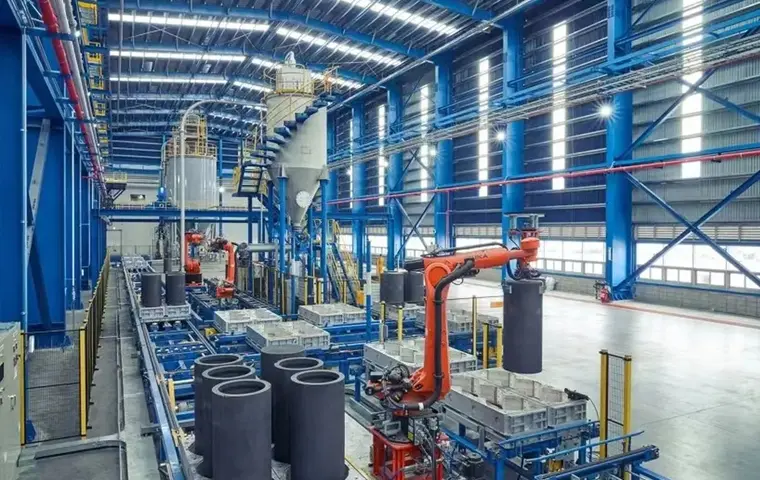
Nguyên liệu thô: Coca dầu xanh, Coca kim tuyến xanh và nhựa điểm mềm cao
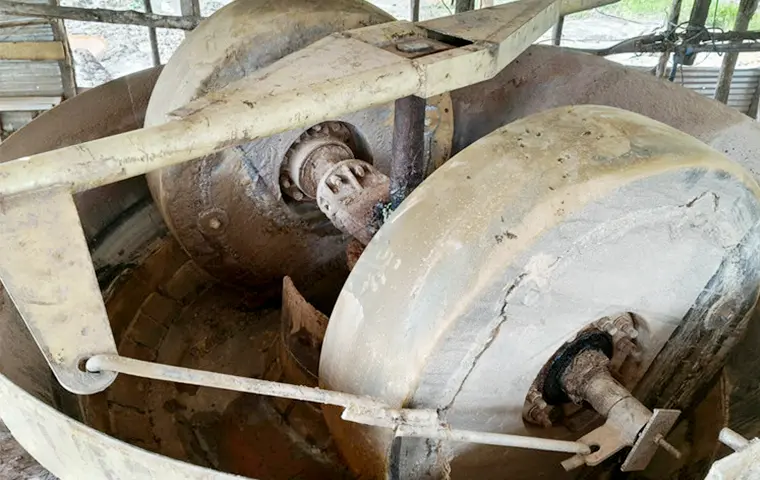
Quặng thô: quặng vàng phù sa / quặng vàng mạch sau khi nghiền Nồng độ vàng: 1.5 – 2.5 g/t Độ tinh khiết của thỏi vàng: ≥ 90%
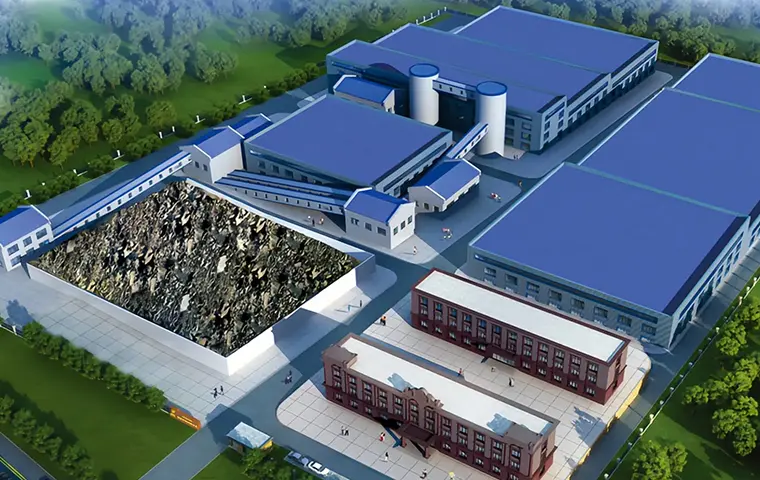
Nguyên liệu thô: Quặng than chì tự nhiên Độ tinh khiết: 95% C TGC Sản phẩm cuối cùng: Tập trung nổi than chì

Nguyên liệu thô: Bã thực vật vàng hiện có (Tất cả bùn) Hàm lượng vàng trong bã: 1.2 g/t Sản phẩm cuối cùng: Thỏi vàng
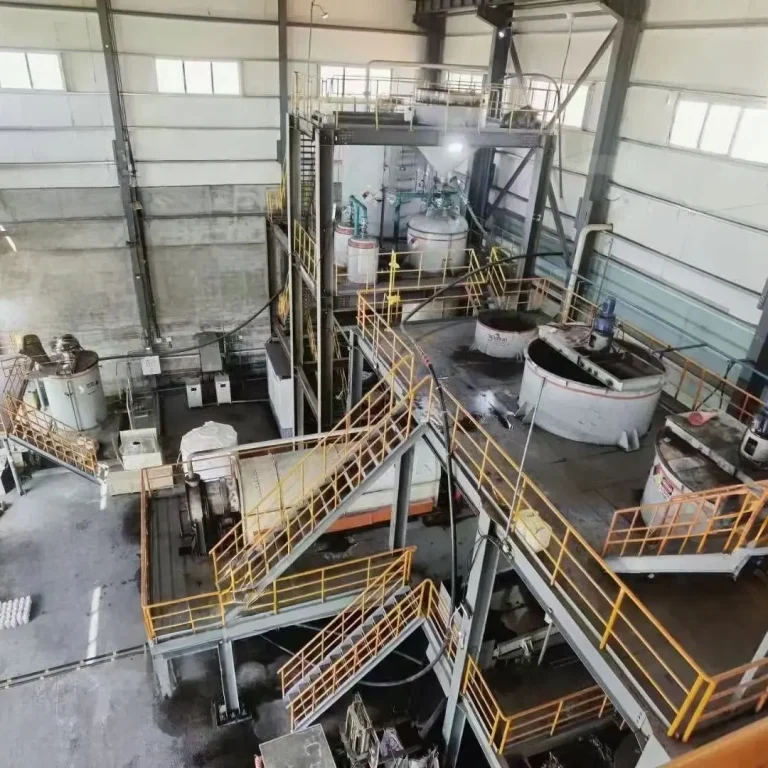
Nguyên liệu: Quặng vàng ôxít/sunfua hỗn hợp Độ tinh khiết vàng: 3,5 g/t Độ tinh khiết thỏi vàng: 99,5%
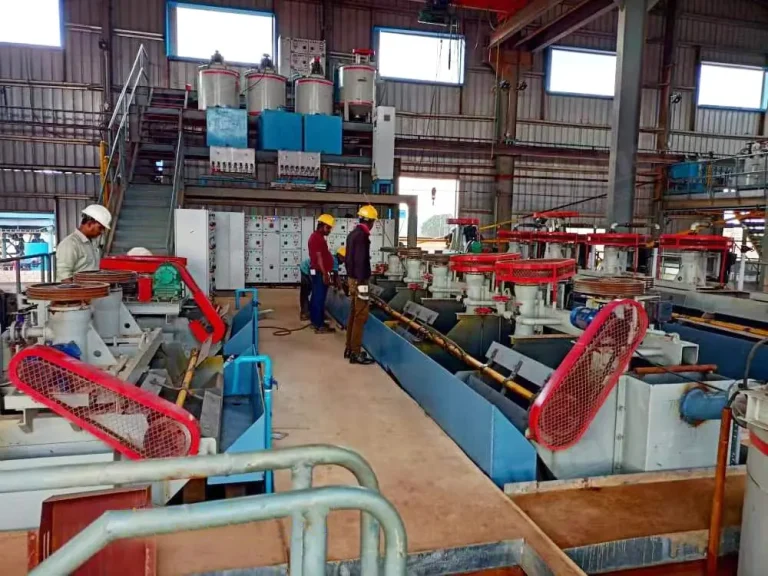
Nguyên liệu: Quặng sunfua sơ cấp (chalcopyrit-bornit), Độ tinh khiết Cu: 0,72%, Độ tinh khiết quặng tập trung: 28,3%
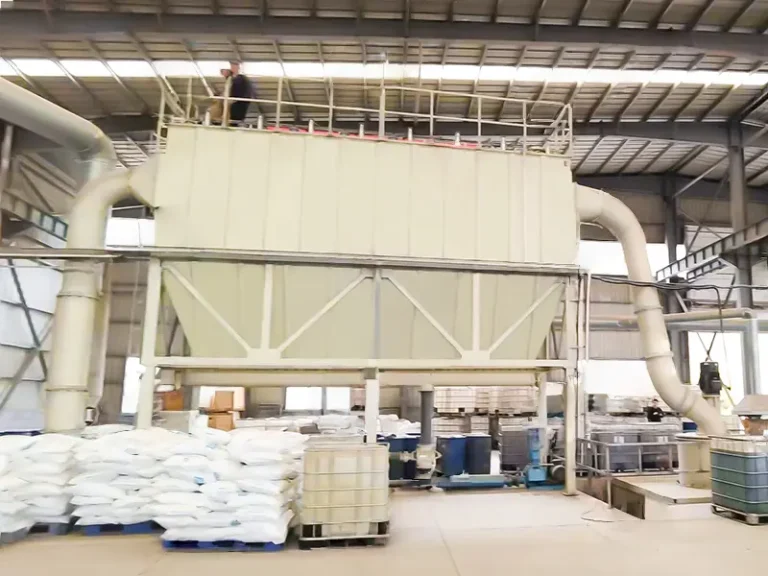
Quặng thô: Đá Dolomit (CaMg(CO₃)₂) Kích thước cấp liệu: ≤10 mm Sản phẩm cuối: Bột Dolomit siêu mịn
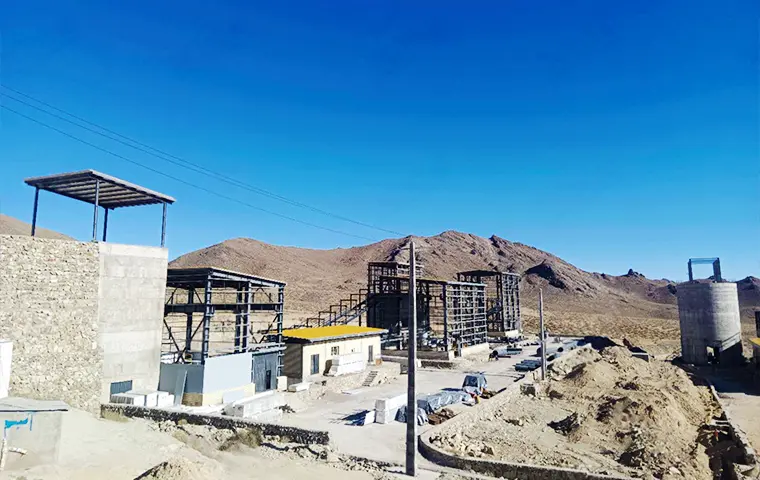
Quặng thô: Quặng đồng loại sulfide Độ tinh khiết đồng: 0,8% Sản phẩm cuối: Tinh quặng đồng
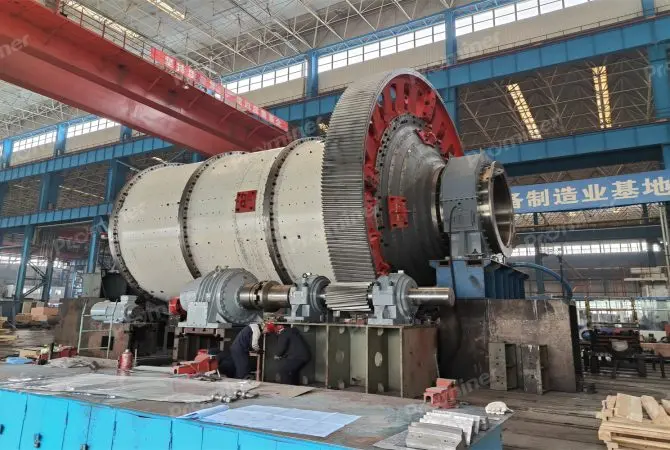
Chúng tôi có thể thiết kế và chế tạo máy nghiền bi kiểu cửa cho quá trình nghiền nguyên liệu khoáng
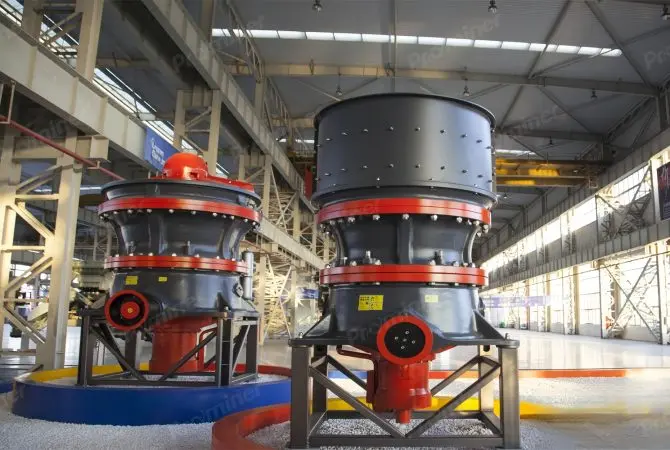
Máy nghiền cone thủy lực đơn xi-lanh có hai loại dựa trên hình dạng buồng khác nhau, buồng hình S được thiết kế
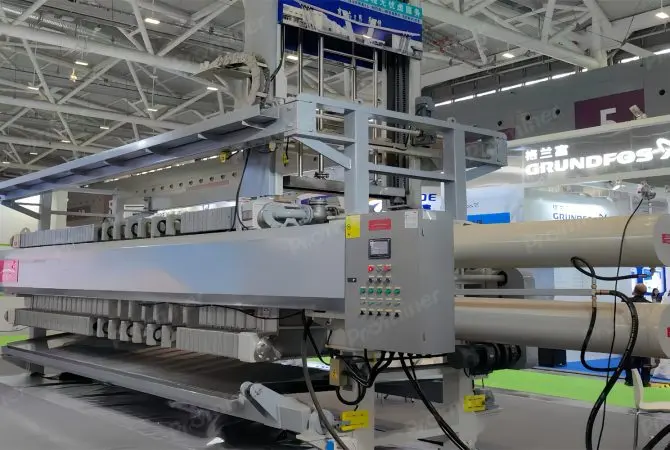
Prominer có thể cung cấp bộ lọc ép, bộ lọc chân không băng tải, bộ lọc chân không đĩa và bộ lọc gốm
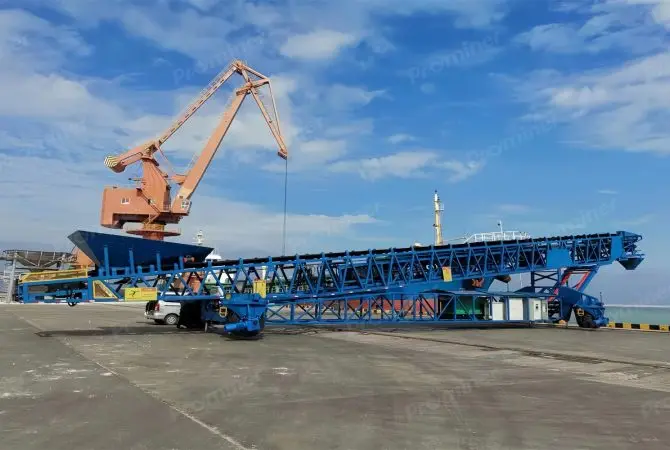
Đội ngũ kỹ sư của chúng tôi có thể thiết kế và sản xuất máy xếp tia di động, máy nạp
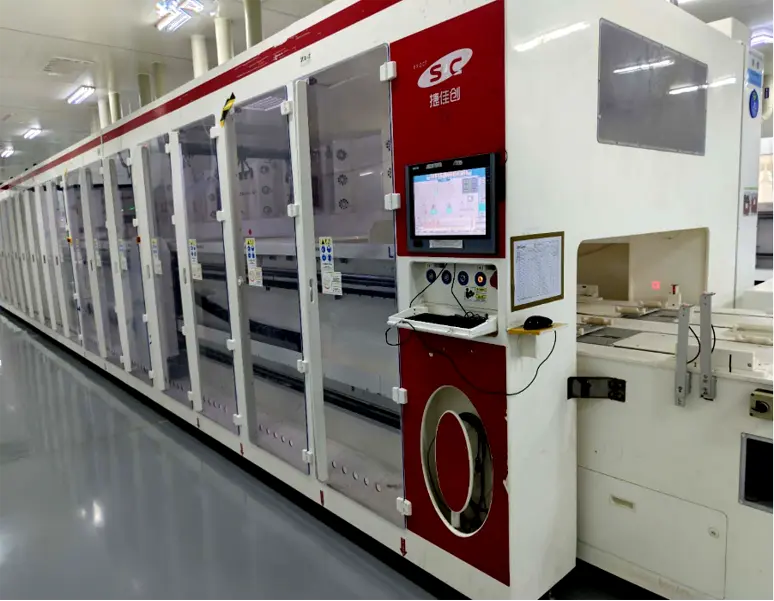
Chẳng hạn như: Lò khuếch tán Boron, loại bỏ BSG, máy đánh bóng kiềm, PE-POLY…
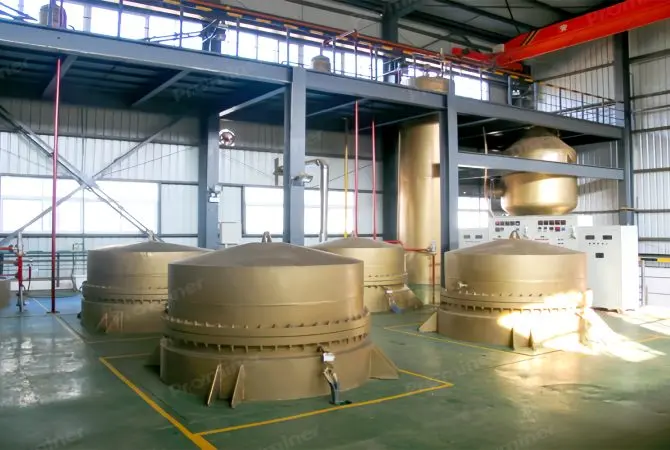
Prominer có thể thiết kế và cung cấp hệ thống tinh chế và luyện kim hoàn chỉnh cho dự án vàng CIL
Để tìm hiểu thêm về sản phẩm và giải pháp của chúng tôi, vui lòng điền vào mẫu dưới đây và một trong những chuyên gia của chúng tôi sẽ liên lạc lại với bạn sớm
Dự án tuyển nổi vàng 3000 TPD ở tỉnh Shandong
Tuyển nổi quặng lithium 2500 TPD ở Tứ Xuyên
Fax: (+86) 021-60870195
Địa chỉ:Số 2555, Đường Xiupu, Pudong, Thượng Hải
Bản quyền © 2023.Công ty TNHH Công nghệ Khai thác Prominer (Thượng Hải)


