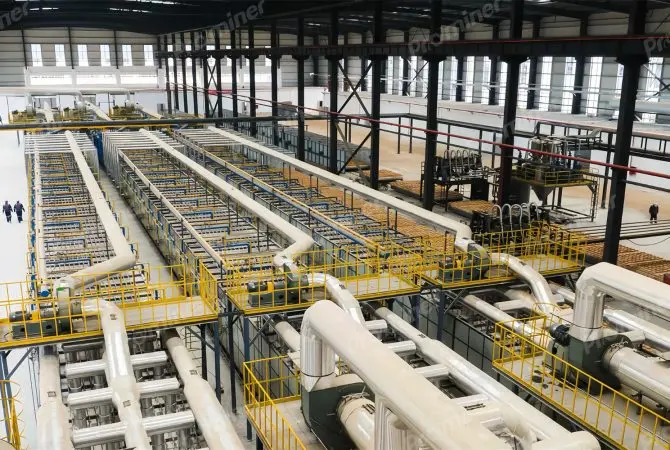
Anot dựa trên silicon là một loại vật liệu anot composite bằng cách tổng hợp silicon


/
/
Những yếu tố chính cần xem xét khi thiết kế các nhà máy tuyển khoáng là gì?


Thiết kế một nhà máy chế biến khoáng sản là một nhiệm vụ phức tạp đòi hỏi cân bằng giữa hiệu suất kỹ thuật, khả năng kinh tế, an toàn và trách nhiệm về môi trường. Mỗi nhà máy phải được tùy chỉnh phù hợp với quặng thể cụ thể, vị trí và mục tiêu sản xuất. Dưới đây là các yếu tố chính hướng dẫn việc thiết kế nhà máy chế biến khoáng sản thành công.
Hiểu về thân quặng là nền tảng của thiết kế nhà máy. Các nghiên cứu khoáng vật học và kim loại học chi tiết xác định:
Các yếu tố này ảnh hưởng đến việc lựa chọn thiết bị nghiền, xay, tách và giảm ẩm. Sự biến đổi trong thành phần quặng cũng cần được xem xét để đảm bảo nhà máy có thể xử lý các biến động mà không gặp tổn thất hiệu suất lớn.
Lược đồ quy trình mô tả cách quặng thô được chuyển đổi thành sản phẩm thương mại. Nó bao gồm:
Thường cần có các thử nghiệm phòng thí nghiệm và quy mô thử nghiệm pilot mở rộng để xác nhận quá trình đã chọn. Mục tiêu là tối đa hóa hiệu suất thu hồi và chất lượng sản phẩm, đồng thời giảm thiểu tiêu thụ năng lượng, hóa chất và nước.
Công suất nhà máy phải phù hợp với mục tiêu sản xuất và tuổi thọ mỏ. Các nhà thiết kế phải xem xét:
Việc tích hợp sự linh hoạt vào thiết kế cho phép nâng cấp hoặc tăng công suất khi điều kiện thị trường hoặc trữ lượng quặng thay đổi.
Thiết bị phải được lựa chọn dựa trên độ tin cậy, hiệu quả và khả năng tương thích với luồng quá trình. Các yếu tố quan trọng bao gồm:
Bố trí nhà máy nên tối ưu hóa dòng chảy vật liệu, giảm thiểu việc vận chuyển vật liệu và đảm bảo truy cập an toàn cho vận hành và bảo trì. Bố trí hợp lý còn giảm thiểu các tắc nghẽn và thời gian ngừng hoạt động của toàn bộ quá trình.
Các nhà máy khai thác khoáng sản tiêu thụ nhiều tài nguyên. Quản lý hiệu quả nguồn nước và năng lượng là rất quan trọng để kiểm soát chi phí cũng như đảm bảo tuân thủ các quy định về môi trường.
Ở các vùng xa xôi, độ tin cậy của nguồn cung cấp điện và các lựa chọn năng lượng thay thế cũng cần được đánh giá.
Các quy định về môi trường ảnh hưởng đáng kể đến thiết kế nhà máy. Các lĩnh vực chính bao gồm:
Việc tích hợp sớm các biện pháp bảo vệ môi trường đảm bảo quá trình cấp phép diễn ra thuận lợi hơn và giảm thiểu trách nhiệm pháp lý lâu dài.
Các nhà máy chế biến khoáng sản hiện đại dựa nhiều vào tự động hóa để nâng cao hiệu quả và độ nhất quán. Các hệ thống điều khiển tiên tiến có thể:
Tự động hóa nâng cao năng suất, giảm thiểu sai sót của con người và hỗ trợ quá trình ra quyết định dựa trên dữ liệu.
An toàn phải được tích hợp vào mọi giai đoạn của quá trình thiết kế. Điều này bao gồm:
Thiết kế an toàn không chỉ bảo vệ người lao động mà còn giảm thiểu thời gian dừng máy và các rủi ro pháp lý.
Chi phí đầu tư vốn (CAPEX) và chi phí vận hành (OPEX) cần được đánh giá cẩn thận. Các nhà thiết kế nên xem xét:
Một nhà máy được thiết kế tốt cân đối giữa đầu tư ban đầu và hiệu quả hoạt động dài hạn cùng lợi nhuận.
Thiết kế một nhà máy chế biến khoáng sản đòi hỏi một phương pháp đa ngành kết hợp địa chất, luyện kim, kỹ thuật, khoa học môi trường và kinh tế. Bằng cách xem xét cẩn thận đặc điểm quặng, thiết kế quy trình, lựa chọn thiết bị, tính bền vững và an toàn, các công ty có thể phát triển các hoạt động hiệu quả, tuân thủ quy định và tiết kiệm chi phí, đồng thời duy trì tính khả thi trong suốt vòng đời của mỏ.
A: Đối với nguồn tài nguyên graphit, một giải pháp toàn diện nên bao gồm cả quá trình tuyển nổi graphit tự nhiên và xử lý sâu. Hệ thống máy nghiền bi và hydrocyclone đóng vai trò là giai đoạn nghiền cơ bản. Để sản xuất nguyên liệu cực âm tiên tiến, máy định hình là cần thiết để cải thiện độ dày của mạch và giảm diện tích bề mặt riêng. Ngoài ra, hệ thống phủ của Prominer, kết hợp chức năng phủ và tạo hạt, là một bước quan trọng trong quá trình chế biến nguyên liệu cực âm có lợi nhuận cao.
A: Việc lựa chọn quy trình hoàn toàn phụ thuộc vào đặc điểm của quặng. Quy trình Gold CIL/CIP là một phương pháp phổ biến và hiệu quả để xử lý quặng vàng oxit loại khả năng cao. Đối với nhiều dự án vàng khác, tuyển nổi vẫn là phương pháp xử lý phổ biến nhất. Đối với các chủ dự án muốn tiết kiệm đầu tư ở giai đoạn ban đầu, tuyển nổi bể hoặc tuyển nổi đống là các lựa chọn linh hoạt và kinh tế. Chúng tôi đề xuất bắt đầu bằng các thử nghiệm phòng thí nghiệm và thử nghiệm thí điểm để xác định quy trình hiệu quả nhất và theo phương pháp khoa học.
A: Phân loại từ trường là yếu tố quan trọng để nâng cấp khoáng sản. Chúng tôi cung cấp các máy tách từ HIMS (Cường độ cao) và LIMS (Cường độ thấp) để xử lý các đặc tính từ trường khác nhau của khoáng sản. Trong thiết kế nhà máy tối ưu, công nghệ này được tích hợp cùng hệ thống tuyển nổi có hiệu suất cao—sử dụng máy nghiền hình nón thủy lực đơn hoặc đa trụ, và hệ thống nghiền. Điều này đảm bảo loại bỏ đá thải ngay từ đầu, giúp tăng năng suất đáng kể và tiết kiệm năng lượng.
A: Thiết kế một nhà máy thành công đòi hỏi dịch vụ EPC (Kỹ thuật, Mua sắm và Thi công) toàn diện. Các yêu cầu chính bao gồm thiết kế kỹ thuật (khảo sát địa điểm, hướng dẫn lấy mẫu và bản vẽ PFD) và tùy chỉnh thiết bị để đảm bảo máy móc phù hợp với đặc điểm quặng cụ thể. Ví dụ, Prominer có thể tùy chỉnh các máy sàng thẳng lên đến chiều rộng 5,1m để phân loại và rút nước quy mô lớn. Cuối cùng, dịch vụ chuyên nghiệp tại hiện trường, bao gồm giám sát công trình dân dụng và vận hành thử, là yếu tố then chốt cho hoạt động ổn định lâu dài.
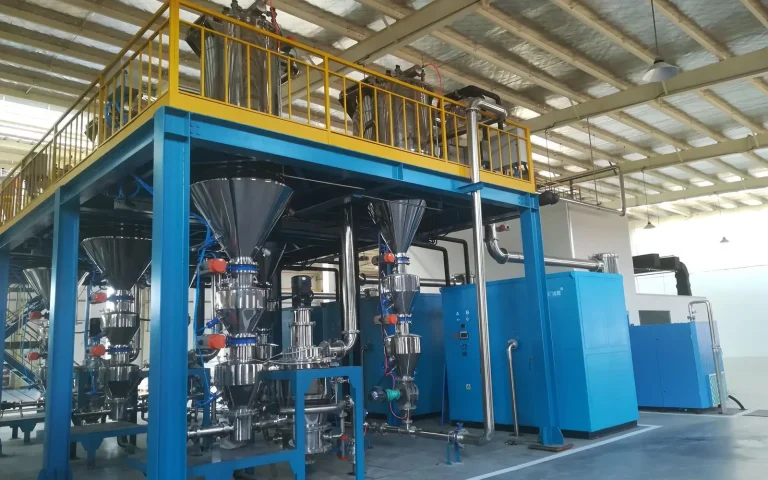
Anot dựa trên silicon là một loại vật liệu anot composite bằng cách tổng hợp silicon
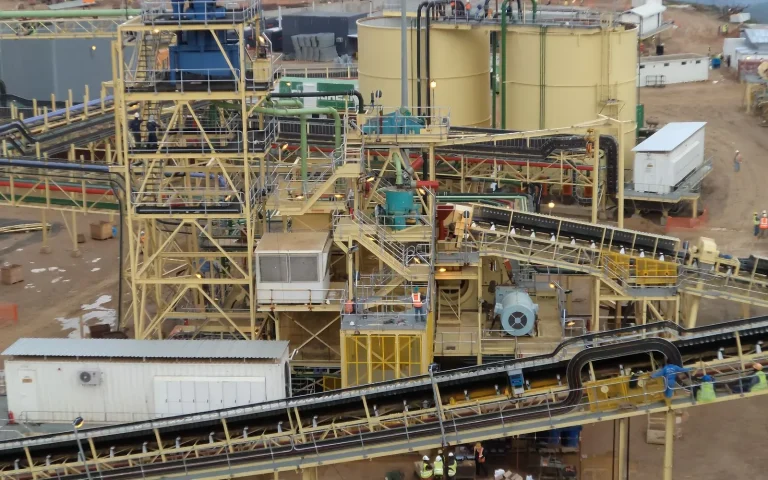
Tuyển nổi là cách chế biến phổ biến nhất trong dự án chế biến quặng vàng. Bởi vì quy trình tuyển nổi
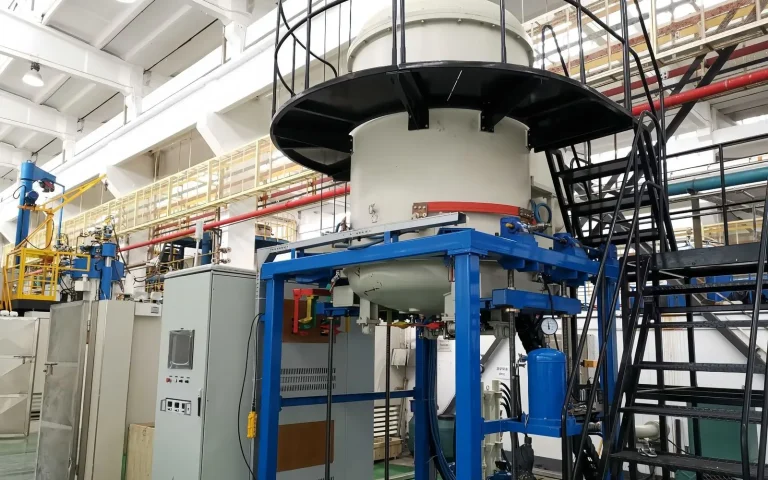
Nhu cầu từ ngành công nghiệp trong nhiều năm qua dành cho than chì đặc biệt và carbon ngày càng chặt chẽ hơn

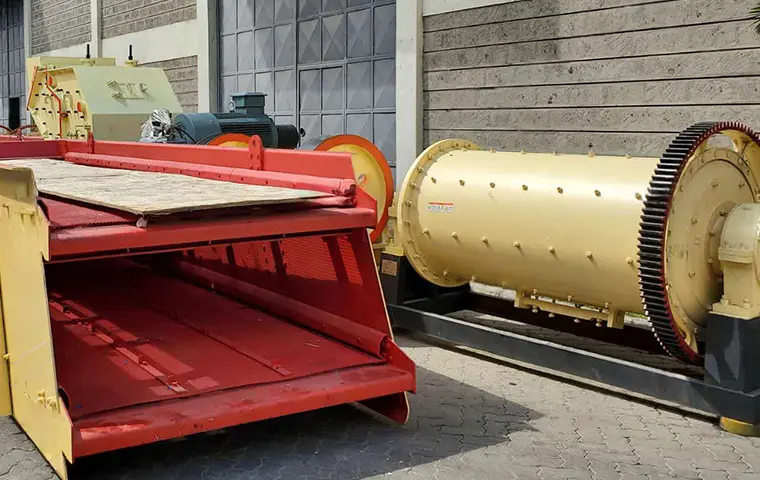
Quặng thô: Quặng vàng oxit và sulfide pha trộn Độ grade vàng: 3,5 g/t Tỷ lệ thu hồi vàng: 92%
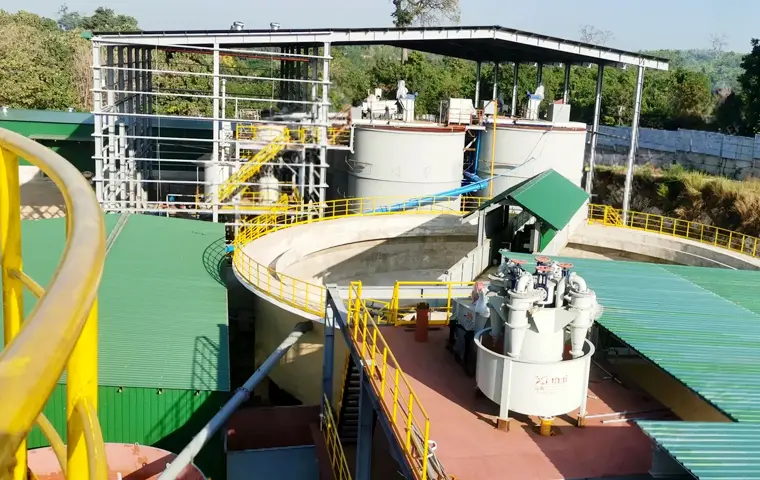
Quặng thô: Quặng vàng oxide & sulfide kép (khó xử lý ở một số phần) Hàm lượng vàng: 3.5-4.2 g/t Sản phẩm cuối: Vàng doré (Au ≥96.5%)
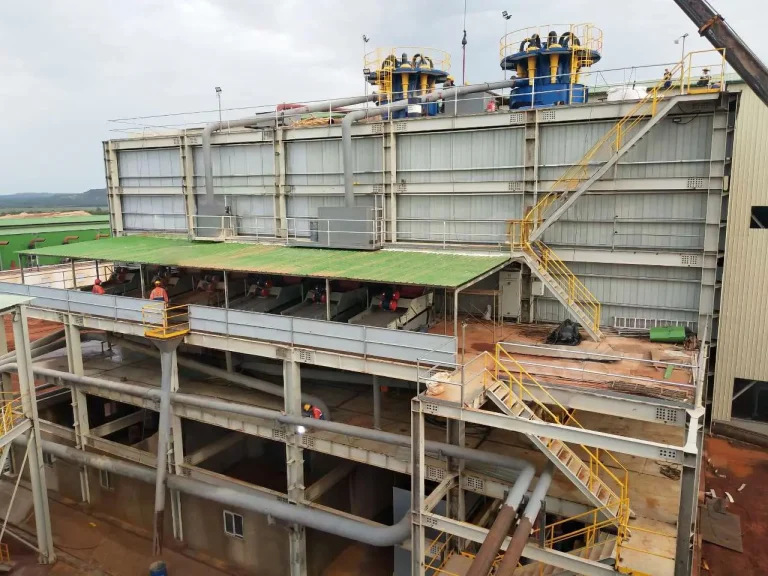
Quặng thô: Quặng vàng bùn sông Độ tinh khiết vàng: 0,7 g/t (trung bình) Tỷ lệ thu hồi: 90%
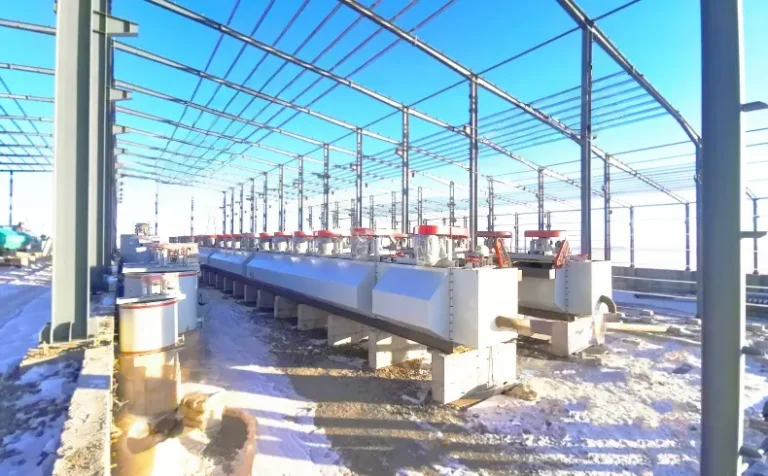
Quặng thô: Quặng sunfua đồng Hàm lượng đồng: 0,85% Sản phẩm cuối cùng: Quặng đồng tinh luyện
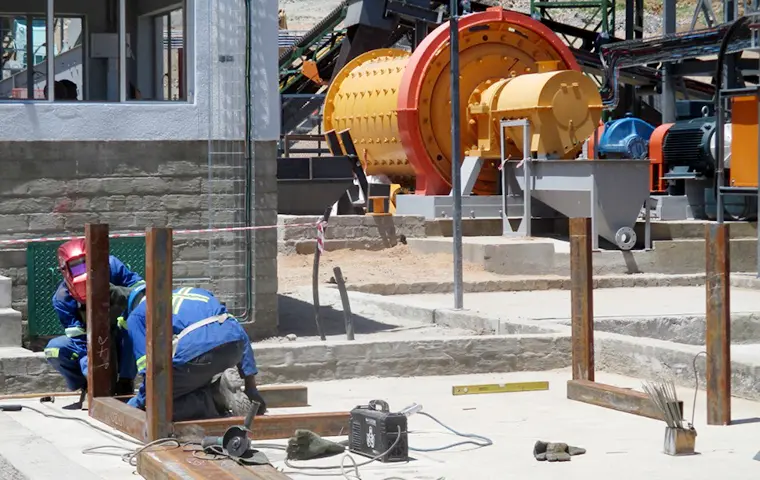
Quặng thô: Quặng than chì dạng tinh thể chất lượng cao Độ grade của quặng: 18% C Độ grade của tinh chất: 95% C (TGC)

Quặng thô: Quặng đồng loại sulfide (có vàng đi kèm) Hàm lượng vàng: 0.6 g/t Hàm lượng đồng: 1.2%
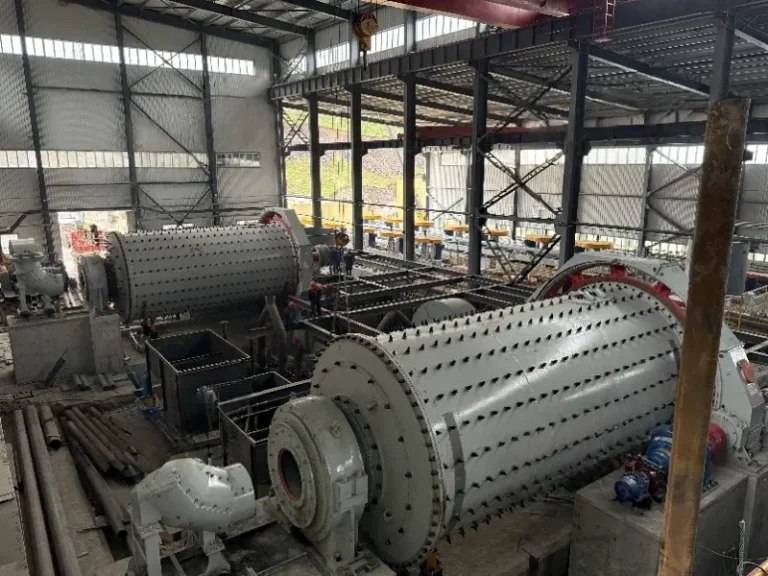
Nguyên liệu: Quặng niken laterit loại limonit, hàm lượng Ni: 1,2%, hàm lượng Co: 0,12%
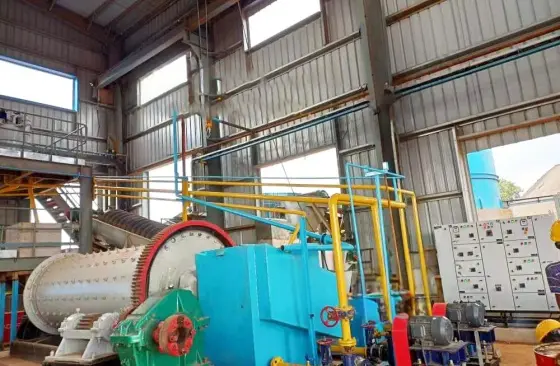
Nguyên liệu: Đuôi quặng đồng tuyển nổi sunfua, Tạp chất: Đồng: 0,8%, Vàng: 0,3 g/t, Bạc: 5 g/t, Sắt: 25%
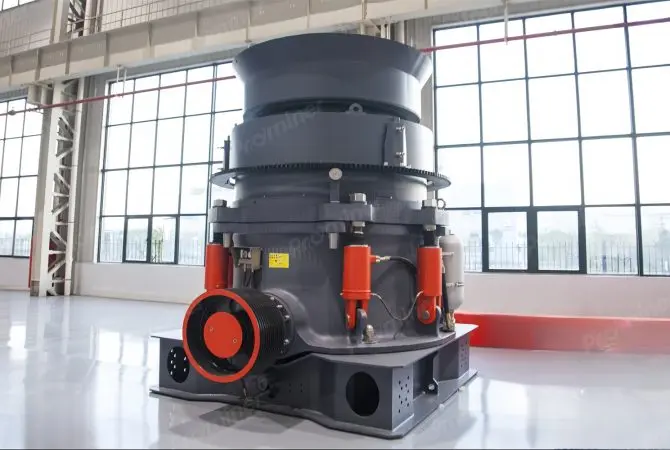
Máy nghiền cone thủy lực đa xi-lanh kết hợp tốc độ nghiền, độ lệch tâm và hình dạng buồng nghiền
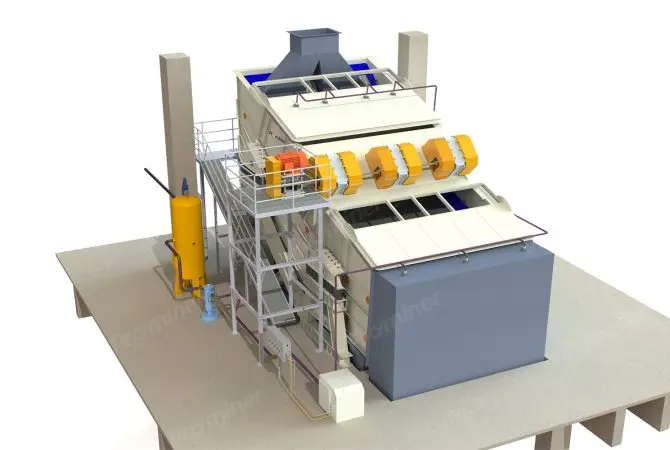
Bảng màn hình flip-flow tiếp tục mở rộng và co lại để đạt được tốc độ gia tốc cao
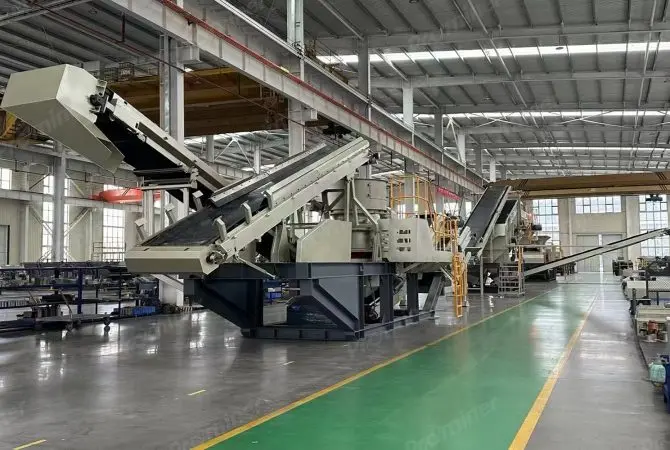
Máy nghiền di động gắn trên bệ, dựa trên yêu cầu thị trường về việc di chuyển dễ dàng từ một địa điểm
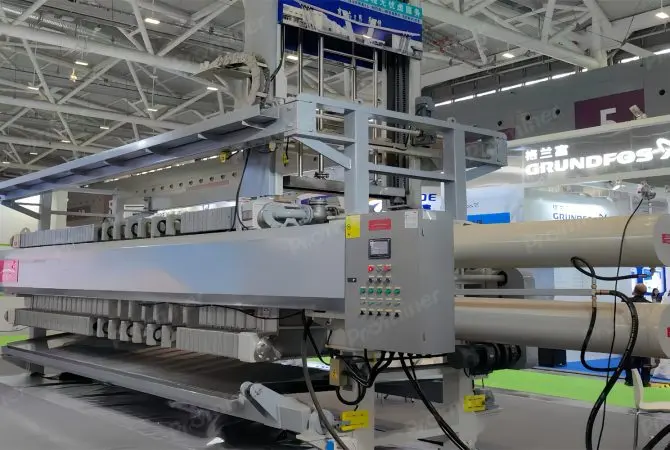
Prominer có thể cung cấp bộ lọc ép, bộ lọc chân không băng tải, bộ lọc chân không đĩa và bộ lọc gốm
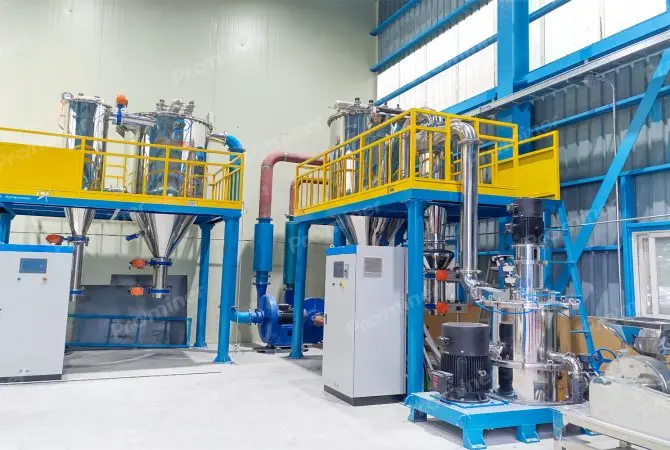
Máy nghiền tác động của chúng tôi là máy nghiền cơ học tốc độ cao để thực hiện việc xay mịn ultrafine và chủ yếu
Để tìm hiểu thêm về sản phẩm và giải pháp của chúng tôi, vui lòng điền vào mẫu dưới đây và một trong những chuyên gia của chúng tôi sẽ liên lạc lại với bạn sớm
Dự án tuyển nổi vàng 3000 TPD ở tỉnh Shandong
Tuyển nổi quặng lithium 2500 TPD ở Tứ Xuyên
Fax: (+86) 021-58779592
Địa chỉ: Phòng 606, Tòa nhà D3, Giai đoạn II, Trung tâm Thương mại Chuansha, 777 Đường Long, Đường Miaochuan, Khu vực Phố Đông, Thượng Hải, Trung Quốc
Bản quyền © 2023. Công ty TNHH Công nghệ Khai thác Prominer (Thượng Hải)