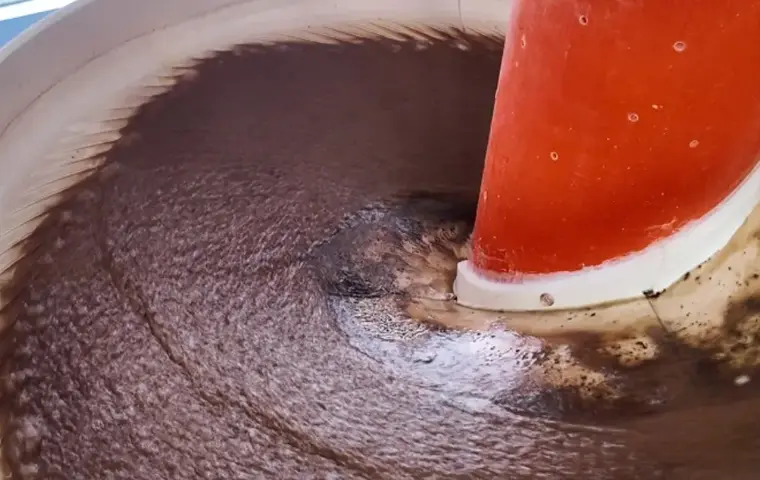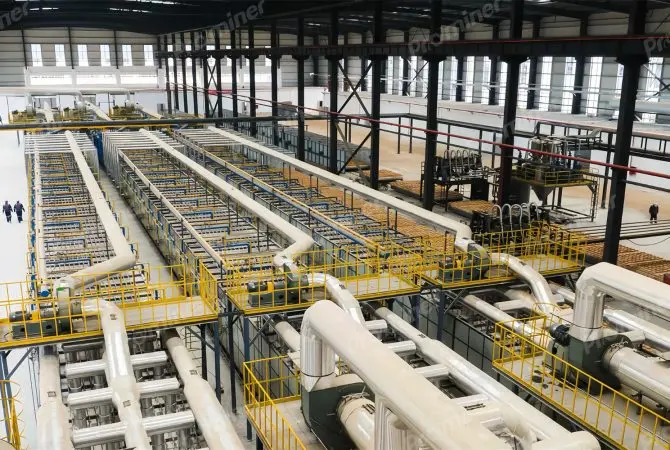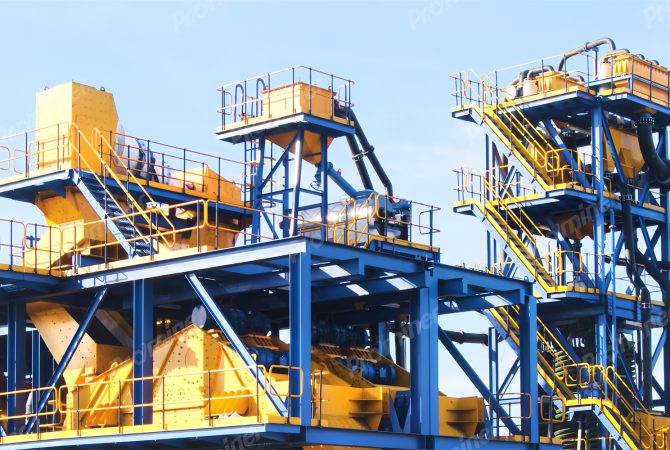

Rửa bằng bể là một lựa chọn tốt cho chủ đầu tư dự án để bắt đầu ở giai đoạn ban đầu nhằm tiết kiệm vốn đầu tư


/
/
What Key Aspects Should Be Considered in the Design of an Iron Ore Processing Plant?
Designing an iron ore processing plant requires a comprehensive approach that balances technical efficiency, economic viability, environmental responsibility, and operational safety. Each project presents unique challenges based on ore characteristics, location, and market requirements. Below are the key aspects that should be considered when planning and designing an iron ore processing plant.
The foundation of any successful processing plant design is a thorough understanding of the ore body. Detailed mineralogical and metallurgical testing must be conducted to determine:
These characteristics dictate the selection of beneficiation methods such as crushing, screening, gravity separation, magnetic separation, flotation, or a combination of processes. Without accurate ore characterization, plant performance and product quality can suffer significantly.
The process flow sheet outlines the sequence of operations required to convert raw ore into a marketable product. Key steps typically include:
Designing an efficient flow sheet involves optimizing recovery rates, minimizing energy consumption, and ensuring consistent product quality. Simulation software and pilot testing are often used to validate process design before full-scale implementation.
Determining the plant’s throughput capacity is critical. The design must consider:
Scalability is especially important in long-term mining projects. Designing modular systems or allocating space for additional equipment can reduce future expansion costs and downtime.
Selecting the right equipment ensures operational efficiency and reliability. Factors to consider include:
The plant layout should promote smooth material flow, minimize material handling distances, and reduce bottlenecks. Proper layout planning also enhances worker safety and simplifies maintenance activities.
Iron ore processing plants are resource-intensive operations. Sustainable management of water and energy is crucial.
Water management considerations include:
Energy efficiency measures may involve:
Reducing resource consumption lowers operating costs and improves environmental performance.
Environmental compliance is a central aspect of plant design. Regulatory requirements vary by region but commonly address:
Incorporating environmental safeguards from the early design stages reduces permitting delays and mitigates long-term liabilities.
Tailings management is one of the most critical elements of iron ore plant design. Engineers must determine:
Modern best practices increasingly favor dry stacking or paste tailings to reduce environmental risks and water consumption.
Advanced automation improves plant performance and reliability. Key technologies include:
Automation reduces human error, enhances process stability, and supports data-driven decision-making.
Safety must be integrated into every stage of plant design. Important factors include:
A well-designed plant minimizes risks to personnel while maintaining high productivity.
Finally, financial feasibility is a decisive factor. A comprehensive economic assessment should cover:
Balancing technical performance with cost efficiency ensures long-term profitability.
The design of an iron ore processing plant is a multidisciplinary task that requires careful consideration of geological, technical, environmental, and economic factors. By thoroughly evaluating ore characteristics, optimizing the process flow, selecting appropriate equipment, and prioritizing sustainability and safety, project developers can create efficient and resilient processing facilities that deliver consistent product quality and long-term value.
A: Các đặc tính khoáng sản thay đổi đáng kể ngay cả trong cùng một thân quặng. Một bài kiểm tra chuyên nghiệp (chẳng hạn như phân tích hóa học, XRD, và SEM) đảm bảo rằng quy trình được tối ưu hóa cho loại quặng và kích thước giải phóng cụ thể của bạn. Điều này ngăn chặn việc không phù hợp thiết bị tốn kém và đảm bảo tỷ lệ thu hồi cao nhất có thể cho dự án của bạn.
A: Chúng tôi duy trì một kho dự trữ thường xuyên các linh kiện thay thế cốt lõi (như lớp lót máy nghiền, lưới sàng và phương tiện nghiền). Đối với khách hàng quốc tế, chúng tôi cung cấp một “danh sách linh kiện thay thế trong 2 năm” được khuyến nghị kèm theo đơn hàng mua đầu tiên. Hỗ trợ kỹ thuật có sẵn 24/7 qua video từ xa, và có thể sắp xếp các chuyến thăm hiện trường cho những nhu cầu bảo trì phức tạp.
A: Vâng. Chúng tôi gửi một đội ngũ kỹ sư cơ khí và điện hàng đầu đến hiện trường để giám sát việc lắp đặt, đưa vào hoạt động và kiểm tra tải của thiết bị. Chúng tôi cũng cung cấp đào tạo toàn diện tại chỗ cho các nhân viên địa phương của bạn để đảm bảo hoạt động trơn tru trong dài hạn.
A: Chắc chắn rồi. Chúng tôi chuyên cung cấp dịch vụ EPCM (Kỹ thuật, Cung ứng, Quản lý Xây dựng). Điều này bao gồm mọi thứ từ thử nghiệm quặng ban đầu và thiết kế mỏ đến sản xuất thiết bị, logistics và tích hợp nhà máy quy mô lớn, đảm bảo một quá trình chuyển giao suôn sẻ từ khu vực chưa phát triển sang sản xuất.
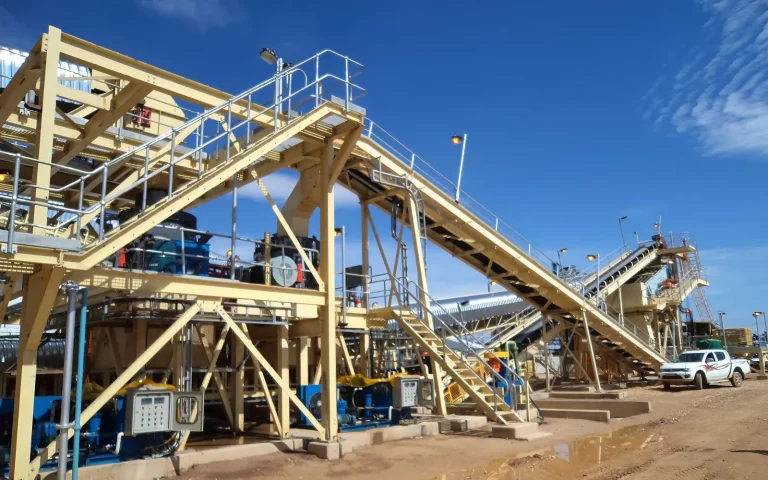
Rửa bằng bể là một lựa chọn tốt cho chủ đầu tư dự án để bắt đầu ở giai đoạn ban đầu nhằm tiết kiệm vốn đầu tư
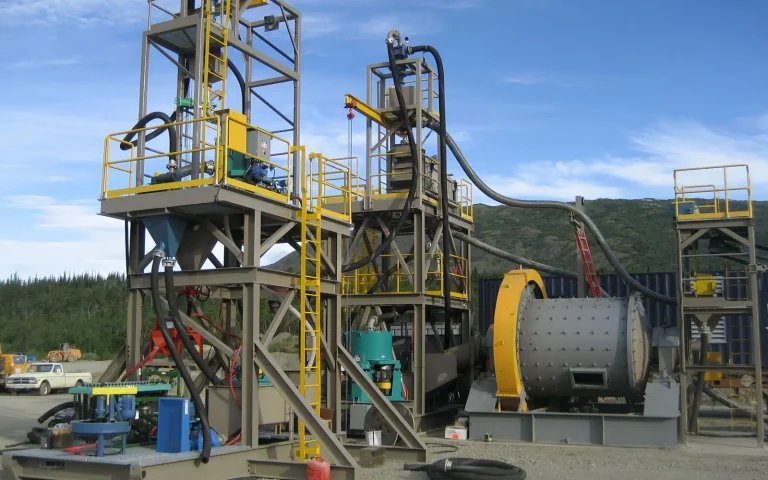
Quặng exogenetic nổi tiếng nhất là vàng alluvial còn được gọi là vàng placer. Vàng alluvial đề cập đến
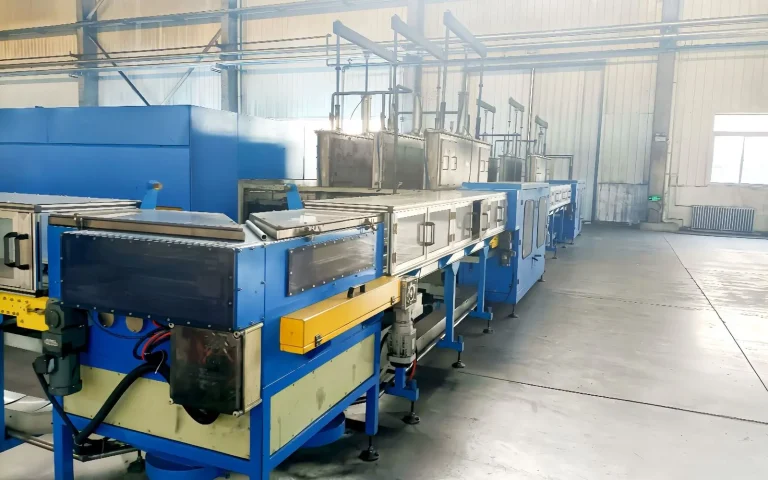
Vật liệu anot carbon cứng là vật liệu ưa thích nhất cho việc thương mại hóa pin sodium-ion

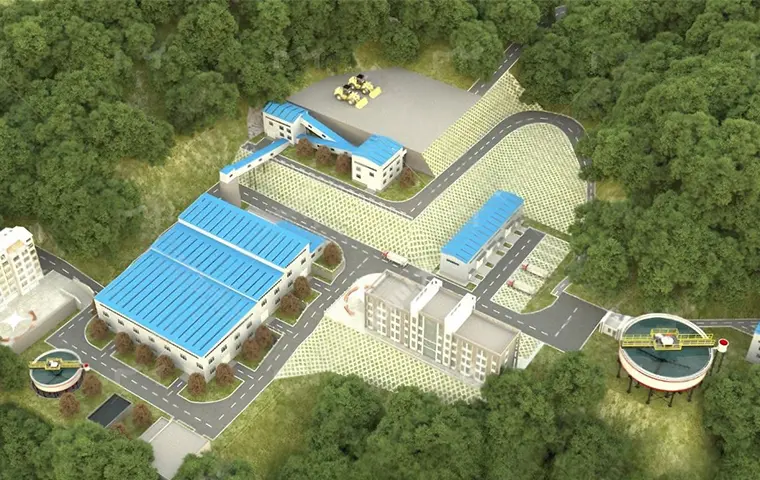
Nguyên liệu: Quặng Fluorit (CaF₂) Độ tinh khiết Fluorspar: 35% CaF₂ Độ tinh khiết tinh chế: 97% CaF₂
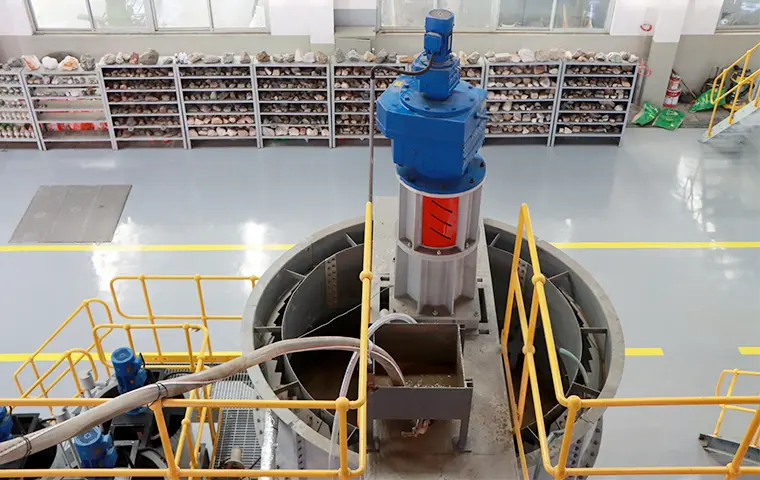
Quặng thô: Quặng phốt phát silicat cao P2O5 Độ grade: 22% Hàm lượng SiO2: 35%
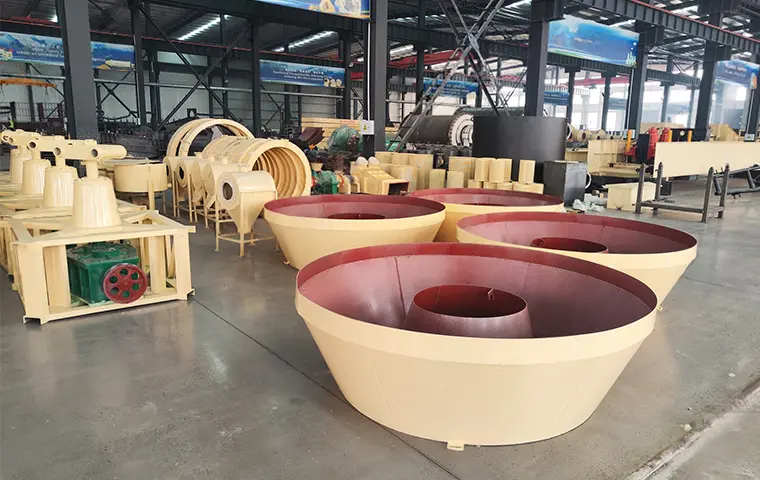
Quặng Thô: Quặng Vàng Oxy dạng Sỏi / Đá Cứng (có vàng tự do) Hàm lượng Vàng: 2.5 g/t Tỷ lệ thu hồi Vàng: > 88%
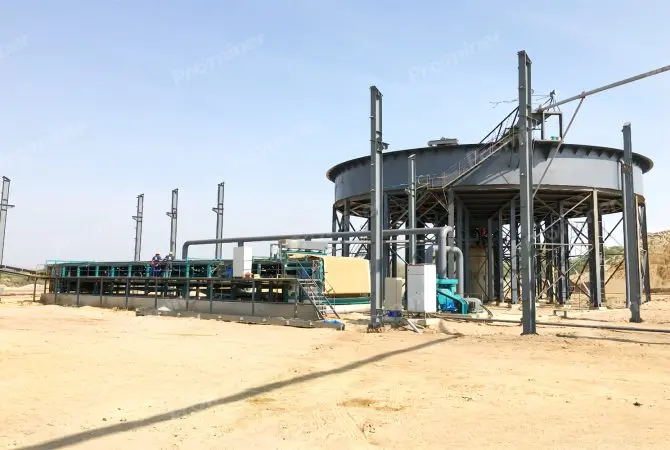
Quặng thô: Quặng vàng đồng loại sulfide Độ tinh khiết vàng: 4 g/t
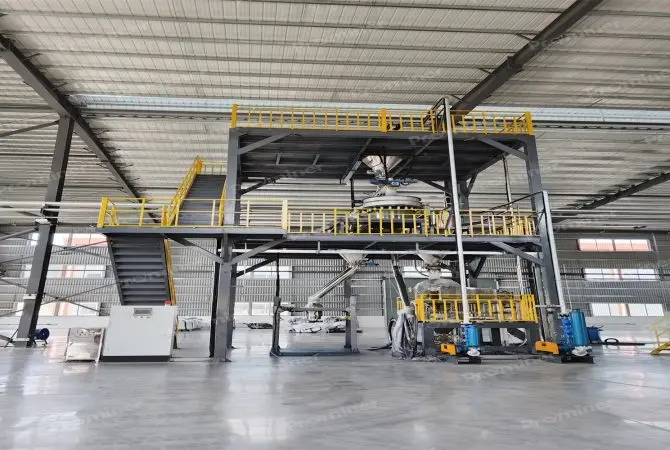
Nguyên liệu: Anode than chì nhân tạo, Anode than chì tự nhiên
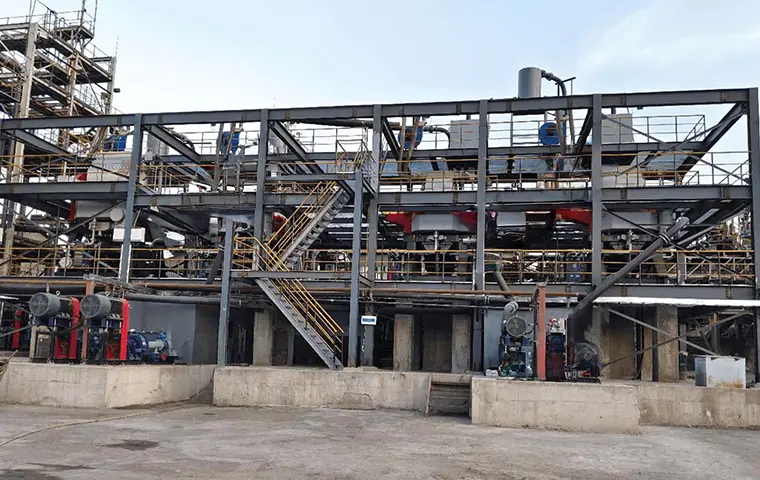
Quặng thô: Quặng crôm Nam Phi Chất lượng Cr₂O₃ Ban đầu: 38% Chất lượng tinh chế nâng cao: 46%
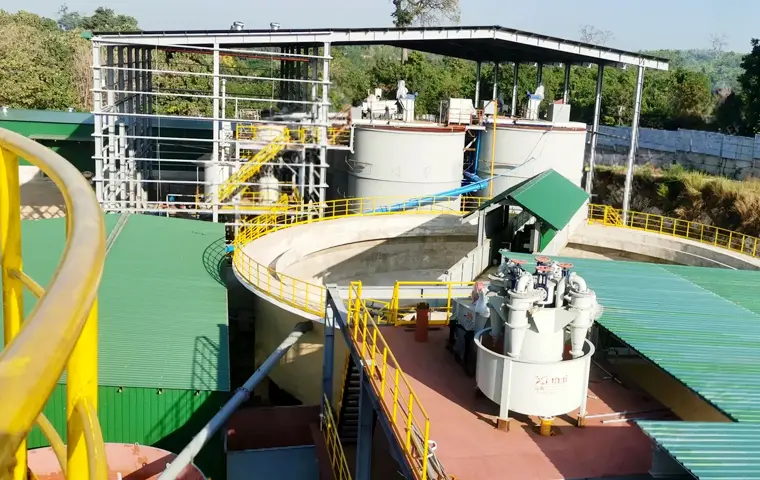
Quặng thô: Quặng vàng oxide & sulfide kép (khó xử lý ở một số phần) Hàm lượng vàng: 3.5-4.2 g/t Sản phẩm cuối: Vàng doré (Au ≥96.5%)
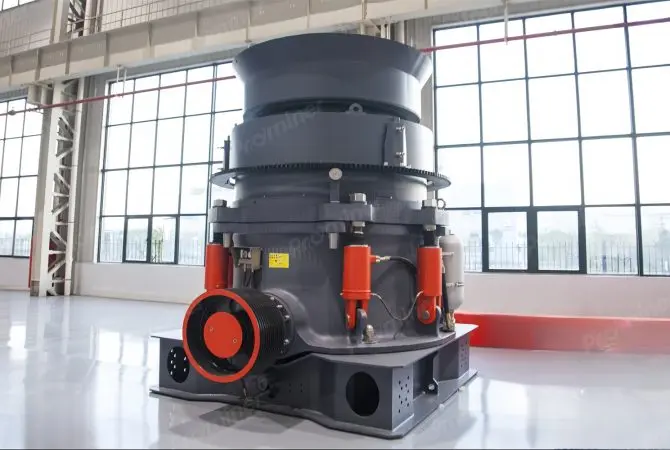
Máy nghiền cone thủy lực đa xi-lanh kết hợp tốc độ nghiền, độ lệch tâm và hình dạng buồng nghiền
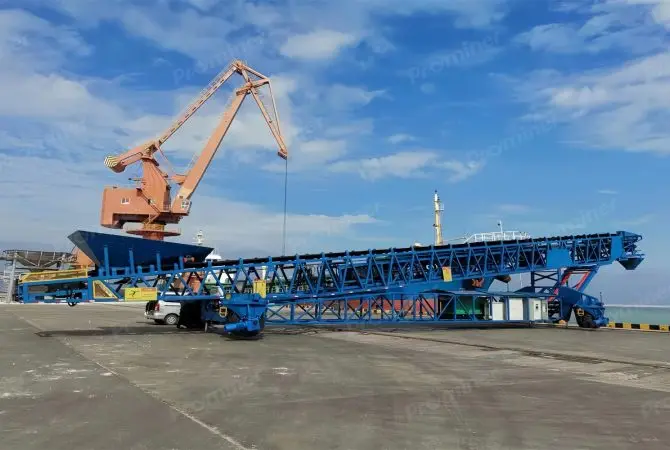
Đội ngũ kỹ sư của chúng tôi có thể thiết kế và sản xuất máy xếp tia di động, máy nạp
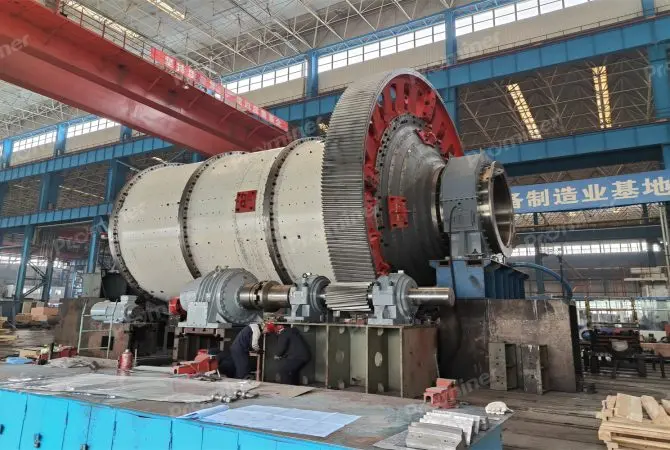
Chúng tôi có thể thiết kế và chế tạo máy nghiền bi kiểu cửa cho quá trình nghiền nguyên liệu khoáng
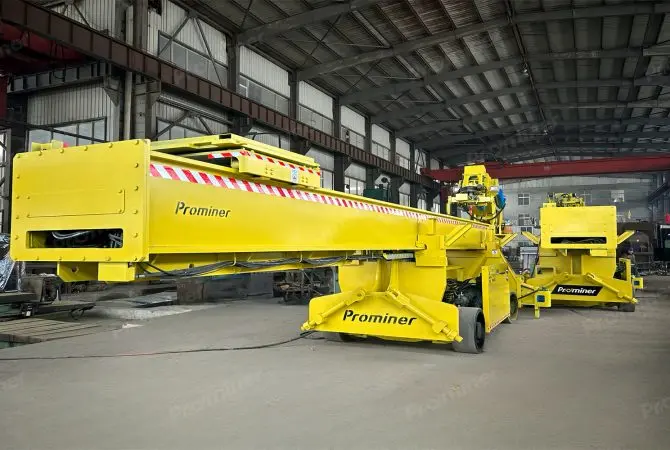
Chúng tôi có thể thiết kế và sản xuất máy tái lắp máy nghiền (hay còn gọi là máy tái lắp máy nghiền)
Để tìm hiểu thêm về sản phẩm và giải pháp của chúng tôi, vui lòng điền vào mẫu dưới đây và một trong những chuyên gia của chúng tôi sẽ liên lạc lại với bạn sớm
Dự án tuyển nổi vàng 3000 TPD ở tỉnh Shandong
Tuyển nổi quặng lithium 2500 TPD ở Tứ Xuyên
Fax: (+86) 021-60870195
Địa chỉ:Số 2555, Đường Xiupu, Pudong, Thượng Hải
Bản quyền © 2023.Công ty TNHH Công nghệ Khai thác Prominer (Thượng Hải)