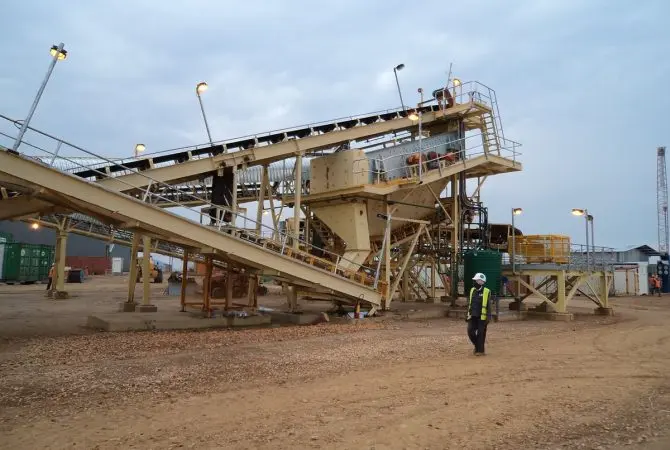
Rửa bằng bể là một lựa chọn tốt cho chủ đầu tư dự án để bắt đầu ở giai đoạn ban đầu nhằm tiết kiệm vốn đầu tư


/
/
Những quá trình và thiết bị thiết yếu để beneficiation khoáng graphite là gì?


Hòa tách khoáng vật graphite là một quá trình quan trọng để chuyển đổi quặng graphite thô thành các sản phẩm tinh khiết cao phù hợp cho các ứng dụng công nghiệp như pin lithium-ion, chịu lửa, chất bôi trơn và các sản phẩm graphite mở rộng. Vì graphite tự nhiên có tính kỵ nước và xuất hiện dưới nhiều dạng—rong, vô định hình và mạch—quá trình hòa tách của nó đòi hỏi các kỹ thuật và thiết bị được chọn lựa cẩn thận để tối đa hóa tỷ lệ thu hồi và độ tinh khiết.
Dưới đây là các quy trình và thiết bị cần thiết trong quá trình tuyển khoáng than chì.
Bước đầu tiên trong quá trình beneficiation than chì là giảm kích thước. Mục tiêu là giải phóng các mảnh than chì khỏi các khoáng chất phụ xung quanh trong khi giữ nguyên kích thước của các mảnh, vì điều này ảnh hưởng trực tiếp đến giá trị của sản phẩm.
Thiết bị chính:
Việc mài phải được kiểm soát cẩn thận. Việc mài quá mức có thể gây hư hại các lớp graphit và làm giảm giá trị thị trường của chúng, đặc biệt đối với loại graphit có kích thước lớn.
Sau khi nghiền và xay, vật liệu được sàng lọc và phân loại để tách các hạt có kích thước phù hợp và chuẩn bị chúng cho quá trình tuyển nổi.
Thiết bị chính:
Phân loại phù hợp đảm bảo hiệu suất nổi tối ưu và giảm thiểu quá mức nghiền.
Kỹ thuật flotation là quy trình cốt lõi trong quá trình tuyển quặng graphite. Vì graphite tự nhiên có tính kỵ nước, nó phản ứng tốt với phương pháp tuyển nổi bọt, giúp tách nó khỏi các khoáng gangue có tính ưa nước.
Tổng quan về quy trình:
Thiết bị chính:
Nhiều giai đoạn tuyển nổi—phá hoại, thu sạch, và làm sạch—thường được yêu cầu để đạt được tinh quặng grafit chất lượng cao.
Để nâng cao chất lượng tinh, các loại tinh than chì trung gian có thể trải qua quá trình nghiền lại và sau đó thực hiện các giai đoạn tuyển nổi bổ sung.
Thiết bị chính:
Bước này đặc biệt quan trọng khi sản xuất than graphite dạng tấm tinh khiết cao dành cho các ứng dụng pin.
Sau quá trình nổi, tinh quặng graphite phải được làm khô và sấy ráo trước khi tiếp tục xử lý hoặc đóng gói.
Thiết bị chính:
Việc làm ráo nước hiệu quả giúp cải thiện quá trình xử lý, lưu trữ và vận chuyển sản phẩm cuối cùng.
Đối với các ứng dụng cao cấp như anode pin lithium-ion, graphite phải đạt độ tinh khiết từ 99,9% trở lên. Các phương pháp tinh lọc bổ sung được sử dụng sau quá trình tuyển nổi.
Các phương pháp purification phổ biến:
Thiết bị chính:
Lựa chọn phương pháp tinh lọc phụ thuộc vào mức độ tinh khiết yêu cầu, các yếu tố môi trường và chi phí.
Xử lý quặng graphite cũng đòi hỏi quản lý thích hợp các bùn thải và các hệ thống bảo vệ môi trường.
Thiết bị chính và hệ thống:
Các hoạt động beneficiation bền vững giảm thiểu tác động đến môi trường và cải thiện việc tuân thủ pháp luật.
Xử lý khoáng vật graphit liên quan đến việc kết hợp giữa nghiền, mài, tuyển nổi, nghiền lại, lắng lọc và tinh luyện. Giai đoạn quan trọng nhất là tuyển nổi, tận dụng tính kỵ nước tự nhiên của graphit để tách hiệu quả. Thiết bị được lựa chọn cẩn thận—như máy nghiền, máy nghiền, máy tuyển nổi, máy đặc, và máy sấy—đảm bảo tối ưu hóa khả năng thu hồi, chất lượng sản phẩm cao và vận hành tiết kiệm chi phí.
Khi nhu cầu về graphite tinh khiết cao ngày càng tăng, đặc biệt trong ngành pin và lưu trữ năng lượng, công nghệ khai thác tiên tiến và việc lựa chọn thiết bị hiệu quả đóng vai trò ngày càng quan trọng trong việc tối đa hóa giá trị tài nguyên và đáp ứng các thông số kỹ thuật thị trường.
A: Đối với nguồn tài nguyên graphit, một giải pháp toàn diện nên bao gồm cả quá trình tuyển nổi graphit tự nhiên và xử lý sâu. Hệ thống máy nghiền bi và hydrocyclone đóng vai trò là giai đoạn nghiền cơ bản. Để sản xuất nguyên liệu cực âm tiên tiến, máy định hình là cần thiết để cải thiện độ dày của mạch và giảm diện tích bề mặt riêng. Ngoài ra, hệ thống phủ của Prominer, kết hợp chức năng phủ và tạo hạt, là một bước quan trọng trong quá trình chế biến nguyên liệu cực âm có lợi nhuận cao.
A: Việc lựa chọn quy trình hoàn toàn phụ thuộc vào đặc điểm của quặng. Quy trình Gold CIL/CIP là một phương pháp phổ biến và hiệu quả để xử lý quặng vàng oxit loại khả năng cao. Đối với nhiều dự án vàng khác, tuyển nổi vẫn là phương pháp xử lý phổ biến nhất. Đối với các chủ dự án muốn tiết kiệm đầu tư ở giai đoạn ban đầu, tuyển nổi bể hoặc tuyển nổi đống là các lựa chọn linh hoạt và kinh tế. Chúng tôi đề xuất bắt đầu bằng các thử nghiệm phòng thí nghiệm và thử nghiệm thí điểm để xác định quy trình hiệu quả nhất và theo phương pháp khoa học.
A: Phân loại từ trường là yếu tố quan trọng để nâng cấp khoáng sản. Chúng tôi cung cấp các máy tách từ HIMS (Cường độ cao) và LIMS (Cường độ thấp) để xử lý các đặc tính từ trường khác nhau của khoáng sản. Trong thiết kế nhà máy tối ưu, công nghệ này được tích hợp cùng hệ thống tuyển nổi có hiệu suất cao—sử dụng máy nghiền hình nón thủy lực đơn hoặc đa trụ, và hệ thống nghiền. Điều này đảm bảo loại bỏ đá thải ngay từ đầu, giúp tăng năng suất đáng kể và tiết kiệm năng lượng.
A: Thiết kế một nhà máy thành công đòi hỏi dịch vụ EPC (Kỹ thuật, Mua sắm và Thi công) toàn diện. Các yêu cầu chính bao gồm thiết kế kỹ thuật (khảo sát địa điểm, hướng dẫn lấy mẫu và bản vẽ PFD) và tùy chỉnh thiết bị để đảm bảo máy móc phù hợp với đặc điểm quặng cụ thể. Ví dụ, Prominer có thể tùy chỉnh các máy sàng thẳng lên đến chiều rộng 5,1m để phân loại và rút nước quy mô lớn. Cuối cùng, dịch vụ chuyên nghiệp tại hiện trường, bao gồm giám sát công trình dân dụng và vận hành thử, là yếu tố then chốt cho hoạt động ổn định lâu dài.
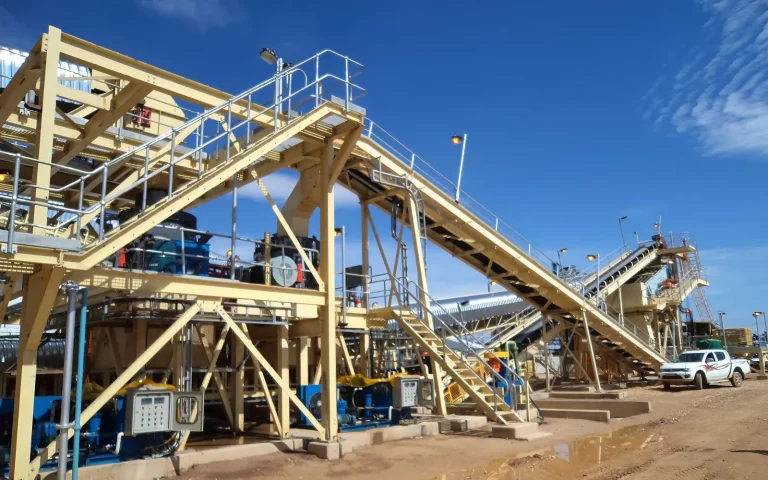
Rửa bằng bể là một lựa chọn tốt cho chủ đầu tư dự án để bắt đầu ở giai đoạn ban đầu nhằm tiết kiệm vốn đầu tư
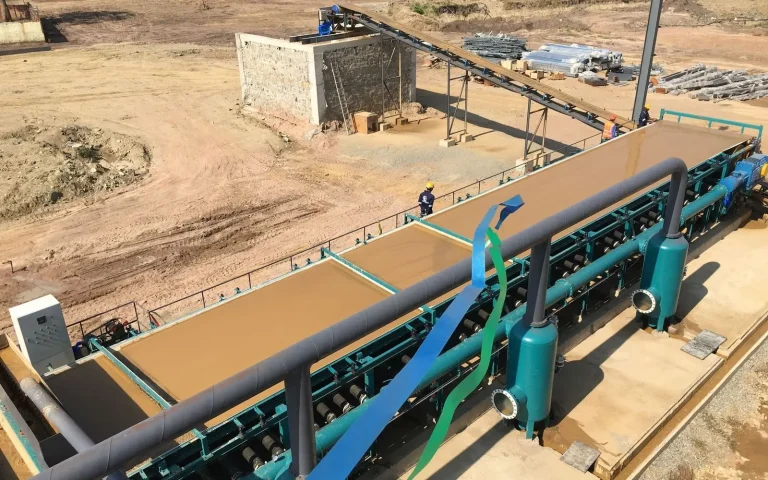
Quy trình CIL vàng (carbon trong quá trình chiết xuất) là cách rất phổ biến để chế biến quặng vàng oxit loại cao cấp
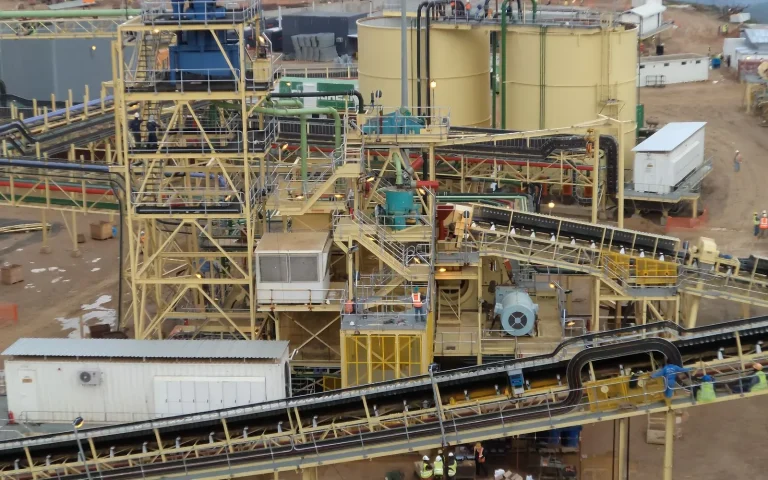
Cung cấp thiết bị quan trọng trong quá trình xử lý quặng vàng, chẳng hạn như hệ thống CIL/CIP, tế bào nổi…

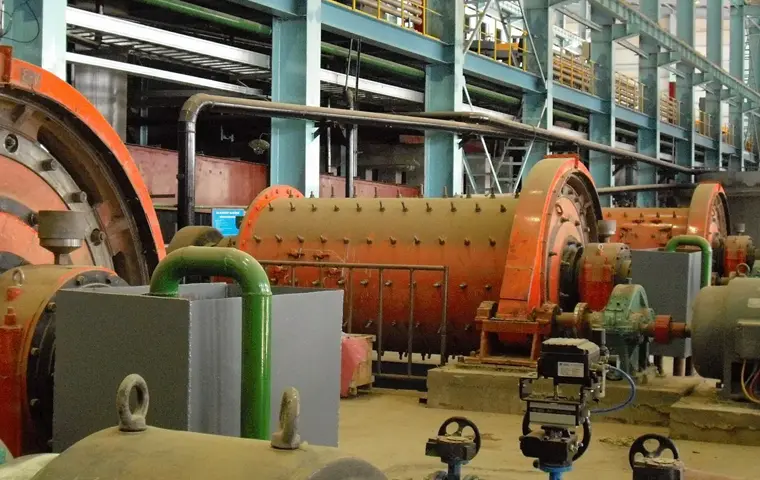
Quặng thô: Quặng Molipden Sulfide (chủ yếu là Molybdenite) Hàm lượng Mo: 0.15% Hàm lượng tinh quặng: 45% Mo
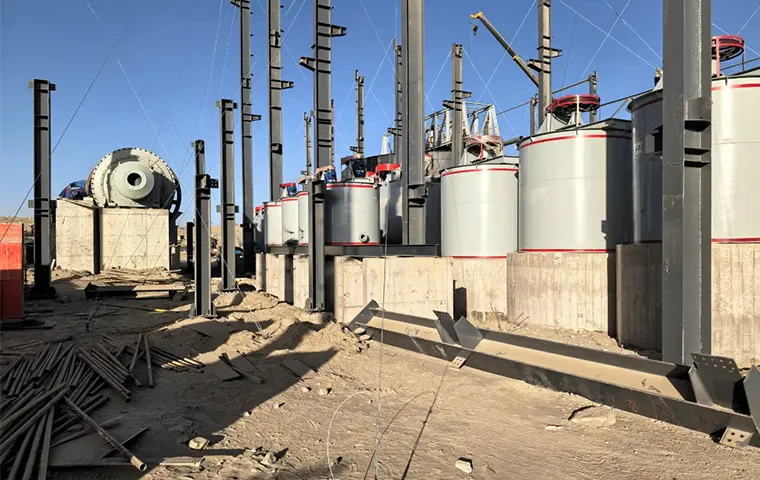
Quặng thô: Quặng vàng chuyển tiếp & ôxít (có một ít sulfide) Đầu vào độ grade vàng: 2.5 g/t Sản phẩm cuối: Thỏi vàng Doré
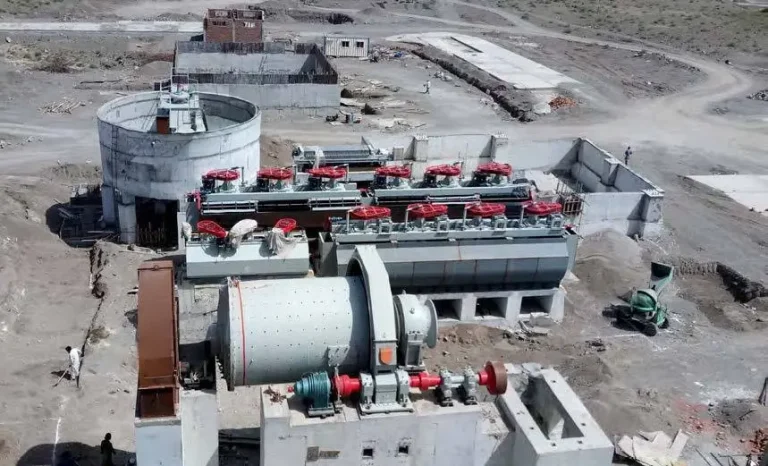
Nguyên liệu: Quặng đồng ô-xít-sunphua hỗn hợp (Chalcopyrit/Malachite) Độ tinh khiết đồng: 1,2% | Bạc: 15g/t
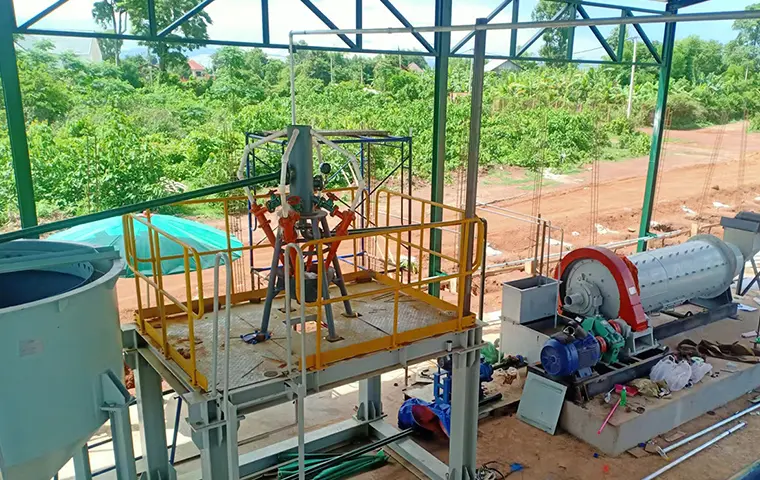
Tính năng: Bố cục gọn nhẹ, bao phủ toàn bộ quy trình, chi phí đầu tư thấp và triển khai nhanh chóng. Được thiết kế cho các Startup và Mỏ nhỏ — Giải pháp vàng linh hoạt và hiệu quả của bạn!
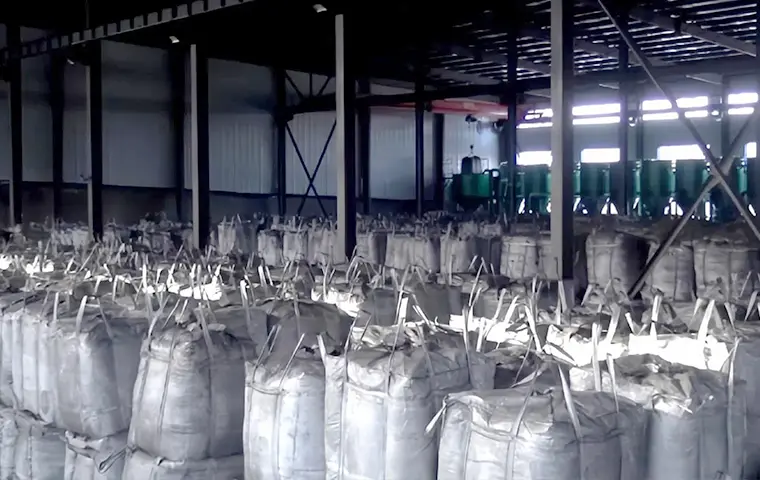
Nguyên liệu: Tinh chế nổi Graphite (95% C) Công suất dự án: 10.000 tấn mỗi năm
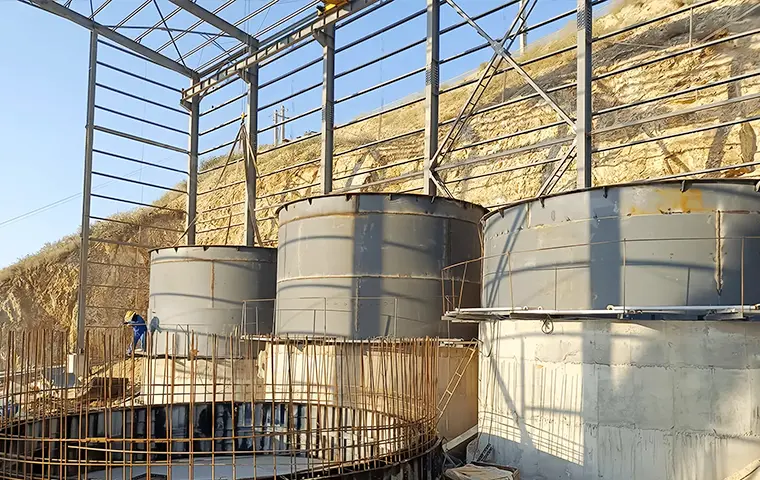
Quặng thô: Quặng vàng oxit phong hóa Độ tinh khiết vàng: 1.8 g/t Tỷ lệ thu hồi vàng: 90.5%
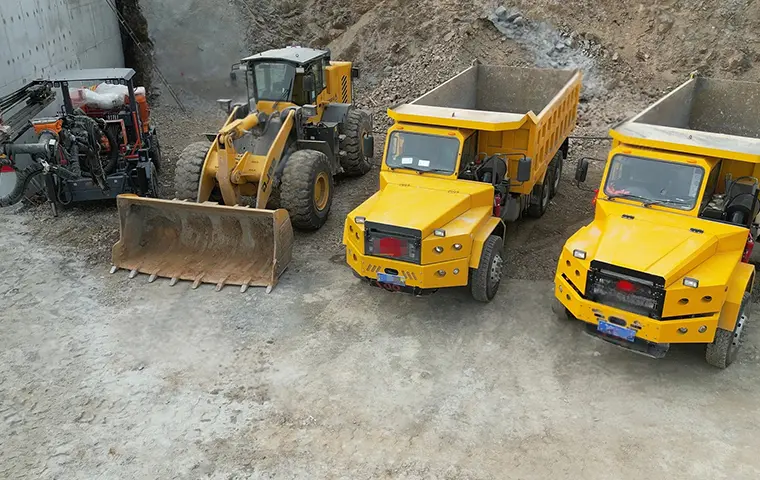
Quặng thô: Quặng molybden kiểu sulfide (Molybdenite) Hàm lượng đầu vào: 0,15% Mo Hàm lượng tinh chế: ≥ 55% Mo
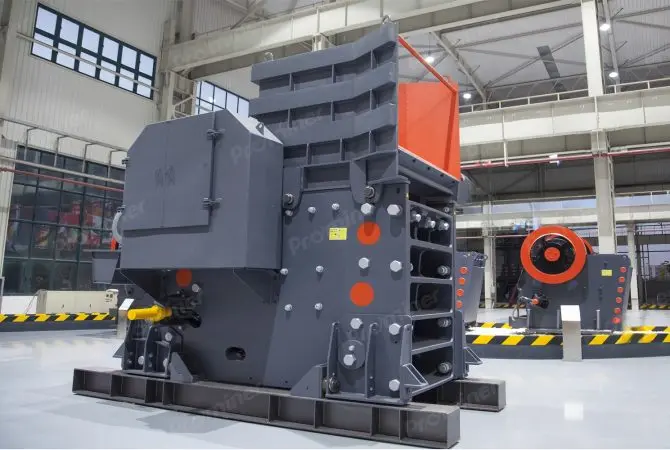
Máy nghiền hàm, kích thước mở của nó xác định kích thước cấp liệu tối đa. Buồng nghiền của máy nghiền hàm
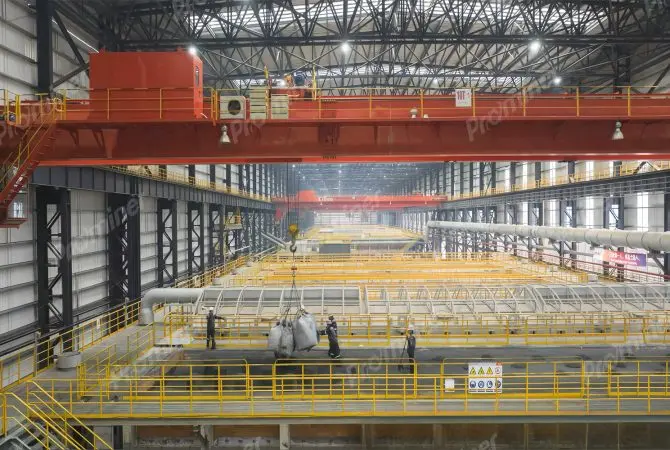
Chúng tôi có thể cung cấp nhiều loại lò graphit hóa cho việc thay đổi vật liệu carbon
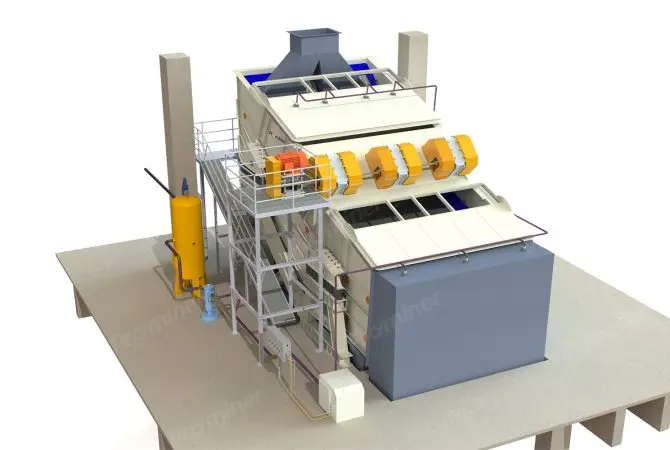
Bảng màn hình flip-flow tiếp tục mở rộng và co lại để đạt được tốc độ gia tốc cao
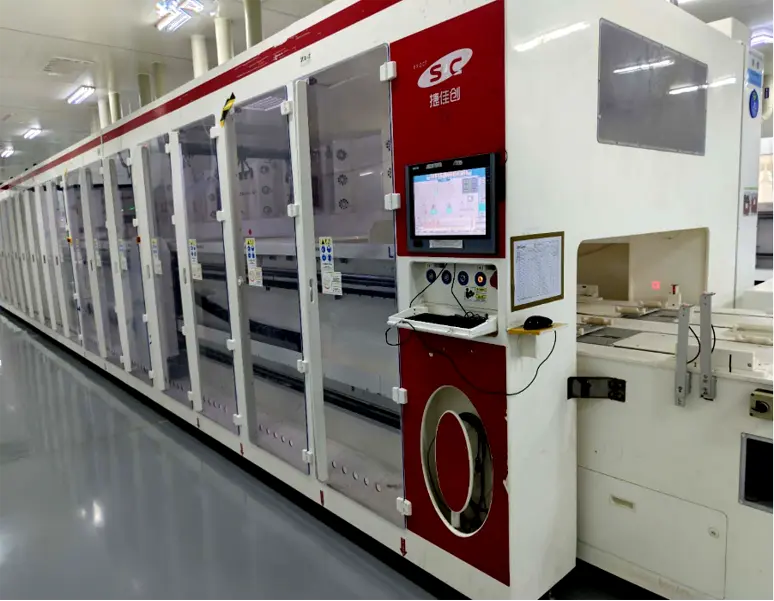
Chẳng hạn như: Lò khuếch tán Boron, loại bỏ BSG, máy đánh bóng kiềm, PE-POLY…
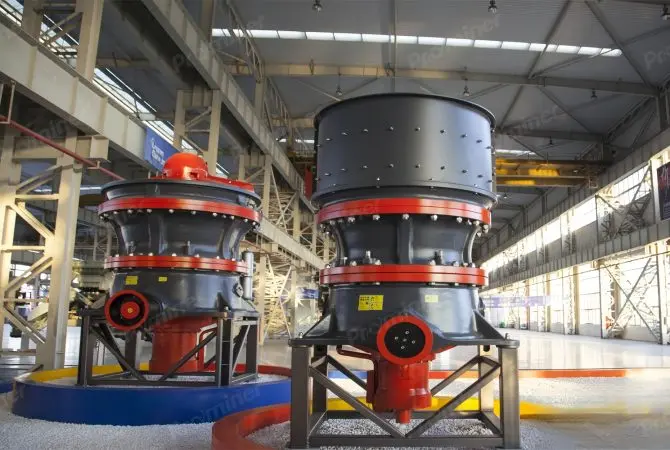
Máy nghiền cone thủy lực đơn xi-lanh có hai loại dựa trên hình dạng buồng khác nhau, buồng hình S được thiết kế
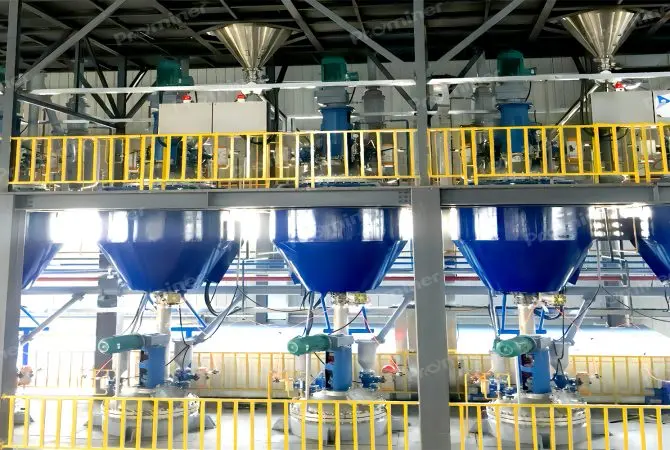
Phản ứng gia công hạt của chúng tôi kết hợp các chức năng phủ và gia công hạt lại với nhau
Để tìm hiểu thêm về sản phẩm và giải pháp của chúng tôi, vui lòng điền vào mẫu dưới đây và một trong những chuyên gia của chúng tôi sẽ liên lạc lại với bạn sớm
Dự án tuyển nổi vàng 3000 TPD ở tỉnh Shandong
Tuyển nổi quặng lithium 2500 TPD ở Tứ Xuyên
Fax: (+86) 021-58779592
Địa chỉ: Phòng 606, Tòa nhà D3, Giai đoạn II, Trung tâm Thương mại Chuansha, 777 Đường Long, Đường Miaochuan, Khu vực Phố Đông, Thượng Hải, Trung Quốc
Bản quyền © 2023. Công ty TNHH Công nghệ Khai thác Prominer (Thượng Hải)