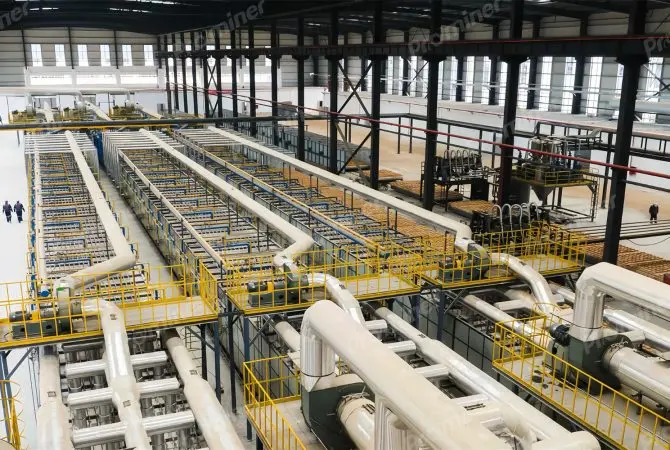
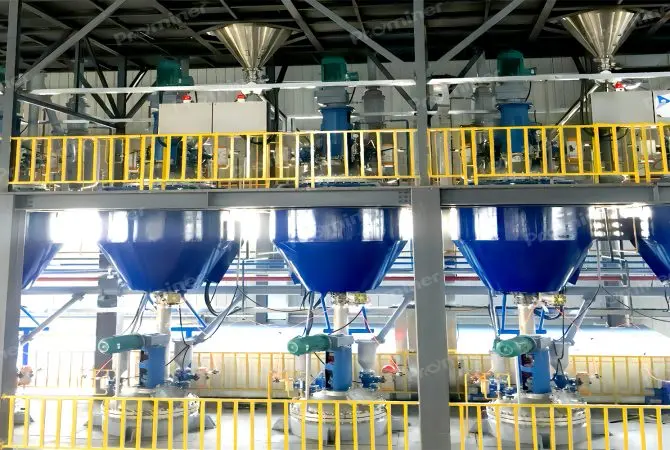
ما میتوانیم راهحل استخراج مستقیم لیتیوم (DLE) را برای بازیابی لیتیوم از آب نمک دریاچههای نمکی ارائه دهیم


/
/
گرافیت بلوری در مقابل گرافیت کریپتوکریستالی: چگونه نوع سنگ معدن جریان فرآوری را تعیین میکند؟


گرافیت یک سنگ معدنی صنعتی چندمنظوره است که در باتریها، آ refractory ها، روانکنندهها و مواد پیشرفته مورد استفاده قرار میگیرد. با این حال، همه گرافیتها یکسان نیستند. شکل ژئولوژیکی که گرافیت در آن یافت میشود—بلوری (پخرده یا رگهای) یا کریپتوکریستالین (آمورف) — مستقیماً نحوه پردازش آن را تعیین میکند. درک این تفاوتها برای طراحی روندهای بهرهبرداری کارآمد و دستیابی به کیفیت بهینه محصول ضروری است.
در ادامه، بررسی میکنیم که چگونه ویژگیهای سنگ معدنی استراتژیهای فرآوری را تعیین میکنند.
گرافیت بلوری عموماً به صورت برشها یا رگههای مناسب در سنگهای متامورفیک مانند شیست و گینس ظاهر میشود. اندازه برشها میتواند از ریز تا درشت متفاوت باشد و حفظ یکپارچگی برشها اغلب هدف اصلی فرآوری است زیرا برشهای بزرگتر ارزش بازار بالاتری دارند.
گرافیت کریکولین، که اغلب به نام گرافیت آمورفوس گفته میشود، شامل ذرات بسیار ریز گرافیت است که درون سنگهای رسوبی یا متامورفیک با درجه پایین پراکنده شدهاند. با وجود نام، این ماده در سطح میکروسکوپی هنوز کریستالی است، اما ساختار بلوری آن بسیار ریز است که دیده نمیشود با چشم غیر مسلح.
این تفاوتهای ساختاری تأثیر قابل توجهی در رفتار آزادسازی در حین خرد کردن و آسیاب دارد.
در معادن گرافیت بلوری (ریزی)، تیغههای گرافیت عموماً با مواد معدنی مخلوط سیلیکاتی در هم تنیده هستند. چالش اصلی، آزادسازی تیغهها بدون کاهش بیش از حد اندازه است. آسیاب بیش از حد اندازه تیغهها را کاهش میدهد و ارزش محصول را پایین میآورد.
در نتیجه، روندهای پردازش معمولاً شامل موارد زیر هستند:
هدف این است که به تدریج گرافیت را آزاد کنیم و اندازه تکهها را حفظ کنیم.
بر خلاف آن، گرافیت کریستاله کریپتواکری، در حال حاضر به شدت دانهریز است و با مواد همراه معدن به طور تنگاتنگ مرتبط است. آزادسازی غالباً نیاز به آسیاب کاری بیشتر دارد. از آنجا که ارزش محصول به اندازه تکهها وابسته نیست، آسیاب کاری ریزتر همان مجازات اقتصادی را در بر ندارد.
شناورسازی فوم تنها روش اصلی بهرهبرداری از گرافیت بلوری است. هیدروفوبی طبیعی گرافیت، آن را به شدت مستعد شناورسازی میکند در شرایطی که نیاز به مواد شیمیایی پیچیده ندارد.
نمایههای جریان معمول شامل موارد زیر است:
تمرکزهای با درجه بالا (90–97% کربن) میتوانند از طریق تمیزکاری مکرر با حداقل تخریب تکهها حاصل شوند.
سنگسنگهای گرافیت کریپتوکریستالی اغلب درجه پایینتری دارند و ممکن است توجیه انجام مدارهای فلوتاسیون چندمرحلهای پیچیده را نداشته باشند. بسته به نوع ذخیره، فرآوری ممکن است شامل موارد زیر باشد:
در برخی موارد، سنگ معدن به صورت دستی مرتبسازی میشود یا به صورت انتخابی استخراج میشود، زیرا میزان کربن در محل نسبتاً بالا است.
برای برنامههای فناوری بالا مانند آندهای باتریهای لیتیم-یون، خلوص گرافیت باید بیش از ۹۹.۹٪ کربن باشد.
گرافیت لایهای بلوری معمولاً تحت فرآیندهای تصفیه اضافی مانند موارد زیر قرار میگیرد:
گرافیت کریتولوکریت، به دلیل اندازه ذرات ریز و توزیع ناخالصیهای آن، تطهیر و پالایش آن به سطوح فوقالعاده بالا را سختتر و پرهزینهتر میکند. بنابراین، در مقایسه با کاربردهای باتری، بیشتر در مقاومها، روکشهای ریختهگری و روانکنندهها مورد استفاده قرار میگیرد.
نوع سنگ مستقیماً تأثیر میگذارد بر:
عملیات گرافیت تکهای بلوری عموماً نیاز به مدارهای شناورسازی پیشرفتهتری دارند اما محصولات با ارزشتری تولید میکنند. حفظ اندازه تکهها برای حفظ سودآوری حیاتی است.
عملیات گرافیت کریپتوکریستالین ممکن است فرآیند سادهتری داشته باشد اما اغلب بازارهای حاشیهای پایینتری را هدف قرار میدهد. اقتصاد آنها به شدت وابسته به درجه سنگ معدن و نزدیکی به مصرفکنندگان نهایی است.
تفاوتهای بنیادی بین سنگهای گرافیت کریستاله و کریپتوکریستاله کاملاً فلسفههای فرآوری متفاوتی را تعیین میکند.
در فرآوری گرافیت، زمینشناسی سرنوشت است. یک فرآیند طراحی شده خوب، نه در کارخانه بلکه در درک عمیق خود جسم معدنی آغاز میشود.
ویژگیهای معدنی حتی در داخل همان بدنه ماده معدنی به طور قابل توجهی متفاوت است. یک تست حرفهای (مانند آنالیز شیمیایی، XRD و SEM) اطمینان حاصل میکند که جدول کار بهینهسازی شده برای درجه ماده معدنی و اندازه آزادسازی خاص شما است. این از ناهماهنگیهای پرهزینه تجهیزات جلوگیری میکند و بالاترین نرخهای بازیابی ممکن را برای پروژه شما تضمین میکند.
ما یک موجودی دائمی از قطعات یدکی اصلی (مانند لایههای سنگشکن، مشهای الک و رسانههای سنگزنی) را نگهداری میکنیم. برای مشتریان بینالمللی، یک "فهرست قطعات یدکی ۲ ساله" پیشنهادی با خرید اولیه ارائه میدهیم. پشتیبانی فنی بهصورت ۲۴ ساعته و ۷ روز هفته از طریق ویدیوهای از راه دور در دسترس است و بازدیدهای حضوری برای نیازهای پیچیده نگهداری قابل ترتیبدهی است.
الف: بله. ما یک تیم از مهندسان ارشد مکانیک و برق را به محل ارسال میکنیم تا نصب، راهاندازی و آزمایش بار تجهیزات را نظارت کنند. همچنین آموزش جامع در محل برای اپراتورهای محلی شما فراهم میکنیم تا از عملکرد روان و بلندمدت اطمینان حاصل شود.
A: کاملاً. ما در ارائه خدمات EPCM (مهندسی، تأمین، مدیریت ساخت) تخصص داریم. این شامل همه چیز از آزمایش اولیه ore و طراحی معدن تا تولید تجهیزات، لجستیک و یکپارچگی کامل کارخانه است و اطمینان حاصل میکند که انتقال از زمین سبز به تولید بهطور یکپارچه انجام میشود.
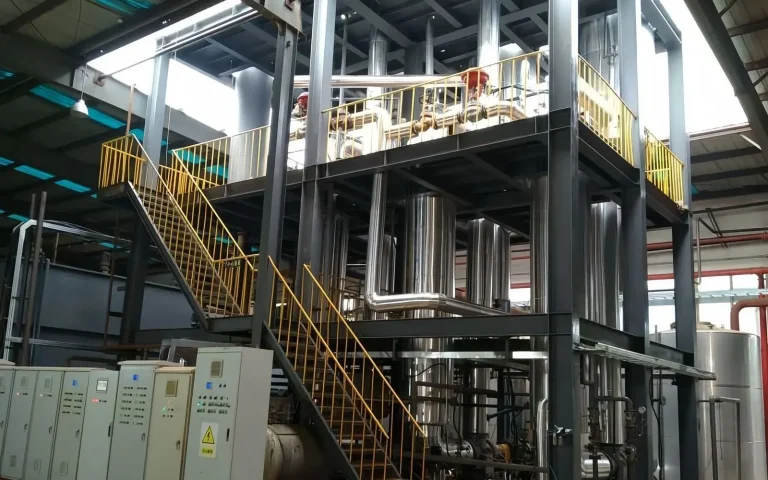
ما میتوانیم راهحل استخراج مستقیم لیتیوم (DLE) را برای بازیابی لیتیوم از آب نمک دریاچههای نمکی ارائه دهیم
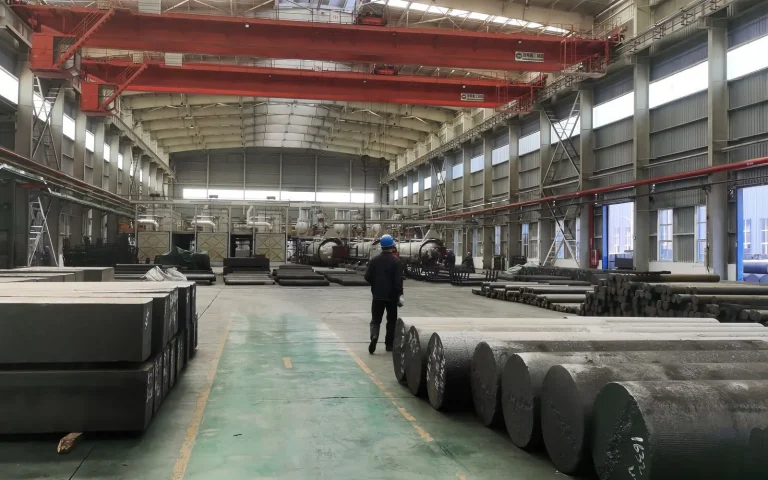
الکترود گرافیت UHP عمدتاً در کورههای قوس الکتریکی فوقالعاده با قدرت بالا در صنعت ذوب فولاد استفاده میشود
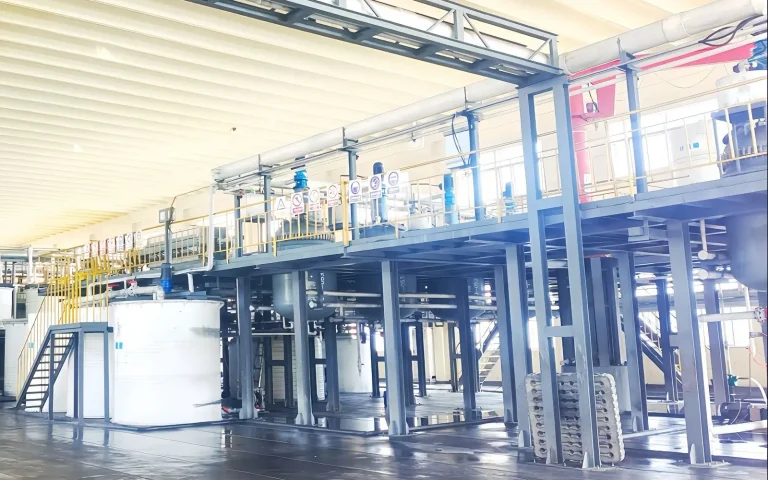
گرافیت ورقهای میتواند برای تولید گرافیت با کربن بالا، گرافیت با خلوص بالا و گرافیت قابل گسترش استفاده شود

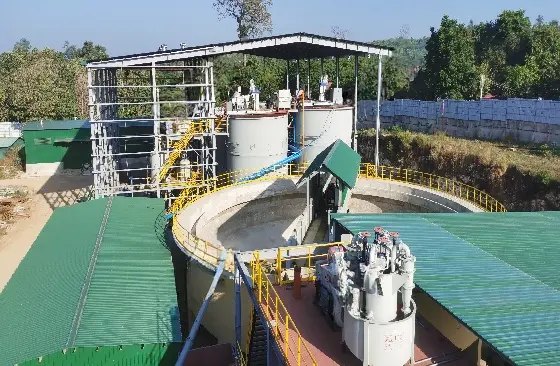
مکان: تانزانیا، آفریقا و کالیمانتان مرکزی، اندونزی نوع کانه: کانه سولفید با عیار پایین (۱.۲ تا ۱.۸ گرم در تن طلا)
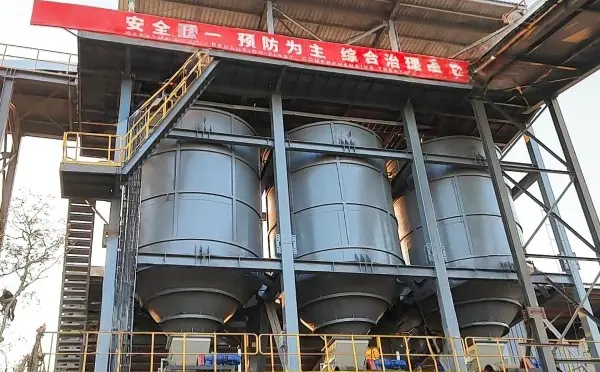
سنگ معدن خام: لپیدولیت، اسپودومن، کانیهای زائد: کوارتز، فلدسپات، میکا درصد Li₂O: ۰.۸%
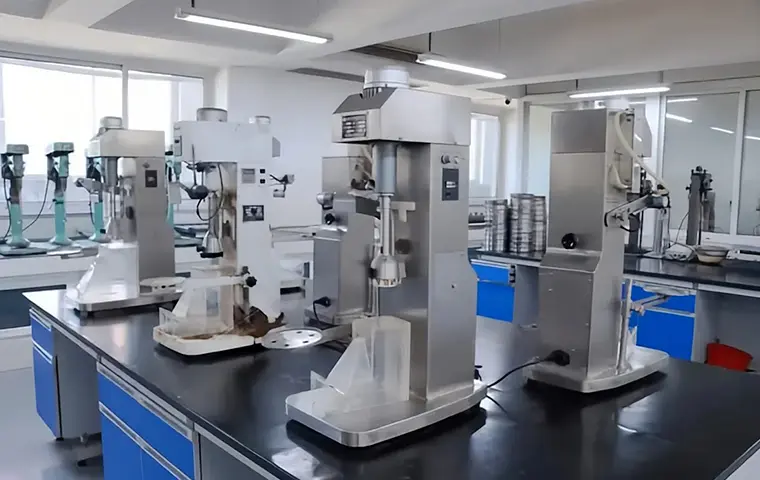
مواد اولیه: انواع مختلف نمونههای سنگ معدن (طلا، لیتیوم، گرافیت و غیره) ظرفیت آزمایشگاه: 50–100 نمونه در روز
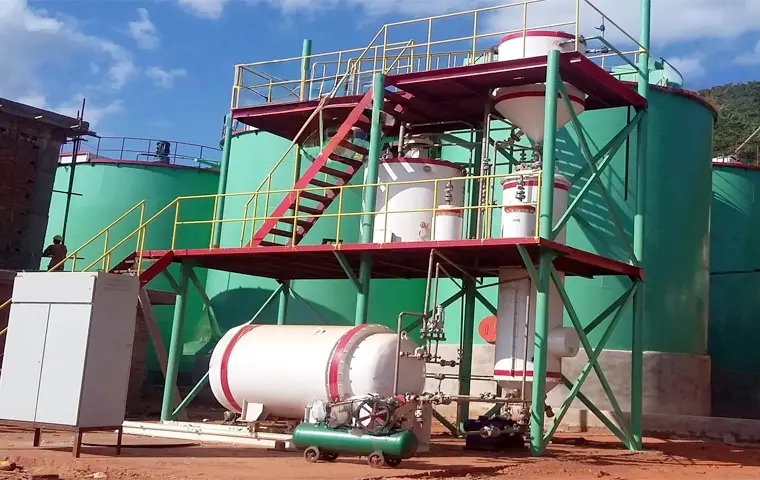
مواد خام: طلاهای رسوبی همراه با مغناطیس و هماتیت (معدن تیپیکال سیرا مادره)
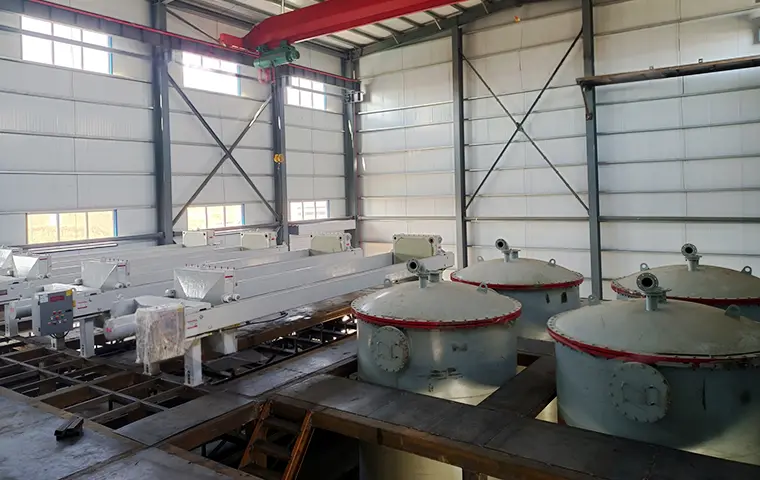
معدن خام: سنگ معدن نقره-پولیمتالی سولفیدی (دارای Ag، Pb، Zn) خلوص نقره: ۱۸۰ گرم در تن خلوص سرب: ۴.۲% خلوص روی: ۵.۸%
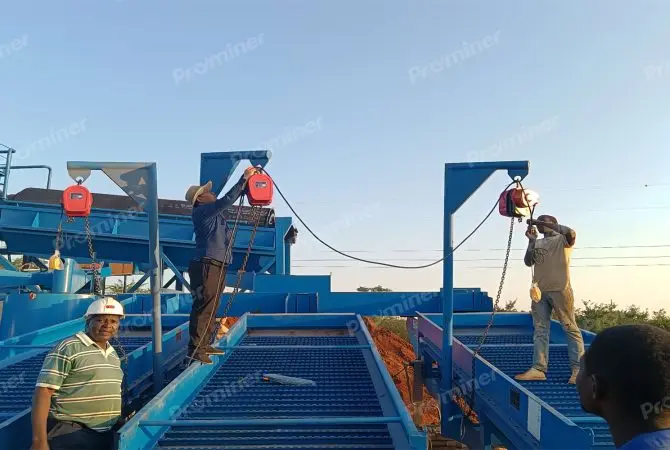
معدن خام: معدن طلا از رسوبات آبرفتی بستر رودخانه درجه طلا: 0.8 گرم در تن
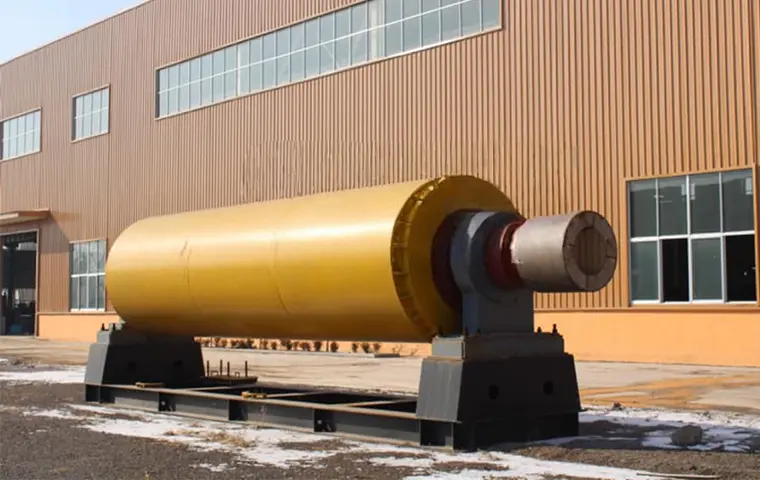
معدن خام: سنگ معدنی اکسید طلا / نمونههای معدنی سفارشی اندازه خوراک: ۱۲ میلیمتر کمتر درجه ریزش هدف: ۲۰۰ مش (۷۴ میکرومتر) D80
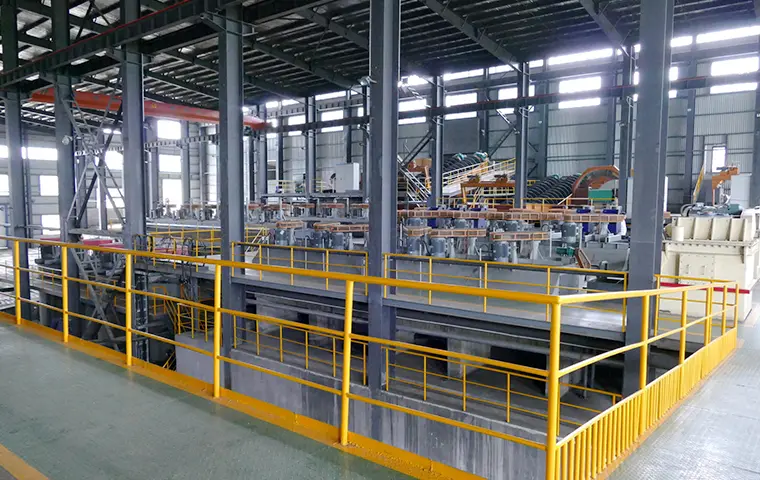
مواد اولیه: گرافیت کروی، چسب قیر، افزودنیها ظرفیت پروژه: ۵,۰۰۰ تن ماده آند؛ ۲۰ تن گرافن در سال
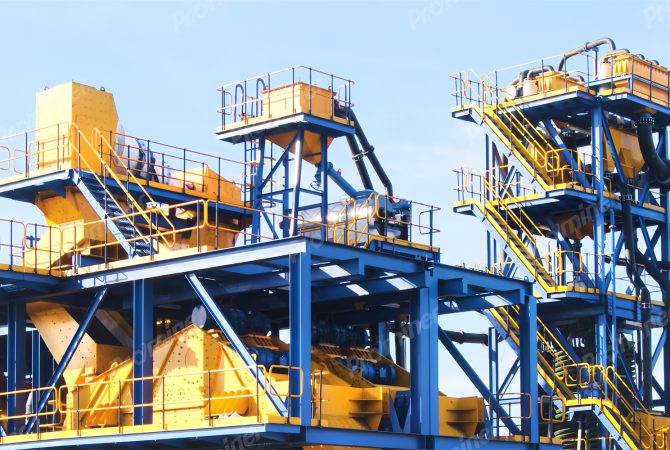
پرومینر میتواند جداکنندههای مغناطیسی LIMS (جداکننده مغناطیسی با شدت پایین) مختلفی را ارائه دهد
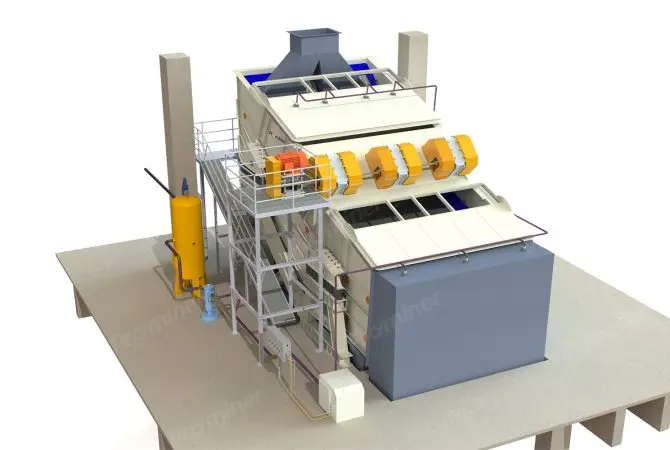
پنل صفحه نمایش فلپ-جریان به طور مداوم گسترش و انقباض مییابد تا نرخ شتاب بالایی را به دست آورد
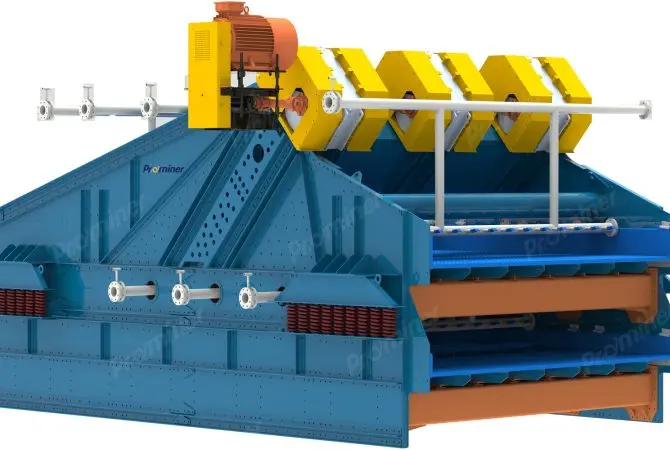
پرومینر میتواند انواع مختلفی از صفحه نمایش خطی برای درجهبندی مواد معدنی، اندازهگیری مواد و آبگیری ارائه دهد
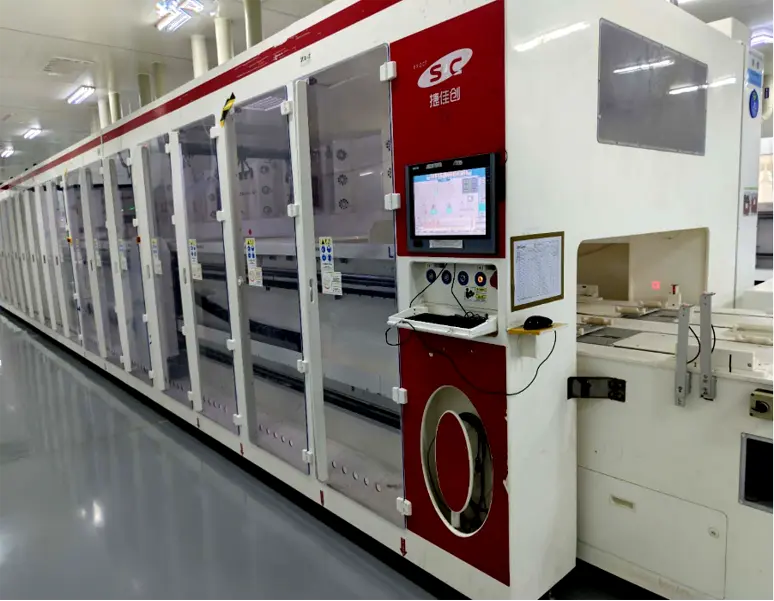
مانند: کوره نفوذ بور، حذف BSG، ماشین پولیش قلیایی، PE-POLY…
برای کسب اطلاعات بیشتر درباره محصولات و راهحلهای ما، لطفاً فرم زیر را تکمیل کنید و یکی از کارشناسان ما به زودی با شما تماس خواهد گرفت
پروژه فلوتاسیون طلا به ظرفیت 3000 تن در روز در استان شاندونگ
فلوتاسیون سنگ معدن لیتیوم 2500TPD در سیچوان
فکس: (+86) 021-58779592
آدرس:اتاق ۶۰۶، ساختمان D3، فاز دوم، مرکز تجاری چوانشا، شماره ۷۷۷ لانگ، خیابان میوچوان، منطقه جدید پودونگ، شانگهای، چین
حق نشر © 2023.شرکت فناوری معدن پرومینر (شانگهای) با مسئولیت محدود