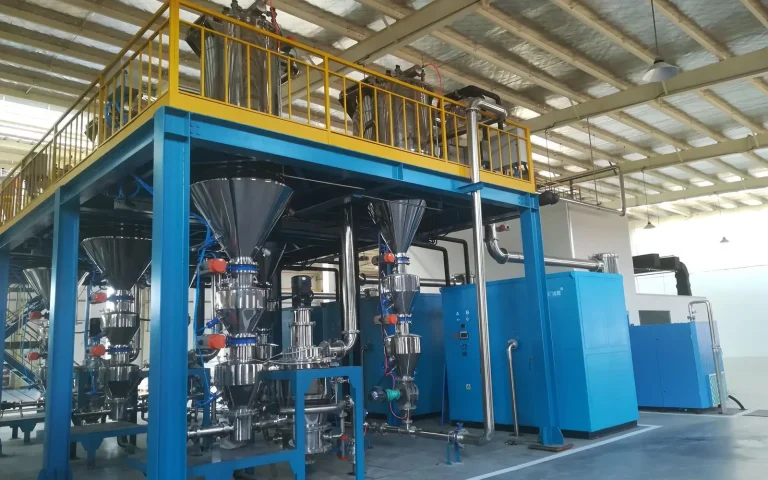
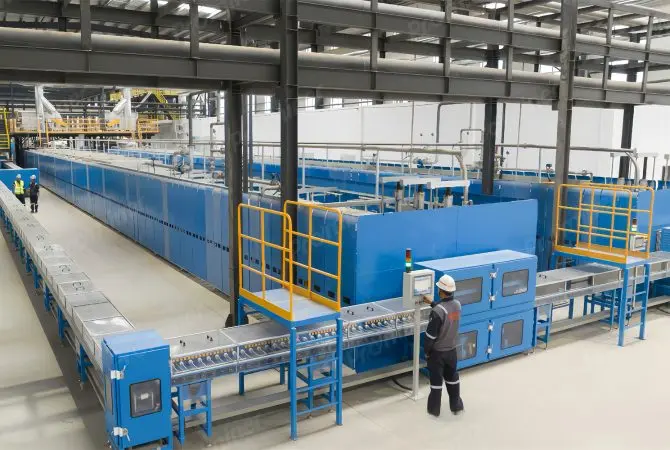
فرآیند CIL طلا (کربن در لیشینگ) یک روش بسیار محبوب برای فرآوری سنگ معدن طلا با درجه بالا است




Sulfide gold ores are among the most important sources of gold worldwide. However, gold in sulfide ores is often finely disseminated within sulfide minerals such as pyrite, arsenopyrite, and chalcopyrite, making extraction more complex than for free-milling ores. Developing a scientific and efficient beneficiation process is essential to maximize gold recovery, reduce costs, and minimize environmental impact.
Below is a systematic guide to developing a scientific process for sulfide gold ore beneficiation.
The foundation of any scientific beneficiation process is a thorough understanding of the ore.
Key analyses include:
Techniques such as X-ray diffraction (XRD), scanning electron microscopy (SEM), fire assay, and automated mineralogy systems (e.g., MLA) help determine how gold is locked within sulfides. This data directly influences process selection.
Based on ore characteristics, select a suitable beneficiation route. Sulfide gold ores typically require a combination of processes rather than a single method.
Common strategies include:
For refractory sulfide ores, pre-treatment methods such as roasting, pressure oxidation (POX), or bio-oxidation are often necessary to liberate encapsulated gold before cyanide leaching.
Proper comminution is critical for liberating gold-bearing sulfide minerals.
Key considerations:
Energy efficiency and cost control should be considered when selecting crushers, ball mills, or SAG mills.
Flotation is the most commonly used method to recover sulfide minerals containing gold.
Important parameters to optimize:
Test work should include roughing, scavenging, and cleaning stages to determine the best recovery-grade balance. Reagent schemes must be tailored to the specific sulfide minerals present.
When gold is finely locked within sulfide minerals, pre-treatment is required to break down the sulfide matrix.
Common pre-treatment methods:
The choice depends on ore type, capital investment, environmental regulations, and operating cost considerations.
After concentration or pre-treatment, gold is typically recovered by:
Key variables include cyanide concentration, dissolved oxygen levels, pulp pH, and leaching time. Laboratory leaching tests help determine optimal conditions.
A scientific process must be validated through systematic testing:
Pilot testing reduces technical risk and ensures the process performs consistently under continuous operation.
A sustainable beneficiation process must balance recovery with environmental responsibility.
Key factors:
Economic evaluation should include capital expenditure (CAPEX), operating expenditure (OPEX), and projected gold recovery improvements.
Once the plant is operational, ongoing monitoring and optimization are essential.
Continuous improvement ensures stable production and maximized profitability.
Developing a scientific process for sulfide gold ore beneficiation requires a structured, data-driven approach. From detailed ore characterization to pilot testing and process optimization, each stage must be carefully designed and validated. By combining appropriate crushing, flotation, pre-treatment, and gold extraction methods, mining operations can achieve high recovery rates while maintaining economic viability and environmental compliance.
A well-designed beneficiation process is not only a technical solution—it is the foundation of sustainable and profitable gold production.
الف: برای منابع گرافیت، یک راهحل کامل باید شامل فرآیند شناور سازی گرافیت طبیعی و فرآوری عمیق باشد. سیستم آسیاب گلولهای و هیدرو سیکلون بهعنوان مرحله پایه آسیاب کردن عمل میکنند. برای تولید مواد آند پیشرفته، آسیاب شکلدهی برای بهبود دانسیته تپ و کاهش سطح ویژه ضروری است. علاوه بر این، سیستم پوششدهی Prominer، که ترکیبی از عملکردهای پوششدهی و گرانولسازی است، یک مرحله کلیدی در فرآوری مواد آند پر سود است.
الف: انتخاب فرآیند کاملاً بستگی به ویژگیهای سنگ معدن دارد. فرآیند طلای CIL/CIP یک روش بسیار محبوب و مؤثر برای فرآوری سنگ معدن طلای اکسید با عیار بالا است. برای بسیاری از پروژههای دیگر طلا، فلوکسیشن همچنان رایجترین روش فرآوری است. برای مالکان که به دنبال صرفهجویی در سرمایهگذاری در مرحله اولیه هستند، عملیات حلگیری در مخزن یا حوضچههای فرآوری گزینههای انعطافپذیر و اقتصادی محسوب میشوند. ما پیشنهاد میکنیم با آزمایشهای آزمایشگاهی و پایلوت شروع کنید تا جریان فرآیند علمی و بهینهترین روش را تعیین کنید.
الف: جداسازی مغناطیسی برای ارتقاء مواد معدنی حیاتی است. ما جداسازهای مغناطیسی HIMS (با شدت بالا) و LIMS (با شدت کم) را برای برآورده کردن خواص مغناطیسی مختلف مواد معدنی فراهم میکنیم. در طراحی بهینه کارخانه، این فناوری با یک سیستم خردایش با کارایی بالا—استفاده از سنگشکنهای مخروطی هیدرولیکی تکسیلندر یا چندسیلندر—و یک سیستم آسیاب تلفیق میشود. این امر تضمین میکند که سنگهای زائد در اوایل جدا شوند، که به طور قابل توجهی بهرهوری را افزایش داده و در مصرف انرژی صرفهجویی میکند.
A: Designing a successful plant requires a comprehensive EPC (Engineering, Procurement, and Construction) service. Key considerations include engineering design (site surveys, sampling guidance, and PFD drawings) and equipment customization to ensure machinery matches the specific ore characteristics. For example, Prominer can customize linear screens up to 5.1m in width for large-scale grading and dewatering. Finally, professional on-site services, including civil work supervision and commissioning, are vital for long-term stable operation.
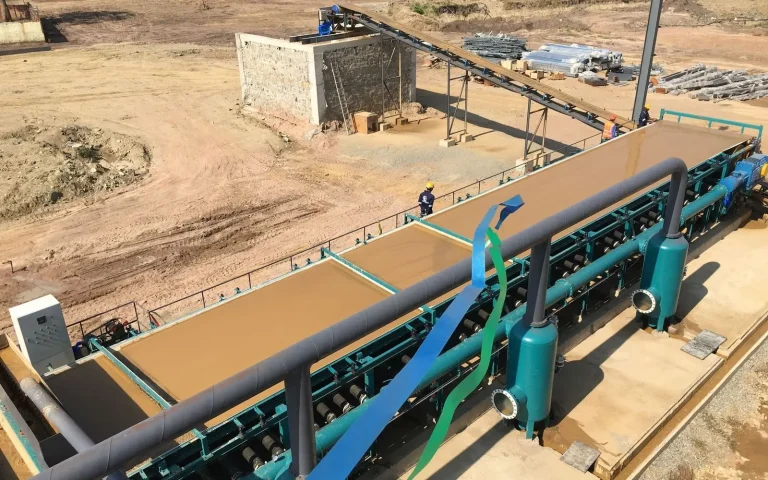
فرآیند CIL طلا (کربن در لیشینگ) یک روش بسیار محبوب برای فرآوری سنگ معدن طلا با درجه بالا است
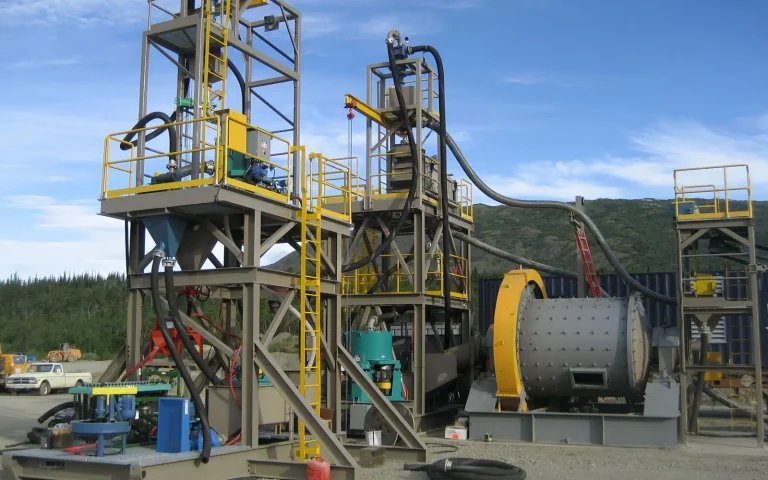
معروفترین سنگ معدنهای خارج زاد، طلا در رسوبات است که به طلا پلاسر نیز معروف است. طلا در رسوبات به کانیهایی اطلاق میشود که

سنگ معدن خام: سنگ معدن هاوسمانیت (Mn₃O₄) عیار Mn: 35% محصول نهایی: کنسانتره هاوسمانیت نرخ بازیابی Mn: 88%
مکان: تانزانیا، آفریقا و کالیمانتان مرکزی، اندونزی نوع کانه: کانه سولفید با عیار پایین (۱.۲ تا ۱.۸ گرم در تن طلا)
سنگ معدن خام: معدن طلای نوع سولفیدی درجه طلا: 3.5 گرم در تن محصول نهایی: قلم طلا نرخ بازیابی طلا: 96%
مواد تغذیه: ذخایر تاریخی باطلههای طلا درجه طلا در باطلهها: ۱.۵ گرم در تن نرخ بازیابی هدف طلا: ۸۸٪
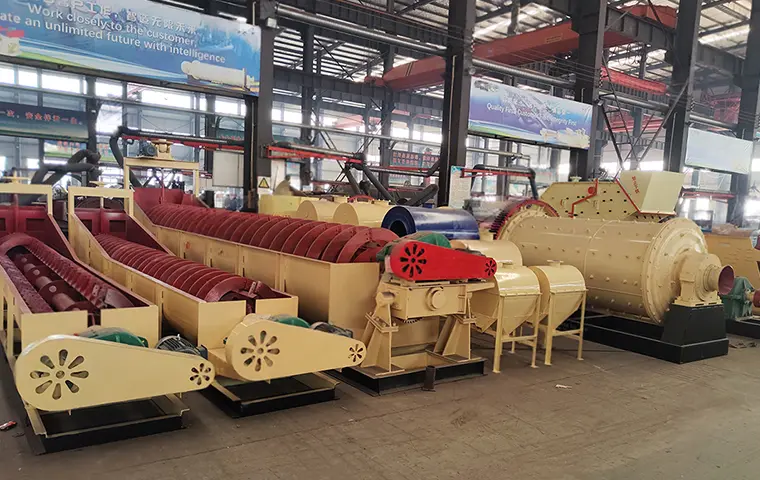
ماده معدنی خام: سنگ معدن طلا آبرفتی و سنگ معدن طلا اولیه سخت (قابلیت خوراک مختلط) درجه طلای خوراک: ۱.۲ – ۳.۵ گرم در تن (متغیر)
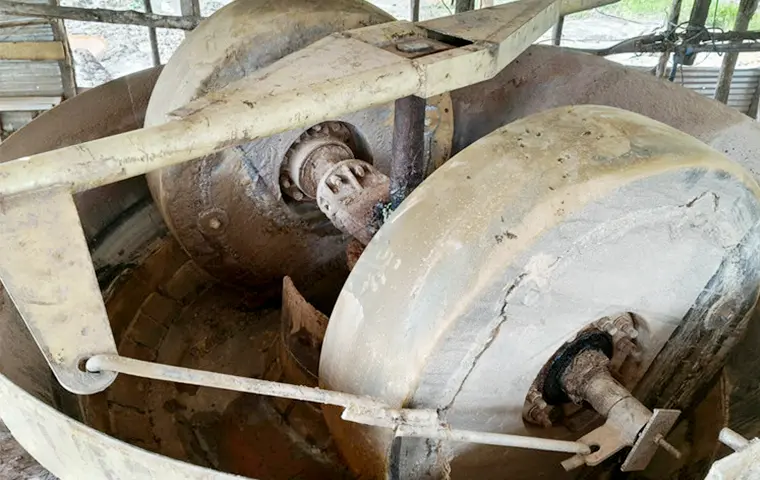
معدن خام: سنگ معدن طلا آبرفتی / سنگ معدن طلا رگی پس از خرد کردن درجه خلوص طلا: ۱.۵ – ۲.۵ گرم در تن خالصی شمش طلا: ≥ ۹۰%
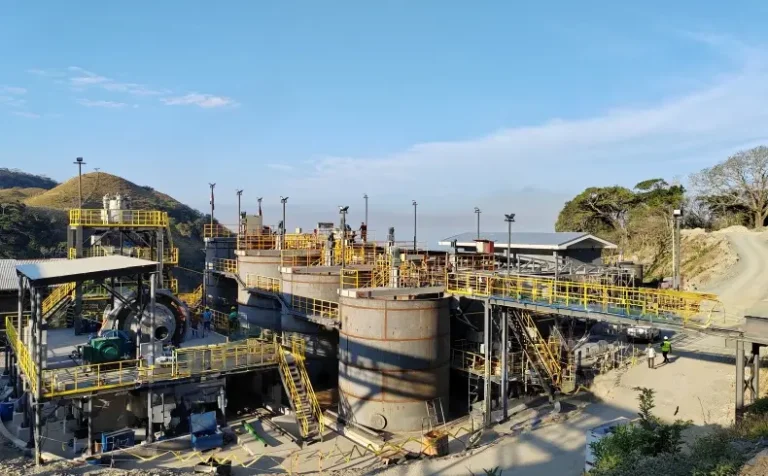
مواد اولیه: سنگ معدن طلا سولفیدی- مقاوم (۲۵% سولفید) درجهی طلا: ۲.۸-۴.۱ گرم در تن محصول نهایی: شمش طلا ۹۹.۹۹%
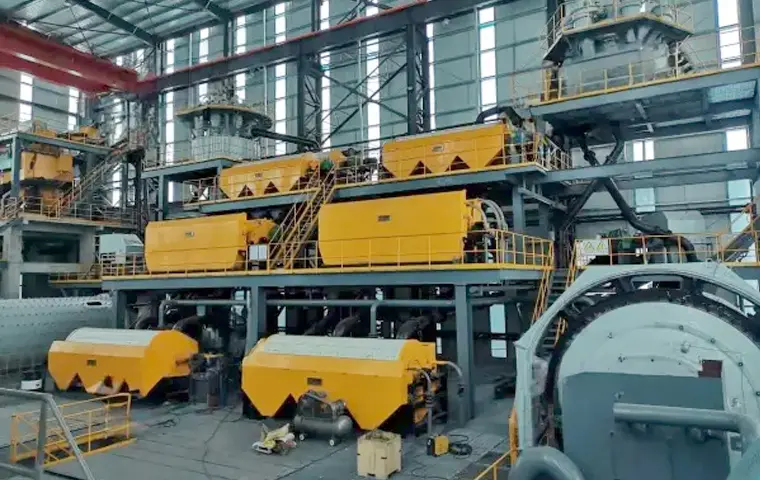
مواد اولیه: سنگ معدن آهن مغناطیسی با رگههای هماتیت درجهی آهن: ۲۸-۳۲% محصول نهایی: کنسانترهی آهن با درجه بالا
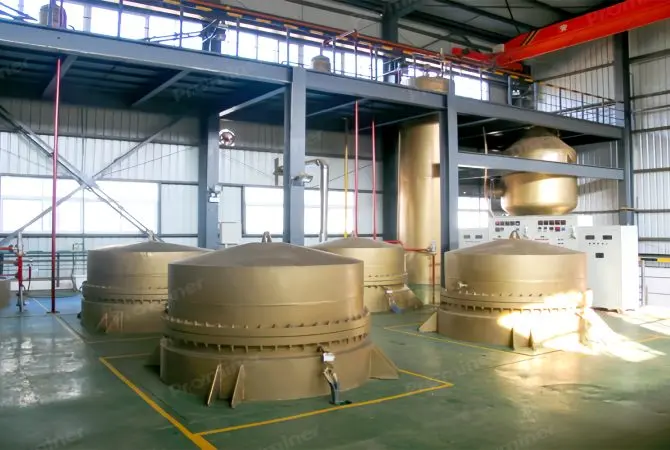
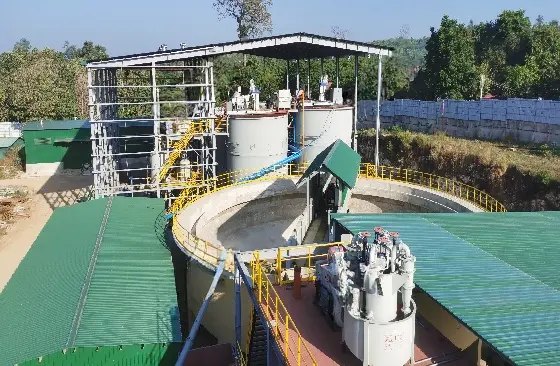
پرومینر میتواند طراحی و سیستم کامل تصفیهخانه و ذوب برای پروژه CIL طلا را ارائه دهد
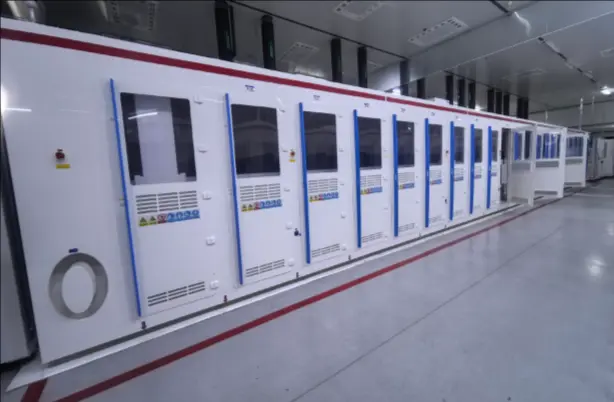
شامل: تجهیزات بافتدهی تک بلوری دسته ای، بارگیر/باربند بافتدهی دسته ای، فشار پایین…
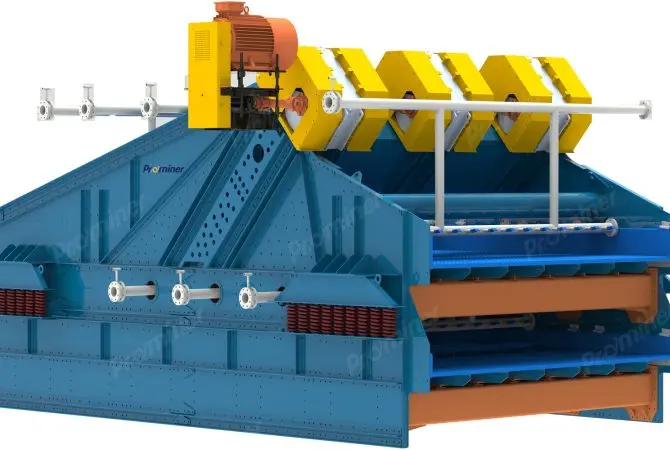
پرومینر میتواند انواع مختلفی از صفحه نمایش خطی برای درجهبندی مواد معدنی، اندازهگیری مواد و آبگیری ارائه دهد
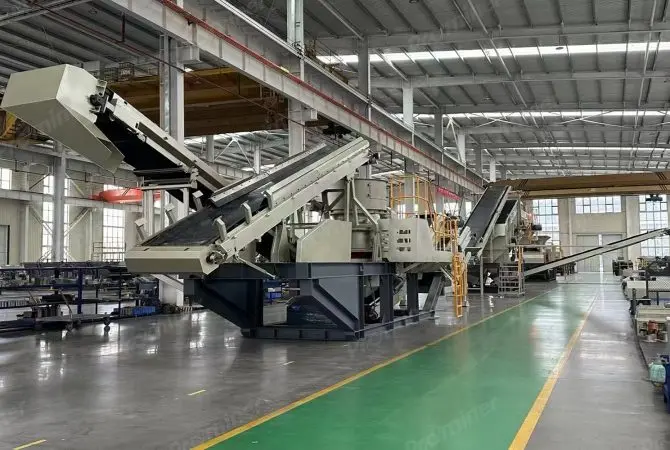
سنگ شکن قابل حمل نصبشده بر روی شاسی، بر اساس نیازهای بازار برای جابجایی آسانتر از یک محل به محل دیگر
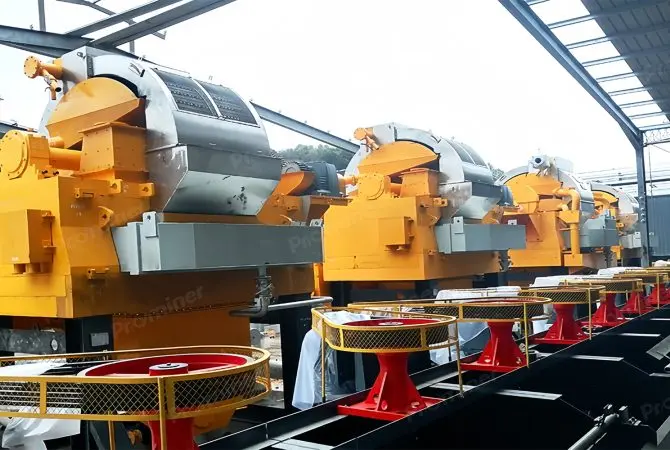
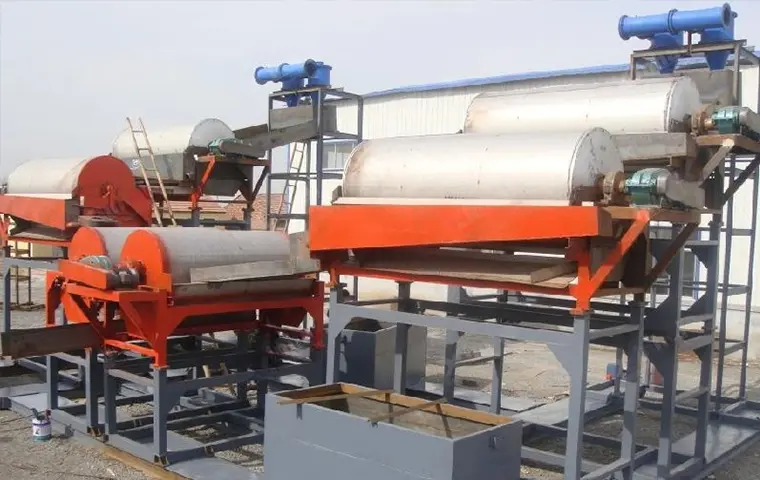
پرومینر میتواند فیلترهای مغناطیسی HIMS (فیلتر مغناطیسی با شدت بالا) مختلفی را ارائه دهد
برای کسب اطلاعات بیشتر درباره محصولات و راهحلهای ما، لطفاً فرم زیر را تکمیل کنید و یکی از کارشناسان ما به زودی با شما تماس خواهد گرفت
پروژه فلوتاسیون طلا به ظرفیت 3000 تن در روز در استان شاندونگ
فلوتاسیون سنگ معدن لیتیوم 2500TPD در سیچوان
فکس: (+86) 021-58779592
آدرس:اتاق ۶۰۶، ساختمان D3، فاز دوم، مرکز تجاری چوانشا، شماره ۷۷۷ لانگ، خیابان میوچوان، منطقه جدید پودونگ، شانگهای، چین
حق نشر © 2023.شرکت فناوری معدن پرومینر (شانگهای) با مسئولیت محدود