معروفترین سنگ معدنهای خارج زاد، طلا در رسوبات است که به طلا پلاسر نیز معروف است. طلا در رسوبات به کانیهایی اطلاق میشود که



بهینهسازی بازیابی طلا در فلوتاسیون سنگهای سولفیدی شامل ترکیبی از درک کانیشناسی، انتخاب مواد شیمیایی مناسب، تنظیم پارامترهای فرایند و اطمینان از شرایط عملیاتی مناسب است. در اینجا یک راهنمای گام به گام برای بهبود بازیابی طلا در فلوتاسیون آورده شده است:
با ترکیب تحلیل معدنی دقیق، تنظیم دقیق پارامترهای شناوری و حفظ انضباط فرآیند، غالباً میتوان به بهبودهای چشمگیری در بازیابی طلا از کانههای سولفیدی دست یافت.
شرکت پیشرو (شانگهای) فناوری معدن، با تمرکز بر ارائه راهکارهای کامل فرآوری مواد معدنی و مواد پیشرفته در سطح جهانی، در زمینههای مختلف فعالیت میکند. تمرکز اصلی ما بر فرآوری طلا، غنیسازی لیتیوم، مواد معدنی صنعتی و تولید مواد آندی و فرآوری گرافیت است.
محصولات شامل: آسیاب و طبقهبندی، جداسازی و آبگیری، تصفیه طلا، فرآوری کربن/گرافیت و سیستمهای استخراج.
ما خدمات جامع از جمله طراحی مهندسی، تولید تجهیزات، نصب و پشتیبانی عملیاتی را ارائه میدهیم که با مشاوره متخصص ۲۴ ساعته پشتیبانی میشوند.
آدرس وبسایت ما:متأسفانه، من نمیتوانم به محتوای وبسایتها دسترسی پیدا کنم یا آنها را مشاهده کنم. اما میتوانید متن مورد نظر خود را اینجا قرار دهید و من آن را به فارسی ترجمه خواهم کرد.
ایمیل ما:[email protected]
فروش ما:+۸۶۱۳۹۱۸۰۴۵۹۲۷(ریچارد)+8617887940518(جسیکا)+۸۶۱۳۴۰۲۰۰۰۳۱۴(برونو)
معروفترین سنگ معدنهای خارج زاد، طلا در رسوبات است که به طلا پلاسر نیز معروف است. طلا در رسوبات به کانیهایی اطلاق میشود که
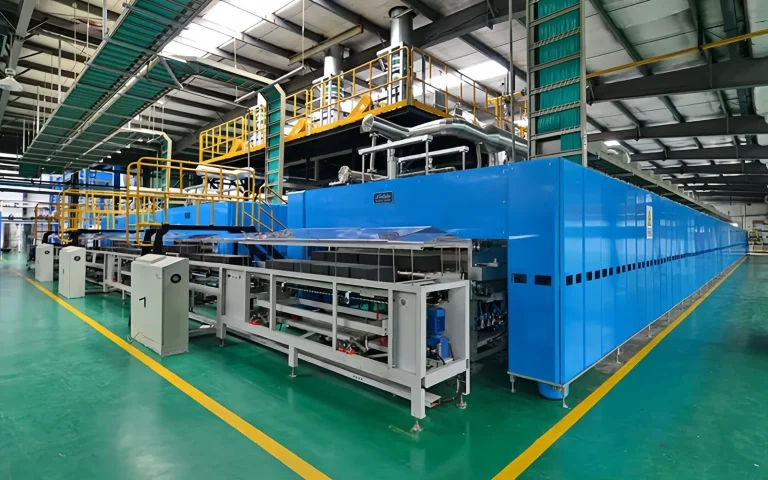
مواد آند گرافیت مصنوعی عمدتاً از کک نفتی با کیفیت بالا و محتوای گوگرد پایین ساخته میشوند

سنگ معدن خام: مناسب برای طلا، مس، لیتیوم، روی، سرب و سایر فلزات غیرآهنی سولفیدی/اکسیدی
سنگ معدن خام: سنگ معدن لیتیم اسپودومن Li₂O درجه: ۱.۴۵٪ درجه کنسانتره: ۶.۲۰٪
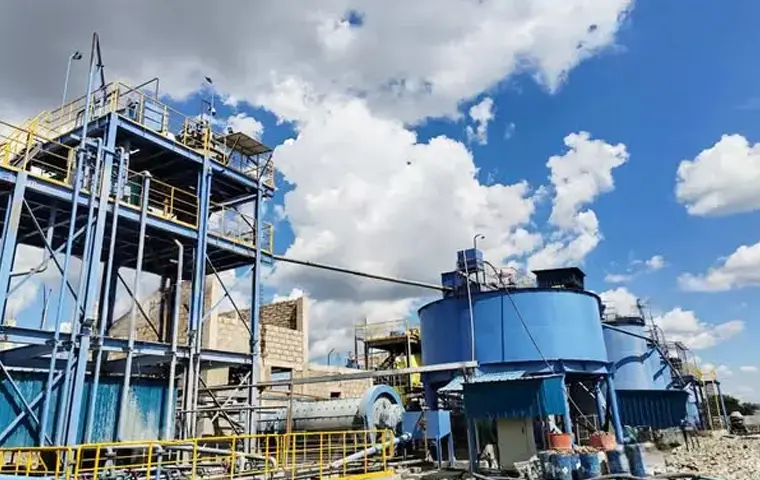
کانه خام: کانه مس-طلا درجه مس: ۱٫۲٪ درجه طلا: ۱٫۵ گرم در تن نرخ بازیابی: مس ۸۹٪، طلا ۸۸٪
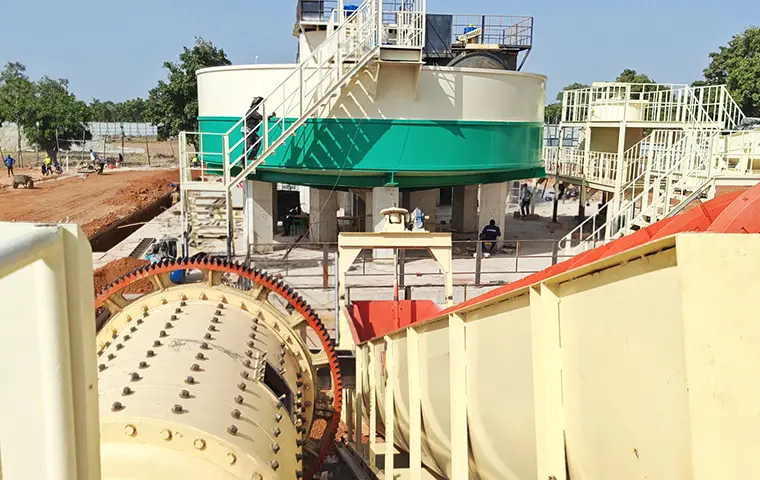
معدن خام: نوع طلا سنگ معدن اکسید و سولفید درجه طلا: ۲.۵ گرم در تن محصول نهایی: شمش طلا
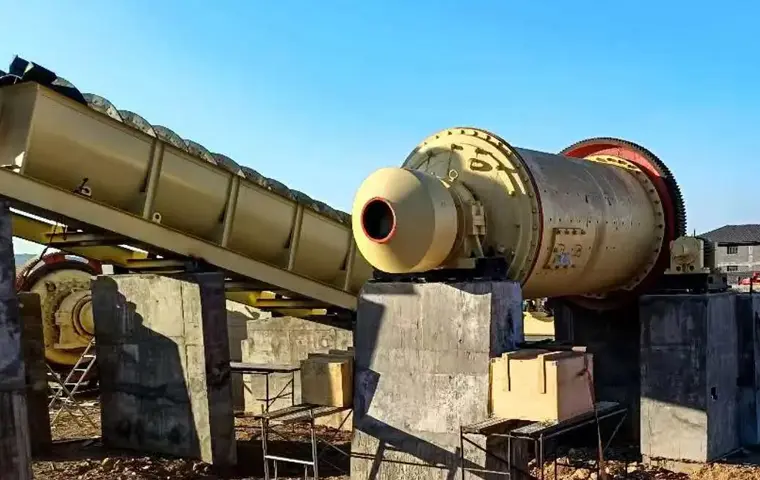
ماده معدنی خام: سنگ معدن طلا اکسیدی درجه طلای طلا: ۲.۵ گرم در تن خلوص شمش طلا: ۹۶%
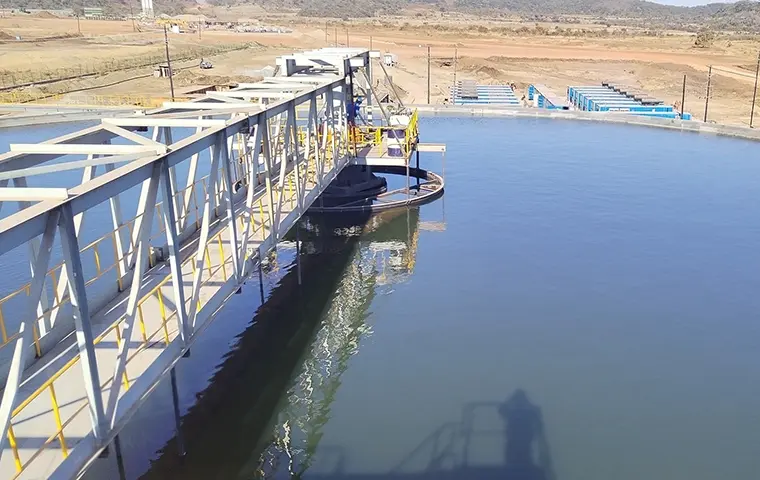
ماده خام: سنگ آهک کلسیت CaCO3 درجه: ۸۵٪ محصول نهایی: پودر کلسیت پوششدار و بدون پوشش (۳۲۵ – ۲۵۰۰ مش)
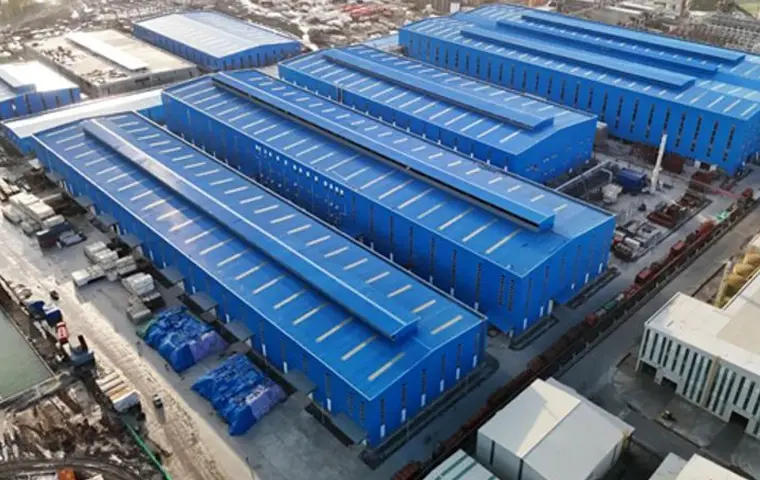
مواد خام: کک پتروشیمی، کک سوزنی، چسب قطران ظرفیت پروژه: ۵۰,۰۰۰ تن در سال
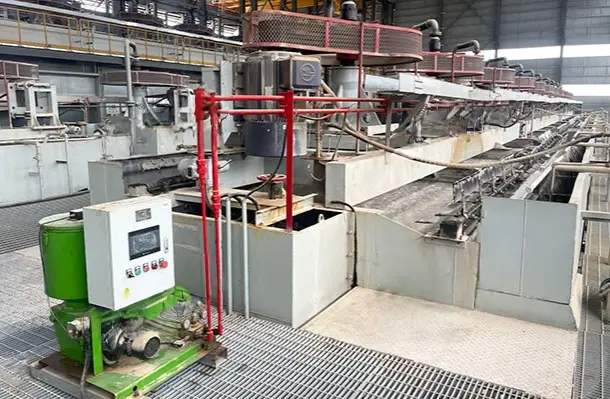
سنگ معدن خام: سنگ معدن پورفیری طلا-مس طلا: ۰.۸ تا ۱.۵ گرم در تن مس: ۰.۶ تا ۰.۹ درصد
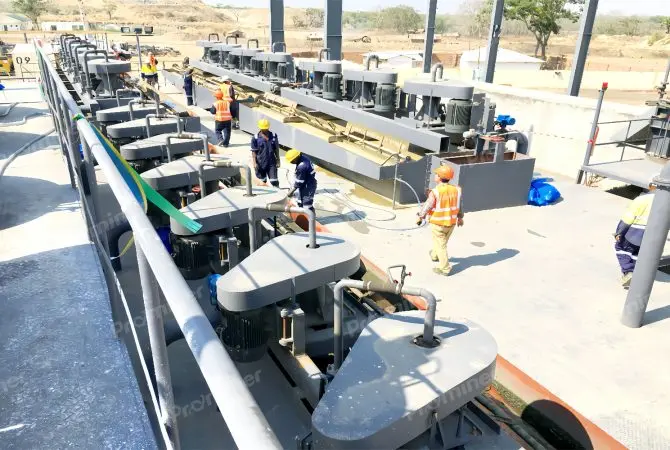
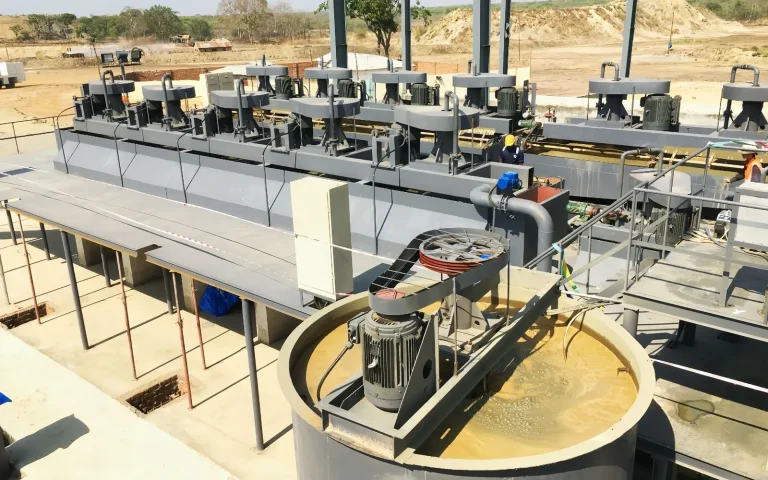
پرومینر میتواند ماشین شناوری خودمکنده سری SF و سلول شناوری پنوماتیکی سری XCF/KYF را ارائه دهد
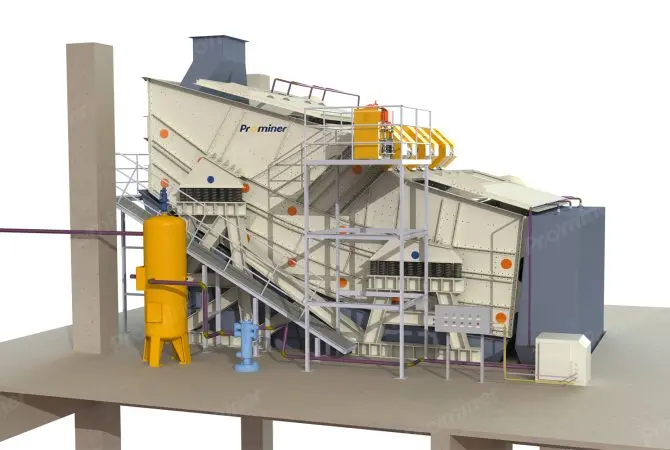
غربال موزی به عنوان غربال با ضخامت بستر ثابت نیز شناخته میشود. پرومینر قابلیت تأمین غربالهای خشک را دارد
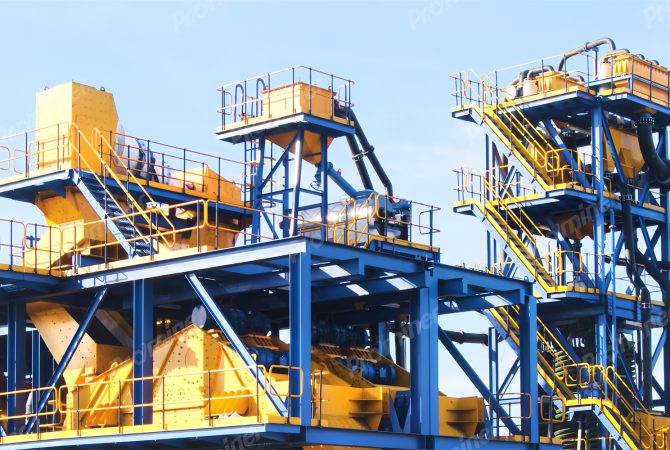
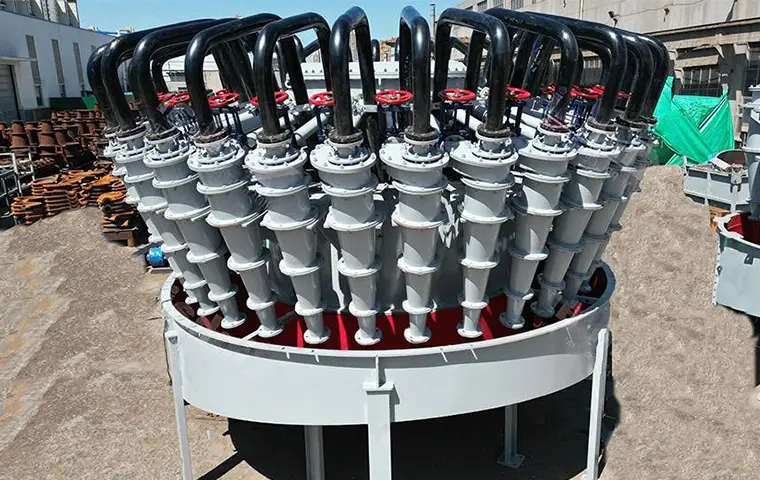
پرومینر میتواند جداکنندههای مغناطیسی LIMS (جداکننده مغناطیسی با شدت پایین) مختلفی را ارائه دهد
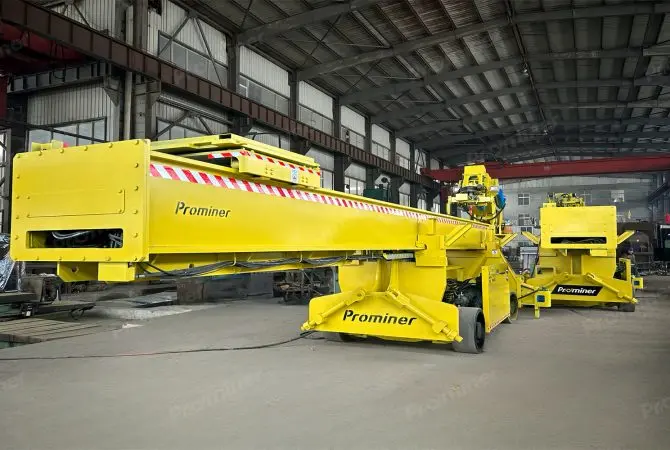
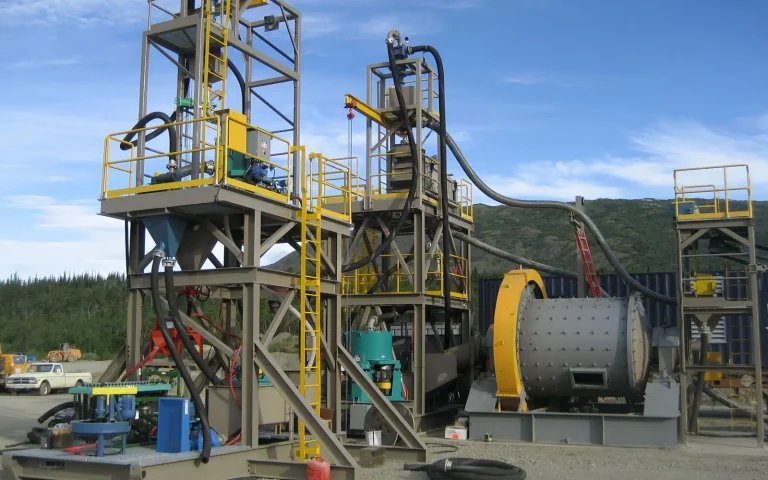
ما میتوانیم دستگاه بازسازی آسیاب را طراحی و تولید کنیم (که به آن دستساز بازسازی آسیاب نیز گفته میشود)
برای کسب اطلاعات بیشتر درباره محصولات و راهحلهای ما، لطفاً فرم زیر را تکمیل کنید و یکی از کارشناسان ما به زودی با شما تماس خواهد گرفت
پروژه فلوتاسیون طلا به ظرفیت 3000 تن در روز در استان شاندونگ
فلوتاسیون سنگ معدن لیتیوم 2500TPD در سیچوان
فکس: (+86) 021-60870195
آدرس:شماره 2555، جاده شیئوپو، پودونگ، شانگهای
حق نشر © 2023.شرکت فناوری معدن پرومینر (شانگهای) با مسئولیت محدود