معروفترین سنگ معدنهای خارج زاد، طلا در رسوبات است که به طلا پلاسر نیز معروف است. طلا در رسوبات به کانیهایی اطلاق میشود که




Selecting the most profitable technology for processing different types of gold ores is a complex decision that requires thorough evaluation of geological, metallurgical, environmental, and economic factors. The profitability of gold extraction and processing technologies depends on the ore type, mineralogy, grade, infrastructure, and market dynamics. Here are some steps to guide this selection process:
The most profitable technology for gold ore processing depends on an integrated assessment of ore type, recovery rates, costs, and market conditions. Collaborate with experienced metallurgists, geologists, engineers, and environmental experts to make an informed decision. Ultimately, piloting and testing are essential before committing to full-scale implementation.
ویژگیهای معدنی حتی در داخل همان بدنه ماده معدنی به طور قابل توجهی متفاوت است. یک تست حرفهای (مانند آنالیز شیمیایی، XRD و SEM) اطمینان حاصل میکند که جدول کار بهینهسازی شده برای درجه ماده معدنی و اندازه آزادسازی خاص شما است. این از ناهماهنگیهای پرهزینه تجهیزات جلوگیری میکند و بالاترین نرخهای بازیابی ممکن را برای پروژه شما تضمین میکند.
ما یک موجودی دائمی از قطعات یدکی اصلی (مانند لایههای سنگشکن، مشهای الک و رسانههای سنگزنی) را نگهداری میکنیم. برای مشتریان بینالمللی، یک "فهرست قطعات یدکی ۲ ساله" پیشنهادی با خرید اولیه ارائه میدهیم. پشتیبانی فنی بهصورت ۲۴ ساعته و ۷ روز هفته از طریق ویدیوهای از راه دور در دسترس است و بازدیدهای حضوری برای نیازهای پیچیده نگهداری قابل ترتیبدهی است.
الف: بله. ما یک تیم از مهندسان ارشد مکانیک و برق را به محل ارسال میکنیم تا نصب، راهاندازی و آزمایش بار تجهیزات را نظارت کنند. همچنین آموزش جامع در محل برای اپراتورهای محلی شما فراهم میکنیم تا از عملکرد روان و بلندمدت اطمینان حاصل شود.
A: کاملاً. ما در ارائه خدمات EPCM (مهندسی، تأمین، مدیریت ساخت) تخصص داریم. این شامل همه چیز از آزمایش اولیه ore و طراحی معدن تا تولید تجهیزات، لجستیک و یکپارچگی کامل کارخانه است و اطمینان حاصل میکند که انتقال از زمین سبز به تولید بهطور یکپارچه انجام میشود.
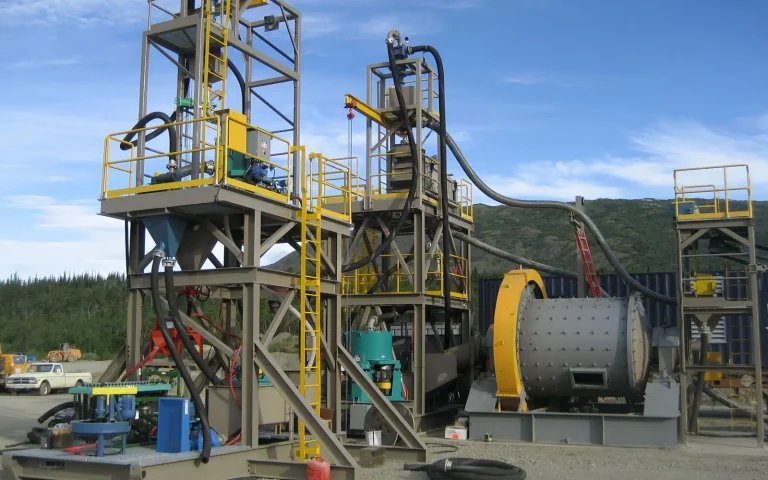
معروفترین سنگ معدنهای خارج زاد، طلا در رسوبات است که به طلا پلاسر نیز معروف است. طلا در رسوبات به کانیهایی اطلاق میشود که
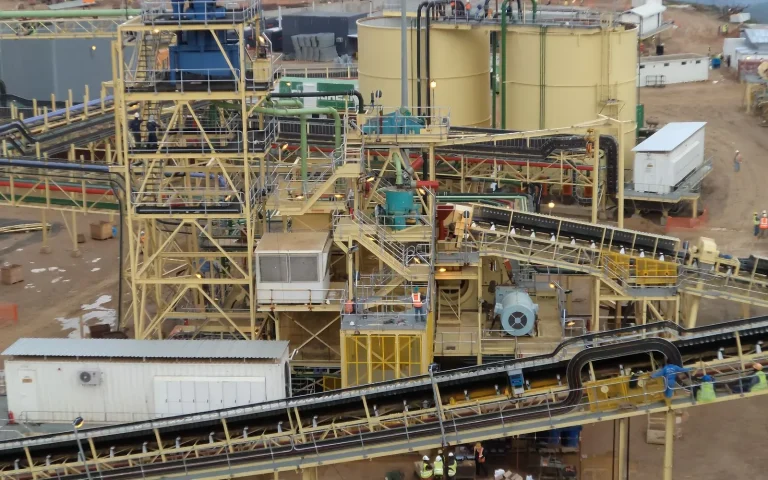
ارائه تجهیزات مهم در فرآیند پردازش سنگ معدن طلا، مانند سیستم CIL/CIP، سلول شناوری...

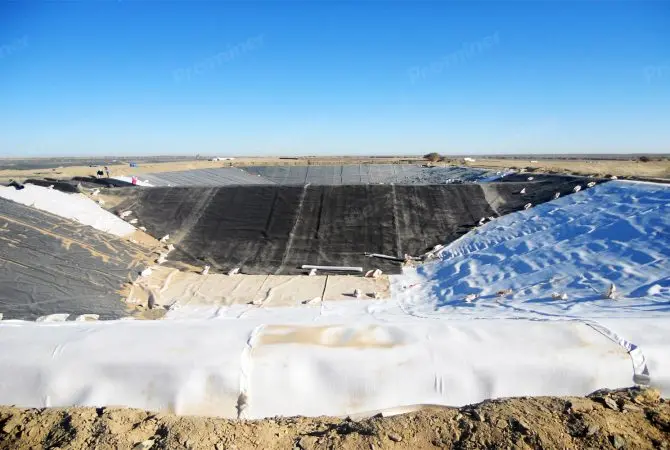
سنگ معدنی خام: نوع اکسیدی طلا عیار طلا: ۱.۸ گرم در تن
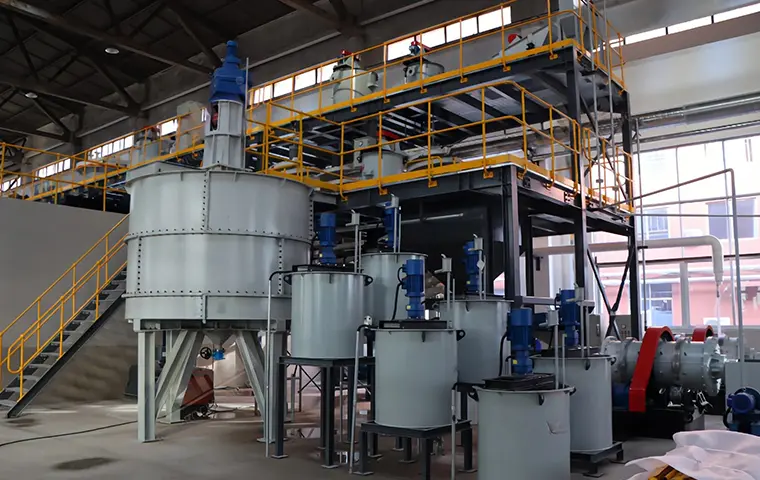
زمینه پروژه: گسترش و ارتقاء فناوری یک کارخانه شناوری موجود
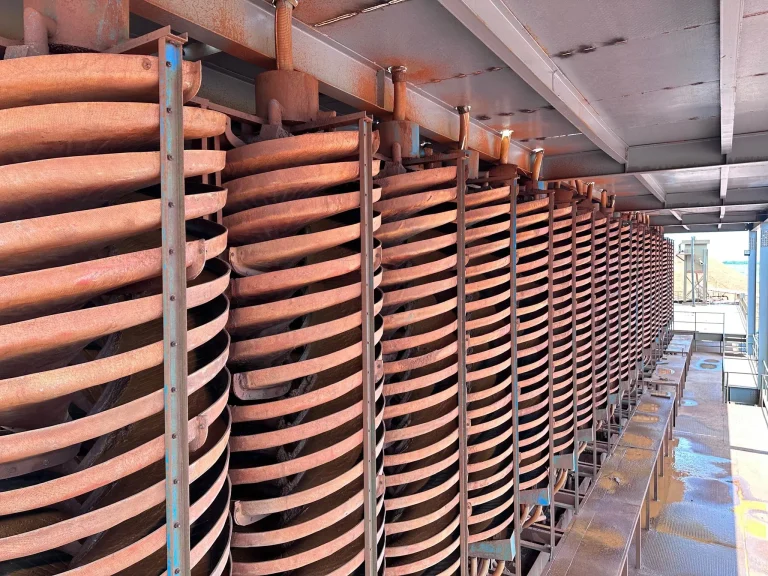
معدن سنگ خام: سنگ معدن تیتانیوم زیریکونیوم ساحل شن TiO₂ درجه: ۴.۵% ZrO₂ درجه: ۳.۲%
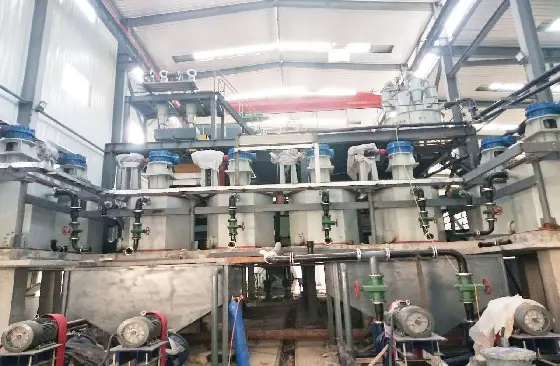
مواد اولیه: سنگ کوارتزیت (SiO₂: ۹۷.۸%) درجه خورشیدی: SiO₂≥۹۹.۹۹%، Fe₂O₃≤۱۰ppm
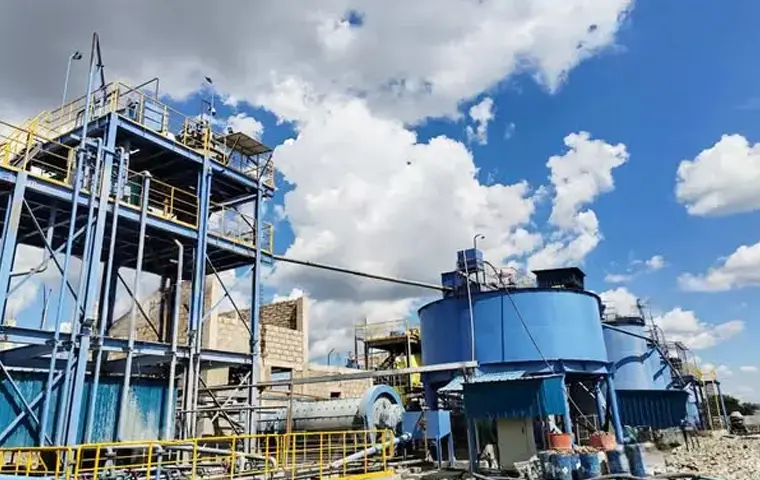
کانه خام: کانه مس-طلا درجه مس: ۱٫۲٪ درجه طلا: ۱٫۵ گرم در تن نرخ بازیابی: مس ۸۹٪، طلا ۸۸٪
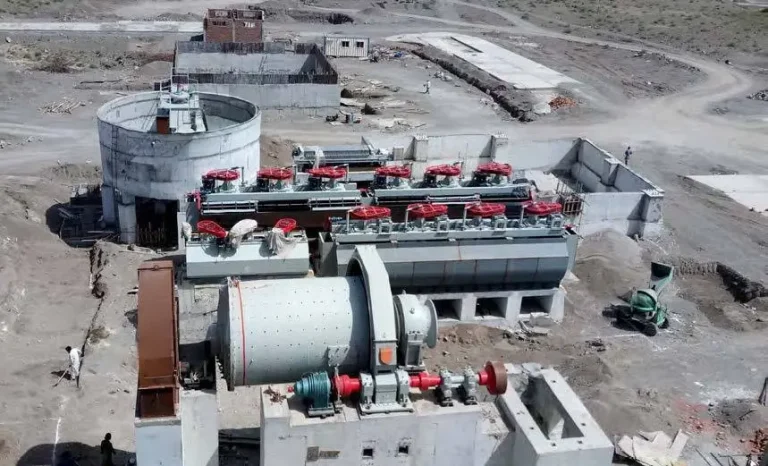
مواد اولیه: سنگ معدن اکسید-سولفید مخلوط مس (کالکوسیت/مالاکیت) درصد مس: ۱٫۲% | نقره: ۱۵ گرم در تن
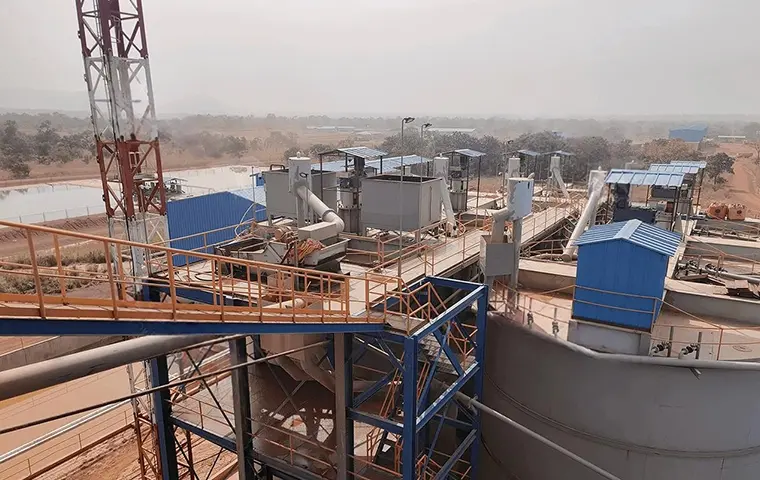
Raw Ore: Sulfide Copper Ore (with minor pyrite content) Copper Grade: 1.2% Concentrate Grade 25% Cu

Raw Material: Existing gold plant tailings (All-slime) Gold Grade in Tailings: 1.2 g/t Final Product: Gold Ingot
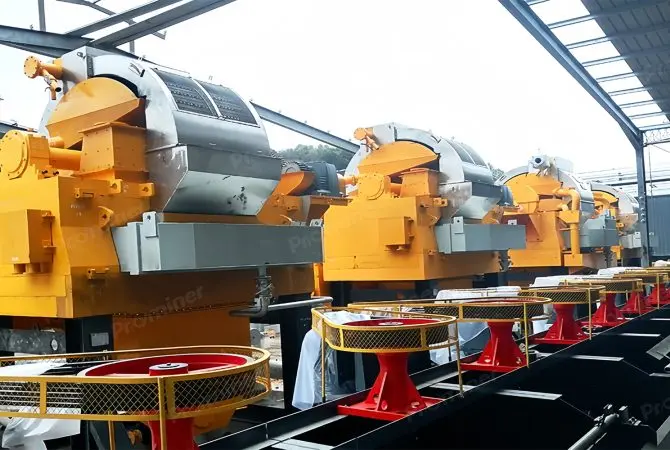
پرومینر میتواند فیلترهای مغناطیسی HIMS (فیلتر مغناطیسی با شدت بالا) مختلفی را ارائه دهد
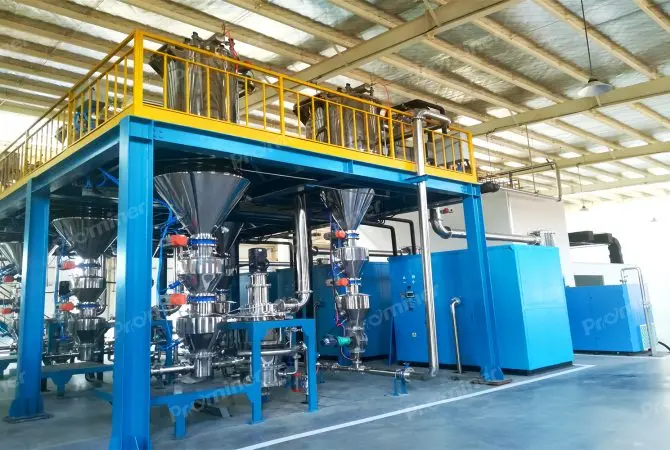
جت میل که به میل جت بستر سیال نیز شناخته میشود، با استفاده از نازلهای متعدد برای ایجاد جریان هوای با سرعت صوت عمل میکند
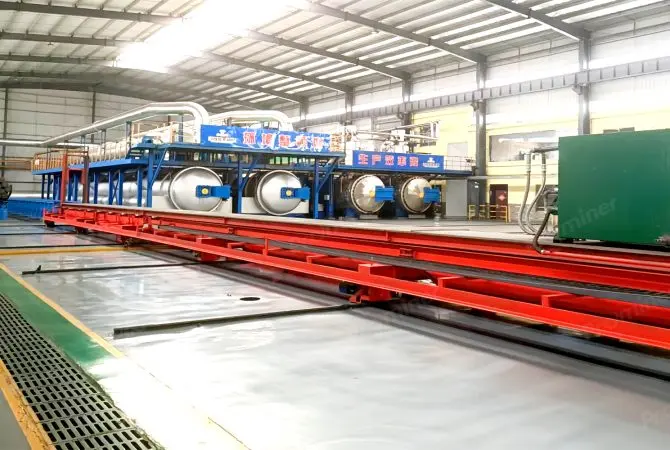
ما میتوانیم نوع فشار بالا با نفوذ گرم و خروج سرد از گرافیت یکبار پخته شده را ارائه دهیم
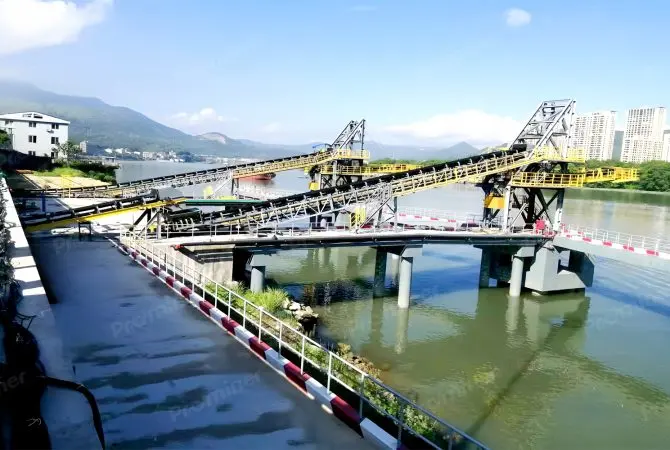
ما میتوانیم راهحل نوار نقالهها را برای اهداف مختلف ارائه دهیم که شامل نوار نقاله با شیب تند میشود
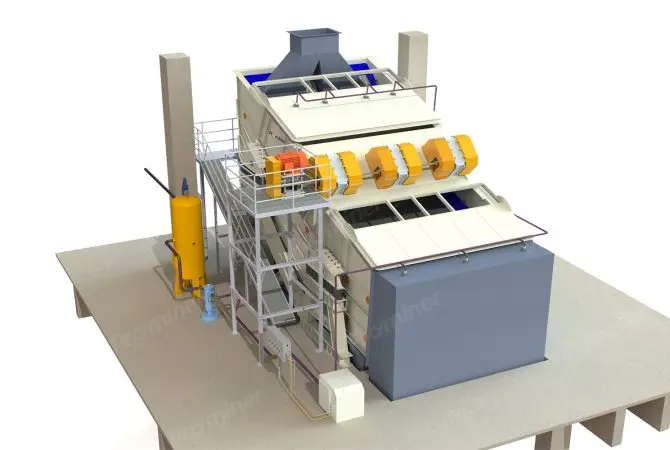
پنل صفحه نمایش فلپ-جریان به طور مداوم گسترش و انقباض مییابد تا نرخ شتاب بالایی را به دست آورد
برای کسب اطلاعات بیشتر درباره محصولات و راهحلهای ما، لطفاً فرم زیر را تکمیل کنید و یکی از کارشناسان ما به زودی با شما تماس خواهد گرفت
پروژه فلوتاسیون طلا به ظرفیت 3000 تن در روز در استان شاندونگ
فلوتاسیون سنگ معدن لیتیوم 2500TPD در سیچوان
فکس: (+86) 021-60870195
آدرس:شماره 2555، جاده شیئوپو، پودونگ، شانگهای
حق نشر © 2023.شرکت فناوری معدن پرومینر (شانگهای) با مسئولیت محدود