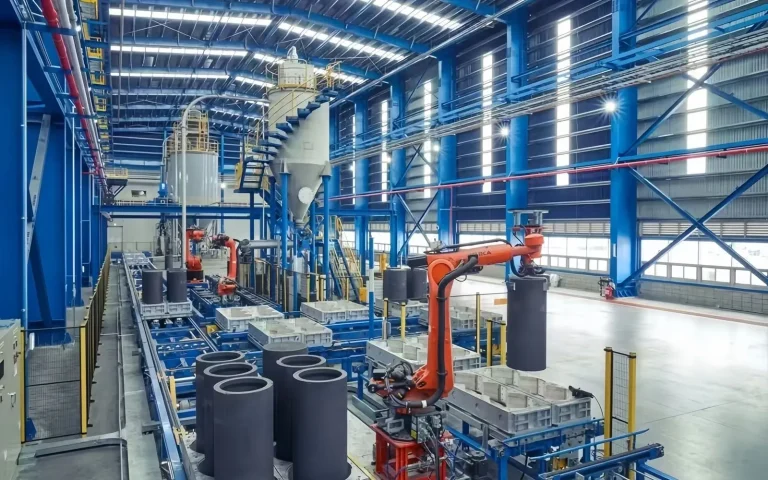
ماده آند کربن سخت، محبوبترین مواد برای تجاریسازی باتریهای سدیم-یون است


/
/
What Are Effective Methods for Quartz Processing via Flotation and Chemical Beneficiation?


Quartz is one of the most abundant minerals in the Earth’s crust and is widely used in glassmaking, ceramics, electronics, and high-purity silicon applications. However, raw quartz often contains impurities such as iron oxides, feldspar, mica, clay minerals, and heavy minerals. To meet industrial quality standards—especially for high-purity quartz—advanced processing techniques such as flotation and chemical beneficiation are employed.
Below is an overview of effective methods used in quartz purification.
The effectiveness of quartz beneficiation depends on the type and distribution of impurities. Common contaminants include:
The primary goal of processing is to increase SiO₂ content while minimizing metallic and non-metallic impurities. High-end industries, such as semiconductor and photovoltaic manufacturing, may require silica purity levels above 99.9%.
Flotation is one of the most efficient techniques for separating quartz from associated minerals based on differences in surface properties.
In this method, quartz is floated while impurities are depressed. Cationic collectors such as amines are commonly used under acidic or neutral pH conditions.
Key steps include:
This method is particularly effective when quartz is the primary valuable mineral.
Reverse flotation is widely used in quartz beneficiation. Instead of floating quartz, impurities such as feldspar and iron-bearing minerals are floated away.
Reverse flotation is often preferred for high-purity quartz production because it improves selectivity and reduces silica loss.
Iron impurities significantly affect quartz quality. Targeted flotation can remove iron-bearing minerals using:
This combination improves overall purification results.
When physical and flotation methods are insufficient to meet purity standards, chemical beneficiation is applied to remove trace contaminants.
Acid leaching is one of the most effective chemical purification techniques. It removes iron oxides and other metallic impurities from quartz surfaces and grain boundaries.
Common acids used:
Leaching is typically conducted under controlled temperature and agitation to maximize reaction efficiency.
For ultra-high purity quartz, mixed acid systems (e.g., HCl + HF) are used. This method:
Strict safety and environmental protocols are required due to the corrosive and toxic nature of these chemicals.
In some cases, alkali treatment followed by calcination helps loosen impurity phases before acid leaching. Thermal treatment can also:
This pre-treatment step increases the effectiveness of subsequent chemical purification.
The most effective quartz processing plants combine multiple techniques in a staged approach:
This integrated process maximizes silica recovery while achieving high purity levels suitable for demanding industrial applications.
Several factors affect flotation and chemical beneficiation performance:
Careful optimization of these parameters is essential to achieve both high recovery rates and superior product quality.
Effective quartz processing requires a combination of physical separation, flotation techniques, and chemical beneficiation. Flotation is highly efficient for removing feldspar, mica, and iron-bearing minerals, while acid leaching ensures the removal of trace contaminants for high-purity applications.
By integrating these methods into a well-designed process flow, producers can achieve the stringent purity standards required in modern industries such as glass manufacturing, electronics, and solar energy production.
الف: برای منابع گرافیت، یک راهحل کامل باید شامل فرآیند شناور سازی گرافیت طبیعی و فرآوری عمیق باشد. سیستم آسیاب گلولهای و هیدرو سیکلون بهعنوان مرحله پایه آسیاب کردن عمل میکنند. برای تولید مواد آند پیشرفته، آسیاب شکلدهی برای بهبود دانسیته تپ و کاهش سطح ویژه ضروری است. علاوه بر این، سیستم پوششدهی Prominer، که ترکیبی از عملکردهای پوششدهی و گرانولسازی است، یک مرحله کلیدی در فرآوری مواد آند پر سود است.
الف: انتخاب فرآیند کاملاً بستگی به ویژگیهای سنگ معدن دارد. فرآیند طلای CIL/CIP یک روش بسیار محبوب و مؤثر برای فرآوری سنگ معدن طلای اکسید با عیار بالا است. برای بسیاری از پروژههای دیگر طلا، فلوکسیشن همچنان رایجترین روش فرآوری است. برای مالکان که به دنبال صرفهجویی در سرمایهگذاری در مرحله اولیه هستند، عملیات حلگیری در مخزن یا حوضچههای فرآوری گزینههای انعطافپذیر و اقتصادی محسوب میشوند. ما پیشنهاد میکنیم با آزمایشهای آزمایشگاهی و پایلوت شروع کنید تا جریان فرآیند علمی و بهینهترین روش را تعیین کنید.
الف: جداسازی مغناطیسی برای ارتقاء مواد معدنی حیاتی است. ما جداسازهای مغناطیسی HIMS (با شدت بالا) و LIMS (با شدت کم) را برای برآورده کردن خواص مغناطیسی مختلف مواد معدنی فراهم میکنیم. در طراحی بهینه کارخانه، این فناوری با یک سیستم خردایش با کارایی بالا—استفاده از سنگشکنهای مخروطی هیدرولیکی تکسیلندر یا چندسیلندر—و یک سیستم آسیاب تلفیق میشود. این امر تضمین میکند که سنگهای زائد در اوایل جدا شوند، که به طور قابل توجهی بهرهوری را افزایش داده و در مصرف انرژی صرفهجویی میکند.
A: طراحی یک گیاه موفق نیازمند خدمات جامع EPC (مهندسی، تأمین و ساخت) است. ملاحظات کلیدی شامل طراحی مهندسی (بازرسیهای سایت، راهنمای نمونهبرداری و نقشههای PFD) و سفارشیسازی تجهیزات برای اطمینان از تطابق دستگاهها با ویژگیهای خاص سنگ معدن است. به عنوان مثال، پرومایندر میتواند صفحات خطی با عرض تا ۵.۱ متر برای طبقهبندی و آبگیری در مقیاس بزرگ را سفارشیسازی کند. در نهایت، خدمات حرفهای در محل، از جمله نظارت بر کارهای عمرانی و راهاندازی، برای عملکرد پایدار بلندمدت حیاتی است.
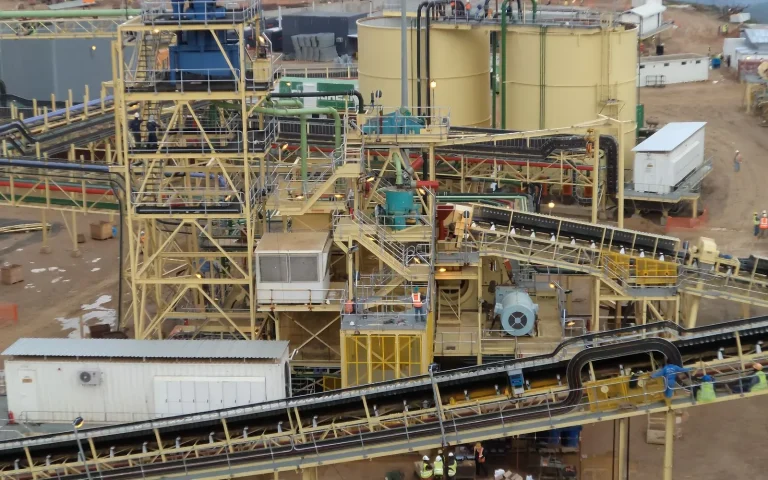
فلوتاسیون محبوبترین روش پردازش در پروژه فرآوری سنگ معدن طلا است. زیرا فرآیند فلوتاسیون

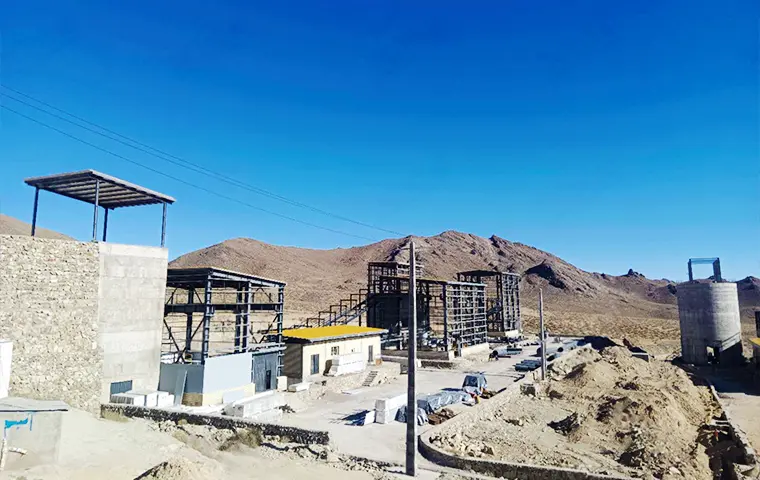
اور خام: سنگ معدن مس نوع سولفیدی عیار مس: ۰.۸٪ محصول نهایی: کنسانتره مس
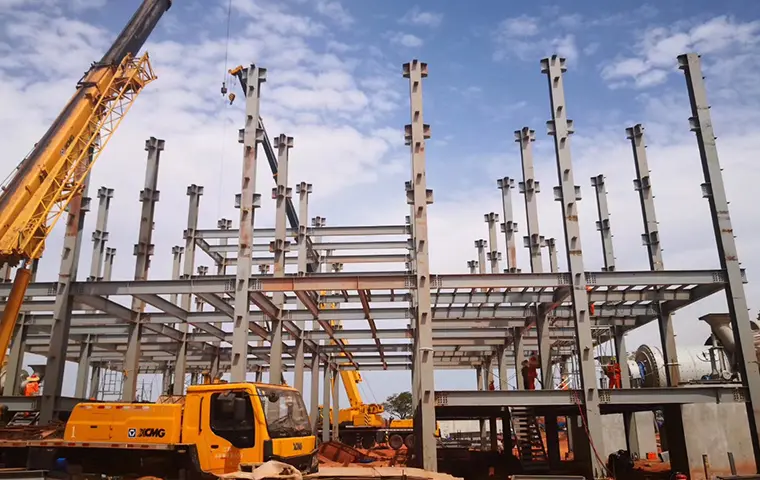
واقع در گینه، این پروژه در مقیاس بزرگ دارای ظرفیت فرآوری ۱۵,۰۰۰ تن در روز (تیپیدی) است.

مواد معدنی خام: خاک هکتوریت غنی از لیتیوم (Li₂O: ۰.۶-۱.۰%) محصول نهایی: کربنات لیتیوم درجه باتری
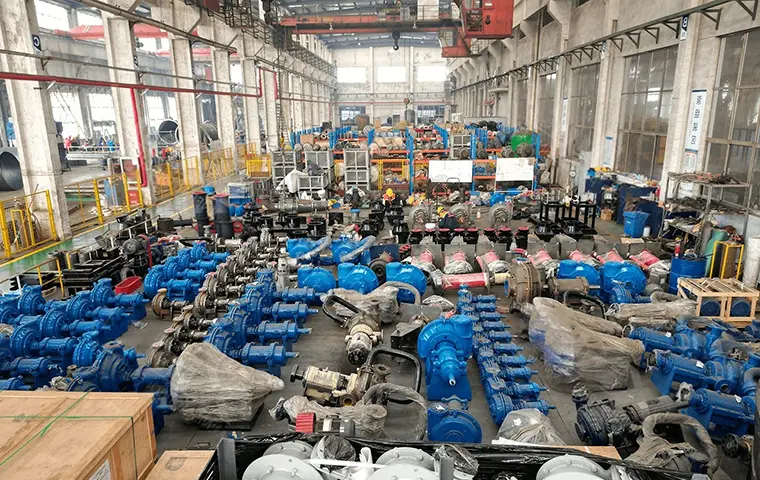
معدن خام: سنگ معدن گرافیت ورقهای کریستالی درجه کربن خوراک: ۸–۱۲% (متغیر) محصول نهایی: کنسانتره گرافیت ورقهای با خلوص بالا
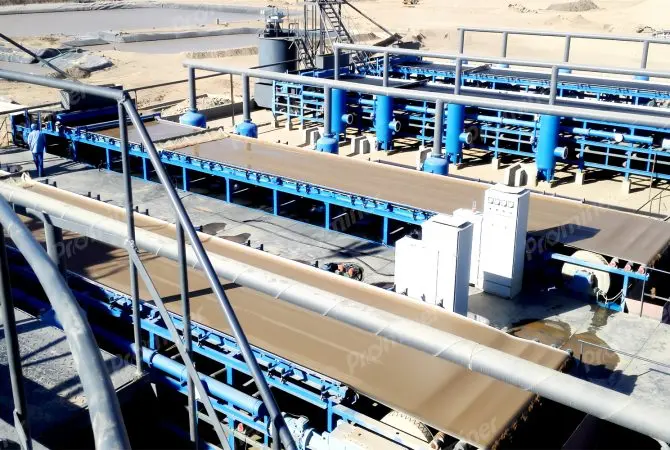
معدن خام: سنگ معدن طلا نوع اکسیدی درجه طلا: ۶-۱۰ گرم در تن
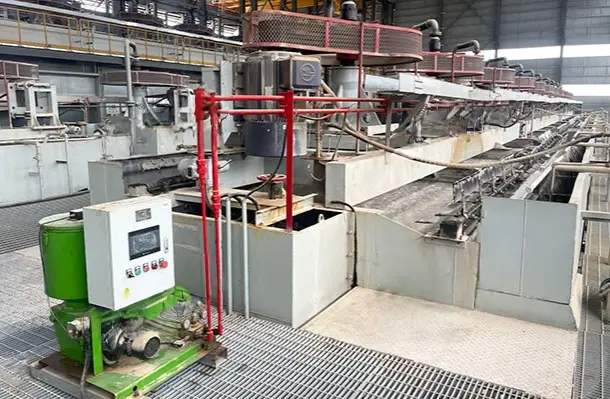
سنگ معدن خام: سنگ معدن پورفیری طلا-مس طلا: ۰.۸ تا ۱.۵ گرم در تن مس: ۰.۶ تا ۰.۹ درصد
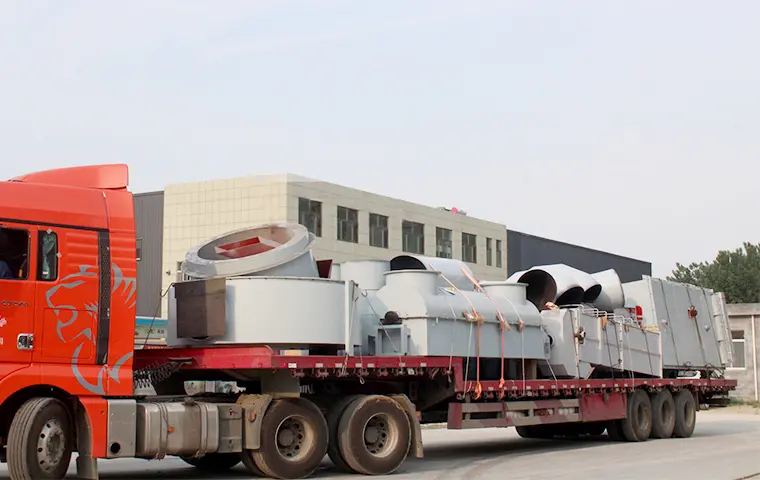
مواد خام: سنگ معدن کوارتز نوع پروژه: تأمین و نصب تجهیزات
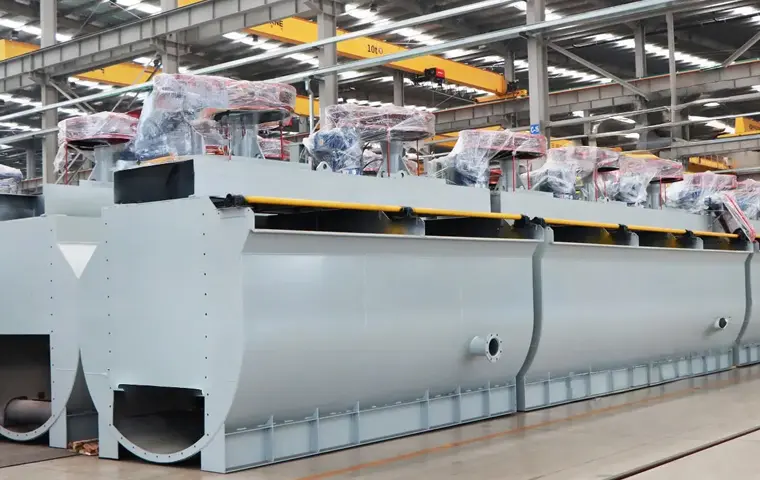
کانه خام: طلا با نوع سولفیدی و پیریت، محتوای طلا: ۳٫۸ گرم در تن، محتوای طلا در غلیظ: ۴۲ گرم در تن
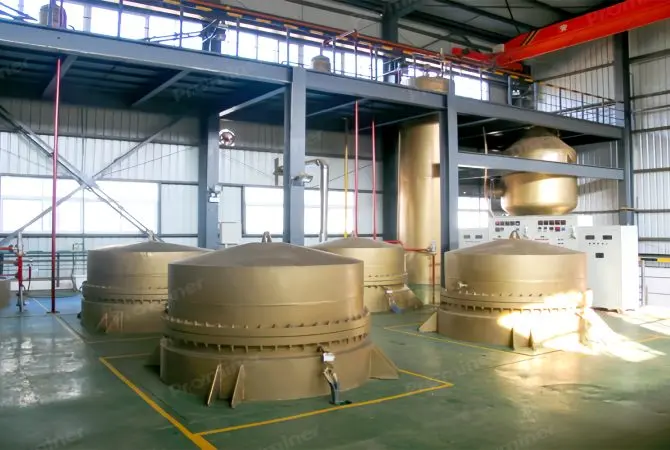
پرومینر میتواند طراحی و سیستم کامل تصفیهخانه و ذوب برای پروژه CIL طلا را ارائه دهد
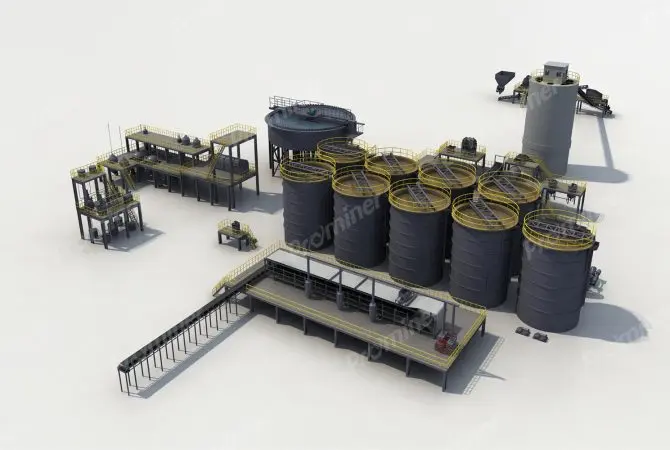
پرومینر میتواند راهحل کاملی برای سیستم CIL (کربن در لیچینگ) ارائه دهد
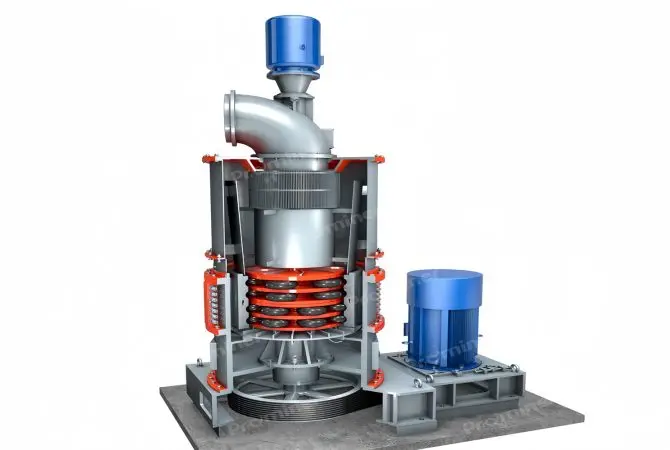
ما میتوانیم آسیاب رولی را برای تولید پودر فوقالعاده ریز که مناسب برای آسیاب کردن است، ارائه دهیم.
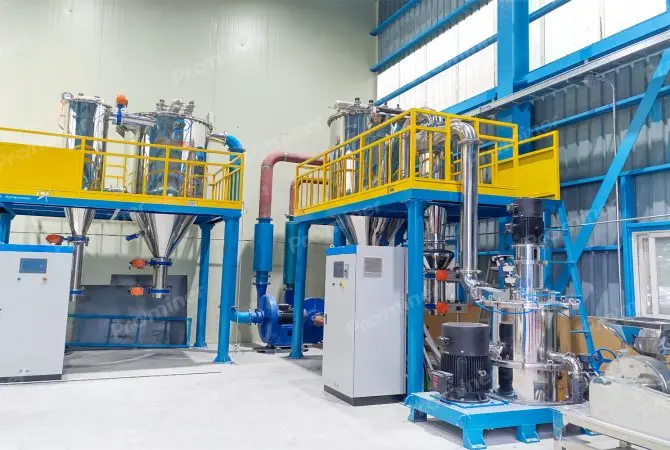
آسیاب ضربهای ما یک آسیاب مکانیکی با سرعت بالا است که برای انجام آسیابکردن فوقریز طراحی شده و عمدتاً
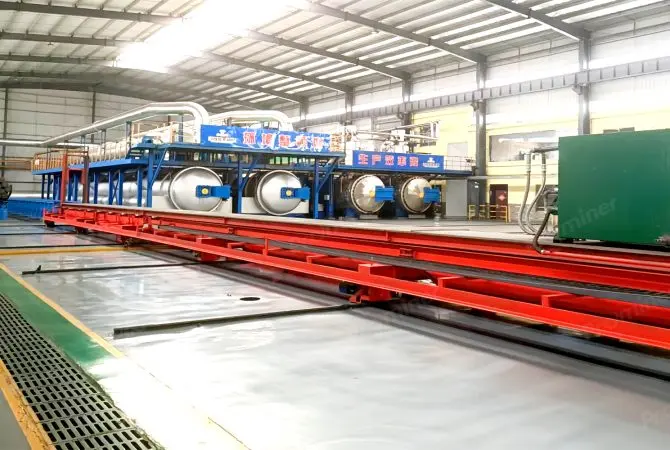
ما میتوانیم نوع فشار بالا با نفوذ گرم و خروج سرد از گرافیت یکبار پخته شده را ارائه دهیم
برای کسب اطلاعات بیشتر درباره محصولات و راهحلهای ما، لطفاً فرم زیر را تکمیل کنید و یکی از کارشناسان ما به زودی با شما تماس خواهد گرفت
پروژه فلوتاسیون طلا به ظرفیت 3000 تن در روز در استان شاندونگ
فلوتاسیون سنگ معدن لیتیوم 2500TPD در سیچوان
فکس: (+86) 021-58779592
آدرس:اتاق ۶۰۶، ساختمان D3، فاز دوم، مرکز تجاری چوانشا، شماره ۷۷۷ لانگ، خیابان میوچوان، منطقه جدید پودونگ، شانگهای، چین
حق نشر © 2023.شرکت فناوری معدن پرومینر (شانگهای) با مسئولیت محدود