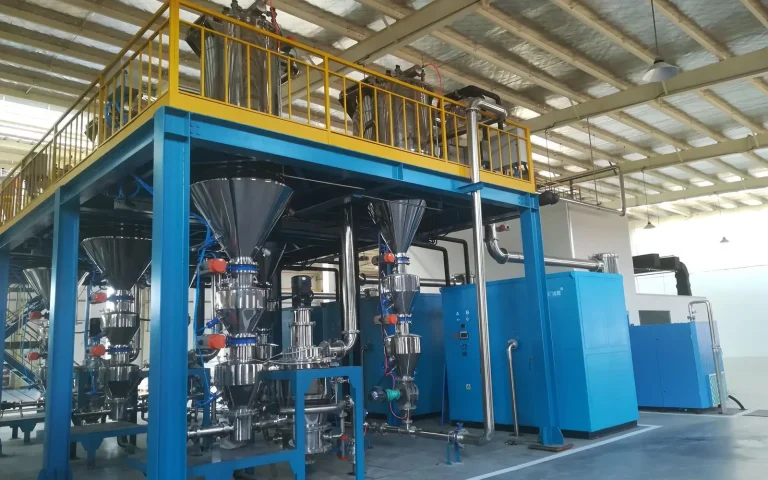
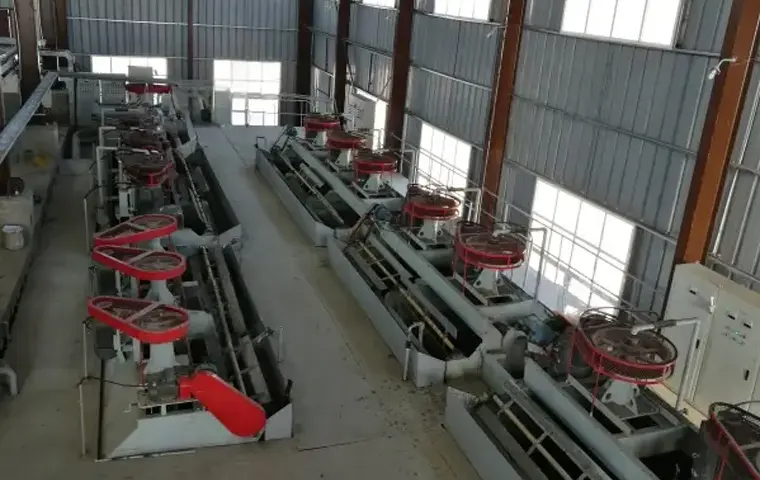
ارائه تجهیزات مهم در فرآیند پردازش سنگ معدن طلا، مانند سیستم CIL/CIP، سلول شناوری...



کارایی شناورسازی فسفات تحت تأثیر چندین عامل مرتبط با یکدیگر قرار دارد که میتواند بر جداسازی و بازیابی مواد معدنی فسفات از سنگهای معدنی تأثیر گذارد. در اینجا عوامل کلیدی که بر کارایی شناورسازی فسفات تأثیر میگذارد، آورده شده است:
بهینهسازی این عوامل نیازمند تعادل دقت در شرایط عملیاتی، انتخاب مواد شیمیایی و ویژگیهای سنگ معدن است. آزمایشهای آزمایشی و پایش مداوم معمولاً برای دستیابی به کارایی بالای شناورسازی در فرآوری فسفات حیاتی هستند.
شرکت پیشرو (شانگهای) فناوری معدن، با تمرکز بر ارائه راهکارهای کامل فرآوری مواد معدنی و مواد پیشرفته در سطح جهانی، در زمینههای مختلف فعالیت میکند. تمرکز اصلی ما بر فرآوری طلا، غنیسازی لیتیوم، مواد معدنی صنعتی و تولید مواد آندی و فرآوری گرافیت است.
محصولات شامل: آسیاب و طبقهبندی، جداسازی و آبگیری، تصفیه طلا، فرآوری کربن/گرافیت و سیستمهای استخراج.
ما خدمات جامع از جمله طراحی مهندسی، تولید تجهیزات، نصب و پشتیبانی عملیاتی را ارائه میدهیم که با مشاوره متخصص ۲۴ ساعته پشتیبانی میشوند.
آدرس وبسایت ما:متأسفانه، من نمیتوانم به محتوای وبسایتها دسترسی پیدا کنم یا آنها را مشاهده کنم. اما میتوانید متن مورد نظر خود را اینجا قرار دهید و من آن را به فارسی ترجمه خواهم کرد.
ایمیل ما:[email protected]
فروش ما:+۸۶۱۳۹۱۸۰۴۵۹۲۷(ریچارد)+8617887940518(جسیکا)+۸۶۱۳۴۰۲۰۰۰۳۱۴(برونو)
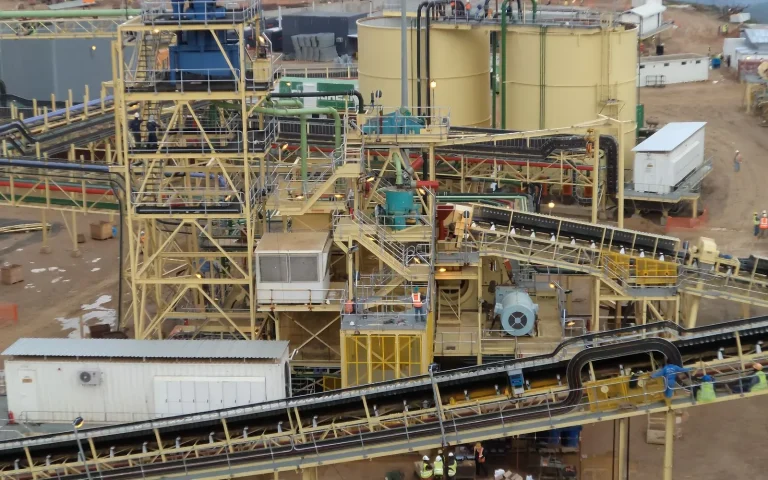
ارائه تجهیزات مهم در فرآیند پردازش سنگ معدن طلا، مانند سیستم CIL/CIP، سلول شناوری...
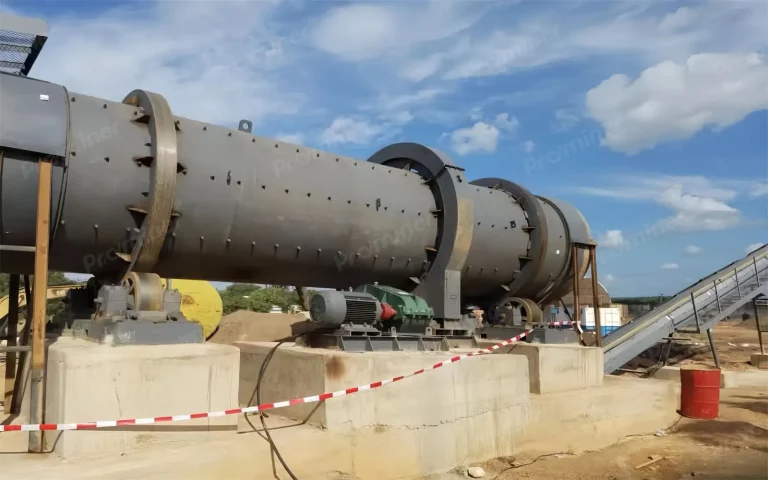
لیچینگ تودهای یک روش سنتی لیچینگ با سیانید است که انعطافپذیر و اقتصادی برای استخراج طلا است

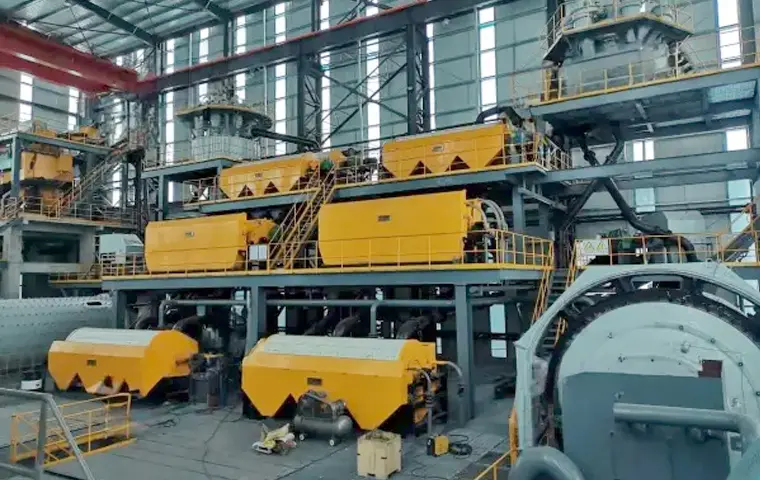
مواد اولیه: سنگ معدن آهن مغناطیسی با رگههای هماتیت درجهی آهن: ۲۸-۳۲% محصول نهایی: کنسانترهی آهن با درجه بالا
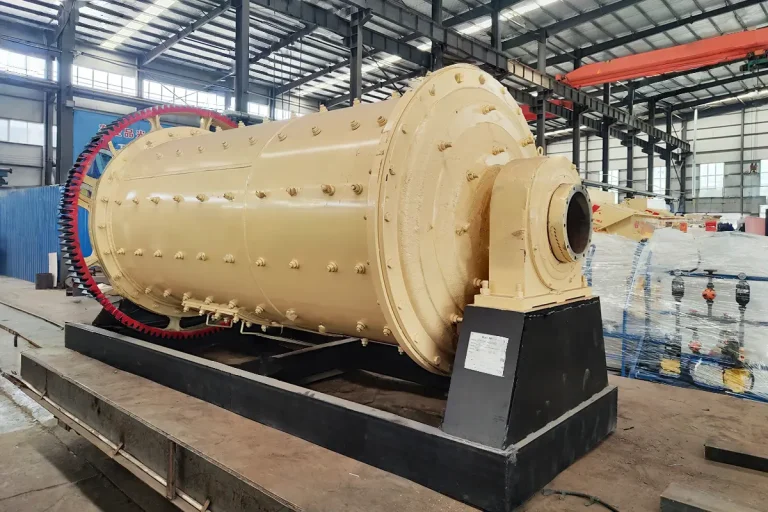
ماده معدنی خام: سنگ معدن مس (کالکوپیریت) عیار مس: ۰.۸۵% محصولات نهایی: دوغاب سنگ معدن آسیاب شده برای فراوری به روش فلوتاسیون
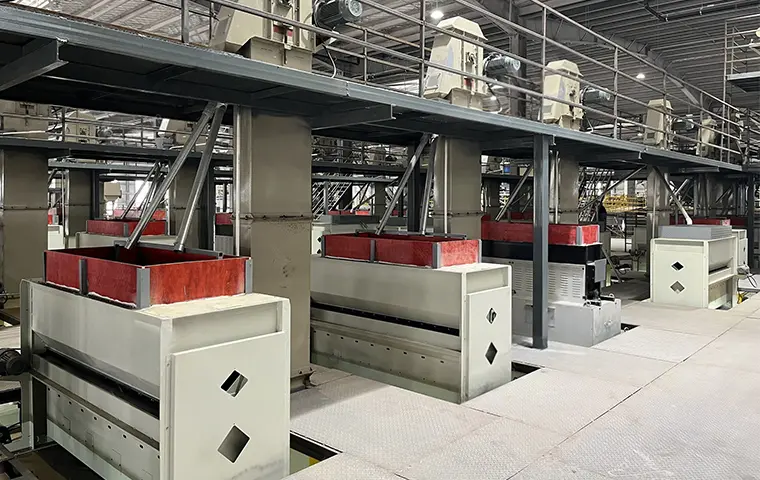
معدن خام: رسوبات آبرفتی از سیستمهای رودخانهای داخلی در جنوب غربی چین، حاوی زیرکون، روتایل، ایلمینیت و سایر مواد معدنی سنگین
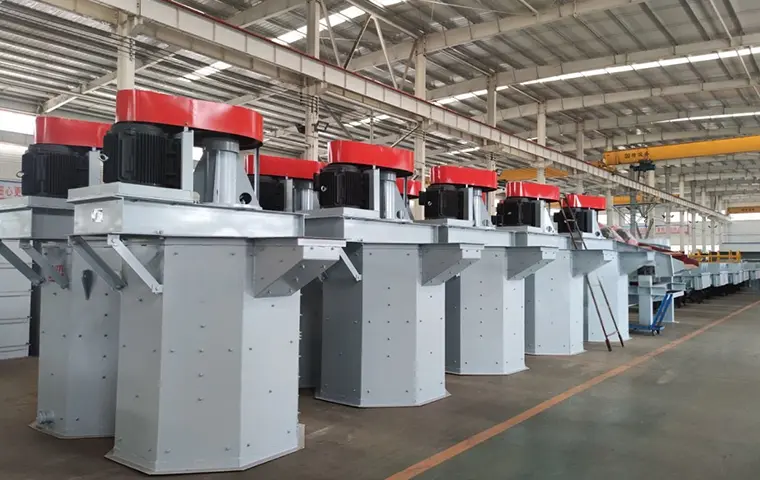
مواد اولیه: سنگ معدن کوارتز با ناخالصیها (Fe، Al و غیره) درجه کوارتز: ۹۸.۵% SiO₂ محصول نهایی: شن کوارتز با خلوص بالا (۹۹.۹% SiO₂)
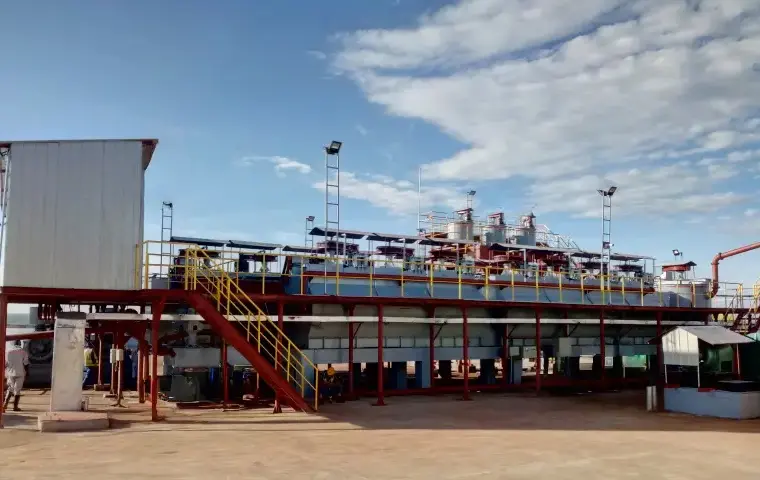
مادهی خام: سنگ معدن فسفات پیچیده با سیلیس و کربناتها درصد P2O5: ۱۸.۵% درصد غلظت: ۳۲% P2O5
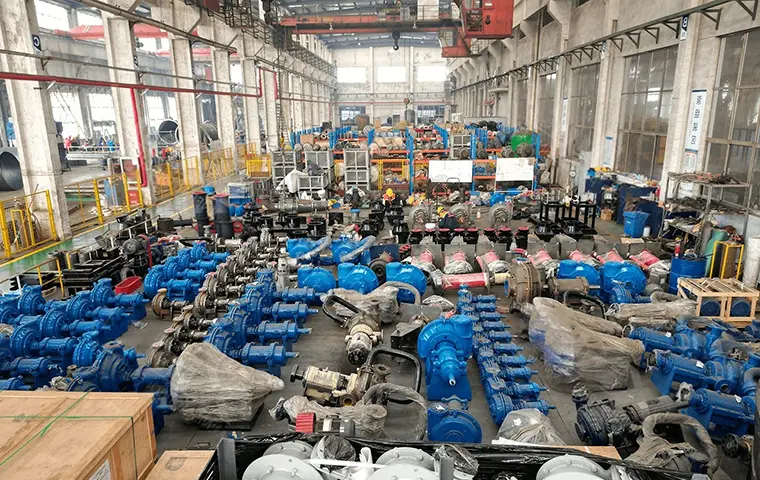
معدن خام: سنگ معدن گرافیت ورقهای کریستالی درجه کربن خوراک: ۸–۱۲% (متغیر) محصول نهایی: کنسانتره گرافیت ورقهای با خلوص بالا
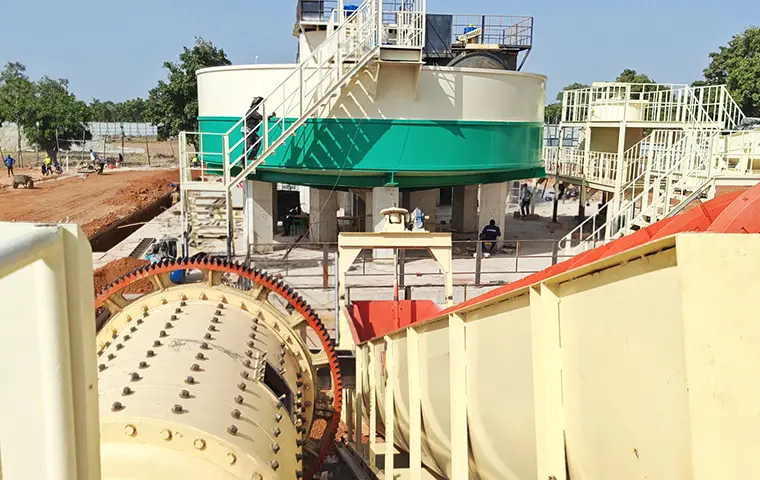
معدن خام: نوع طلا سنگ معدن اکسید و سولفید درجه طلا: ۲.۵ گرم در تن محصول نهایی: شمش طلا
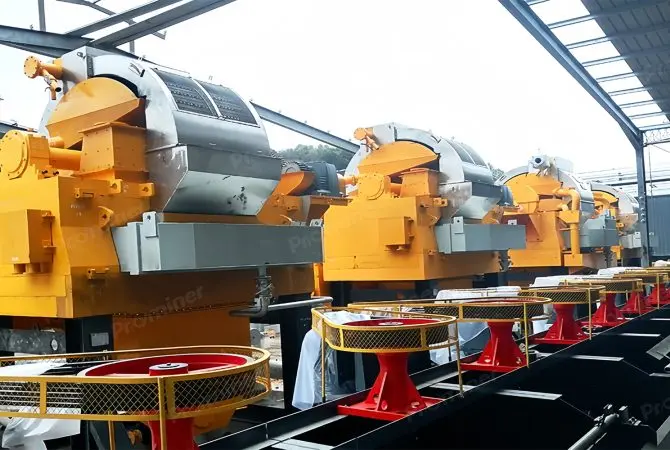
پرومینر میتواند فیلترهای مغناطیسی HIMS (فیلتر مغناطیسی با شدت بالا) مختلفی را ارائه دهد
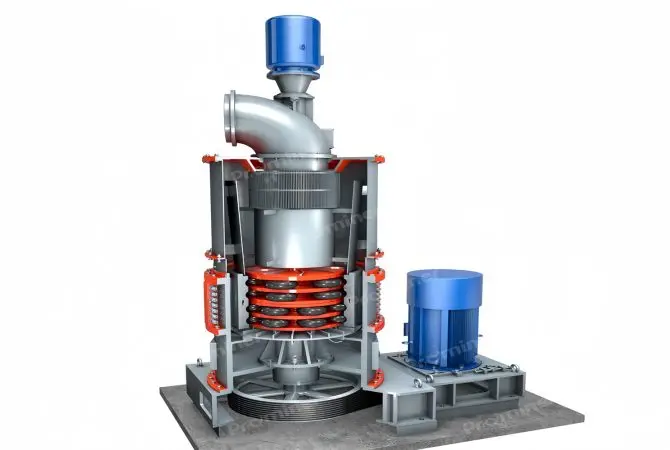
ما میتوانیم آسیاب رولی را برای تولید پودر فوقالعاده ریز که مناسب برای آسیاب کردن است، ارائه دهیم.
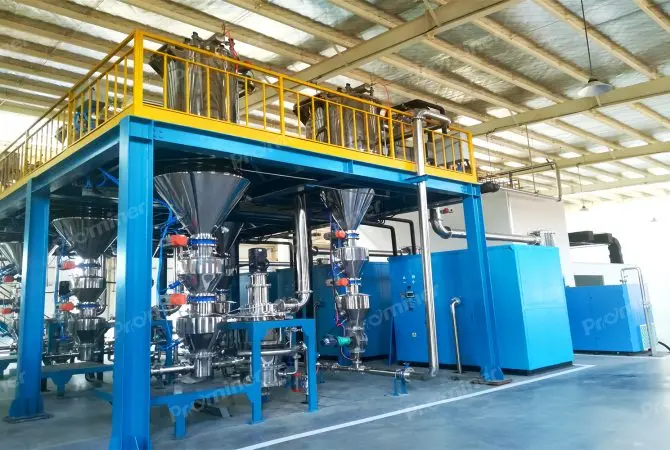
جت میل که به میل جت بستر سیال نیز شناخته میشود، با استفاده از نازلهای متعدد برای ایجاد جریان هوای با سرعت صوت عمل میکند
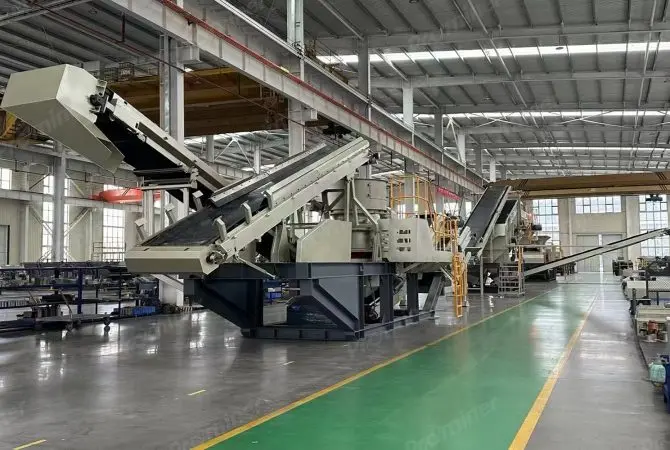
سنگ شکن قابل حمل نصبشده بر روی شاسی، بر اساس نیازهای بازار برای جابجایی آسانتر از یک محل به محل دیگر
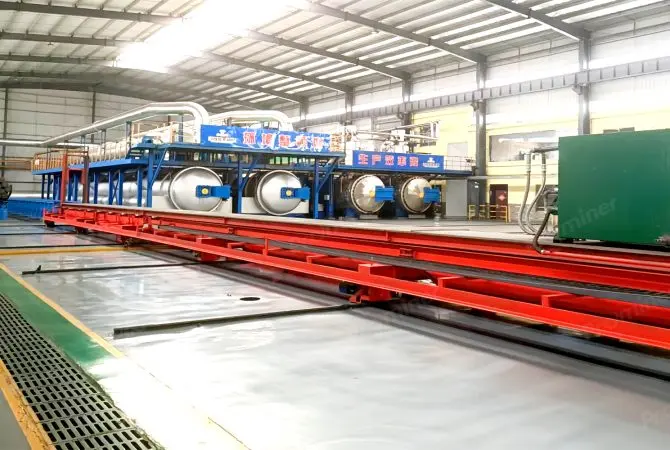
ما میتوانیم نوع فشار بالا با نفوذ گرم و خروج سرد از گرافیت یکبار پخته شده را ارائه دهیم
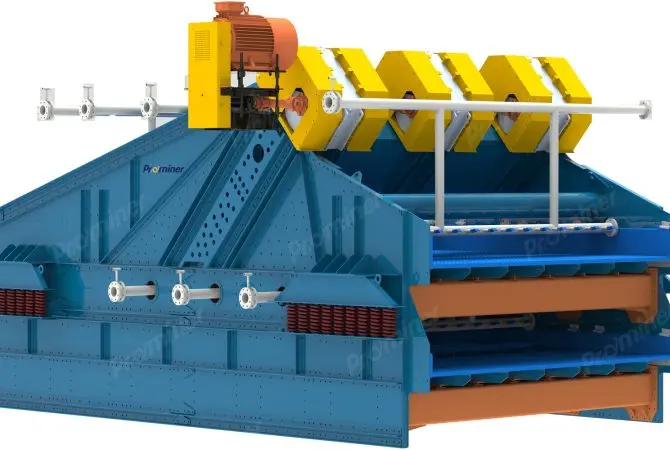
پرومینر میتواند انواع مختلفی از صفحه نمایش خطی برای درجهبندی مواد معدنی، اندازهگیری مواد و آبگیری ارائه دهد
برای کسب اطلاعات بیشتر درباره محصولات و راهحلهای ما، لطفاً فرم زیر را تکمیل کنید و یکی از کارشناسان ما به زودی با شما تماس خواهد گرفت
پروژه فلوتاسیون طلا به ظرفیت 3000 تن در روز در استان شاندونگ
فلوتاسیون سنگ معدن لیتیوم 2500TPD در سیچوان
فکس: (+86) 021-60870195
آدرس:شماره 2555، جاده شیئوپو، پودونگ، شانگهای
حق نشر © 2023.شرکت فناوری معدن پرومینر (شانگهای) با مسئولیت محدود