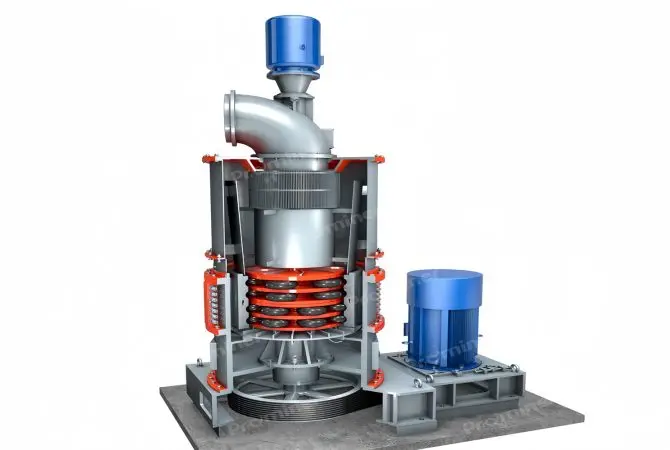
Катодын материал нь литийн ион батарейнуудын ажиллагааг тогтоох гол материалуудын нэг юм


/
/
Кальцийн алтны хүдрийн баяжуулалтад шинжлэх ухааны proses боловсруулах арга юу вэ?


Сульфид алтны хүдэр нь дэлхий даяар алтны хамгийн чухал эх үүсвэрүүдийн нэг юм. Гэвч, сульфидын хүдэр дотор алт нь ихэвчлэн гипсит, арсенопирит, халькопирит зэрэг сульфидын эрдсүүд дотор нарийн тархсан байдаг тул чөлөөт өнгөрүүлдэг хүдэртэй харьцуулахад олборлолт нь илүү төвөгтэй байдаг. Шинжлэх ухаан үндэслэсэн, үр ашигтай баяжуулалтын процессыг хөгжүүлэх нь алтны нөхөн сэргээх хэмжээг дээшлүүлэх, зардлыг бууруулах, байгаль орчны нөлөөллийг бууруулахад зайлшгүй шаардлагатай юм.
Доор химийн процессийг судалгааны аргачлалын системтэй гарын авлага байна.
Тусгай боловсруулалтын any шинжлэх ухааны үндэс бол хүдрийн гүнзгий ойлголт юм.
Үндсэн дүн шинжилгээ болох зүйлс:
Хулганы агуулгыг нүүрстөрөгчийн тархалт (XRD), сканнер электрон микроскоп (SEM), галын шинжилгээ, автоматжуулсан эрдэс судалгааны системүүд (жишээ нь, MLA) зэрэг техникүүд тодорхойлдог. Эдгээр өгөгдөл нь цэвэршилттэй холбоотой үйл ажиллагааг сонгоход шууд нөлөөлдөг.
Эрдэсийн шинж чанараас хамаарч, тохирох баяжуулалтын маршрутыг сонгоно уу. Сульфид алтны ордууд ердийн байдлаар нэг цогц аргаас гадна хэд хэдэн процессыг хослуулсан байдлаар боловсруулдаг.
Ерөнхий стратегиуд stavanger'; /** * Кең хэрэглээ: */
Тэсвэртэй гидророксидийн хүдэрт өмнөх боловсруулалтын аргаүүд болох шарах, даралтын исэлдүүлэлт (POX) эсвэл биологийн исэлдүүлэлт нь ихэвчлэн цагаан алтны бөмбөгийг гарах зориулалтаар циано химийн уусгагчийн хэрэглээнд оруулахын өмнө шаардлагатай байдаг.
Зөв зохистой бутлалт нь алт агуулсан хүхэрлэг хүдэр ялгахын тулд чухал байдаг.
Үндсэн асуудал:
Цахилгаан эрчим хүчний үр ашгийг жилдвэрлэх, зардал хянах нь бутлах машин, бөмбөгөр тээрэм, эсвэл SAG тээрэм сонгох үед үзэмж гаргах ёстой.
Флотац нь алт агуулсан хүхэрт хүдэр сэргээх хамгийн өргөн хэрэглэгддэг арга юм.
Чухал параметрүүдийг оновчлох шаардлагатай:
Тестийн ажил нь хагаслах, шүүрүүлэх, цэвэрлэх үе шатыг багтаасан байх ёстой бөгөөд хамгийн сайн сэргээх түвшний тэнцвэрийг тодорхойлох зорилгоор. Эмчилгээнд хэрэглэсэн схемүүд нь орших гексит баялгаас шалтгаалан тусгайлан тохируулагдах ёстой.
Алт эцсийн боловсруулалтаас өмнө сулфидын эрдсүүдэд сайтар гүн нэвтэрсэн үед, сулфидын матрицийг задалж, боловсруулалтыг хялбарчлахын тулд урьдчилсан боловсруулалт шаардлагатай байна.
Энгийн урьдчилан бэлтгэх аргууд:
Сонголт нь хүдэр төрлөөс, хөрөнгө оруулалтын хэмжээ, байгаль орчны журмууд болон үйл ажиллагааны зардлын үзүүлэлтүүдээс хамаарна.
Концентраци эсвэл урьдчилсан боловсруулалтаас after алт ихэвчлэн дахин авах арга:
Энэ нь гол хувьсгалууд дахь цианидын концентраци, ууссан хүчилтөрөгчийн түвшин, шүүхийн pH болон уусгалт хугацааг хамардаг. Лабораторийн уусгалтын туршилтууд нь хамгийн илүү нөхцлийг тодорхойлоход тусална.
Шинжлэх ухааны процессийг системийн туршилтаар үндэслэсэн байж байх ёстой:
Тийзний туршилт техникийн эрсдэлийг бууруулж, үйл явц тогтмол үйлчлэхийг баталгаажуулдаг.
Таны үржил шимийг хадгалах аргууд байгаль орчинд хариуцлагатай байх ёстой.
Үндсэн хүчин зүйлс:
Эдийн засгийн үнэлгээ нь хөрөнгө оруулалтын зардал (CAPEX), үйл ажиллагааны зардал (OPEX), мөн золочийн нөхөн авалт сайжруулах хүлээлтүүдийг хамруулах ёстой.
Ногоон байгууламж ажиллуулж эхэлснээс хойш байнгын хяналт, оновчлол шаардлагатай болно.
Тасралтгүй сайжруулалт нь тогтвортой үйлдвэрлэл бүрдүүлж, ашиг орлогын үзүүлэлтэд хамгийн их хүргэдэг.
Галын алтны хүдэр баяжуулах эрдэм шинжлэх ухааны процессыг боловсруулж байгуулахад бүтэцлэгдсэн, мэдээнд суурилсан хандлага шаардлагатай. Нарийвчилсан хүдэр тодорхойлолтоос эхлээд туршилтын хийц, процессийн сайжруулалт хүртэлх төлөвлөгөөгээ хянаж, баталгаажуулах ёстой. Зөв бүхэлд нь бутлах, флокуляци, урьдчилсан боловсруулалт болон алт ялгах аргуудыг хослуулснаар уурхай олборлолтын үйл ажиллагаа өндөр эргэлтэд хүрч, эдийн засгийн хэмнэлт, байгаль орчны шаардлагыг тогтмол хэрэгжүүлэх боломжтой болно.
Сайтар боловсруулсан баяжуулах процесс нь зөвхөн техникийн шийдэл биш юм—дараагийн уурхай, ашиг орлоготой алт үйлдвэрлэлийн үндэс суурь юм.
А: Графит нөөцийн хувьд, бүрэн шийдэл нь байгалийн графитын ялгаруулалт ба гүн боловсруулалтыг хамрах ёстой. Төмөр тээрэм болон гидроциклонт систем нь үндсэн нунтаглах шат гэж тооцогддог. Тусгай анод материал үйлдвэрлэхийн тулд хэлбэржүүлэх тээрэм нь дамжуулах нягтралыг сайжруулах ба тусгай гадаргуугийн талбайг бууруулахад зайлшгүй шаардлагатай. Мөн, Проминер цацлага систем нь цацлага болон грануляцийн функцүүдийг хослуулсан бөгөөд өндөр ашиг орлоготой анод материал боловсруулахад чухал алхам юм.
А: Жоншны шинж чанараас entirely шалтгаалдаг процессын сонголт. Алтны CIL/CIP процесс нь өндөр агууламжтай ислийн төрлийн алтны ордыг боловсруулах хамгийн түгээмэл бөгөөд үр дүнтэй арга юм. Өөр олон алтны төсөлд шингээх арга нь хамгийн их тархсан бөгөөд хамгийн түгээмэл боловсруулалтын арга байна. Эхэндээ хөрөнгө оруулалтаа хэмнэхийг хүсэгчид vat leaching буюу heap leaching нь уян хатан ба эдийн засгийн хувьд боломжтой сонголт юм. Бид лабораторийн болон туршилтын тестээс эхлэхийг зөвлөж байна, ингэснээр хамгийн үр ашгийг харуулсан, шинжлэх ухааны үндэслэлтэй боловсруулалтын урсгалыг тодорхойлох болно.
А: Төмөртөмөөрийн баяжуулалтад магнит салгах арга нь чухал бөгөөд бид өндөр хүчдэлтэй (HIMS) болон бага хүчдэлтэй (LIMS) магнит салгагчийг санал болгож байна. Энэ технологийг оновчтой боловсруулсан үйлдвэрийн загварт өндөр үр ашигтай бутлан нунтаглах системтэй нэгтгэнэ—жижиг цилиндр эсвэл олон цилиндр гидравлик конус бутлагчид ашиглан—мөн нунтаглах системтэй хамт. Энэ нь хогтөмрийн уурхайн хаягдлыг эрт илрүүлэн ялгаж чаддаг тул үйлдвэрлэлийн бүтээгдэхүүнлэгийг ихээхэн сайжруулж, эрчим хүчний зарцуулалтыг хэмнэдэг.
A: Амжилттай үйлдвэрийн зураг төсөл боловсруулахад ЕПС (Инженеринг, Нийлүүлэлт, Барилга) үйлчилгээ нь чухал юм. Гол зүйлс нь инженерийн дизайн (сайт судалгаа, дээж авах зааварчилгаа, PFD зураг төсөл) болон тоног төхөөрөмжийн тусгайлсан тохируулга юм. Энэ нь машиныг тусгай хүдэрийн шинж чанарт нийцүүлэхэд шаардлагатай. Жишээлбэл, Prominer нь том хэмжээний ангилах болон шингээлтийн зориулалтаар 5.1 метр хүртэл өргөнтэй шугамыг тохируулж болно. Эцэст нь, мэргэжлийн газар дээрх үйлчилгээнүүд, үүнд захиалагчийн ажил хянах болон тохируулга хийх, урт хугацааны тогтвортой ажиллагааг хангахын тулд чухал юм.
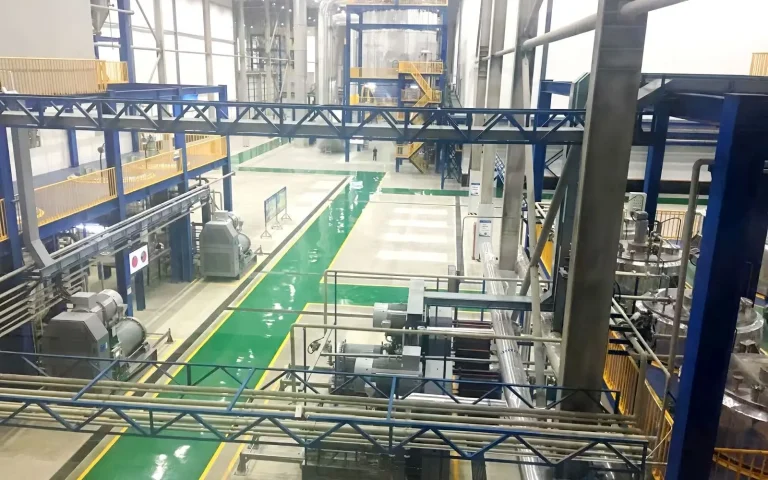
Катодын материал нь литийн ион батарейнуудын ажиллагааг тогтоох гол материалуудын нэг юм
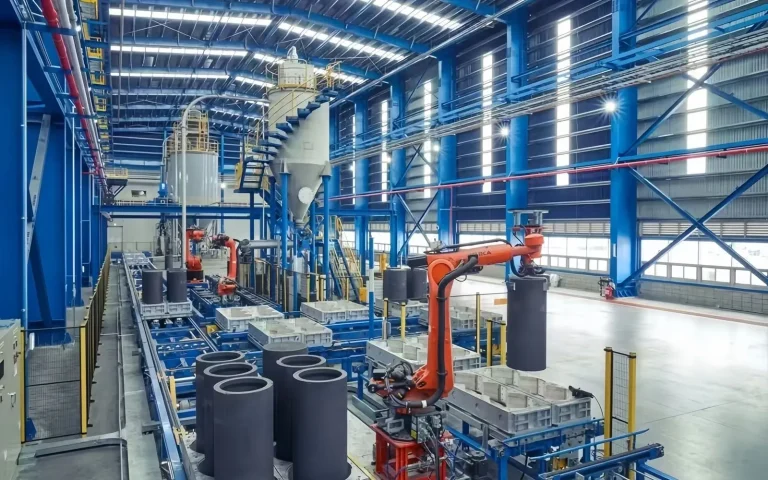
Графитын анодын материалыг бэлтгэх бүрэн шийдэл, жишээ нь нунтаглах, хэлбэржүүлэх, цэвэршүүлэх…
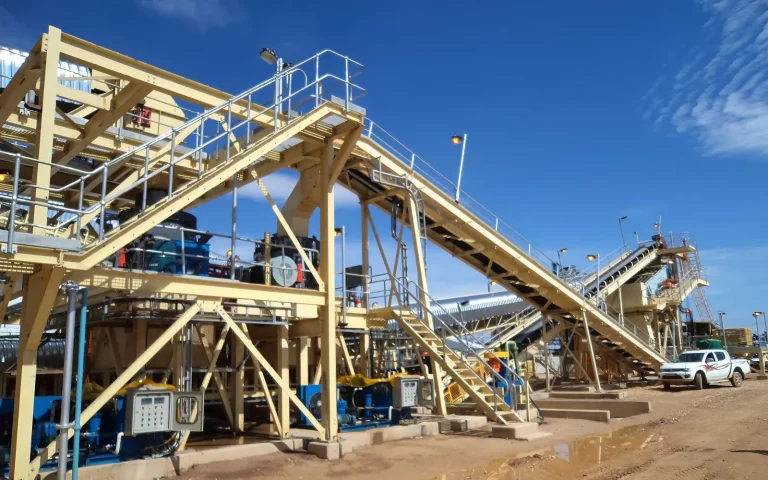
Ватны шүлтлэг нь хөрөнгө оруулалтыг хэмнэхийн тулд эхний шатанд төсөл эзэмшигчид сайн боломж юм

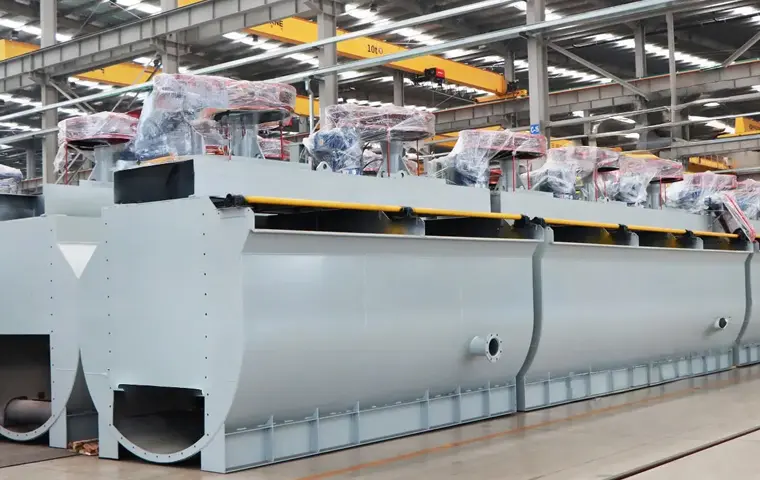
**Нүүрсний түүхий эд:** Сульфидын төрлийн алт агуулсан хүхэр эрдэс, Алтны агууламж: 3.8 г/т, Концентратын агууламж: 42 г/т Au
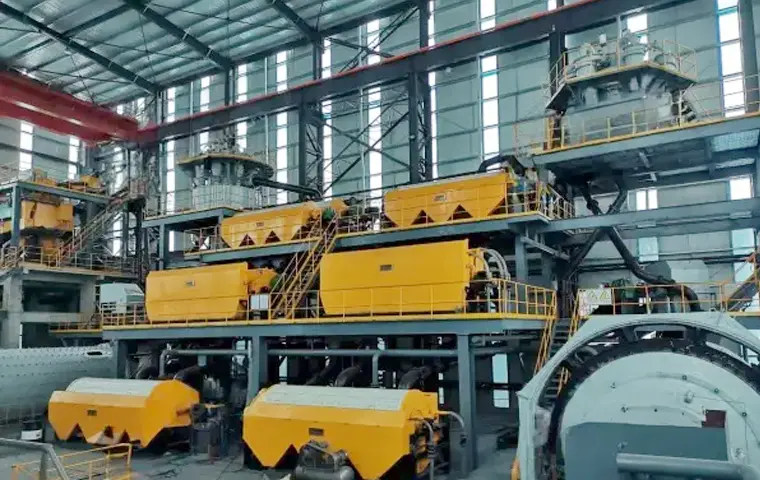
Түүхий эрдэс: Гематит давхаргатай магнетит төмрийн эрдэс Төмрийн агууламж: 28-32% Эцсийн бүтээгдэхүүн: Өндөр чанартай төмрийн баяжуулалт
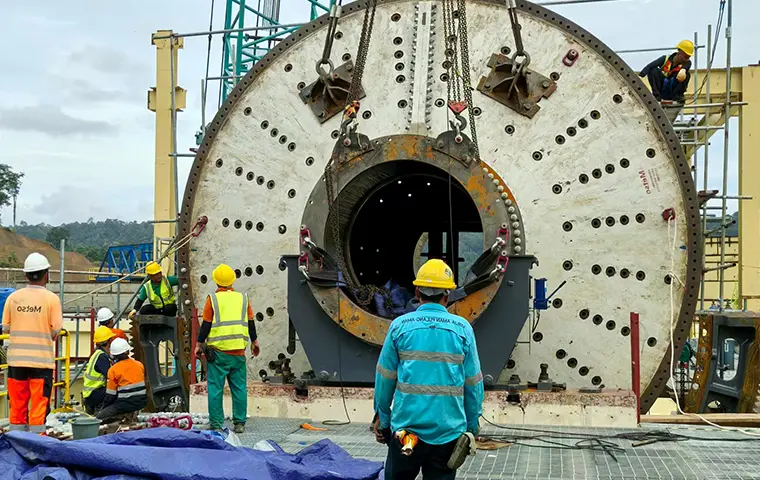
Түүхий хүдэр: Эламж/Сульфид төрлийн алтны хүдэр (тодорхой хадгалагдахын дагуу) Алтны зэрэг: 3.5 г/т Алтны сэргээн авалтын хувь: 92%
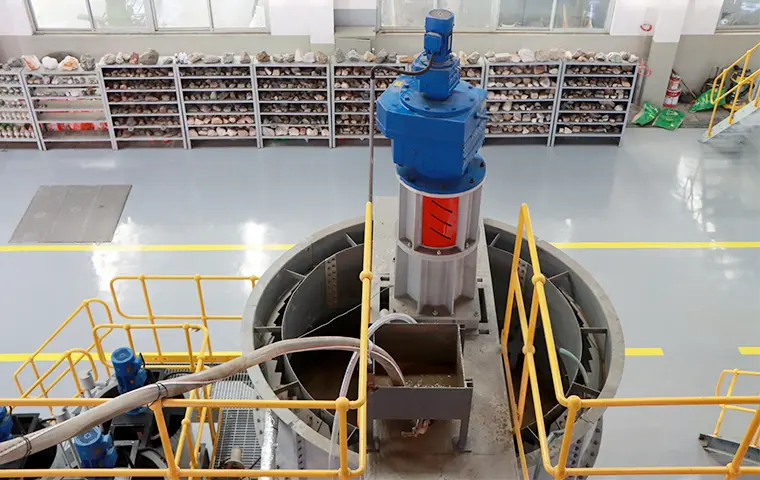
Ширхэглэг хүдэр: Өндөр-элстэй фосфат хүдэр P2O5 зэрэг: 22% SiO2 агуулга: 35%
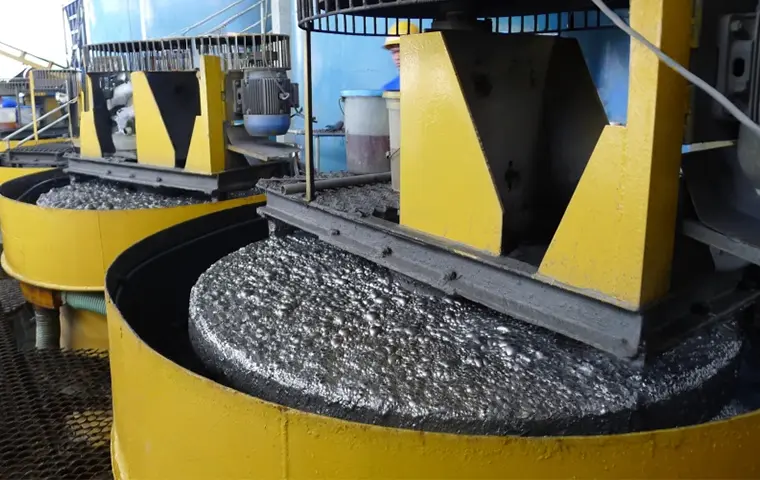
Түүхий хүдэр: Харьцангуй оксидын төрлийн алт-зэсийн хүдэр Алтны зэрэг: 1.5 г/т Зэсийн зэрэг: 0.8%
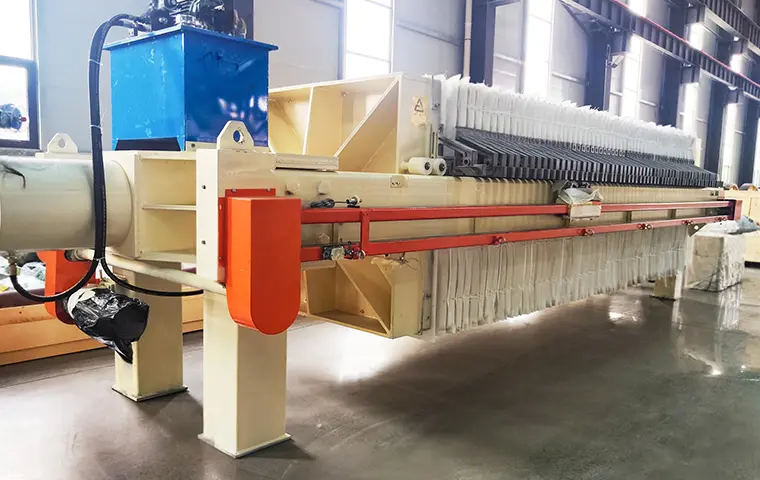
Төслийн үндэс: Флотацийн концентрат болон үйлдвэрийн хаягдлын ус зайлуулах тойргийг шинэчлэх буюу усны агууламжийг бууруулан хуурай овоолго хийх зориулалттай.

Сыроор: Сульфидын төрлийн зэсийн хүдэр (алттай хамт) Алтын зэрэг: 0.6 г/т Зэсийн зэрэг: 1.2%
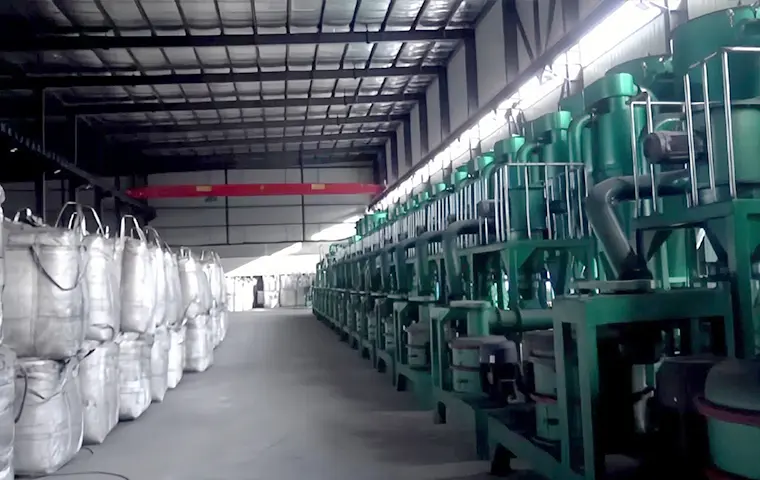
Түүхий эд: Өндөр цэвэршилттэй графит (99.95% С) Төслийн хүчин чадал: Жилинд 10,000 тонн
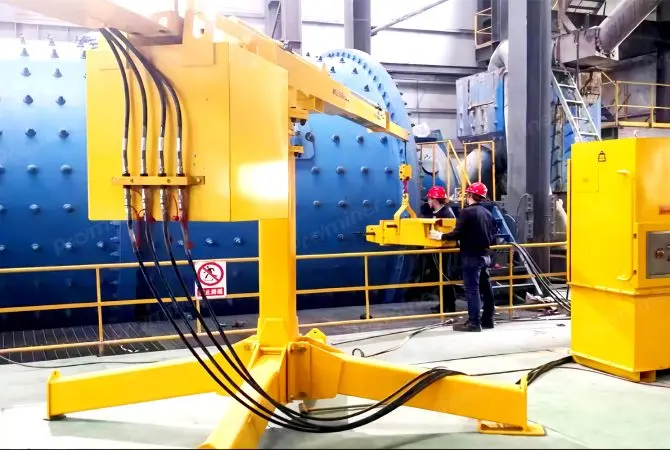
Бид ихээхэн автоматжуулсан, хүчирхэг бууруулах тамга цохихыг үйлдвэрлэж чадна
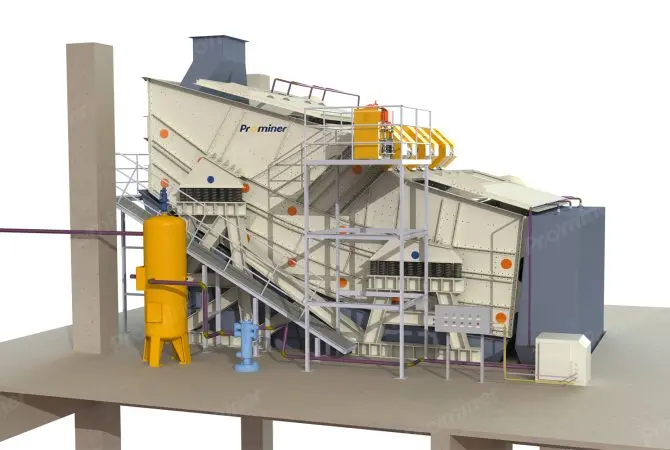
Киви дэлгэц нь байнгын орчны зузаан дэлгэц гэж сайн бөгөөд мэдэгддэг. Prominer нь хуурай
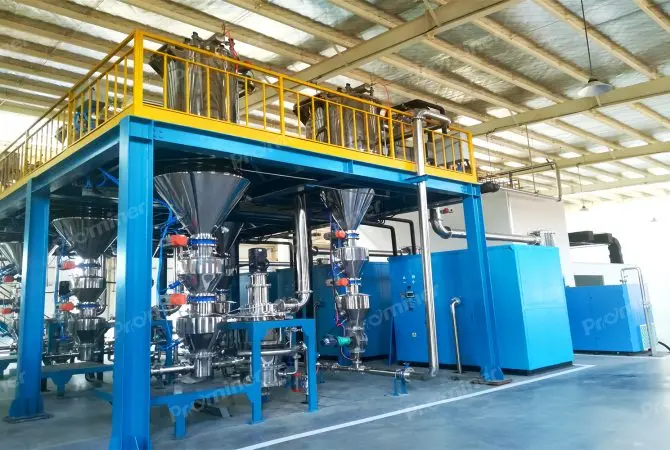
Жет тээрэм нь олон шүршигч ашиглан дууны хурдтай агаарын урсгал бий болгосон шингэлэгдсэн орчны жэт тээрэм гэж нэрлэгддэг
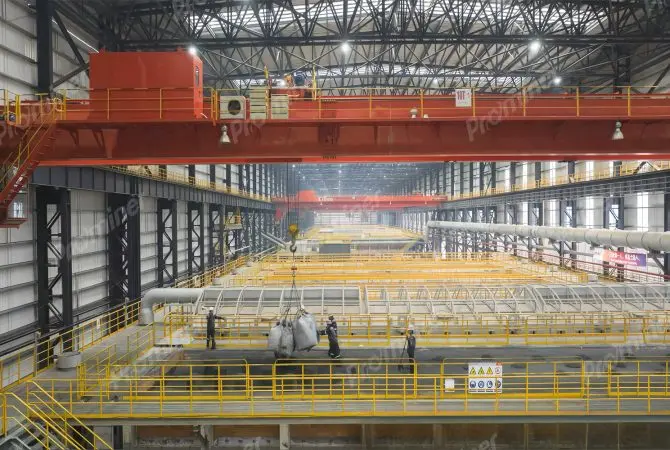
Бид карбоны материалыг өөрчилсөн янз бүрийн төрлийн графитжуулалтын зуухыг санал болгодог
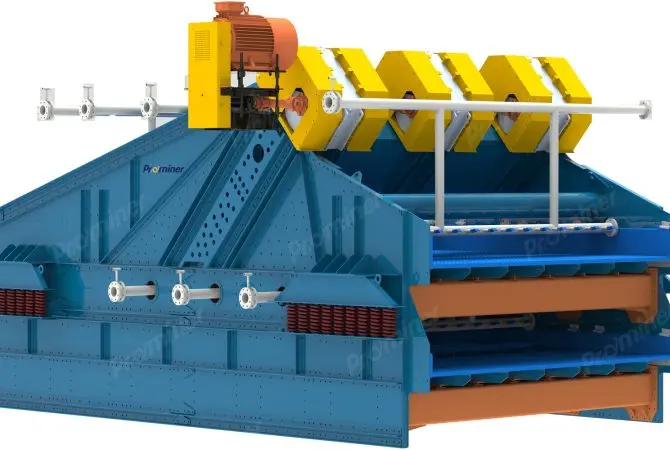
Prominer нь эрдэс ангилал, материалын хэмжээ, шингээлтэд зориулсан бүх төрлийн шугаман дэлгэцийг санал болгож чадна
Бидний бүтээгдэхүүн болон шийдлүүдийн талаар илүү их мэдээлэл авахын тулд доорх формыг бөглөнө үү, бидний мэргэжилтнүүд танд удахгүй холбогдох болно
Шандонг мужид 3000 TPD алтны флотацийн төсөл
Fax: (+86) 021-58779592
Хаяг: Тасаг 606, Барилга D3, Хэсгийн II, Чуансха Бизнес Центр, 777 урт, Миаочуан гудамж, Пудонг шинэ бүс, Шанхай, Хятад улс
Зохиогчийн эрх © 2023. Промайнер (Шанхай) Уул уурхайн технологи ХХК.