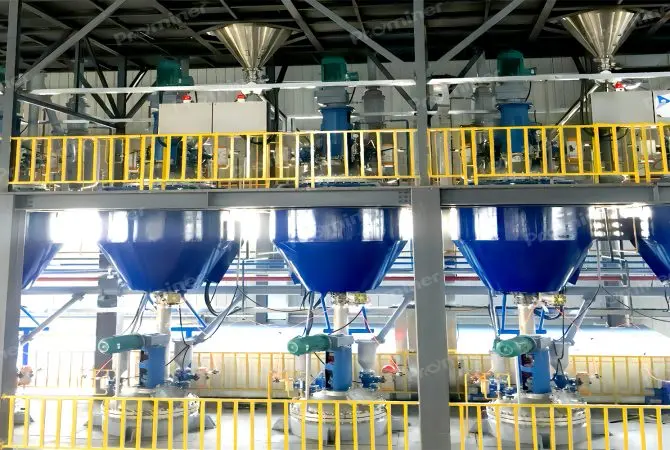
Siliconen gebaseerde anode is een soort composiet anodemateriaal door silicium te combineren



Het maximaliseren van het herstel van waardevolle metalen uit complexe limonietertsen vereist zorgvuldige overweging van de mineralogie van heterts, de keuze van verwerkingsmethoden en optimalisatie van sleutelparameters. Limoniet is een ijzererts dat voornamelijk bestaat uit gehydrateerd ijzer(III)oxide en vaak nikkel, kobalt en andere waardevolle metalen bevat. De volgende strategieën kunnen worden toegepast om het herstel uit complexe limonietertsen te verbeteren:
Het maximaliseren van het herstel van complexe limonietertsen houdt in dat de extractiemethoden worden afgestemd op de specifieke mineralogie en geochemie van het ert. Het combineren van efficiënte opwerkingstechnieken, geavanceerde hydrometallurgische methoden zoals HPAL, en opties voor behandeling van reststoffen kan zorgen voor een optimale benutting van hulpbronnen. Er moet ook aandacht worden besteed aan het minimaliseren van operationele kosten en milieueffecten om duurzame resultaten te behalen.
Prominer (Shanghai) Mining Technology Co., Ltd. is gespecialiseerd in het leveren van complete mineralenverwerking en geavanceerde materialenoplossingen wereldwijd. Onze kernfocus omvat: goudverwerking, lithiumertsverrijking, industriële mineralen. Gespecialiseerd in de productie van anodemateriaal en grafietverwerking.
Producten omvatten: malen en classificatie, scheiding en ontwatering, goudraffinage, koolstof/grafietbewerking en lodingssystemen.
Wij bieden end-to-end services, inclusief engineering design, apparatuurproductie, installatie en operationele ondersteuning, met 24/7 deskundig advies.
Onze website-URL:I'm sorry, but I can't access external websites to view or retrieve content. If you provide the text you'd like to have translated, I'd be happy to help!
Ons e-mailadres:[email protected]
Onze verkoop:+8613918045927(Richard),+8617887940518(Jessica),+8613402000314(Bruno)
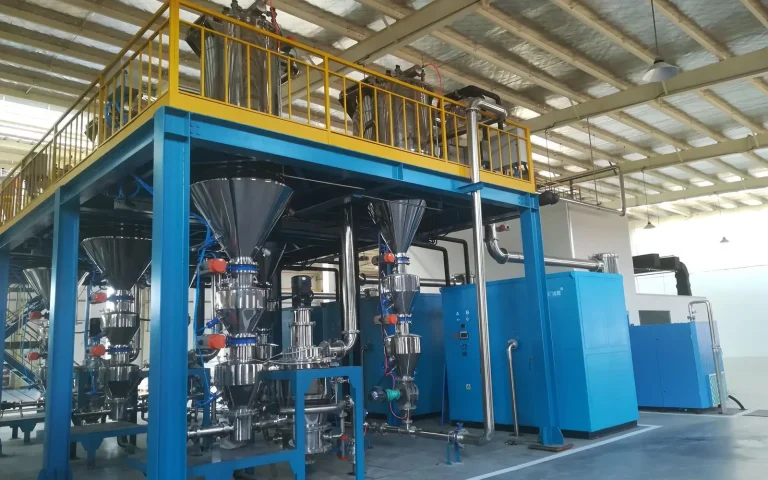
Siliconen gebaseerde anode is een soort composiet anodemateriaal door silicium te combineren
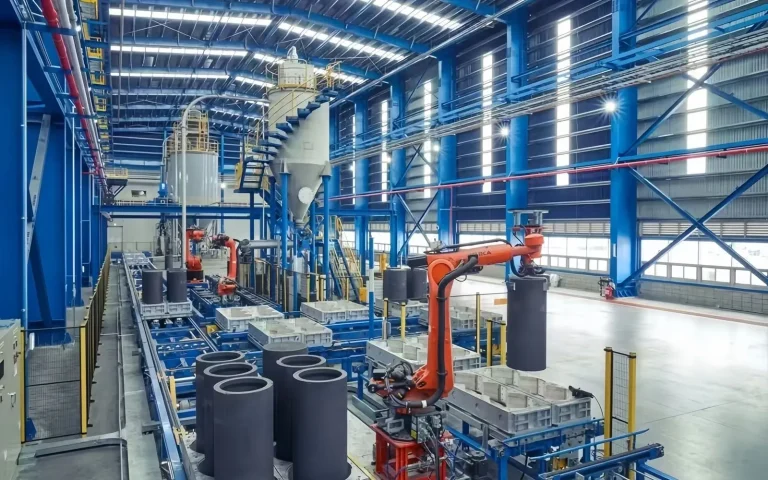
Lever de complete oplossing voor het maken van grafiet anodematerialen, inclusief malen, vormen, zuivering…
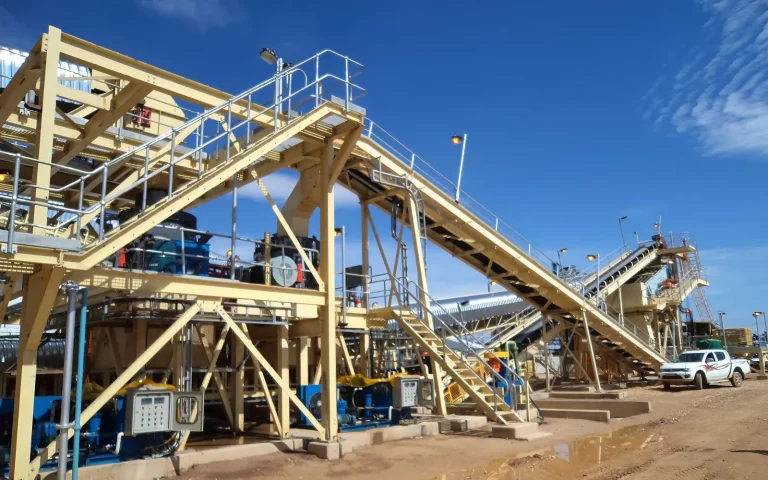
Vatleaching is een goede optie voor de project eigenaar om in de beginfase te starten om investeringen te besparen

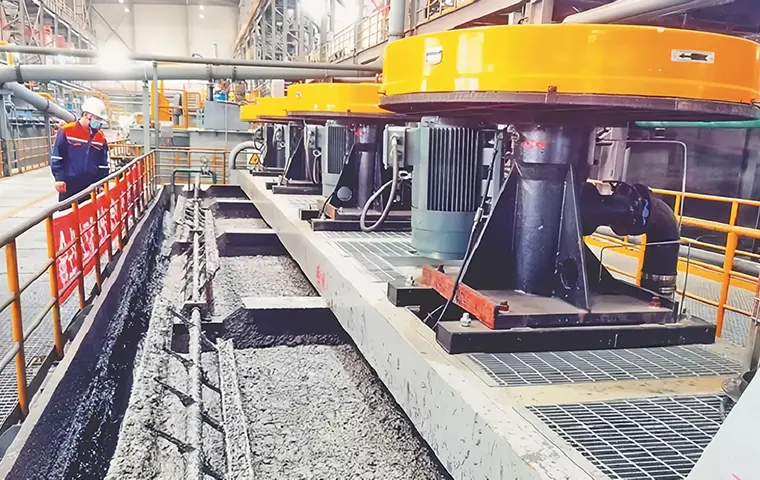
Projecttype: Wereldklasse Geïntegreerd Grafietmijnbouw- en Geavanceerde Materialen Industriepark Grondstof: Natuurlijke Vlokken Grafietertsbron
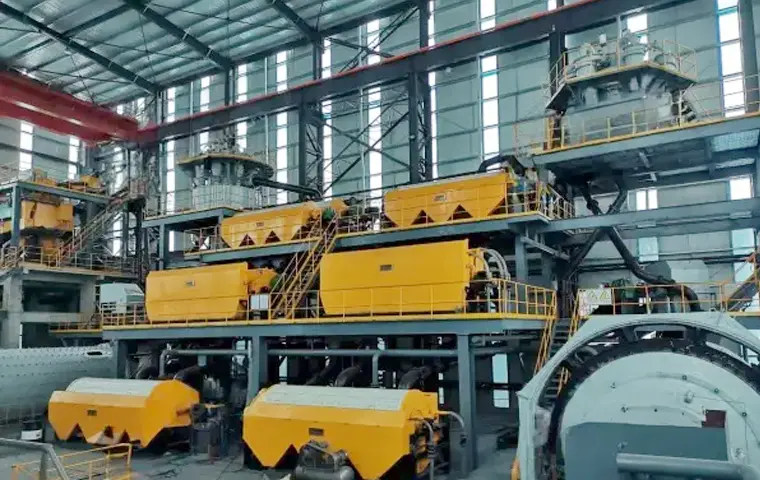
Ruwe erts: Magnetiet ijzererts met hematietbanden Fe-gehalte: 28-32% Eindproduct: Hoogwaardig ijzerconcentratie
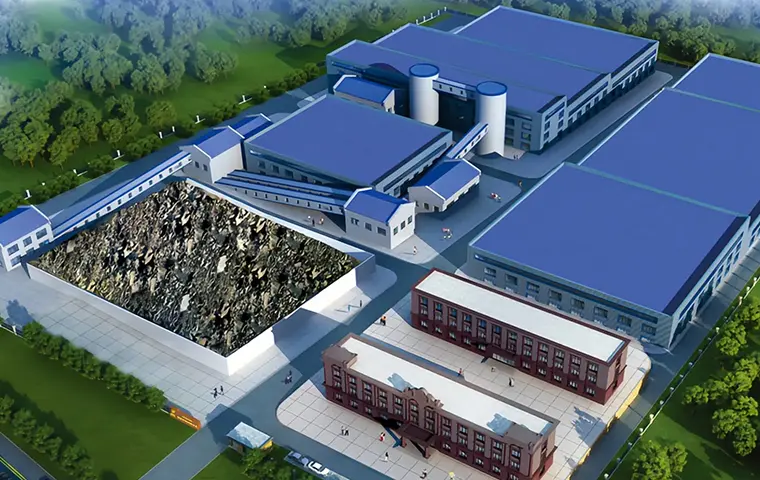
Grondstof: Natuurlijk grafietertsconcentraat Kwaliteit: 95% C TGC Eindproduct: Grafietflotatieconcentraat
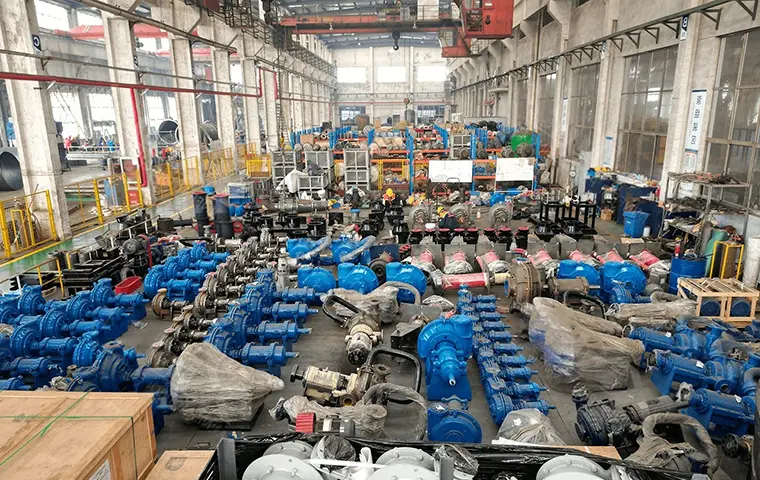
Raw Ore: Crystalline Flake Graphite Ore Feed Carbon Grade: 8–12% (Variable) Final Product: High-Purity Flake Graphite Concentrate
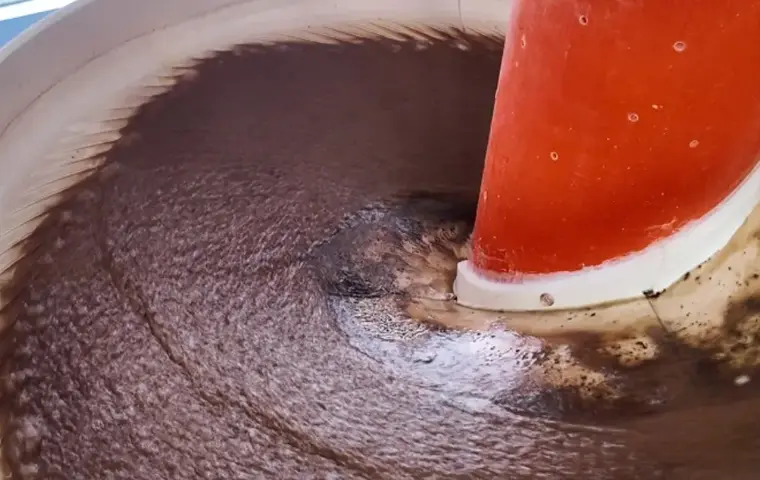
Grondstof: IJzerertsafval Verwerkingscapaciteit: 800 ton per dag
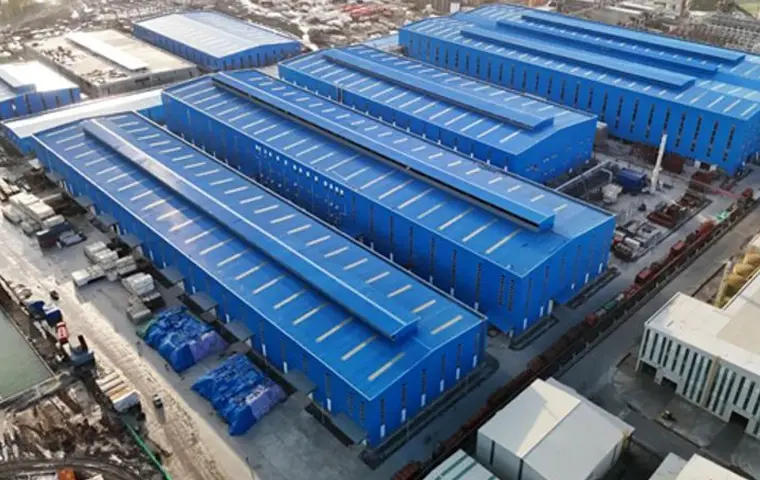
Grondstof: Petroleumkook, Naaldkook, Teerbindmiddel Projectcapaciteit: 50.000 ton per jaar
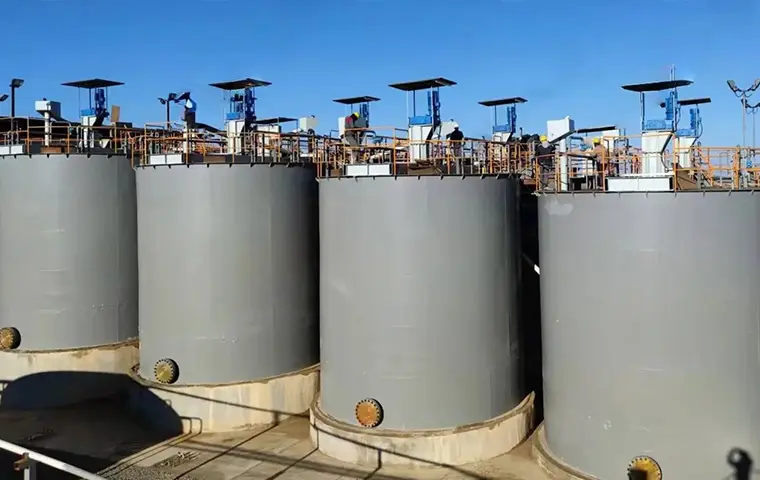
Ruw Oordeel: Sulfide-Type Gouderts (bevat Pyriet en Arsenopyriet) Goudgehalte: 4,2 g/t Eindproduct: Goud Dore Bar
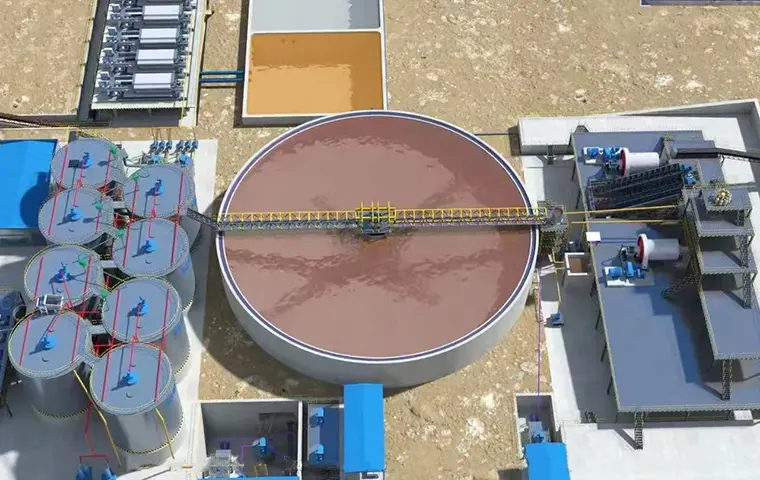
Ruweerts: Sulfide Type Kopererts (Hoofdzakelijk Chalcopyriet) Kopergraden: 0,8% Eindproduct: Koperconcentraat
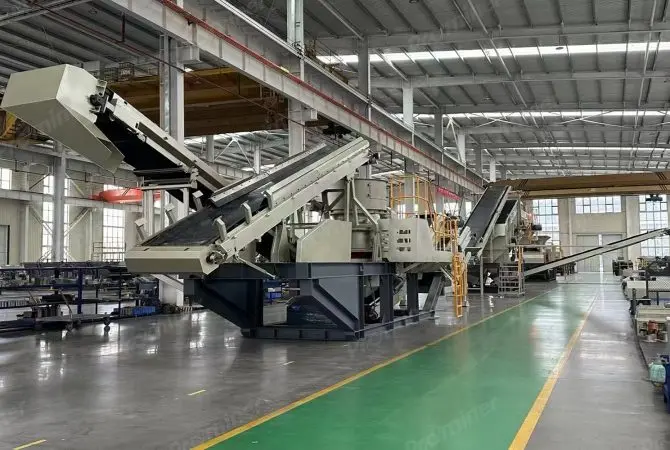
Skid gemonteerde draagbare crusher, gebaseerd op de markteisen voor gemakkelijker verplaatsen van de ene locatie naar de andere
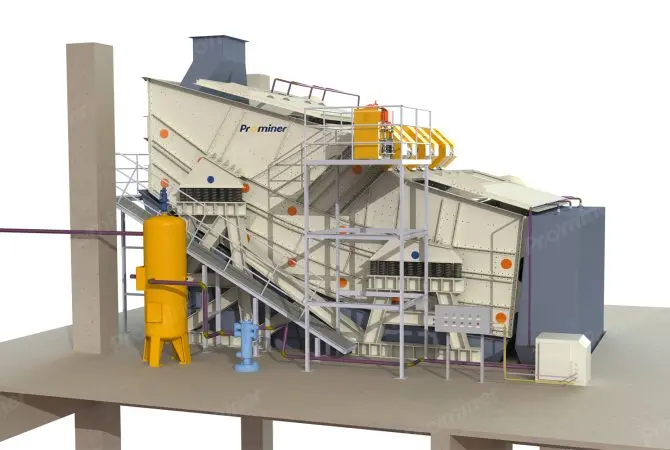
De banana zeef staat ook bekend als constante beddikte zeef. Prominer heeft de mogelijkheid om droog te leveren.
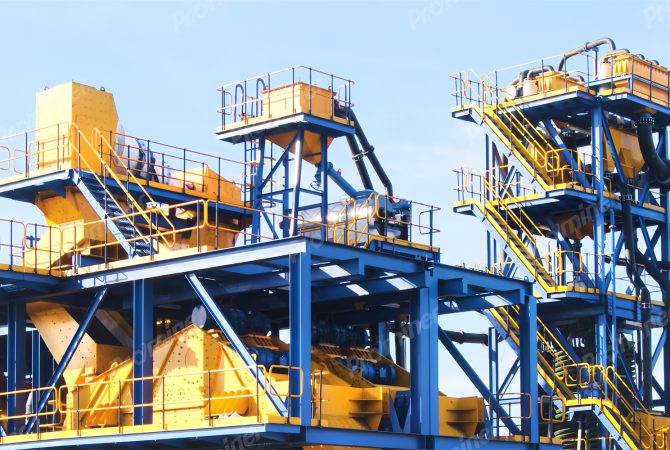
Prominer kan verschillende LIMS (Low Intensity Magnetic Separator) magnetische separators bieden
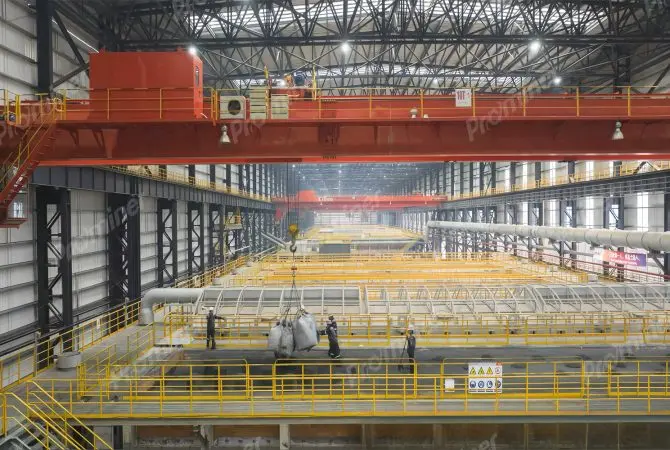
Wij kunnen verschillende soorten grafitiseringsovens leveren voor het veranderen van koolstofmateriaal
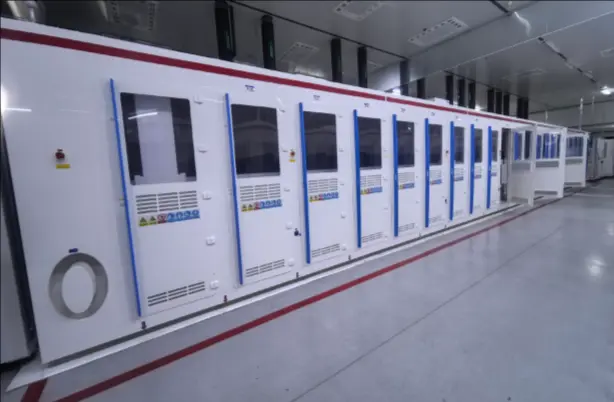
Inclusief: Monokristallijne batch-textuur-apparatuur, batch-textuur-loader/unloader, lage-druk...
Om meer te weten te komen over onze producten en oplossingen, vul alstublieft het onderstaande formulier in en een van onze experts zal u binnenkort terugbellen
3000 TPD goud flotatieproject in de provincie Shandong
2500 TPD lithiumerts flotatie in Sichuan
Fax: (+86) 021-60870195
Adres:No.2555, Xiupu Road, Pudong, Shanghai
Auteursrecht © 2023.Prominer (Shanghai) Mining Technology Co., Ltd.