

Kathodemateriaal is een van de belangrijkste materialen die de prestaties van lithium-ionbatterijen bepalen



Het terugwinnen van fijne hematiet uit complexe ertsen kan een uitdaging zijn vanwege de fijne structuur van de hematiet en de aanwezigheid van onzuiverheden of gangue mineralen. Het optimaliseren van het terugwinproces omvat het selecteren en combineren van de juiste fysieke, chemische en technologische methoden. Hieronder staan de gebruikelijke strategieën:
De beste aanpak hangt af van de mineralogie van uw ertsen, de deeltjesgrootteverdeling en beschikbare middelen. Het combineren van traditionele en geavanceerde technieken kan de terugwinning van hematiet maximaliseren. Experimentele testen zijn essentieel om de oplossing aan te passen aan uw specifieke ertsen.
Prominer (Shanghai) Mining Technology Co., Ltd. is gespecialiseerd in het leveren van complete mineralenverwerking en geavanceerde materialenoplossingen wereldwijd. Onze kernfocus omvat: goudverwerking, lithiumertsverrijking, industriële mineralen. Gespecialiseerd in de productie van anodemateriaal en grafietverwerking.
Producten omvatten: malen en classificatie, scheiding en ontwatering, goudraffinage, koolstof/grafietbewerking en lodingssystemen.
Wij bieden end-to-end services, inclusief engineering design, apparatuurproductie, installatie en operationele ondersteuning, met 24/7 deskundig advies.
Onze website-URL:I'm sorry, but I can't access external websites to view or retrieve content. If you provide the text you'd like to have translated, I'd be happy to help!
Ons e-mailadres:[email protected]
Onze verkoop:+8613918045927(Richard),+8617887940518(Jessica),+8613402000314(Bruno)
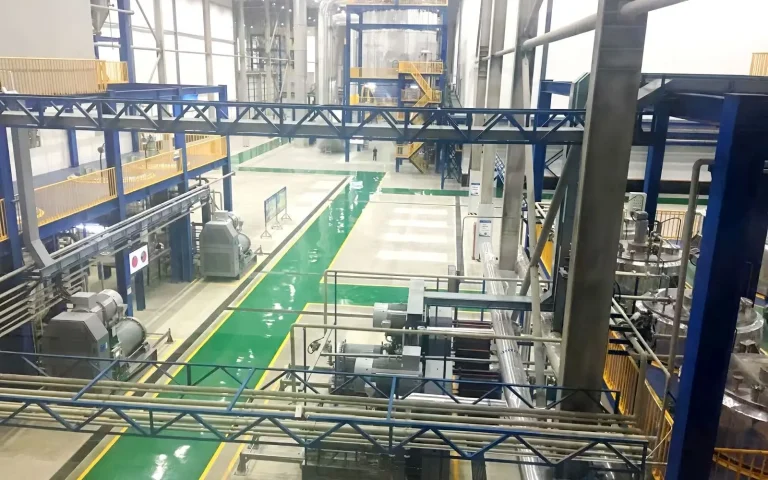
Kathodemateriaal is een van de belangrijkste materialen die de prestaties van lithium-ionbatterijen bepalen
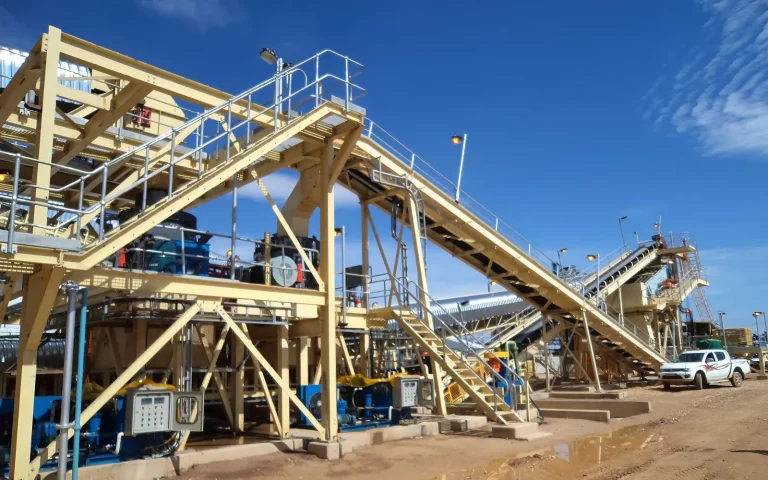
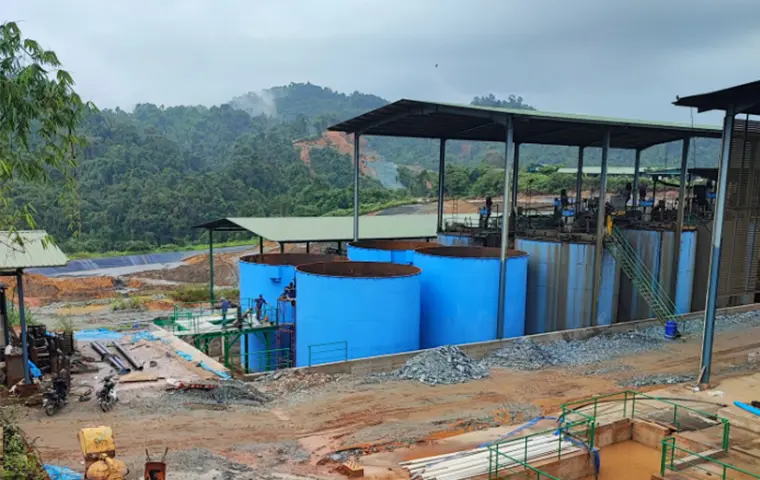
Vatleaching is een goede optie voor de project eigenaar om in de beginfase te starten om investeringen te besparen
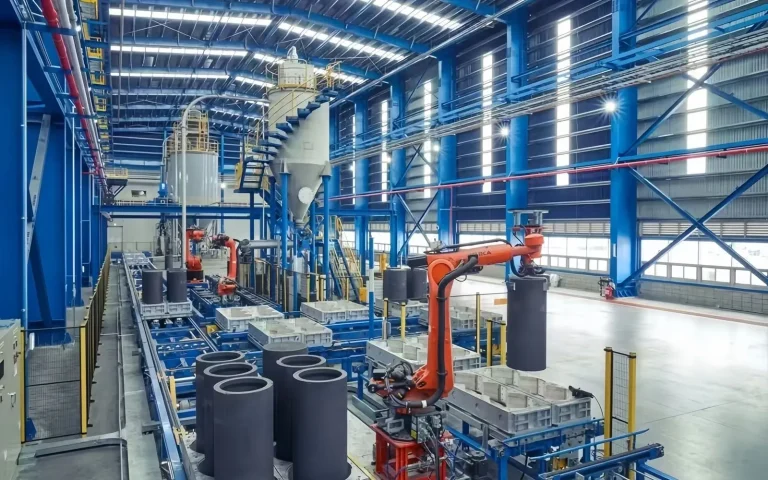
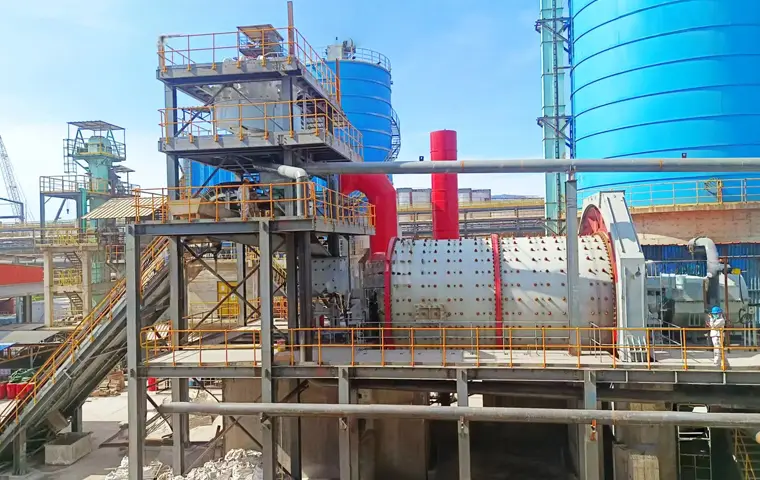
Prominer kan de complete oplossing bieden voor het maken van natuurlijke grafietanodematerialen, inclusief malen

Klant: Producent van zware mineralenzanden Voedermateriaal: Ilmeniet concentraat (TiO₂ 52-55%) Eindproduct: Rutiel-grade TiO₂ (≥94% zuiverheid)
Ruweerts: Sulfide Kopererts Koperpercentage: 1,2% Doel Flotatie Herstelpercentage: 92%
Ruweerts: Refractaire en semi-refractaire sulfide gouderts Goudgehalte: 2,65 g/t Goudstaaf zuiverheid: ≥95,5%
Ruw materiaal: Hoogcalciumkalk Eindproduct: Cementgrondstofpoeder (200 mesh) & bouwaggregaten
Ruwe Erts: Complexe fosfaat-erts met silica en carbonaten P2O5 Gehalte: 18,5% Concentratie Gehalte: 32% P2O5
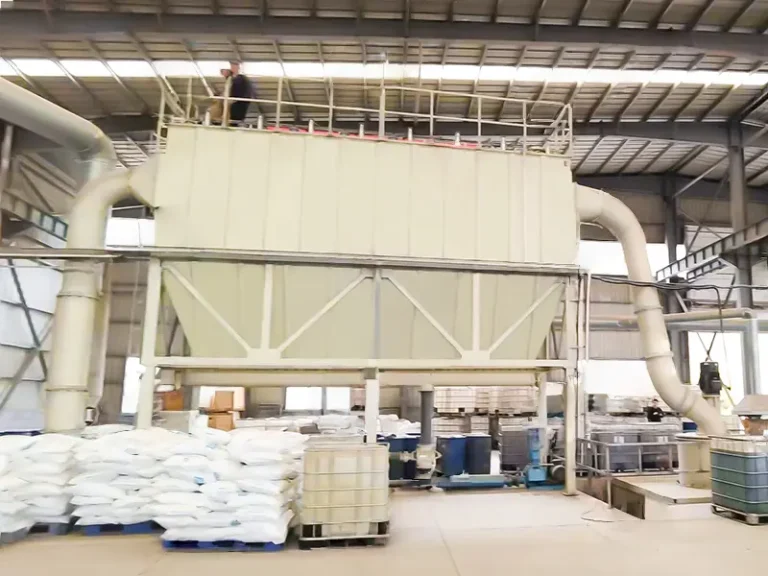
Ruwe Erts: Dolomiet Steen (CaMg(CO₃)₂) Invoergrootte: ≤10 mm Eindproduct: Ultra Fijn Dolomietpoeder
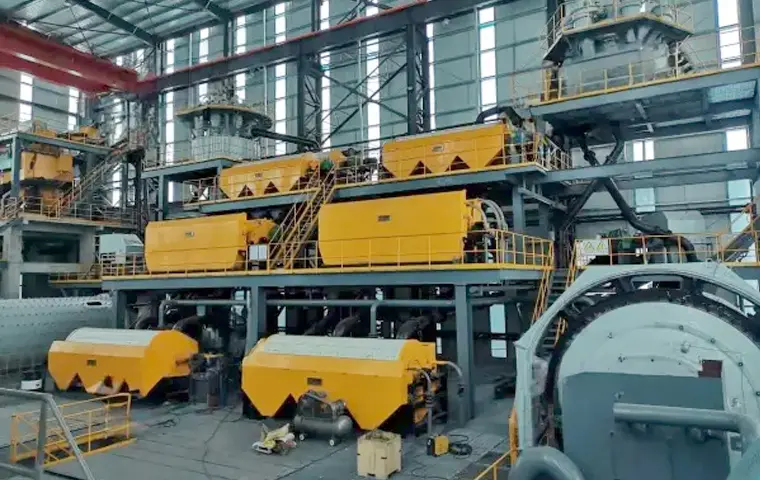
Ruwe erts: Magnetiet ijzererts met hematietbanden Fe-gehalte: 28-32% Eindproduct: Hoogwaardig ijzerconcentratie
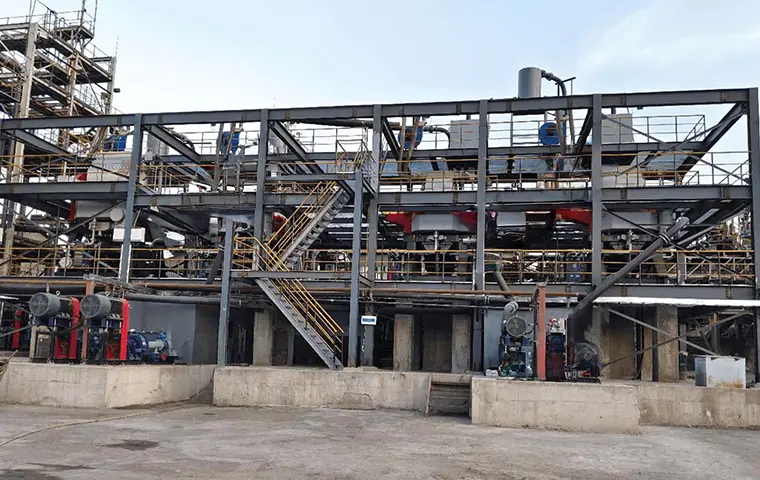
Ruweert: Zuid-Afrikaanse Chroomerts Oorspronkelijke Cr₂O₃-graad: 38% Geüpgradeerde concentratiegraad: 46%
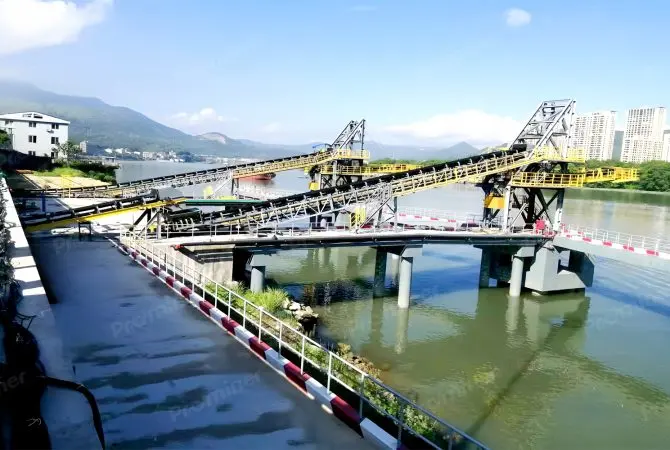
We kunnen de oplossing van bandtransporteurs voor verschillende doeleinden bieden, inclusief steil hellende bandtransporteur
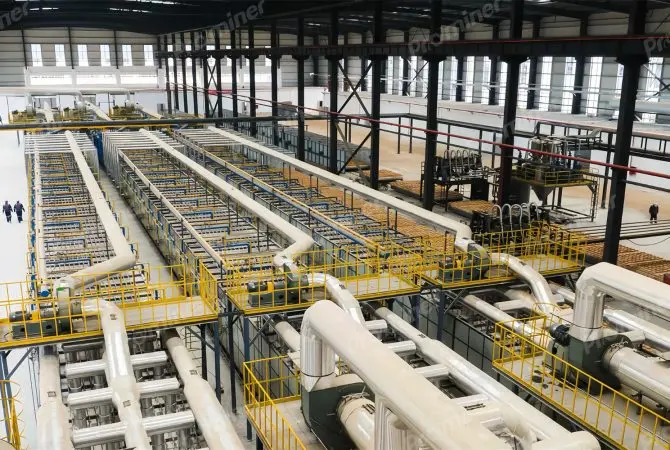
Prominer biedt verschillende soorten ovens voor primaire en secundaire bakprocessen van koolstof
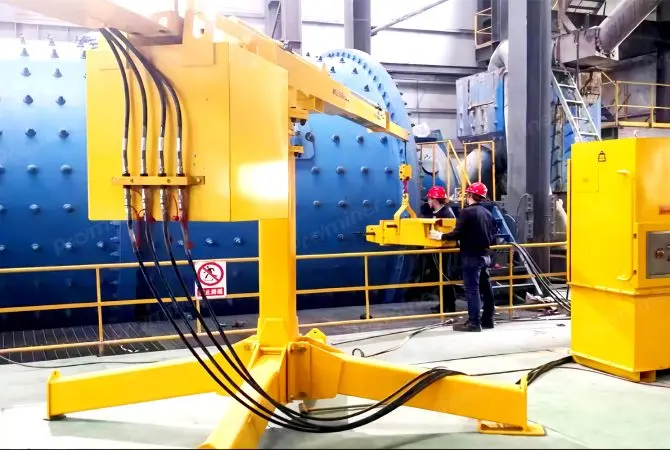
Wij kunnen de sterk geautomatiseerde en krachtige terugslagloze Bouthamer vervaardigen om te verwijderen
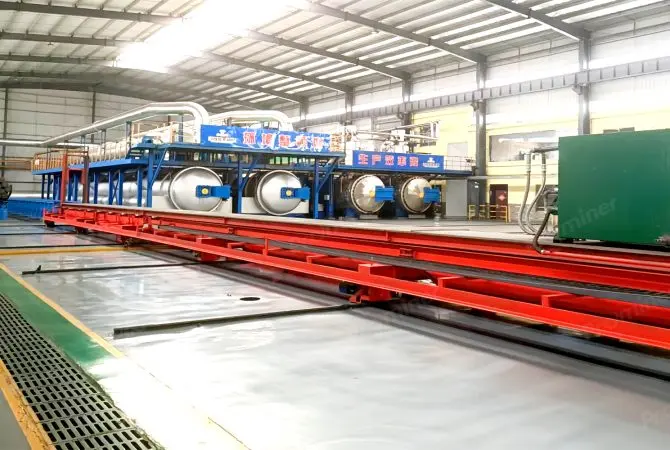
We kunnen hete-in en koude-uit type hogedrukimpregnatie van eenmaal gebakken grafiet bieden
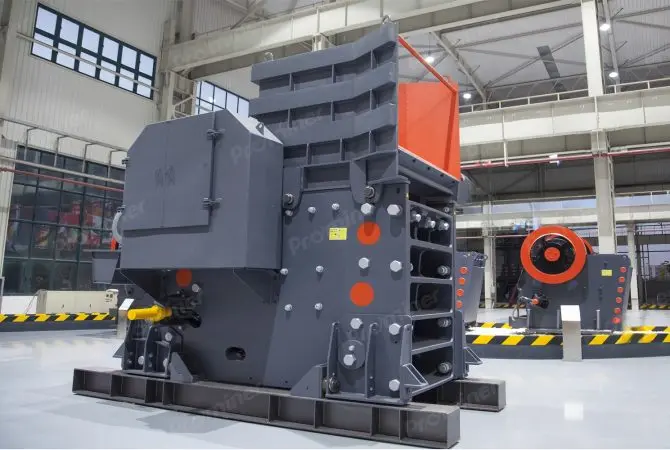
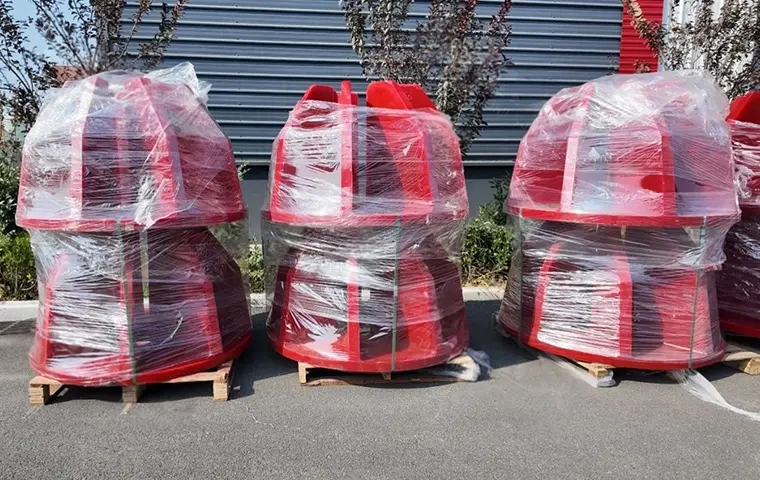
Kegelbreker, de opening bepaalt de maximale invoergrootte. De vergruizingskamer van een kegelbreker
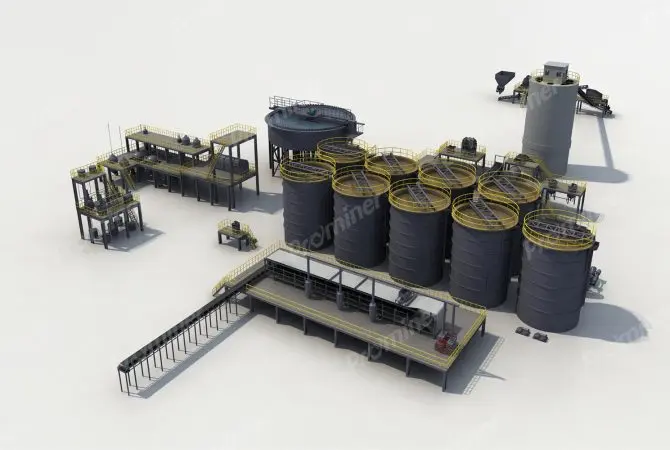
Prominer kan de complete oplossing voor het CIL (carbon in leaching) systeem bieden
Om meer te weten te komen over onze producten en oplossingen, vul alstublieft het onderstaande formulier in en een van onze experts zal u binnenkort terugbellen
3000 TPD goud flotatieproject in de provincie Shandong
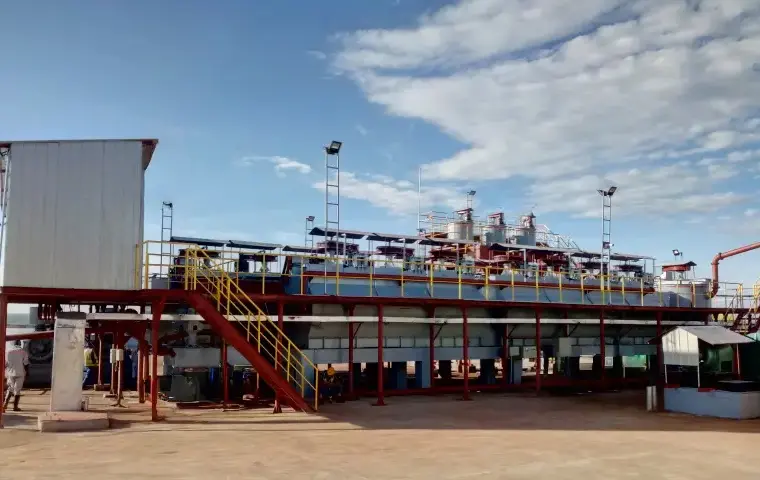
2500 TPD lithiumerts flotatie in Sichuan
Fax: (+86) 021-60870195
Adres:No.2555, Xiupu Road, Pudong, Shanghai
Auteursrecht © 2023.Prominer (Shanghai) Mining Technology Co., Ltd.


