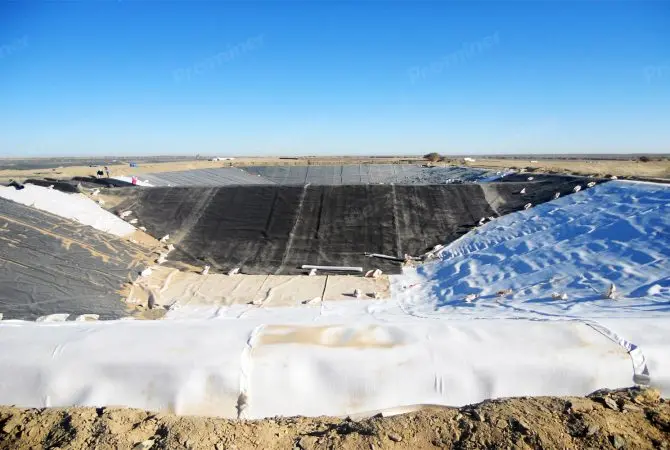
Het bekendste van de exogenetische ertsen is alluviaal goud, dat ook wel placer goud wordt genoemd. Alluviaal goud verwijst




Selecting the most profitable technology for processing different types of gold ores is a complex decision that requires thorough evaluation of geological, metallurgical, environmental, and economic factors. The profitability of gold extraction and processing technologies depends on the ore type, mineralogy, grade, infrastructure, and market dynamics. Here are some steps to guide this selection process:
The most profitable technology for gold ore processing depends on an integrated assessment of ore type, recovery rates, costs, and market conditions. Collaborate with experienced metallurgists, geologists, engineers, and environmental experts to make an informed decision. Ultimately, piloting and testing are essential before committing to full-scale implementation.
A: Minerale kenmerken variëren aanzienlijk, zelfs binnen hetzelfde ertslichaam. Een professionele test (zoals chemische analyse, XRD en SEM) zorgt ervoor dat het stroomdiagram geoptimaliseerd is voor jouw specifieke ertskwaliteit en liberatiegrootte. Dit voorkomt kostbare apparatuur mismatchen en garandeert de hoogste mogelijke terugwinningspercentages voor jouw project.
A: We houden een permanente voorraad van kernslijtagedelen aan (zoals breker-liners, zeefgaas en slijpmiddelen). Voor internationale klanten bieden we een aanbevolen “2-jaar reserveonderdelenlijst” bij de initiële aankoop. Technische ondersteuning is 24/7 beschikbaar via video op afstand, en bedrijfsbezoeken kunnen worden geregeld voor complexe onderhoudsbehoeften.
A: Ja. We sturen een team van senior mechanische en elektrische ingenieurs naar de locatie om de installatie, inbedrijfstelling en belastingtesting van de apparatuur te superviseren. We bieden ook uitgebreide on-site training voor uw lokale operators om een soepele werking op lange termijn te waarborgen.
A: Absoluut. Wij zijn gespecialiseerd in het aanbieden van EPCM (Engineering, Procurement, Construction Management) diensten. Dit omvat alles van initiële ertsbeproeving en mijnontwerp tot apparatuurfabricage, logistiek en volledige plantintegratie, wat een naadloze overgang van greenfield naar productie waarborgt.
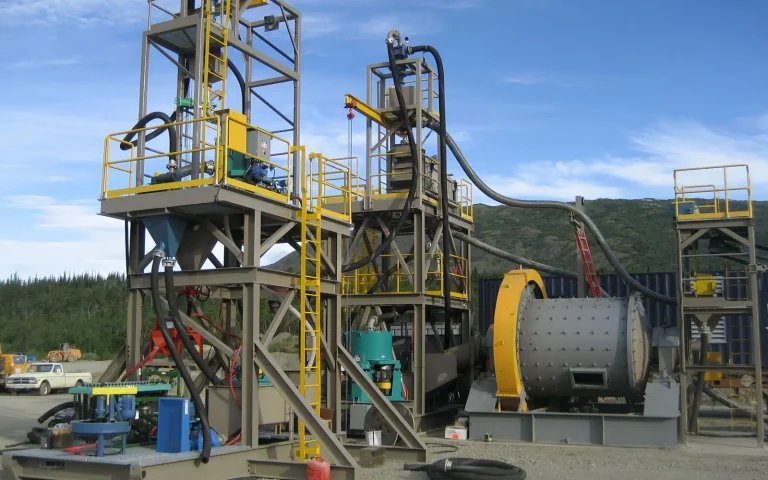
Het bekendste van de exogenetische ertsen is alluviaal goud, dat ook wel placer goud wordt genoemd. Alluviaal goud verwijst
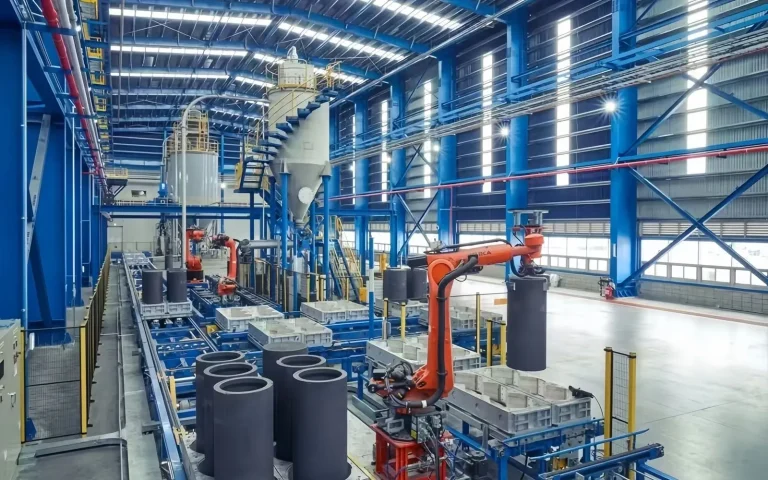
Lever de complete oplossing voor het maken van grafiet anodematerialen, inclusief malen, vormen, zuivering…
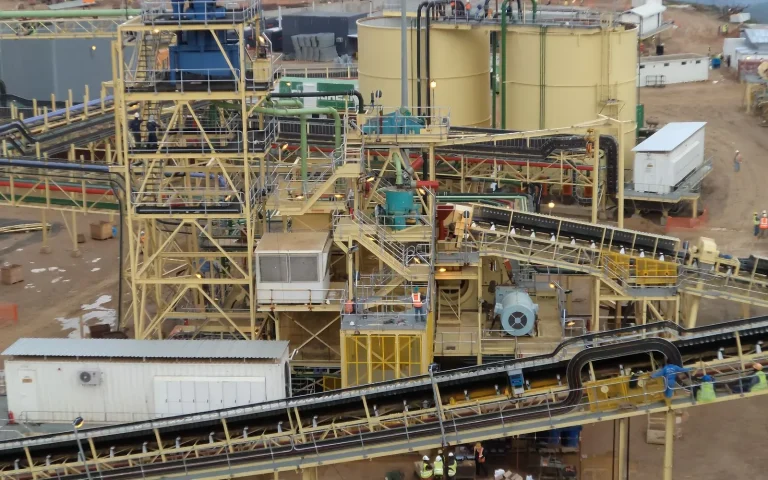
Lever belangrijke apparatuur in het goudertsverwerkingsproces, zoals het CIL/CIP-systeem, de flotatiecel…

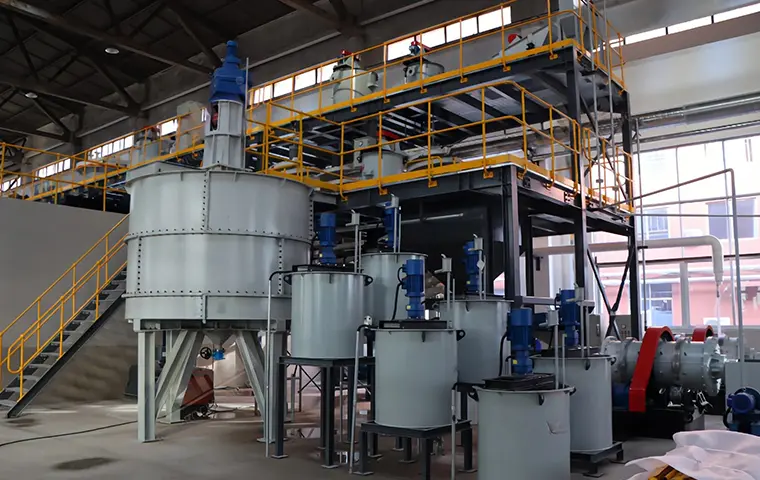
Project achtergrond: Uitbreiding en technologische upgrade van een bestaande flotatiefabriek
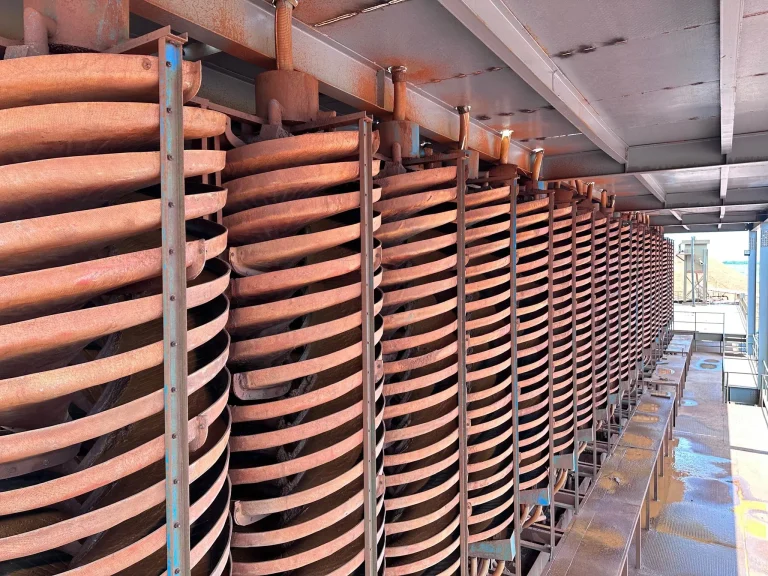
Ruwe Erts: Titanium Zirkonium Strandzand Erts TiO₂ Gehalte: 4,5% ZrO₂ Gehalte: 3,2%
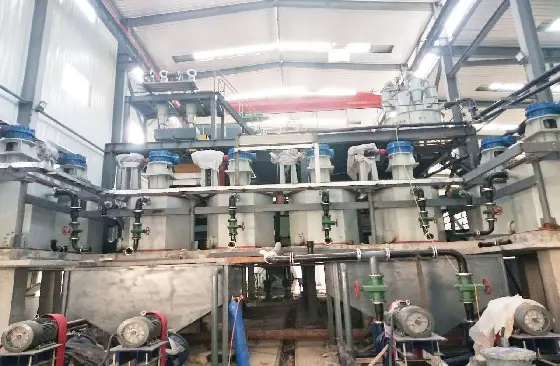
Ruw materiaal: Kwartsgesteente (SiO₂: 97,8%) Fotovoltaïsche kwaliteit: SiO₂≥99,99%, Fe₂O₃≤10ppm
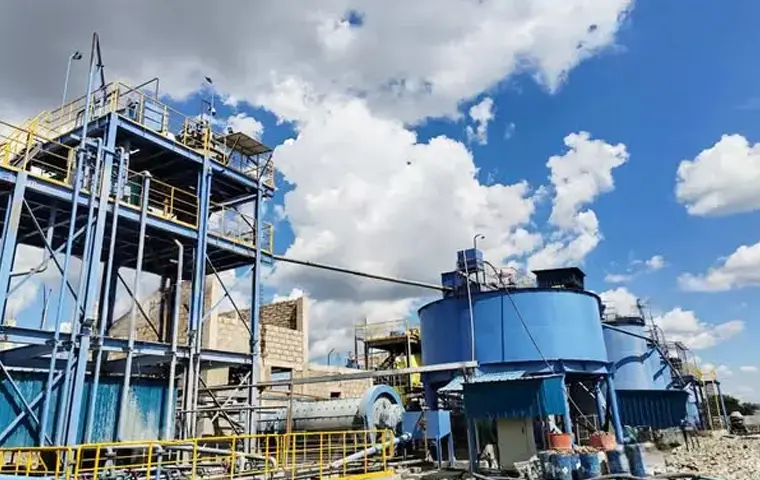
Ruwe erts: Koper-gouderts Kopergehalte: 1,2% Goudgehalte: 1,5 g/t Recuperatiepercentage: Koper 89%, Goud 88%
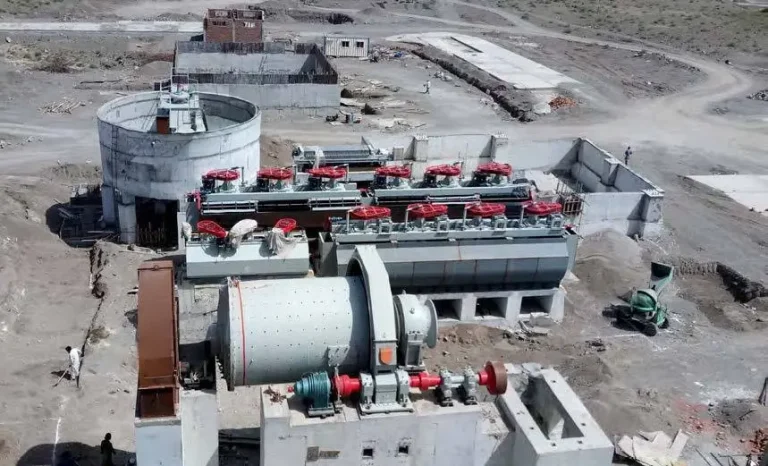
Ruwe Erts: Gemengde oxide-sulfide kopererts (chalcopyriet/malachiet) Kopergehalte: 1,2% | Zilver: 15 g/t
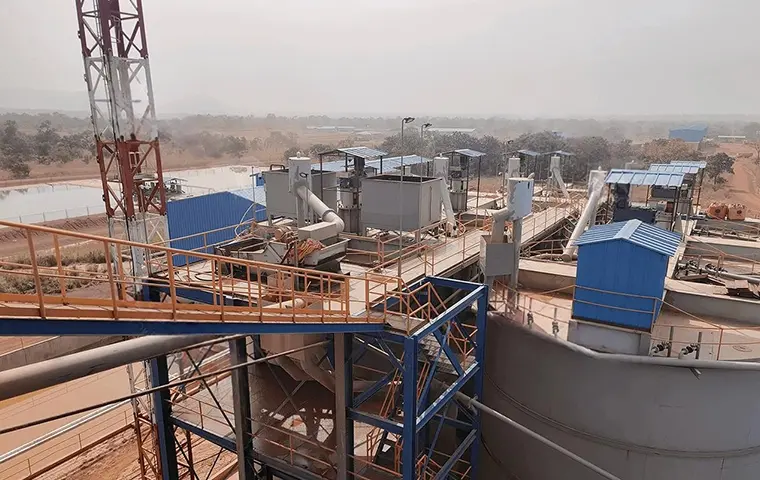
Ruweerts: Sulfide Kopererts (met een kleine hoeveelheid pyriet) Kopergradatie: 1,2% Concentratiegradatie 25% Cu

Raw Material: Existing gold plant tailings (All-slime) Gold Grade in Tailings: 1.2 g/t Final Product: Gold Ingot
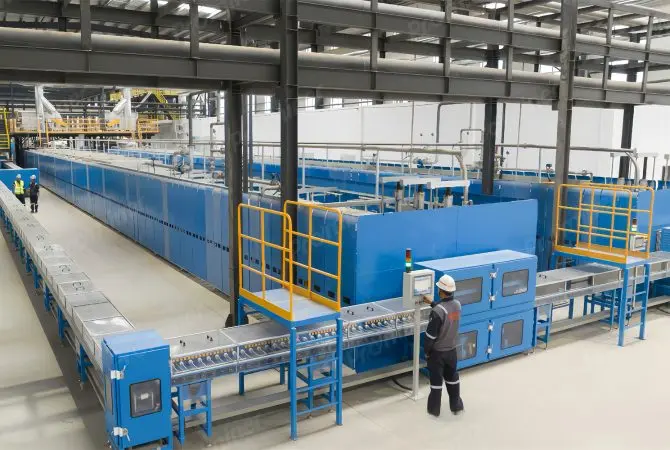
Wij kunnen de complete oplossing voor het koolstofisatiethermisch behandelingssysteem bieden
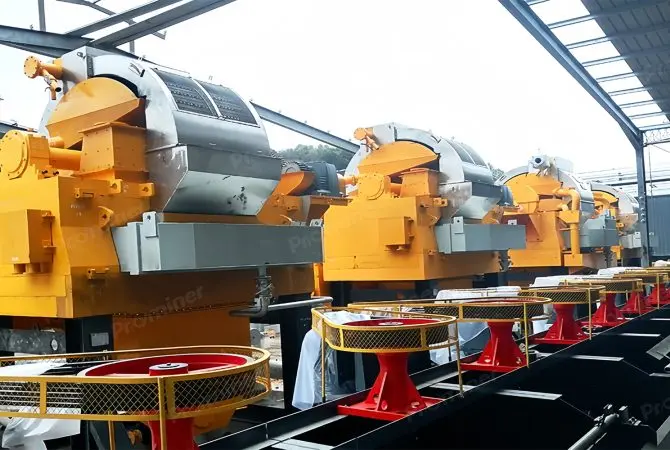
Prominer kan verschillende HIMS (High Intensity Magnetic Separator) magnetische scheiders leveren
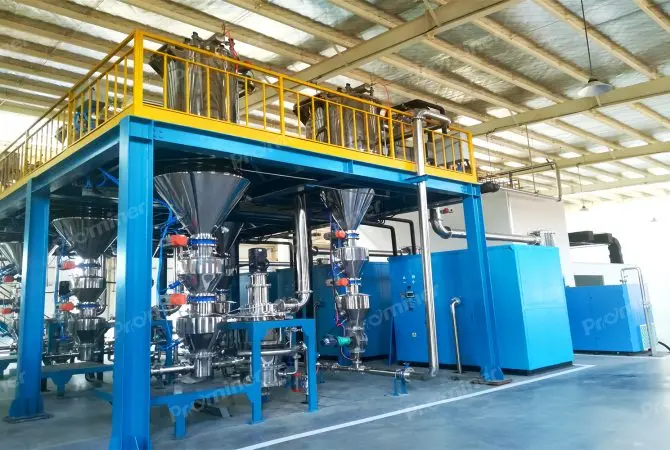
Jetmolen wordt ook wel fluidized bed jetmolen genoemd, waarbij meerdere spuitmonden worden gebruikt om een luchtstroom met geluidssnelheid te vormen
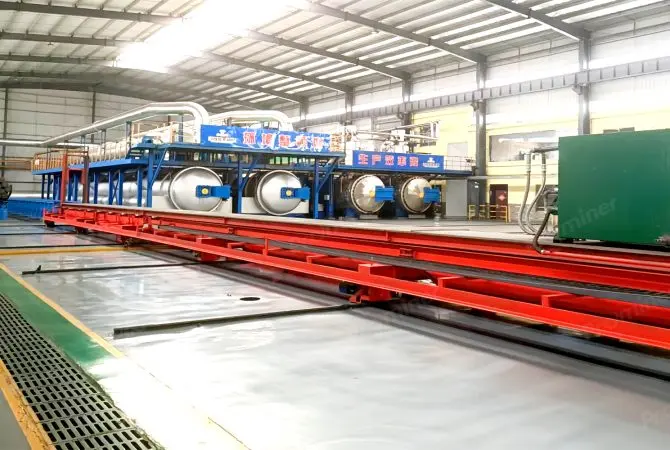
We kunnen hete-in en koude-uit type hogedrukimpregnatie van eenmaal gebakken grafiet bieden
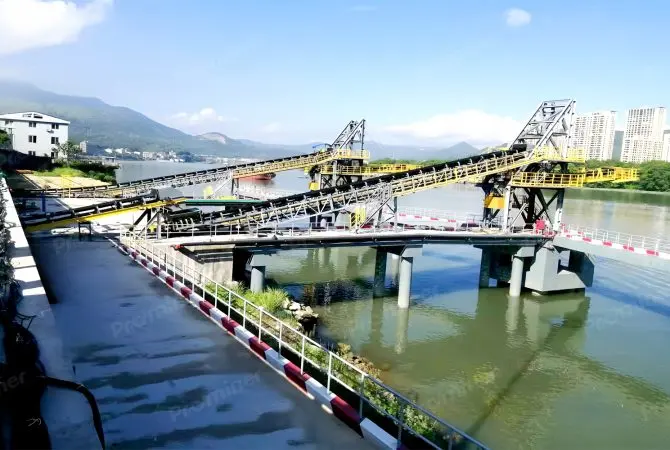
We kunnen de oplossing van bandtransporteurs voor verschillende doeleinden bieden, inclusief steil hellende bandtransporteur
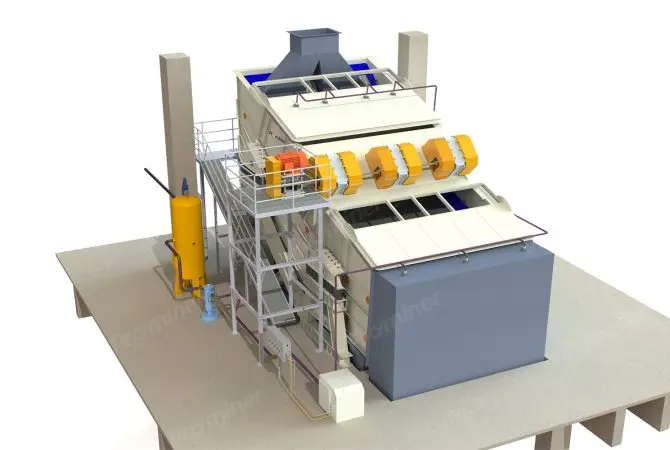
Flip-flow schermpaneel blijft zich uitbreiden en samentrekken om hoge versnellingstarieven te bereiken.
Om meer te weten te komen over onze producten en oplossingen, vul alstublieft het onderstaande formulier in en een van onze experts zal u binnenkort terugbellen
3000 TPD goud flotatieproject in de provincie Shandong
2500 TPD lithiumerts flotatie in Sichuan
Fax: (+86) 021-60870195
Adres:No.2555, Xiupu Road, Pudong, Shanghai
Auteursrecht © 2023.Prominer (Shanghai) Mining Technology Co., Ltd.