Hard koolstof anodemateriaal is het meest voorkeursmateriaal voor commercialisering van natrium-ionbatterijen


/
/
Hoe scheidt men koper-lood-zink in sulfideerts door middel van selectieve flottatie?


Koper-lood-zink (Cu-Pb-Zn) sulfide-ertsen behoren tot de meest voorkomende en economisch waardevolle polimetallische deposito's. Omdat deze metalen vaak samen voorkomen in nauw verbonden mineralen—zoals chalcopyriet (CuFeS₂), galena (PbS) en sphaleriet (ZnS)—kan hun scheiding technisch een uitdaging zijn.
Selectieve flottatie is de meest gebruikte en effectieve methode om deze sulfide-mineralen te scheiden. Dit artikel legt de principes, processtroom, reagentia en belangrijke operationele overwegingen uit voor het succesvol scheiden van koper, lood en zink uit sulfide-ertsen.
Voordat je een floatatieproces ontwerpt, is het essentieel om een gedetailleerde minerale studie uit te voeren. Belangrijke aspecten zijn onder andere:
Koper bestaat over het algemeen als:
Lood komt vooral voor als:
Zink komt meestal voor als:
Omdat galena en chalcopyriet vergelijkbare zweefbaarheid hebben, en sphaleriet kan worden geactiveerd door koperen ionen, vereist selectieve scheiding een nauwkeurige reagentcontrole.
Selectieve flotatie werkt door:
De scheiding berust op verschillen in oppervlaktereacties, die worden beïnvloed met behulp van flotatievriendelijke reagentia zoals:
De meest voorkomende processtrategie is sequentiële flotatie, meestal in deze volgorde:
Echter, in veel planten, Bulk flotatie van Cu-Pb gevolgd door scheiding, en vervolgens voorkeursgewijze Zink-scheiding.
Het erts wordt gebroken en vermaald om waardevolle mineralen van gangue te bevrijden. Juiste bevrijding is essentieel voor een effectieve scheiding.
In veel operaties worden koper en lood eerst samen gezeefd als een bulkconcentraat.
Reagentia gebruikt:
Zink- en ijzersulfiden zijn verlaagd tijdens deze fase door middel van:
Na het verkrijgen van een Cu-Pb massagoedconcentraat wordt selectieve flottatie gebruikt om ze te scheiden.
Optie A: Verlaag de dikte, zweef koper
koper drijft terwijl galena wordt onderdrukt.
Optie B: Depresseren koper, lood zweven
De keuze hangt af van de mineralogie, milieufactoren en beschikbaarheid van reagentia.
Na het verwijderen van koper en lood wordt zink teruggewonnen uit de raffinage.
Aangezien sphaleryn vaak onderdrukt is tijdens de eerdere fasen, moet het worden geactiveerd voordat het wordt geflotteerd.
Activation:
Verzamelaars:
pH-regeling:
Succesvolle selectieve ontfrothing hangt af van nauwkeurige controle van:
Online monitoringsystemen en geautomatiseerde reagententoetssysteem worden veel gebruikt in moderne installaties om stabiliteit te behouden.
Probleem: Opgeloste koperenionen activeren zink voortijdig.
Solution:
Probleem: Slechte bevrijding vermindert de selectiviteit.
Solution:
Probleem: Verminderde drijfvermogenreactie.
Solution:
Probleem: Het gebruik van cyanide en dichromaat is beperkt.
Solution:
Hoewel stroomdiagrammen verschillen, is een gangbare en effectieve strategie:
Aanbieden van een proefvlucht wordt sterk aanbevolen voordat het procesontwerp wordt afgerond, aangezien elke orebodemeer anders gedraagt.
Het scheiden van koper, lood en zink van sulfide-erts met behulp van selectieve scheiding vereist een goed ontworpen stroomdiagram, de juiste keuze van reagentia en een nauwkeurige procescontrole. De sleutel ligt in het manipuleren van de chemie van het mineraaloppervlak om één mineraal selectief te laten zweven terwijl de andere onderdrukt worden.
Met een juiste mineralogische analyse, laboratoriumtesten en geoptimaliseerde reagentenschema’s kunnen hoogwaardig koperen, lood- en zincconcentraten efficiënt worden geproduceerd, waarmee de metaalopbrengst en de economische opbrengsten worden gemaximaliseerd.
A: Minerale kenmerken variëren aanzienlijk, zelfs binnen hetzelfde ertslichaam. Een professionele test (zoals chemische analyse, XRD en SEM) zorgt ervoor dat het stroomdiagram geoptimaliseerd is voor jouw specifieke ertskwaliteit en liberatiegrootte. Dit voorkomt kostbare apparatuur mismatchen en garandeert de hoogste mogelijke terugwinningspercentages voor jouw project.
A: We maintain a permanent stock of core wear parts (such as crusher liners, screen meshes, and grinding media). For international clients, we provide a recommended “2-year spare parts list” with the initial purchase. Technical support is available 24/7 via remote video, and site visits can be arranged for complex maintenance needs.
A: Ja. We sturen een team van senior mechanische en elektrische ingenieurs naar de locatie om de installatie, inbedrijfstelling en belastingtesting van de apparatuur te superviseren. We bieden ook uitgebreide on-site training voor uw lokale operators om een soepele werking op lange termijn te waarborgen.
A: Absoluut. Wij zijn gespecialiseerd in het aanbieden van EPCM (Engineering, Procurement, Construction Management) diensten. Dit omvat alles van initiële ertsbeproeving en mijnontwerp tot apparatuurfabricage, logistiek en volledige plantintegratie, wat een naadloze overgang van greenfield naar productie waarborgt.
Hard koolstof anodemateriaal is het meest voorkeursmateriaal voor commercialisering van natrium-ionbatterijen
Heap leaching is een traditionele cyanide leaching verwerkingswijze die flexibel en economisch is om goud te extraheren
Er zijn twee soorten natuurlijke grafieterts: kristallijne grafiet en amorfe grafiet

Ruwe Oer: Geschikt voor sulfide/oxide goud, koper, lithium, zink, lood en andere non-ferrosmetalen
Raw Ore: Calcite Ore CaCO3 Grade: 85% Final Product: Coated & Uncoated Calcite Powder (325 – 2500 mesh)
Ruwe Ores: Nikkel-Kobalt Laterieterts (Limoniet- & Saprolietlagen) Gemiddelde Voedingsgraad: Ni: 1.2%, Co: 0.15%
Ruw Oordeel: Hoogwaardige Fluorieterts uit Diepe Aders Fluorspar Kwaliteit: 38% CaF₂ Concentraat Kwaliteit: 97,2% CaF₂
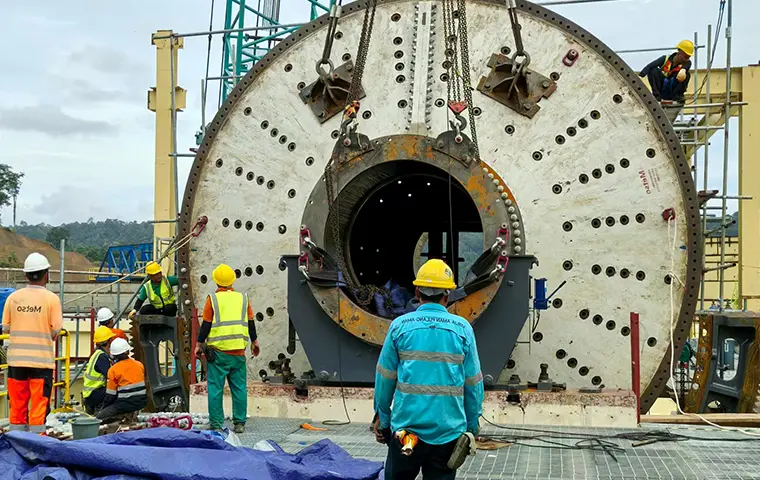
Ruweerts: Alluviaal/Sulfide Type Gouderts (afhankelijk van specifieke afzetting) Goudkwaliteit: 3,5 g/t Goudherstelpercentage: 92%
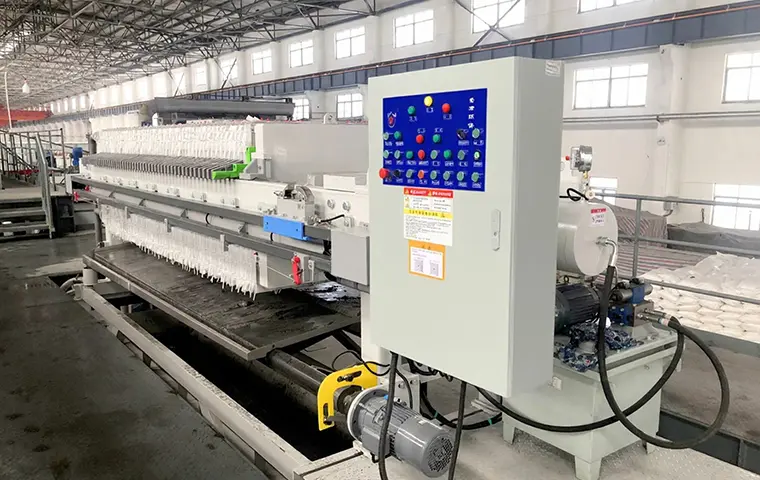
Ruw materiaal: Koolstof-slak uit aluminium elektrolyse Aanvoerkwaliteit: 15–20% cryolietgehalte Eindproduct: Gerecycleerde cryoliet (zuiverheid ≥ 92%)

Ruw erts: Lithiumrijk hectorietklei (Li₂O: 0,6-1,0%) Eindproduct: Batterijkwaliteit lithiumcarbonaat
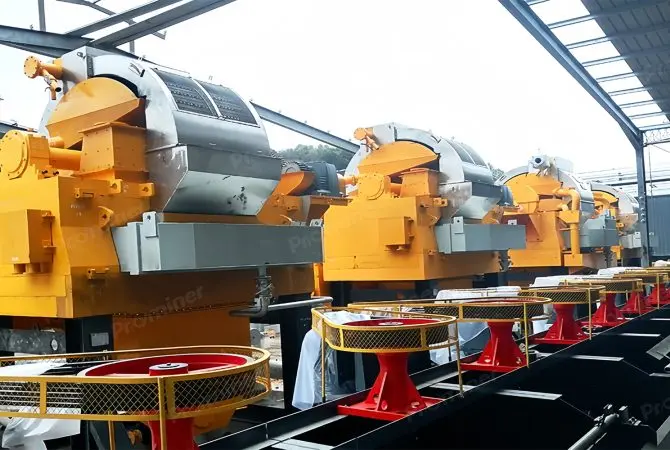
Prominer kan verschillende HIMS (High Intensity Magnetic Separator) magnetische scheiders leveren
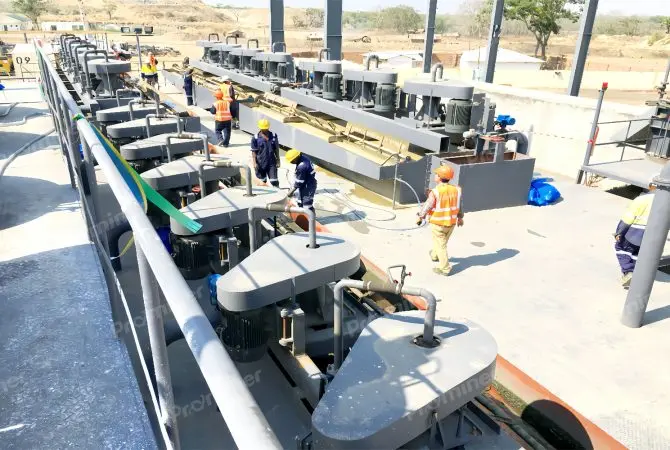
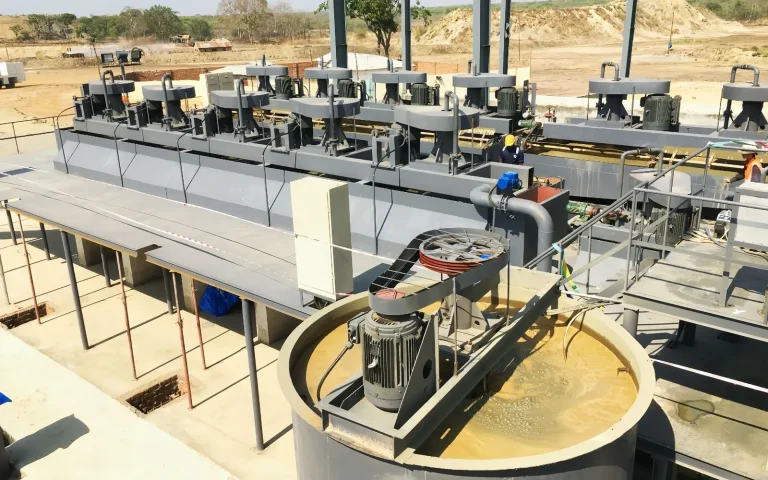
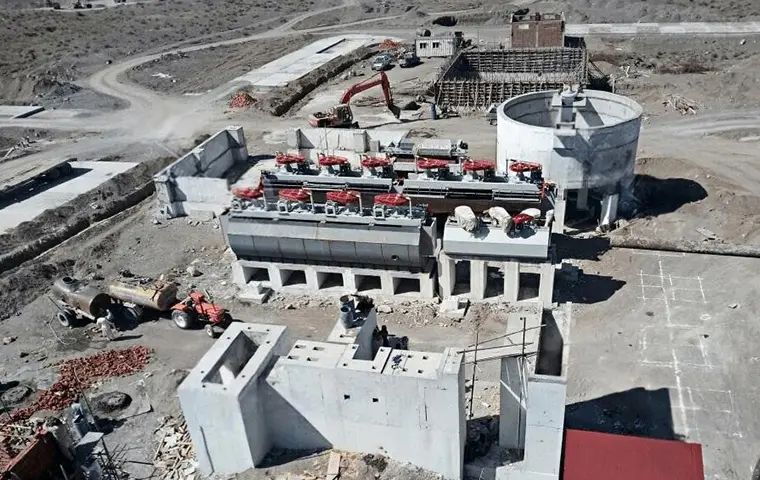
Prominer kan SF-serie zelfaanzuigende flotatiemachine en XCF/KYF-serie pneumatische flotatiecel bieden
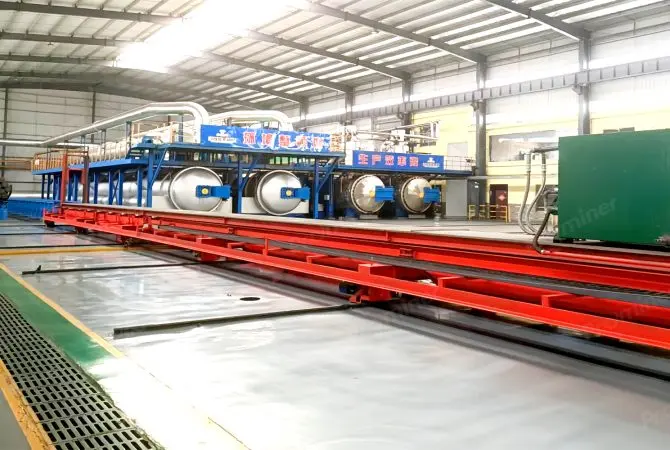
We kunnen hete-in en koude-uit type hogedrukimpregnatie van eenmaal gebakken grafiet bieden
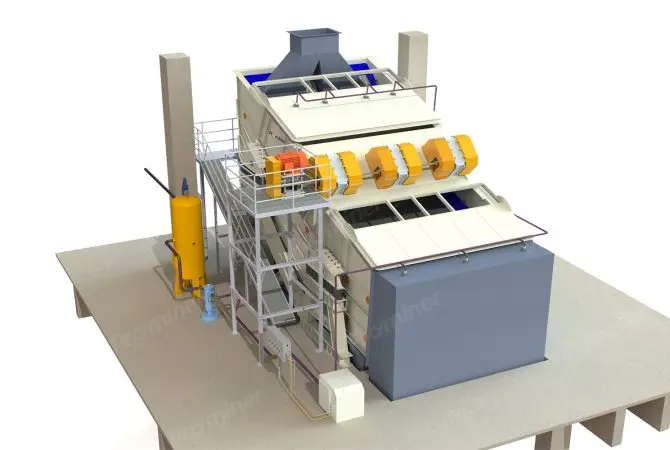
Flip-flow schermpaneel blijft zich uitbreiden en samentrekken om hoge versnellingstarieven te bereiken.
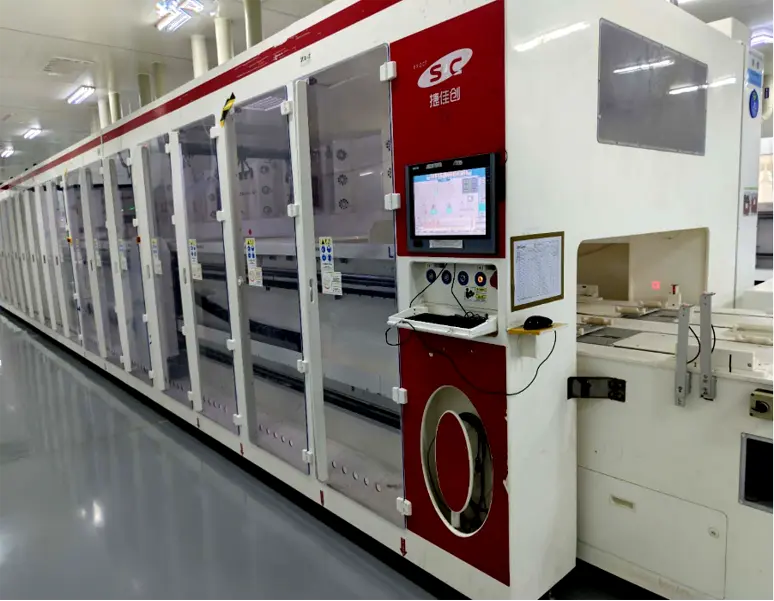
Zoals: boordiffusievuur, BSG-verwijdering, alkali-polijstmachine, PE-POLY…
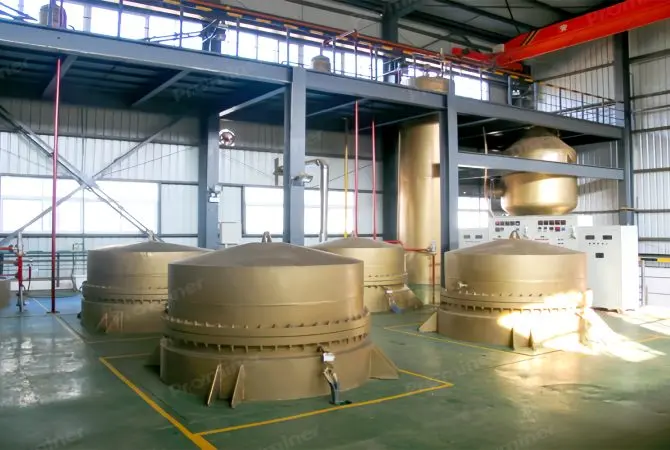
Prominer kan het complete raffinage- en smeltingssysteem voor het goud CIL-project ontwerpen en leveren
Om meer te weten te komen over onze producten en oplossingen, vul alstublieft het onderstaande formulier in en een van onze experts zal u binnenkort terugbellen
3000 TPD goud flotatieproject in de provincie Shandong
2500 TPD lithiumerts flotatie in Sichuan
Fax: (+86) 021-58779592
Address: Kamer 606, Gebouw D3, Fase II, Chuansha Business Center, Long 777, Miaochuan Road, Pudong Nieuwgebied, Shanghai, China
Auteursrecht © 2023. Prominer (Shanghai) Mining Technology Co., Ltd.