

Lever belangrijke apparatuur in het goudertsverwerkingsproces, zoals het CIL/CIP-systeem, de flotatiecel…



De verwerkingsmethode voor fosfaat die wordt gebruikt om de kwaliteit en de opbrengst te maximaliseren, hangt af van de mineralogische samenstelling, onzuiverheden en de deeltjesgrootte van het erts. Hieronder staan enkele effectieve en veelgebruikte methoden voor de verwerking van fosfaaterz die de kwaliteit en de opbrengst optimaliseren:
Schuimflotatie is de meest gebruikte en effectieve methode voor het maximaliseren van de fosfaatkwaliteit en -winning, vooral voor fijnkorrelige ertsen. In gevallen van grofkorrelige of hoog-koolzuurhoudende ertsen kunnen zwaartekrachtseparatie, calcinate of chemische behandeling worden toegepast. Een gedetailleerd begrip van de mineralogische eigenschappen van het erts en de juiste integratie van meerdere methoden levert doorgaans de beste resultaten op.
Prominer (Shanghai) Mining Technology Co., Ltd. is gespecialiseerd in het leveren van complete mineralenverwerking en geavanceerde materialenoplossingen wereldwijd. Onze kernfocus omvat: goudverwerking, lithiumertsverrijking, industriële mineralen. Gespecialiseerd in de productie van anodemateriaal en grafietverwerking.
Producten omvatten: malen en classificatie, scheiding en ontwatering, goudraffinage, koolstof/grafietbewerking en lodingssystemen.
Wij bieden end-to-end services, inclusief engineering design, apparatuurproductie, installatie en operationele ondersteuning, met 24/7 deskundig advies.
Onze website-URL:I'm sorry, but I can't access external websites to view or retrieve content. If you provide the text you'd like to have translated, I'd be happy to help!
Ons e-mailadres:[email protected]
Onze verkoop:+8613918045927(Richard),+8617887940518(Jessica),+8613402000314(Bruno)
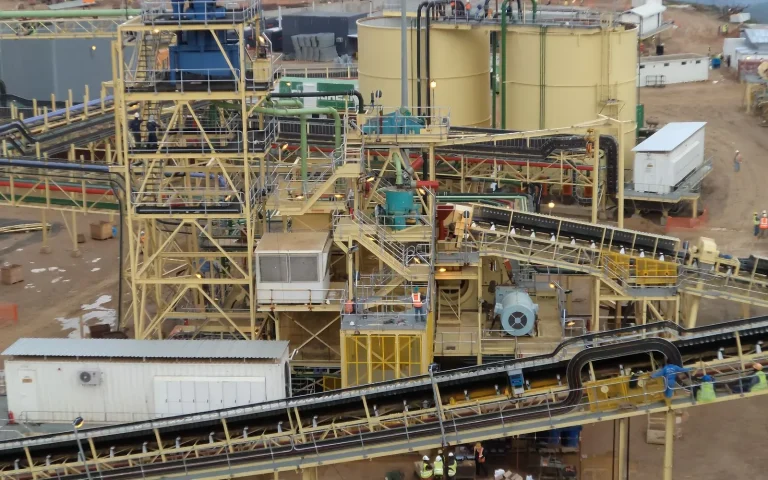
Lever belangrijke apparatuur in het goudertsverwerkingsproces, zoals het CIL/CIP-systeem, de flotatiecel…
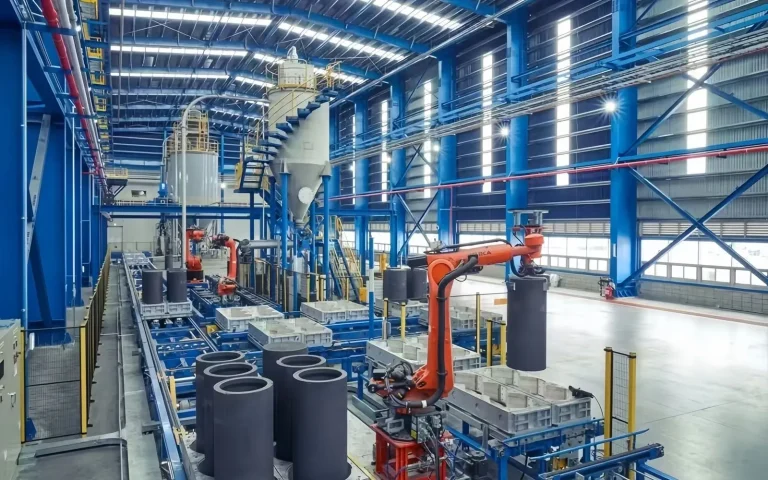
Lever de complete oplossing voor het maken van grafiet anodematerialen, inclusief malen, vormen, zuivering…
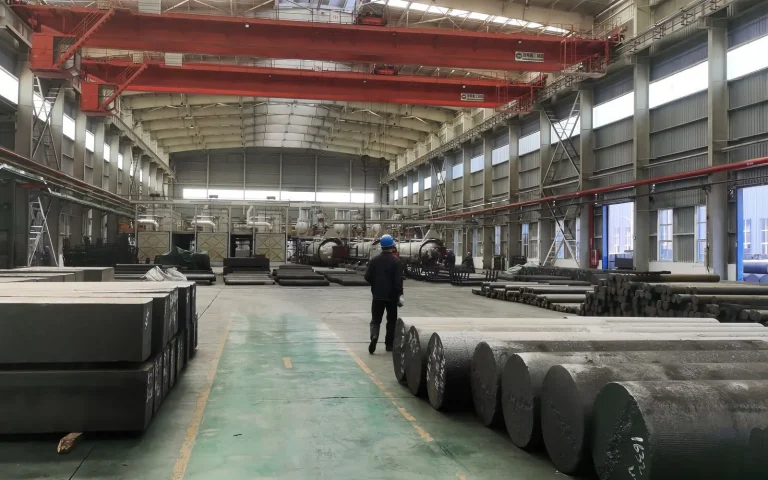
UHP grafietelektrode wordt voornamelijk gebruikt voor ultra hoge vermogen elektrische boogovens in de staalsmeltindustrie

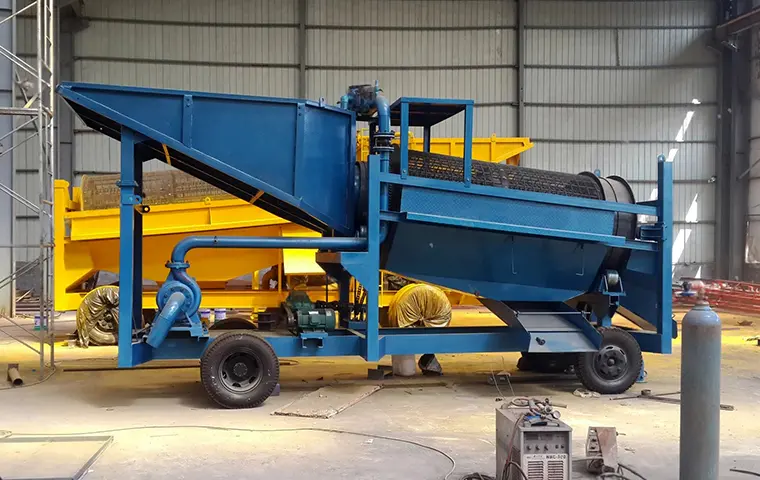
Ruw Erts: Alluviaal gouderts van rivierbed en terrasafzettingen Goudgehalte: 1,5 g/t Goudherstelpercentage: 92%
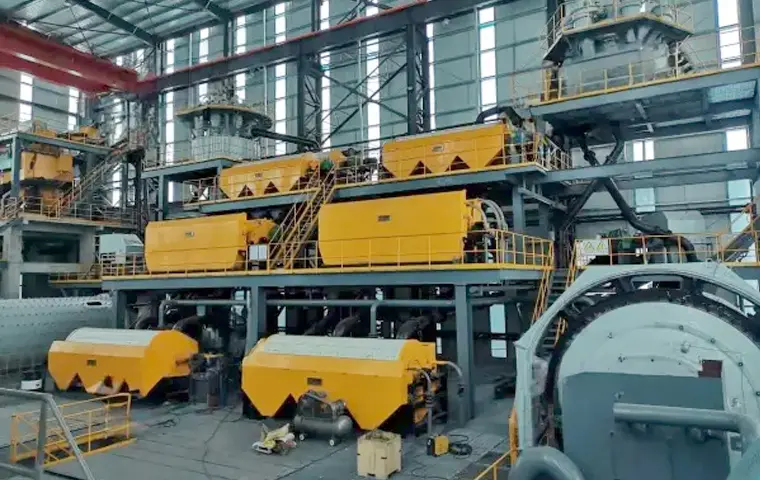
Ruwe erts: Magnetiet ijzererts met hematietbanden Fe-gehalte: 28-32% Eindproduct: Hoogwaardig ijzerconcentratie
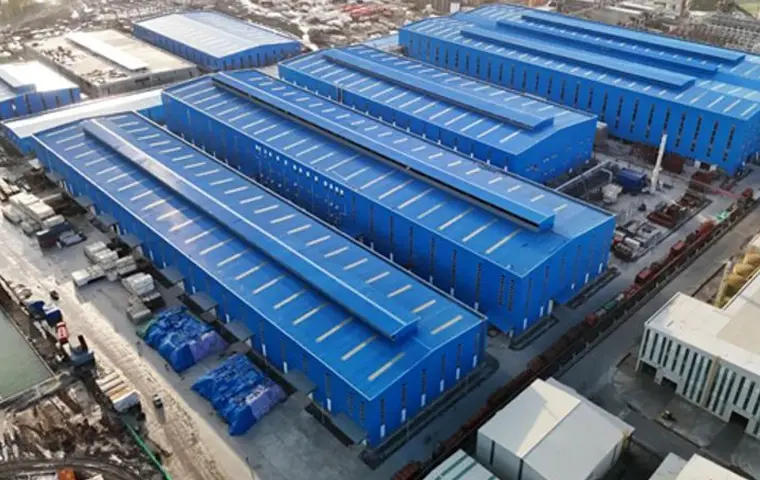
Grondstof: Petroleumkook, Naaldkook, Teerbindmiddel Projectcapaciteit: 50.000 ton per jaar
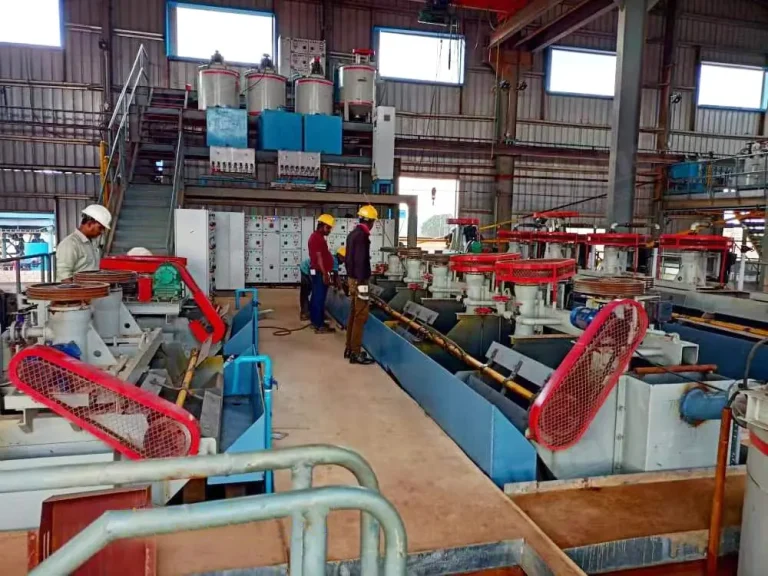
Ruwe erts: Primaire sulfide erts (chalcopyriet-borniet) Cu-gehalte: 0,72% Concentratiegehalte: 28,3%
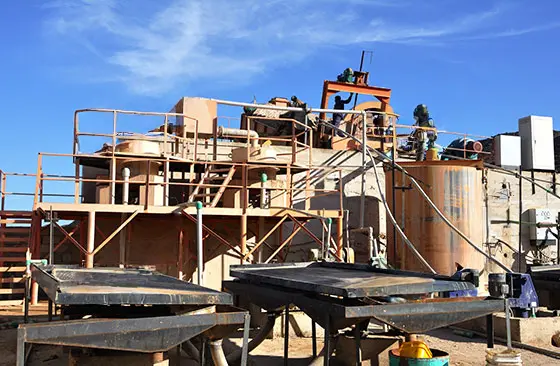
Ruwe erts: Sulfide goud-kopererts (Au-Cu verhouding: 1:1,2) Goudgehalte: 2,8 g/t Kopergehalte: 0,85%
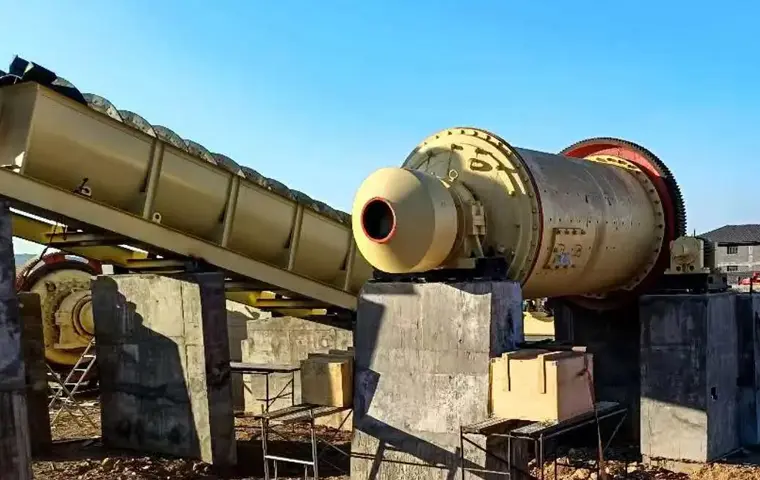
Ruwe Erts: Oxide Type Gouderts Goud Gehalte: 2,5 g/t Goudstaaf Zuiverheid: 96%
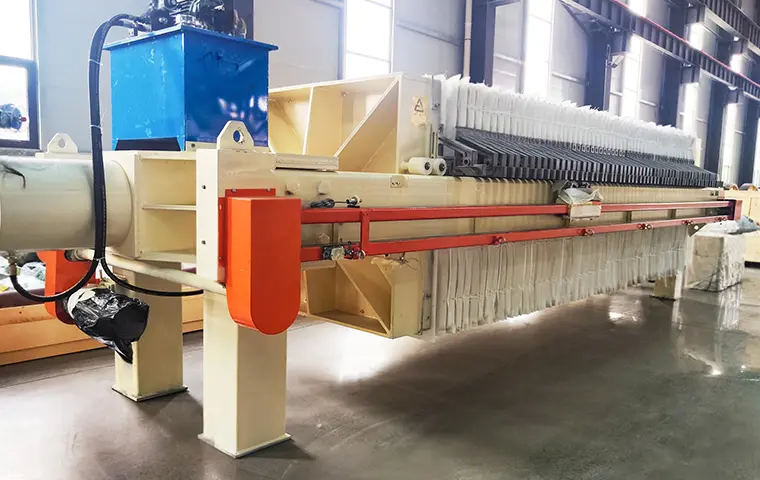
Projectachtergrond: Upgrade van het ontwateringscircuit voor flottatieconcentraat en plantafval om het vochtgehalte te verminderen en droge stapelopslag mogelijk te maken.
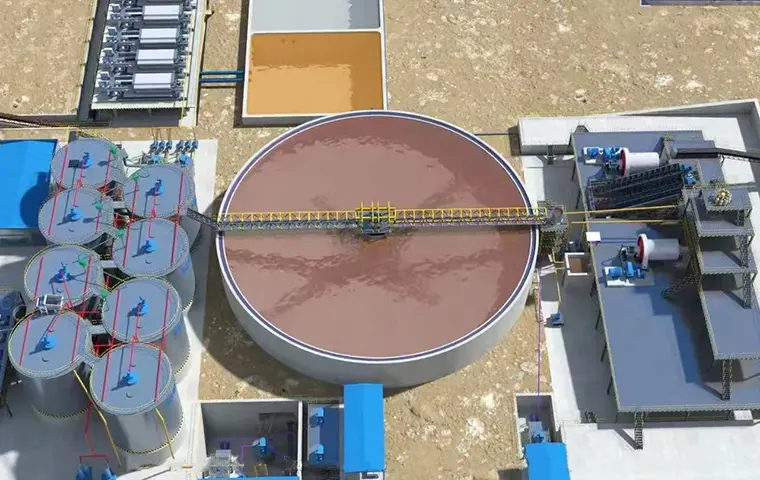
Ruweerts: Sulfide Type Kopererts (Hoofdzakelijk Chalcopyriet) Kopergraden: 0,8% Eindproduct: Koperconcentraat
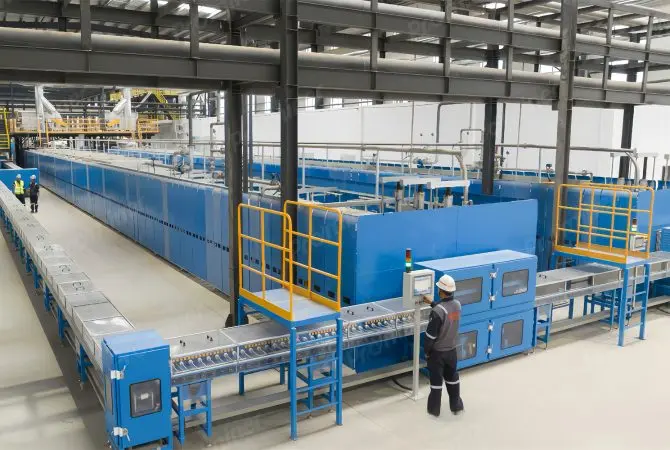
Wij kunnen de complete oplossing voor het koolstofisatiethermisch behandelingssysteem bieden
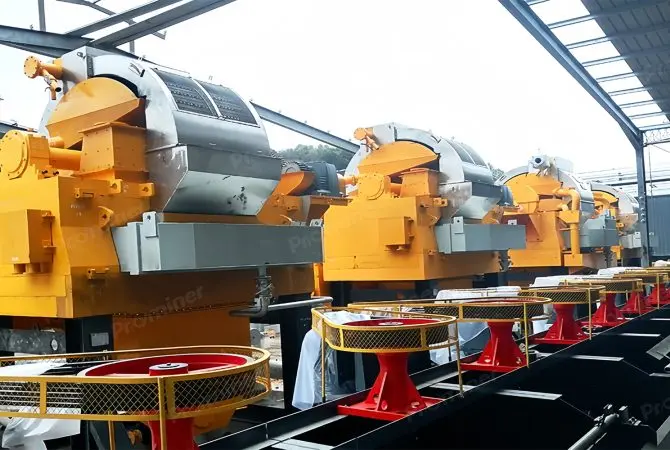
Prominer kan verschillende HIMS (High Intensity Magnetic Separator) magnetische scheiders leveren
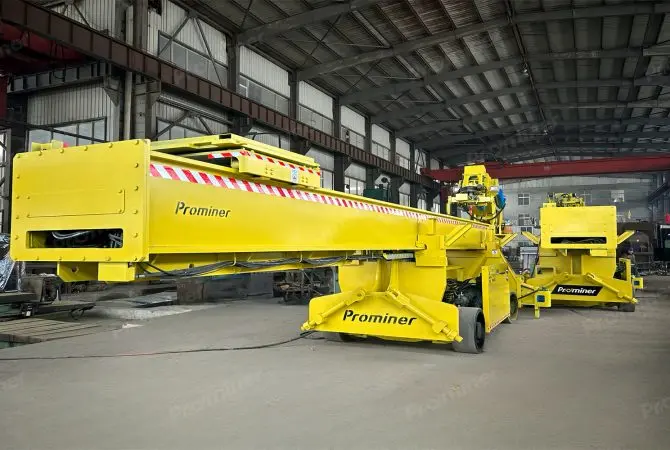
Wij kunnen de maalherstelmachine (ook wel maalherstelmanipulator genoemd) ontwerpen en vervaardigen
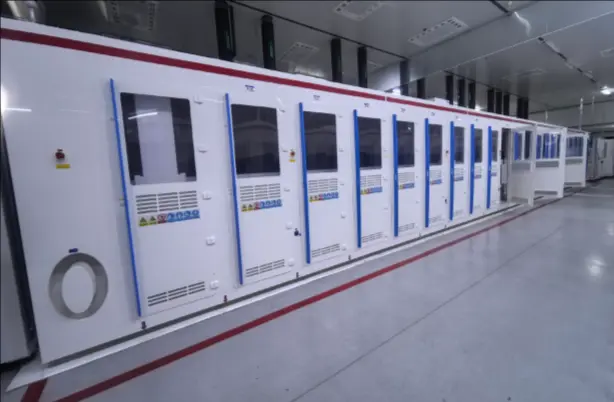
Inclusief: Monokristallijne batch-textuur-apparatuur, batch-textuur-loader/unloader, lage-druk...
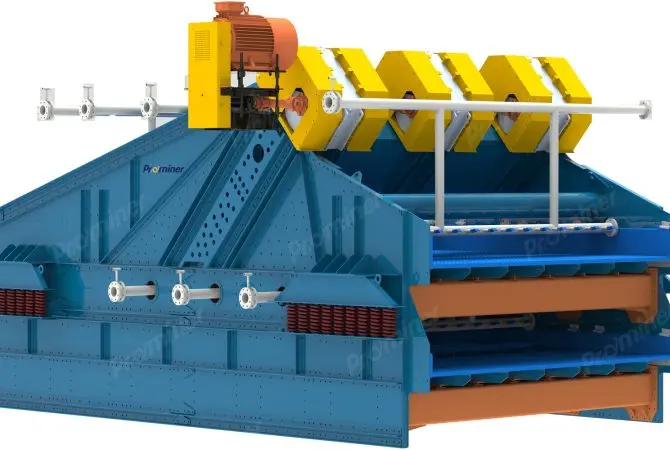
Prominer kan alle soorten lineaire schermen bieden voor mineraalgrading, materiaalgrootte, ontwatering
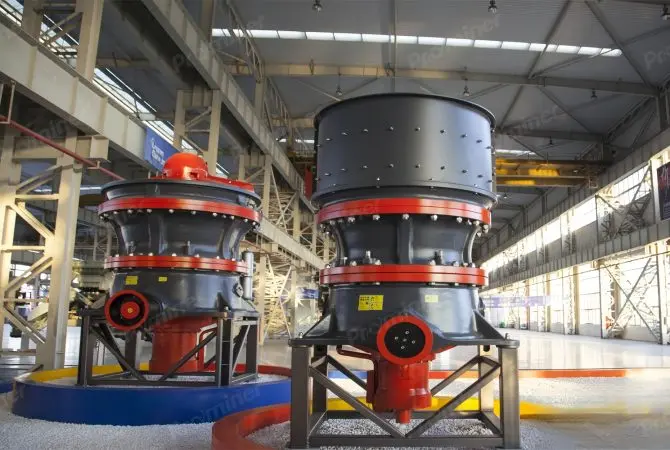
Single-cylinder hydraulische cone crusher heeft twee series op basis van verschillende caviteiten, S-caviteit is ontworpen
Om meer te weten te komen over onze producten en oplossingen, vul alstublieft het onderstaande formulier in en een van onze experts zal u binnenkort terugbellen
3000 TPD goud flotatieproject in de provincie Shandong
2500 TPD lithiumerts flotatie in Sichuan
Fax: (+86) 021-60870195
Adres:No.2555, Xiupu Road, Pudong, Shanghai
Auteursrecht © 2023.Prominer (Shanghai) Mining Technology Co., Ltd.


