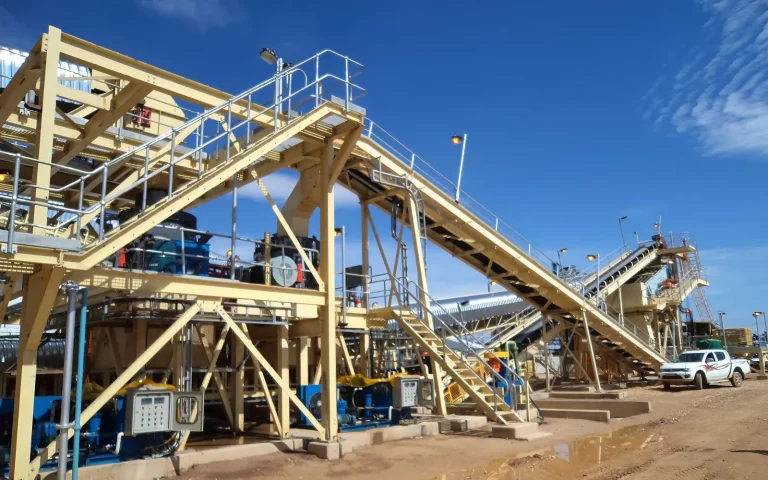
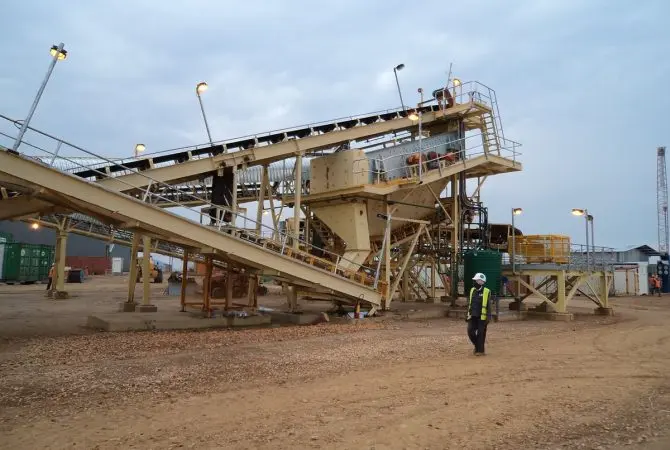
Prominer تەبىئىي گرافيت ئانودى ماتېرىياللىرىنى ياساش ئۈچۈن تولۇق ھەل قىلىشنى تەمىنلەيدۇ، ئۇ يۆتىلدىن يىغىشنى ئۆز ئىچىگە ئالىدۇ




Quartz sand purification is essential for producing high-purity silica used in glass manufacturing, electronics, photovoltaics, ceramics, and chemical industries. Depending on the impurities present—such as iron, feldspar, mica, clay minerals, and heavy minerals—different purification technologies are applied. Below are the main methods used in quartz sand purification.
Washing and desliming are preliminary purification steps used to remove surface impurities, clay, and fine particles from quartz sand. Water flushing, scrubbing, and hydraulic classification help separate mud and lightweight contaminants.
Attrition scrubbing is often applied to remove iron films and clay coatings attached to the quartz surface. This method improves the efficiency of subsequent separation processes.
Magnetic separation is used to remove magnetic minerals such as magnetite, hematite, and biotite from quartz sand. Both weak and strong magnetic separation techniques can be applied, depending on the type of iron-bearing impurities present.
High-gradient magnetic separators are particularly effective for removing weakly magnetic contaminants and achieving higher purity levels required for advanced industrial applications.
Flotation is a chemical separation method used to remove feldspar, mica, and other non-magnetic impurities. By adding specific reagents, impurities attach to air bubbles and float to the surface, while quartz particles remain at the bottom.
This process is widely used when producing high-purity quartz sand, especially for glassmaking and ceramic industries.
Acid leaching is a chemical purification method designed to remove metal oxides and trace impurities embedded within quartz grains. Common acids used include hydrochloric acid, sulfuric acid, and hydrofluoric acid.
This method is particularly effective for reducing iron, aluminum, and other metallic contaminants, enabling the production of high-purity or ultra-high-purity quartz.
Gravity separation utilizes differences in specific gravity between quartz and impurity minerals. Equipment such as shaking tables, spiral chutes, and centrifugal concentrators can separate heavy minerals like rutile and zircon from quartz sand.
This method is often used as a pre-treatment step before more advanced purification processes.
Thermal treatment involves heating quartz sand to alter or remove certain impurities. For example, calcination can decompose organic materials and facilitate the removal of volatile substances.
In some cases, thermal shock treatment is used to improve the effectiveness of subsequent grinding and purification steps.
In practice, a combination of purification technologies is typically required to achieve the desired purity level. A typical process flow may include washing, magnetic separation, flotation, acid leaching, and final rinsing.
For ultra-high-purity quartz used in semiconductor and photovoltaic industries, advanced techniques such as high-temperature chlorination and plasma treatment may also be applied.
The purification of quartz sand involves multiple technologies tailored to the type and concentration of impurities present. From basic washing and magnetic separation to advanced chemical and thermal treatments, each method plays a critical role in producing high-quality quartz sand for various industrial applications. Selecting the appropriate combination of purification processes ensures optimal performance and cost efficiency.
A: For graphite resources, a complete solution should cover both natural graphite flotation and deep processing. The ball mill and hydrocyclone system serve as the basic grinding stage. For advanced anode material production, the shaping mill is essential to improve tap density and reduce specific surface area. Additionally, the Prominer coating system, which combines coating and granulation functions, is a key step in processing high-profit anode materials.
A: Process selection depends entirely on the ore’s characteristics. The Gold CIL/CIP process is a very popular and effective way to process high-grade oxide type gold ore. For many other gold projects, flotation remains the most popular processing method. For owners looking to save investment at the initial stage, vat leaching or heap leaching are flexible and economic options. We recommend starting with a lab & pilot test to determine the most efficient and scientific process flow.
A: Magnetic separation is critical for mineral upgrading. We provide both HIMS (High Intensity) and LIMS (Low Intensity) magnetic separators to handle different mineral magnetic properties. In an optimized plant design, this technology is integrated with a high-performance crushing system—utilizing single-cylinder or multi-cylinder hydraulic cone crushers—and a grinding system. This ensures that waste rock is rejected early, significantly improving productivity and saving energy.
A: Designing a successful plant requires a comprehensive EPC (Engineering, Procurement, and Construction) service. Key considerations include engineering design (site surveys, sampling guidance, and PFD drawings) and equipment customization to ensure machinery matches the specific ore characteristics. For example, Prominer can customize linear screens up to 5.1m in width for large-scale grading and dewatering. Finally, professional on-site services, including civil work supervision and commissioning, are vital for long-term stable operation.
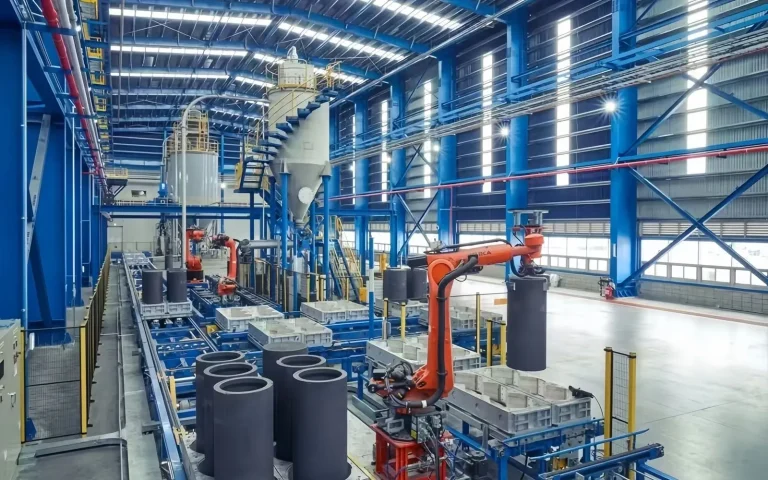
Prominer تەبىئىي گرافيت ئانودى ماتېرىياللىرىنى ياساش ئۈچۈن تولۇق ھەل قىلىشنى تەمىنلەيدۇ، ئۇ يۆتىلدىن يىغىشنى ئۆز ئىچىگە ئالىدۇ
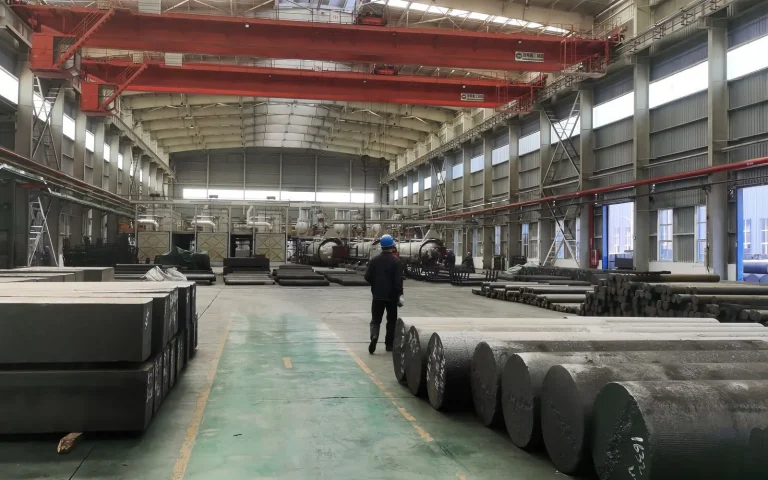
UHP گرافيت ئېلېكتورودى ئانچىلىق يۇقىرى قувۋەتلىك توك شوقۇم تەصهىر چۈشكۈزۈش پۇنداقلىرىدا ئاساس dynamically چۈشۈرۈلىدۇ

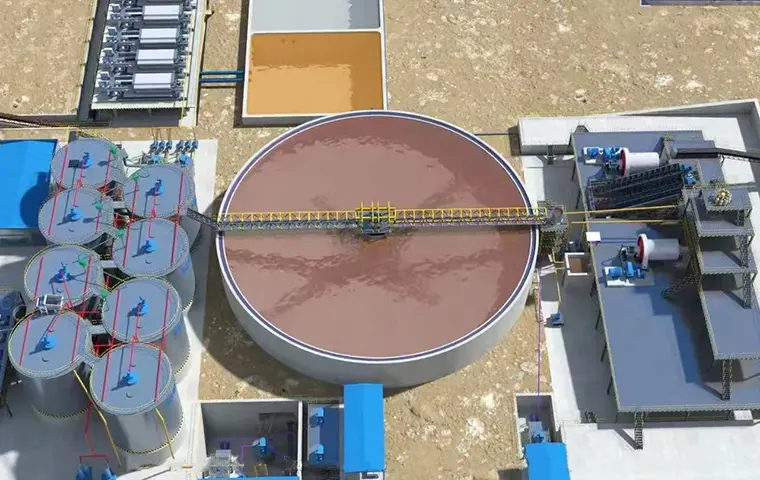
خام دەرىجى: سۇلپىت تۈرلۈك قۇپرۇت ئىسلىھاتى (ئەڭ ئاساسلىقى چىللەپېئىت) قۇپرۇت دەرىجىسى: 0.8% ئاخىرلىق مەھسۇلات: قۇپرۇت كونسىنتراتى
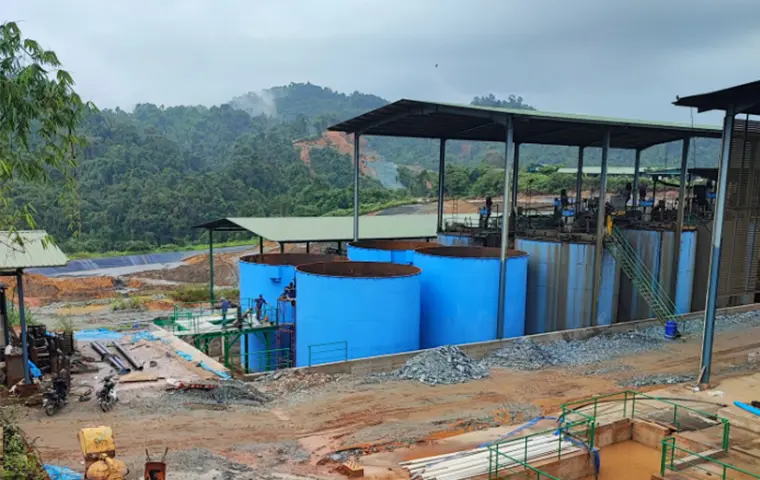
خام توكۇل: قوبۇل قىلمايدىغان ۋە ي Polto-قوبۇل قىلمايدىغان سۈلدۇق ئايناق زولاندۇرۇشى ئولىغا: 2.65 g/t ئالماس قېتىملىق پۇراپۇڭ تېخىمۇ رايى: ≥95.5%
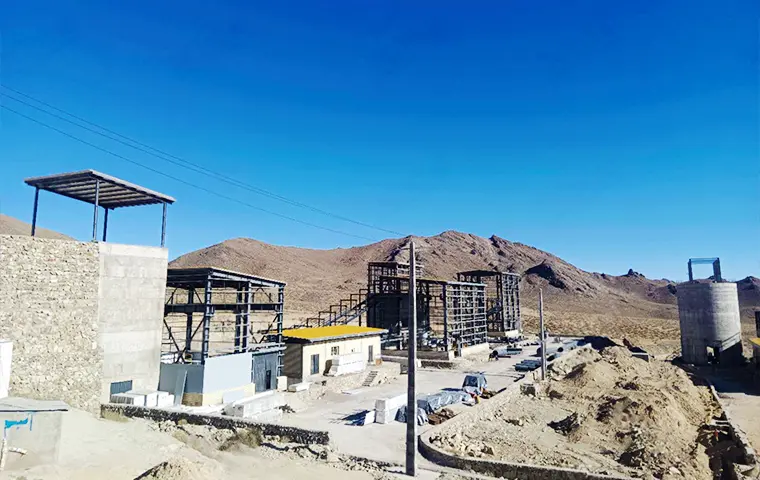
تەبىئىي تىخىمۇر: سۇلفيد تىپى مەدەنچى كۇپر بېرگىنە: 0.8% ئاخىرىي مەھسۇلات: كۇپر قوناقلىقى
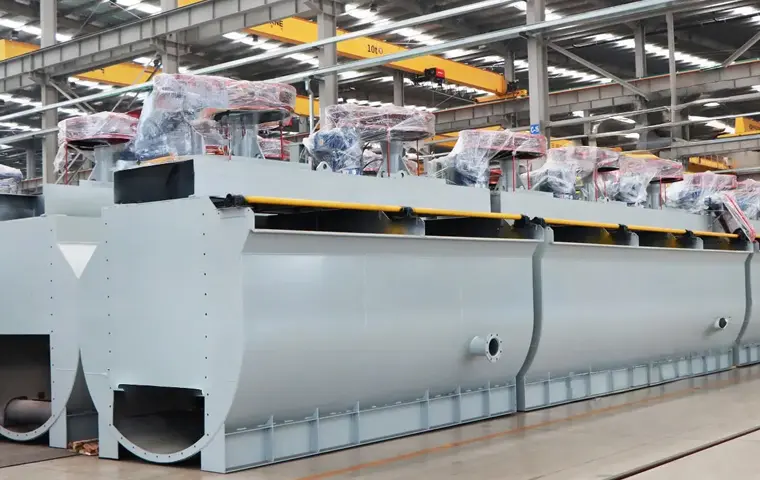
چىقىم مەھسۇلاتى: سولفېد تىپلىق ئالتۇن رۇدا، پىرىت ئالتۇن، زىچلىقى: 3.8 گ/ت، توپلانغان زىچلىقى: 42 گ/ت Au
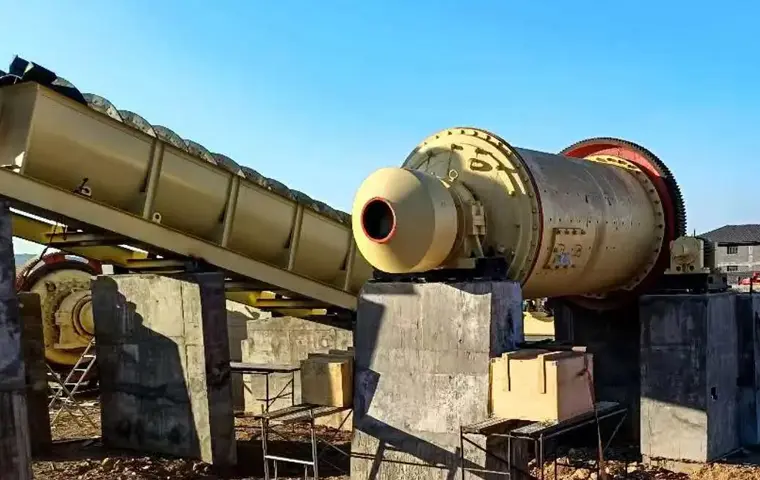
چېقىلما معدنى: ئوكسىد تۈرلۈك زەنجىۋىل مەدنىسى، زەنجىۋىل دەرىجىسى: 2.5 گ/ت زەنجىۋىل قۇلىقىنىڭ پاكىزلىقى: 96%
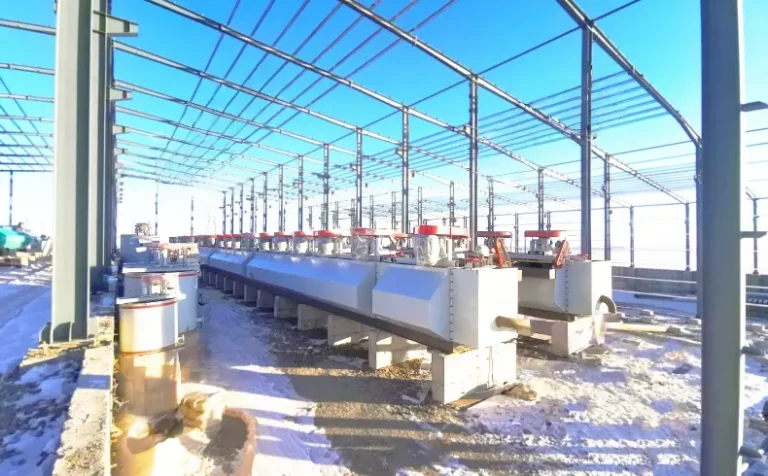
خام ماددا: مىس سولفيدىرى، مىس سېنتىپى: 0.85% ئاخىرقى مەھسۇلات: مىس كونسانىتى
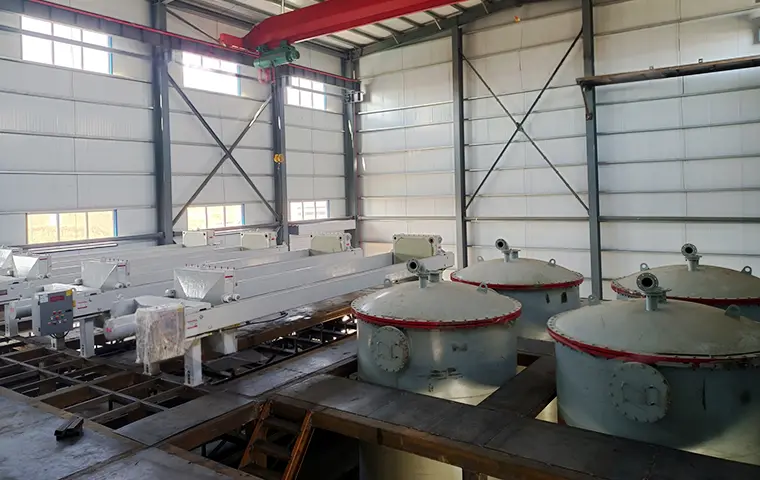
خام قازما: ئەسقەنجى سۈت پولىمېتال سىلىفور قازما (Ag, Pb, Zn نى ئۆز ئىچىگە ئالىدۇ) ئەسقەنجى دەرىجىسى: 180 گرام/توننا تۆۋەن دەرىجى: 4.2% زىنک دەرىجىسى: 5.8%
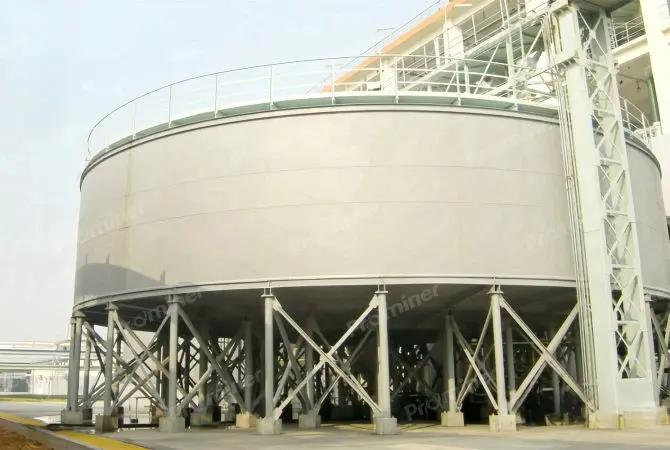
Prominer تۈرى بويىچە مەركىزى قوزغىتىش قوسۇمچىسى، يېنىك تىرىش قوسۇمچىسى قاتارلىقلارنى ئۆز ئىچىگە ئالىدىغان ئېغىرلاشتۇرغۇچىلارنىڭ تۈرلۈك خىللىرىنى تەمىنلىيالايدۇ.
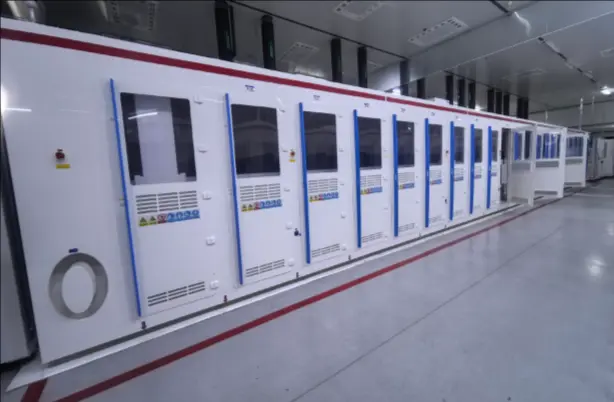
ئۆز ئىچىگە ئالىدۇ: يەككە تاللىق يۈرۈشلۈك تېكىستۇرلاشنىڭ ئۈسكىنىسى، يۈرۈشلۈك تېكىستۇرلاشنىڭ يۈكلىگۈچ/يۈكلەنگۈچ، تۆۋەن بېسىم...
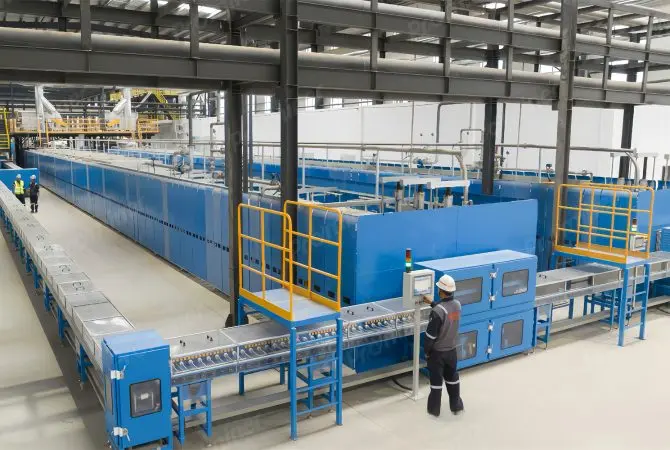
بىز يۇقىرى تېمپېرۇراتا كاربونلاشتۇرۇش مۇلازىمەت سىستېماسغا تولۇق ھەل قىلىشمىلار تەمىنلەتەلەيمىز
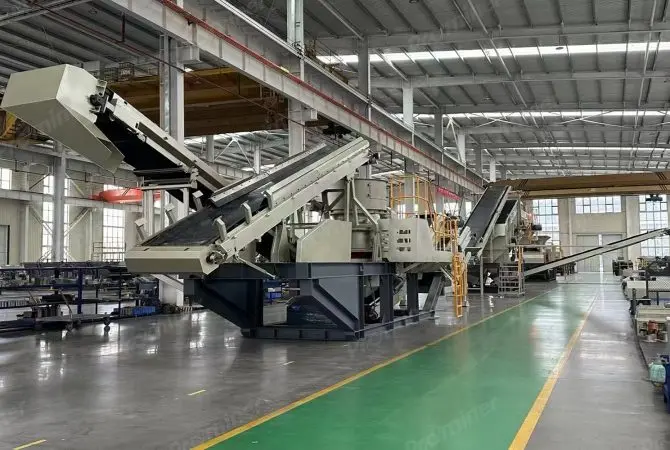
Skid ئورنىتىلغان يۆتكىلىشچان تارتقۇچ ئورنىتىلغان بولۇپ ، بازار تەلىپىگە ئاساسەن بىر بېكەتتىن يۆتكىلىشكە قولايلىق
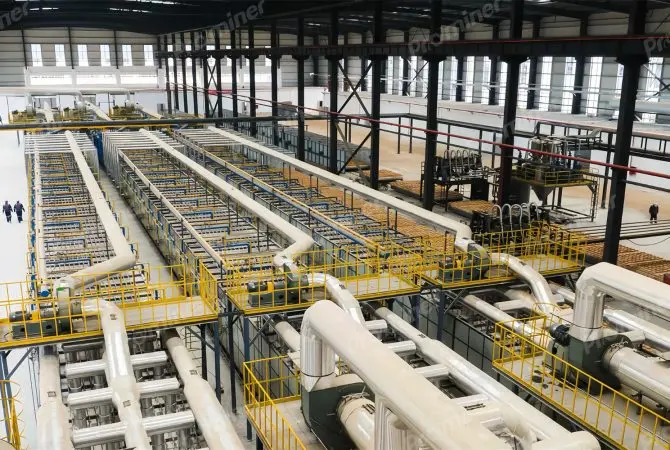
Prominer كاربوننىڭ بىرىنچى ۋە ئىككىنچى پىشۇرۇش ئۈچۈن تۈرلۈك تۇرغۇزۇش بويىچە ياردەم بېرىدۇ.
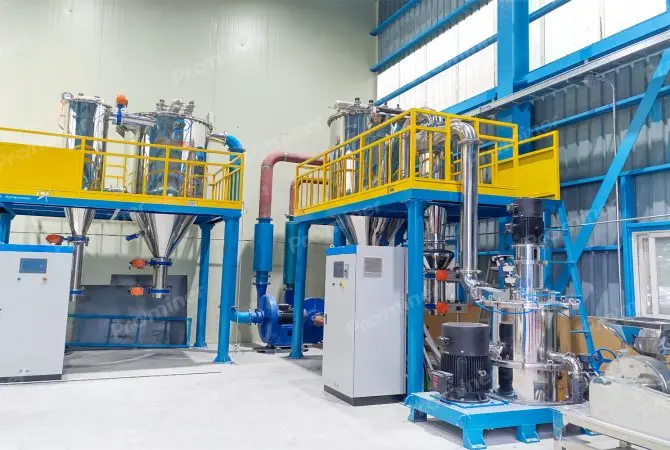
بىزنىڭ تەسىر ياتاقىمىز يۇقىرى تېزلىكتە ئىشلەيدىغان مىخانيكىلىق ياتاق بولۇپ، ئۇ بەك نازۇك يۇمشاق ياتاق قىلىشنى ۋە ئاساسەن...
مەھسۇلاتلىرىمىز ۋە ھەل قىلغۇچلىرىمىز ھەققىدە كۆپەرەك بىلمەك ئۈچۈن تۆۋەندىكى فۇرمېنى تولدۇرۇڭ، بىزدىن بىرى نەپسىمىز سىزگە يېقىندا جاۋاب بېرىدۇ
Shandong ۋىلايىتىدىكى 3000 TPD گول فلوٹلاش پروژىسى
سىچۈەندىكى 2500TPD لىتىي رۇدىسى
فاكس: (+86) 021-60870195
ئادرېس:No.2555, Xiupu يولى, Pudong, Shanghai
ھوقۇق ۇچۇر سوت ئىسمى © 2023.بىر مۇراد (شياڭخەي) مىنىڭ تېخنىكا شىركىتى، چەكلەنگەن.