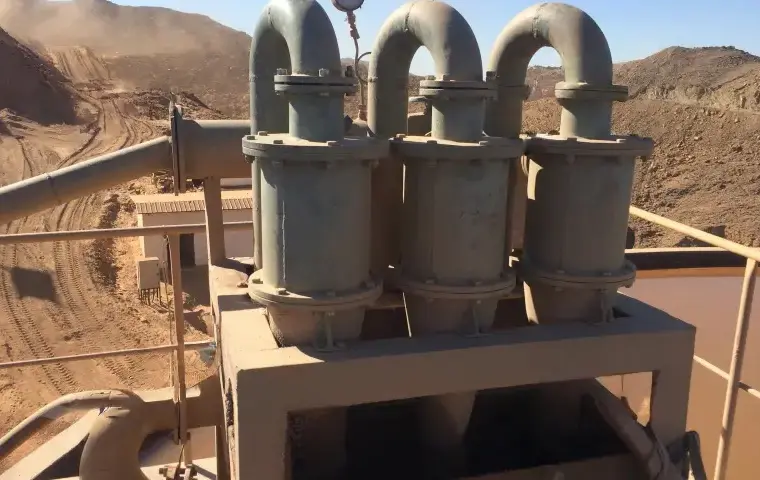
จัดหาอุปกรณ์สำคัญในการขั้นตอนการแยกแร่ทองคำ เช่น ระบบ CIL/CIP, เซลล์ฟลอเตชัน…




การทำความสะอาดทรายควอร์ตซ เป็นสิ่งจำเป็นสำหรับการผลิตซิลิกาที่มีความบริสุทธิ์สูง ซึ่งใช้ในอุตสาหกรรมแก้ว อิเล็กทรอนิกส์ โฟโตโวลเทอิก เครื่องเคลือบ และอุตสาหกรรมเคมี ขึ้นอยู่กับสิ่งปนเปื้อนที่มีอยู่ เช่น เหล็ก ฟัลส์พาร์ ไมก้า แร่ดินเหนียว และแร่หนัก เทคโนโลยีการทำความสะอาดที่แตกต่างกันจะถูกนำมาใช้ ต่อไปนี้คือวิธีการหลักที่ใช้ในการทำความสะอาดทรายควอร์ตซ
การล้างและการกำจัดสิ่งสกปรกเบื้องต้นเป็นขั้นตอนการทำความสะอาดเบื้องต้นที่ใช้เพื่อกำจัดสิ่งสกปรกบนผิวหน้า โคลน และอนุภาคขนาดเล็กจากทรายควอตซ์ การล้างด้วยน้ำ การถู และการแยกด้วยแรงดันน้ำช่วยแยกโคลนและสิ่งปนเปื้อนที่เบา
การล้างออกด้วยการขจัดการหลุดร่วงของเฟอร์รัสและสารเคลือบดินเหนียวมักใช้กับพื้นผิวควอรตซ์ วิธีนี้ช่วยปรับปรุงประสิทธิภาพของกระบวนการแยกขั้นตอนต่อไป
การแยกแม่เหล็กใช้เพื่อกำจัดแร่แม่เหล็ก เช่นแม่เหล็กไฟต์ ฮีมาไทต์ และไบโอไทต์ ออกจากทรายควอทซ์ เทคนิคการแยกแม่เหล็กที่อ่อนและแข็งสามารถนำไปใช้ได้ ขึ้นอยู่กับชนิดของสิ่งสกปรกที่มีเหล็กเป็นส่วนประกอบ
เครื่องแยกแม่เหล็กที่มีความชันสูงมีประสิทธิภาพเป็นพิเศษในการกำจัดสิ่งปนเปื้อนที่มีคุณสมบัติแม่เหล็กอ่อน และช่วยให้ได้ระดับความบริสุทธิ์ที่สูงขึ้น ซึ่งเป็นสิ่งจำเป็นสำหรับการใช้งานในอุตสาหกรรมขั้นสูง
กระบวนการลอยตัวเป็นวิธีการแยกทางเคมีที่ใช้กำจัดเฟลด์สปาร์ ไมกา และสิ่งสกปรกที่ไม่ดูดซับแม่เหล็ก โดยการเติมสารรีเอเจนท์เฉพาะตัวที่จะทำให้สิ่งสกปรกติดกับฟองอากาศและลอยขึ้นสู่ผิวหน้า ในขณะที่อนุภาคควอ rte remain ที่ก้น
กระบวนการนี้ถูกใช้อย่างแพร่หลายในการผลิตทรายควอตซ์บริสุทธิ์สูง โดยเฉพาะสำหรับอุตสาหกรรมแก้วและเซรามิก
กระบวนการละลายด้วยกรดเป็นวิธีการทำให้บริสุทธิ์ทางเคมีที่ออกแบบมาเพื่อขจัดออกไซด์ของโลหะและสิ่งเจือปนในระดับต่ำที่ฝังอยู่ในเมล็ดควอตซ์ กรดที่ใช้กันทั่วไปได้แก่ กรดไฮโดรคลอริก กรดซัลฟูริก และกรดไฮโดรฟลูออรีก
วิธีนี้มีประสิทธิภาพเป็นพิเศษในการลดเหล็ก อลูมิเนียม และสารปนเปื้อนโลหะอื่น ๆ ซึ่งเป็นการสนับสนุนการผลิตควอทซ์บริสุทธิ์สูงหรือบริสุทธิ์สุดยอด
การแยกโดยแรงโน้มถ่วงใช้ความแตกต่างของความถ่วงจำเพาะระหว่างควอตซ์และแร่สิ่งเจือปน เครื่องมือเช่นโต๊ะเขย่า รางเกลียว และตัวทำความเข้มเป็นศูนย์กลางสามารถแยะแร่หนัก เช่น รูไทล์และซิราคอนออกจากทรายควอตซ์
วิธีนี้มักถูกใช้เป็นขั้นตอนการเตรียมล่วงหน้าก่อนกระบวนการทำความสะอาดที่ซับซ้อนมากขึ้น
การบำบัดด้วยความร้อนเกี่ยวข้องกับการให้ความร้อนทรายควอทซ์เพื่อเปลี่ยนแปลงหรือกำจัดสิ่งเจือปนบางอย่าง เช่น การเผาแบบคาลซิเนชันสามารถย่อยสลายวัสดุอินทรีย์และอำนวยความสะดวกในการกำจัดสารระเหย
ในบางกรณี การบำบัดด้วยความร้อนช็อกจากใช้เพื่อปรับปรุงประสิทธิภาพของขั้นตอนการขัดและการทำให้บริสุทธิ์ในภายหลัง
ในทางปฏิบัติ จำเป็นต้องใช้เทคโนโลยีการทำความสะอาดหลายอย่างร่วมกันเพื่อให้ได้ระดับความบริสุทธิ์ตามต้องการ กระบวนการที่เป็นตัวอย่างอาจประกอบด้วยการล้าง การแยกด้วยแม่เหล็ก การลอยตัว การละลายด้วยกรด และการล้างสุดท้าย
สำหรับควอตซ์บริสุทธิ์สุดระดับสูงที่ใช้ในอุตสาหกรรมเซมิคอนดักเตอร์และโฟโตโวลเทอิก อาจมีการใช้เทคนิคขั้นสูง เช่น การกลันด้วยคลอรีนที่อุณหภูมิสูงและการบำบัดด้วยพลาสมา
การทำความสะอาดทรายควอทซ์เกี่ยวข้องกับเทคโนโลยีหลายชนิดที่ปรับแต่งตามประเภทและความเข้มข้นของสิ่งสกปรกที่มีอยู่ ตั้งแต่การล้างและแยกแม่เหล็กพื้นฐานไปจนถึงการบำบัดทางเคมีและความร้อนขั้นสูง แต่ละวิธีมีบทบาทสำคัญในการผลิตทรายควอทซ์คุณภาพสูงสำหรับการใช้งานในอุตสาหกรรมต่าง ๆ การเลือกวิธีการทำความสะอาดที่เหมาะสมร่วมกันจะช่วยให้ได้ประสิทธิภาพสูงสุดและความคุ้มค่าในต้นทุน
A: สำหรับทรัพยากรกราไฟต์ คำตอบที่สมบูรณ์ควรครอบคลุมทั้งการลอยตัวของกราไฟต์ธรรมชาติและการประมวลผลเชิงลึก ระบบเครื่องบดลูกและระบบไซโคลนไฮโดรเป็นขั้นตอนการบดเบื้องต้น สำหรับการผลิตวัสดุขั้วไฟฟ้าขั้นสูง การหมุนขึ้นรูปเป็นสิ่งจำเป็นเพื่อปรับปรุงความหนาแน่นของแท่งและลดพื้นผิวเฉพาะ นอกจากนี้ ระบบเคลือบ Prominer ซึ่งรวมฟังก์ชันการเคลือบและการกลายเป็นเม็ดเป็นขั้นตอนสำคัญในการประมวลผลวัสดุขั้วไฟฟ้าที่มีกำไรสูง
A: การเลือกกระบวนการขึ้นอยู่กับลักษณะของแร่เป็นหลัก กระบวนการ Gold CIL/CIP เป็นวิธีที่ได้รับความนิยมและมีประสิทธิภาพสูงในการแปรรูปแร่ทองคำประเภทออกไซด์คุณภาพสูง สำหรับโครงการทองคำอื่น ๆ การลอยตัวยังคงเป็นวิธีการแปรรูปที่ได้รับความนิยมมากที่สุด สำหรับเจ้าของที่ต้องการประหยัดงบประมาณในขั้นต้น การปล่อยแร่ในถัง (vat leaching) หรือ การปล่อยแร่เป็นกอง (heap leaching) เป็นทางเลือกที่ยืดหยุ่นและคุ้มค่า เราแนะนำให้เริ่มต้นด้วยการทดสอบในห้องปฏิบัติการและการทดสอบนำร่องเพื่อกำหนดกระบวนการที่มีประสิทธิภาพและเป็นวิทยาศาสตร์มากที่สุด
A: การแยกแม่เหล็กเป็นสิ่งสำคัญสำหรับการปรับปรุงแร่ธาตุ เราให้บริการแยกแม่เหล็กทั้ง HIMS (ความเข้มสูง) และ LIMS (ความเข้มต่ำ) เพื่อจัดการกับคุณสมบัติแม่เหล็กของแร่ธาตุต่าง ๆ ในการออกแบบโรงงานที่ได้รับการปรับปรุง เทคโนโลยีนี้จะถูกผสมผสานกับระบบบดละเอียดประสิทธิภาพสูง—โดยใช้เครื่องบดทรงกระบอกเดี่ยวหรือเครื่องบดทรงกระบอกหลายลูกสูบ—and ระบบบดละเอียด เพื่อให้แน่ใจว่าหินปนเปื้อนถูกคัดออกในขั้นต้น ซึ่งจะช่วยปรับปรุงผลผลิตอย่างมากและประหยัดพลังงาน
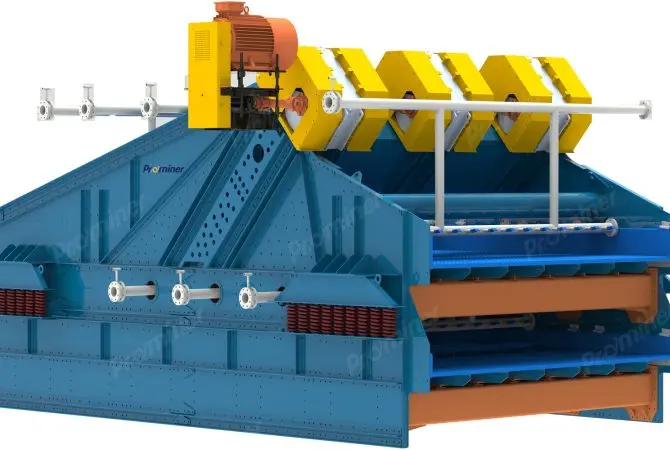
A: การออกแบบโรงงานที่ประสบความสำเร็จต้องอาศัยบริการ EPC (วิศวกรรม, จัดซื้อ, ก่อสร้าง) ที่ครอบคลุม ประกอบด้วยการพิจารณาหลักเช่น การออกแบบวิศวกรรม (สำรวจพื้นที่ แนวทางการเก็บตัวอย่าง และแบบร่าง PFD) และการปรับแต่งอุปกรณ์เพื่อให้แน่ใจว่าเครื่องจักรตรงกับลักษณะของแร่ที่เฉพาะเจาะจง ตัวอย่างเช่น Prominer สามารถปรับแต่งหน้าจอแนวนอนความกว้างสูงสุด 5.1 เมตร สำหรับการแยกและระบายน้ำแบบขนาดใหญ่ ในที่สุด บริการบนพื้นที่มืออาชีพ รวมทั้งการกำกับดูแลงานก่อสร้างและการเริ่มใช้งาน เป็นสิ่งสำคัญสำหรับการดำเนินงานที่เสถียรในระยะยาว
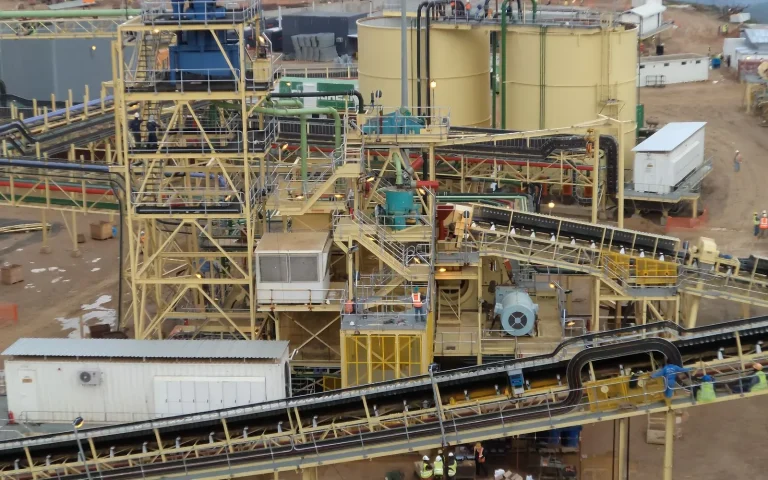
จัดหาอุปกรณ์สำคัญในการขั้นตอนการแยกแร่ทองคำ เช่น ระบบ CIL/CIP, เซลล์ฟลอเตชัน…
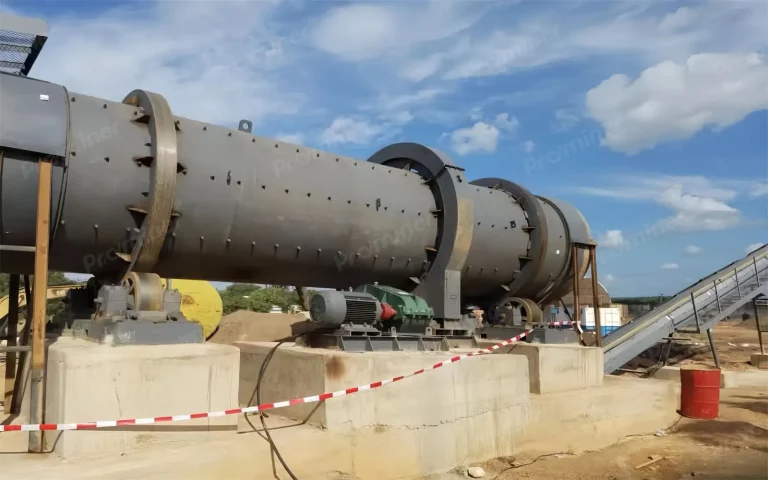
การล้างแบบกองเป็นวิธีการล้างไซยาไนด์แบบดั้งเดิมที่ยืดหยุ่นและประหยัดในการสกัดทองคำ
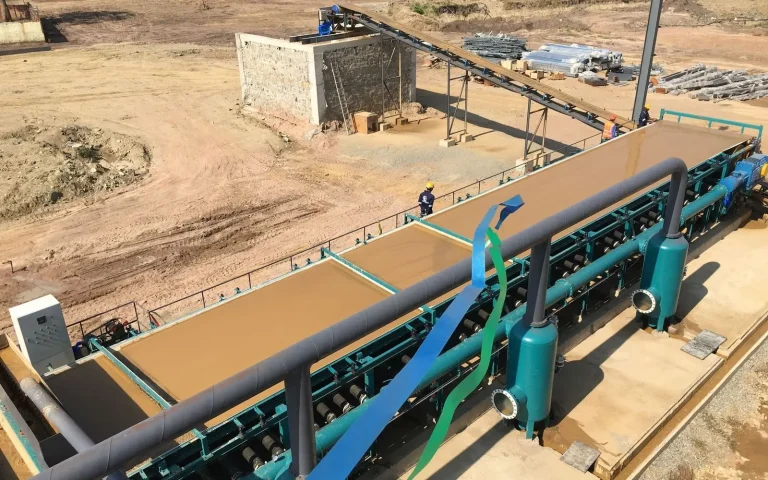
กระบวนการ CIL (คาร์บอนในการชะล้าง) ของทองคำ เป็นวิธีที่ได้รับความนิยมอย่างมากในการประมวลผลแร่ทองคำประเภทออกไซด์เกรดสูง

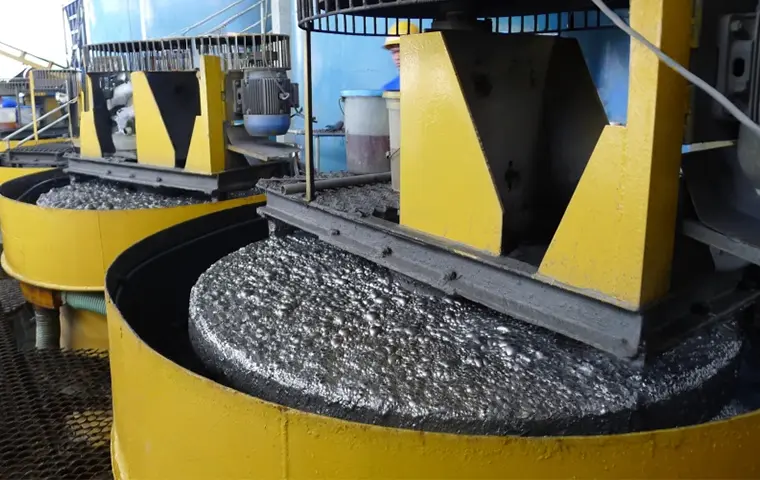
แร่ดิบ: แร่ทองแดงทองผสมออกไซด์ชนิดต่างๆ เกรดทอง: 1.5 กรัม/ตัน เกรดทองแดง: 0.8%
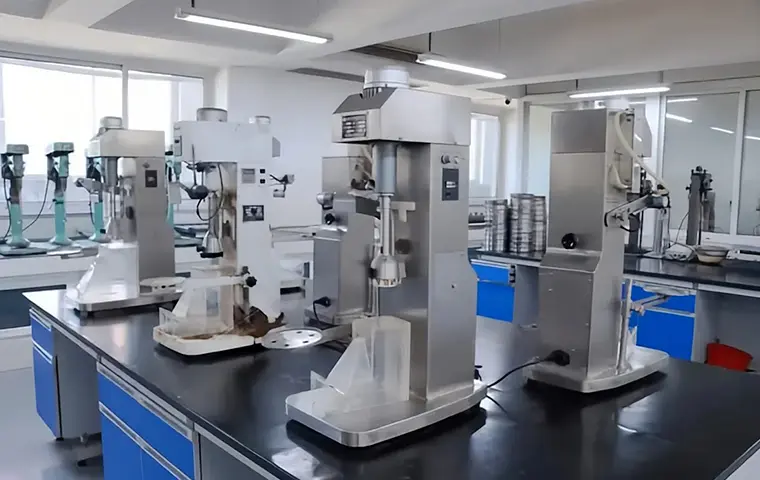
วัสดุนำเข้า: ตัวอย่างแร่ชนิดต่าง ๆ (ทองคำ, ลิเธียม, กราไฟท์ ฯลฯ) ความสามารถของห้องปฏิบัติการ: 50–100 ตัวอย่างต่อวัน
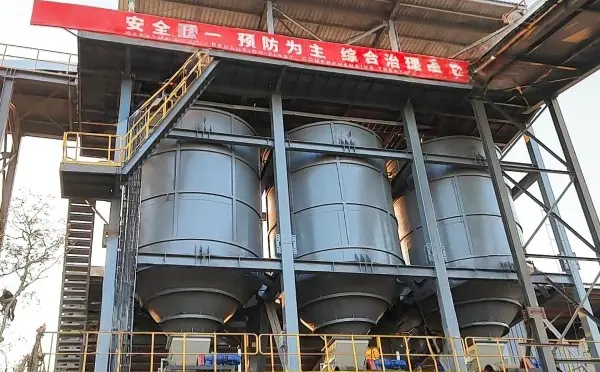
แร่ดิบ: เลพิดอไลต์, สโพดุมีน, แร่ธาตุอื่นๆ: ควอทซ์, เฟลด์สปาร์, ไมกา ระดับ Li₂O: 0.8%
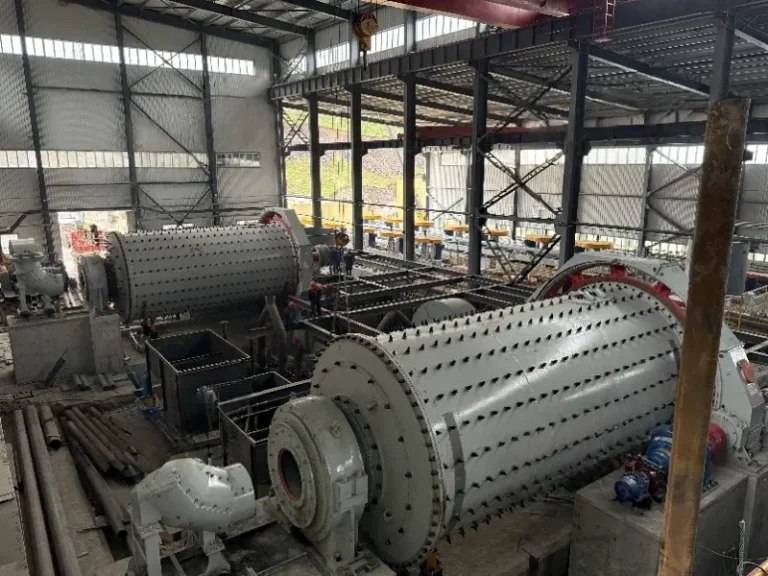
แร่ดิบ: แร่ไนเคิลลีเทอไรต์ชนิดลิโมไนต์ Ni: 1.2% Co: 0.12%
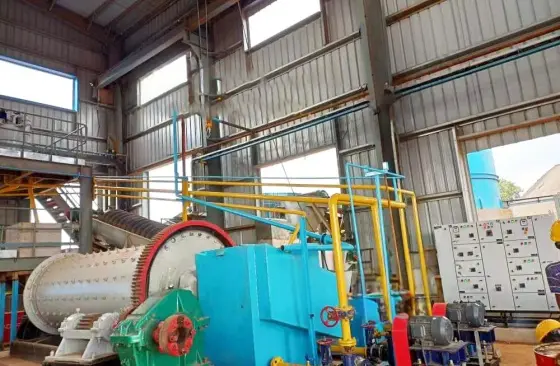
วัตถุดิบ: เถาวัลย์ทองแดงที่ได้จากการฟลอตเตชันแบบซัลไฟด์ คอนแซนเทรตโลหะ: ทองแดง: 0.8% , ทองคำ: 0.3 กรัม/ตัน , เงิน: 5 กรัม/ตัน , เหล็ก: 25%
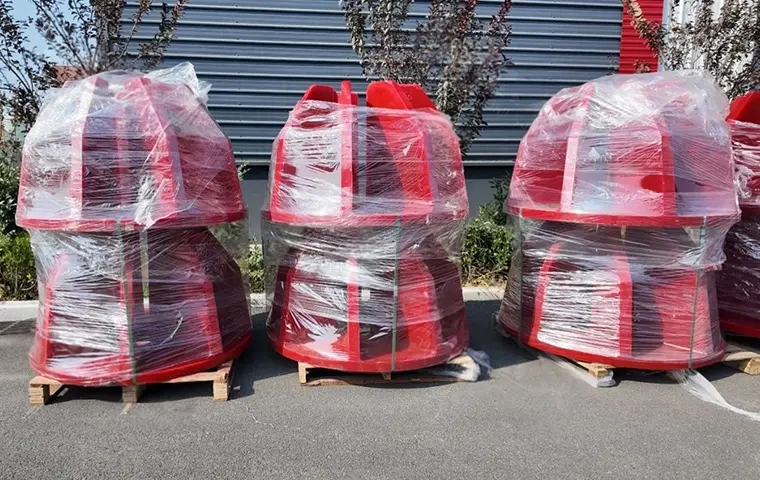
แร่ดิบ: แร่ทองแดงซัลไฟด์ เกรดทองแดง: 1.2% อัตราการฟลอโทเชนเป้าหมาย: 92%
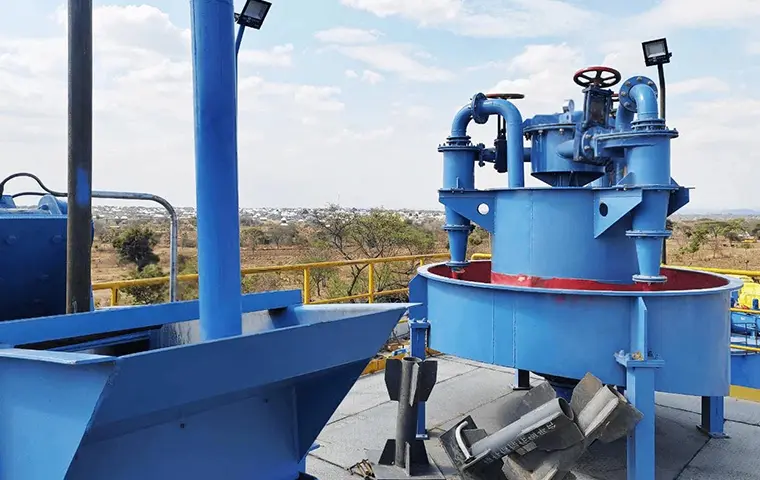
เป้าหมายความจุ: เพิ่มความสามารถในการผลิตจาก 500 ตันต่อวัน เป็น 850 ตันต่อวันเป็นขั้นตอนโดยไม่หยุดการผลิต.
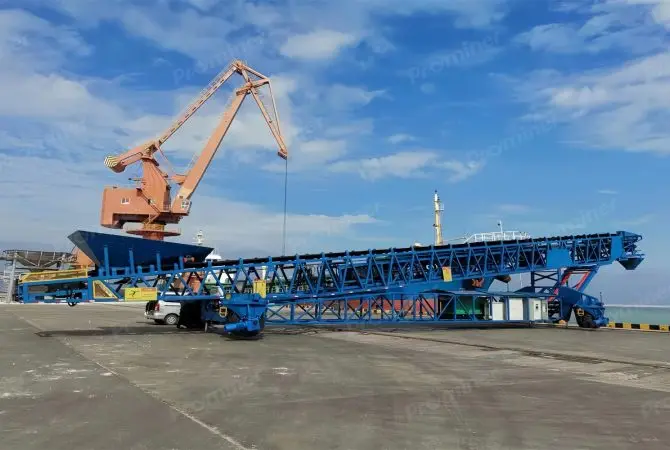
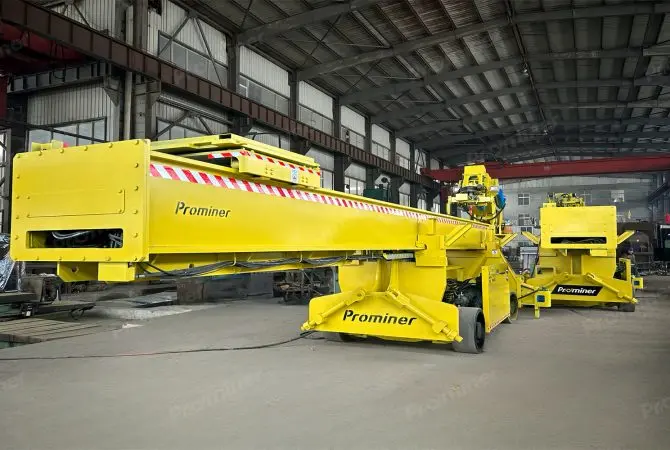
ทีมวิศวกรของเราสามารถออกแบบและผลิตสแต็คเกอร์แบบรัศมีเคลื่อนที่และเครื่องขนถ่าย
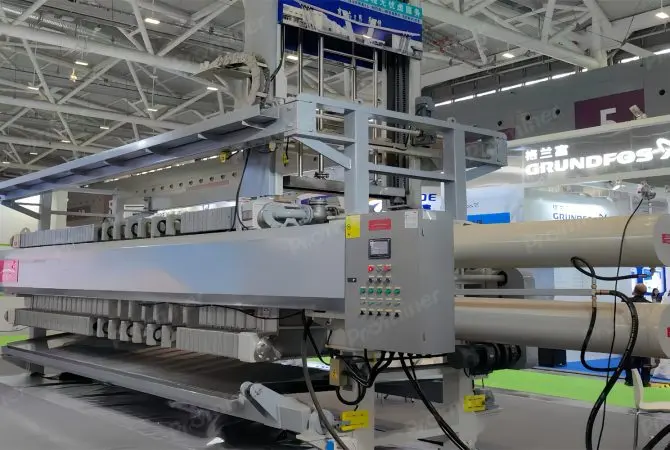
Prominer สามารถจัดหาฟิลเตอร์กด ฟิลเตอร์สุญญากาศแบบสายพาน ฟิลเตอร์สุญญากาศแบบดิสก์ และฟิลเตอร์เซรามิก
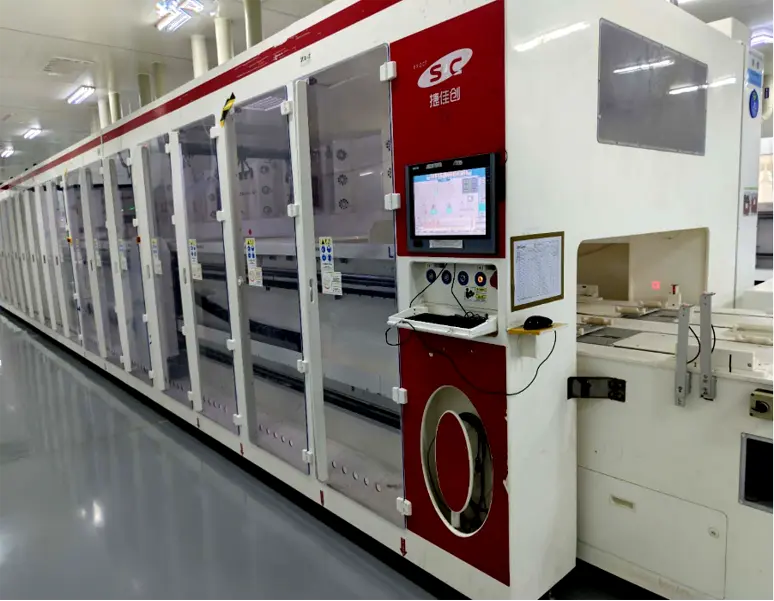
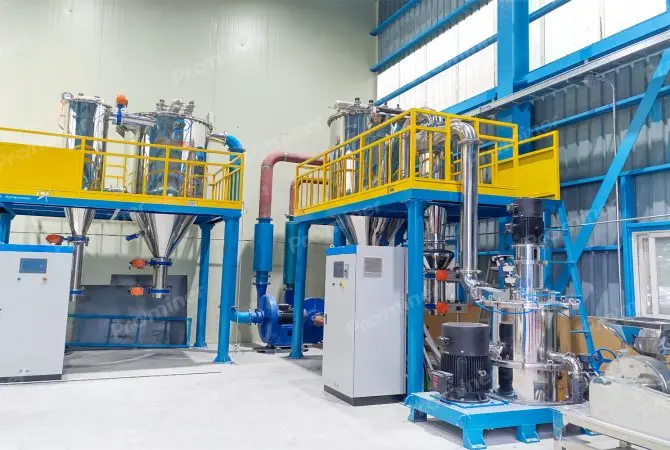
เช่น: เตาเผาแพร่โบรอน, การกำจัด BSG, เครื่องขัดด่าง, PE-POLY…
หากต้องการทราบข้อมูลเพิ่มเติมเกี่ยวกับผลิตภัณฑ์และโซลูชันของเรา โปรดกรอกแบบฟอร์มด้านล่างและผู้เชี่ยวชาญของเราจะติดต่อกลับหาคุณในไม่ช้า
โครงการฟลอทเตชั่นทองคำ 3000 TPD ในมณฑลซานตง
ฟลอทเตชั่นแร่ลิเธียม 2500 TPD ในเสฉวน
Fax: (+86) 021-58779592
ที่อยู่: ห้อง 606 อาคาร D3 เฟส II ศูนย์ธุรกิจฉวนซา 777 ถนนหลง เมียโอฉวน ถัง เขตผู่ตงใหม่ เซี่ยงไฮ้ ประเทศจีน
ลิขสิทธิ์ © 2023. บริษัท โปรมิเนอร์ (เซี่ยงไฮ้) ไมนิ่ง เทคโนโลยี จำกัด