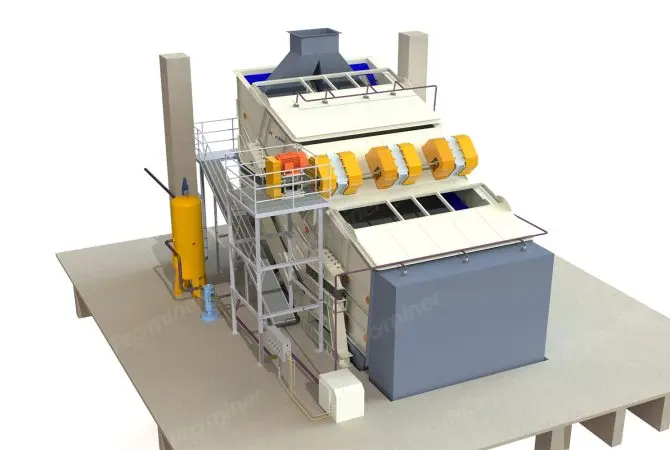
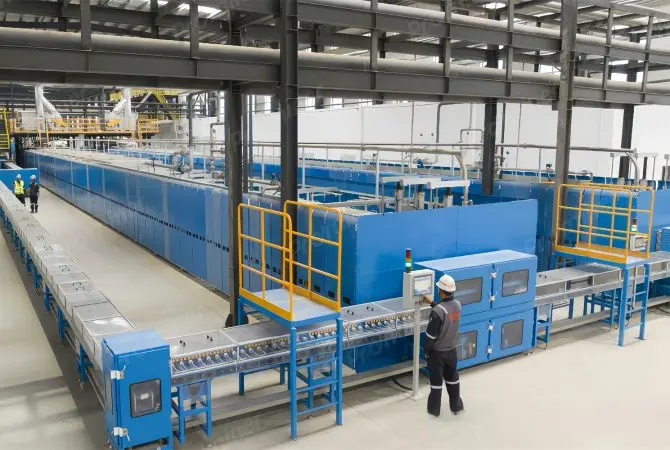
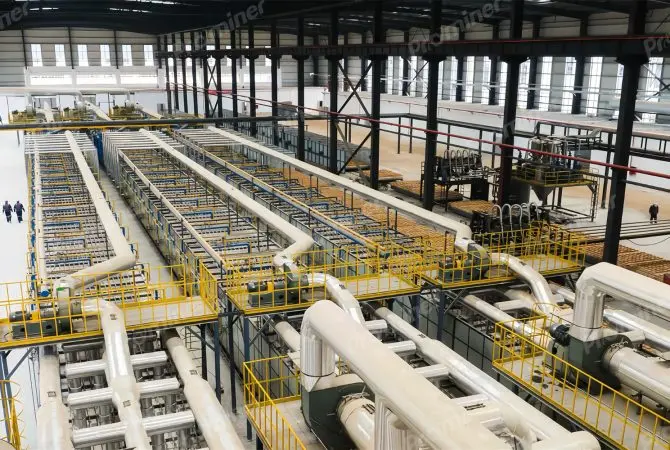
گرافائٹ اینوڈ مواد تیار کرنے کا مکمل حل، جس میں پیسنا، شکل دینا، صفائی شامل ہے…


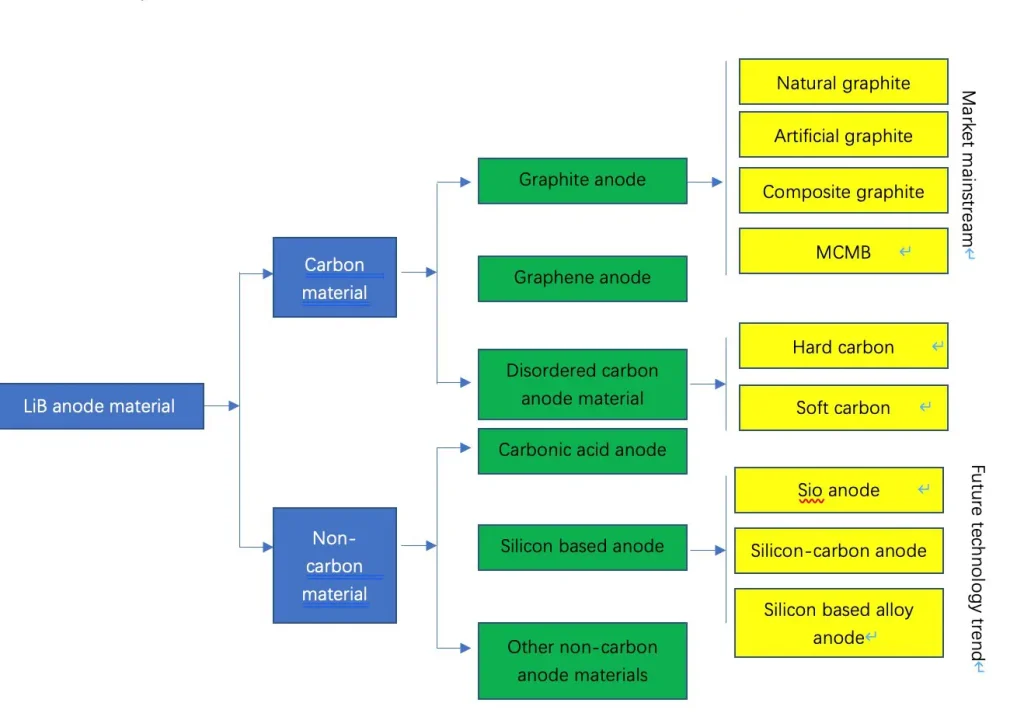
اینڈ میٹریلزبنیادی طور پر دو زمرے میں تقسیم کیے جاتے ہیں: کاربن مواد اور غیر کاربن مواد۔ کاربن کا مطلب کاربن پر مبنی نظام ہیں، جن میں بنیادی طور پر میسوکربن مائیکروسفیئرز، مصنوعی گریفائٹ، قدرتی گریفائٹ اور سخت کاربن شامل ہیں۔ فی الحال، سب سے زیادہ استعمال ہونے والے کاربن مواد گریفائٹ اینڈ مواد ہیں، جن میں مصنوعی گریفائٹ اور قدرتی گریفائٹ کے بڑے پیمانے پر صنعتی استعمال ہیں۔ غیر کاربن مواد بنیادی طور پر سلیکون پر مبنی مواد، ٹن پر مبنی مواد، لیتیم ٹائٹنائٹ وغیرہ شامل ہیں۔ ان میں، سلیکون پر مبنی اینڈ مواد فی الحال بڑے اینڈ مواد کے مینوفیکچررز کے اہم تحقیق کے موضوعات ہیں، اور مستقبل میں بڑے پیمانے پر استعمال ہونے والے نئے اینڈ مواد میں سے ایک ہیں۔
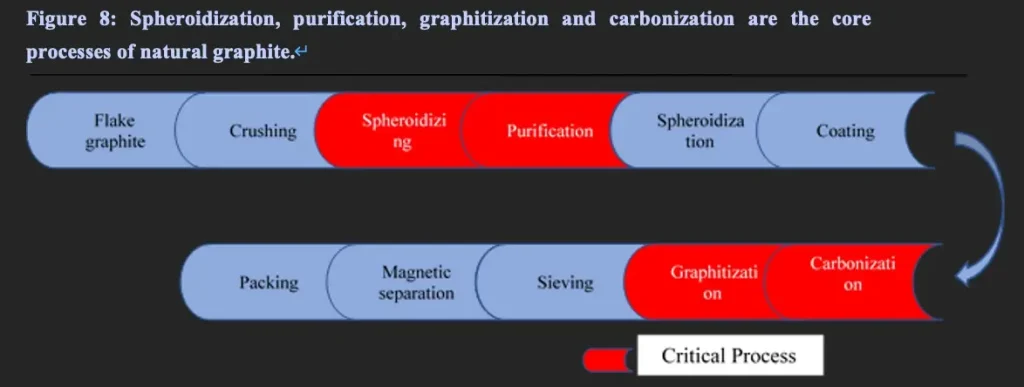
قدرتی گریفائٹ کی پروسیسنگ
قدرتی گریفائٹ اینڈ مواد قدرتی فلیک گریفائٹ کو خام مال کے طور پر استعمال کرتا ہے، جو کہپیستہ، گریڈنگ، سپھیروئڈائزیشن،پیرائی،سطح کے علاج اور دیگر عملوں کے بعد کیتھوڈ مواد سے تیار کیا جاتا ہے۔
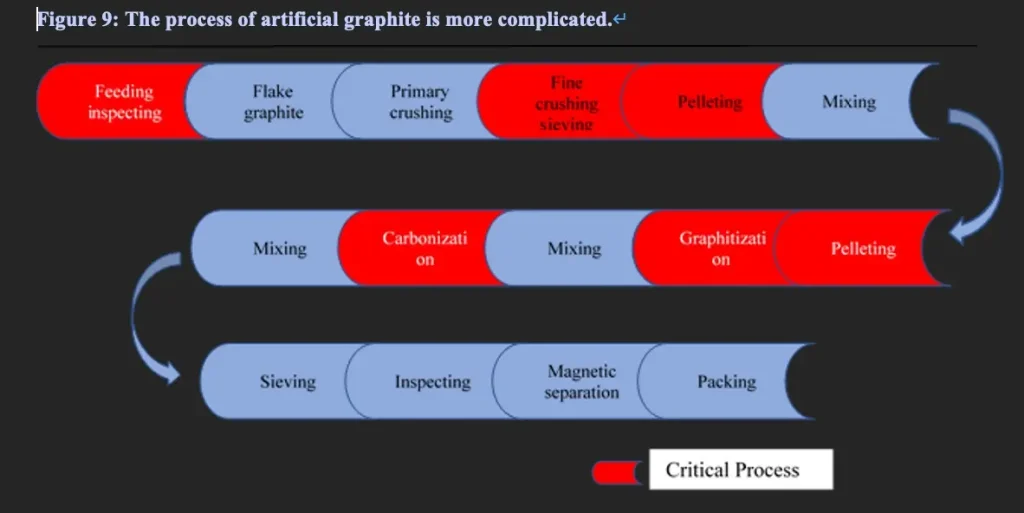
مصنوعی گریفائٹ اینڈ مواد کی تیاری کا عمل
Artificial graphite manufacturing process can be divided into four steps, more than ten small procedures, granulation and graphitization is the key.
مصنوعی گریفائٹ اینڈ مواد کی پیداوار کے عمل کو چار مراحل میں تقسیم کیا جا سکتا ہے:
1) پری ٹریٹمنٹ
2) گرینولیشن
3) گریفائٹائزیشن
4) بال ملنگ اور اسکریننگ۔
Among the four steps, crushing and screening are relatively simple, and granulation and graphitization are the two links that reflect the technical threshold and production level of the anode industry.
Specific to the production process, firstly, one or more of the coke and conductive particles, carbon nanotubes, carbon black, acetylene black are premixed, and then the mixed material and carbon are sintered and coated once, and the prepared particles are graphitized. Graphitized materials and resin materials for secondary coating; Surface treatment with solvent, centrifugation, precipitation and other methods to separate solid particles from the solvent, and then carbonization, 5-20um particles, to obtain a high rate of carbon anode material. In this method, by mixing and fabricating particles, the particles are coated twice to fill the inner shell of the material, so that the internal structure of the material is stable, so that the carbon anode material has the advantages of high rate performance, high pressure compaction, high specific capacity and so on.
(1) پیش پروسیسنگ
Graphite raw material (needle coke or petroleum coke) is mixed with binder for air milling (crushing).According to the different products, the graphite raw materials and adhesive (graphitization) according to different proportions, the mixing ratio is 100 :(5~20), the material through the vacuum feeding machine into the hopper, and then the hopper into the air flow mill for air پیستہ, پیستہ 5~10mm diameter of the raw and auxiliary materials to 5-10 microns. After air پیستہ, cyclone dust collector is used to collect the required particle size materials, the dust collection rate is about 80%, the tail gas is filtered by the filter core filter and discharged, the dust removal efficiency is more than 99%. The material of the filter element is the filter cloth with pores less than 0.2 micron, which can intercept all the dust above 0.2 micron. The fan control system is in negative pressure state.
فرق: pretreatment mill is divided into mechanical mill and jet mill, now the mainstream is jet mill. There are more kinds of adhesives, such as petroleum asphalt, coal asphalt, phenolic resin or epoxy resin.
(2) гранولیشن/ثانوی гранولیشن
گранولیشن is a key step in artificial graphite processing. گранولیشن is divided into pyrolysis process and ball milling process.
حرارتی عمل: the intermediate material 1 is put into the reaction reactor and electrically heated according to a certain temperature curve in inert gas atmosphere and under a certain pressure. It is stirred at 200-300 ℃ for 1-3h and then heated to 400-500℃ to obtain the material with a particle size of 10-20mm. The material is cooled and discharged, namely the intermediate material
2. Ball mill and sieve division of labor: vacuum feeding, conveying intermediate material 2 to the ball mill for mechanical ball پیستہ, پیستہ 10~20mm material into 6~10 micron particle size material, and screening to get intermediate material
3. The material on the screen is transported back to the ball mill by vacuum pipe for ball پیستہ.
The size, distribution and morphology of graphite particles affect many properties of anode materials. In general, the smaller the particle size, the better the rate performance and cycle life, but the first efficiency and compaction density (affecting the volume energy density and specific capacity) are worse, and vice versa. Reasonable particle size distribution (mixing large particles with small particles, later process) can improve the specific capacity of the negative electrode. The particle morphology also has a great influence on the rate and low temperature performance.
ثانوی гранولیشن: small particles have large specific surface area, more channels and shorter paths for lithium ion migration, good rate performance, and large particles have high compaction density and large capacity. How to take into account the advantages of large and small particles, and achieve high capacity and high rate at the same time? The answer is to take secondary granulation. Using the base material such as small grain petroleum coke and needle coke, by adding coating materials and additives, under the condition of high temperature agitation, by controlling the material proportion, temperature rise curve and agitation speed, the small grain base material can be granulated twice, and the product with larger grain size can be obtained. Compared with the product of the same particle size, the secondary granulation can effectively improve the liquid retention performance of the material and reduce the expansion coefficient of the material (there are concave holes between small particles and small particles), shorten the diffusion path of lithium ions, improve the rate performance, but also improve the high and low temperature performance and cycling performance of the material.
اختلافات: The secondary granulation process has high barriers, many types of coating materials and additives, and is prone to problems such as uneven coating or coating shedding, or poor coating effect, etc. It is an important process for high-end artificial graphite.
(3) گرافائٹائزیشن
گرافٹائزیشن is the orderly transformation of thermodynamically unstable carbon atoms from chaotic layer structure to graphite crystal structure by thermal activation. Therefore, high temperature heat treatment (HTT) is used in the graphitization process to provide energy for atomic rearrangement and structural transformation. In order to improve the graphitization degree of refractory carbon materials, catalysts can also be added.
بہتر گرافائٹائزیشن کے اثر حاصل کرنے کے لیے تین پہلوؤں کا خیال رکھنا ضروری ہے:
1. مزاحمتی مواد اور مواد کو بھٹی میں لوڈ کرنے کا طریقہ ماسٹر کریں (افقی لوڈنگ، عمودی لوڈنگ، بے ہنگم اور مخلوط لوڈنگ، وغیرہ)، اور مزاحمتی مواد کی مختلف خصوصیات کے مطابق مواد کے درمیان فاصلے کو ایڈجسٹ کر سکتے ہیں؛
2. according to the different capacity and product specifications of the graphitization furnace, different power curve is used to control the rate of rise and fall in the process of graphitization;
3, in specific circumstances, in the ingredients to add catalyst, improve the degree of graphitization, that is, “catalytic graphitization”.
اختلافات: Different qualities of artificial graphite have different heating and cooling rates, holding time, catalysts, etc. It is expected that the types of graphitization furnaces used are different, resulting in relatively large differences in performance and cost. گرافٹائزیشن separated from the front-end and back-end processes, especially the heating and cooling process, is basically programmed, but the graphitization time is long and the equipment investment is large, so more outsourced processing is required, and there is no risk of technology leakage.
(4) کوٹڈ کاربانائزیشن
کوٹڈ کاربانائزیشن: کوٹڈ کاربانائزیشن uses a graphite-like carbon material as a “core”, and coats a layer of uniform amorphous carbon material on its surface to form particles similar to a “core-shell” structure. The precursors of commonly used amorphous carbon materials include low-temperature pyrolysis carbon materials such as phenolic resin, pitch, and citric acid. The interlayer spacing of amorphous carbon materials is larger than that of graphite, which can improve the diffusion performance of lithium ions in it. SEI film, improve the first effect, cycle life, etc.
اختلافات: Different manufacturers choose different precursors and different heating procedures, so that the thickness and uniformity of the coating layer are also different, so the product cost and performance will also be different.
(5) اسکریننگ/ڈوپنگ
گریفٹائز کردہ مواد کو ویکیوم کے ذریعے بال مل میں منتقل کیا جاتا ہے، اور پھر جسمانی ملاوٹ اور بال ملنگ سے گزرتا ہے۔ انہیں 270 میش مالیکیولیئر سیور کے ساتھ اسکرین کیا جاتا ہے، اور چھلکے کے نیچے موجود مواد کا معائنہ، پیمائش، پیکنگ اور ذخیرہ کیا جاتا ہے۔ چھلکے پر موجود مواد کو مزید بال مل کر ذرات کے سائز کی ضروریات کو پورا کرنے کے لیے ملایا جاتا ہے اور پھر اسکرین کیا جاتا ہے۔

ویٹ لیچنگ پراجیکٹ کے مالک کے لئے ابتدائی مرحلے میں شروع کرنے کے لئے ایک اچھا انتخاب ہے تاکہ سرمایہ کاری کی بچت کی جا سکے
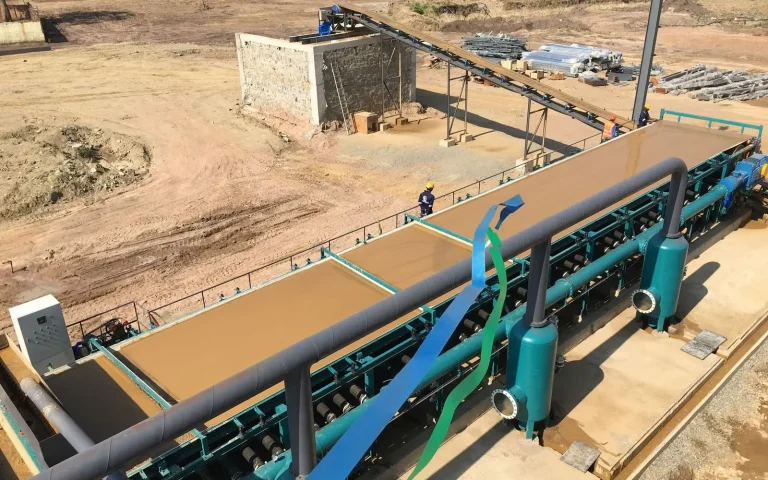
سونا CIL پروسیس (کاربن ان لیچنگ) ہائی گریڈ آکسیڈ قسم کے سونے کے خام مال کو پروسیس کرنے کا بہت مشہور طریقہ ہے
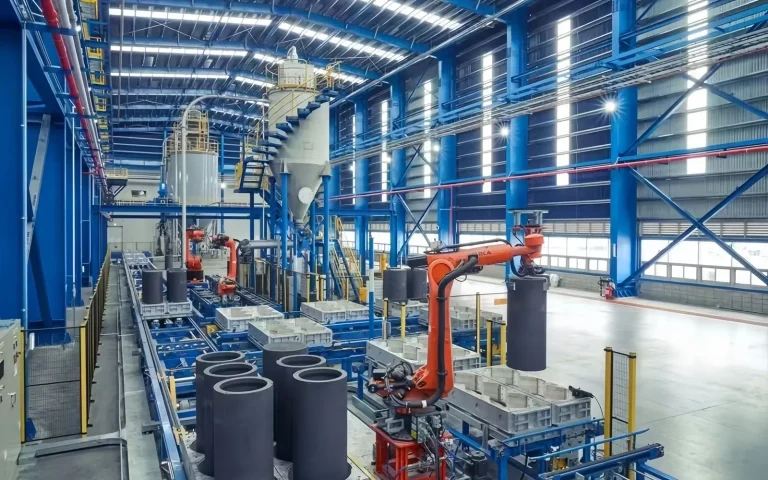
پرومینر قدرتی گریفائٹ اینوڈ مواد بنانے کے لئے مکمل حل فراہم کر سکتا ہے جس میں گرائینڈنگ شامل ہے
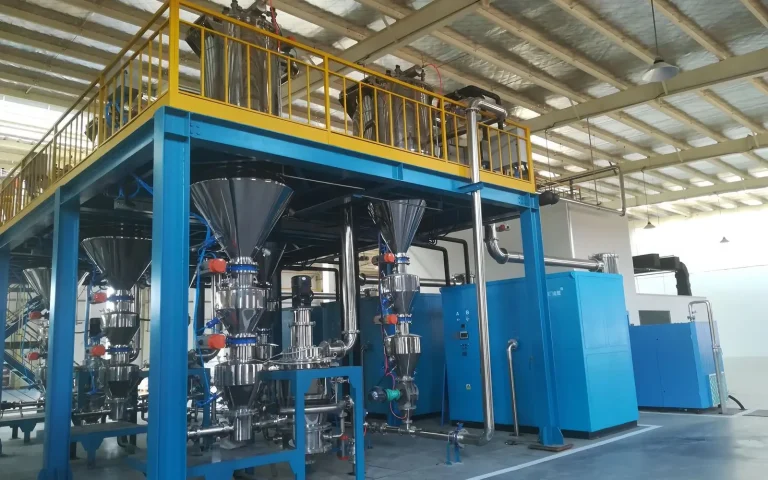
سلیکون پر مبنی اینوڈ ایک قسم کا کمپوزٹ اینوڈ مواد ہے جو سلیکون کو ملا کر بنایا جاتا ہے
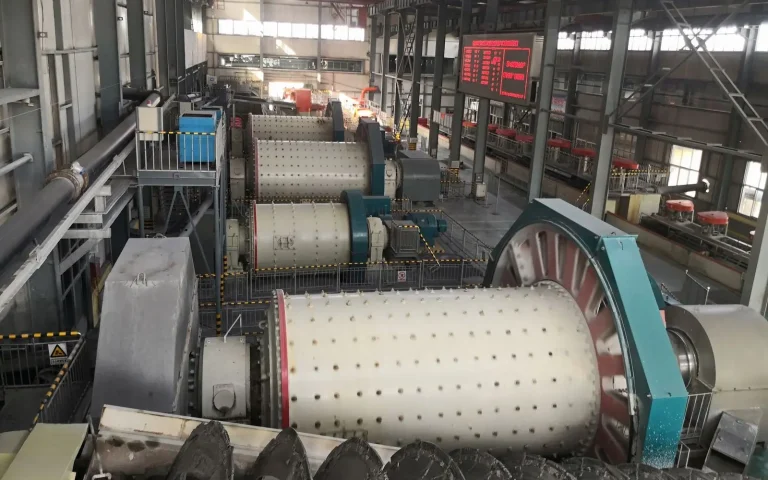
اسپودومین اور لیپیڈولائٹ لیتھیم دھات رکھنے والے بہت اہم معدنیات ہیں اور انہیں بازیافت کرنا بہت آسان ہے
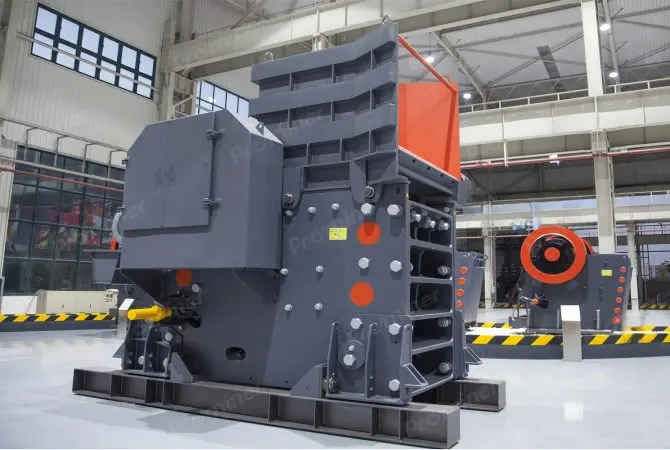
جوائ کرشر، اس کا کھلنے کا سائز اس کے زیادہ سے زیادہ فیڈنگ سائز کا تعین کرتا ہے۔ جوائ کرشر کی کرشنگ چیمبر
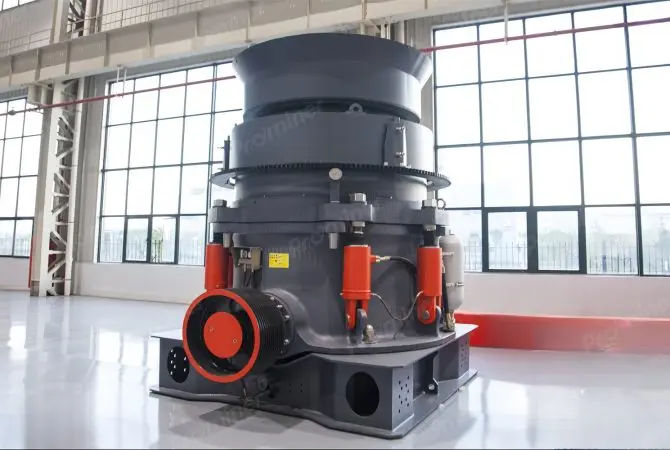
ملٹی سلنڈر ہائیڈرولک کون کرشر کرشر کی رفتار، ایکسنٹرکٹی اور کیویٹی پروفائل کو ملا دیتا ہے
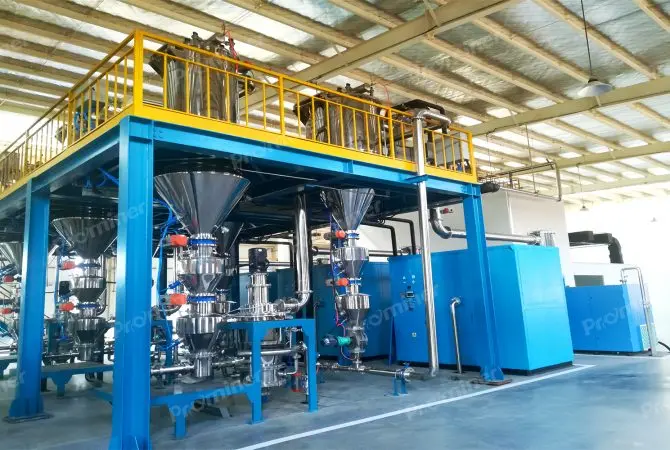
جیٹ مل کو متعدد نوزل استعمال کرتے ہوئے سونک اسپیڈ ایئر فلو تشکیل دینے کے لئے فلوئیڈائزڈ بیڈ جیٹ مل بھی کہا جاتا ہے
ہمارے مصنوعات اور حل کے بارے میں مزید معلومات حاصل کرنے کے لئے، براہ کرم نیچے دیے گئے فارم کو بھرें اور ہمارے ماہرین میں سے ایک جلد آپ سے رابطہ کرے گا
شینڈونگ صوبے میں 3000 TPD سونے کا فلٹیشن پروجیکٹ
سیچوان میں 2500TPD لیتھیم خام مال کی فلٹیشن
Fax: (+86) 021-58779592
پتہ: کمرہ ۶۰۶، بلاک D3، مرحلہ دوم، چینوا شائ بزنس سینٹر، ۷۷۷ لونگ، میاؤچوان روڈ، پودونگ نیو ایریا، شنگھائی، چین
کاپی رائٹ © 2023. پرومائنر (شنگھائی) مائننگ ٹیکنالوجی کمپنی، لمیٹڈ۔