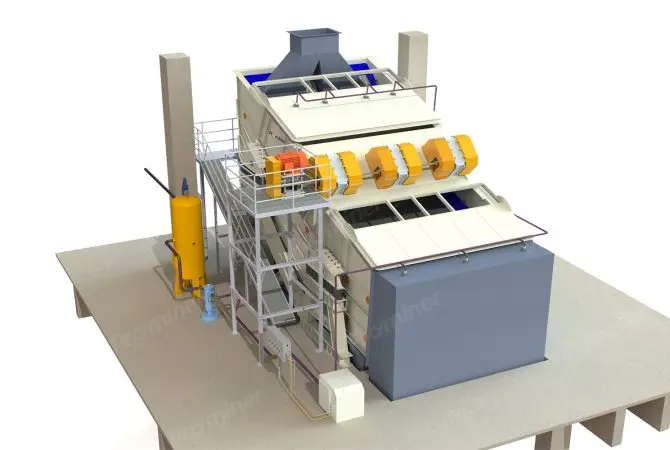
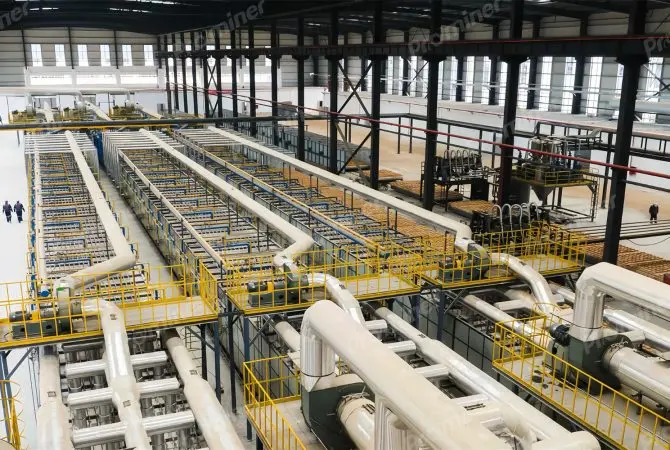
ہم براہ راست لیتھیم نکالنے (DLE) کا حل فراہم کر سکتے ہیں تاکہ نمکین جھیل کے پانی سے لیتھیم حاصل کیا جا سکے


/
/
دھاتری اور کروپٹوکریسٹ لائن گرافائٹ: نمکیاتی اقسام پروسیسنگ کے طریقہ کار کو کس طرح متاثر کرتی ہیں؟


گرافائیٹ ایک ورسٹائل صنعتی معدنیات ہے جسے بیٹریوں، ریفریکٹریز، لُبریکینٹس، اور ترقی یافتہ مواد میں استعمال کیا جاتا ہے۔ تاہم، تمام گرافائیٹ ایک جیسا نہیں ہوتا۔ وہ جغرافیائی شکل جس میں گرافائیٹ پایا جاتا ہے—کرystalline (فلیک یا وین) یا کرپٹوکرystalline (غیر کرسٹالیہ)—براہ راست یہ تعین کرتی ہے کہ اسے کیسے پروسیس کیا جانا چاہیے۔ ان فرق کو سمجھنا مؤثر بیفینیشن فلوشیٹس ڈیزائن کرنے اور بہترین مصنوعات کے معیار کے حصول کے لیے ضروری ہے۔
نیچے، ہم کھاد کی خصوصیات کس طرح پروسیسنگ کے اندازوں کا تعین کرتی ہیں، اس کی تحقیقات کرتے ہیں۔
晶ڑری گریفائٹ عموماً میٹامورفک چٹانوں جیسے شِسٹ اور جینِس کے اندر بہتر شکل کے چھوٹے یا رگیں کی صورت میں پایا جاتا ہے۔ فلِیک کے سائز چھوٹے سے لے کر موٹے تک ہو سکتے ہیں، اور فلِیک کی سالمیت کو برقرار رکھنا اکثر اہم عمل کی مقصد ہوتا ہے کیونکہ بڑے فلِیکز زیادہ مارکیٹ قیمت رکھتے ہیں۔
کرپٹوکریسٹ لائن گرامرائٹ، جسے اکثر بے ساختہ گرامرائٹ کہا جاتا ہے، انتہائی باریک گرامرائٹ کے ذرات پر مشتمل ہوتا ہے جو سیمنٹری یا کم درجے کے میٹامورفک پتھروں میں بکھرے ہوئے ہوتے ہیں۔ نام کے باوجود، یہ مائیکروسکوپک سطح پر اب بھی کرسٹاللین ہے، لیکن کرسٹل ساخت اتنی باریک ہے کہ اسے آنکھ سے دیکھنا ممکن نہیں۔
یہ ساختی اختلافات کچلنے اور پیسنے کے دوران آزادی کے رویے پر نمایاں اثر ڈالتے ہیں۔
بلوری (پر گرہ) گریفائٹ کے معدنیات میں، گریفائٹ کے پتلے عموماً سلکیٹ گینگ مائنرز کے ساتھ مل کر ہوتے ہیں۔ اہم مشکل یہ ہے کہ پتلیوں کو زیادہ سائز میں کمی کیے بغیر آزاد کیا جائے۔ زیادہ پیسنے سے پتلے کا سائز کم ہوتا ہے اور مصنوعات کی قیمت کم ہو جاتی ہے۔
نتیجہ کے طور پر، پراسیسنگ فلو عموماً مندرجہ ذیل شامل ہوتے ہیں:
مقصد ہے کہ گریفائٹ کو بتدریج آزاد کیا جائے، جبکہ فلیگ سائز کو برقرار رکھا جائے۔
اس کے برعکس، کرسٹلین گریفائٹ پہلے سے ہی انتہائی باریک دانہ دار ہے اور گینُ می minerals کے ساتھ گہری همراهی میں ہے۔ آزادی اکثر زیادہ سختی سے پیسنے کی ضرورت ہوتی ہے۔ چونکہ مصنوعات کی قیمت پتھر کی سائز پر منحصر نہیں ہے، لہٰذا چھوٹا یا باریک پیسنا اقتصادی لحاظ سے اسی طرح کا نقصان نہیں پہنچاتا۔
غبار فلوٹیشن کرسٹلین گریفائٹ کے لیے بنیادی عبرت کا طریقہ ہے۔ گریفائٹ کی قدرتی ہائیڈروفوبک خصوصیت اسے فلوٹیشن کے لیے بہت موزوں بناتی ہے بغیر کسی پیچیدہ کیمیکل اجزاء کے۔
معمولی فلوشیٹس میں شامل ہیں:
اعلیٰ درجے کے مرتکز مواد (90–97٪ کاربن) کو بار بار صفائی کے ذریعے حاصل کیا جا سکتا ہے، جبکہ پھٹک کے خراب ہونے کو کم سے کم رکھا جاتا ہے۔
کرپٹوکریسٹلائن گریفائٹ کے کانیں اکثر کم معیار کی ہوتی ہیں اور ممکن ہے کہ پیچیدہ کئی مرحلوں کی فلوریشن سرکٹس کا جواز نہ بنیں۔ ذخیرے کی بنیاد پر، پروسیسنگ میں شامل ہو سکتا ہے:
کچھ اوقات میں، معدنیات کو ہاتھ سے چھانٹا جاتا ہے یا منتخب طور پر نکالا جاتا ہے کیونکہ اندرونی کاربن کا مواد نسبتاً زیادہ ہوتا ہے۔
ہائی ٹیک اپلیکیشنز جیسے لیتھیئم آئون بیٹری انوڈز کے لیے، گرافائٹ کی پاکیزگی 99.9% کاربن سے بڑھ کر ہونی چاہیے۔
بلوریہ فلیک گرافائیٹ عموماً اضافی صفائی کے عمل سے گزرتا ہے، جیسے:
کریپٹو کرسٹلائن گریفائٹ، اپنی منفرد ذراتی سائز اور گندگی کی تقسیم کی وجہ سے، اعلیٰ سطح پر پاک کرنے میں زیادہ مشکل اور مہنگا ثابت ہوسکتا ہے۔ اس لیے یہ زیادہ تر درجہ حرارت کے خلاف، تھوڑے اور دھات کے انداز میں استعمال ہوتی ہے، بجلی کی مقدار کے بجائے، اور لبریکنٹس کے بجائے۔
معدنیات کا قسم براہ راست اثر انداز ہوتا ہے:
کارہائےِ گریفائیٹ کی کرسٹاللائن فلیکس خاص طور پر زیادہ جدید فلوٹیشن سرکٹس کا تقاضہ کرتے ہیں، لیکن اعلیٰ قیمت والی مصنوعات فراہم کرتے ہیں۔ فلیکس کے سائز کو برقرار رکھنا منافع بخش ہونے کے لئے نہایت ضروری ہے۔
کرپٹوکریسٹین لائن گریفائٹ کے عمل درآمد میں شاید آسان عملدرآمد شامل ہو، لیکن اکثر کم مارجن والے بازاروں کو ہدف بناتا ہے۔ معیشتیں انحصار کرتی ہیں کہ ذخیرہ کی درجہ بندی اور اختتامی صارفین کے قریب ہونے پر۔
کریسٹلین اور کرپٹوکریسٹلائن گریفائٹ کے معدنوں کے درمیان بنیادی فرق بالکل مختلف پروسیسنگ تصورات کا تقاضا کرتے ہیں۔
گریفائٹ کی پروسیسنگ میں، جیولوجی مقدر ہے۔ ایک عمدہ ڈیزائن شدہ فلو شیٹ، پلانٹ میں شروع نہیں ہوتی، بلکہ کان کے جسم کی گہری سمجھ سے شروع ہوتی ہے۔
A: معدنی خصوصیات ایک ہی کان سے نکلنے والے خام مال کے اندر بھی نمایاں طور پر مختلف ہو سکتی ہیں۔ ایک پیشہ ور ٹیسٹ (جیسے کیمیائی تجزیہ، ایکس آر ڈی، اور SEM) یہ یقین دہانی کرتا ہے کہ فلو چارٹ آپ کے مخصوص خام مال کے گریڈ اور آزادی کے سائز کے لیے بہتر بنایا گیا ہے۔ یہ مہنگے آلات کے غلط ملاپ سے بچاتا ہے اور آپ کے منصوبے کے لیے ممکنہ طور پر سب سے زیادہ بحالی کی شرح کی ضمانت دیتا ہے۔
A: ہم اہم پہننے والے حصوں (جیسے کرشر لائنر، اسکرین میش، اور گریڈنگ میڈیا) کا مستقل اسٹاک رکھتے ہیں۔ بین الاقوامی صارفین کے لیے، ہم ابتدائی خریداری کے ساتھ ایک مشورتی "2 سالہ اسپیئر پارٹس کی فہرست" فراہم کرتے ہیں۔ تکنیکی مدد 24/7 دور دراز ویڈیو کے ذریعے دستیاب ہے، اور پیچیدہ دیکھ بھال کی ضروریات کے لیے سائٹ کے دورے بھی ترتیب دیے جا سکتے ہیں۔
A: جی ہاں۔ ہم سائٹ پر سینئر مکینیکل اور الیکٹریکل انجینئروں کی ایک ٹیم بھیجتے ہیں تاکہ آلات کی تنصیب، کمیشننگ، اور لوڈ ٹیسٹنگ کی نگرانی کی جا سکے۔ ہم آپ کے مقامی آپریٹرز کے لیے بھی مکمل آن-site تربییت فراہم کرتے ہیں تاکہ طویل مدتی آپریشن کو ہموار بنایا جا سکے۔
A: بالکل۔ ہم EPCM (انجینئرنگ، خریداری، تعمیر کے انتظام) خدمات فراہم کرنے میں مہارت رکھتے ہیں۔ اس میں ابتدائی معدنی ٹیسٹنگ اور کان کے ڈیزائن سے لے کر سازوسامان کی تیاری، لاجسٹکس، اور مکمل سطح کی پلانٹ انضمام شامل ہیں، جو سبز میدان سے پروڈکشن میں ہموار منتقلی کو یقینی بناتے ہیں۔
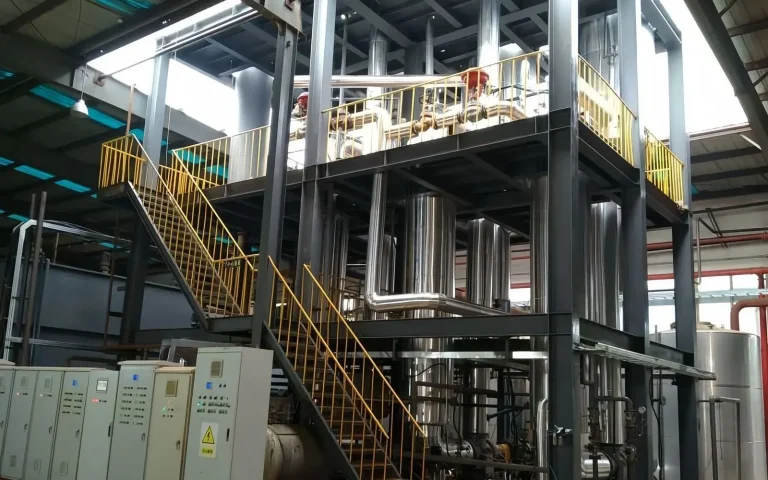
ہم براہ راست لیتھیم نکالنے (DLE) کا حل فراہم کر سکتے ہیں تاکہ نمکین جھیل کے پانی سے لیتھیم حاصل کیا جا سکے
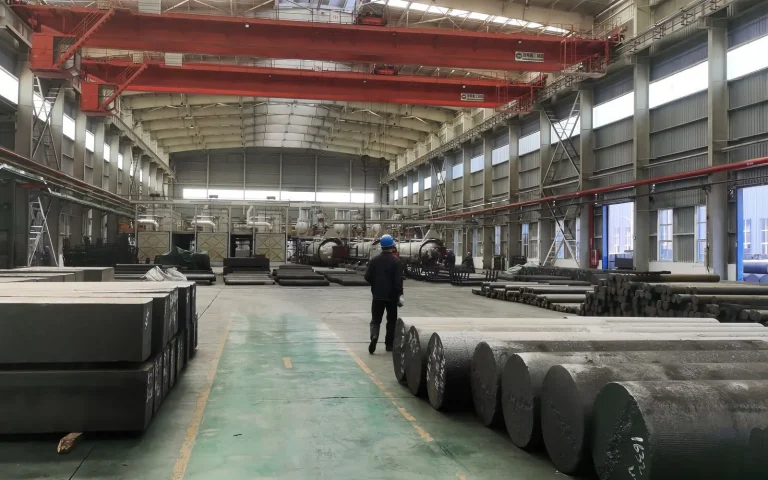
UHP گریفائٹ الیکٹروڈ بنیادی طور پر اسٹیل سملٹنگ انڈسٹری میں انتہائی ہائی پاور الیکٹرک آرک فرنس کے لئے استعمال ہوتا ہے
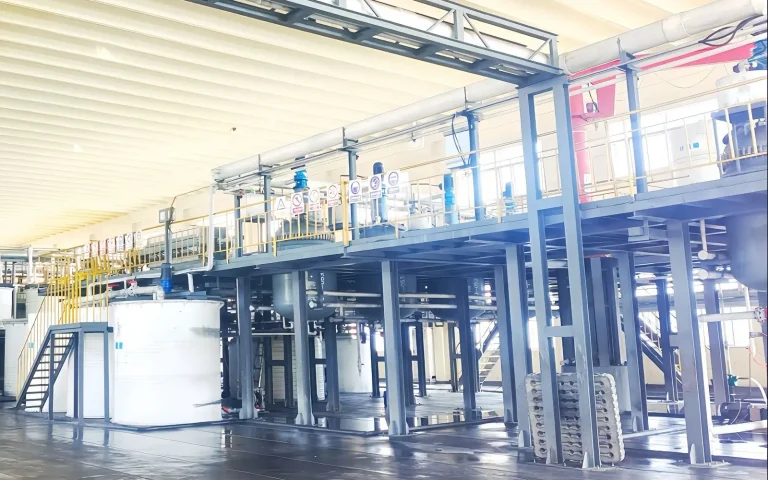
فلیک گریفائٹ کو ہائی کاربن گریفائٹ، ہائی پاکیزگی گریفائٹ، ایکسپینڈ ایبل گریفائٹ پیدا کرنے کے لئے استعمال کیا جا سکتا ہے

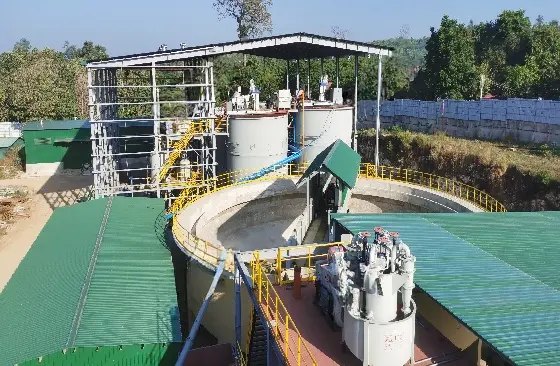
مقام: تنزانیہ، افریقہ اور وسطی کلیمنٹن، انڈونیشیا کانس کی قسم: کم گریڈ سلفائڈ کانسی (1.2–1.8 گرام فی ٹن سونے)
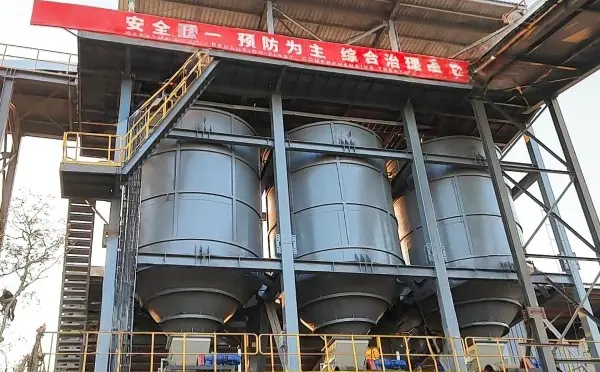
کچا معدنیات: لیپیڈولائٹ، سپڈومین، گینگ معدنیات: کوئٹز، فیلڈ سپار، مائکا Li₂O گریڈ: 0.8%
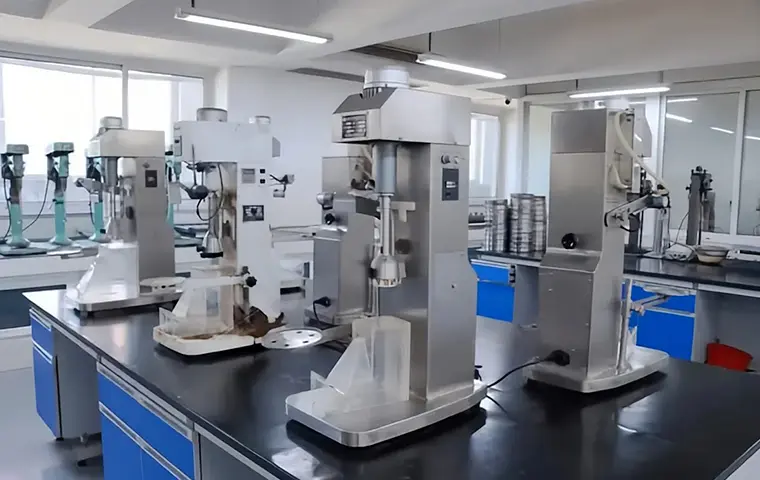
خام مال: مختلف اقسام کے کُنکر کے نمونے (سونے، لیتھیم، گریفائٹ، وغیرہ) لیب کی گنجائش: روزانہ 50–100 نمونے
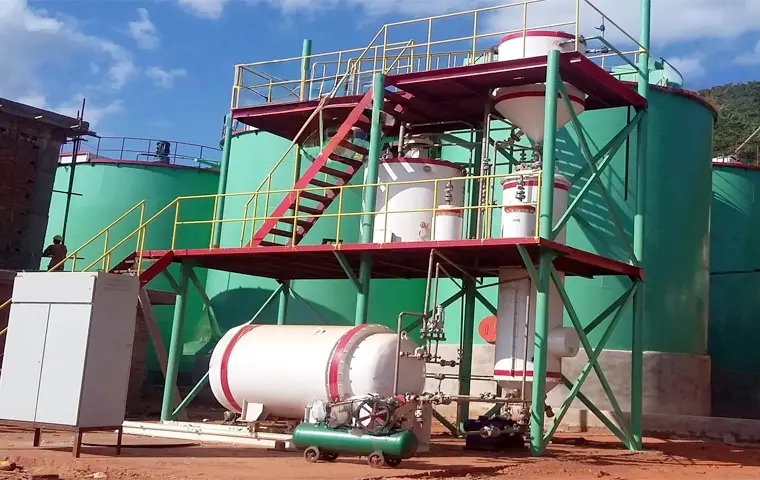
کچا معدن: میگنیٹائٹ اور ہیماٹائٹ کے ساتھ لپیٹے ہوئے سونے (عام سییرہ مادری ڈپازٹ)
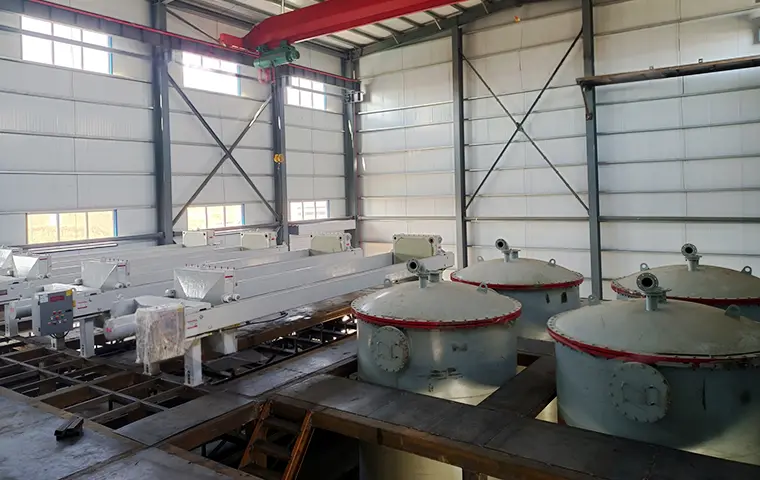
خام معدنیات: چاندی-پولی میٹالیٹ سلفائیڈ معدنیات (جس میں Ag، Pb، Zn شامل ہیں) چاندی کی گریڈ: 180 گرام/ٹن لیڈ کی گریڈ: 4.2% زنک کی گریڈ: 5.8%
خام کان: دریا کے بستر سے حاصل کردہ تمام قیمتی سونے کا خام مال سونے کا معیار: 0.8 گرام فی ٹن
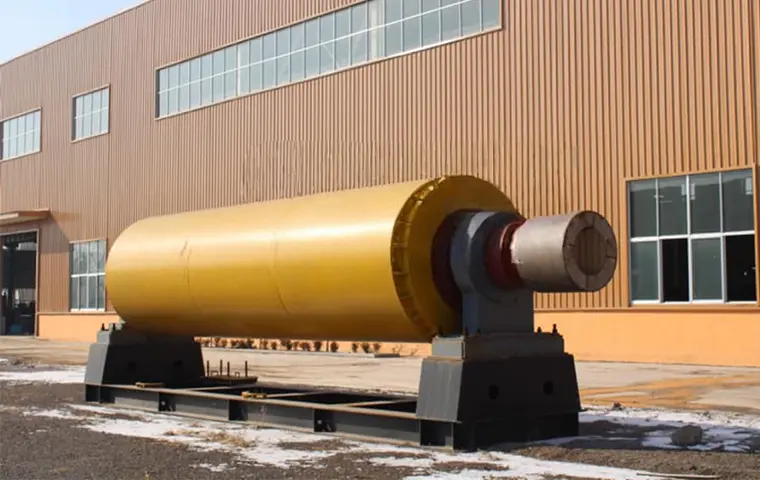
خام معدنی: سونا دار آکسیڈ معدنی / حسب ضرورت معدنی نمونے فیڈ کا سائز: 12 ملی میٹر سے کم ہدف پیسنے کی لطافت: 200 میش (74μm) D80
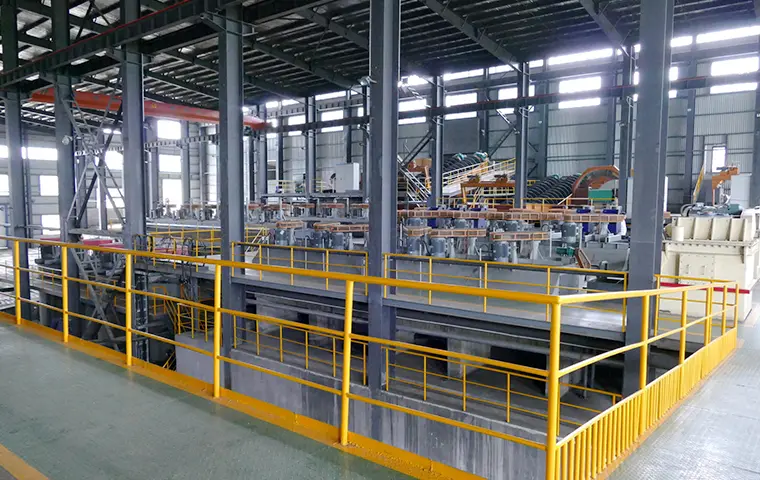
خام مال: گولائی گرافائٹ، پچ بائنڈر، اضافی عناصر پروجیکٹ کی صلاحیت: 5,000 ٹن اینوڈ میٹریل؛ 20 ٹن گرافین فی سال
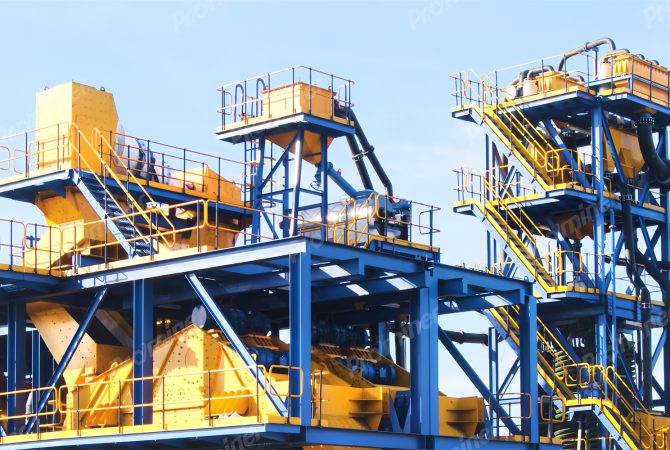
پرو مینر مختلف LIMS (کم شدت مقناطیسی سیپریٹر) مقناطیسی سیپریٹر فراہم کر سکتا ہے
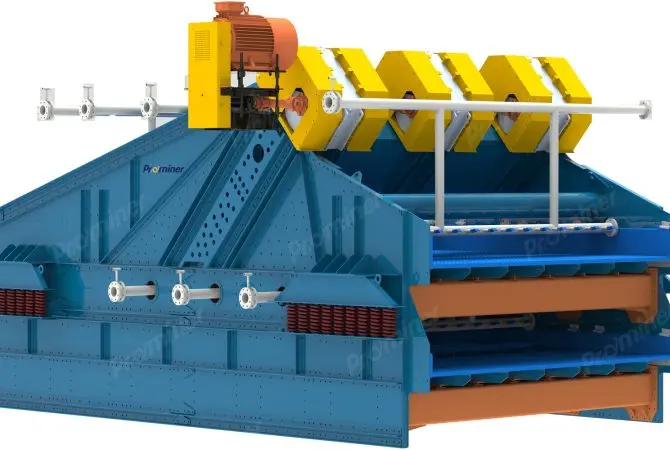
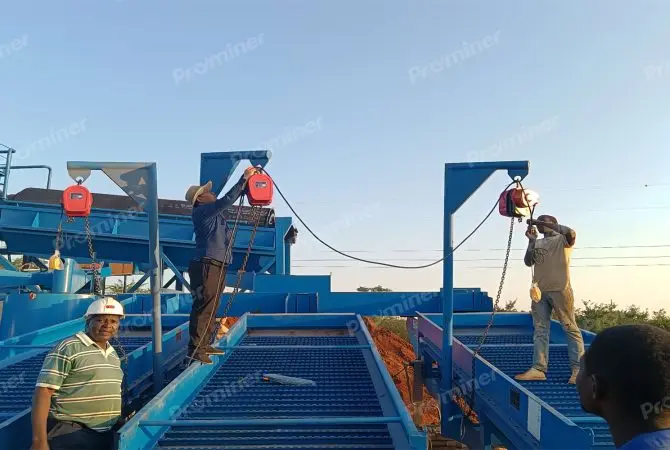
پرومینر معدنی درجہ بندی، مواد کے سائز، ڈیہیوٹرنگ کے لیے ہر قسم کی لکیری اسکرین فراہم کر سکتا ہے
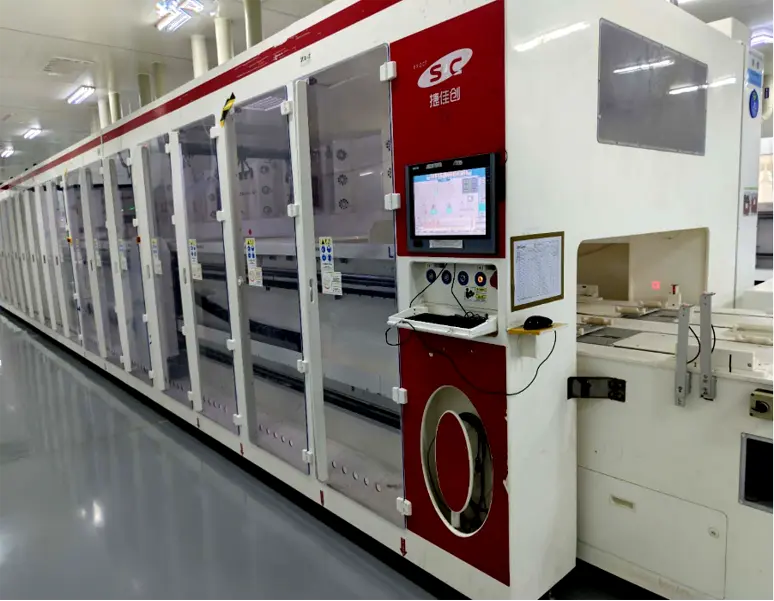
جیسے: بورن ڈفیوژن فرنیس، بی ایس جی کی ہٹائی، الکلائن پولشنگ مشین، پی ای-پولی…
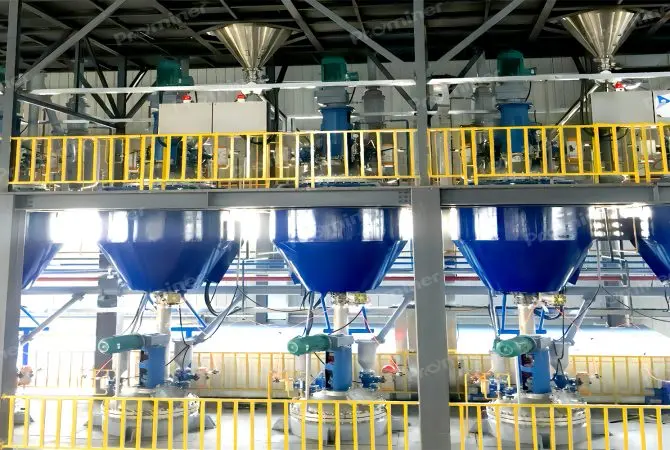
ہمارا گرانولیشن ری ایکٹر کوٹنگ اور گرانولیشن پروسیسنگ کے کاموں کو ملا کر کام کرتا ہے۔
ہمارے مصنوعات اور حل کے بارے میں مزید معلومات حاصل کرنے کے لئے، براہ کرم نیچے دیے گئے فارم کو بھرें اور ہمارے ماہرین میں سے ایک جلد آپ سے رابطہ کرے گا
شینڈونگ صوبے میں 3000 TPD سونے کا فلٹیشن پروجیکٹ
سیچوان میں 2500TPD لیتھیم خام مال کی فلٹیشن
فیکس: (+86) 021-58779592
پتہ:کمرہ ۶۰۶، بلاک D3، مرحلہ دوم، چینوا شائ بزنس سینٹر، ۷۷۷ لونگ، میاؤچوان روڈ، پودونگ نیو ایریا، شنگھائی، چین
کاپی رائٹ © 2023.پرومائنر (شنگھائی) مائننگ ٹیکنالوجی کمپنی، لمیٹڈ۔