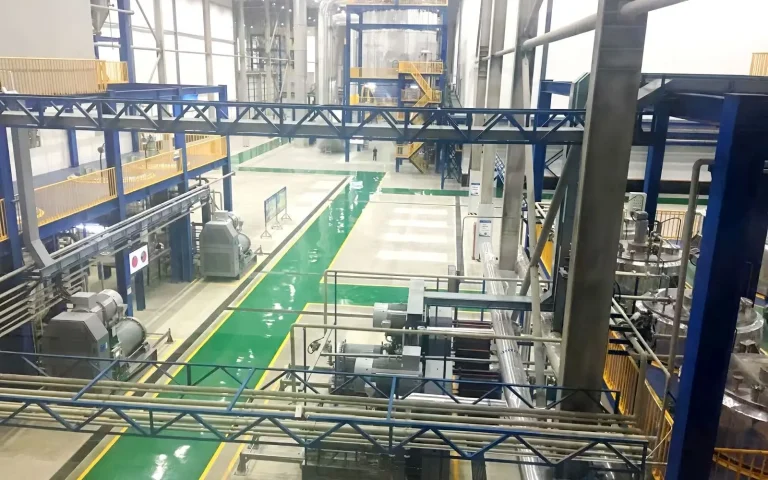
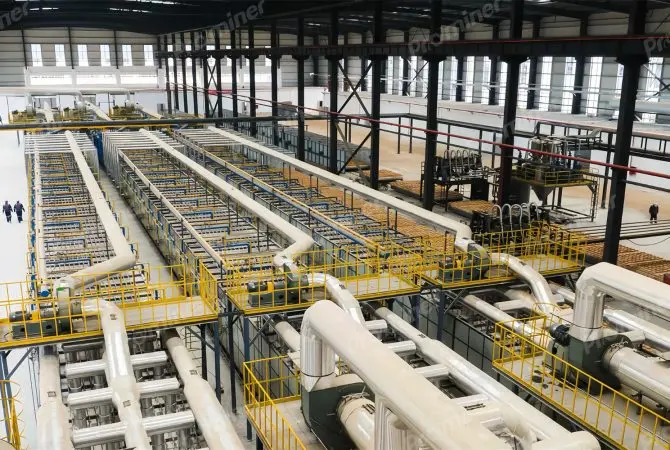
سلیکون پر مبنی اینوڈ ایک قسم کا کمپوزٹ اینوڈ مواد ہے جو سلیکون کو ملا کر بنایا جاتا ہے


/
/
Impurity سطحوں اور گرافائٹ فلیکس کے سائز کا معدنیات کی پروسیسنگ کی کارکردگی پر کیا اثر پڑتا ہے؟


گرافائٹ ایک اہم صنعتی معدنی ہے جو ریفریکٹری، لبریکنٹس، بیٹریاں اور اعلیٰ مرکبات جیسے مختلف استعمالات میں استعمال ہوتا ہے۔ گرافائٹ معدنی کی پروسیسنگ کی کارکردگی—خاص طور پر کچلنا، پیسنا، فلوٹیشن اور تصفیہ—دو اہم عوامل پر بہت زیادہ منحصر ہے: غیر متوقع مواد کی سطح اور گرافائٹ کے فلیک کا سائز۔ یہ سمجھنا کہ یہ متغیرات پراسیسنگ کی کارکردگی کو کیسے متاثر کرتے ہیں، بڑھتی ہوئی بازیابی، لاگت میں کمی، اور مصنوعات کی خدمات کے مطابق کیے جانے کے لیے ضروری ہے۔
گریفائیٹ کے خام مال میں عموماً سالمہ، مٹی کے معدن، لوہے کے آکسائیڈز، سلفائیڈز، اور کاربونیٹس شامل ہوتے ہیں۔ ان ناپاکیوں کی قسم، تقسیم، اور ارتکاز پروسیسنگ کی کارکردگی پر نمایاں اثر ڈالتی ہے۔
زیادہ آلودگی کی سطح عام طور پر زیادہ سخت ترقیاتی عمل کا مطالبہ کرتی ہے۔ اس کا مطلب اکثر اضافی پیسنے کے مراحل، متعدد فلوٹیشن کے مراحل، یا کیمیائی صاف کرنے کے عمل شامل ہوتے ہیں۔ ہر اضافی قدم توانائی کے استعمال، کیمیکلز کے استعمال، اور عملی اخراجات میں اضافہ کرتا ہے۔
کچھ آلودگیوں کا خاص طور پر مسئلہ ہوتا ہے۔ مثال کے طور پر:
جب آلودگیوں کو گرافائٹ کے چھوٹے چھوٹے ٹکڑوں میں بکھیر دیا جاتا ہے، تو اعلی کاربن پاکیزگی حاصل کرنا زیادہ مشکل ہو جاتا ہے۔ اس سے کم بازیابی کی شرحیں ہو سکتی ہیں، کیونکہ آلودگیوں کو آزاد کرنا کے لیے زیادہ پیسنا بھی گرافائٹ کے ٹکڑوں کو نقصان پہنچا سکتا ہے۔
گرافائٹ فلیک کا سائز مارکیٹ میں سب سے اہم معیار کے پیرا میٹرز میں سے ایک ہے۔ بڑے فلیک عموماً اعلیٰ قیمتوں کا تقاضا کرتے ہیں کیونکہ وہ توسیع پذیر گرافائٹ، ریفریکٹریز، اور بعض بیٹری کے استعمالات میں اپنی بہتر کارکردگی کا مظاہرہ کرتے ہیں۔
پروسسنگ کے نقطہ نظر سے، چھلکے کا سائز براہ راست اثر انداز ہوتا ہے:
بڑے چھوٹے زیادہ ترا توڑ پھوڑ کے دوران ٹوٹنے کے زیادہ حساس ہوتے ہیں۔ زیادہ پیسنے سے نہ صرف بڑے چھوٹے کی تناسب کم ہوتی ہے بلکہ مجموعی مصنوعات کی قیمت بھی کم ہو جاتی ہے۔ اس لیے، پروسیسنگ پلانٹس اکثر مرحلہ وار پیسنے اور ملنگ کی شدت کو احتیاط سے کنٹرول کرنے کا راستہ اپناتے ہیں تاکہ چھوٹے کی سالمیت برقرار رکھی جا سکے۔
اس کے برعکس، باریک جھلی گریفائٹ کو گیان منرلز سے پوری طرح آزاد کرنے کے لیے زیادہ جارحانہ کٹنگ کی ضرورت پڑ سکتی ہے۔ تاہم، باریک ذرات ہوا کے غباروں کے ساتھ تصادم کے امکانات کم ہونے کی وجہ سے فلوٹیشن کی کارکردگی کو کم کرسکتے ہیں۔
آزاد کرنے کا سائز اس ذرات کے سائز سے مراد ہے جس پر گریفائیٹ کے پتلے مواد کو چکنی معدنیات سے کافی حد تک الگ کیا جاتا ہے۔ یہ پیرا میٹر ہدایت کے ساتھ ساتھ خرابی اور اصل چھوٹے مواد کے سائز پر بھی منحصر ہوتا ہے۔
اگر گریفائٹ کو نسبتاً خاموش سائز میں اچھی طرح آزاد کر لیا جائے، تو عمل کاری زیادہ مؤثر ہو جاتی ہے۔ خاموش آزادی سے یہ ممکن ہوتا ہے:
تاہم، جب پیمانے یا مضبوطی سے جڑنے والے دھبوں کے اندر آلودگیاں بند ہوں، تو باریک پیسائی کی ضرورت ہوتی ہے۔ اس سے توانائی کا استعمال بڑھ جاتا ہے اور فلیکس کے سائز کو نقصان پہنچ سکتا ہے، جس سے پاکیزگی اور مصنوعات کے سائز کی تقسیم کے درمیان مفاہمت پیدا ہوتی ہے۔
ایلومینیشن کو زیادہ نقصان پہنچائے بغیر بہتر بنانے سے متعلق نکالنے کا عمل گریفائٹ معدنیات کی پروسیسنگ میں ایک مرکزی چیلنج ہے۔
فروت فلوٹیشن گرافائٹ کو مرتکز کرنے کے لیے استعمال ہونے کا بنیادی طریقہ ہے۔ کوئی بھی غیرضروری عناصر کی سطح اور چھوٹے چھیل کی سائز فلوٹیشن کی کارکردگی پر گہرا اثر ڈالتے ہیں۔
گرافائیٹ فطری طور پر ہائڈروفوبک ہے، جو اسے فلوتیشن میں برتری دیتا ہے۔ تاہم:
عموماً بڑے ترفیف زیادہ آسانی سے بلند ہوتے ہیں اور انتخابی طور پر حاصل کرنا آسان ہوتا ہے۔ تاہم، اگر بڑے ترفیف کو باریک آلودگی یا سلائم سے ڈھانپ دیا جائے تو ان کی ہائیڈروفوبک خصوصیت کم ہو سکتی ہے، جس کے باعث اضافی کیمیائی مواد کے استعمال یا پری ٹریٹمنٹ جیسے کہ سلائم ہٹانے کی ضرورت پڑ سکتی ہے۔
ناپاکی کی سطح اور چھلکے کے سائز کا مجموعی اثر براہ راست اثر انداز ہوتا ہے:
کم آلودگی مواد اور موٹے، اچھی طرح آزاد شدہ تختیاں رکھنے والے معدن عموماً کم قیمت پر تیار کیے جاتے ہیں اور زیادہ قیمت والی مصنوعات فراہم کرتے ہیں۔ برعکس، معدنیات جن میں پیچیدہ معدنیات اور باریک گریفائٹ ہوتی ہے، اُن کے لیے زیادہ جدید پراسیسنگ سرکٹس کی ضرورت ہوتی ہے، جس سے سرمایہ کاری اور آپریشنل اخراجات میں اضافہ ہوتا ہے۔
حکمت عملی کان کنی کی منصوبہ بندی اور پریشانی ملانا مستقل فیڈ خصوصیات کو برقرار رکھنے میں مدد فراہم کرسکتا ہے، جس سے مجموعی پلانٹ کی کارکردگی اور پیداوار کی مطابقت میں بہتری آتی ہے۔
ناپاکی کی سطح اور گریفائٹ کے ٹکڑوں کے سائز معدنیات کی پروسیسنگ کی کارکردگی کے اہم عوامل ہیں۔ زیادہ ناخالصیوں کا تناسب پروسیسنگ کی پیچیدگی اور لاگت میں اضافہ کرتا ہے، جبکہ ٹکڑوں کا سائز دونوں، بازیابی کی کارکردگی اور مارکیٹ کی قدر کو متاثر کرتا ہے۔ optimal کارکردگی حاصل کرنے کے لیے، مناسب ناخالصی ہٹانے اور ٹکڑوں کی سالمیت کی حفاظت کے درمیان توازن برقرار رکھنا ضروری ہے۔
عمدہ طریقے سے کٹائی کی شدت، فلوتیشن کے حالات اور صفائی کی حکمت عملیوں کا انتظام کرکے، آپریٹرز بازیابی کو زیادہ سے زیادہ کر سکتے ہیں، مطلوبہ چھلے کے سائز کی تقسیم کو برقرار رکھ سکتے ہیں، اور مارکیٹ کی طلب کے مطابق اعلیٰ معیار کے گریفائٹ کنسنٹریٹ تیار کر سکتے ہیں۔
A: معدنی خصوصیات ایک ہی کان سے نکلنے والے خام مال کے اندر بھی نمایاں طور پر مختلف ہو سکتی ہیں۔ ایک پیشہ ور ٹیسٹ (جیسے کیمیائی تجزیہ، ایکس آر ڈی، اور SEM) یہ یقین دہانی کرتا ہے کہ فلو چارٹ آپ کے مخصوص خام مال کے گریڈ اور آزادی کے سائز کے لیے بہتر بنایا گیا ہے۔ یہ مہنگے آلات کے غلط ملاپ سے بچاتا ہے اور آپ کے منصوبے کے لیے ممکنہ طور پر سب سے زیادہ بحالی کی شرح کی ضمانت دیتا ہے۔
A: ہم اہم پہننے والے حصوں (جیسے کرشر لائنر، اسکرین میش، اور گریڈنگ میڈیا) کا مستقل اسٹاک رکھتے ہیں۔ بین الاقوامی صارفین کے لیے، ہم ابتدائی خریداری کے ساتھ ایک مشورتی "2 سالہ اسپیئر پارٹس کی فہرست" فراہم کرتے ہیں۔ تکنیکی مدد 24/7 دور دراز ویڈیو کے ذریعے دستیاب ہے، اور پیچیدہ دیکھ بھال کی ضروریات کے لیے سائٹ کے دورے بھی ترتیب دیے جا سکتے ہیں۔
A: جی ہاں۔ ہم سائٹ پر سینئر مکینیکل اور الیکٹریکل انجینئروں کی ایک ٹیم بھیجتے ہیں تاکہ آلات کی تنصیب، کمیشننگ، اور لوڈ ٹیسٹنگ کی نگرانی کی جا سکے۔ ہم آپ کے مقامی آپریٹرز کے لیے بھی مکمل آن-site تربییت فراہم کرتے ہیں تاکہ طویل مدتی آپریشن کو ہموار بنایا جا سکے۔
A: بالکل۔ ہم EPCM (انجینئرنگ، خریداری، تعمیر کے انتظام) خدمات فراہم کرنے میں مہارت رکھتے ہیں۔ اس میں ابتدائی معدنی ٹیسٹنگ اور کان کے ڈیزائن سے لے کر سازوسامان کی تیاری، لاجسٹکس، اور مکمل سطح کی پلانٹ انضمام شامل ہیں، جو سبز میدان سے پروڈکشن میں ہموار منتقلی کو یقینی بناتے ہیں۔
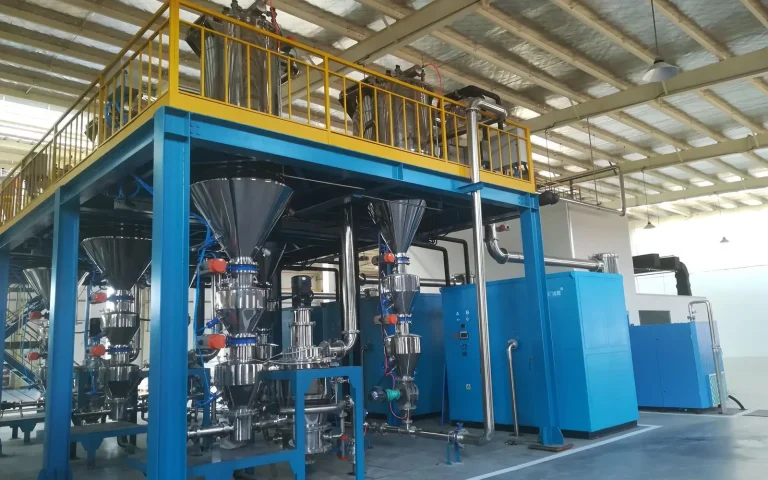
سلیکون پر مبنی اینوڈ ایک قسم کا کمپوزٹ اینوڈ مواد ہے جو سلیکون کو ملا کر بنایا جاتا ہے
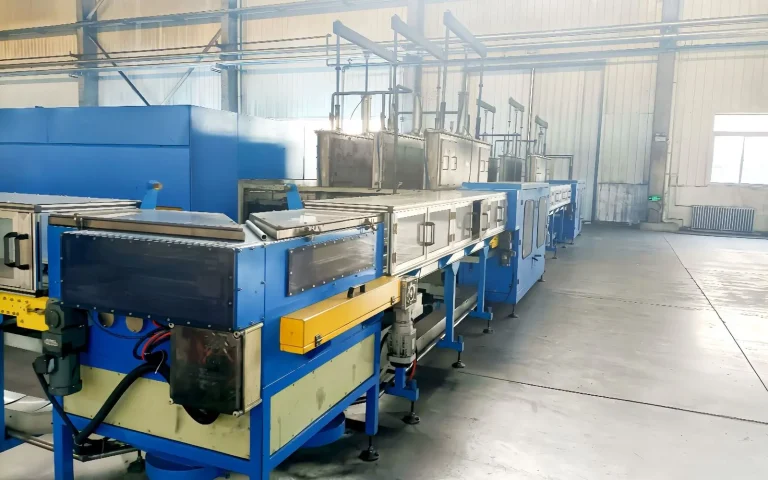
ہارڈ کاربن اینوڈ مواد سوڈیم آئن بیٹری کی تجارتی نوعیت کے لئے سب سے زیادہ پسندیدہ مواد ہے

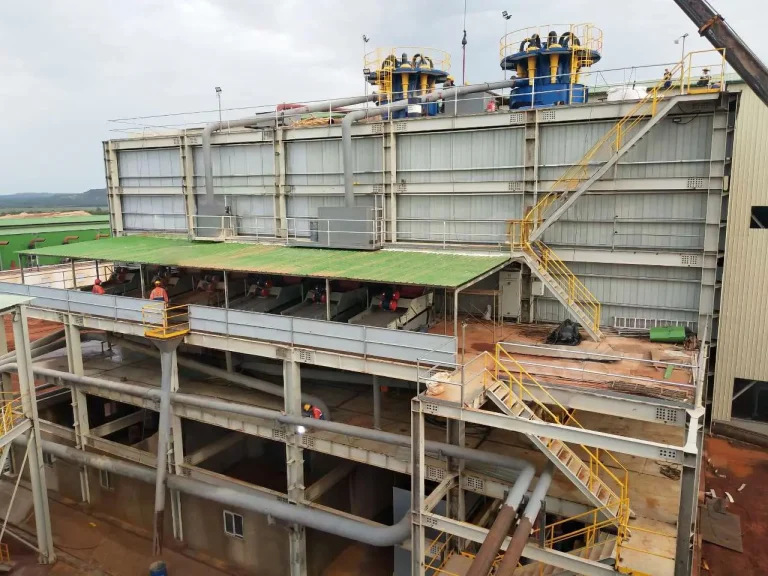
کچا معدن: دریاؤں کے ذخائر سے لے کر سونے کا معدن سونے کی گریڈ: 0.7 گرام فی ٹن (اوسط) بازیافت کی شرح: 90%
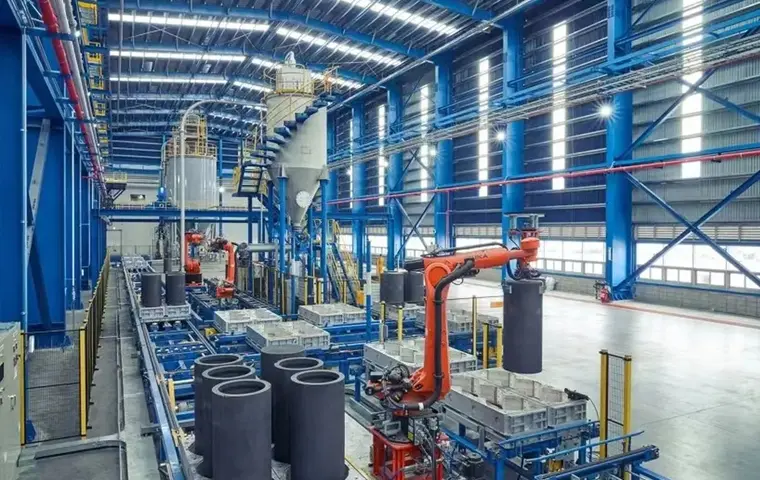
خام مال: سبز پیٹرولیم کوک، سبز سوئیاں کوک اور ہائی سافٹ پوائنٹ پچ
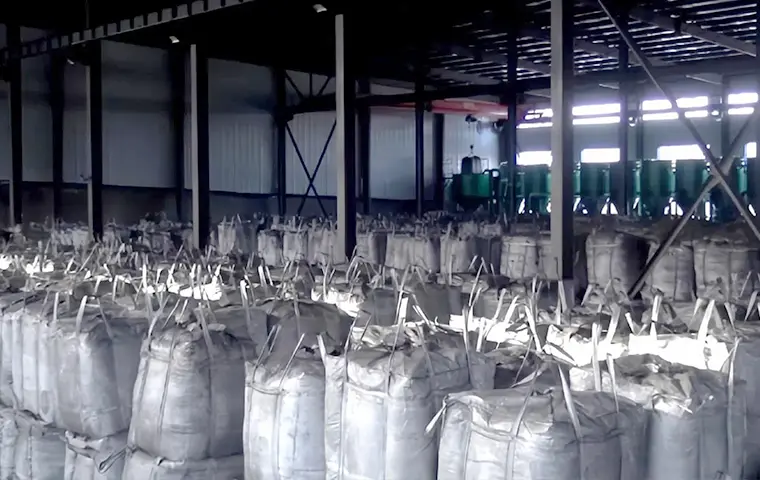
خام مال: گریفائٹ فلوٹیشن کنسنٹریٹ (95% سی) پروجیکٹ کی گنجائش: 10,000 ٹن فی سال
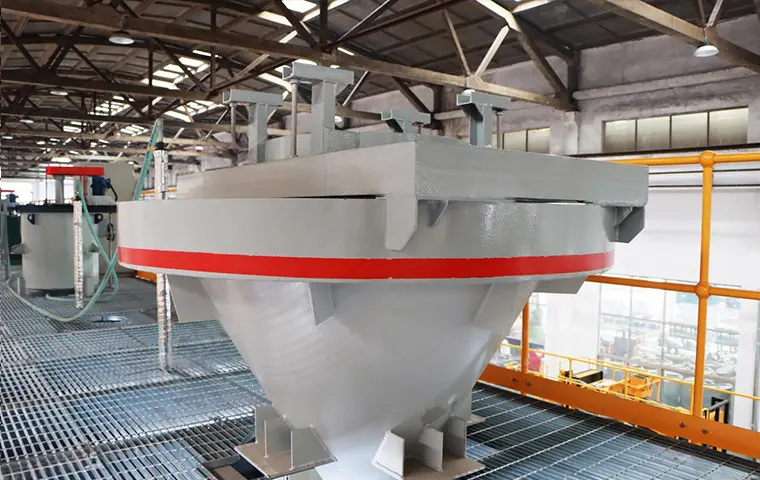
خام معدنیات: سلفائیڈ قسم کا سونے کا خام مال سونے کی درجہ بندی: 3.5 گرام فی ٹن حتمی مصنوعات: سونے کی اینٹ سونے کی بحالی کی شرح: 96%
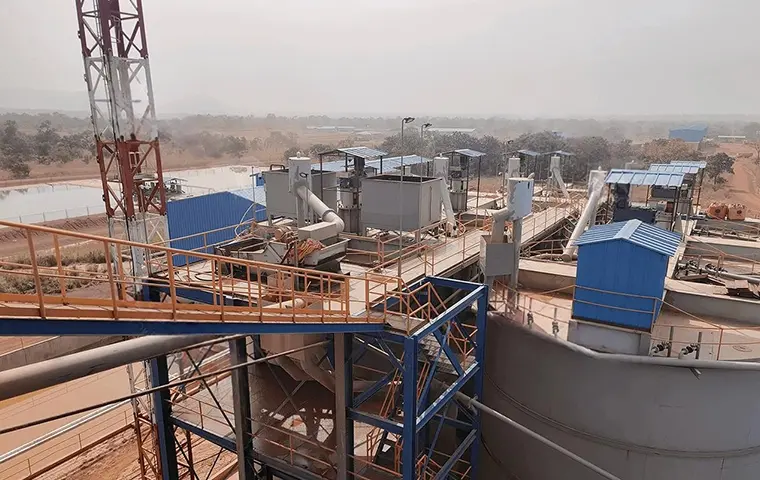
خام دھات: سلفائیڈ کاپر آئر (ہلکے پیریٹ مواد کے ساتھ) کاپر گریڈ: 1.2% کنسنٹریٹ گریڈ 25% Cu
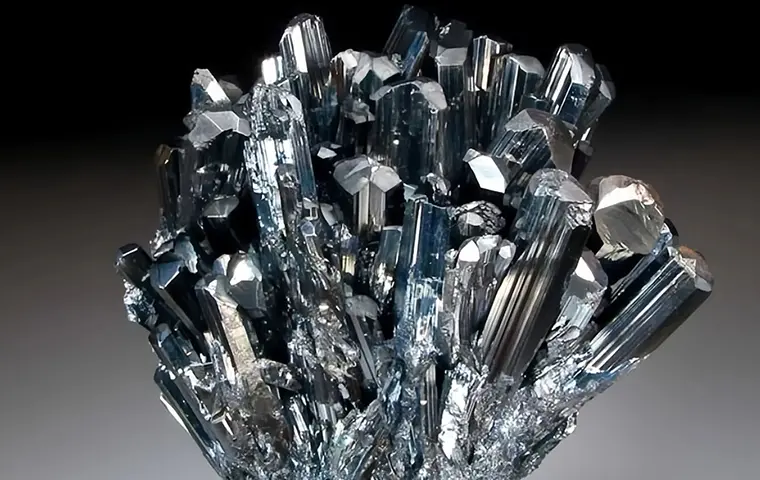
خام خام مال: اسٹائن بائٹ (اینٹیمونی سلفائیڈ خام) Sb گریڈ: 3.5% کنسنٹریٹ گریڈ: 55% Sb
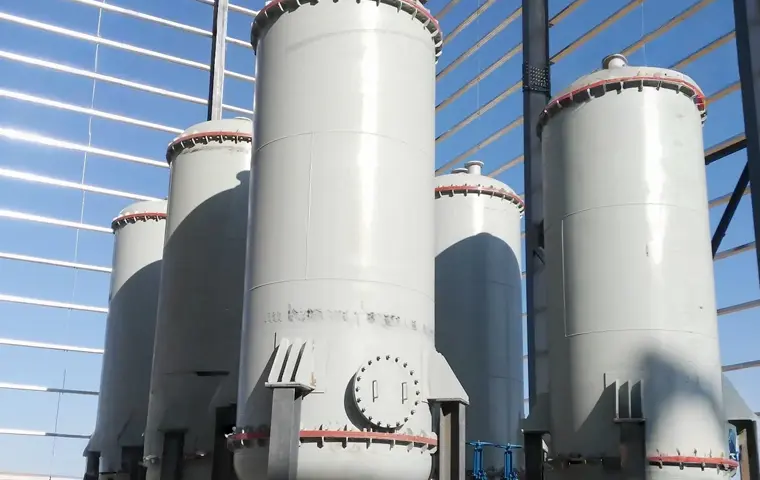
کچا معدن: سلفائیڈ قسم کا سونے کا معدن سونے کی گریڈ: 1.2 گرام فی ٹن آپریٹنگ اونچائی: 4200 میٹر
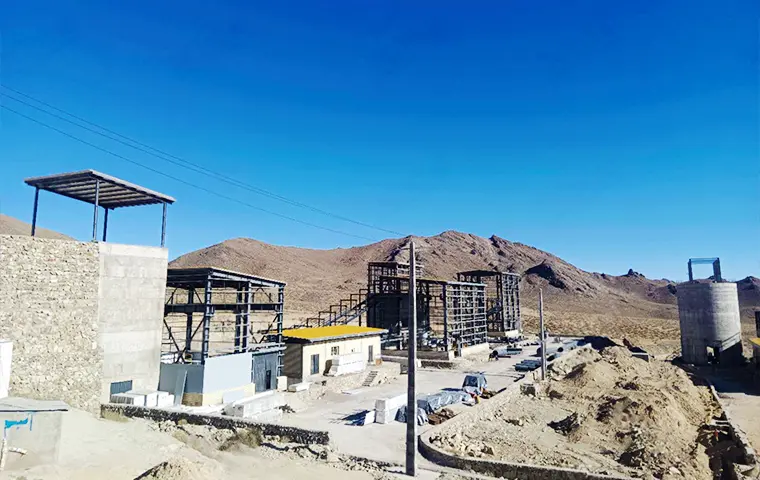
خام خام مال: سلفائیڈ قسم کا تانبے کا خام مال تانبے کا گریڈ: 0.8% حتمی مصنوعات: تانبے کا کنسنٹریٹ
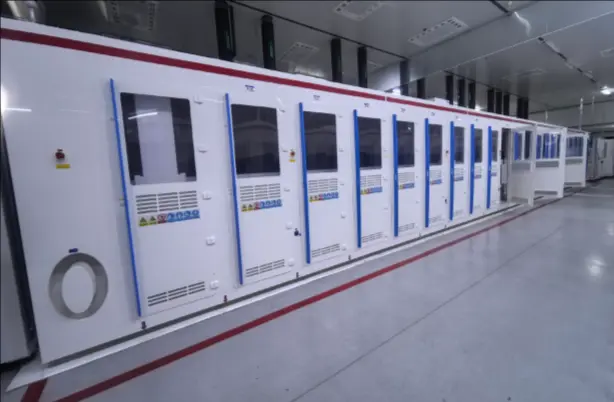
شامل ہیں: ایک کرسٹل میٹریل بیچ ٹیکسچرنگ سامان، بیچ ٹیکسچرنگ لوڈر/آؤٹ لوڈر، کم دباؤ…
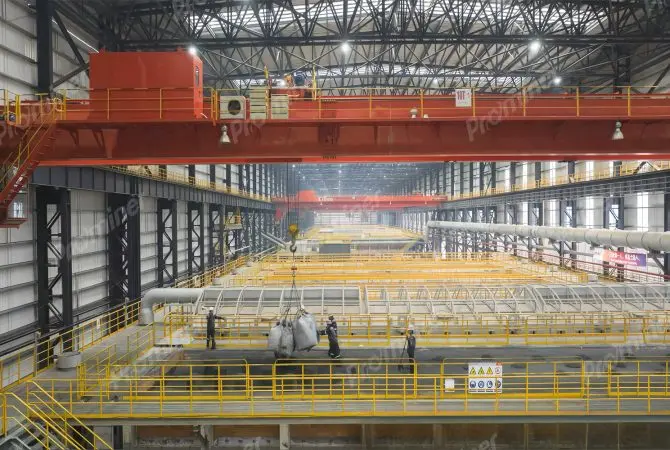
ہم مختلف اقسام کی گرافٹائیزیشن فرنس فراہم کر سکتے ہیں تاکہ کاربن کے مواد کو تبدیل کیا جا سکے۔
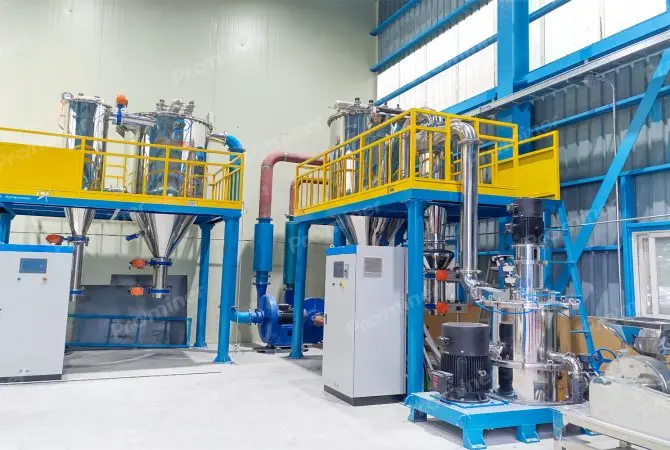
ہمارا امپیکٹ مل ایک تیز رفتار میکینکل مل ہے جو فوق العادہ ملنگ انجام دینے کے لیے استعمال ہوتی ہے اور بنیادی طور پر
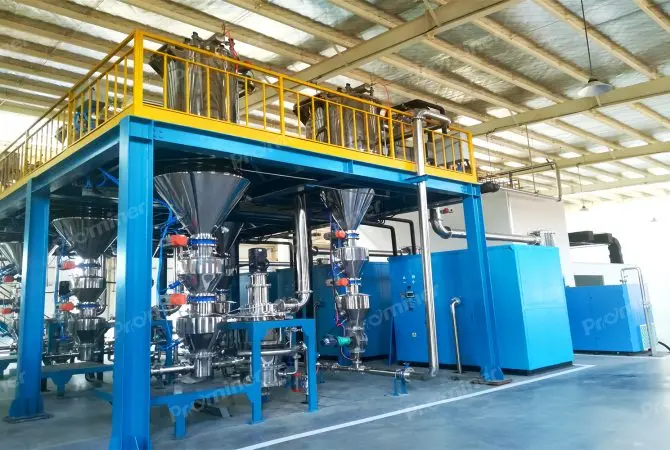
جیٹ مل کو متعدد نوزل استعمال کرتے ہوئے سونک اسپیڈ ایئر فلو تشکیل دینے کے لئے فلوئیڈائزڈ بیڈ جیٹ مل بھی کہا جاتا ہے
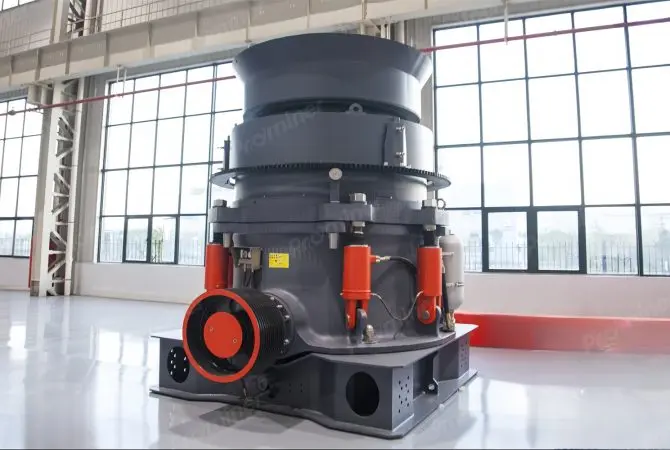
ملٹی سلنڈر ہائیڈرولک کون کرشر کرشر کی رفتار، ایکسنٹرکٹی اور کیویٹی پروفائل کو ملا دیتا ہے
ہمارے مصنوعات اور حل کے بارے میں مزید معلومات حاصل کرنے کے لئے، براہ کرم نیچے دیے گئے فارم کو بھرें اور ہمارے ماہرین میں سے ایک جلد آپ سے رابطہ کرے گا
شینڈونگ صوبے میں 3000 TPD سونے کا فلٹیشن پروجیکٹ
سیچوان میں 2500TPD لیتھیم خام مال کی فلٹیشن
فیکس: (+86) 021-58779592
پتہ:No.2555, Xiupu Road, Pudong, Shanghai
کاپی رائٹ © 2023.پرومائنر (شنگھائی) مائننگ ٹیکنالوجی کمپنی، لمیٹڈ۔