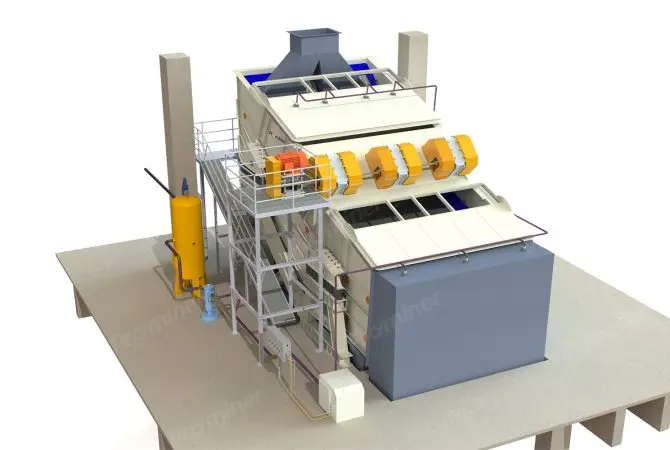
ہارڈ کاربن اینوڈ مواد سوڈیم آئن بیٹری کی تجارتی نوعیت کے لئے سب سے زیادہ پسندیدہ مواد ہے




فلوریٹ فلٹیشن ریجنٹ کی قیمتوں کو 40% کم کرنا بغیر گریڈ قربان کیے، عمل کی بہتری، متبادل ریجنٹ کے انتخاب، اور کارکردگی کی بہتری کے اسٹریٹجک توازن کا تقاضا کرتا ہے۔ اس مقصد کو حاصل کرنے کے لیے درج ذیل مخصوص حکمت عملیاں ہیں:
کسی مفروضہ فلورائٹ فلٹیشن پلانٹ کے لیے:
فلوٹیشن کے عمل کو منظم طریقے سے بہتر بنا کر، لاگت مؤثر کیمیکلز کو اپناتے ہوئے، اور عملی طریقوں کو بہتر کرتے ہوئے، یہ ممکن ہے کہ بغیر کسی مصنوعات کی معیار کی قربانی دیے بڑی لاگت میں کمی حاصل کی جا سکے۔
A: معدنی خصوصیات ایک ہی کان سے نکلنے والے خام مال کے اندر بھی نمایاں طور پر مختلف ہو سکتی ہیں۔ ایک پیشہ ور ٹیسٹ (جیسے کیمیائی تجزیہ، ایکس آر ڈی، اور SEM) یہ یقین دہانی کرتا ہے کہ فلو چارٹ آپ کے مخصوص خام مال کے گریڈ اور آزادی کے سائز کے لیے بہتر بنایا گیا ہے۔ یہ مہنگے آلات کے غلط ملاپ سے بچاتا ہے اور آپ کے منصوبے کے لیے ممکنہ طور پر سب سے زیادہ بحالی کی شرح کی ضمانت دیتا ہے۔
A: ہم اہم پہننے والے حصوں (جیسے کرشر لائنر، اسکرین میش، اور گریڈنگ میڈیا) کا مستقل اسٹاک رکھتے ہیں۔ بین الاقوامی صارفین کے لیے، ہم ابتدائی خریداری کے ساتھ ایک مشورتی "2 سالہ اسپیئر پارٹس کی فہرست" فراہم کرتے ہیں۔ تکنیکی مدد 24/7 دور دراز ویڈیو کے ذریعے دستیاب ہے، اور پیچیدہ دیکھ بھال کی ضروریات کے لیے سائٹ کے دورے بھی ترتیب دیے جا سکتے ہیں۔
A: جی ہاں۔ ہم سائٹ پر سینئر مکینیکل اور الیکٹریکل انجینئروں کی ایک ٹیم بھیجتے ہیں تاکہ آلات کی تنصیب، کمیشننگ، اور لوڈ ٹیسٹنگ کی نگرانی کی جا سکے۔ ہم آپ کے مقامی آپریٹرز کے لیے بھی مکمل آن-site تربییت فراہم کرتے ہیں تاکہ طویل مدتی آپریشن کو ہموار بنایا جا سکے۔
A: بالکل۔ ہم EPCM (انجینئرنگ، خریداری، تعمیر کے انتظام) خدمات فراہم کرنے میں مہارت رکھتے ہیں۔ اس میں ابتدائی معدنی ٹیسٹنگ اور کان کے ڈیزائن سے لے کر سازوسامان کی تیاری، لاجسٹکس، اور مکمل سطح کی پلانٹ انضمام شامل ہیں، جو سبز میدان سے پروڈکشن میں ہموار منتقلی کو یقینی بناتے ہیں۔
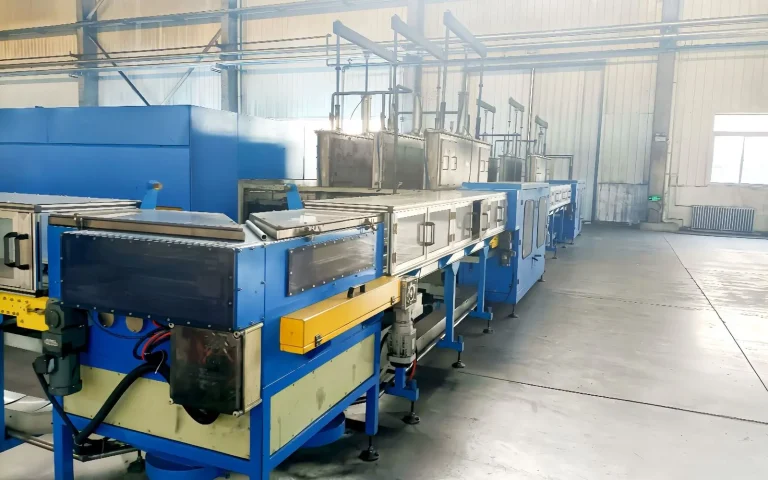
ہارڈ کاربن اینوڈ مواد سوڈیم آئن بیٹری کی تجارتی نوعیت کے لئے سب سے زیادہ پسندیدہ مواد ہے
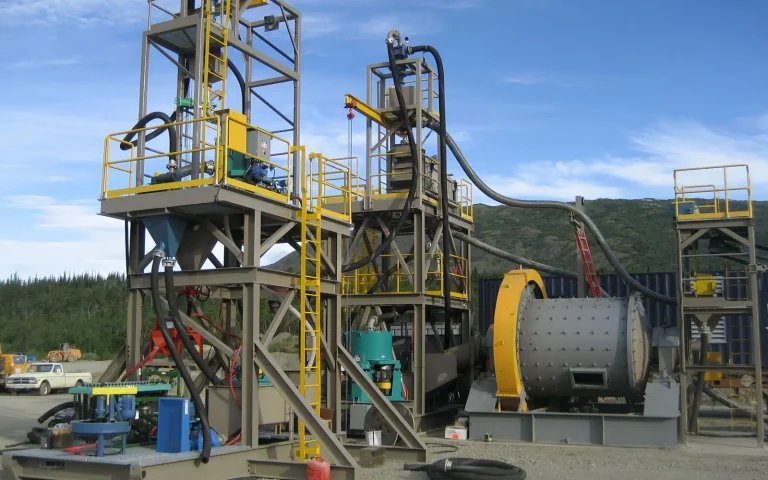
باہر سے آنے والے خام مال میں سب سے زیادہ جانا پہچانا آلوویئل سونا ہے جسے پلاسر سونا بھی کہا جاتا ہے۔ آلوویئل سونا کا مطلب ہے
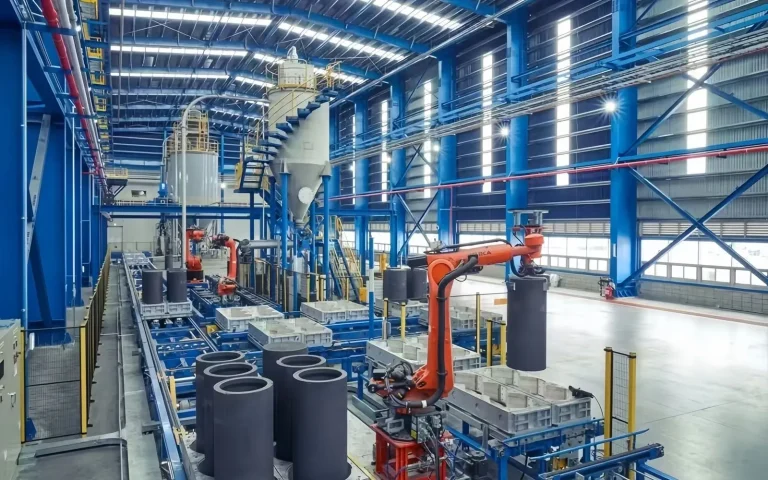
پرومینر قدرتی گریفائٹ اینوڈ مواد بنانے کے لئے مکمل حل فراہم کر سکتا ہے جس میں گرائینڈنگ شامل ہے

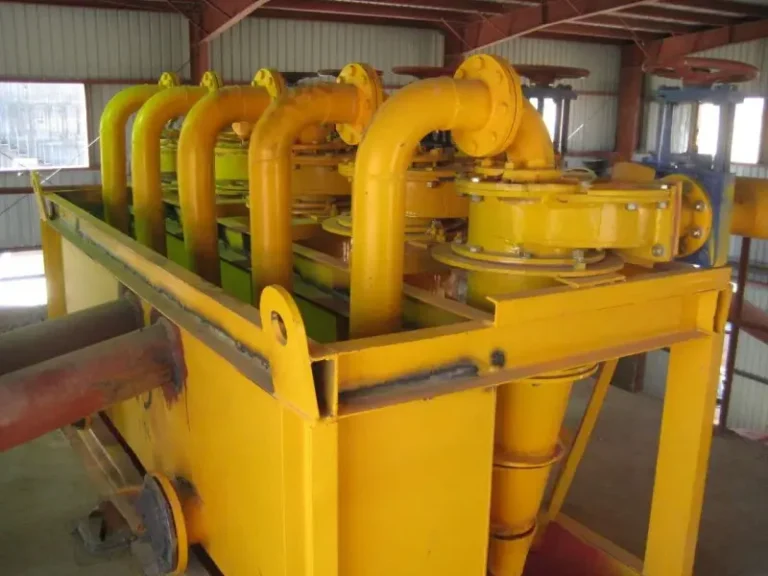
کچا معدن: دریائی قلعہ معدن (کاسٹیرائٹ) قلع کی گریڈ: 0.8% مرکوز گریڈ: 65%
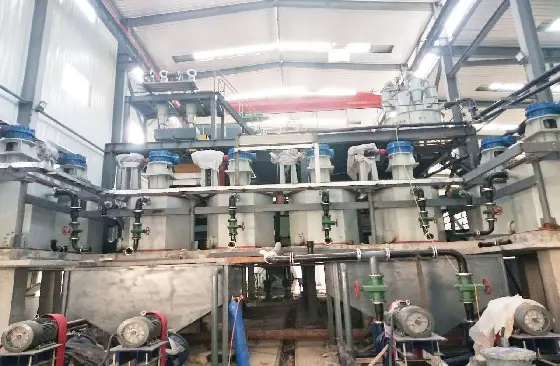
کچے مال: کوئٹزائٹ چٹان (SiO₂: 97.8%) فوٹوولٹائیک گریڈ: SiO₂≥99.99%، Fe₂O₃≤10 پی پی ایم
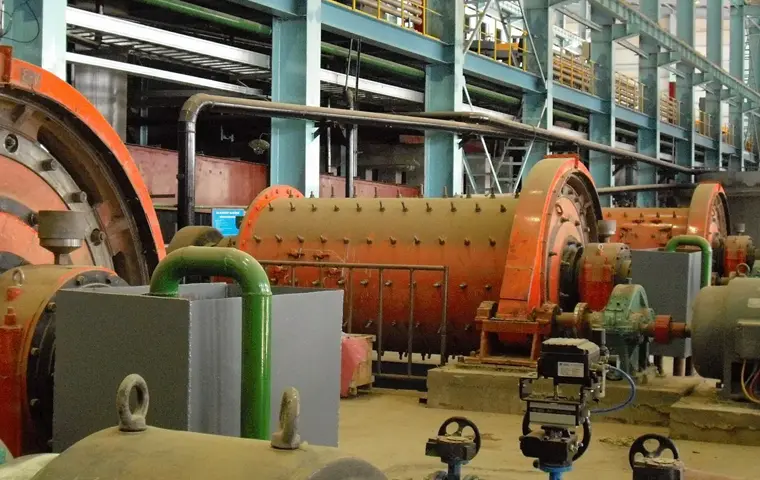
خام خام مال: سلفائیڈ قسم کا موجدیم اوپر (زیادہ تر موجدینائٹ) مو کا گریڈ: 0.15% کنسنٹریٹ گریڈ: 45% مو
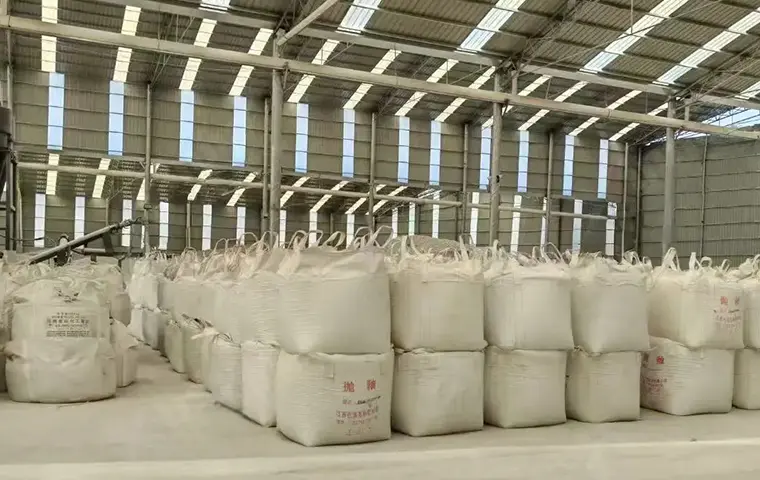
خام خام مال: اعلیٰ معیار کا وولاستونائٹ خام مال جس کے ساتھ گارنیٹ اور دیوپسائیڈ موجود ہیں فیڈ گریڈ: 65-70% وولاستونائٹ
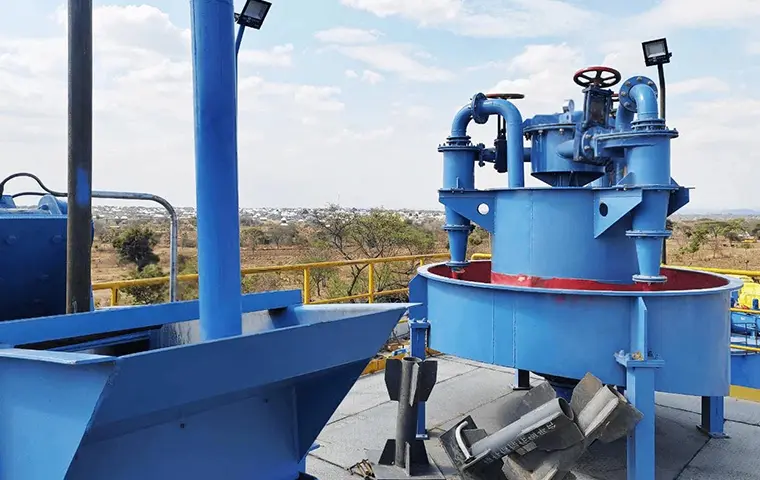
صلاحیت کا ہدف: پیداوار کو رکنے کے بغیر مرحلہ وار پروسیسنگ کی صلاحیت کو 500 TPD سے 850 TPD تک بڑھانا۔
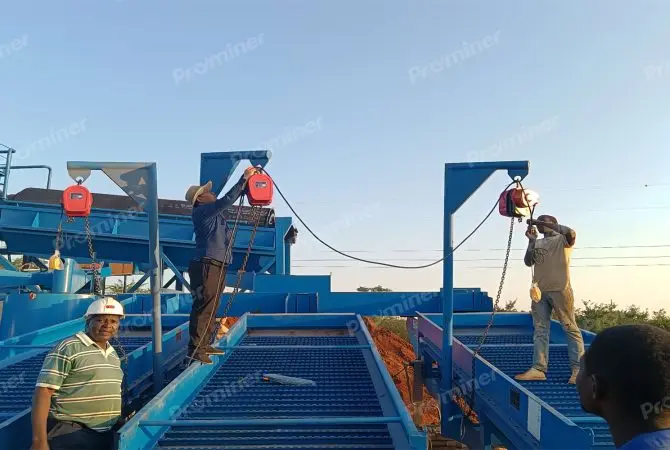
خام کان: دریا کے بستر سے حاصل کردہ تمام قیمتی سونے کا خام مال سونے کا معیار: 0.8 گرام فی ٹن
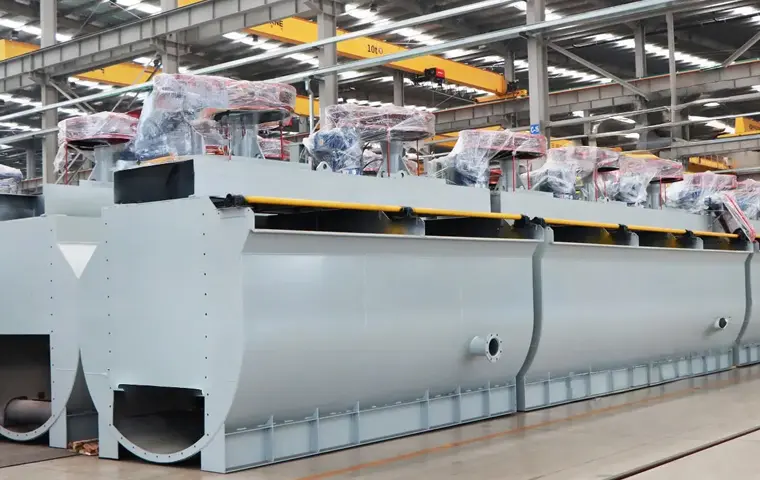
کچا معدن: سلفائیڈ قسم کا سونے کا معدن، پائرائٹ سونے کی گریڈ: 3.8 گرام فی ٹن کنسنٹریٹ گریڈ: 42 گرام فی ٹن سونے
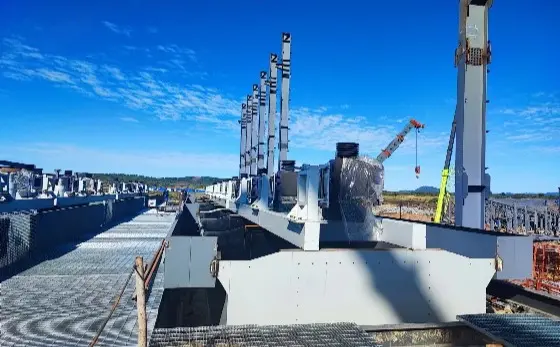
کچا فیڈ: لیتیئم پیگمایٹ معدن (سپوڈیمین غالب) Li₂O گریڈ: 1.2% حتمی مصنوعات: بیٹری گریڈ لیتیئم
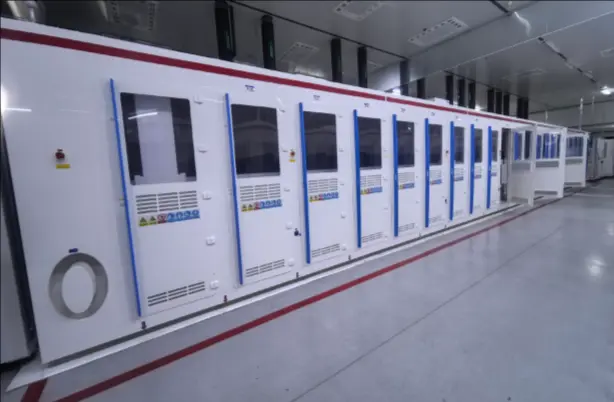
شامل ہیں: ایک کرسٹل میٹریل بیچ ٹیکسچرنگ سامان، بیچ ٹیکسچرنگ لوڈر/آؤٹ لوڈر، کم دباؤ…
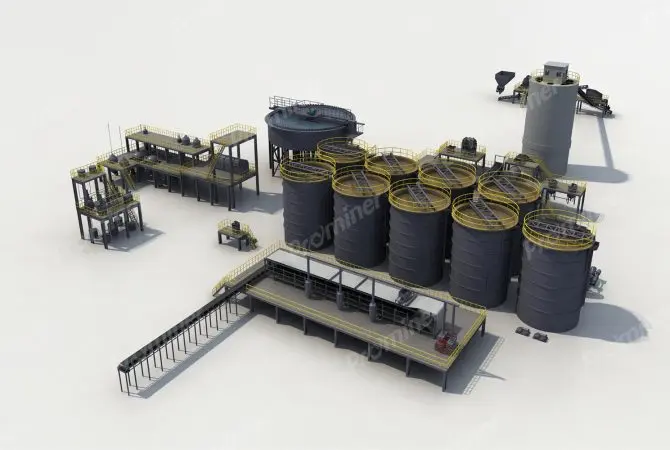
پرومائنر CIL (کاربن ان لیچنگ) نظام کے لئے مکمل حل فراہم کر سکتا ہے۔
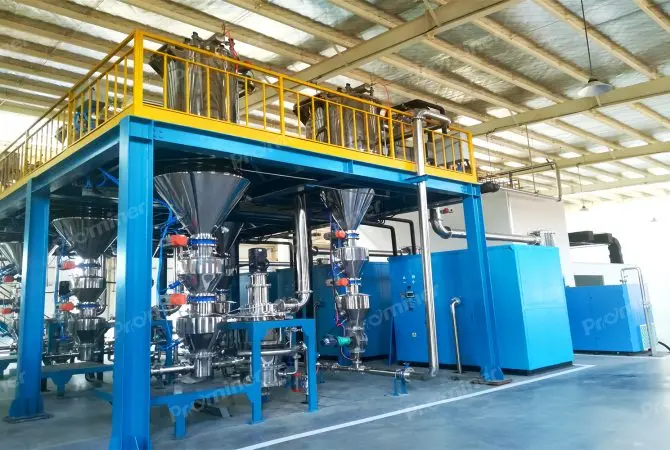
جیٹ مل کو متعدد نوزل استعمال کرتے ہوئے سونک اسپیڈ ایئر فلو تشکیل دینے کے لئے فلوئیڈائزڈ بیڈ جیٹ مل بھی کہا جاتا ہے
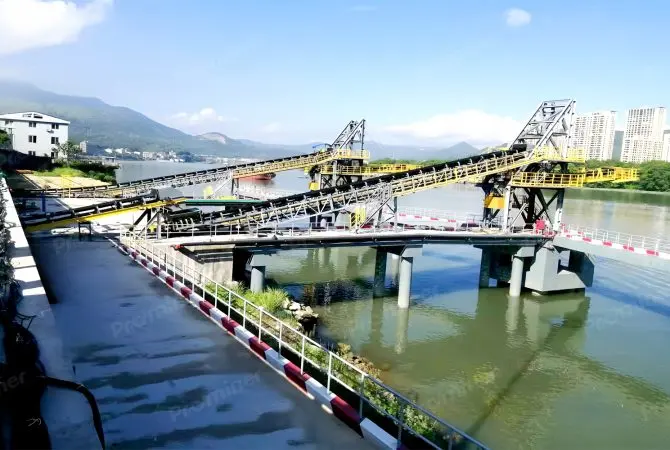
ہم مختلف مقاصد کے لیے بیلٹ کنوئیرز کا حل فراہم کر سکتے ہیں جن میں زیادہ ڈھلوان بیلٹ کنوئیر شامل ہیں
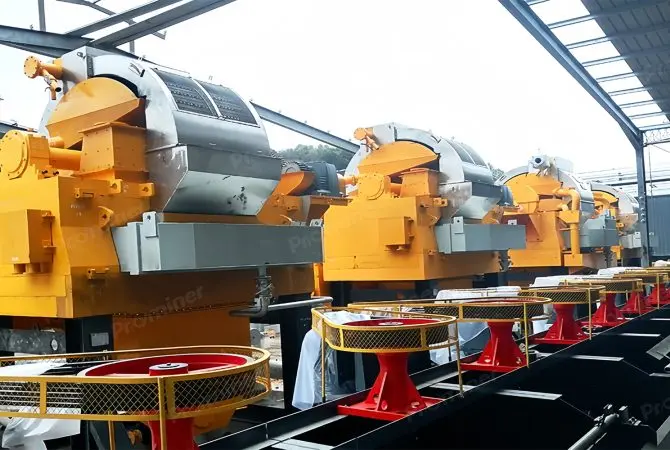
پرومائنر مختلف HIMS (ہائی انٹینسٹی میگنیٹک سیپریٹر) میگنیٹک سیپریٹرز فراہم کر سکتا ہے
ہمارے مصنوعات اور حل کے بارے میں مزید معلومات حاصل کرنے کے لئے، براہ کرم نیچے دیے گئے فارم کو بھرें اور ہمارے ماہرین میں سے ایک جلد آپ سے رابطہ کرے گا
شینڈونگ صوبے میں 3000 TPD سونے کا فلٹیشن پروجیکٹ
سیچوان میں 2500TPD لیتھیم خام مال کی فلٹیشن
فیکس: (+86) 021-60870195
پتہ:No.2555, Xiupu Road, Pudong, Shanghai
کاپی رائٹ © 2023.پرومائنر (شنگھائی) مائننگ ٹیکنالوجی کمپنی، لمیٹڈ۔