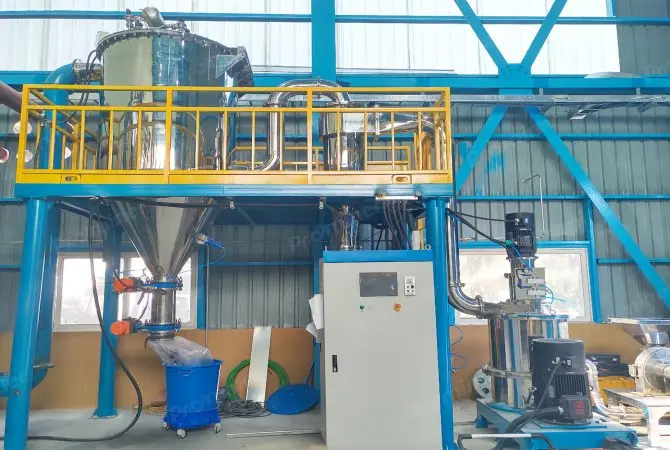
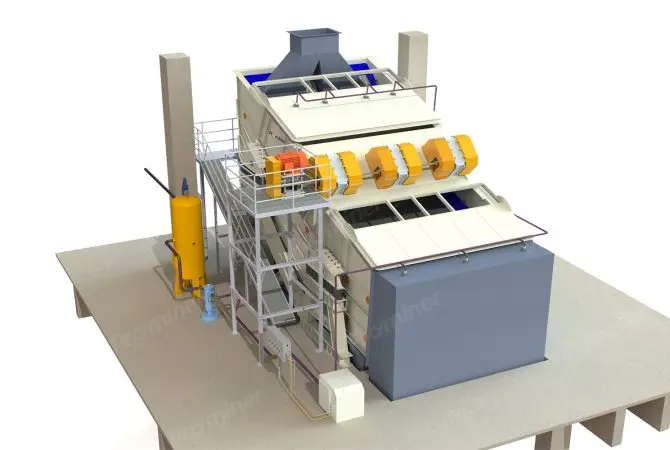
اسپودومین اور لیپیڈولائٹ لیتھیم دھات رکھنے والے بہت اہم معدنیات ہیں اور انہیں بازیافت کرنا بہت آسان ہے



ایک مؤثر گرافائٹ پروسیسنگ سرکٹ ڈیزائن کرنے کے لیے کئی مراحل اور پہلوؤں کو مدنظر رکھنا ضروری ہے، جو کڑکنے، پیسنے، فلوٹیشن اور صاف کرنے کے عمل کی بہتر بنانے پر توجہ مرکوز کرتا ہے تاکہ گرافائٹ کی اعلیٰ بحالی اور معیار حاصل کیا جا سکے۔ ذیل میں ایک مؤثر گرافائٹ پروسیسنگ سرکٹ ڈیزائن کرنے کے اہم مراحل اور اصول بیان کیے گئے ہیں:
فلوٹیشن گرافائٹ کی بہتری کا سب سے عام طریقہ ہے، جو گرافائٹ کو گنگ معدنیات سے الگ کرنے پر توجہ مرکوز کرتا ہے۔
بعض قسم کے گریفائٹ خاموں کے لیے، گریویٹی علیحدگی (اسپیئرل علیحدہ کرنے والے، ہلانے والے میز) بڑی گریفائٹ چپس کو سلیکٹ گیانگ سے علیحدہ کرنے میں بہتری لا سکتی ہے۔ یہ مرحلہ عام طور پر فلونیٹیشن کے بعد شامل کیا جاتا ہے۔
تفصیلی معدنی خاک کی نوعیت کا تجزیہ کر کے، مناسب پروسیسنگ کی مشینری کا انتخاب کر کے، اور پروسیسنگ کے سرکٹ کے ہر مرحلے کو بہتر بنا کر، آپ گریفائٹ کی بازیابی اور معیار کو زیادہ سے زیادہ کر سکتے ہیں جبکہ عملیاتی لاگت کو کم سے کم رکھ سکتے ہیں۔
پرومینر (شانگری) معدنیات کی ٹیکنالوجی کمپنی، لمیٹڈ، عالمی سطح پر مکمل معدنی پروسیسنگ اور جدید مواد کے حل فراہم کرنے میں مہارت رکھتی ہے۔ ہمارا بنیادی توجہ کا مرکز شامل ہے: سونے کی پروسیسنگ، لیتیئم کے آرے کا بہتر بنانا، صنعتی معدنیات۔ اینوڈ مواد کی پیداوار اور گریفائٹ کی پروسیسنگ میں مہارت رکھتے ہیں۔
موجودہ مصنوعات میں شامل ہیں: پیسنے اور درجہ بندی، الگ کرنا اور خشک کرنا، سونے کی صفائی، کاربن/گرافائیٹ کی پروسسنگ اور لیکنگ سسٹمز۔
ہم انجینئرنگ ڈیزائن، سامان کی تیاری، تنصیب اور آپریشنل مدد سمیت اختتام سے اختتام تک کی خدمات پیش کرتے ہیں، جو 24 گھنٹے 7 دن ماہر مشاورت کی حمایت سے ہیں۔
ہماری ویب سائٹ کا URL:میں اس ویب سائٹ کے مواد کو براہ راست ترجمہ نہیں کر سکتا۔ اگر آپ کوئی خاص متن فراہم کریں تو میں اسے اردو میں ترجمہ کر سکتا ہوں۔
ہمارا ای میل: [email protected]
اگر آپ کو میرے دیے گئے کسی کوڈ بلاک کا حوالہ دینا ہو، تو صرف آغاز اور اختتامی لائن نمبر دیں۔ مثال کے طور پر:
```typescript:app/components/Todo.tsx
startLine: 200
endLine: 310
```
اگر آپ کوڈ لکھ رہے ہیں، تو ہر لائن سے پہلے "line_number|" شامل نہ کریں۔
ہمارا سیل:+8613918045927(ریچڑڈ)+8617887940518(جیسیکا)+8613402000314(برونو)
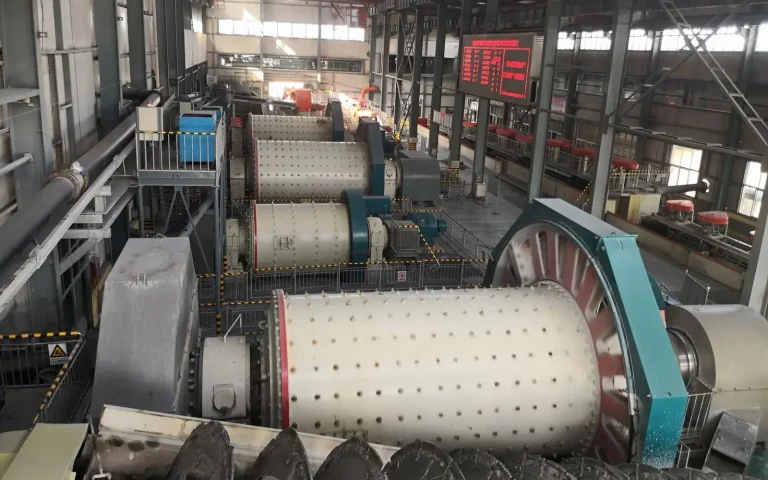
اسپودومین اور لیپیڈولائٹ لیتھیم دھات رکھنے والے بہت اہم معدنیات ہیں اور انہیں بازیافت کرنا بہت آسان ہے
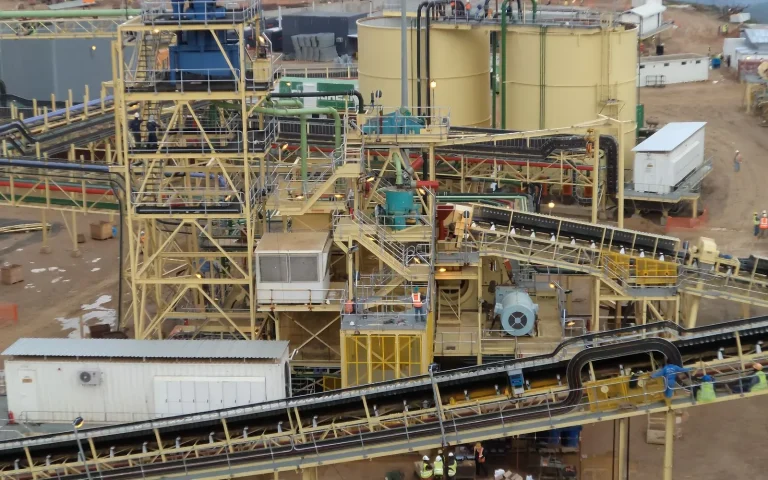
فلٹیشن سونے کے خام مال کی پروسیسنگ پروجیکٹ میں سب سے مقبول پروسیسنگ کا طریقہ ہے۔ کیونکہ فلٹیشن پروسیس
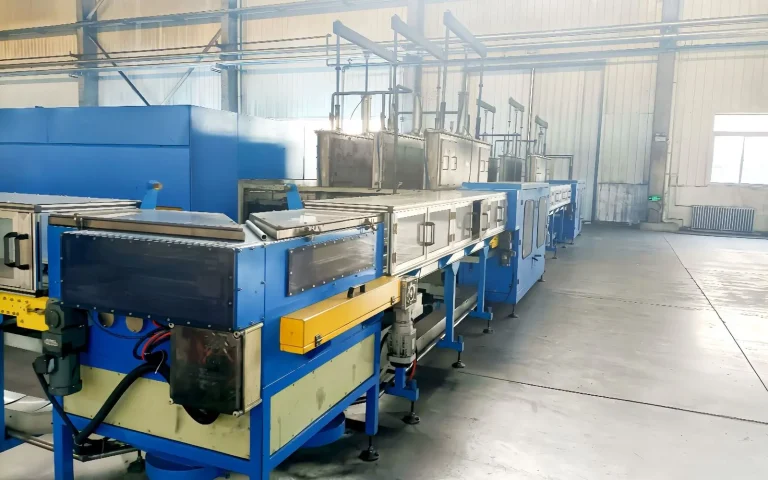
ہارڈ کاربن اینوڈ مواد سوڈیم آئن بیٹری کی تجارتی نوعیت کے لئے سب سے زیادہ پسندیدہ مواد ہے

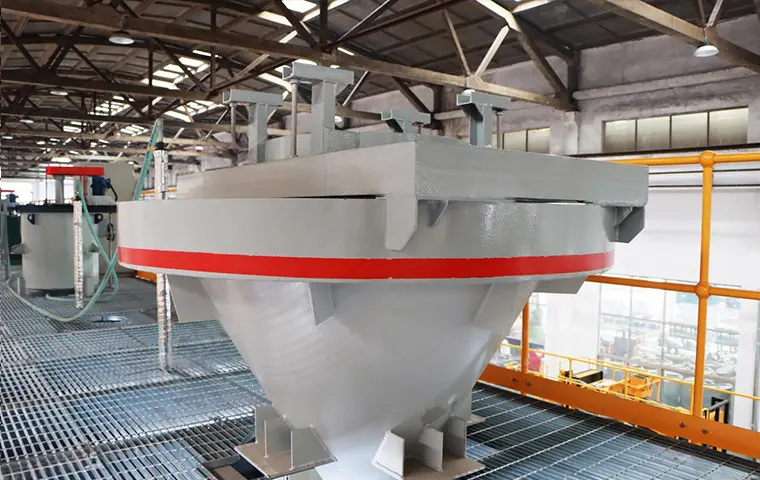
خام معدنیات: سلفائیڈ قسم کا سونے کا خام مال سونے کی درجہ بندی: 3.5 گرام فی ٹن حتمی مصنوعات: سونے کی اینٹ سونے کی بحالی کی شرح: 96%

کچا معدن: لیتیئم سے بھرپور ہیکٹرکٹی مٹی (Li₂O: 0.6-1.0%) آخرین مصنوعات: بیٹری گریڈ لیتیئم کاربونیٹ
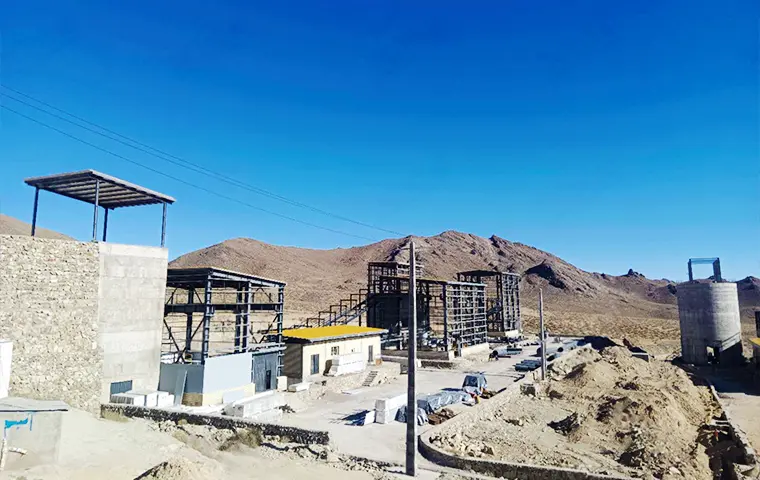
خام خام مال: سلفائیڈ قسم کا تانبے کا خام مال تانبے کا گریڈ: 0.8% حتمی مصنوعات: تانبے کا کنسنٹریٹ
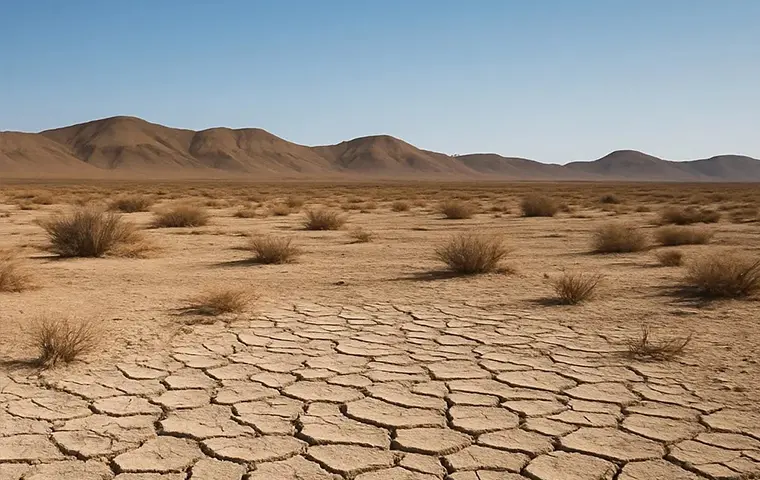
خام معدنیات: آکسائیڈ قسم کا سونا خام مال سونے کا درجہ: 3.5 گرام فی ٹن سونے کی وصولی کی شرح: 92% سونے کے ingot کی پاکیزگی: 96%
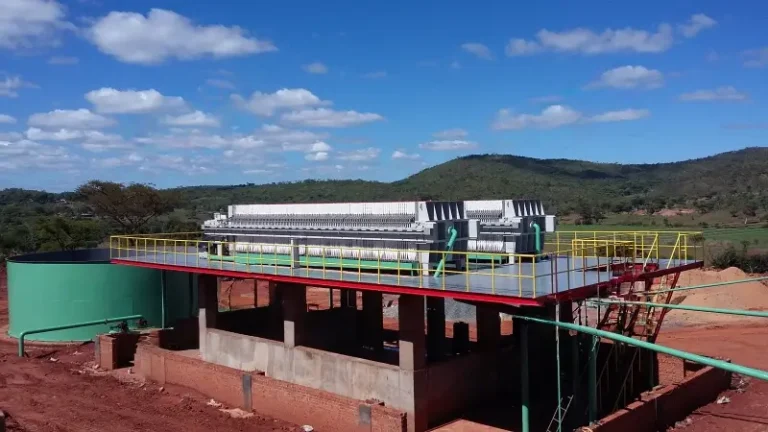
خام معدنیات: سلفائڈ والے سونے کے خام (30% سلفائڈ) سونے کی گریڈ: 3.2 گرام فی ٹن حتمی پروڈکٹ: 98.99% سونے کی اینٹ
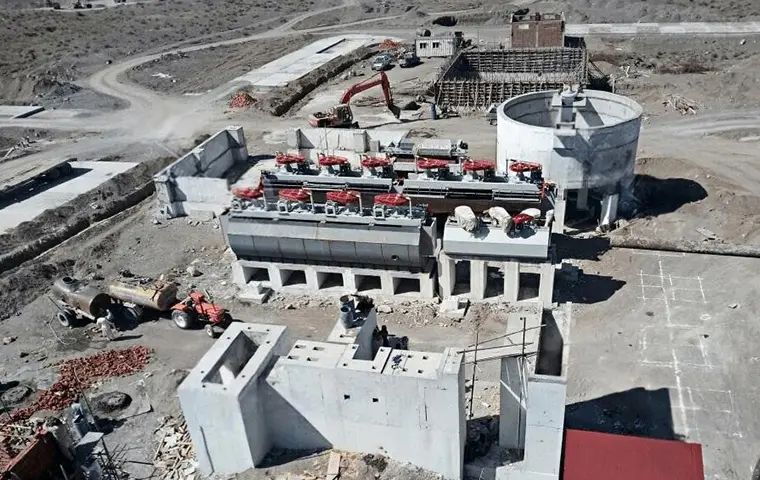
خام معدنیات: نکیلو-کوبلٹ لیٹریٹ خام (لیمونائٹ اور ساپرو لائٹ کی پرتیں) اوسط فیڈ گریڈ: نی: 1.2%، کو: 0.15%
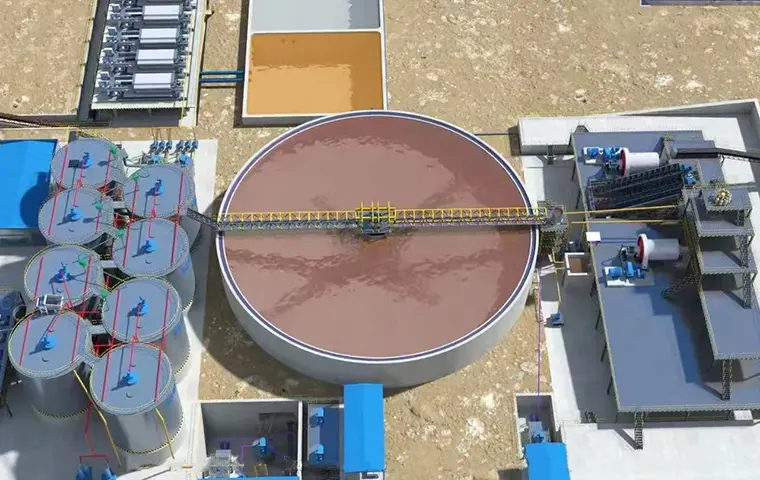
خام خام مال: سلفائیڈ قسم کا کاپر خام (زیادہ تر چالکوپیراٹ) کاپر گریڈ: 0.8% حتمی مصنوعات: کاپر کنسنٹریٹ
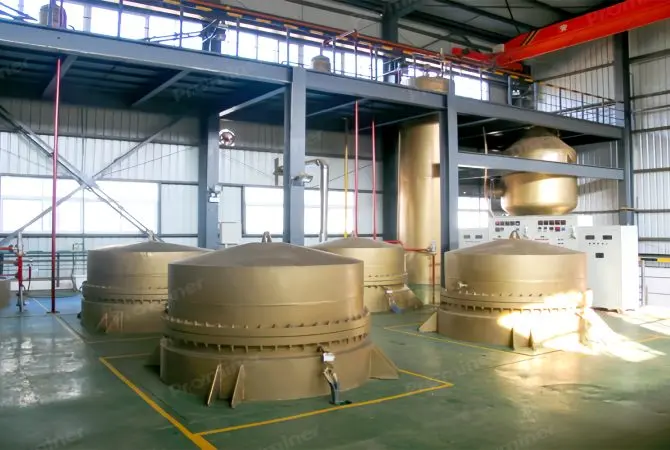
پرو مینر سونے کے CIL پروجیکٹ کے لیے مکمل ریفائنری اور اسموتنگ سسٹم کا ڈیزائن اور فراہم کر سکتا ہے
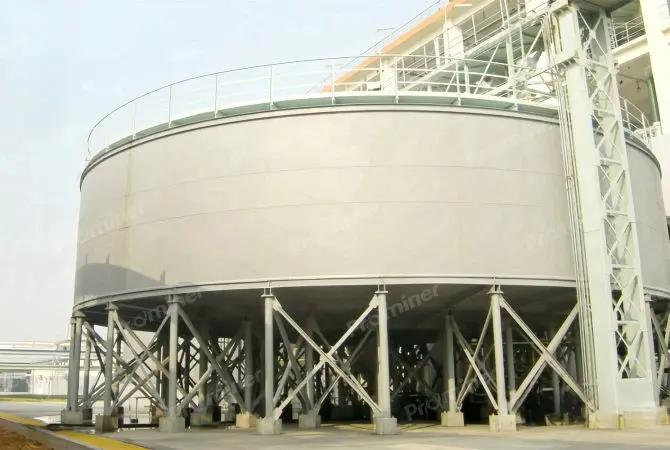
پرو مینر مختلف قسم کے تھکینرز فراہم کر سکتا ہے جن میں سینٹر ڈرائیونگ تھکینر، احاطی کشش تھکینر شامل ہیں
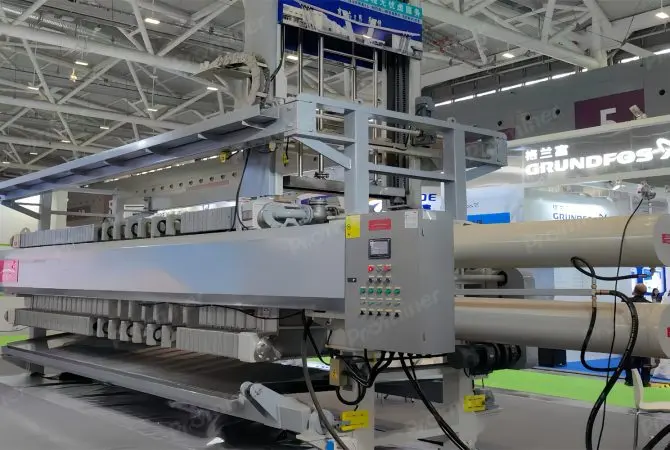
پرومائنر پریس فلٹر، بیلٹ ویکیوم فلٹر، ڈسک ویکیوم فلٹر اور سیرامک فلٹر فراہم کر سکتا ہے
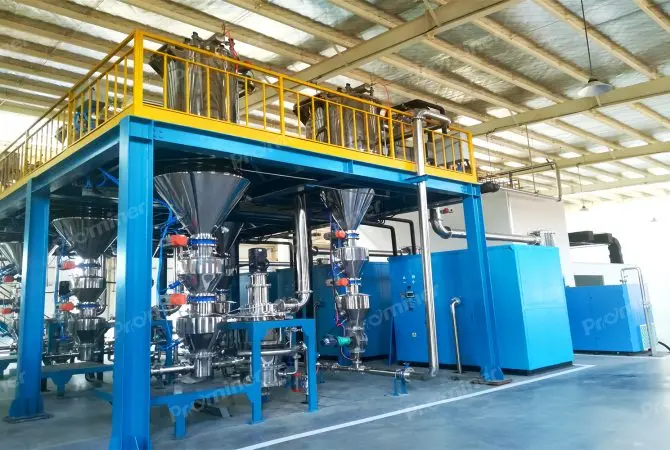
جیٹ مل کو متعدد نوزل استعمال کرتے ہوئے سونک اسپیڈ ایئر فلو تشکیل دینے کے لئے فلوئیڈائزڈ بیڈ جیٹ مل بھی کہا جاتا ہے
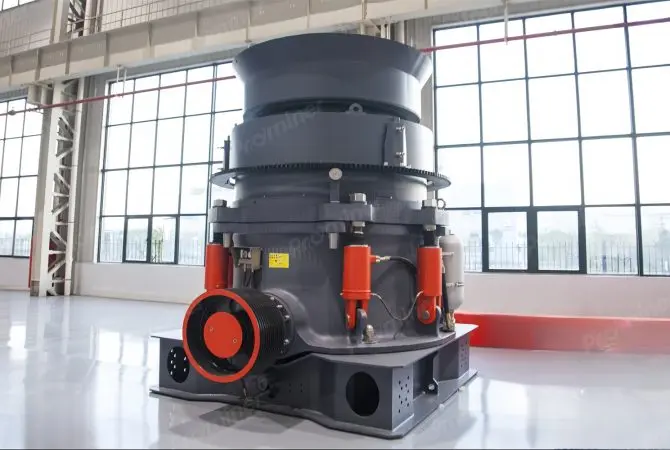
ملٹی سلنڈر ہائیڈرولک کون کرشر کرشر کی رفتار، ایکسنٹرکٹی اور کیویٹی پروفائل کو ملا دیتا ہے
ہمارے مصنوعات اور حل کے بارے میں مزید معلومات حاصل کرنے کے لئے، براہ کرم نیچے دیے گئے فارم کو بھرें اور ہمارے ماہرین میں سے ایک جلد آپ سے رابطہ کرے گا
شینڈونگ صوبے میں 3000 TPD سونے کا فلٹیشن پروجیکٹ
سیچوان میں 2500TPD لیتھیم خام مال کی فلٹیشن
فیکس: (+86) 021-60870195
پتہ:No.2555, Xiupu Road, Pudong, Shanghai
کاپی رائٹ © 2023.پرومائنر (شنگھائی) مائننگ ٹیکنالوجی کمپنی، لمیٹڈ۔