باہر سے آنے والے خام مال میں سب سے زیادہ جانا پہچانا آلوویئل سونا ہے جسے پلاسر سونا بھی کہا جاتا ہے۔ آلوویئل سونا کا مطلب ہے




Selecting the most profitable technology for processing different types of gold ores is a complex decision that requires thorough evaluation of geological, metallurgical, environmental, and economic factors. The profitability of gold extraction and processing technologies depends on the ore type, mineralogy, grade, infrastructure, and market dynamics. Here are some steps to guide this selection process:
The most profitable technology for gold ore processing depends on an integrated assessment of ore type, recovery rates, costs, and market conditions. Collaborate with experienced metallurgists, geologists, engineers, and environmental experts to make an informed decision. Ultimately, piloting and testing are essential before committing to full-scale implementation.
A: معدنی خصوصیات ایک ہی کان سے نکلنے والے خام مال کے اندر بھی نمایاں طور پر مختلف ہو سکتی ہیں۔ ایک پیشہ ور ٹیسٹ (جیسے کیمیائی تجزیہ، ایکس آر ڈی، اور SEM) یہ یقین دہانی کرتا ہے کہ فلو چارٹ آپ کے مخصوص خام مال کے گریڈ اور آزادی کے سائز کے لیے بہتر بنایا گیا ہے۔ یہ مہنگے آلات کے غلط ملاپ سے بچاتا ہے اور آپ کے منصوبے کے لیے ممکنہ طور پر سب سے زیادہ بحالی کی شرح کی ضمانت دیتا ہے۔
A: ہم اہم پہننے والے حصوں (جیسے کرشر لائنر، اسکرین میش، اور گریڈنگ میڈیا) کا مستقل اسٹاک رکھتے ہیں۔ بین الاقوامی صارفین کے لیے، ہم ابتدائی خریداری کے ساتھ ایک مشورتی "2 سالہ اسپیئر پارٹس کی فہرست" فراہم کرتے ہیں۔ تکنیکی مدد 24/7 دور دراز ویڈیو کے ذریعے دستیاب ہے، اور پیچیدہ دیکھ بھال کی ضروریات کے لیے سائٹ کے دورے بھی ترتیب دیے جا سکتے ہیں۔
A: جی ہاں۔ ہم سائٹ پر سینئر مکینیکل اور الیکٹریکل انجینئروں کی ایک ٹیم بھیجتے ہیں تاکہ آلات کی تنصیب، کمیشننگ، اور لوڈ ٹیسٹنگ کی نگرانی کی جا سکے۔ ہم آپ کے مقامی آپریٹرز کے لیے بھی مکمل آن-site تربییت فراہم کرتے ہیں تاکہ طویل مدتی آپریشن کو ہموار بنایا جا سکے۔
A: بالکل۔ ہم EPCM (انجینئرنگ، خریداری، تعمیر کے انتظام) خدمات فراہم کرنے میں مہارت رکھتے ہیں۔ اس میں ابتدائی معدنی ٹیسٹنگ اور کان کے ڈیزائن سے لے کر سازوسامان کی تیاری، لاجسٹکس، اور مکمل سطح کی پلانٹ انضمام شامل ہیں، جو سبز میدان سے پروڈکشن میں ہموار منتقلی کو یقینی بناتے ہیں۔
باہر سے آنے والے خام مال میں سب سے زیادہ جانا پہچانا آلوویئل سونا ہے جسے پلاسر سونا بھی کہا جاتا ہے۔ آلوویئل سونا کا مطلب ہے
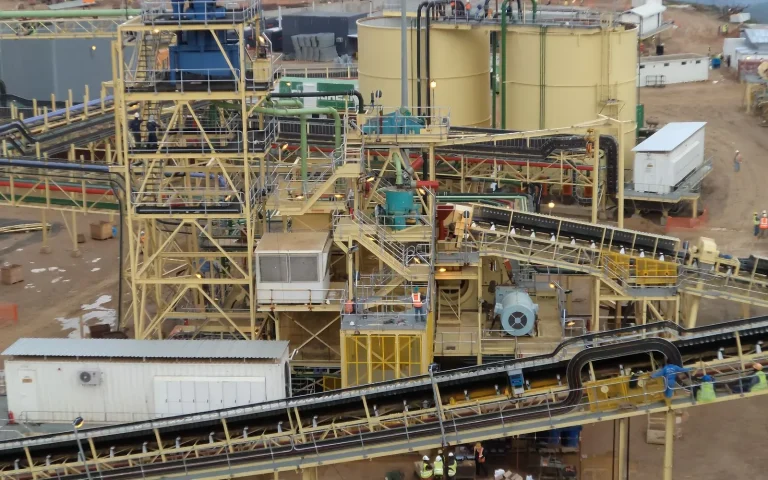
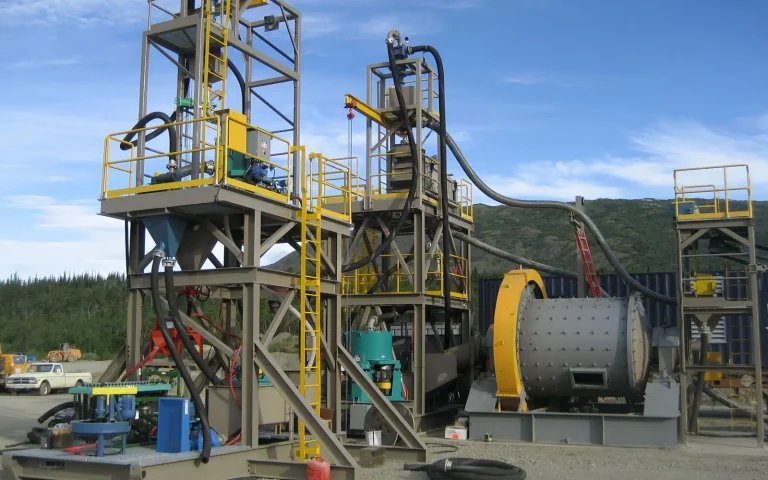
سونا دھات نکالنے کی عمل میں اہم سامان فراہم کریں، جیسے CIL/CIP سسٹم، فلوٹیشن سیل…

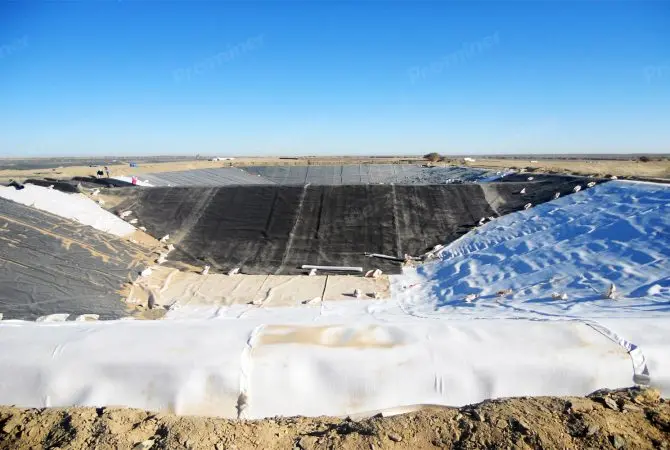
خام معدنیات: آکسائیڈ قسم کا سونا معدنیات سونا کا گریڈ: 1.8 گرام فی ٹن
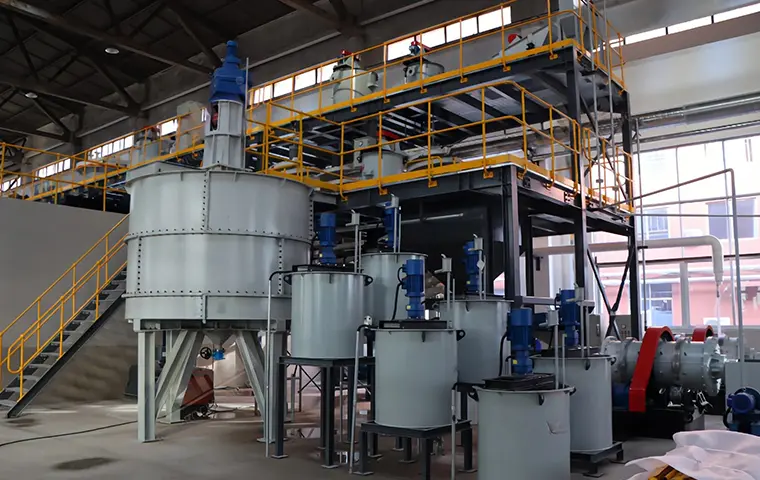
پراجیکٹ پس منظر: موجودہ فلوٹیشن پلانٹ کی توسیع اور ٹیکنالوجیکل بہتری
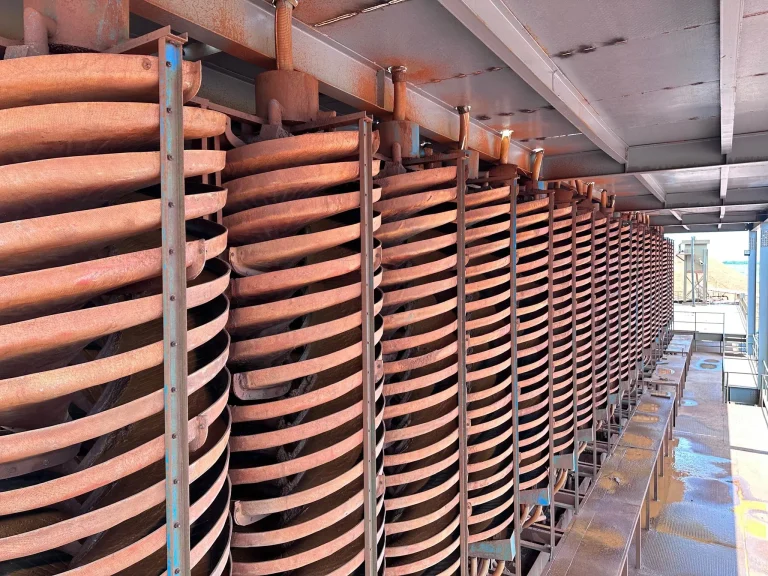
خام معدنیات: ٹائیٹینیم زیرکونیم بیچ ریت کا خام مال TiO₂ گریڈ: 4.5% ZrO₂ گریڈ: 3.2%
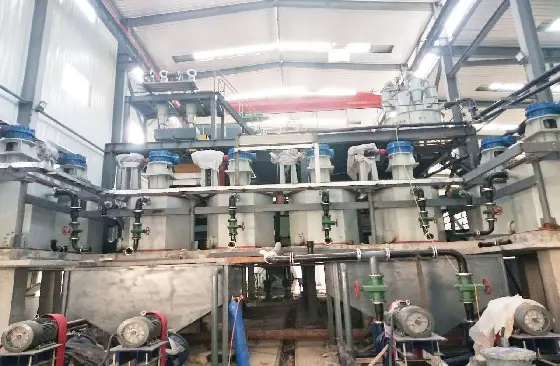
کچے مال: کوئٹزائٹ چٹان (SiO₂: 97.8%) فوٹوولٹائیک گریڈ: SiO₂≥99.99%، Fe₂O₃≤10 پی پی ایم
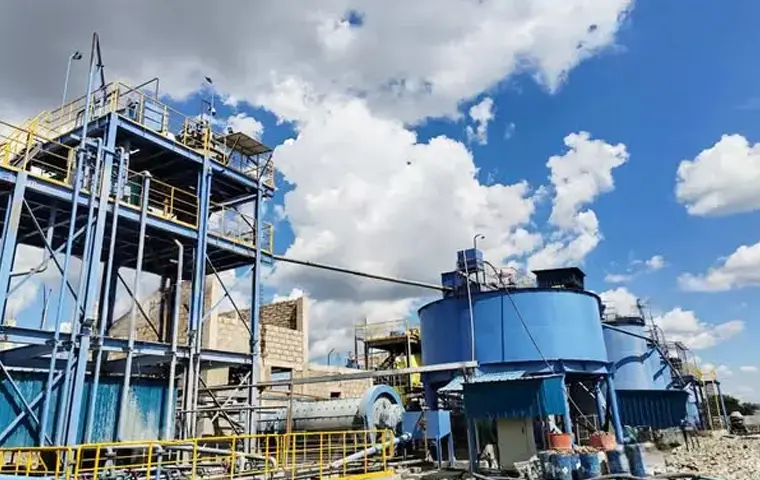
کچا معدن: تانبے سونے کا معدن تانبے کی گریڈ: 1.2% سونے کی گریڈ: 1.5 گرام فی ٹن بازیابی کی شرح: تانبا 89%، سونے 88%
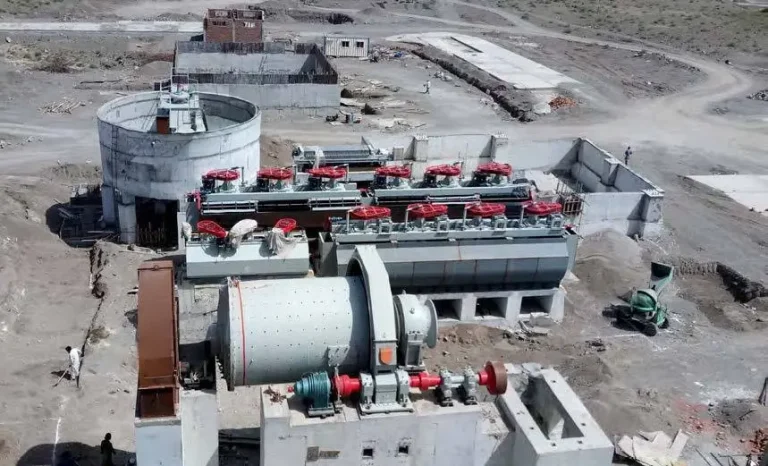
کچا معدن: مرکب آکسائیڈ-سلفائیڈ تانبے کا معدن (کلکوسیٹ/ملاکیٹ) تانبے کی گریڈ: 1.2% | چاندی: 15 گرام فی ٹن
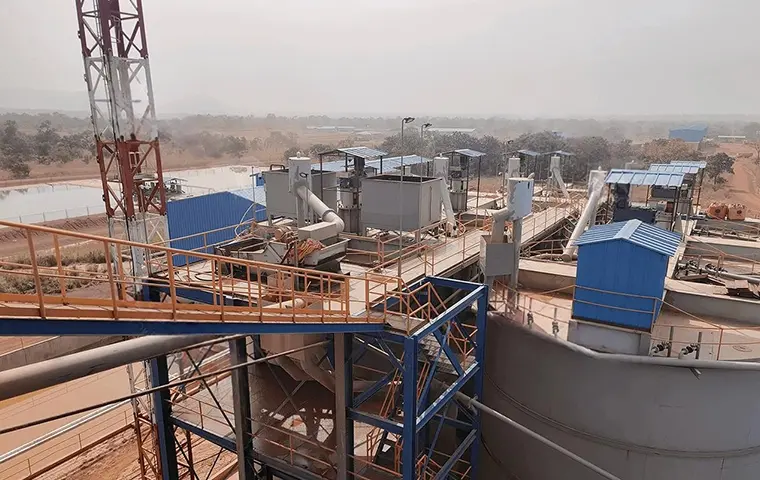
خام دھات: سلفائیڈ کاپر آئر (ہلکے پیریٹ مواد کے ساتھ) کاپر گریڈ: 1.2% کنسنٹریٹ گریڈ 25% Cu

خام مال: موجودہ سونے کا پلانٹ ٹیلنگ (تمام کثافت) ٹیلنگ میں سونے کا گریڈ: 1.2 گرام/ٹن آخری مصنوعات: سونے کی اینٹ
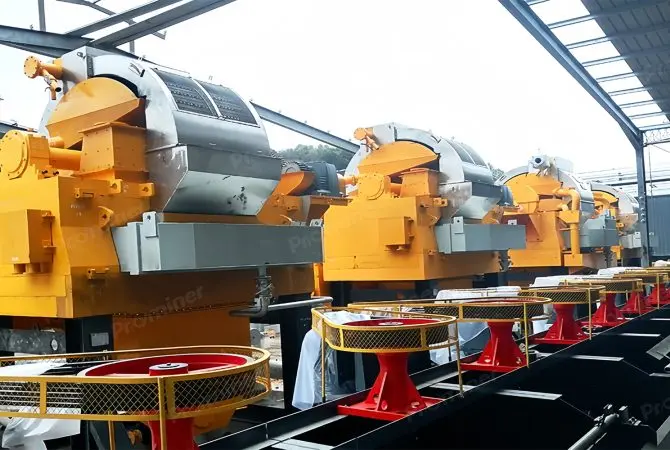
پرومائنر مختلف HIMS (ہائی انٹینسٹی میگنیٹک سیپریٹر) میگنیٹک سیپریٹرز فراہم کر سکتا ہے
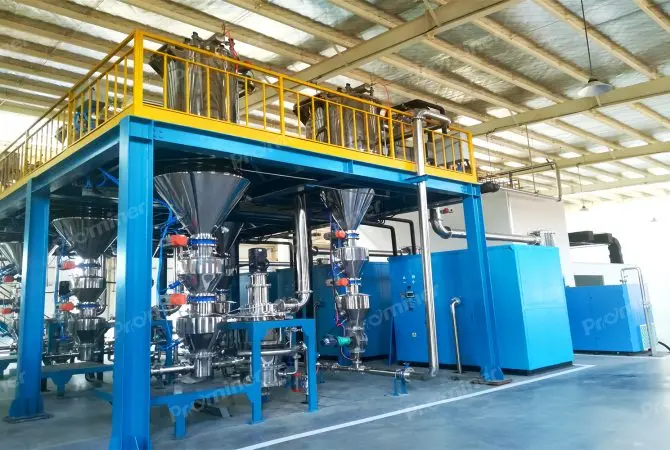
جیٹ مل کو متعدد نوزل استعمال کرتے ہوئے سونک اسپیڈ ایئر فلو تشکیل دینے کے لئے فلوئیڈائزڈ بیڈ جیٹ مل بھی کہا جاتا ہے
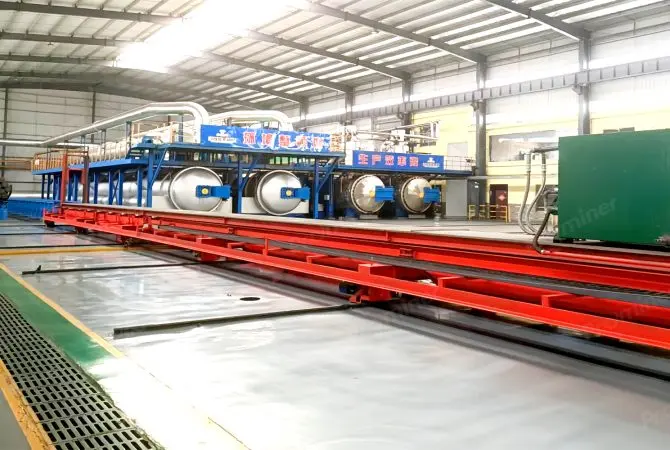
ہم ایک بار پروسیس کردہ گرافائٹ کی لیے گرم اندر اور سرد باہر کی قسم کی ہائی پریشر ایمپریگنیشن فراہم کر سکتے ہیں
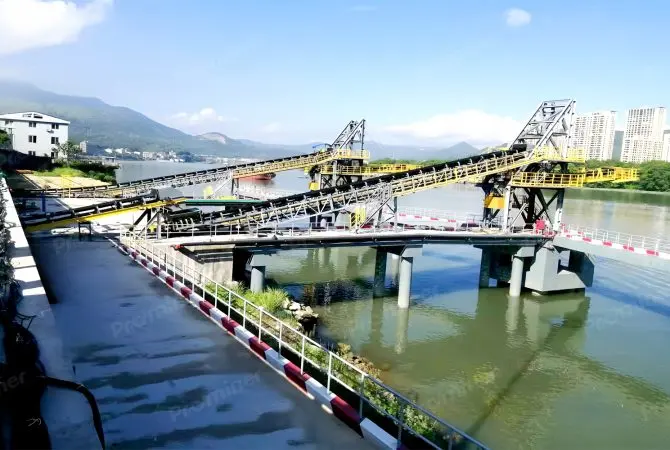
ہم مختلف مقاصد کے لیے بیلٹ کنوئیرز کا حل فراہم کر سکتے ہیں جن میں زیادہ ڈھلوان بیلٹ کنوئیر شامل ہیں
ہمارے مصنوعات اور حل کے بارے میں مزید معلومات حاصل کرنے کے لئے، براہ کرم نیچے دیے گئے فارم کو بھرें اور ہمارے ماہرین میں سے ایک جلد آپ سے رابطہ کرے گا
شینڈونگ صوبے میں 3000 TPD سونے کا فلٹیشن پروجیکٹ
سیچوان میں 2500TPD لیتھیم خام مال کی فلٹیشن
فیکس: (+86) 021-60870195
پتہ:No.2555, Xiupu Road, Pudong, Shanghai
کاپی رائٹ © 2023.پرومائنر (شنگھائی) مائننگ ٹیکنالوجی کمپنی، لمیٹڈ۔