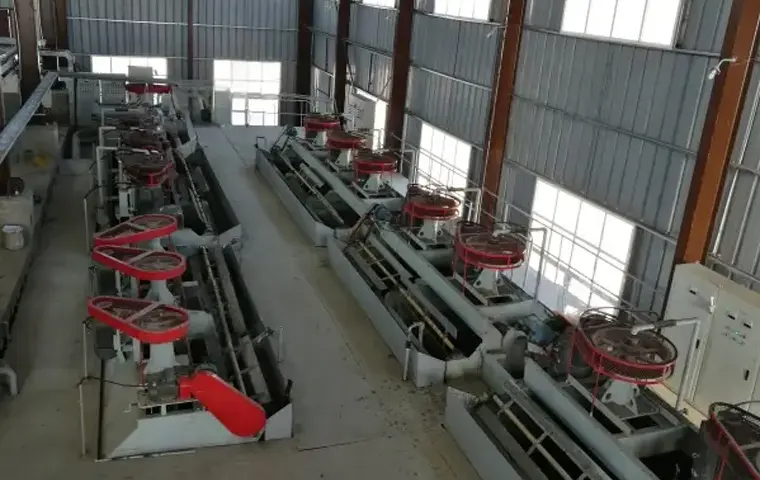
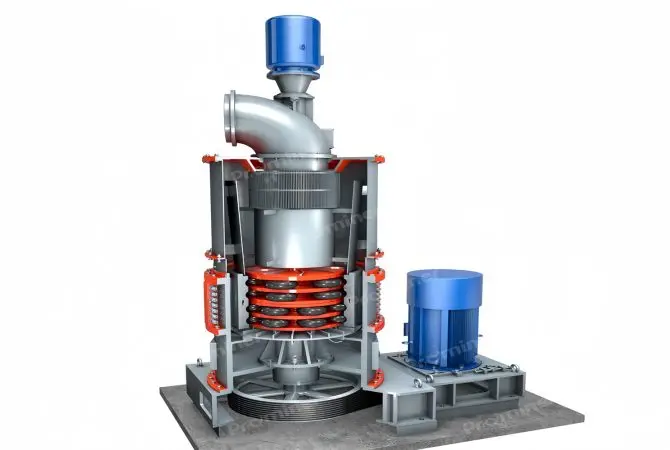
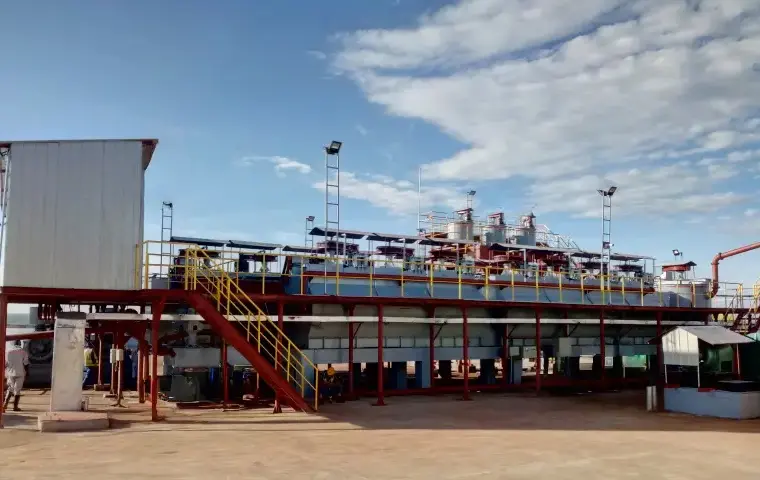
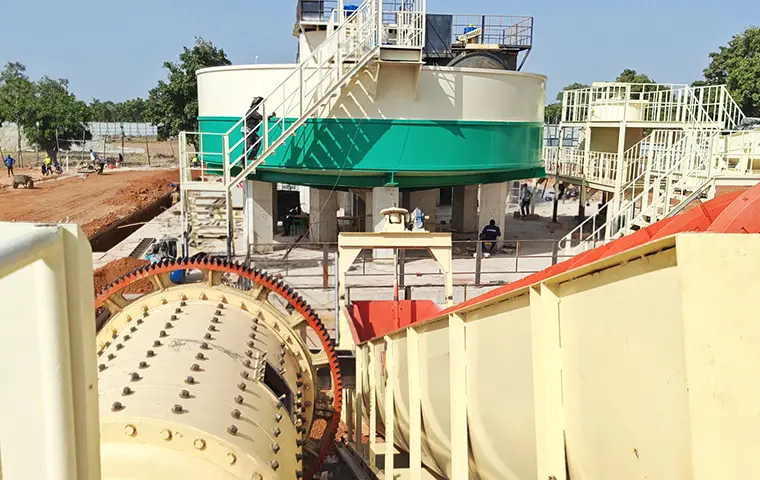
سونا دھات نکالنے کی عمل میں اہم سامان فراہم کریں، جیسے CIL/CIP سسٹم، فلوٹیشن سیل…



فاسفیٹ کی فلٹیشن کی کارکردگی کئی باہم متصل عوامل سے متاثر ہوتی ہے، جو خام مال سے فاسفیٹ معدنیات کے علیحدگی اور بازیافت کو متاثر کر سکتی ہیں۔ یہاں فاسفیٹ کی فلٹیشن کی کارکردگی پر اثر انداز ہونے والے اہم عوامل ہیں:
ان عوامل کا بہترین استعمال کرنے کے لیے عملی حالات، ریجنٹ کے انتخاب، اور خام مال کی خصوصیات کے درمیان محتاط توازن کی ضرورت ہوتی ہے۔ پائلٹ ٹیسٹنگ اور مسلسل نگرانی اکثر فاسفیٹ پروسیسنگ میں اعلیٰ فلوٹیشن کی کارکردگی حاصل کرنے کے لیے اہم ہوتی ہیں۔
پرومینر (شانگری) معدنیات کی ٹیکنالوجی کمپنی، لمیٹڈ، عالمی سطح پر مکمل معدنی پروسیسنگ اور جدید مواد کے حل فراہم کرنے میں مہارت رکھتی ہے۔ ہمارا بنیادی توجہ کا مرکز شامل ہے: سونے کی پروسیسنگ، لیتیئم کے آرے کا بہتر بنانا، صنعتی معدنیات۔ اینوڈ مواد کی پیداوار اور گریفائٹ کی پروسیسنگ میں مہارت رکھتے ہیں۔
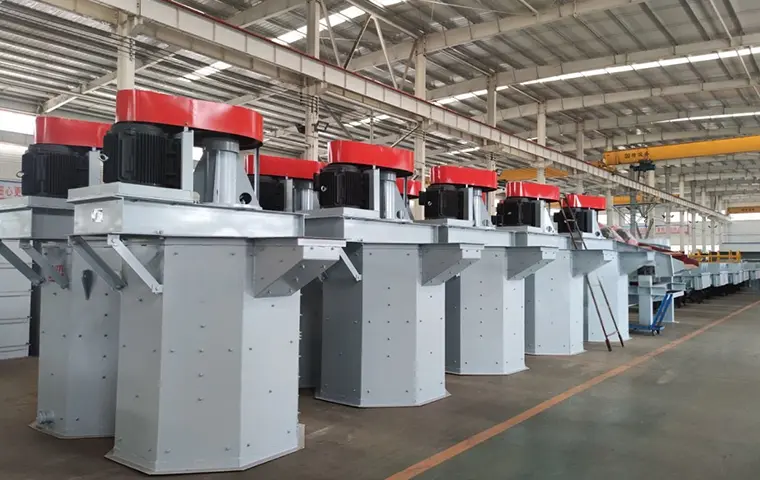
موجودہ مصنوعات میں شامل ہیں: پیسنے اور درجہ بندی، الگ کرنا اور خشک کرنا، سونے کی صفائی، کاربن/گرافائیٹ کی پروسسنگ اور لیکنگ سسٹمز۔
ہم انجینئرنگ ڈیزائن، سامان کی تیاری، تنصیب اور آپریشنل مدد سمیت اختتام سے اختتام تک کی خدمات پیش کرتے ہیں، جو 24 گھنٹے 7 دن ماہر مشاورت کی حمایت سے ہیں۔
ہماری ویب سائٹ کا URL:میں اس ویب سائٹ کے مواد کو براہ راست ترجمہ نہیں کر سکتا۔ اگر آپ کوئی خاص متن فراہم کریں تو میں اسے اردو میں ترجمہ کر سکتا ہوں۔
ہمارا ای میل: [email protected]
اگر آپ کو میرے دیے گئے کسی کوڈ بلاک کا حوالہ دینا ہو، تو صرف آغاز اور اختتامی لائن نمبر دیں۔ مثال کے طور پر:
```typescript:app/components/Todo.tsx
startLine: 200
endLine: 310
```
اگر آپ کوڈ لکھ رہے ہیں، تو ہر لائن سے پہلے "line_number|" شامل نہ کریں۔
ہمارا سیل:+8613918045927(ریچڑڈ)+8617887940518(جیسیکا)+8613402000314(برونو)
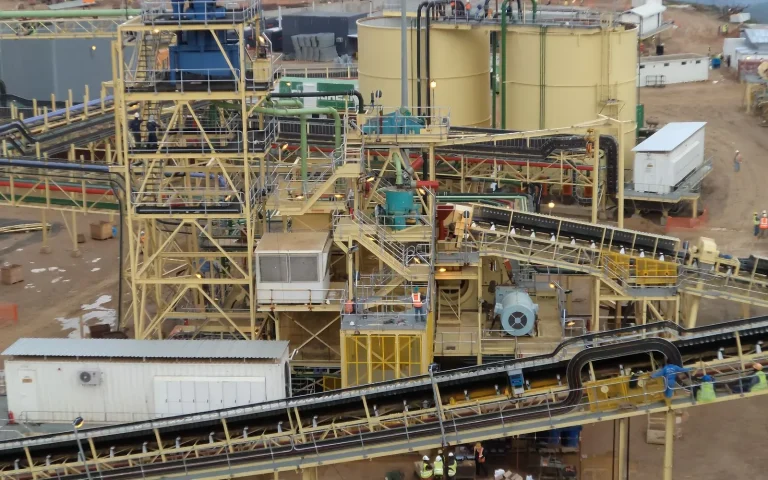
سونا دھات نکالنے کی عمل میں اہم سامان فراہم کریں، جیسے CIL/CIP سسٹم، فلوٹیشن سیل…
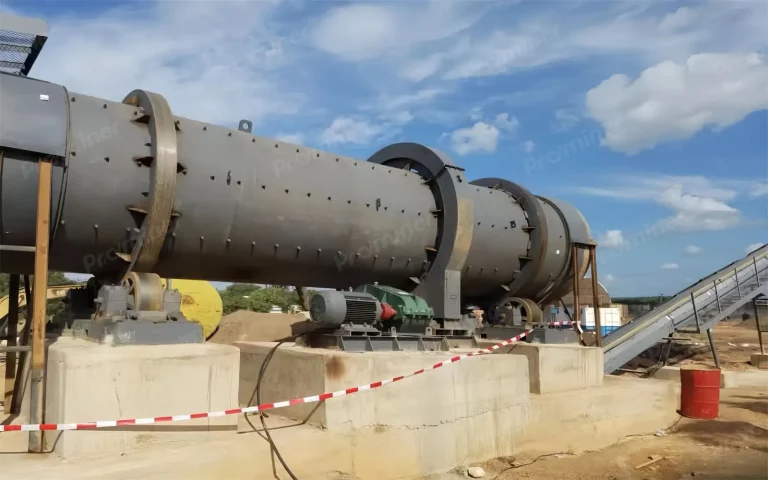
ہیپ لیچنگ ایک روایتی سائانائیڈ لیچنگ پروسیسنگ کا طریقہ ہے جو سونے کو نکالنے کے لئے لچکدار اور اقتصادی ہے
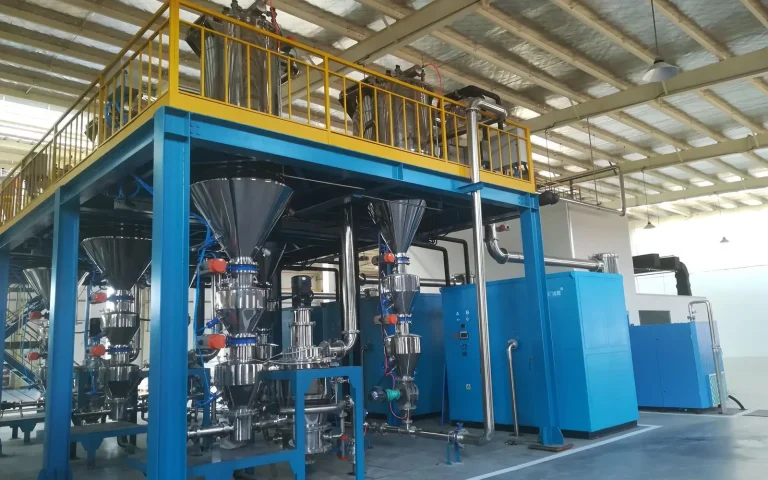
سلیکون پر مبنی اینوڈ ایک قسم کا کمپوزٹ اینوڈ مواد ہے جو سلیکون کو ملا کر بنایا جاتا ہے

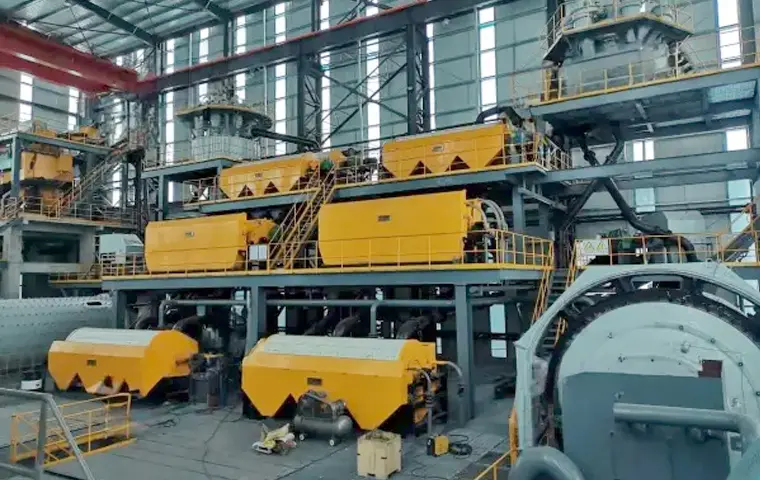
کچا معدن: ہیمٹیٹ بینڈنگ والا میگنایٹ آئرن معدن آئرن کی گریڈ: 28-32% حتمی مصنوعات: اعلیٰ گریڈ آئرن کنسنٹریٹ
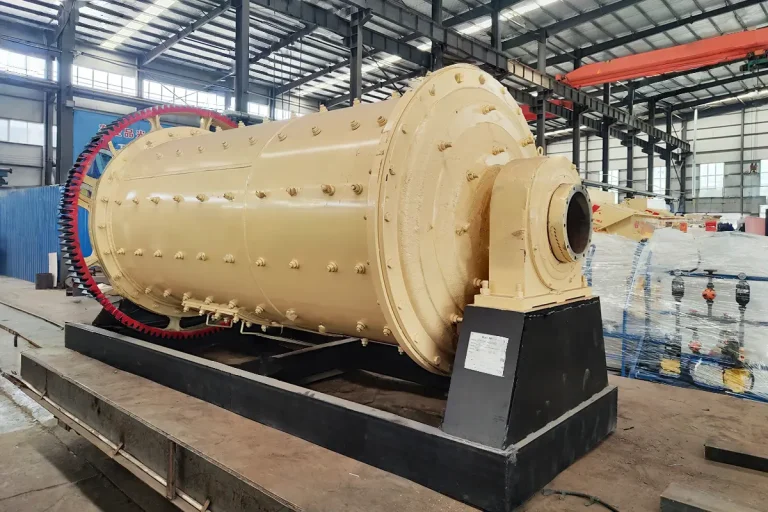
خام معدنیات: تانبا خام (چالکوپائیریٹ) تانبا درجہ: 0.85% حتمی مصنوعات: فلوٹیشن کے لیے پیسنے ہوئی خام کی سلیری
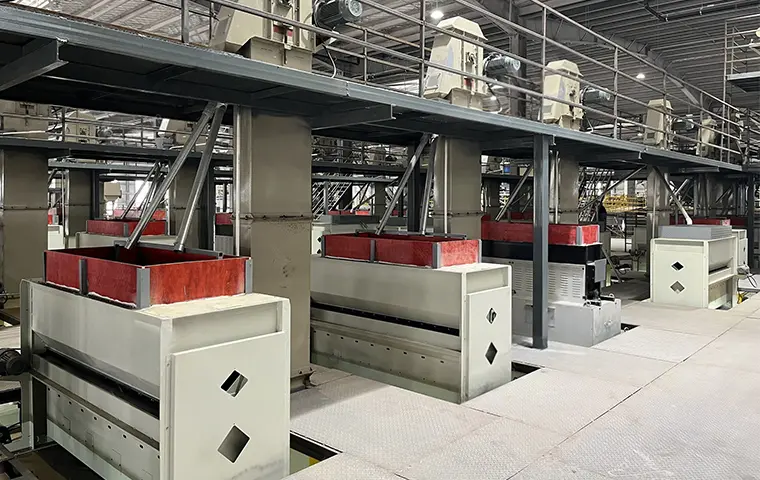
خام معدنیات: چین کے جنوب مغرب میں اندرونی دریا کے نظام سے ملنے والا الیووئل پلیسر، جس میں زرکون، روٹائل، الیمنائٹ اور دیگر بھاری معدنیات شامل ہیں۔
خام مال: کوارتز کچھی جس میں impurity موجود ہیں (Fe، Al وغیرہ) کوارتز گریڈ: 98.5% SiO₂ حتمی مصنوعات: اعلیٰ پاکیزگی کوارتز ریت (99.9% SiO₂)
کچا معدن: سلیلیکے اور کاربنٹس کے ساتھ پیچیدہ فاسفیشن معدن P2O5 گریڈ: 18.5% مرکوز گریڈ: 32% P2O5
Raw Ore: Crystalline Flake Graphite Ore Feed Carbon Grade: 8–12% (Variable) Final Product: High-Purity Flake Graphite Concentrate
خام معدنیات: آکسائیڈ اور سلفائیڈ قسم کا سونا معدنیات سونے کا گریڈ: 2.5 گرام فی ٹن حتمی مصنوع: سونے کا بار
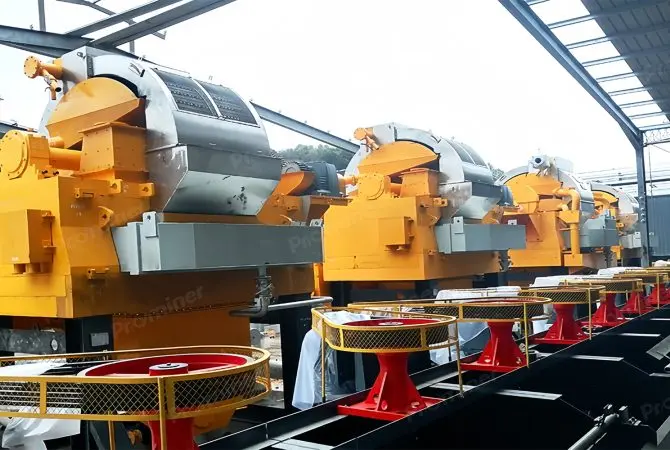
پرومائنر مختلف HIMS (ہائی انٹینسٹی میگنیٹک سیپریٹر) میگنیٹک سیپریٹرز فراہم کر سکتا ہے
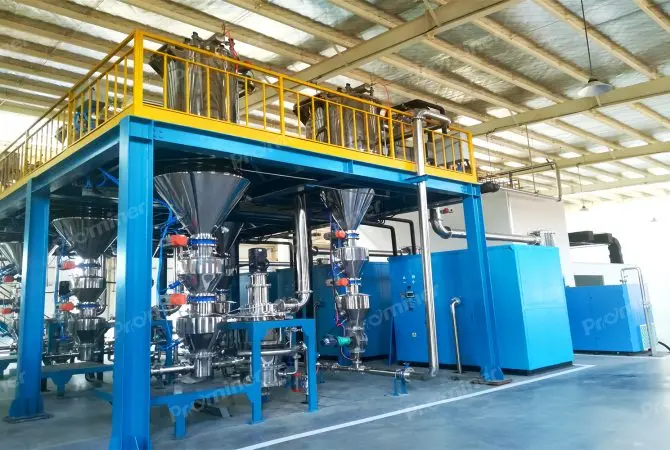
جیٹ مل کو متعدد نوزل استعمال کرتے ہوئے سونک اسپیڈ ایئر فلو تشکیل دینے کے لئے فلوئیڈائزڈ بیڈ جیٹ مل بھی کہا جاتا ہے
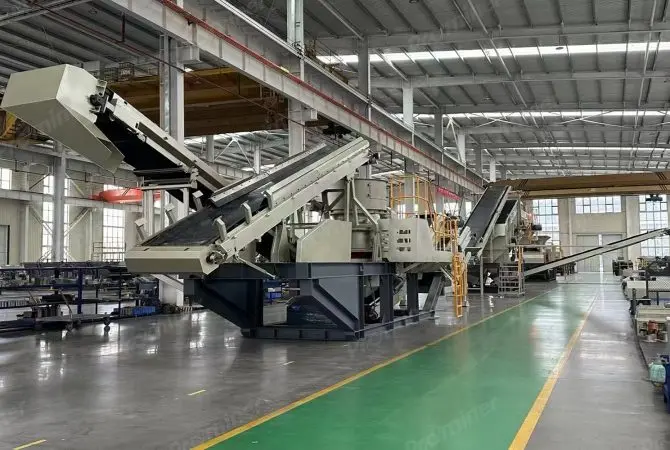
اسکڈ ماونٹڈ پورٹیبل کرشر، مارکیٹ کی ضروریات کی بنیاد پر ایک جگہ سے دوسری جگہ منتقل کرنے میں آسانی کے لیے
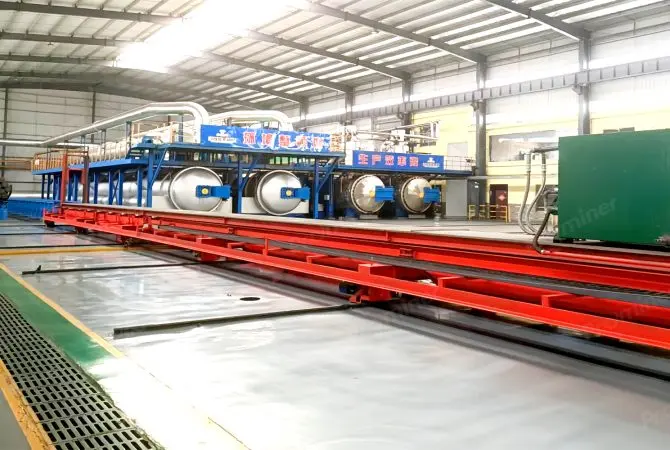
ہم ایک بار پروسیس کردہ گرافائٹ کی لیے گرم اندر اور سرد باہر کی قسم کی ہائی پریشر ایمپریگنیشن فراہم کر سکتے ہیں
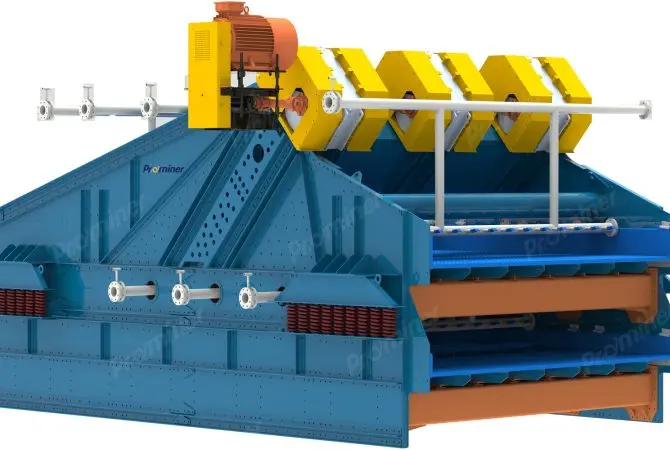
پرومینر معدنی درجہ بندی، مواد کے سائز، ڈیہیوٹرنگ کے لیے ہر قسم کی لکیری اسکرین فراہم کر سکتا ہے
ہمارے مصنوعات اور حل کے بارے میں مزید معلومات حاصل کرنے کے لئے، براہ کرم نیچے دیے گئے فارم کو بھرें اور ہمارے ماہرین میں سے ایک جلد آپ سے رابطہ کرے گا
شینڈونگ صوبے میں 3000 TPD سونے کا فلٹیشن پروجیکٹ
سیچوان میں 2500TPD لیتھیم خام مال کی فلٹیشن
فیکس: (+86) 021-60870195
پتہ:No.2555, Xiupu Road, Pudong, Shanghai
کاپی رائٹ © 2023.پرومائنر (شنگھائی) مائننگ ٹیکنالوجی کمپنی، لمیٹڈ۔