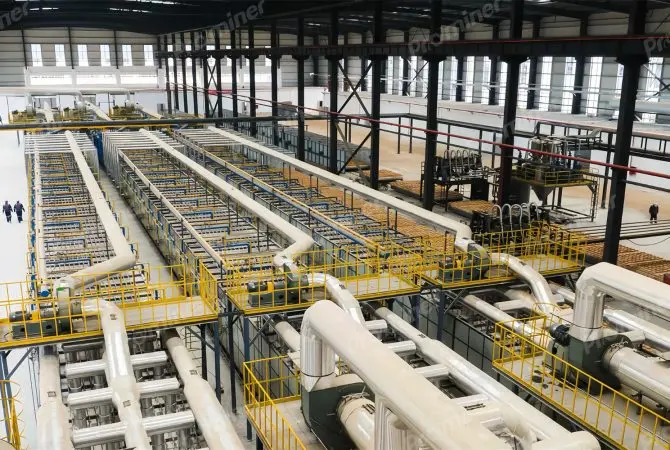
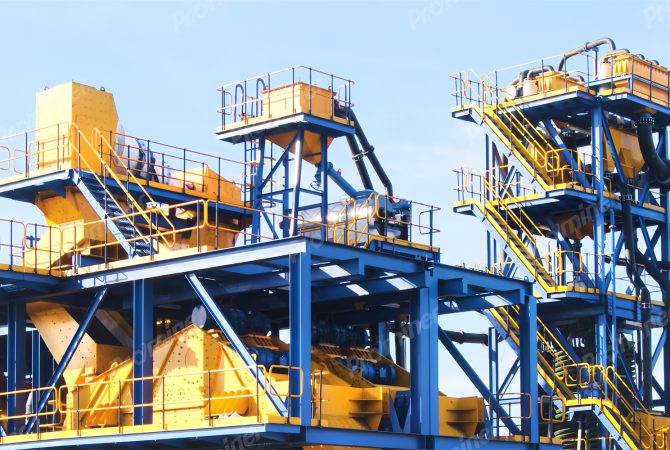
Quặng exogenetic nổi tiếng nhất là vàng alluvial còn được gọi là vàng placer. Vàng alluvial đề cập đến


/
/
Than chì tinh thể so với tinh thể nhỏ: Các loại quặng ảnh hưởng như thế nào đến quy trình chế biến?


Grafit là một khoáng chất công nghiệp đa dụng được sử dụng trong pin, gạch chịu lửa, dầu mửa và các vật liệu tiên tiến. Tuy nhiên, không phải tất cả các loại grafit đều giống nhau. Hình thái địa chất của grafit—có cấu trúc tinh thể (dạng tấm hoặc dạng mạch) hoặc tinh thể nhỏ như vô định hình—trực tiếp ảnh hưởng đến cách nó phải được xử lý. Hiểu rõ những sự khác biệt này là điều cần thiết để thiết kế quy trình beneficiation hiệu quả và đạt được chất lượng sản phẩm tối ưu.
Dưới đây, chúng ta khám phá cách đặc điểm quặng ảnh hưởng đến các chiến lược xử lý.
Graphit tinh thể thường xuất hiện dưới dạng vảy hoặc vein hình dạng tốt trong các đá biến chất như mica và granulit. Kích thước vảy có thể dao động từ mịn đến thô, và việc giữ gìn tính toàn vẹn của vảy thường là mục tiêu chính trong quá trình chế biến vì những vảy lớn hơn có giá trị thị trường cao hơn.
GRAPHIT vô định hình, còn gọi là graphite vô định hình, gồm các hạt graphite rất mịn phân bố trong các loại đá trầm tích hoặc đá biến chất có tầng suất thấp. Dù tên gọi như vậy, nó vẫn mang tính tinh thể ở cấp độ vi mô, nhưng cấu trúc tinh thể quá mịn để có thể nhận biết bằng mắt thường.
Những khác biệt về cấu trúc này ảnh hưởng đáng kể đến hành vi tự do khi nghiền và xay.
Trong quặng graphit tinh thể (dạng lớp), các vảy graphit thường liên kết với các khoáng gangue silicat. Thách thức chính là giải phóng các vảy mà không làm giảm kích thước quá nhiều. Quá mức nghiền làm giảm kích thước vảy và làm giảm giá trị sản phẩm.
Do đó, quy trình xử lý thường bao gồm:
Mục tiêu là dần dần giải phóng graphite trong khi giữ nguyên kích thước vảy.
Ngược lại, đồ thị tổng hợp cực nhỏ đã rất mịn và gắn kết chặt chẽ với các khoáng chất mang quặng. Việc giải phóng thường đòi hỏi phải nghiền mịn hơn. Vì giá trị sản phẩm không phụ thuộc vào kích thước tảng vảy, việc nghiền mịn hơn không phải chịu mức phạt kinh tế tương tự.
Phương pháp tuyển nổi bọt là phương pháp chính để beneficiation graphite tinh thể. Tính kỵ nước tự nhiên của graphite khiến nó dễ dàng nổi lên trong quá trình tuyển nổi mà không cần các chất phụ gia phức tạp.
Các sơ đồ quy trình điển hình bao gồm:
Tập trung chất lượng cao (90–97% carbon) có thể đạt được thông qua quá trình làm sạch lặp đi lặp lại trong khi hạn chế sự giảm chất lượng của vụn than.
Các quặng than chì tinh thể nhỏ thường có chất lượng thấp hơn và có thể không đủ để chứng minh sự cần thiết của các quy trình tuyển nổi đa giai đoạn phức tạp. Tùy thuộc vào mỏ quặng, quy trình xử lý có thể bao gồm:
Trong một số trường hợp, quặng được tuyển chọn bằng tay hoặc khai thác theo cách chọn lọc do hàm lượng cacbon trong lòng đất tương đối cao.
Đối với các ứng dụng công nghệ cao như các cực âm pin lithium-ion, độ tinh khiết của graphite phải vượt quá 99,9% carbon.
Các loại graphite có dạng tấm tinh thể thường được xử lý thêm các quá trình tinh chế như:
Graphit crytocrystalline, do kích thước hạt nhỏ và phân bố tạp chất, có thể khó làm tinh khiết hơn và tốn kém hơn để đạt mức độ siêu tinh khiết. Vì vậy, nó thường được sử dụng nhiều hơn trong các vật liệu chịu lửa, lớp phủ lò luyện kim và chất bôi trơn hơn là trong các ứng dụng pin.
Loại quặng ảnh hưởng trực tiếp đến:
Các hoạt động tuyển nổi graphit dạng vảy tinh thể thường đòi hỏi các mạch tuyển nổi phức tạp hơn nhưng cho ra các sản phẩm có giá trị cao hơn. Việc duy trì kích thước vảy là rất quan trọng để duy trì lợi nhuận.
Các hoạt động liên quan đến than chì tinh thể nhỏ có thể yêu cầu quá trình xử lý đơn giản hơn nhưng thường nhắm vào các thị trường có biên lợi nhuận thấp hơn. Kinh tế của chúng phụ thuộc nhiều vào chất lượng mỏ và khả năng tiếp cận người tiêu dùng cuối cùng.
Những khác biệt cơ bản giữa quặng than polymit và than cryptocrystalline quy định các triết lý xử lý hoàn toàn khác nhau.
Trong quá trình chế biến than chì, địa chất là định mệnh. Một sơ đồ quy trình được thiết kế tốt bắt đầu không phải từ nhà máy, mà từ việc hiểu rõ bản chất của thân quặng chính nó.
A: Các đặc tính khoáng sản thay đổi đáng kể ngay cả trong cùng một thân quặng. Một bài kiểm tra chuyên nghiệp (chẳng hạn như phân tích hóa học, XRD, và SEM) đảm bảo rằng quy trình được tối ưu hóa cho loại quặng và kích thước giải phóng cụ thể của bạn. Điều này ngăn chặn việc không phù hợp thiết bị tốn kém và đảm bảo tỷ lệ thu hồi cao nhất có thể cho dự án của bạn.
A: We maintain a permanent stock of core wear parts (such as crusher liners, screen meshes, and grinding media). For international clients, we provide a recommended “2-year spare parts list” with the initial purchase. Technical support is available 24/7 via remote video, and site visits can be arranged for complex maintenance needs.
A: Vâng. Chúng tôi gửi một đội ngũ kỹ sư cơ khí và điện hàng đầu đến hiện trường để giám sát việc lắp đặt, đưa vào hoạt động và kiểm tra tải của thiết bị. Chúng tôi cũng cung cấp đào tạo toàn diện tại chỗ cho các nhân viên địa phương của bạn để đảm bảo hoạt động trơn tru trong dài hạn.
A: Chắc chắn rồi. Chúng tôi chuyên cung cấp dịch vụ EPCM (Kỹ thuật, Cung ứng, Quản lý Xây dựng). Điều này bao gồm mọi thứ từ thử nghiệm quặng ban đầu và thiết kế mỏ đến sản xuất thiết bị, logistics và tích hợp nhà máy quy mô lớn, đảm bảo một quá trình chuyển giao suôn sẻ từ khu vực chưa phát triển sang sản xuất.
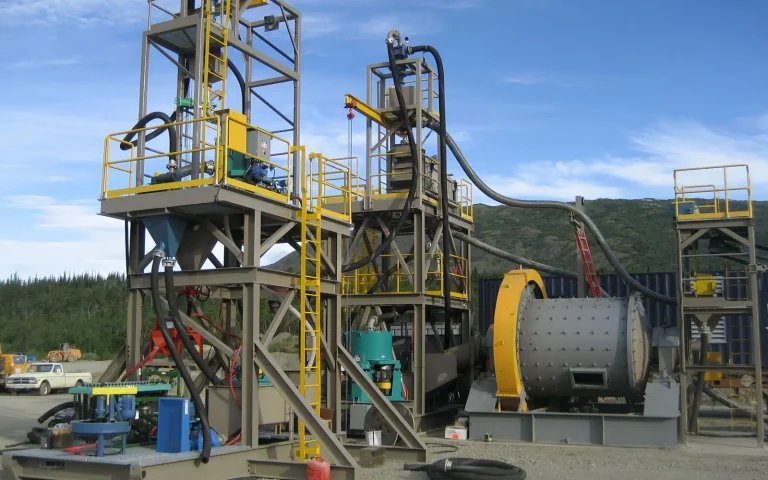
Quặng exogenetic nổi tiếng nhất là vàng alluvial còn được gọi là vàng placer. Vàng alluvial đề cập đến
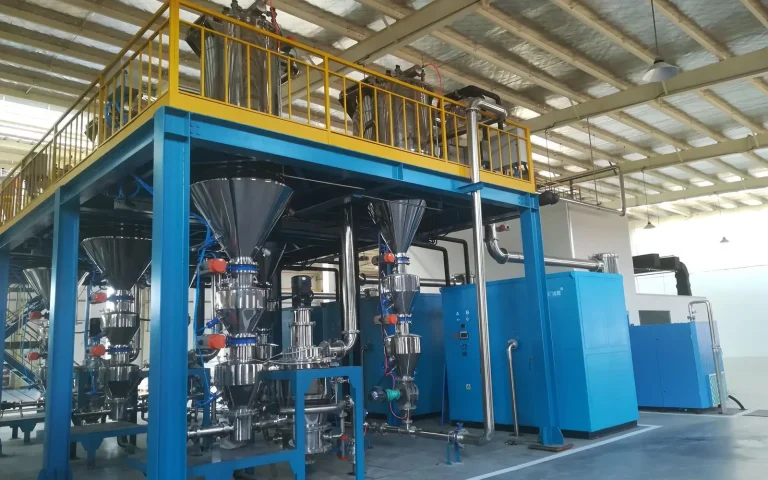
Anot dựa trên silicon là một loại vật liệu anot composite bằng cách tổng hợp silicon
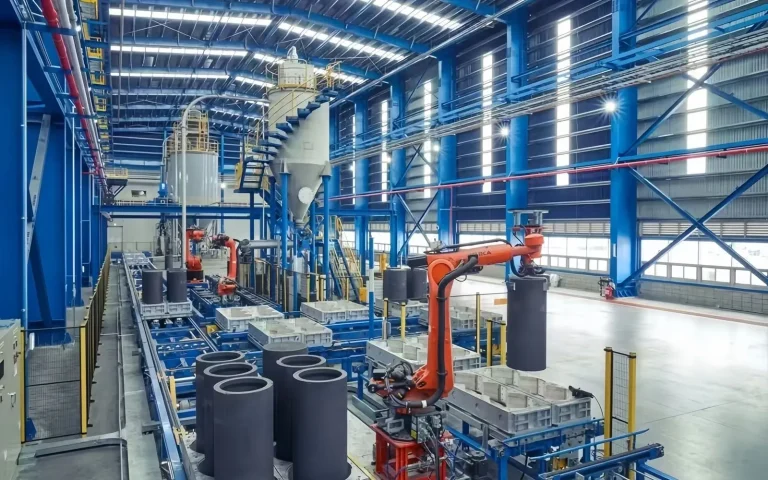
Cung cấp giải pháp hoàn chỉnh cho việc sản xuất vật liệu anot than chì, bao gồm nghiền, tạo hình, tinh chế…

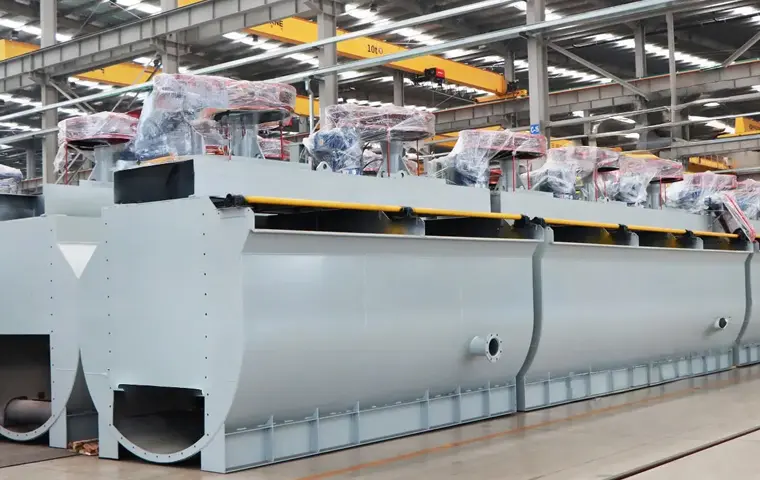
Nguyên liệu thô: Quặng vàng kiểu sunfua có pirit. Độ hàm lượng vàng: 3,8 g/t. Độ hàm lượng vàng trong sản phẩm: 42 g/t Au
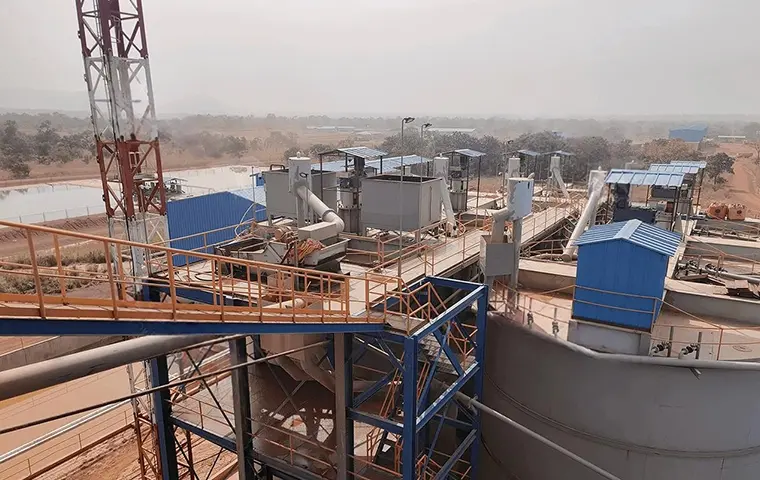
Quặng thô: Quặng đồng sulfide (có chứa một lượng nhỏ pyrit) Hàm lượng đồng: 1,2% Hàm lượng tinh quặng: 25% Cu
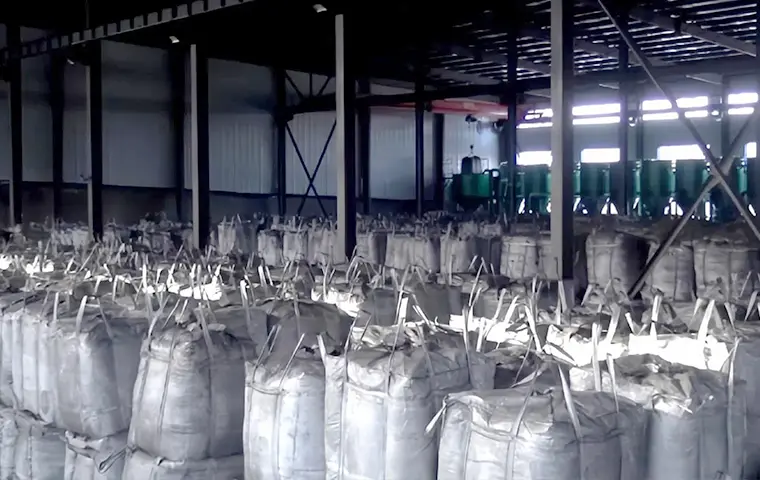
Nguyên liệu: Tinh chế nổi Graphite (95% C) Công suất dự án: 10.000 tấn mỗi năm
Quặng thô: Quặng vàng loại sulfide Độ tinh khiết vàng: 3,5 g/t Tỷ lệ thu hồi vàng: 92%

Nguyên liệu thô: Sét Hectorite giàu Lithium (Li₂O: 0,6-1,0%) Sản phẩm cuối cùng: Lithium cacbonat cấp pin
Quặng thô: Quặng Molipden Sulfide (chủ yếu là Molybdenite) Hàm lượng Mo: 0.15% Hàm lượng tinh quặng: 45% Mo
Quặng thô: Quặng vàng loại oxit, độ tinh khiết vàng: 2.5 g/t, độ tinh khiết vàng thỏi: 96%
Quặng thô: Quặng vàng loại sulfide (chứa Pyrite và Arsenopyrite) Hàm lượng vàng: 4.2 g/t Sản phẩm cuối cùng: Thanh vàng Dore
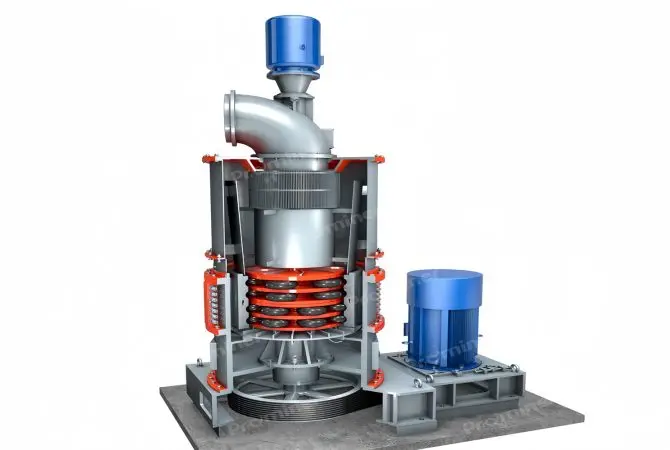
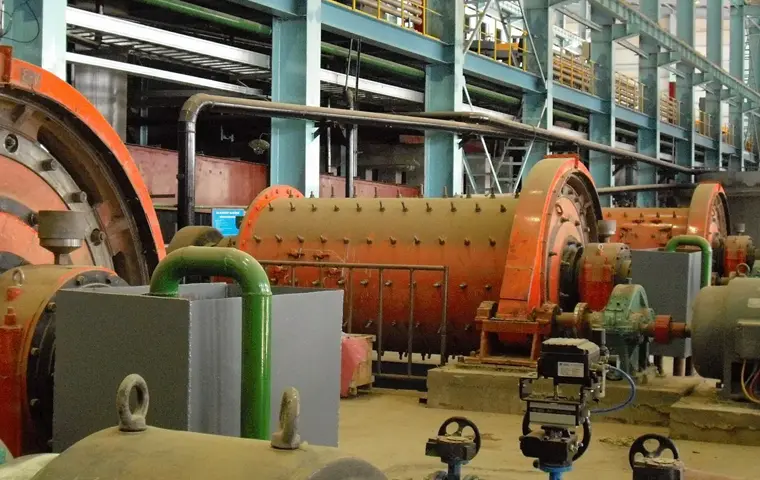
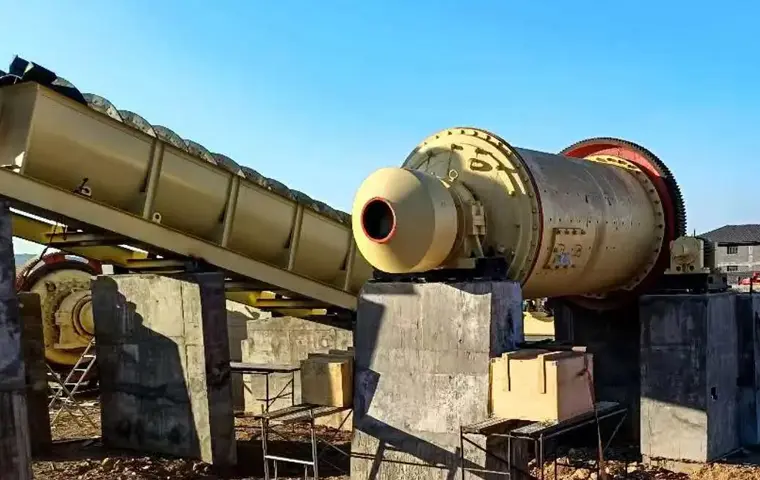
Chúng tôi có thể cung cấp máy nghiền con lăn để tạo ra bột siêu mịn phù hợp để nghiền.
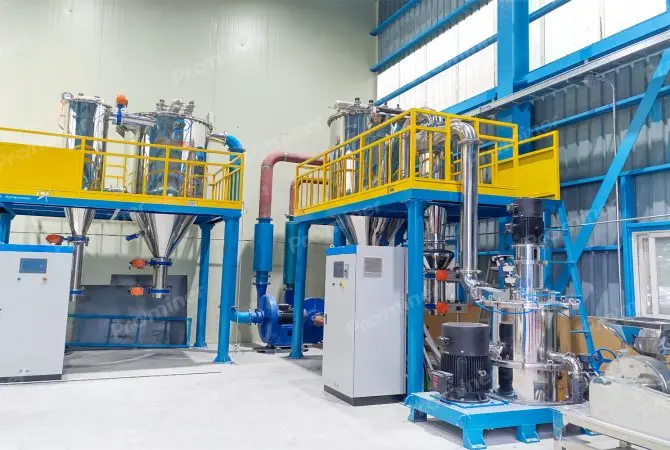
Máy nghiền tác động của chúng tôi là máy nghiền cơ học tốc độ cao để thực hiện việc xay mịn ultrafine và chủ yếu
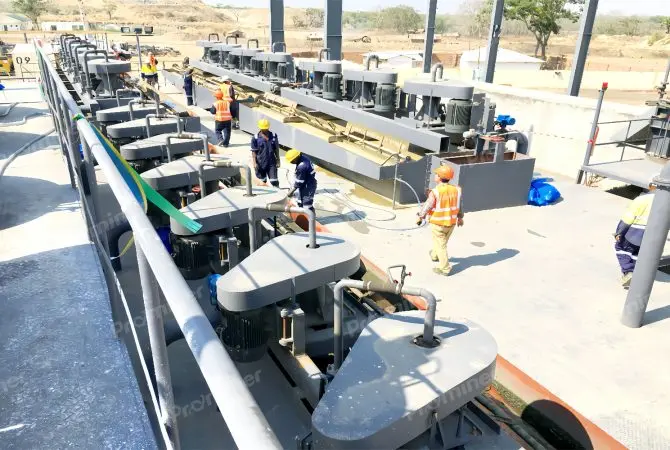
Prominer có thể cung cấp máy tách bọt tự mồi dòng SF và cell tách bọt khí nén series XCF/KYF
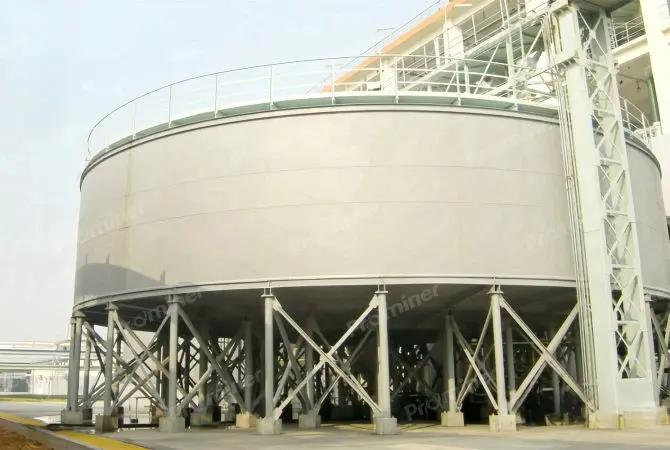
Prominer có thể cung cấp nhiều loại thiết bị làm đặc bao gồm thiết bị làm đặc dẫn động trung tâm, thiết bị làm đặc kéo ngoại vi
Để tìm hiểu thêm về sản phẩm và giải pháp của chúng tôi, vui lòng điền vào mẫu dưới đây và một trong những chuyên gia của chúng tôi sẽ liên lạc lại với bạn sớm
Dự án tuyển nổi vàng 3000 TPD ở tỉnh Shandong
Tuyển nổi quặng lithium 2500 TPD ở Tứ Xuyên
Fax: (+86) 021-58779592
Địa chỉ: Phòng 606, Tòa nhà D3, Giai đoạn II, Trung tâm Thương mại Chuansha, 777 Đường Long, Đường Miaochuan, Khu vực Phố Đông, Thượng Hải, Trung Quốc
Bản quyền © 2023. Công ty TNHH Công nghệ Khai thác Prominer (Thượng Hải)