

Quặng exogenetic nổi tiếng nhất là vàng alluvial còn được gọi là vàng placer. Vàng alluvial đề cập đến




Selecting the most profitable technology for processing different types of gold ores is a complex decision that requires thorough evaluation of geological, metallurgical, environmental, and economic factors. The profitability of gold extraction and processing technologies depends on the ore type, mineralogy, grade, infrastructure, and market dynamics. Here are some steps to guide this selection process:
The most profitable technology for gold ore processing depends on an integrated assessment of ore type, recovery rates, costs, and market conditions. Collaborate with experienced metallurgists, geologists, engineers, and environmental experts to make an informed decision. Ultimately, piloting and testing are essential before committing to full-scale implementation.
A: Các đặc tính khoáng sản thay đổi đáng kể ngay cả trong cùng một thân quặng. Một bài kiểm tra chuyên nghiệp (chẳng hạn như phân tích hóa học, XRD, và SEM) đảm bảo rằng quy trình được tối ưu hóa cho loại quặng và kích thước giải phóng cụ thể của bạn. Điều này ngăn chặn việc không phù hợp thiết bị tốn kém và đảm bảo tỷ lệ thu hồi cao nhất có thể cho dự án của bạn.
A: Chúng tôi duy trì một kho dự trữ thường xuyên các linh kiện thay thế cốt lõi (như lớp lót máy nghiền, lưới sàng và phương tiện nghiền). Đối với khách hàng quốc tế, chúng tôi cung cấp một “danh sách linh kiện thay thế trong 2 năm” được khuyến nghị kèm theo đơn hàng mua đầu tiên. Hỗ trợ kỹ thuật có sẵn 24/7 qua video từ xa, và có thể sắp xếp các chuyến thăm hiện trường cho những nhu cầu bảo trì phức tạp.
A: Vâng. Chúng tôi gửi một đội ngũ kỹ sư cơ khí và điện hàng đầu đến hiện trường để giám sát việc lắp đặt, đưa vào hoạt động và kiểm tra tải của thiết bị. Chúng tôi cũng cung cấp đào tạo toàn diện tại chỗ cho các nhân viên địa phương của bạn để đảm bảo hoạt động trơn tru trong dài hạn.
A: Chắc chắn rồi. Chúng tôi chuyên cung cấp dịch vụ EPCM (Kỹ thuật, Cung ứng, Quản lý Xây dựng). Điều này bao gồm mọi thứ từ thử nghiệm quặng ban đầu và thiết kế mỏ đến sản xuất thiết bị, logistics và tích hợp nhà máy quy mô lớn, đảm bảo một quá trình chuyển giao suôn sẻ từ khu vực chưa phát triển sang sản xuất.
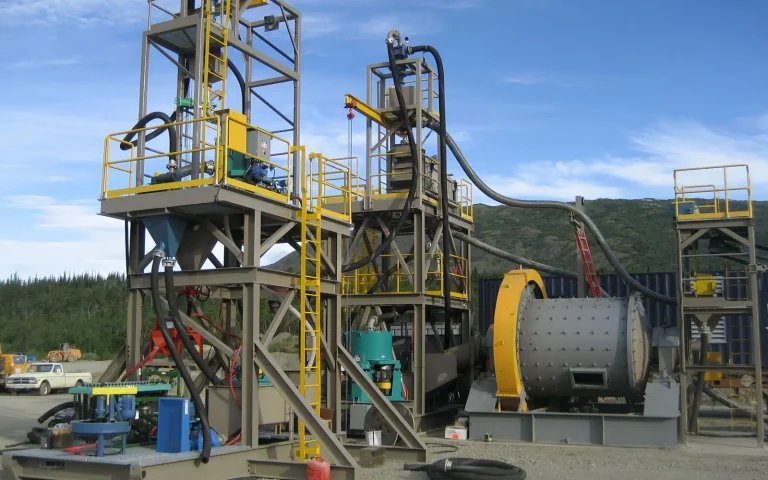
Quặng exogenetic nổi tiếng nhất là vàng alluvial còn được gọi là vàng placer. Vàng alluvial đề cập đến
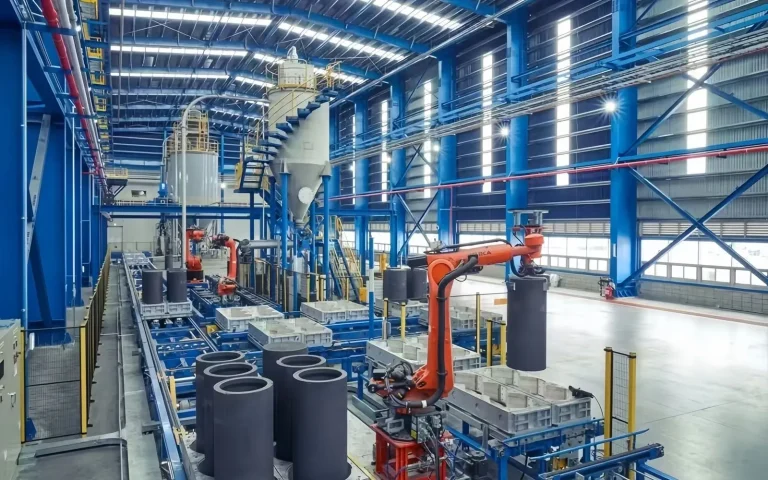
Cung cấp giải pháp hoàn chỉnh cho việc sản xuất vật liệu anot than chì, bao gồm nghiền, tạo hình, tinh chế…
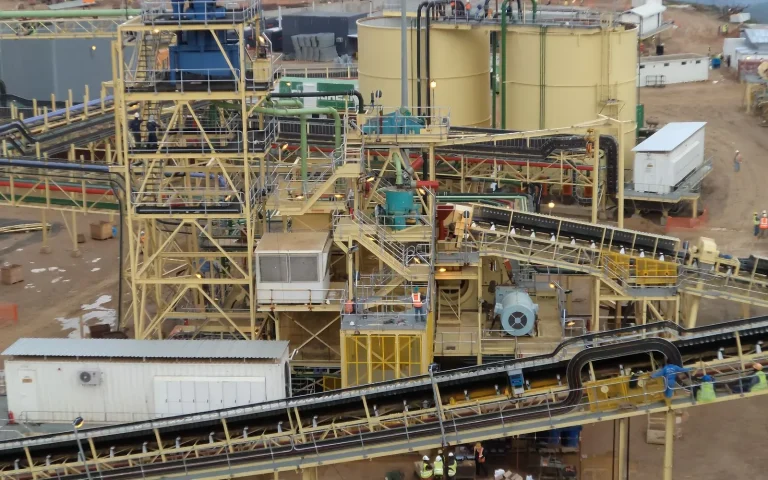
Cung cấp thiết bị quan trọng trong quá trình xử lý quặng vàng, chẳng hạn như hệ thống CIL/CIP, tế bào nổi…

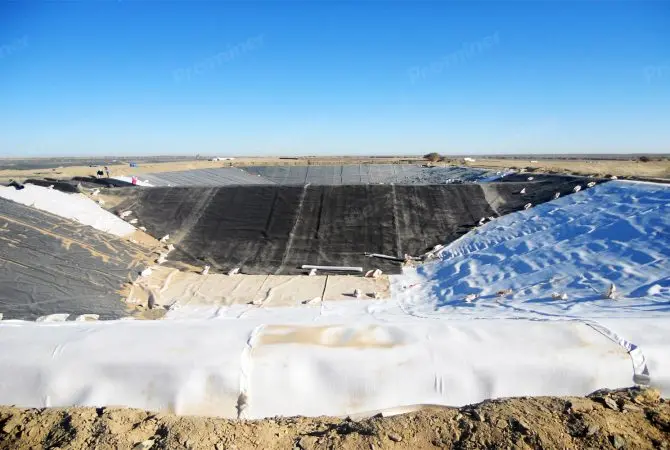
Quặng nguyên liệu: Quặng vàng loại oxit Tiêu chuẩn vàng: 1,8 g/t
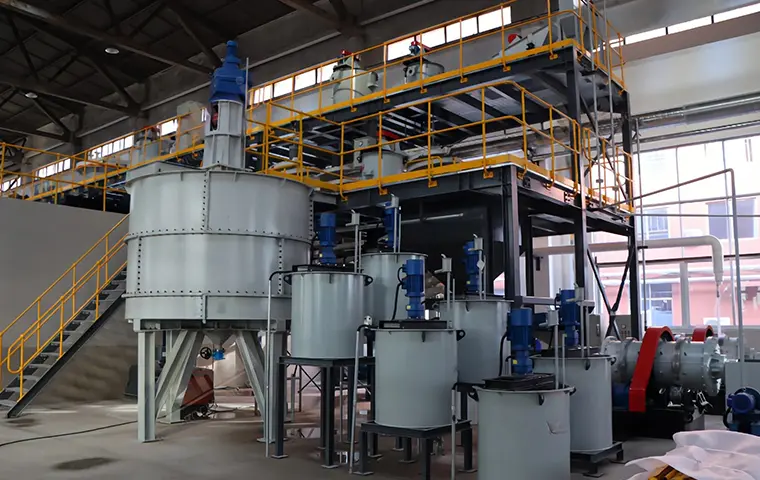
Bối cảnh Dự án: Mở rộng và Nâng cấp Công nghệ của một Nhà máy Tuyển nổi hiện có
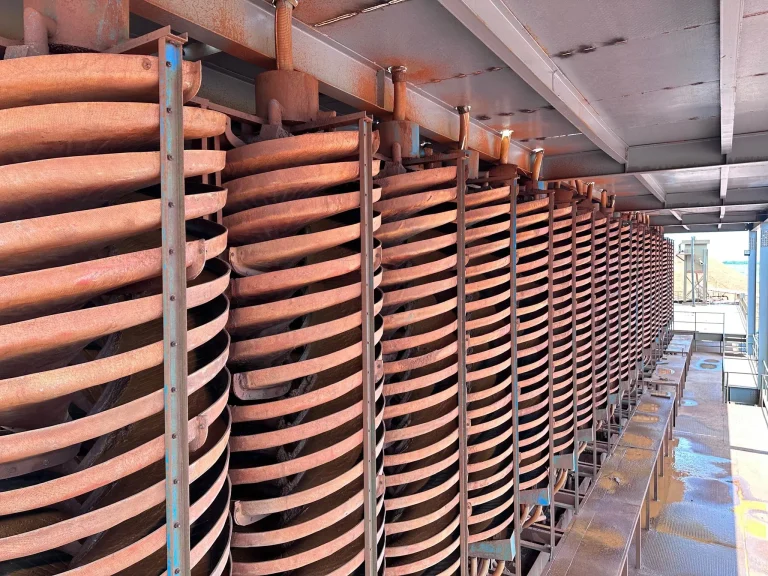
Quặng thô: Cát bờ biển Titan Zirconium TiO₂ Độ tinh khiết: 4.5% ZrO₂ Độ tinh khiết: 3.2%
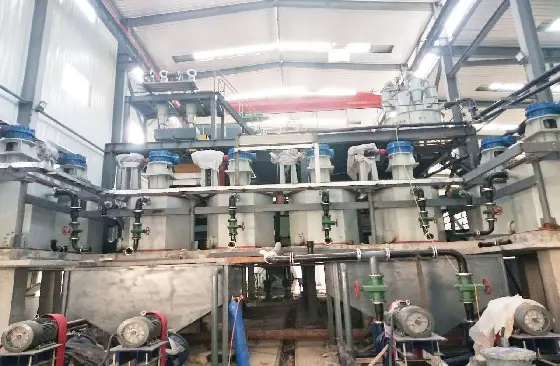
Nguyên liệu: Đá thạch anh (SiO₂: 97,8%) Loại pin mặt trời: SiO₂ ≥ 99,99%, Fe₂O₃ ≤ 10ppm
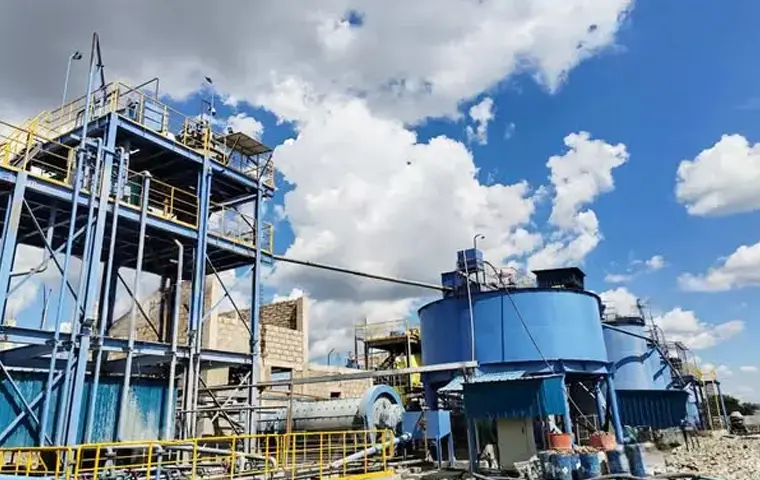
Nguyên liệu: Quặng đồng-vàng, Độ tinh khiết đồng: 1,2%, Độ tinh khiết vàng: 1,5 g/t, Tỷ suất thu hồi: đồng 89%, vàng 88%
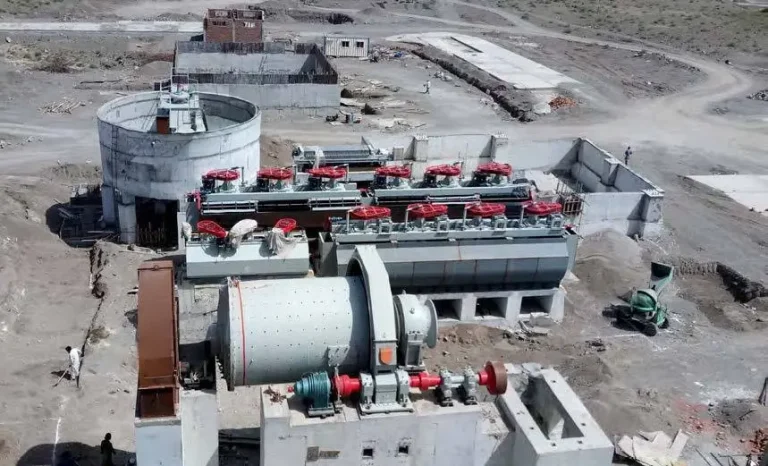
Nguyên liệu: Quặng đồng ô-xít-sunphua hỗn hợp (Chalcopyrit/Malachite) Độ tinh khiết đồng: 1,2% | Bạc: 15g/t
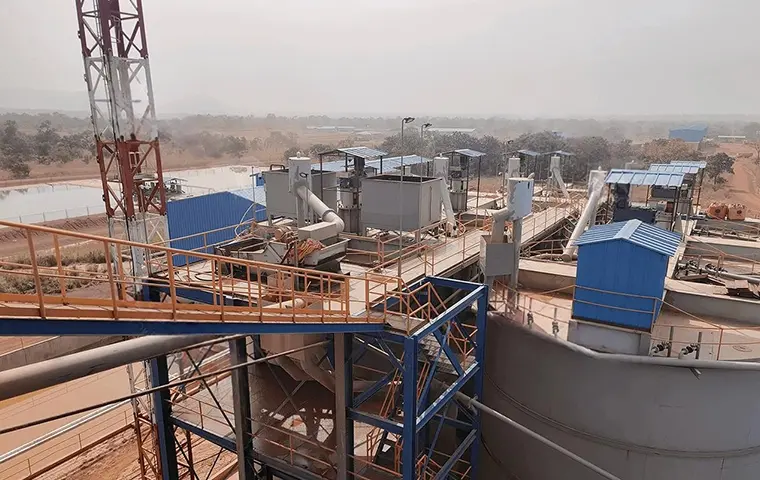
Quặng thô: Quặng đồng sulfide (có chứa một lượng nhỏ pyrit) Hàm lượng đồng: 1,2% Hàm lượng tinh quặng: 25% Cu

Nguyên liệu thô: Bã thực vật vàng hiện có (Tất cả bùn) Hàm lượng vàng trong bã: 1.2 g/t Sản phẩm cuối cùng: Thỏi vàng
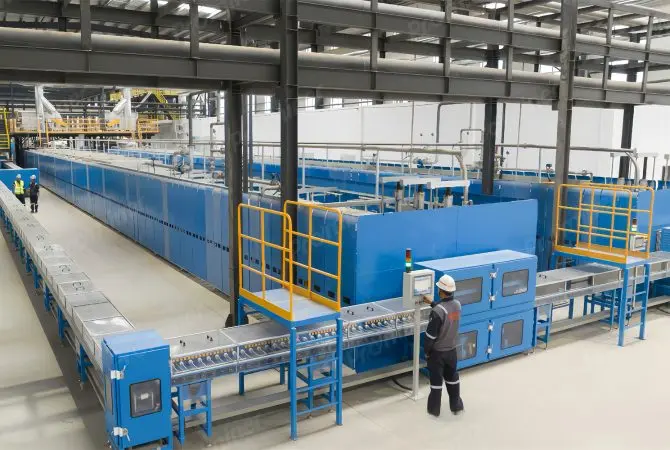
Chúng tôi có thể cung cấp giải pháp hoàn chỉnh cho hệ thống điều trị carbon hóa nhiệt độ cao
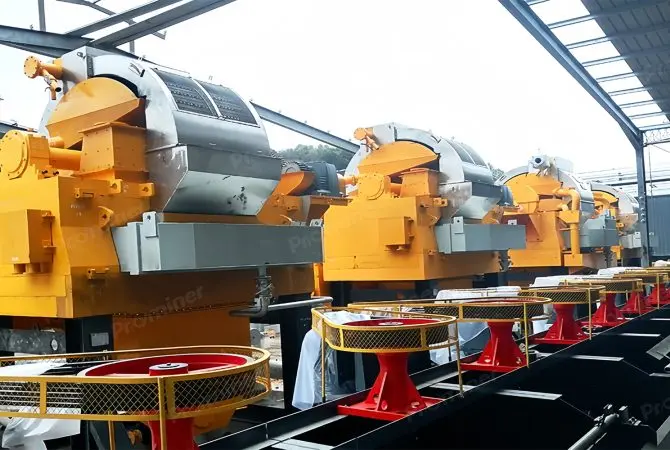
Prominer có thể cung cấp các bộ tách từ HIMS (bộ tách từ trường cường độ cao) khác nhau
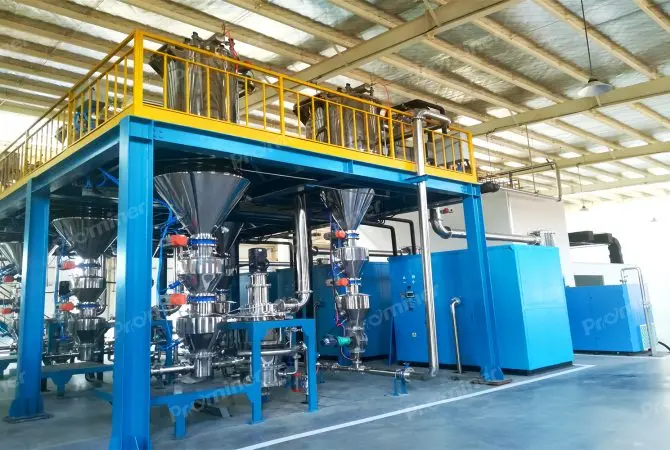
Máy nghiền không khí còn được gọi là máy nghiền giường lơ lửng bằng cách sử dụng nhiều vòi phun để tạo ra dòng không khí với tốc độ âm thanh
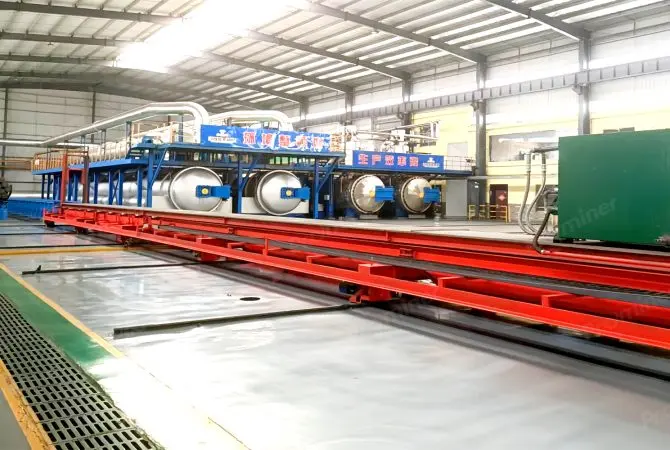
Chúng tôi có thể cung cấp loại ngâm áp lực cao, nóng vào và lạnh ra cho graphite đã được nướng một lần
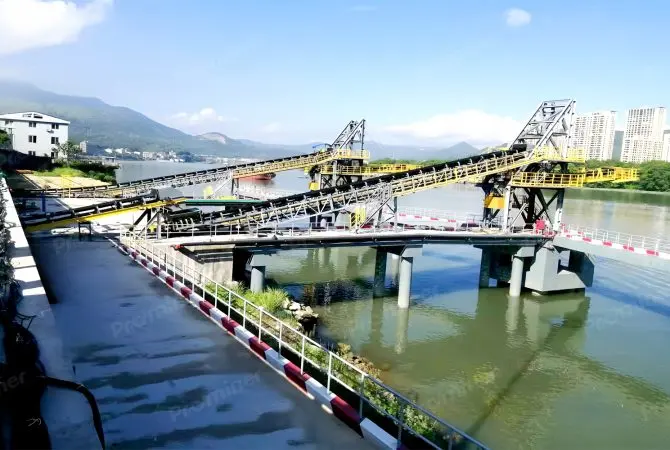
Chúng tôi có thể cung cấp giải pháp băng tải cho nhiều mục đích khác nhau bao gồm băng tải nghiêng dốc
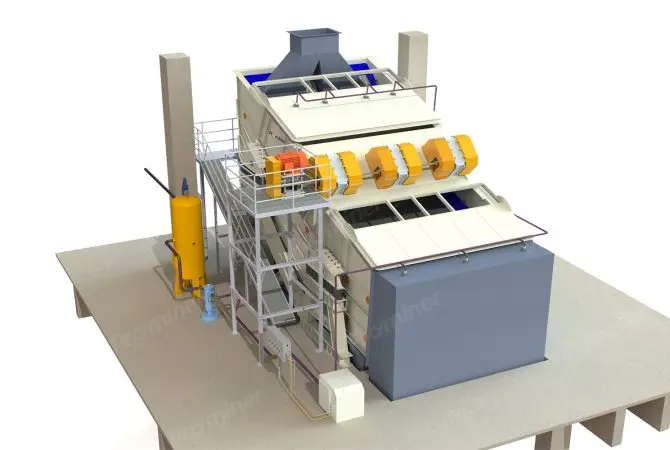
Bảng màn hình flip-flow tiếp tục mở rộng và co lại để đạt được tốc độ gia tốc cao
Để tìm hiểu thêm về sản phẩm và giải pháp của chúng tôi, vui lòng điền vào mẫu dưới đây và một trong những chuyên gia của chúng tôi sẽ liên lạc lại với bạn sớm
Dự án tuyển nổi vàng 3000 TPD ở tỉnh Shandong
Tuyển nổi quặng lithium 2500 TPD ở Tứ Xuyên
Fax: (+86) 021-60870195
Địa chỉ:Số 2555, Đường Xiupu, Pudong, Thượng Hải
Bản quyền © 2023.Công ty TNHH Công nghệ Khai thác Prominer (Thượng Hải)


