

Bahan anoda karbon keras adalah bahan yang paling disukai untuk komersialisasi baterai sodium-ion


/
/
Bagaimana Mengurangi Biaya Reagen Flotasi Fluorit Sebanyak 40% Tanpa Mengorbankan Kualitas?


Mengurangi biaya reagen flotasi fluorite sebesar 40% tanpa mengorbankan kualitas memerlukan keseimbangan strategis antara optimasi proses, pemilihan reagen alternatif, dan peningkatan efisiensi. Berikut adalah strategi spesifik untuk mencapai tujuan ini:
Untuk pabrik flotasi fluorite hipotetik:
Dengan secara metodis mengoptimalkan proses flotasi, mengadopsi reagen yang hemat biaya, dan meningkatkan praktik operasional, adalah mungkin untuk mencapai pengurangan biaya yang substansial tanpa mengorbankan kualitas produk.
A: Karakteristik mineral bervariasi secara signifikan bahkan dalam tubuh bijih yang sama. Uji profesional (seperti analisis kimia, XRD, dan SEM) memastikan bahwa diagram alir dioptimalkan untuk grade bijih dan ukuran liberasi spesifik Anda. Ini mencegah ketidakcocokan peralatan yang mahal dan menjamin tingkat pemulihan tertinggi yang mungkin untuk proyek Anda.
A: Kami menjaga stok permanen suku cadang inti (seperti pelapis crusher, jaring saringan, dan media penggilingan). Untuk klien internasional, kami menyediakan “daftar suku cadang yang direkomendasikan selama 2 tahun” dengan pembelian awal. Dukungan teknis tersedia 24/7 melalui video jarak jauh, dan kunjungan lokasi dapat diatur untuk kebutuhan pemeliharaan yang kompleks.
A: Ya. Kami mengirim tim insinyur mekanik dan elektrik senior ke lokasi untuk mengawasi pemasangan, komisioning, dan pengujian beban peralatan. Kami juga menyediakan pelatihan lengkap di lokasi untuk operator lokal Anda untuk memastikan operasi jangka panjang yang lancar.
A: Tentu saja. Kami mengkhususkan diri dalam menyediakan layanan EPCM (Rekayasa, Pengadaan, Manajemen Konstruksi). Ini termasuk segala hal mulai dari pengujian bijih awal dan desain tambang hingga manufaktur peralatan, logistik, dan integrasi pabrik skala penuh, memastikan transisi yang lancar dari lahan hijau ke produksi.
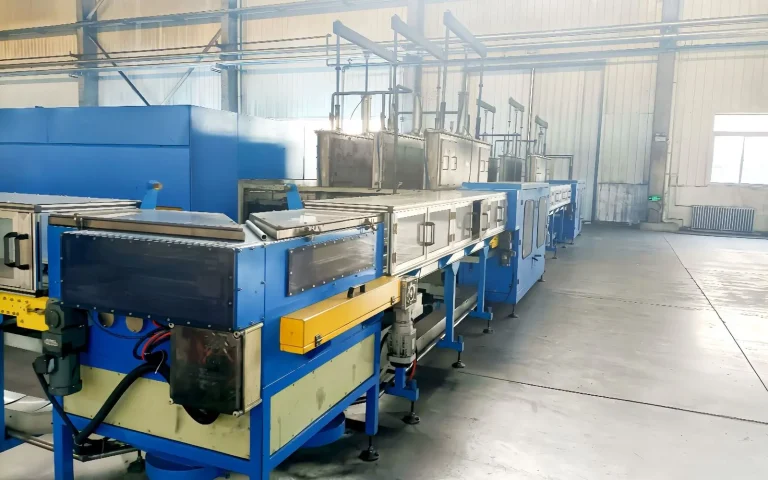
Bahan anoda karbon keras adalah bahan yang paling disukai untuk komersialisasi baterai sodium-ion
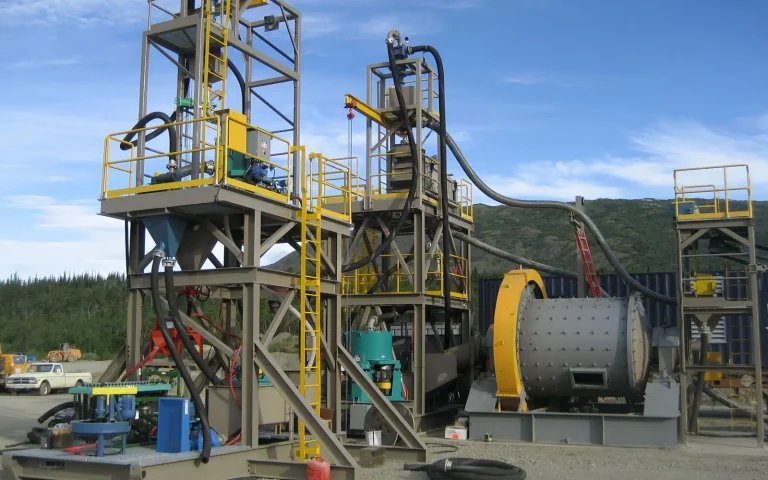
Bijih eksogenetik yang paling dikenal adalah emas aluvial yang juga disebut emas placer. Emas aluvial mengacu pada
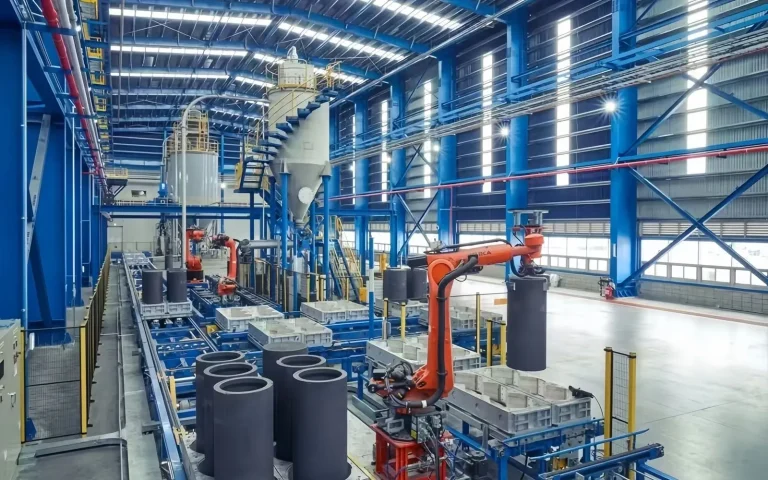
Prominer dapat menyediakan solusi lengkap untuk pembuatan bahan anoda grafit alami termasuk penggilingan

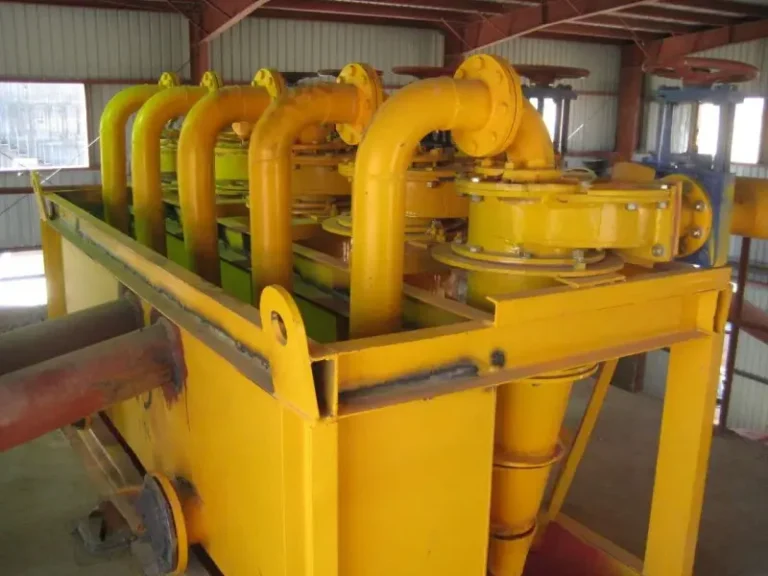
Bijih Mentah: Bijih Timah Aluvial (Kasiterit) Kadar Timah: 0,8% Kadar Konsentrat: 65%
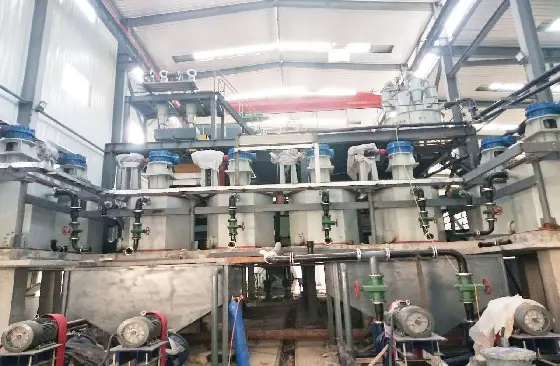
Bahan Baku: Batu Kuarsa (SiO₂: 97,8%) Kualitas Fotovoltaik: SiO₂≥99,99%, Fe₂O₃≤10ppm
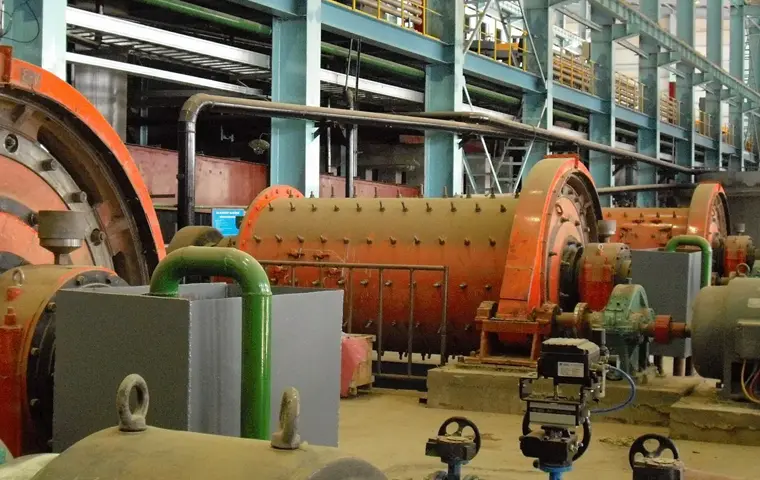
Bahan Mentah: Bijih Molibdenum Tipe Sulfida (Terutama Molibdenit) Kadar Mo: 0,15% Kadar Konsentrat: 45% Mo
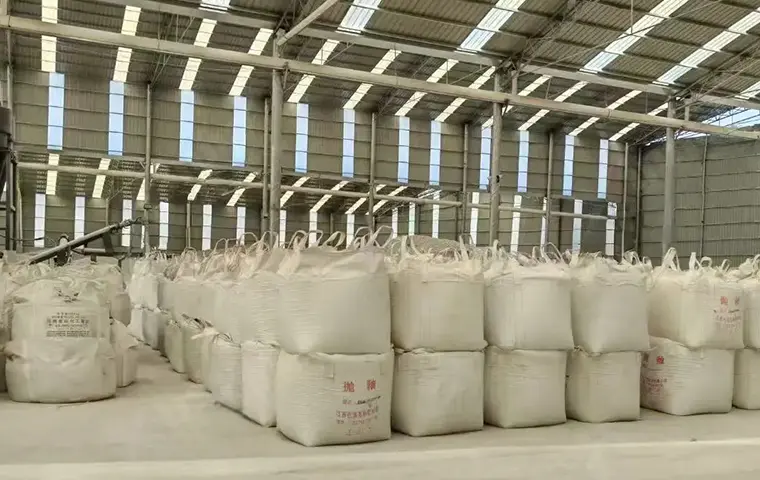
Bahan Mentah: Bijih Wollastonite berkualitas tinggi dengan Garnet dan Diopside yang terkait. Kadar Pakan: 65-70% Wollastonite
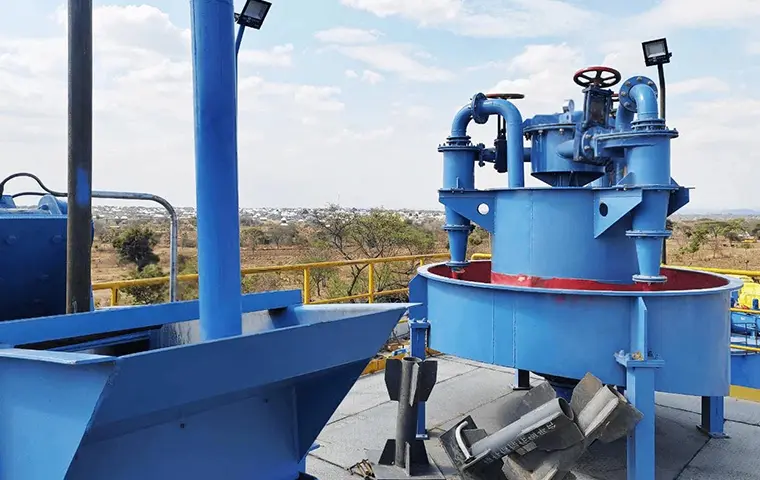
Target Kapasitas: Meningkatkan kapasitas pengolahan dari 500 TPD menjadi 850 TPD secara bertahap tanpa menghentikan produksi.
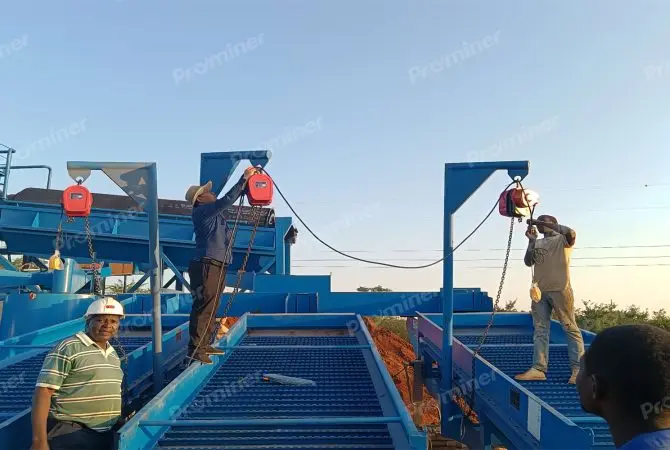
Bijih Mentah: Bijih emas aluvial dari dasar sungai Gradasi Emas: 0,8 g/t
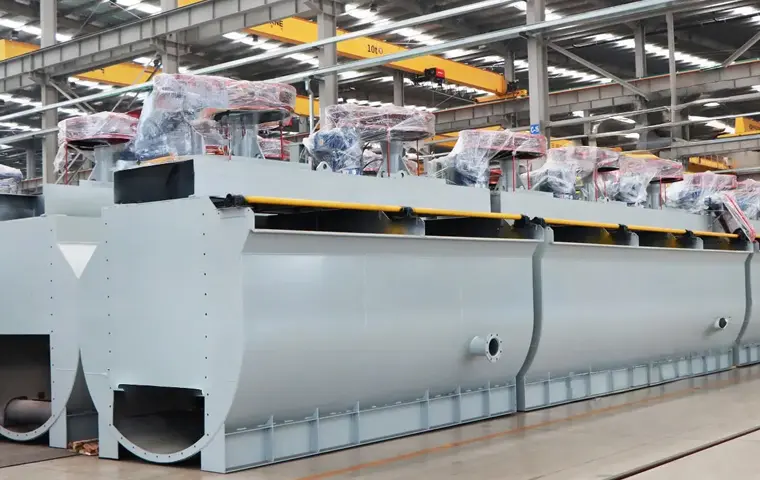
Bijih Mentah: Bijih Emas Jenis Sulfida dengan Pirit Kadar Emas: 3,8 g/t Kadar Konsentrat: 42 g/t Au
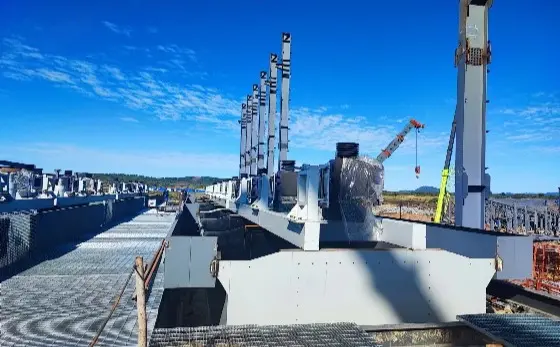
Bijih Pegmatit Litium (Dominan Spodumen) Kadar Li₂O: 1,2% Produk Akhir: Litium Berkualitas Baterai
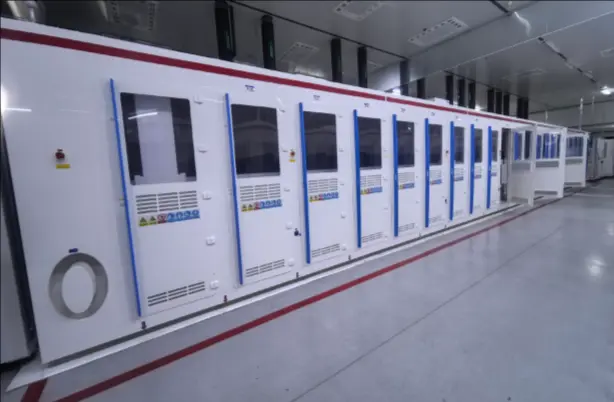
Termasuk: Peralatan Tekstur Batch Kristal Tunggal, Pengisi/Pengosong Tekstur Batch, Tekanan Rendah...
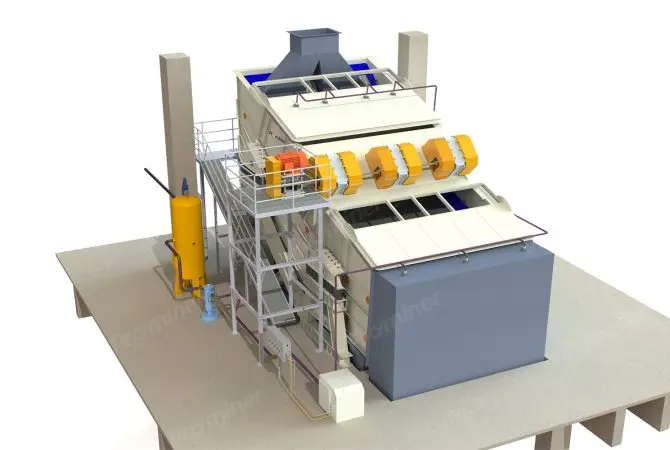
Panel layar flip-flow terus mengembang dan mengerut sehingga mencapai laju percepatan yang tinggi.
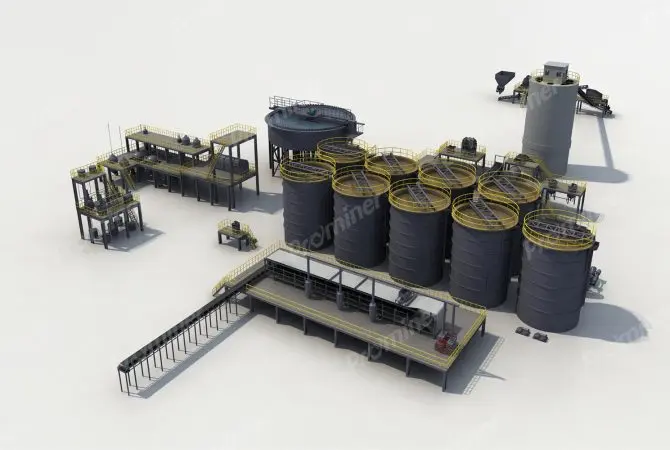
Prominer dapat menyediakan solusi lengkap untuk sistem CIL (karbon dalam pelindian)
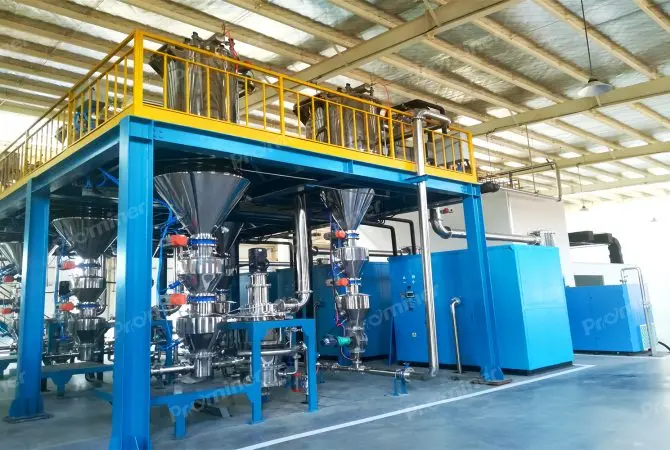
Jet mill juga disebut sebagai jet mill bed fluidisasi dengan menggunakan beberapa nosel untuk membentuk aliran udara kecepatan sonik
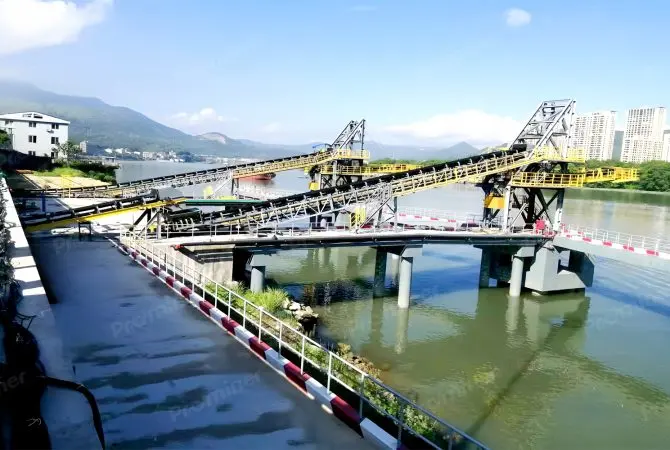
Kami dapat menyediakan solusi conveyor sabuk untuk berbagai tujuan termasuk conveyor sabuk yang sangat miring
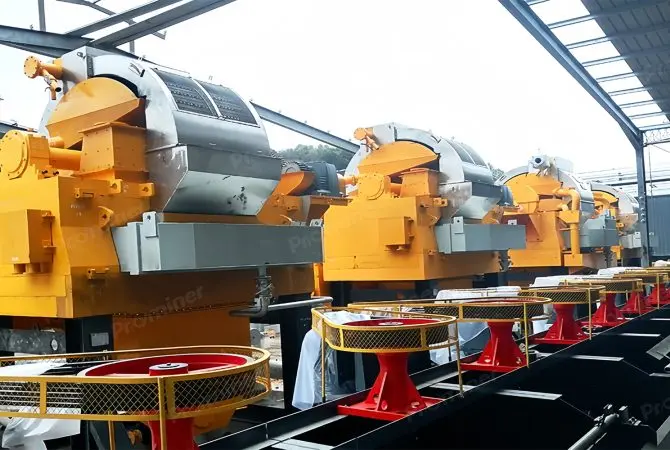
Prominer dapat menyediakan separator magnet HIMS (Separator Magnet Intensitas Tinggi) yang berbeda
Untuk mengetahui lebih lanjut tentang produk dan solusi kami, silakan isi formulir di bawah ini dan salah satu ahli kami akan menghubungi Anda segera
Proyek Flotasi Emas 3000 TPD di Provinsi Shandong
2500TPD Flotasi Bijih Lithium di Sichuan
Fax: (+86) 021-60870195
Alamat:No.2555, Jalan Xiupu, Pudong, Shanghai
Hak Cipta © 2023.Prominer (Shanghai) Mining Technology Co.,Ltd.


