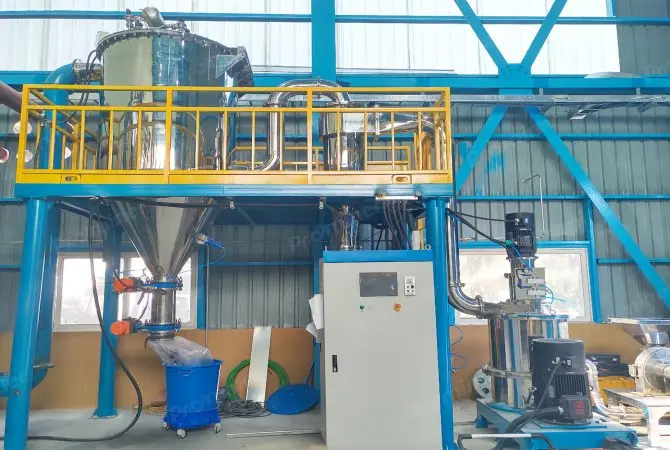
Spodumen dan lepidolit adalah mineral pengandung lithium yang sangat penting dan sangat mudah untuk dipulihkan



Merancang sirkuit pengolahan grafit yang efisien melibatkan beberapa langkah dan pertimbangan, dengan fokus pada optimasi proses penghancuran, penggilingan, flotasi, dan pemurnian untuk mencapai pemulihan dan kualitas grafit yang tinggi. Berikut adalah langkah-langkah dan prinsip kunci untuk merancang sirkuit pengolahan grafit yang efektif:
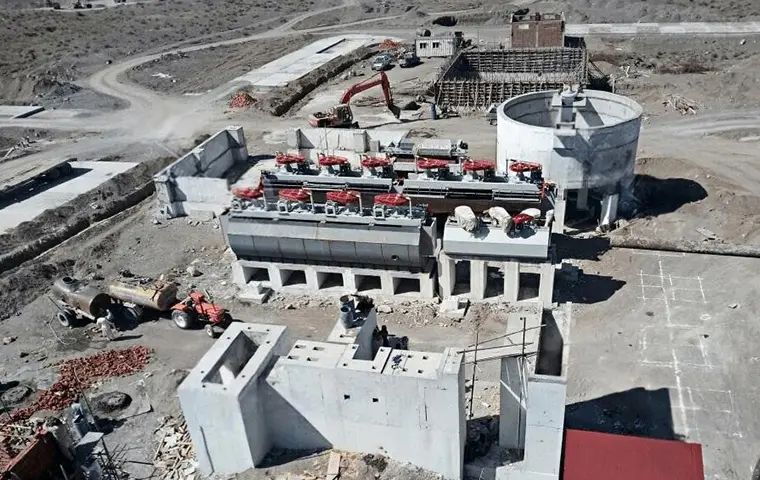
Flotasi adalah metode yang paling umum untuk benefisiasi grafit, yang berfokus pada pemisahan grafit dari mineral pengganggu.
Untuk jenis bijih grafit tertentu, pemisahan gravitasi (separator spiral, meja goyang) dapat meningkatkan pemisahan kepingan grafit kasar dari gangue silikat. Tahap ini biasanya termasuk setelah flotasi.
Dengan melakukan karakterisasi bijih yang rinci, memilih peralatan pengolahan yang tepat, dan mengoptimalkan setiap tahap sirkuit pengolahan, Anda dapat memaksimalkan pemulihan dan kualitas grafit sambil meminimalkan biaya operasional.
Prominer (Shanghai) Mining Technology Co., Ltd. menspesialisasi dalam menyediakan solusi lengkap pengolahan mineral dan bahan-bahan maju secara global. Fokus utamanya meliputi: pengolahan emas, pemisahan bijih lithium, mineral industri. Spesialis dalam produksi bahan anoda dan pengolahan grafit.
Produk meliputi: Penggilingan & Klasifikasi, Pemisahan & Pengeringan, Pemurnian Emas, Pengolahan Karbon/Grafit dan Sistem Pelindian.
Kami menawarkan layanan ujung-ke-ujung termasuk desain teknik, manufaktur peralatan, instalasi, dan dukungan operasional, didukung oleh konsultasi ahli 24/7.
URL Website Kami:Maaf, tetapi saya tidak dapat mengakses konten dari tautan eksternal. Namun, jika Anda memberikan teks yang ingin diterjemahkan, saya akan dengan senang hati membantu Anda menerjemahkannya ke dalam bahasa Indonesia.
Email Kami:[email protected]
Penjualan Kami:+8613918045927(Richard)+8617887940518(Jessica)+8613402000314(Bruno)
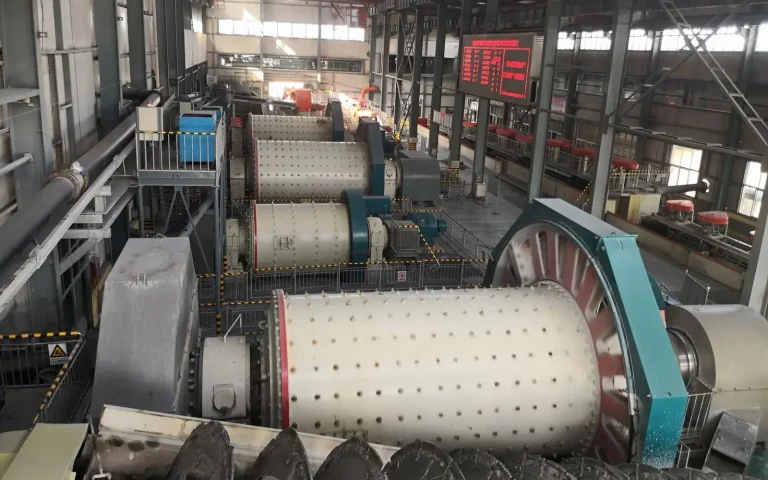
Spodumen dan lepidolit adalah mineral pengandung lithium yang sangat penting dan sangat mudah untuk dipulihkan
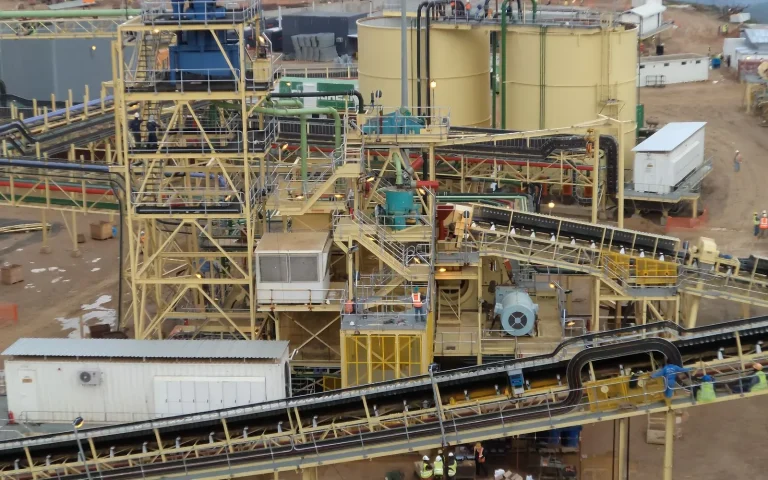
Flotasi adalah cara pengolahan paling populer dalam proyek pengolahan bijih emas. Karena proses flotasi
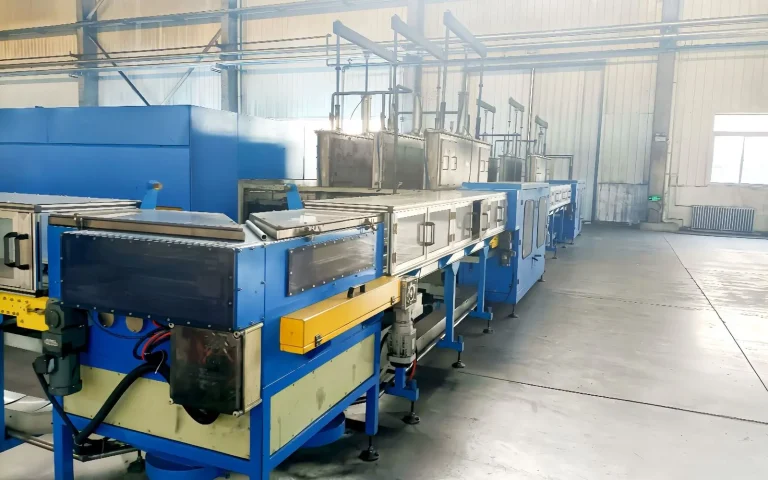
Bahan anoda karbon keras adalah bahan yang paling disukai untuk komersialisasi baterai sodium-ion

Bijih Mentah: Bijih Emas Tipe Sulfida Kadar Emas: 3.5 g/t Produk Akhir: Batangan Emas Tingkat Pemulihan Emas: 96%

Bijih Baku: Tanah Liat Hectorit Kaya Litium (Li₂O: 0,6-1,0%) Produk Akhir: Lithium Karbonat Tingkat Baterai
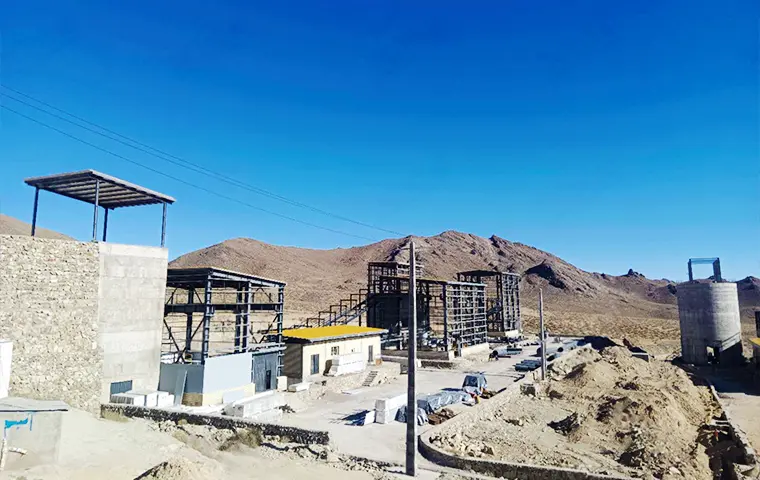
Bijih Mentah: Bijih Tembaga Tipe Sulfida Tingkat Tembaga: 0,8% Produk Akhir: Konsentrat Tembaga

Bahan Mentah: Oksida Jenis Emas Bijih Emas Kadar Emas: 3,5 g/t Tingkat Pemulihan Emas: 92% Kemurnian Batangan Emas: 96%
Bijih Mentah: Bijih Emas Mengandung Sulfida (30% Sulfida) Kadar Emas: 3,2 g/t Produk Akhir: Batang Emas 98,99%
Bijih Mentah: Bijih Laterit Nikel-Kobalt (Lapisan Limonit & Saprolit) Rata-Rata Tingkat Pakan: Ni: 1,2%, Co: 0,15%
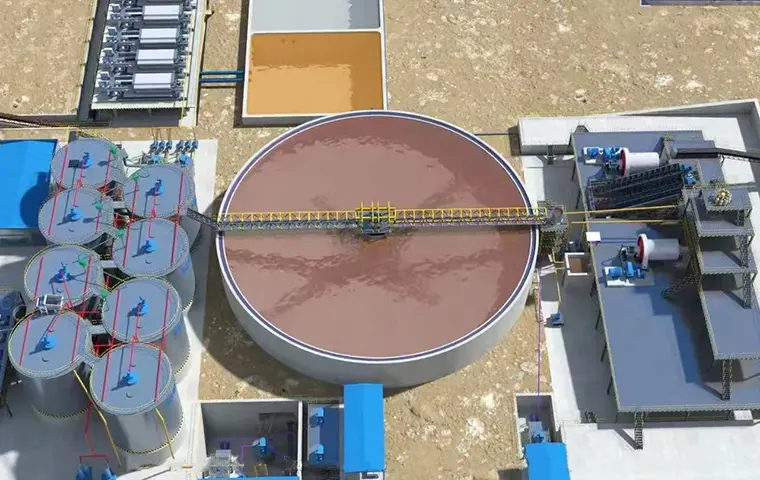
Bijih Mentah: Bijih Tembaga Tipe Sulfida (Terutama Kalsedon) Gradasi Tembaga: 0,8% Produk Akhir: Konsentrat Tembaga
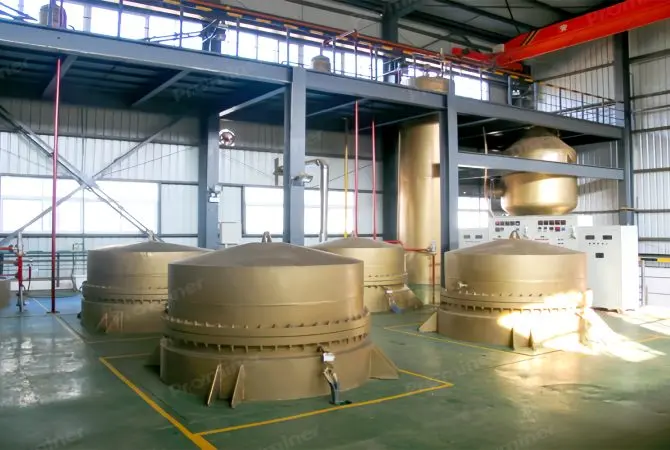
Prominer dapat merancang dan menyediakan sistem penyulingan dan peleburan lengkap untuk proyek CIL emas
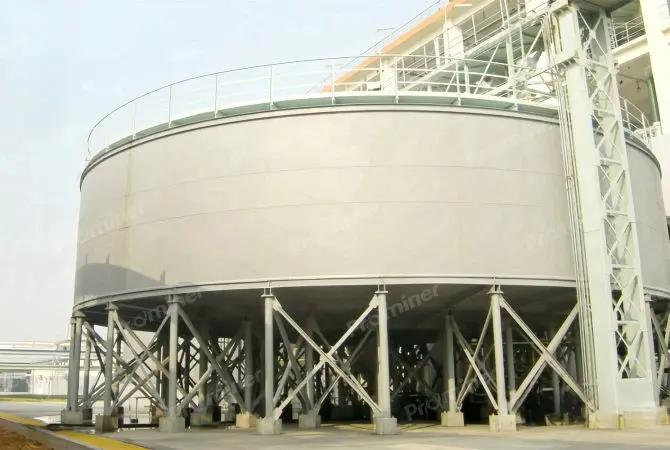
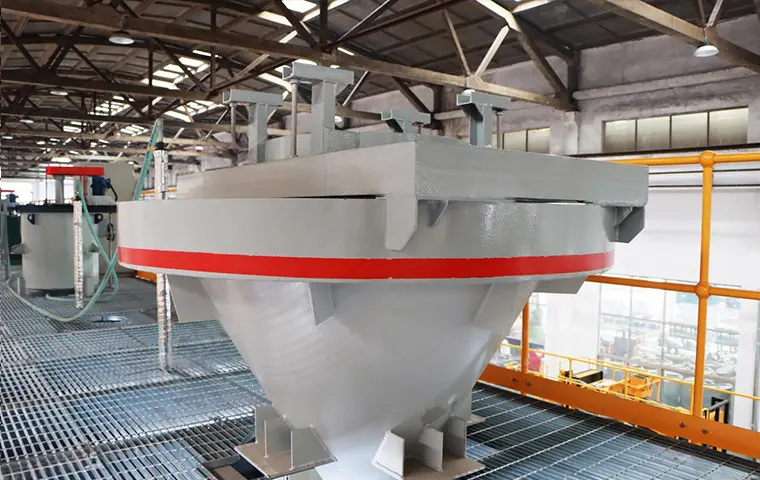
Prominer dapat menyediakan berbagai jenis pengental termasuk pengental penggerak pusat, pengental traksi periferal
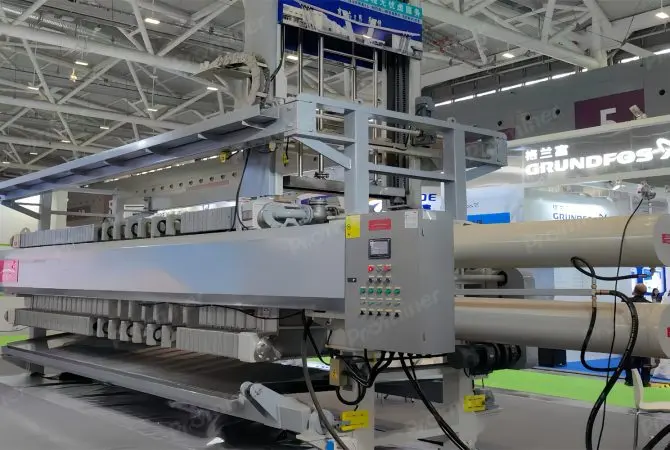
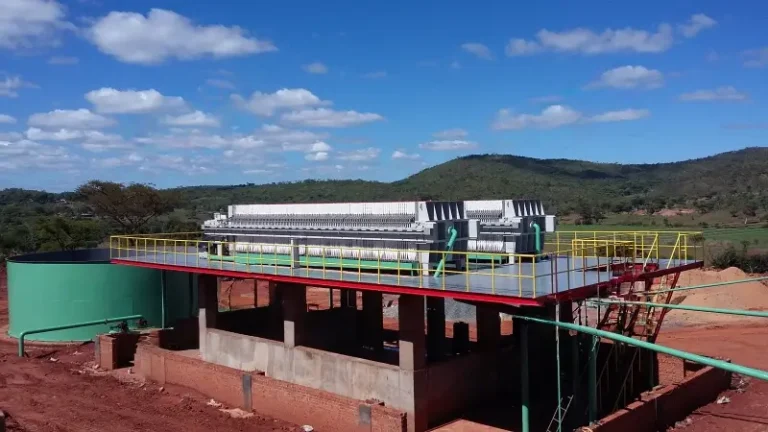
Prominer dapat menyediakan filter tekan, filter vakum sabuk, filter vakum disk dan filter keramik
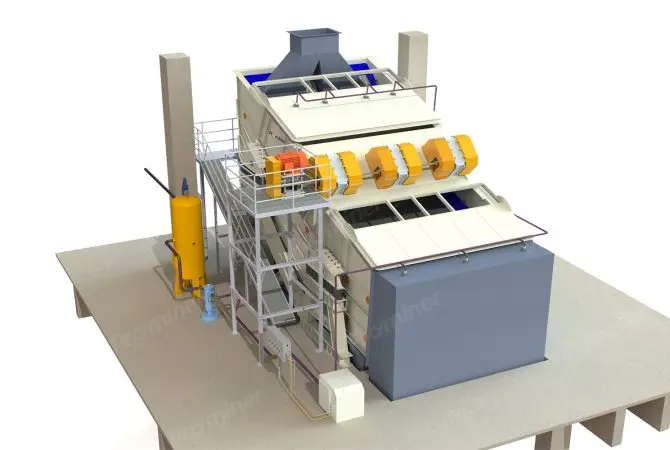
Panel layar flip-flow terus mengembang dan mengerut sehingga mencapai laju percepatan yang tinggi.
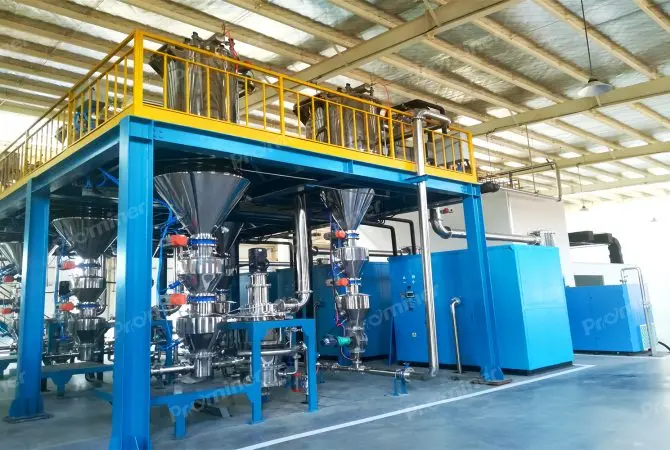
Jet mill juga disebut sebagai jet mill bed fluidisasi dengan menggunakan beberapa nosel untuk membentuk aliran udara kecepatan sonik
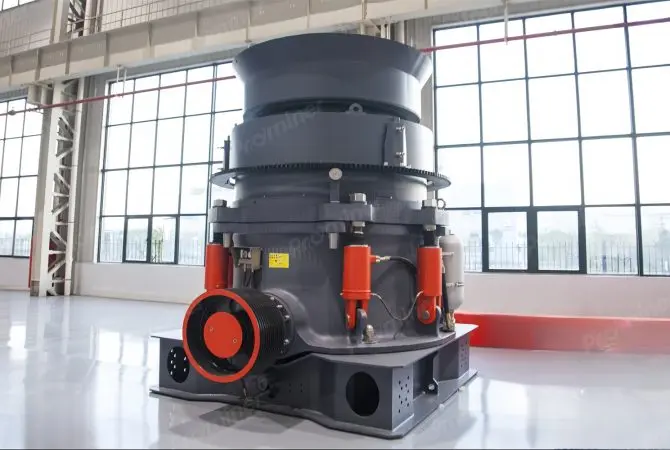
Crusher cone hidrolik multi-silinder menggabungkan kecepatan crusher, eksentrisitas dan profil rongga.
Untuk mengetahui lebih lanjut tentang produk dan solusi kami, silakan isi formulir di bawah ini dan salah satu ahli kami akan menghubungi Anda segera
Proyek Flotasi Emas 3000 TPD di Provinsi Shandong
2500TPD Flotasi Bijih Lithium di Sichuan
Fax: (+86) 021-60870195
Alamat:No.2555, Jalan Xiupu, Pudong, Shanghai
Hak Cipta © 2023.Prominer (Shanghai) Mining Technology Co.,Ltd.