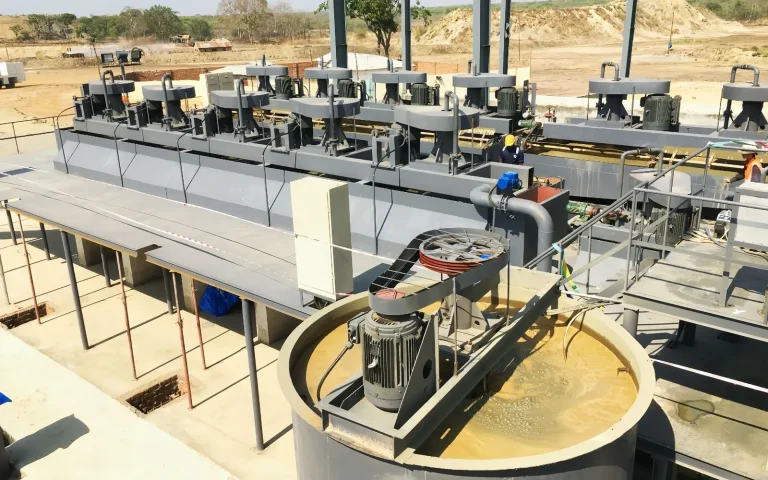
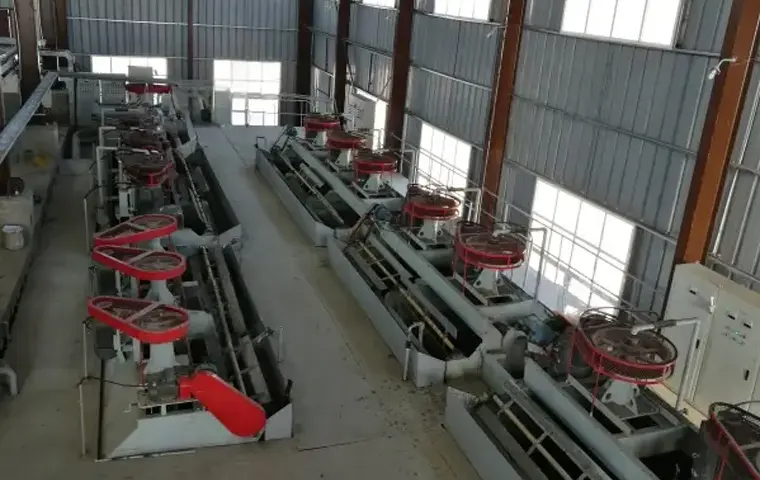
Memberikan peralatan penting dalam proses pengolahan bijih emas, seperti Sistem CIL/CIP, Sel Pengapungan...


/
/
Bagaimana Memisahkan Tembaga- Timbal- Zink dalam Bijih Sulfida Menggunakan Flotasi Selektif?


Bijih sulfida tembaga-timbal-seng (Cu-Pb-Zn) merupakan salah satu endapan polimetalik yang paling umum dan memiliki nilai ekonomi tinggi. Karena logam-logam ini sering muncul bersamaan dalam fase mineral yang berdekatan—seperti kalkopirit (CuFeS₂), galena (PbS), dan sphalerit (ZnS)—pemisahan mereka bisa menjadi tantangan teknis.
Flotasi selektif adalah metode yang paling banyak digunakan dan efektif untuk memisahkan mineral sulfida ini. Artikel ini menjelaskan prinsip, alur proses, reagen, dan pertimbangan operasional utama untuk berhasil memisahkan tembaga, timbal, dan seng dari bijih sulfida.
Sebelum merancang proses flotasi, sangat penting untuk melakukan studi mineralogi yang mendetail. Aspek utama meliputi:
Tembaga biasanya ada sebagai:
Timbal terutama terjadi sebagai:
Zinc biasanya muncul sebagai:
Karena galena dan kalkopirit memiliki daya apung yang serupa, dan sfalerit dapat diaktifkan oleh ion tembaga, pemisahan yang selektif memerlukan pengendalian reagen yang tepat.
Pengapungan selektif bekerja dengan:
Pemisahan bergantung pada perbedaan dalam kimia permukaan, yang dimanipulasi menggunakan bahan bantu flotation seperti:
Strategi proses yang paling umum adalahflokulasi berurutan, biasanya dalam urutan ini:
Namun, di banyak tanaman,flotasi massal Cu-Pb diikuti dengan pemisahan, dan kemudian flotasi Zn, lebih disukai.
Bijih dihancurkan dan digiling untuk melepaskan mineral berharga dari gangue. Liberasi yang tepat sangat penting untuk pemisahan yang efektif.
Dalam banyak operasi, tembaga dan timbal pertama kali didolkisikan bersama sebagai konsentrat besar.
Reagen yang digunakan:
Sulfida seng dan besi ditekan selama tahap ini dengan menggunakan:
Setelah memperoleh konsentrat bulk Cu-Pb, flotasi selektif digunakan untuk memisahkan keduanya.
Pilihan A: Depress Lead, Float Copper
Tembaga mengapung sementara galena tertekan.
Pilihan B: Depresikan Tembaga, Apungkan Timbal
Pilihan tergantung pada mineralogi, batasan lingkungan, dan ketersediaan bahan perekat.
Setelah menghilangkan tembaga dan timbal, seng didapatkan dari tailing.
Karena sphalerit sering tertekan selama tahap awal, harus diaktifkan sebelum flotasi.
Aktivasi:
Kolektor:
Pengontrolan pH:
Keberhasilan flotasi selektif bergantung pada pengendalian yang tepat dari:
Sistem pemantauan daring dan sistem penambahan reagen otomatis biasanya digunakan di pabrik modern untuk menjaga kestabilan.
Masalah: Ion tembaga yang terlarut mengaktifkan seng secara prematur.
Solusi:
Masalah: Pembebasan yang buruk mengurangi selektivitas.
Solusi:
Masalah: Respon flotasi yang berkurang.
Solusi:
Masalah: Penggunaan sianida dan dikromat dibatasi.
Solusi:
Meskipun diagram alir bervariasi, strategi yang umum dan efektif adalah:
Pengujian percobaan sangat disarankan sebelum merampungkan desain proses, karena setiap tubuh bijih berperilaku berbeda.
Memisahkan tembaga, timbal, dan seng dari bijih sulfida menggunakan flotasi selektif memerlukan rangkaian proses yang dirancang dengan baik, pemilihan bahan kimia yang tepat, dan pengendalian proses yang akurat. Kuncinya terletak pada memanipulasi kimia permukaan mineral agar dapat mengapung secara selektif satu mineral sambil menekan mineral lainnya.
Dengan analisis mineralogi yang tepat, pengujian laboratorium, dan skema zat pengganggu yang dioptimalkan, konsentrat tembaga, timah, dan seng berkualitas tinggi dapat diproduksi secara efisien, memaksimalkan perolehan logam dan keuntungan ekonomi.
A: Karakteristik mineral bervariasi secara signifikan bahkan dalam tubuh bijih yang sama. Uji profesional (seperti analisis kimia, XRD, dan SEM) memastikan bahwa diagram alir dioptimalkan untuk grade bijih dan ukuran liberasi spesifik Anda. Ini mencegah ketidakcocokan peralatan yang mahal dan menjamin tingkat pemulihan tertinggi yang mungkin untuk proyek Anda.
A: Kami menjaga stok permanen suku cadang inti (seperti pelapis crusher, jaring saringan, dan media penggilingan). Untuk klien internasional, kami menyediakan “daftar suku cadang yang direkomendasikan selama 2 tahun” dengan pembelian awal. Dukungan teknis tersedia 24/7 melalui video jarak jauh, dan kunjungan lokasi dapat diatur untuk kebutuhan pemeliharaan yang kompleks.
A: Ya. Kami mengirim tim insinyur mekanik dan elektrik senior ke lokasi untuk mengawasi pemasangan, komisioning, dan pengujian beban peralatan. Kami juga menyediakan pelatihan lengkap di lokasi untuk operator lokal Anda untuk memastikan operasi jangka panjang yang lancar.
A: Tentu saja. Kami mengkhususkan diri dalam menyediakan layanan EPCM (Rekayasa, Pengadaan, Manajemen Konstruksi). Ini termasuk segala hal mulai dari pengujian bijih awal dan desain tambang hingga manufaktur peralatan, logistik, dan integrasi pabrik skala penuh, memastikan transisi yang lancar dari lahan hijau ke produksi.
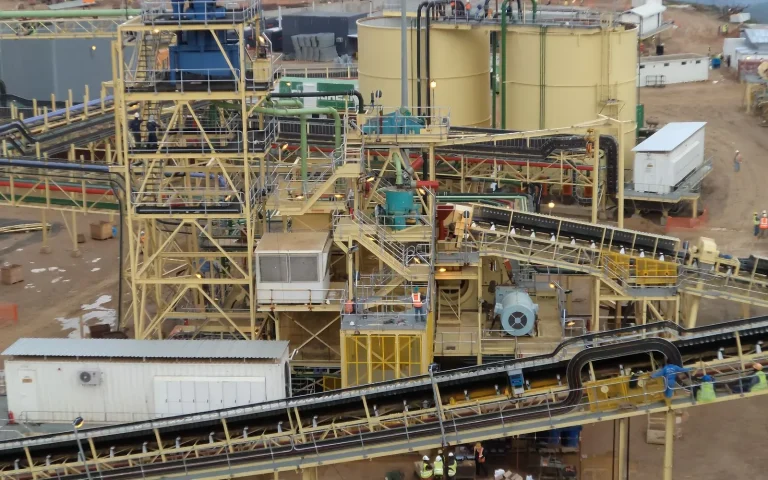
Memberikan peralatan penting dalam proses pengolahan bijih emas, seperti Sistem CIL/CIP, Sel Pengapungan...
Flotasi adalah cara pengolahan paling populer dalam proyek pengolahan bijih emas. Karena proses flotasi

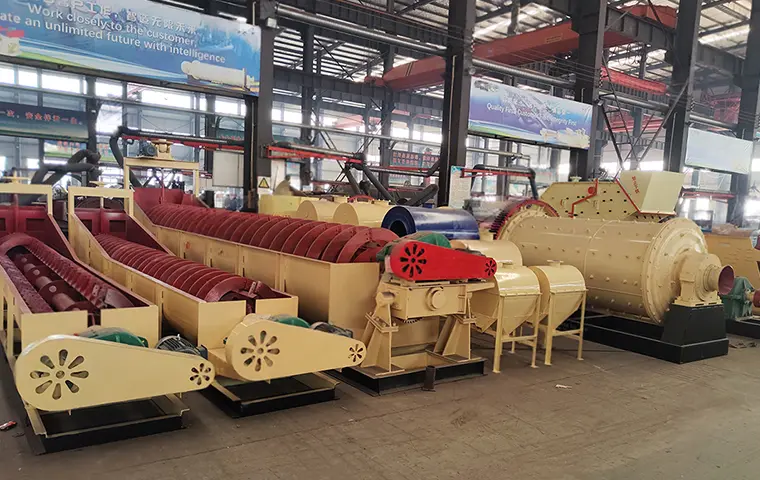
Bijih Mentah: Bijih Emas Aluvial & Bijih Emas Hard Rock Primer (Kemampuan Pakan Campuran) Kadar Emas Pakan: 1,2 – 3,5 g/t (variabel)
Bijih Mentah: Bijih emas aluvial dari dasar sungai Gradasi Emas: 0,8 g/t
Bahan Mentah: Bijih Molibdenum Tipe Sulfida (Terutama Molibdenit) Kadar Mo: 0,15% Kadar Konsentrat: 45% Mo
Bahan Baku: Bijih Fluorit (CaF₂) Derajat Fluorit: 35-40% Derajat Konsentrat: ≥97% CaF₂
Bahan Baku: Grafit Sferis, Ikatan Pitch, Aditif Kapasitas Proyek: 5.000 ton material anoda; 20 ton grafena per tahun
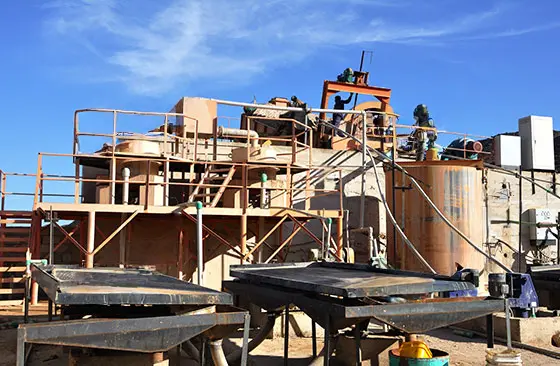
Bijih Baku: Bijih Emas-Tembaga Sulfida (rasio Au-Cu: 1:1,2) Kadar Emas: 2,8 g/t Kadar Tembaga: 0,85%
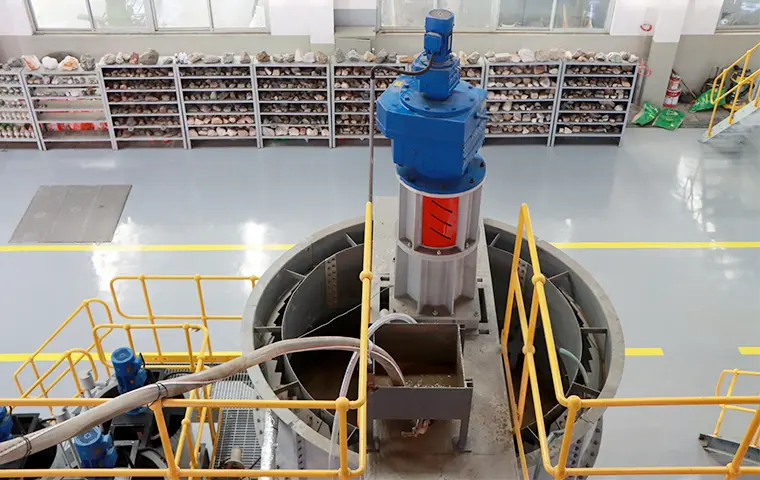
Bijih Mentah: Bijih Fosfat Silika Tinggi P2O5 Kadar: 22% Kandungan SiO2: 35%
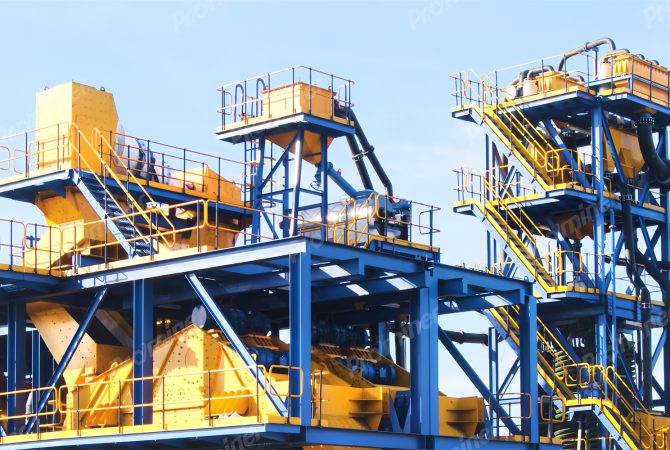
Prominer dapat menyediakan berbagai separator magnetik LIMS (Low Intensity Magnetic separator)
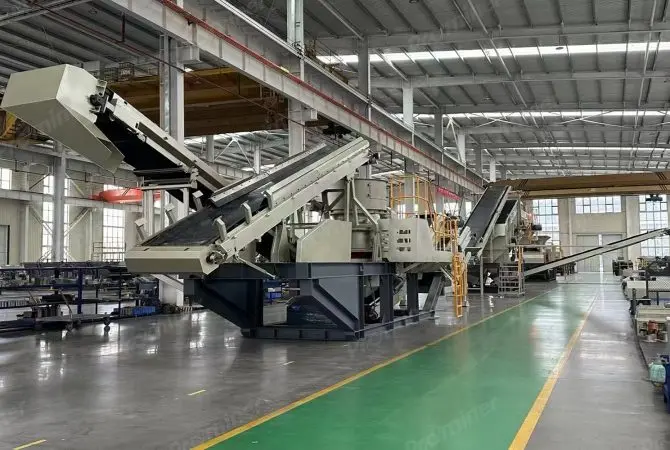
Crusher Portabel tertahan, berdasarkan kebutuhan pasar untuk perpindahan yang lebih mudah dari satu lokasi.
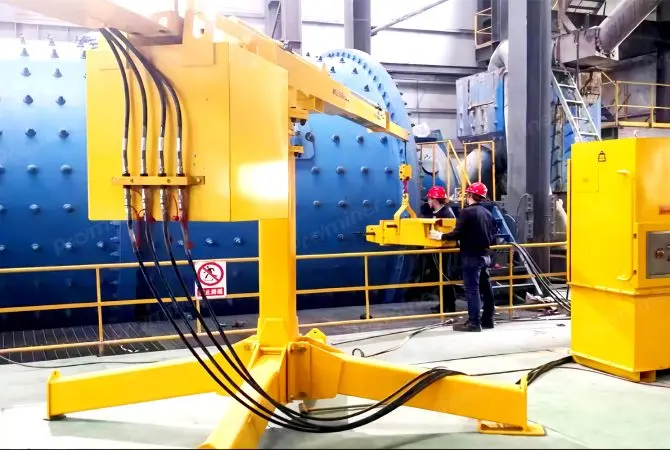
Kami dapat memproduksi Palu Baut yang sangat otomatis dan kuat tanpa recoil untuk menghapus
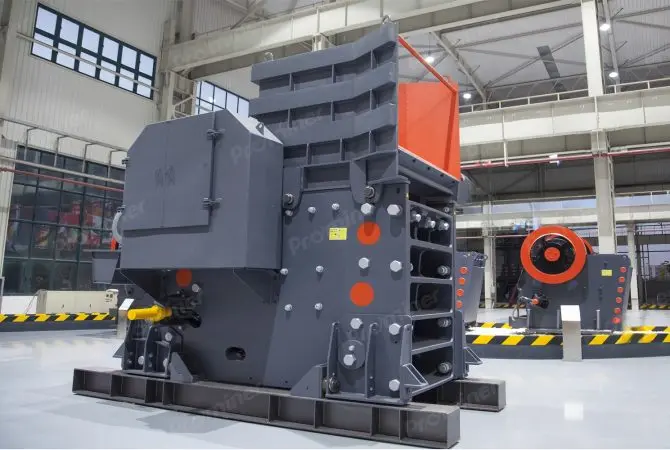
Mesin Penghancur Rahang, ukuran bukaan menentukan ukuran makanan maksimumnya. Ruang penghancuran dari penggiling rahang
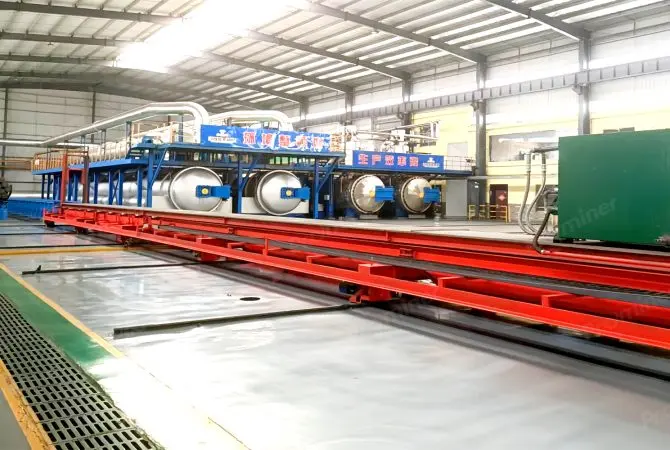
Kami dapat menyediakan impregnasi tekanan tinggi tipe hot-in dan cold-out dari grafit yang sudah dipanggang
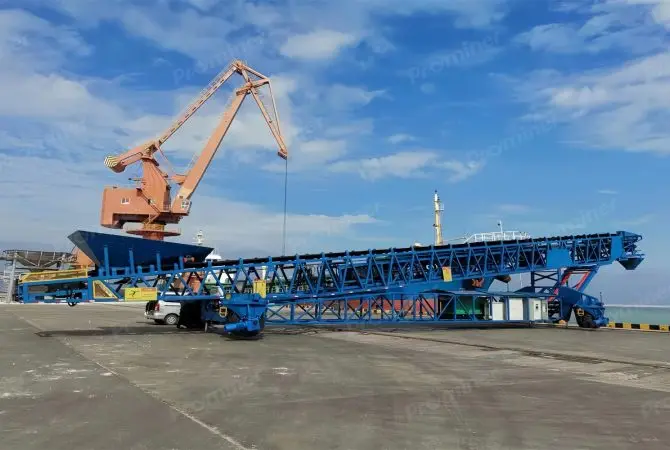
Tim insinyur kami dapat merancang dan memproduksi stacker radial tipe mobile, loader
Untuk mengetahui lebih lanjut tentang produk dan solusi kami, silakan isi formulir di bawah ini dan salah satu ahli kami akan menghubungi Anda segera
Proyek Flotasi Emas 3000 TPD di Provinsi Shandong
2500TPD Flotasi Bijih Lithium di Sichuan
Fax: (+86) 021-58779592
Alamat:Kamar 606, Gedung D3, Fase II, Pusat Bisnis Chuansha, 777 Long, Jalan Miaochuan, Pudong Baru, Shanghai, Tiongkok
Hak Cipta © 2023.Prominer (Shanghai) Mining Technology Co.,Ltd.