

Memberikan peralatan penting dalam proses pengolahan bijih emas, seperti Sistem CIL/CIP, Sel Pengapungan...



Metode pengolahan fosfat yang digunakan untuk memaksimalkan tingkat dan pemulihan tergantung pada komposisi mineralogi, kontaminan, dan ukuran partikel bijih. Berikut adalah beberapa metode yang efektif dan umum digunakan untuk pengolahan bijih fosfat yang mengoptimalkan tingkat dan pemulihan:
Froth flotation is the most widely used and effective method for maximizing phosphate grade and recovery, especially for fine-grained ores. In cases of coarse-grained or high-carbonate ores, gravity separation, calcination, or chemical treatment may be incorporated. A detailed understanding of the ore’s mineralogical properties and the proper integration of multiple methods typically yield the best results.
Prominer (Shanghai) Mining Technology Co., Ltd. menspesialisasi dalam menyediakan solusi lengkap pengolahan mineral dan bahan-bahan maju secara global. Fokus utamanya meliputi: pengolahan emas, pemisahan bijih lithium, mineral industri. Spesialis dalam produksi bahan anoda dan pengolahan grafit.
Produk meliputi: Penggilingan & Klasifikasi, Pemisahan & Pengeringan, Pemurnian Emas, Pengolahan Karbon/Grafit dan Sistem Pelindian.
Kami menawarkan layanan ujung-ke-ujung termasuk desain teknik, manufaktur peralatan, instalasi, dan dukungan operasional, didukung oleh konsultasi ahli 24/7.
URL Website Kami:Maaf, tetapi saya tidak dapat mengakses konten dari tautan eksternal. Namun, jika Anda memberikan teks yang ingin diterjemahkan, saya akan dengan senang hati membantu Anda menerjemahkannya ke dalam bahasa Indonesia.
Email Kami:[email protected]
Penjualan Kami:+8613918045927(Richard)+8617887940518(Jessica)+8613402000314(Bruno)
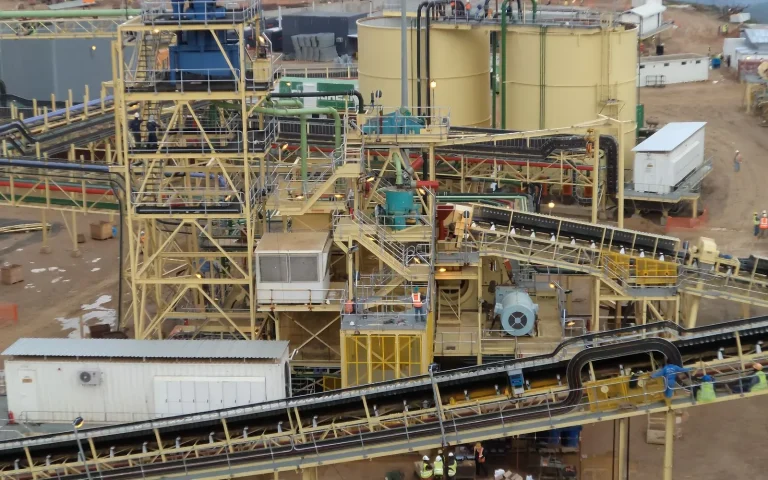
Memberikan peralatan penting dalam proses pengolahan bijih emas, seperti Sistem CIL/CIP, Sel Pengapungan...
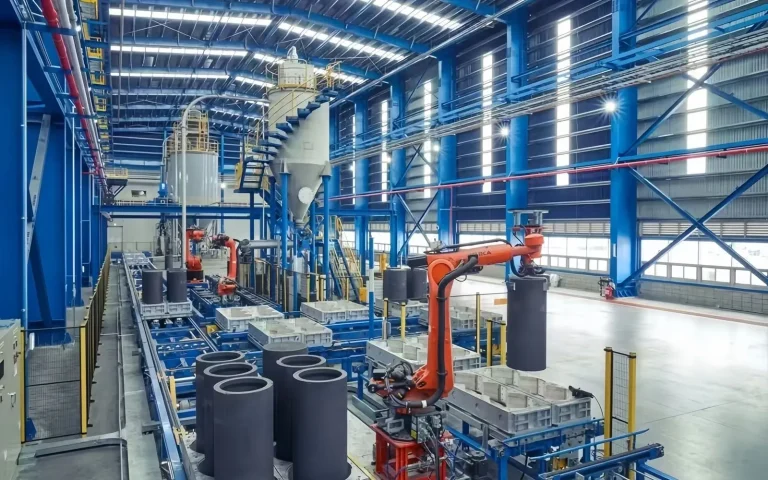
Berikut solusi lengkap pembuatan material anoda grafit, termasuk penggilingan, pembentukan, pemurnian...
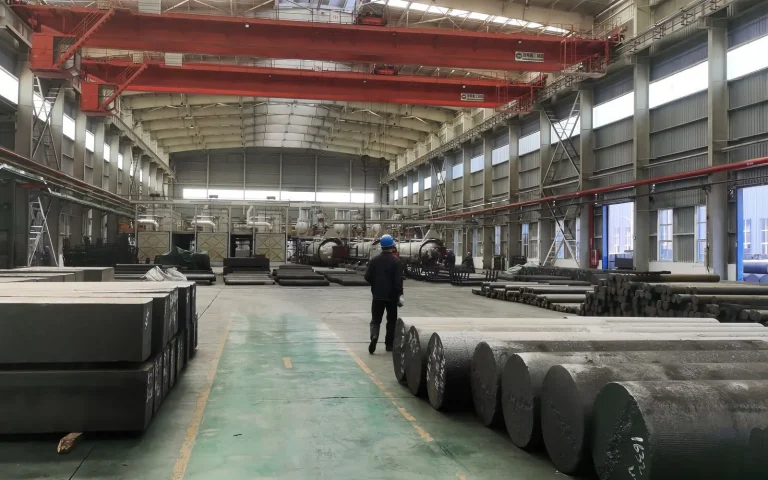
Elektroda grafit UHP terutama digunakan untuk tungku busur listrik daya ultra tinggi dalam industri peleburan baja

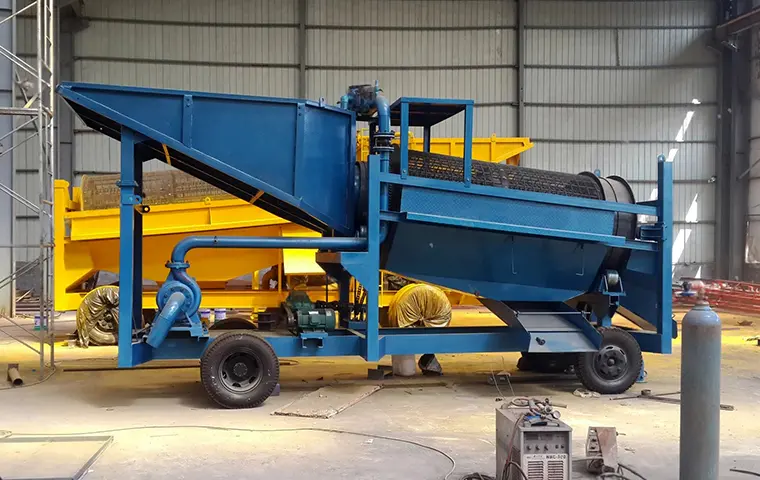
Bijih Mentah: Bijih emas aluvial dari endapan dasar sungai dan teras Kadar Emas: 1,5 g/t Tingkat Pemulihan Emas: 92%
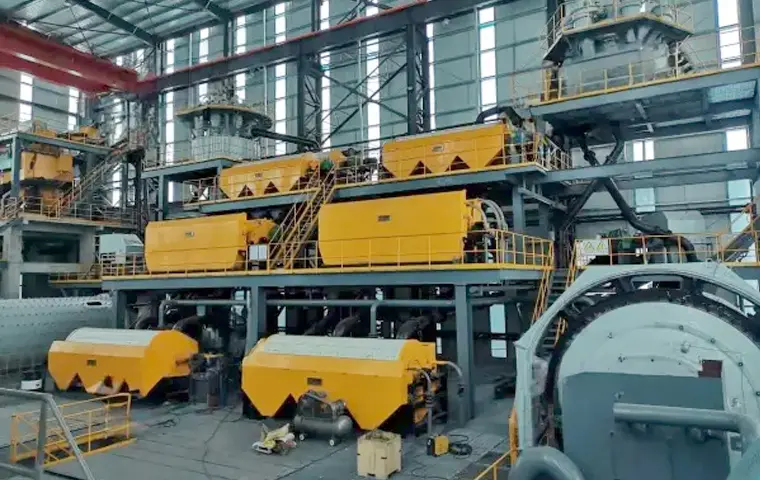
Bijih Baku: Bijih Besi Magnetit dengan Pencampuran Hematit Kadar Besi: 28-32% Produk Akhir: Konsentrat Besi Berkualitas Tinggi
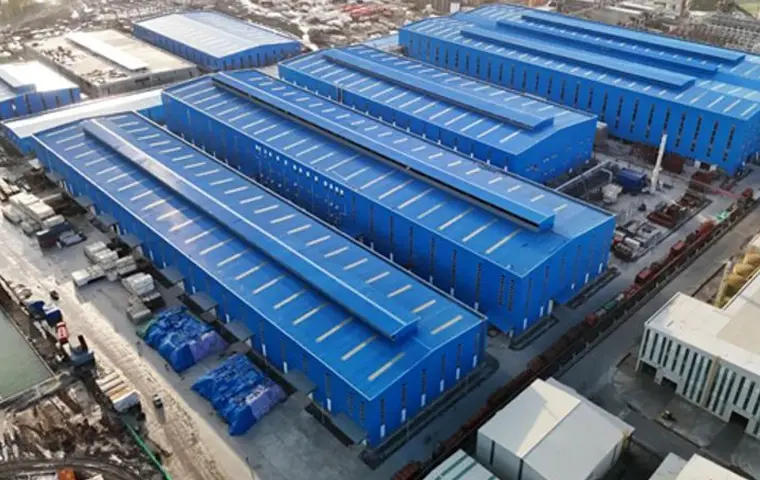
Bahan Baku: Koks Minyak, Koks Jarum, Pengikat Pitch Kapasitas Proyek: 50.000 Ton Per Tahun
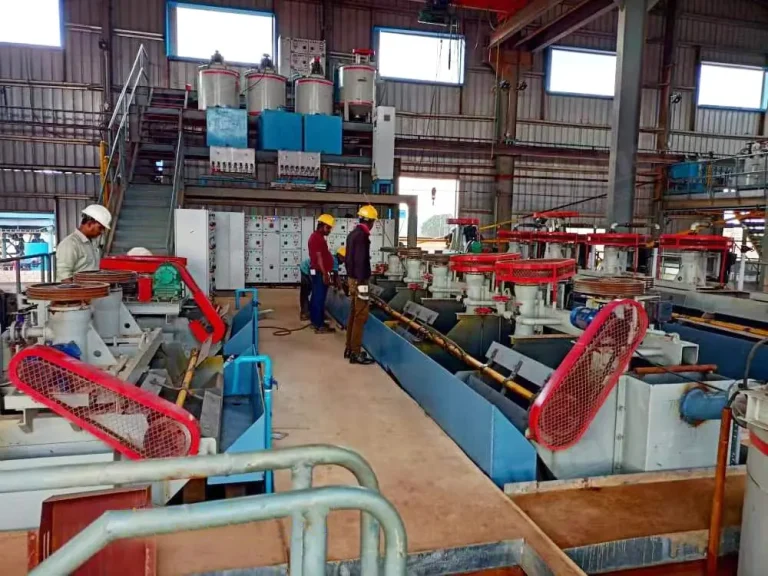
Bijih Baku: Bijih Sulfida Primer (Pirit Tembaga-Bornit) Kadar Tembaga: 0,72% Kadar Konsentrat: 28,3%
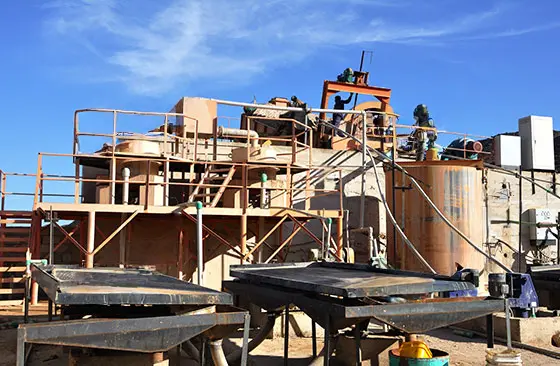
Bijih Baku: Bijih Emas-Tembaga Sulfida (rasio Au-Cu: 1:1,2) Kadar Emas: 2,8 g/t Kadar Tembaga: 0,85%
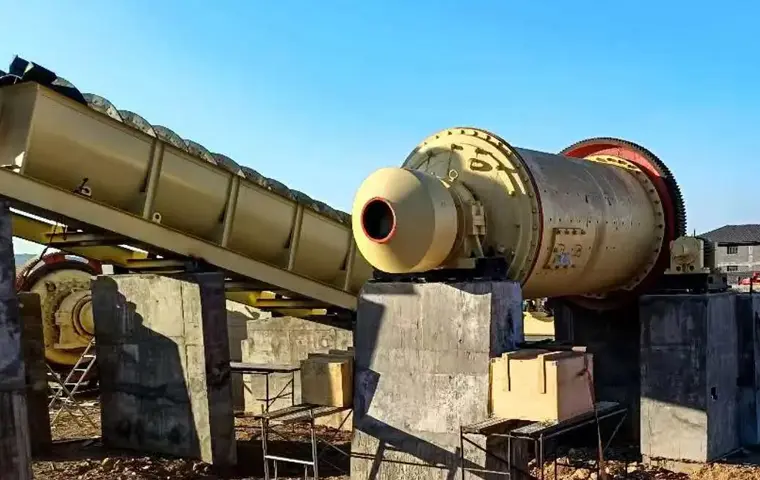
Bahan Mentah: Bijih Emas Tipe Oksida Kadar Emas: 2,5 g/t Kemurnian Batangan Emas: 96%
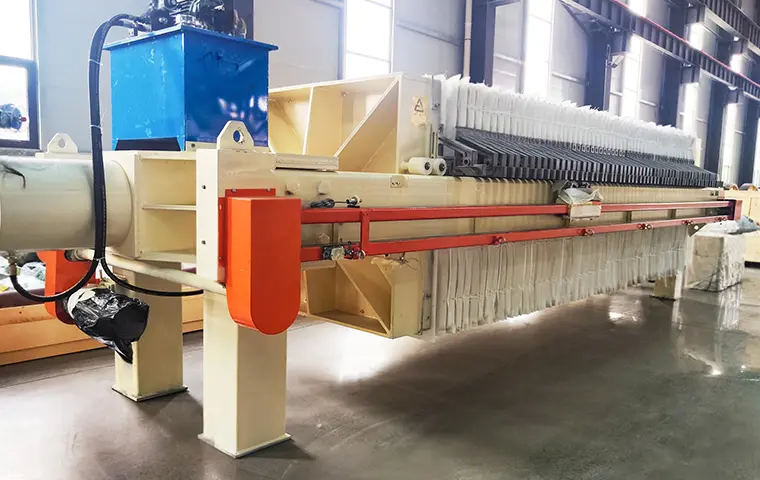
Latar Belakang Proyek: Peningkatan sirkuit pengeringan untuk konsentrat flotasi dan tailing pabrik untuk mengurangi kandungan air dan memungkinkan pembuangan tumpukan kering.
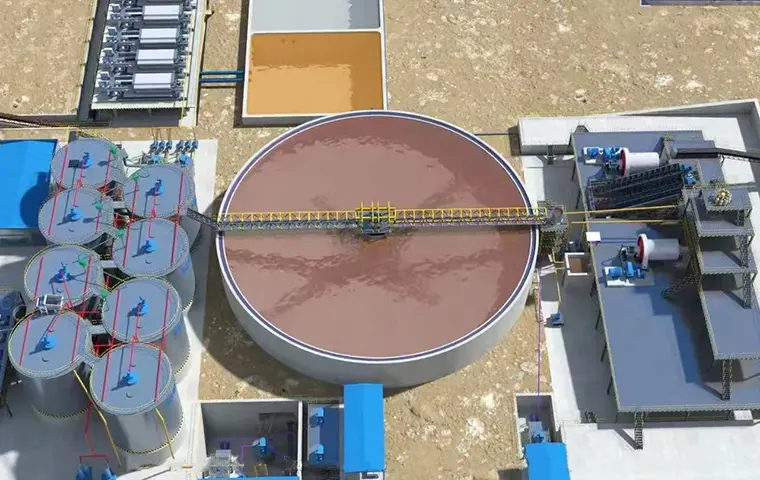
Bijih Mentah: Bijih Tembaga Tipe Sulfida (Terutama Kalsedon) Gradasi Tembaga: 0,8% Produk Akhir: Konsentrat Tembaga
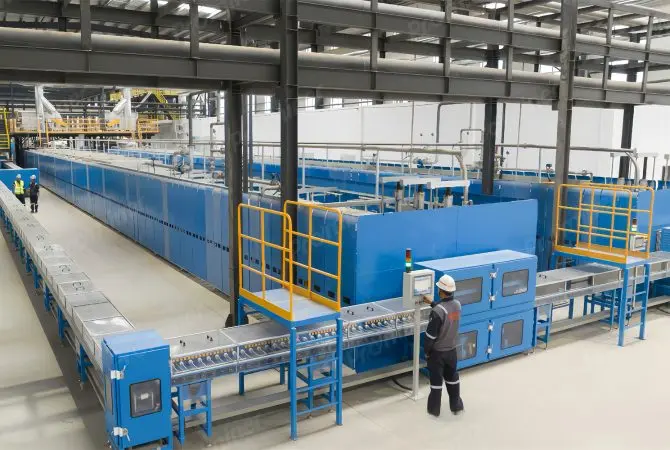
Kami dapat menyediakan solusi lengkap untuk sistem perlakuan karbonisasi suhu tinggi
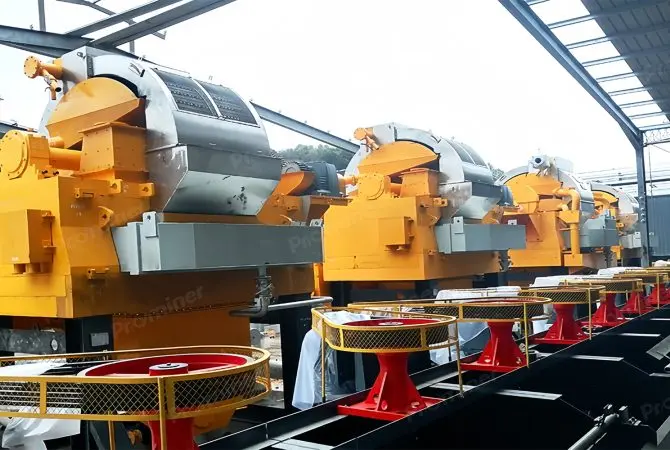
Prominer dapat menyediakan separator magnet HIMS (Separator Magnet Intensitas Tinggi) yang berbeda
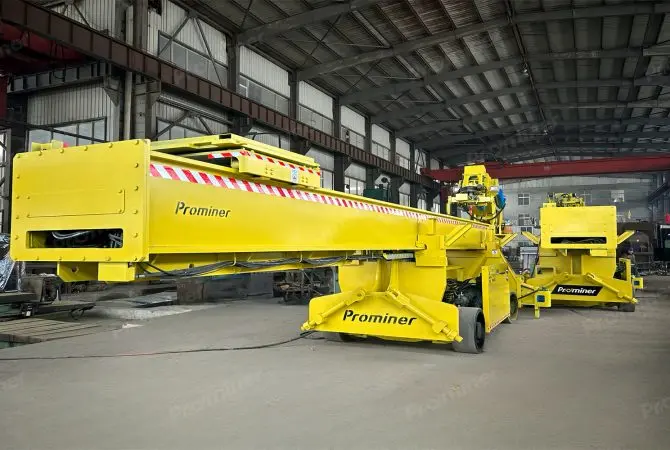
Kami dapat merancang dan memproduksi mesin pengganti mill (atau disebut manipulator pengganti mill)
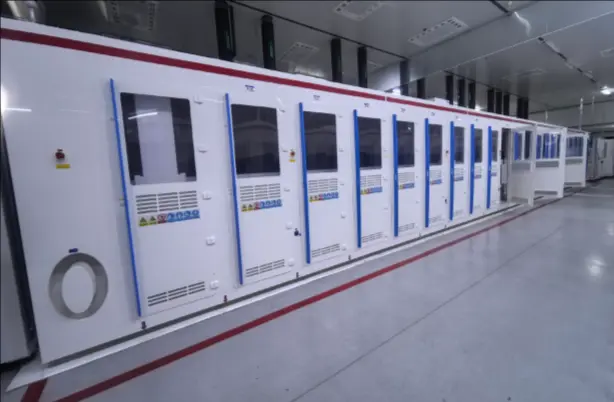
Termasuk: Peralatan Tekstur Batch Kristal Tunggal, Pengisi/Pengosong Tekstur Batch, Tekanan Rendah...
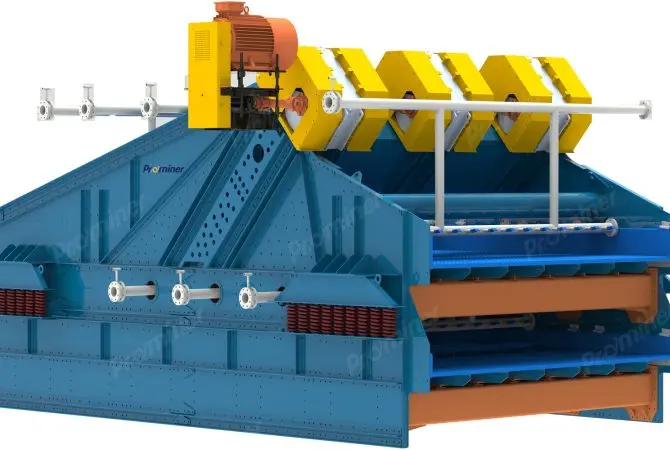
Prominer dapat menyediakan semua jenis layar linear untuk penggolongan mineral, pengukuran material, pengeringan.
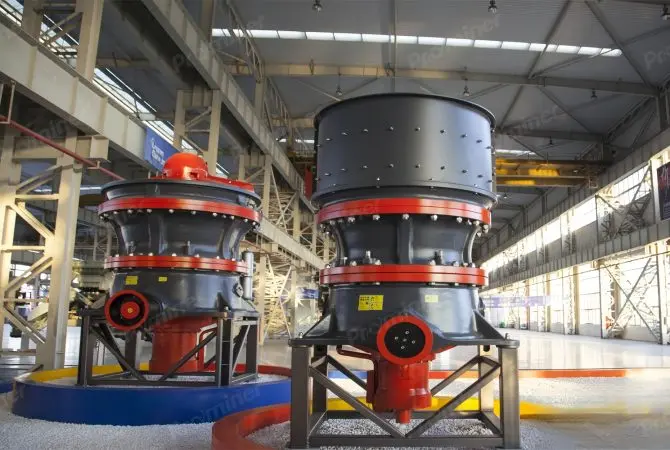
Crusher cone hidrolik tunggal memiliki dua seri berdasarkan rongga yang berbeda, rongga S dirancang.
Untuk mengetahui lebih lanjut tentang produk dan solusi kami, silakan isi formulir di bawah ini dan salah satu ahli kami akan menghubungi Anda segera
Proyek Flotasi Emas 3000 TPD di Provinsi Shandong
2500TPD Flotasi Bijih Lithium di Sichuan
Fax: (+86) 021-60870195
Alamat:No.2555, Jalan Xiupu, Pudong, Shanghai
Hak Cipta © 2023.Prominer (Shanghai) Mining Technology Co.,Ltd.


