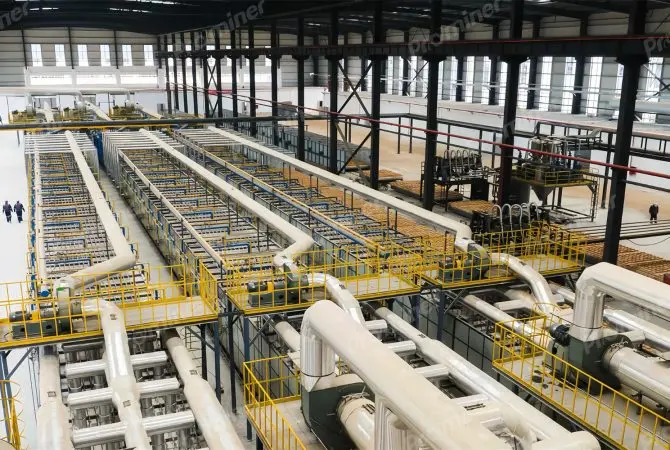
Materiał katodowy jest jednym z kluczowych materiałów decydujących o wydajności baterii litowo-jonowych



Odzyskiwanie drobnoziarnistego hematytu z kompleksowych rud może być wyzwaniem z powodu drobnoziarnistej natury hematytu oraz obecności zanieczyszczeń lub minerałów skały płonnej. Optymalizacja procesu odzysku polega na wyborze i połączeniu odpowiednich metod fizycznych, chemicznych i technologicznych. Poniżej przedstawione są powszechne strategie:
Najlepsze podejście zależy od mineralogii twojej rudy, rozkładu wielkości cząstek i dostępnych zasobów. Połączenie tradycyjnych i zaawansowanych technik może maksymalizować odzysk hematytu. Testy eksperymentalne są niezbędne do dostosowania rozwiązania do twojej konkretnej rudy.
Firma Prominer (Szanghaj) Mining Technology Co., Ltd. specjalizuje się w dostarczaniu kompleksowych rozwiązań w zakresie przeróbki minerałów i zaawansowanych materiałów na całym świecie. Nasze główne obszary działania obejmują: przeróbka złota, wzbogacanie rud litu, minerały przemysłowe. Specjalizujemy się w produkcji materiałów anodowych i przeróbce grafitu.
Produkty obejmują: mielenie i klasyfikację, separację i odwadnianie, rafinację złota, przetwarzanie węgla/grafitu oraz systemyługowania.
Oferujemy kompleksowe usługi, w tym projektowanie inżynierskie, produkcję urządzeń, instalację oraz wsparcie operacyjne, wspierane przez konsultacje ekspertów 24/7.
Nasz adres strony internetowej:https://www.prominetech.com/
Naszy adres e-mail:[email protected]
Nasza sprzedaż:+8613918045927(Richard),+8617887940518(Jessica),+8613402000314(Bruno)
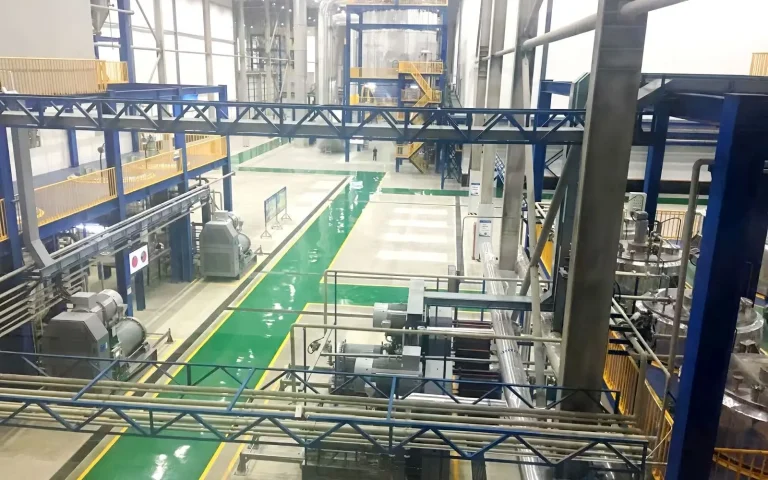
Materiał katodowy jest jednym z kluczowych materiałów decydujących o wydajności baterii litowo-jonowych
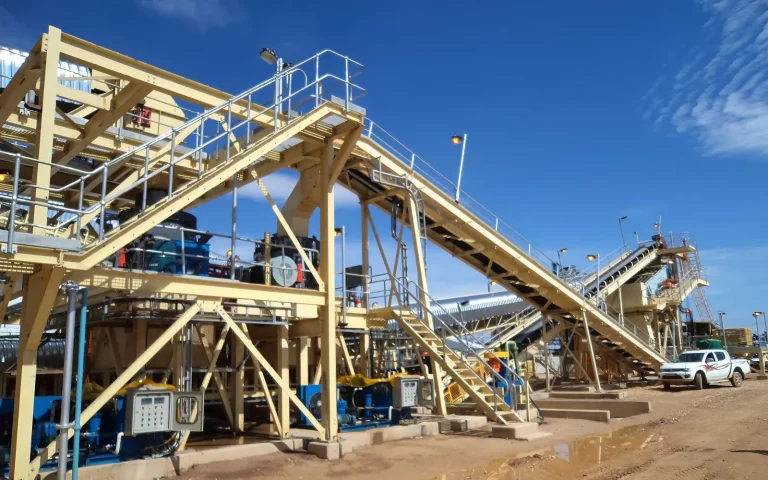
Leaching w zbiornikach to dobry wybór dla właściciela projektu, aby rozpocząć na początkowym etapie, aby zaoszczędzić inwestycje
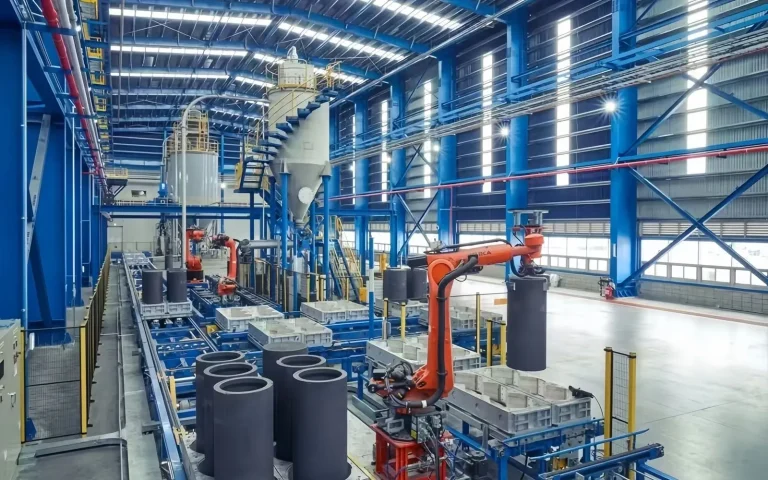
Prominer może zapewnić kompleksowe rozwiązanie do produkcji materiałów anodowych z naturalnego grafitu, w tym mielenie

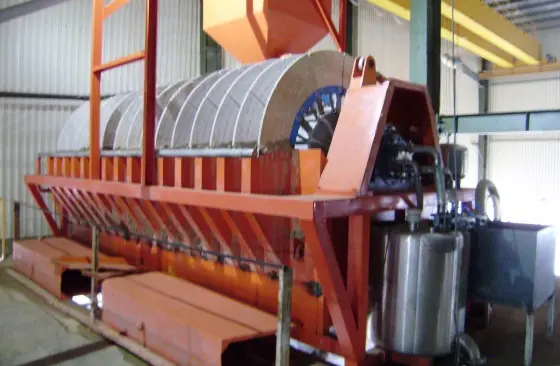
Klient: Producent piasków mineralnych ciężkich Surowiec: Stężenie ilmenitu (TiO₂ 52-55%) Produkt końcowy: TiO₂ klasy rutylowej (≥94% czystości)
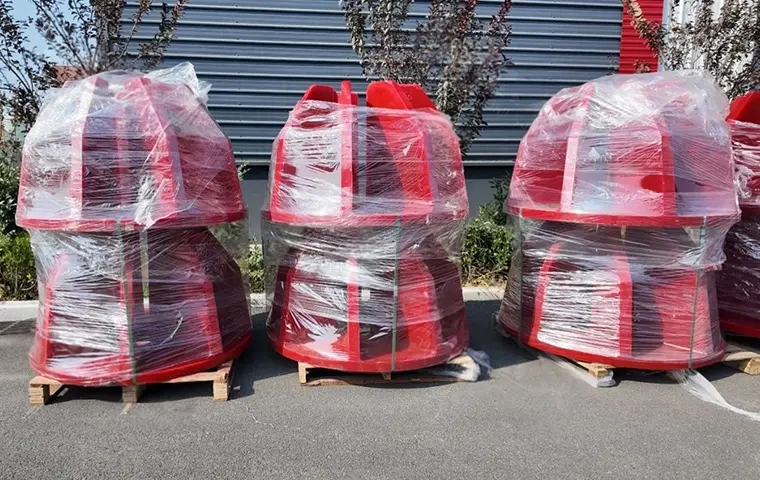
Surowa ruda: Ruda miedzi siarczkowej Zawartość miedzi: 1,2% Docelowa stopa odzysku flotacji: 92%
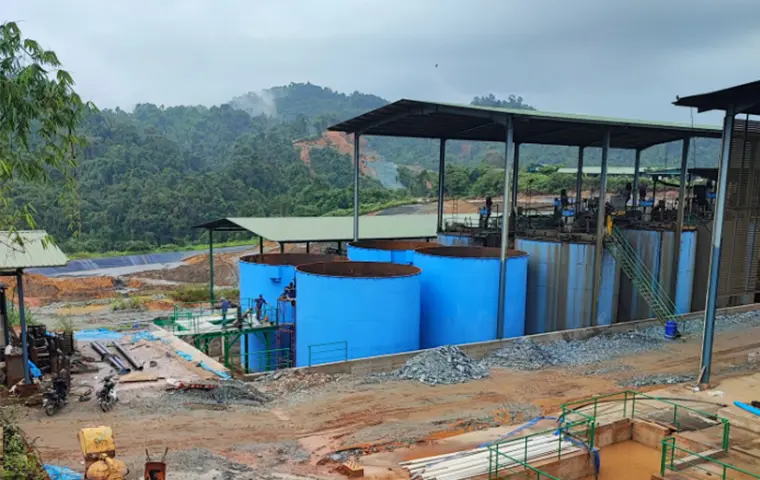
Surowa ruda: Odporny i półodporny rudy złota siarczkowego Klasa złota: 2,65 g/t Czystość sztabki złota: ≥95,5%
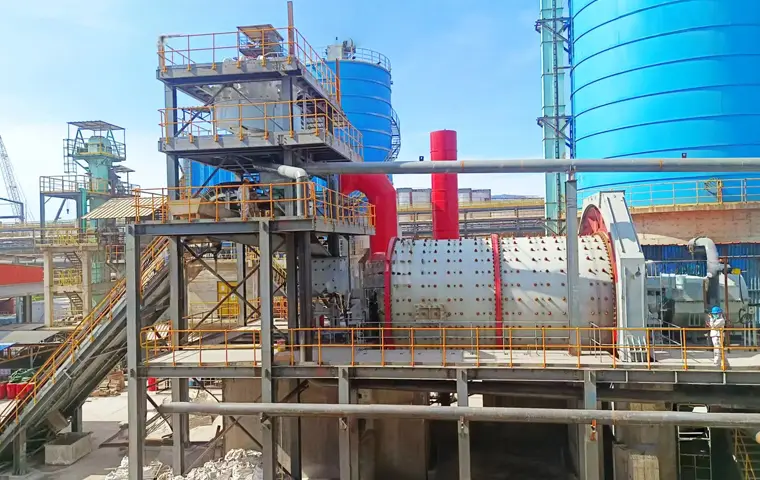
Surowiec: Wapieniec wysokwapniowy Produkt końcowy: Cement zmielony (200 mesh) i agregat budowlany
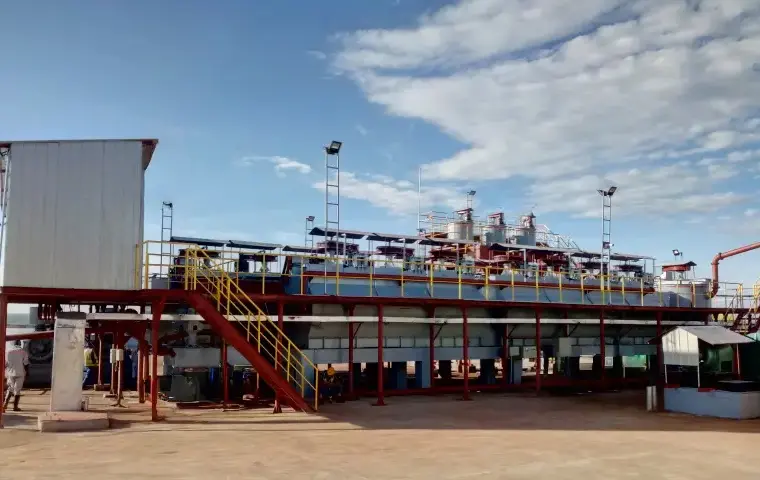
Surowiec: Złożona ruda fosforanowa z krzemionką i węglanami Zawartość P2O5: 18,5% Stopień zagęszczenia: 32% P2O5
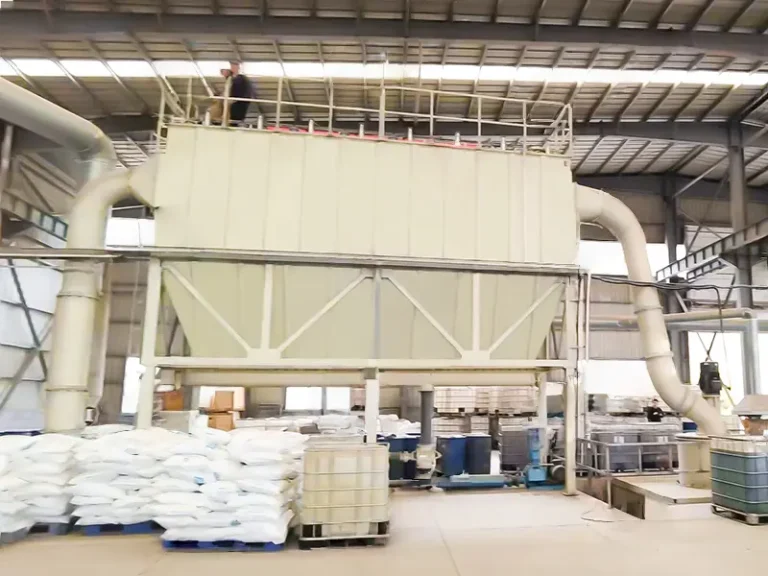
Surowa ruda: Skała dolomitowa (CaMg(CO₃)₂) Wielkość ziarna: ≤10 mm Produkt końcowy: Ultra drobny proszek dolomitowy
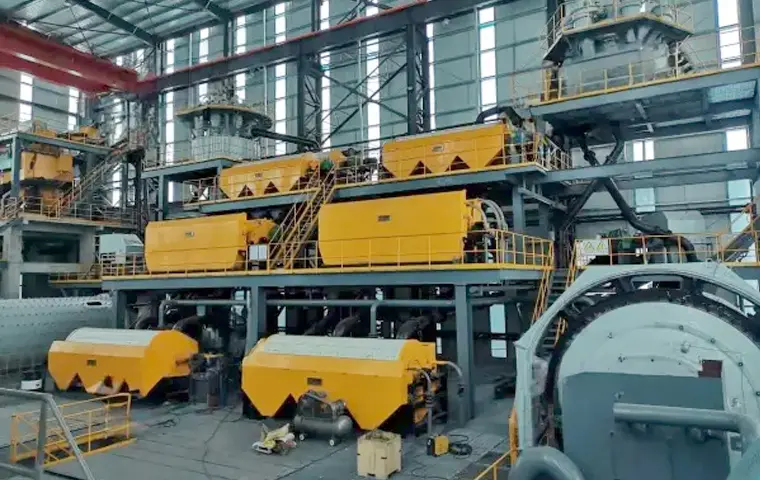
Surowiec: Ruda magnetytowa z pasmem hematytu Zawartość żelaza: 28-32% Produkt końcowy: Wysokojakościowy koncentrat żelaza
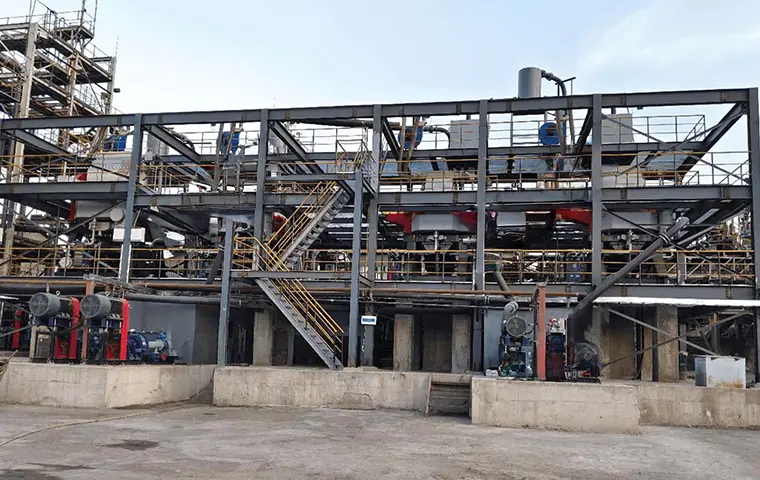
Surowa ruda: Południowoafrykańska ruda chromowa, oryginalna zawartość Cr₂O₃: 38%, zawartość wzbogaconego koncentratu: 46%
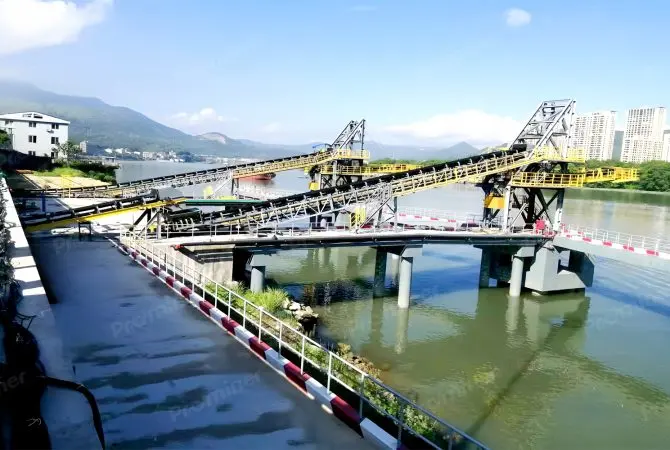
Możemy zapewnić rozwiązanie przenośników taśmowych do różnych celów, w tym stromo nachylonego przenośnika taśmowego
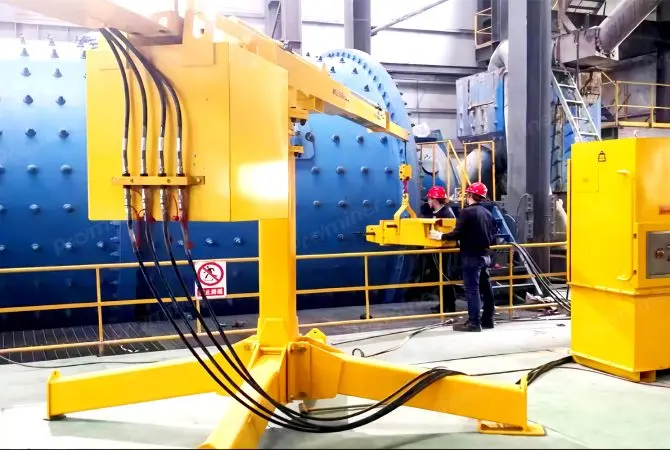
Możemy wyprodukować wysoko zautomatyzowany i potężny młot Bolt bez odrzutu do usuwania
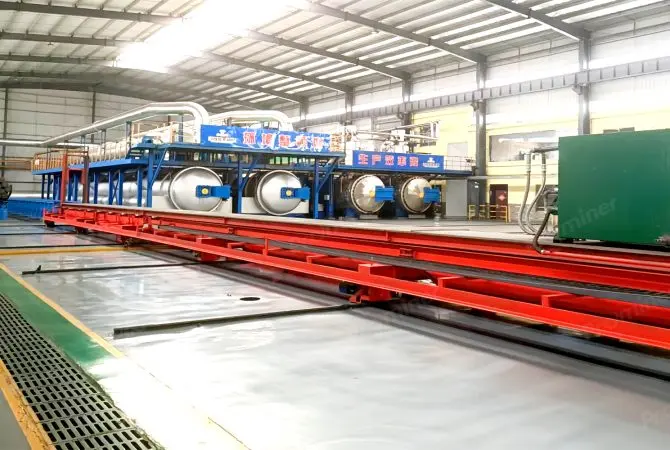
Możemy zapewnić wysokociśnieniową impregnację typu gorącego wewnątrz i zimnego na zewnątrz dla grafitu po wypaleniu
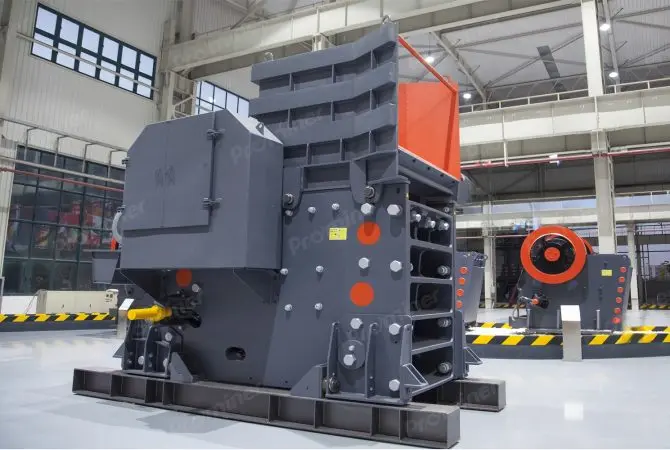
Kruszarka szczękowa, jej rozmiar otwarcia określa maksymalny rozmiar podawania. Komora kruszenia kruszarki szczękowej
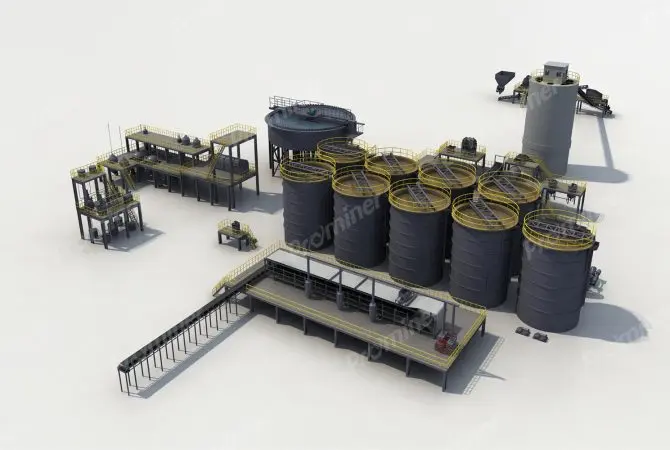
Prominer może dostarczyć kompleksowe rozwiązanie dla systemu CIL (węgiel w leaching)
Aby dowiedzieć się więcej o naszych produktach i rozwiązaniach, prosimy o wypełnienie poniższego formularza, a jeden z naszych ekspertów skontaktuje się z Tobą wkrótce
Projekt flotacji złota 3000 TPD w prowincji Shandong
Flotacja rudy litu 2500 TPD w Syczuanie
Faks: (+86) 021-60870195
Adres:Nr 2555, Xiupu Road, Pudong, Szanghaj
Prawa autorskie © 2023.Prominer (Shanghai) Mining Technology Co., Ltd.