

Anoda na bazie krzemu to jeden z rodzajów materiałów kompozytowych anody poprzez łączenie krzemu



Wybór środków flotacyjnych do wzbogacania rudy fosforanowej jest kluczowym krokiem, który wymaga dogłębnego zrozumienia mineralogicznych cech rudy i wymagań przetwórczych. Poniżej przedstawiono kluczowe rozważania i kroki przy wyborze środków flotacyjnych:
Środki flotacyjne obejmują kolektory, depresanty, aktywatory, spieniacze i modyfikatory pH. Wybór odpowiedniej kombinacji zależy od właściwości rudy i celów separacji.
Dostosuj stężenie środków flotacyjnych, aby osiągnąć najlepszą wydajność przy minimalizacji kosztów i zużycia reagentów. Przeprowadź testy laboratoryjne lub symulacje modelowania, aby ustalić optymalne dawkowanie.
Dzięki odpowiedniemu testowaniu i optymalizacji można skutecznie dobierać środki flotacyjne, aby uzyskać wysokiej jakości koncentraty fosforanowe.
Firma Prominer (Szanghaj) Mining Technology Co., Ltd. specjalizuje się w dostarczaniu kompleksowych rozwiązań w zakresie przeróbki minerałów i zaawansowanych materiałów na całym świecie. Nasze główne obszary działania obejmują: przeróbka złota, wzbogacanie rud litu, minerały przemysłowe. Specjalizujemy się w produkcji materiałów anodowych i przeróbce grafitu.
Produkty obejmują: mielenie i klasyfikację, separację i odwadnianie, rafinację złota, przetwarzanie węgla/grafitu oraz systemyługowania.
Oferujemy kompleksowe usługi, w tym projektowanie inżynierskie, produkcję urządzeń, instalację oraz wsparcie operacyjne, wspierane przez konsultacje ekspertów 24/7.
Nasz adres strony internetowej:https://www.prominetech.com/
Naszy adres e-mail:[email protected]
Nasza sprzedaż:+8613918045927(Richard),+8617887940518(Jessica),+8613402000314(Bruno)
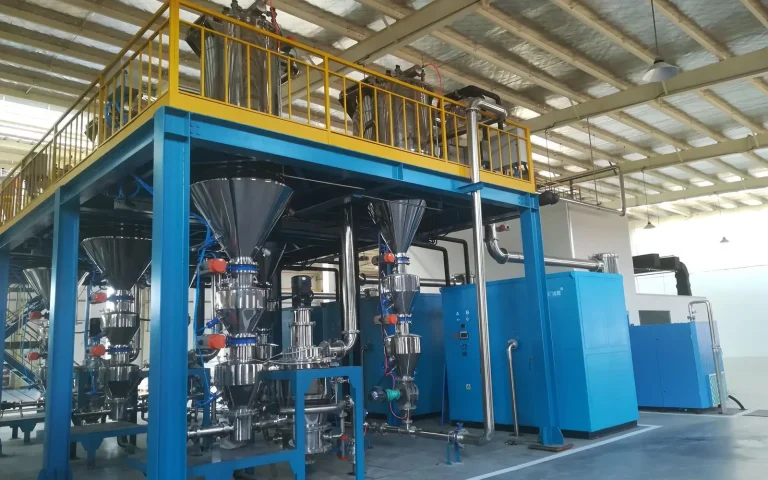
Anoda na bazie krzemu to jeden z rodzajów materiałów kompozytowych anody poprzez łączenie krzemu
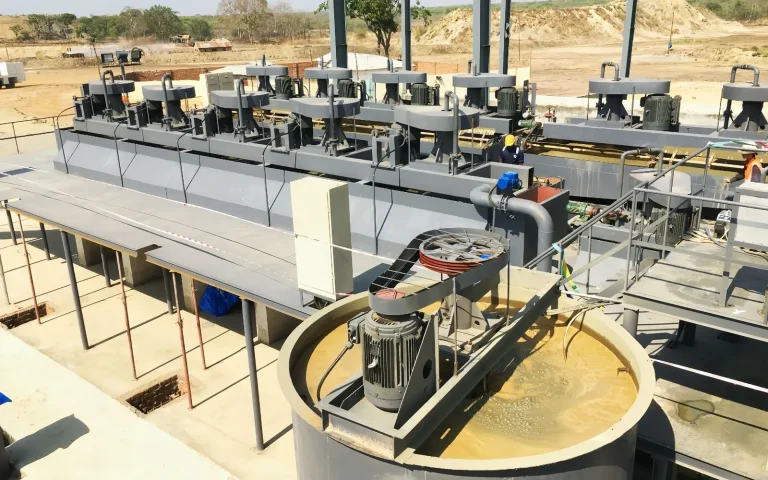
Istnieją dwa rodzaje naturalnych rud grafitu: grafit krystaliczny i grafit amorficzny
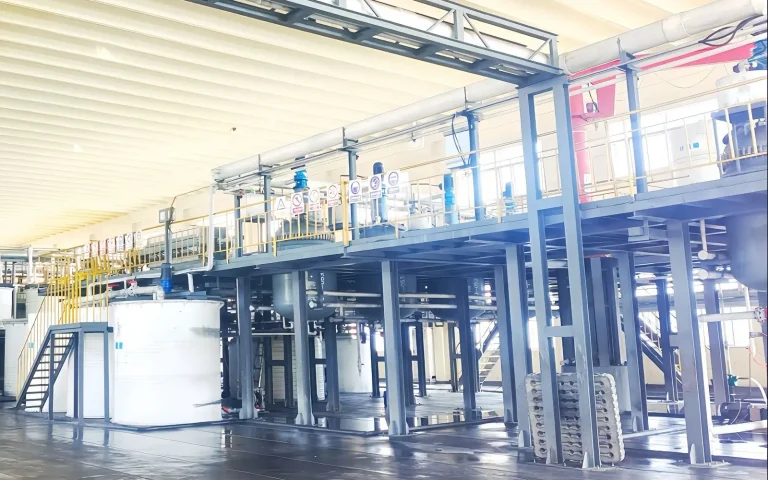
Grafit płatkowy może być używany do produkcji grafitu o wysokiej zawartości węgla, grafitu o wysokiej czystości, grafitu rozszerzalnego

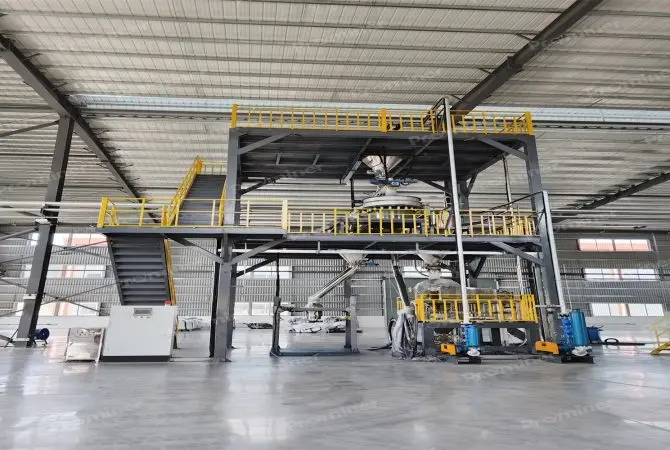
Surowiec: Anoda z grafitu sztucznego, anoda z grafitu naturalnego
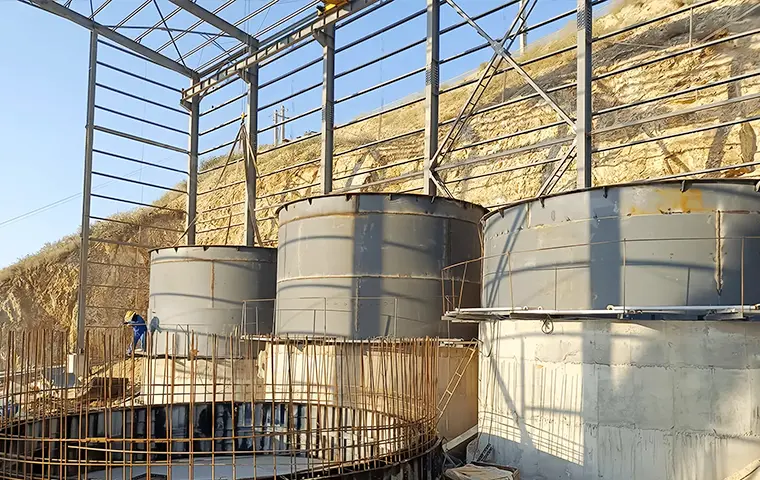
Surowa ruda: Wietrzały tlenkowy rudy złota Klasa złota: 1,8 g/t Wskaźnik odzysku złota: 90,5%
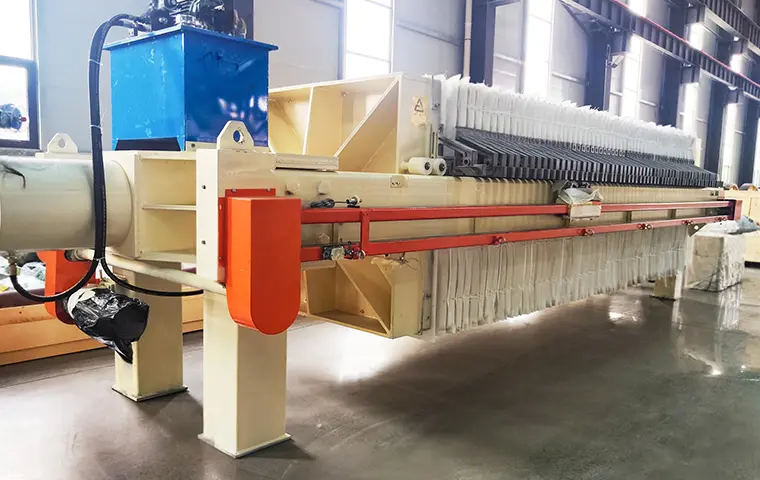
Tło projektu: Ulepszenie układu osuszania dla koncentratu flotacyjnego i odpadów zakładowych w celu zmniejszenia zawartości wilgoci i umożliwienia składowania w stosach na sucho.
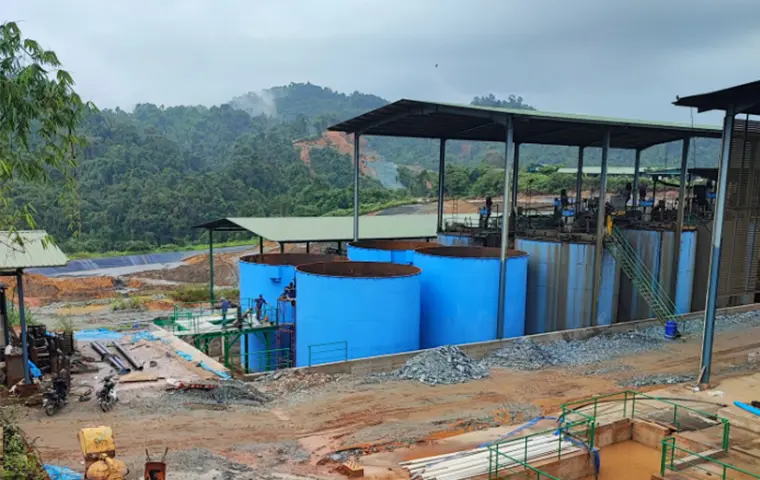
Surowa ruda: Odporny i półodporny rudy złota siarczkowego Klasa złota: 2,65 g/t Czystość sztabki złota: ≥95,5%
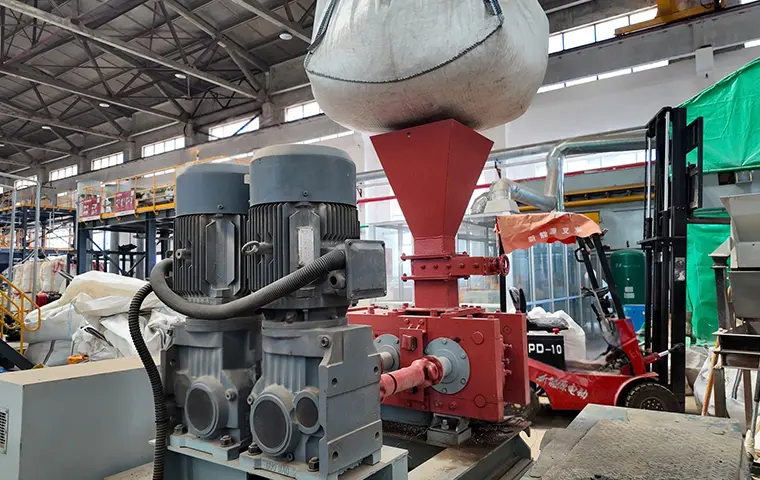
Cel projektu: Określenie optymalnego schematu przetwarzania oraz dostarczenie danych do skali przemysłowej dla zakładu pełnoskalowego.
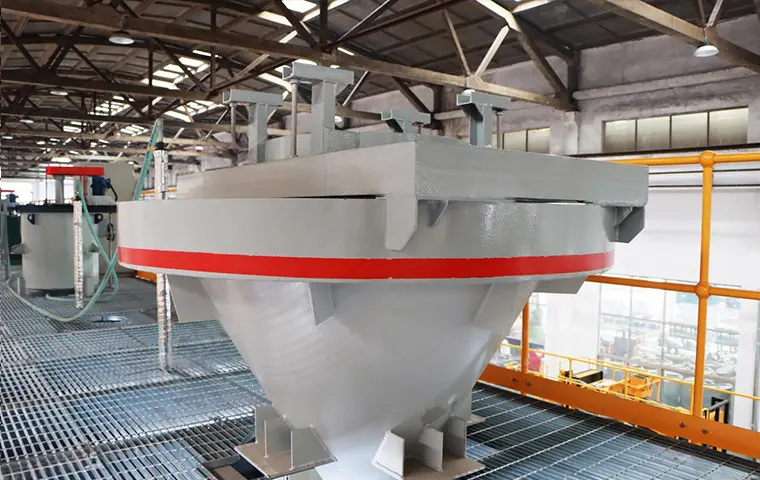
Surowa Ruda: Ruda Złota Typu Siarczkowego Klasa Złota: 3,5 g/t Produkt Końcowy: Sztabki Złota Wskaźnik Odzysku Złota: 96%
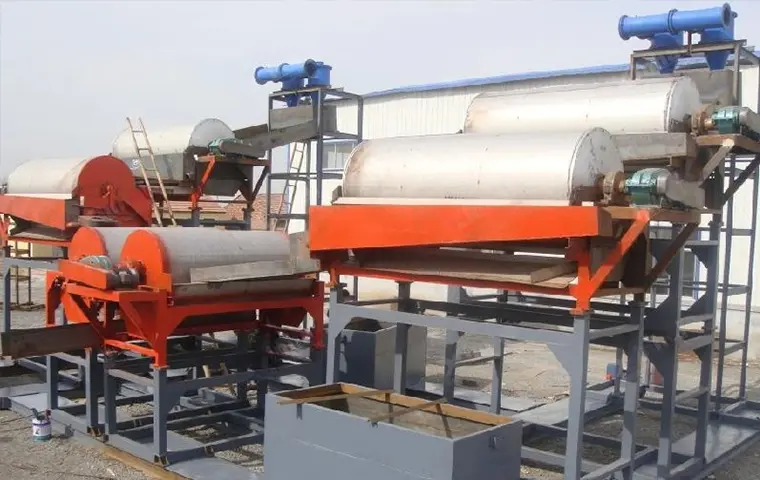
Surowa Ruda: Ruda Hausmannitu (Mn₃O₄) Zawartość Mn: 35% Produkt Końcowy: Koncentrat Hausmannitu Wydajność Odzysku Mn: 88%
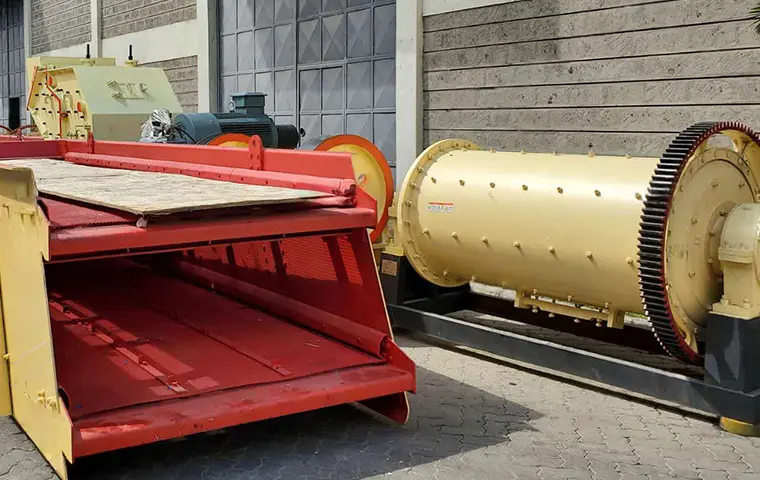
Surowa ruda: Mieszany tlenek i siarczek rudy złota Stopień złota: 3,5 g/t Wskaźnik odzysku złota: 92%
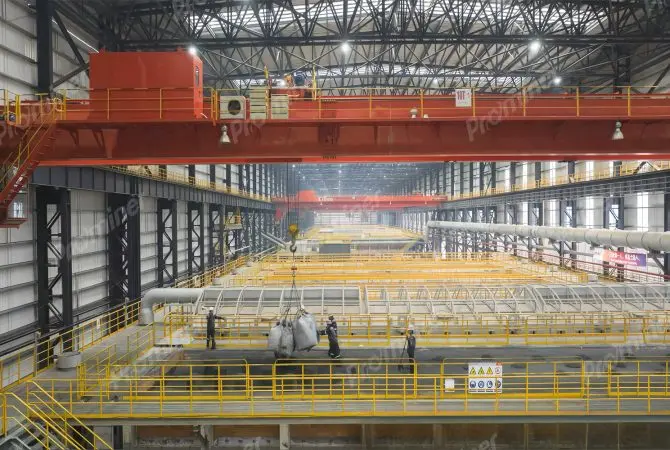
Możemy dostarczyć różne typy pieców grafityzacyjnych do zmiany materiału węglowego
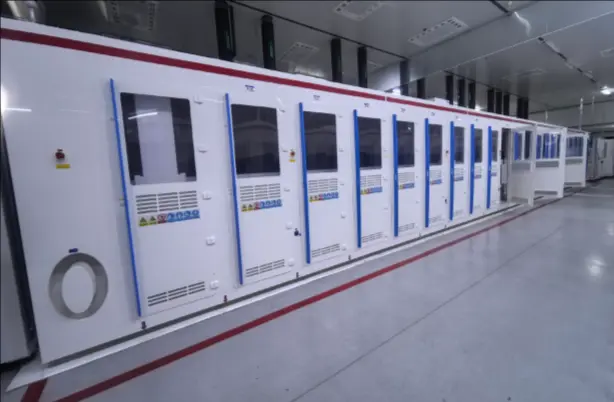
W skład wchodzi: sprzęt do teksturyzacji monokryształów w partiach, ładowarka/rozładowarka do teksturyzacji partii, niskie ciśnienie…
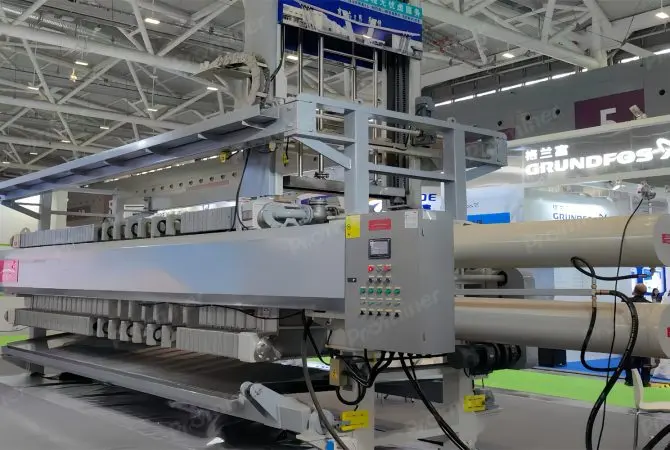
Prominer może dostarczyć filtr prasowy, filtr próżniowy taśmowy, filtr próżniowy dyskowy i filtr ceramiczny
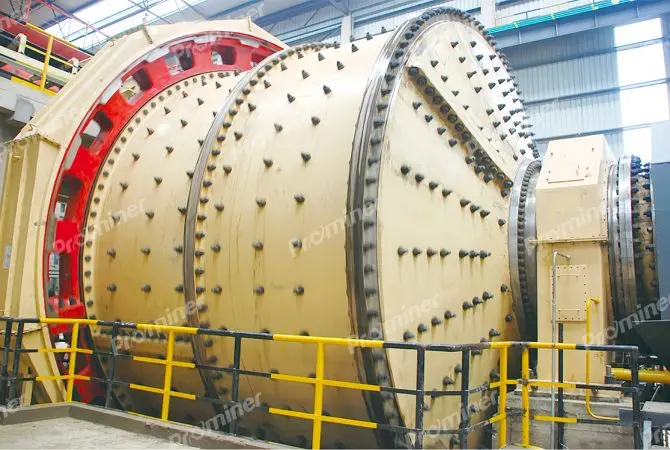
AG/SAG to skrót od młyna autogenicznego i półautogenicznego, łączy dwie funkcje kruszenia
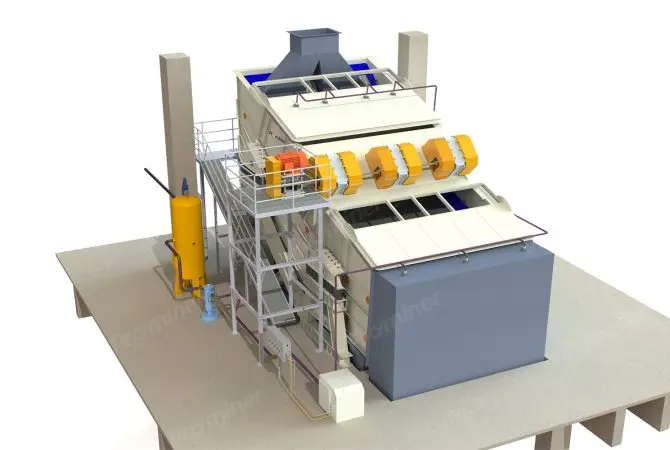
Panel ekranu flip-flow kontynuuje rozszerzanie i kurczenie, aby osiągnąć wysokie wskaźniki przyspieszenia.
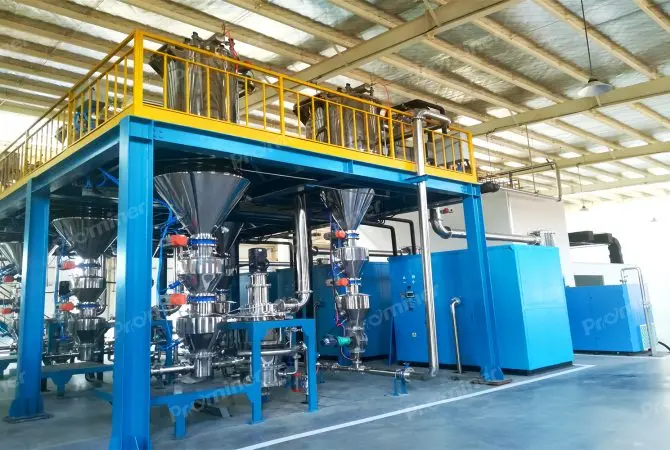
Młyn strumieniowy, znany również jako młyn strumieniowy z fluidyzowanym złożem, wykorzystuje wiele dysz do tworzenia przepływu powietrza o prędkości dźwięku
Aby dowiedzieć się więcej o naszych produktach i rozwiązaniach, prosimy o wypełnienie poniższego formularza, a jeden z naszych ekspertów skontaktuje się z Tobą wkrótce
Projekt flotacji złota 3000 TPD w prowincji Shandong
Flotacja rudy litu 2500 TPD w Syczuanie
Faks: (+86) 021-60870195
Adres:Nr 2555, Xiupu Road, Pudong, Szanghaj
Prawa autorskie © 2023.Prominer (Shanghai) Mining Technology Co., Ltd.


