

Najbardziej znaną z rud egzogenicznych jest złoto aluwialne, zwane również złotem placerskim. Złoto aluwialne odnosi się


/
/
How to Select the Most Profitable Technology for Different Gold Ore Types?


Selecting the most profitable technology for processing different types of gold ores is a complex decision that requires thorough evaluation of geological, metallurgical, environmental, and economic factors. The profitability of gold extraction and processing technologies depends on the ore type, mineralogy, grade, infrastructure, and market dynamics. Here are some steps to guide this selection process:
The most profitable technology for gold ore processing depends on an integrated assessment of ore type, recovery rates, costs, and market conditions. Collaborate with experienced metallurgists, geologists, engineers, and environmental experts to make an informed decision. Ultimately, piloting and testing are essential before committing to full-scale implementation.
A: Cechy minerałów różnią się znacznie nawet w obrębie tego samego złoża rudy. Profesjonalny test (taki jak analiza chemiczna, XRD i SEM) zapewnia, że schemat procesu jest zoptymalizowany pod kątem twojej specyficznej klasy rudy i rozmiaru uwolnienia. To zapobiega kosztownym niedopasowaniom sprzętu i gwarantuje najwyższe możliwe wskaźniki odzysku dla twojego projektu.
A: Utrzymujemy stały zapas podstawowych części eksploatacyjnych (takich jak wkłady kruszarek, siatki screeningowe i media mielące). Dla klientów międzynarodowych oferujemy zalecaną „listę części zamiennych na 2 lata” przy pierwszym zakupie. Wsparcie techniczne jest dostępne 24/7 za pośrednictwem wideo zdalnego, a wizyty na miejscu mogą być organizowane w przypadku złożonych potrzeb serwisowych.
A: Tak. Wysyłamy zespół starszych inżynierów mechaników i elektryków na miejsce, aby nadzorować instalację, uruchamianie i testowanie obciążeniowe sprzętu. Oferujemy również kompleksowe szkolenie na miejscu dla lokalnych operatorów, aby zapewnić sprawne i długoterminowe funkcjonowanie.
A: Absolutnie. Specjalizujemy się w świadczeniu usług EPCM (Zarządzanie Inżynieryjne, Zakupy, Zarządzanie Budową). Obejmuje to wszystko, od wstępnych testów rudy i projektowania kopalni, po produkcję sprzętu, logistyka i integracja zakładów na pełną skalę, zapewniając płynne przejście od zielonego pola do produkcji.
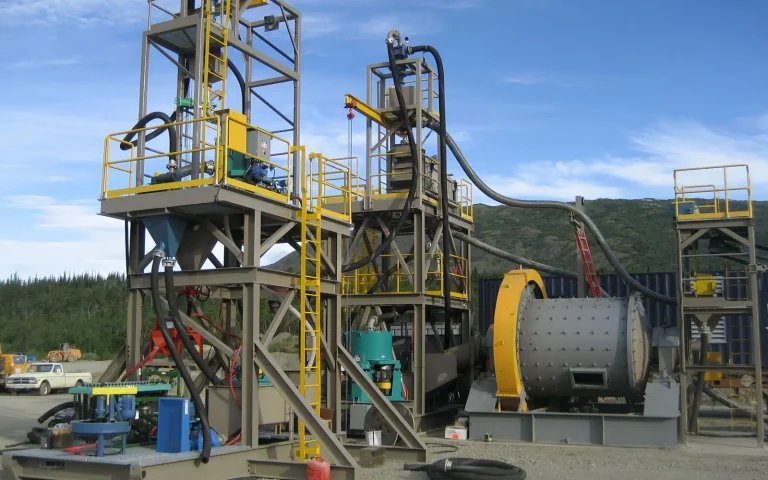
Najbardziej znaną z rud egzogenicznych jest złoto aluwialne, zwane również złotem placerskim. Złoto aluwialne odnosi się
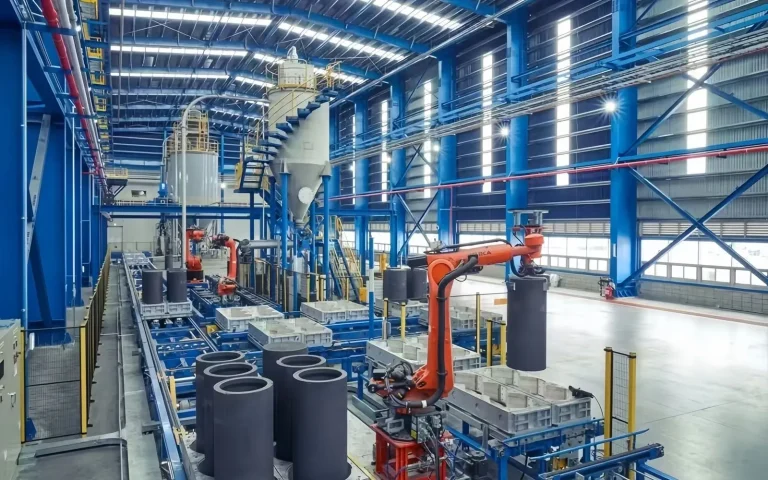
Zapewniamy pełne rozwiązanie do produkcji anod grafitowych, obejmujące mielenie, formowanie, oczyszczanie…
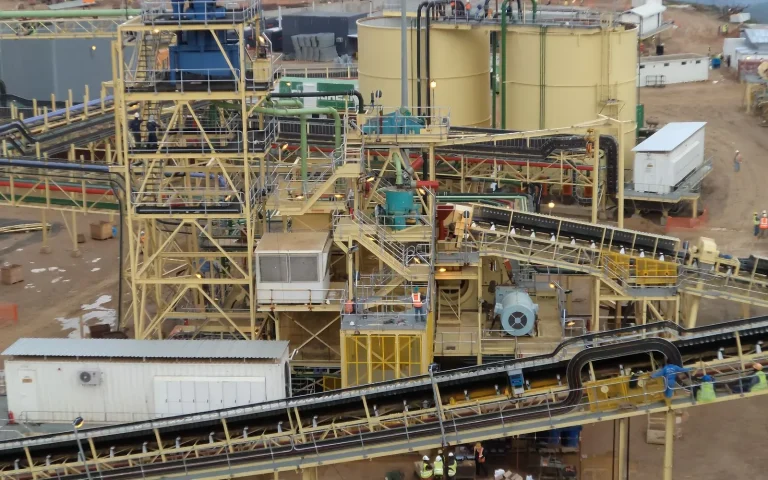
Dostarczamy ważne urządzenia w procesie obróbki rudy złota, takie jak system CIL/CIP, komórki flotacyjne…

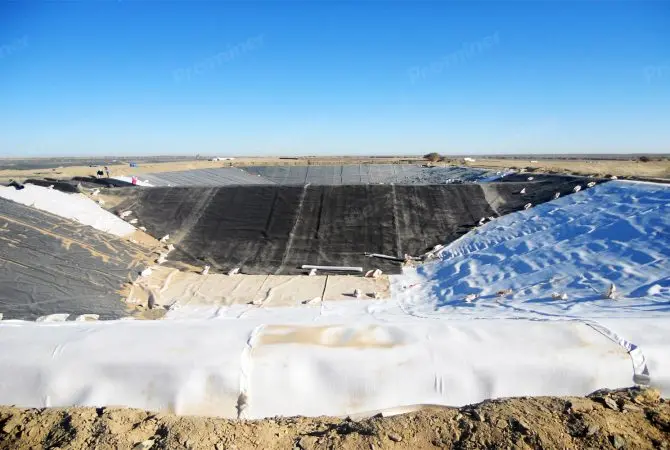
Surowa ruda: ruda złota typu tlenkowego Zawartość złota: 1,8 g/t
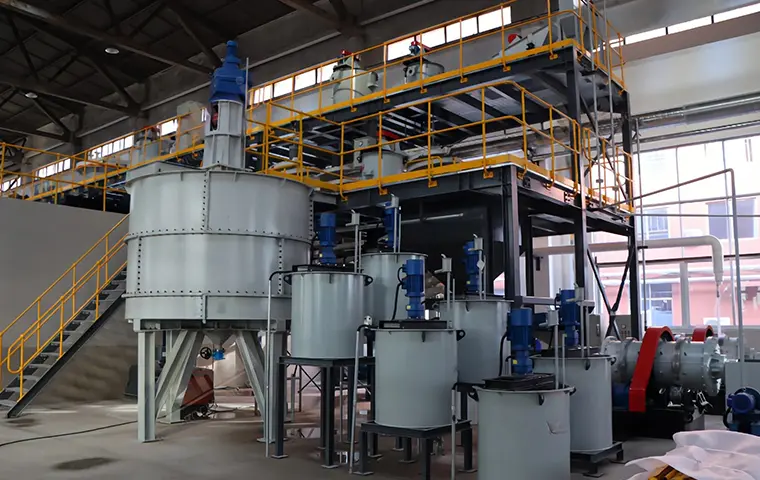
Tło projektu: Rozbudowa i modernizacja technologiczna istniejącej instalacji flotacyjnej
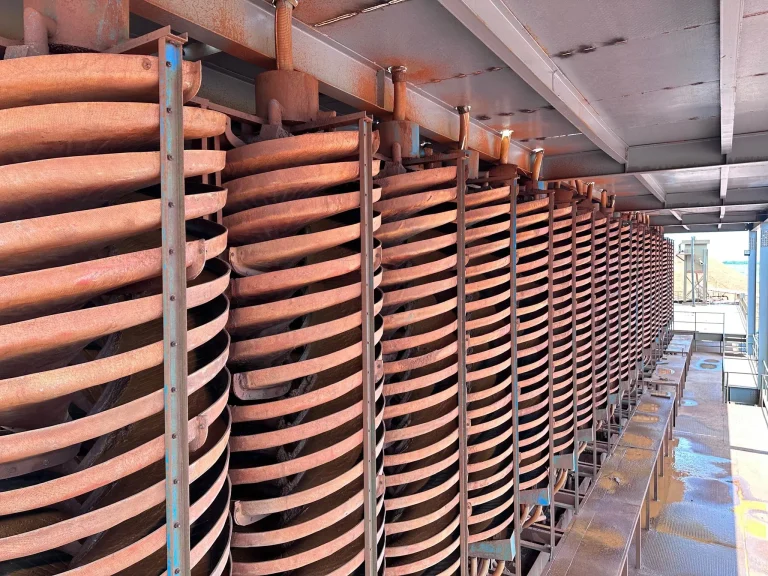
Surowe Ruda: Piasek plażowy tytanowo-zirkonowy Ore TiO₂ Klasa: 4,5% Klasa ZrO₂: 3,2%
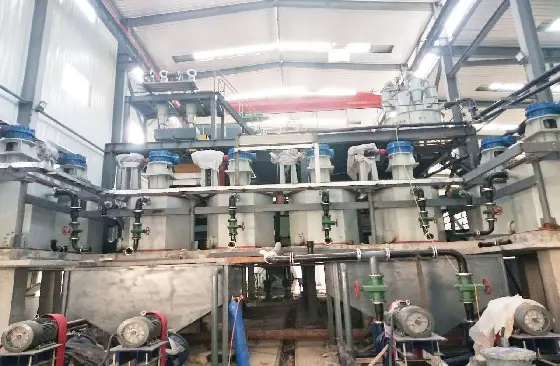
Surowiec: Skała kwarcytowa (SiO₂: 97,8%) Jakość fotowoltaiczna: SiO₂≥99,99%, Fe₂O₃≤10 ppm
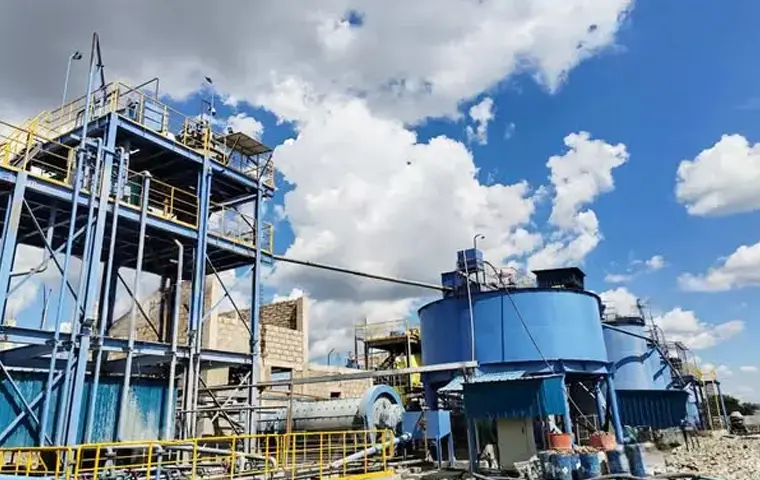
Surowa ruda: ruda miedzi-złoto Zawartość miedzi: 1,2% Zawartość złota: 1,5 g/t Stopa wydobycia: miedź 89%, złoto 88%
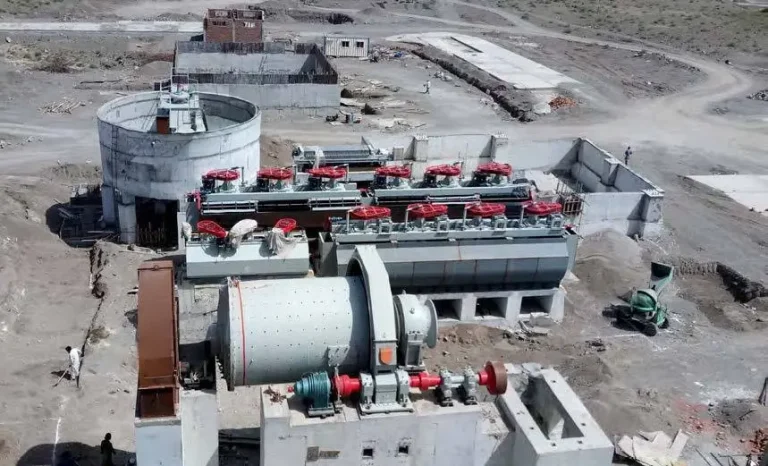
Surowiec: Mieszanina rud tlenkowych i siarczkowych miedzi (chalkozynowa/malachitowa) Zawartość miedzi: 1,2% | Srebro: 15 g/t
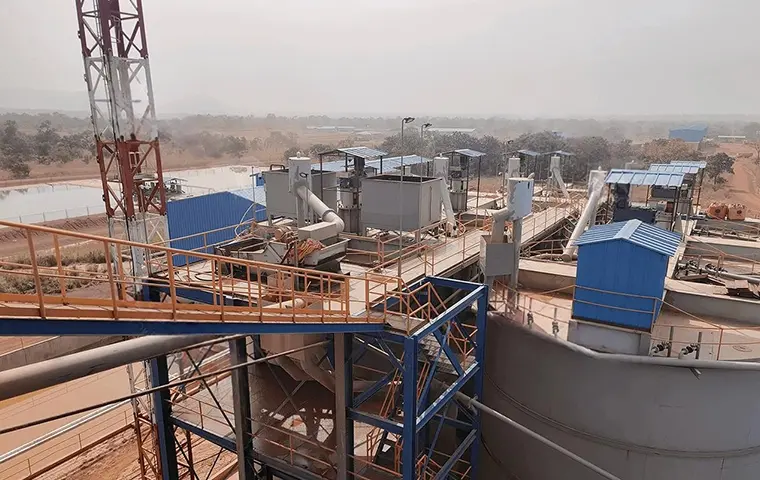
Surowa ruda: Ruda miedzi siarczkowej (z niewielką zawartością pirytu) Zawartość miedzi: 1,2% Zawartość koncentratu: 25% Cu

Surowiec: Istniejące odpady z zakładu złota (All-slime) Zawartość złota w odpadach: 1,2 g/t Produkt końcowy: Sztabka złota
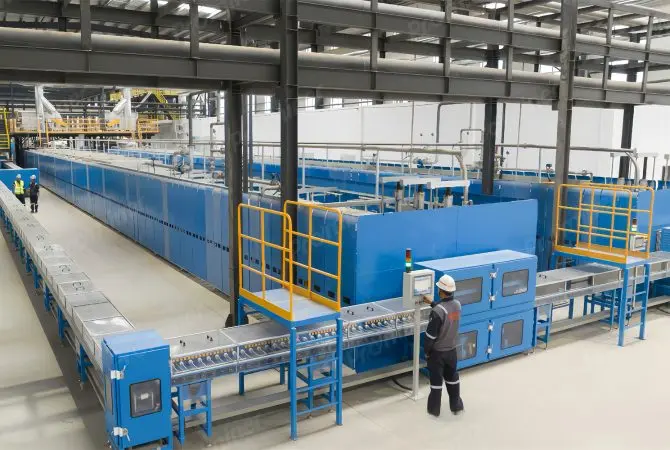
Możemy dostarczyć kompleksowe rozwiązanie dla systemu obróbki karbonizacyjnej w wysokiej temperaturze
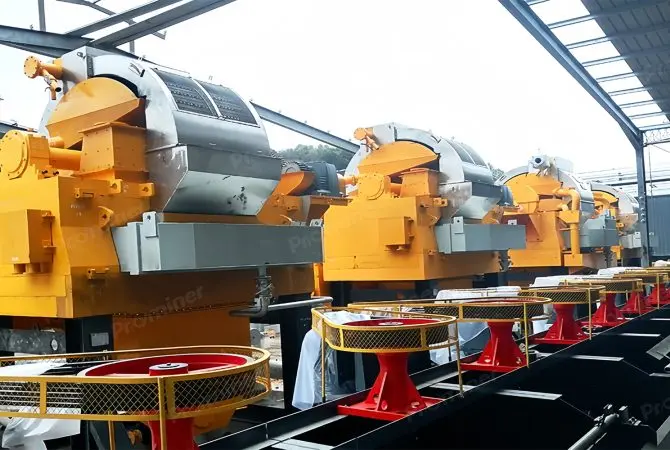
Prominer może dostarczyć różne separatory magnetyczne HIMS (separator magnetyczny o wysokiej intensywności)
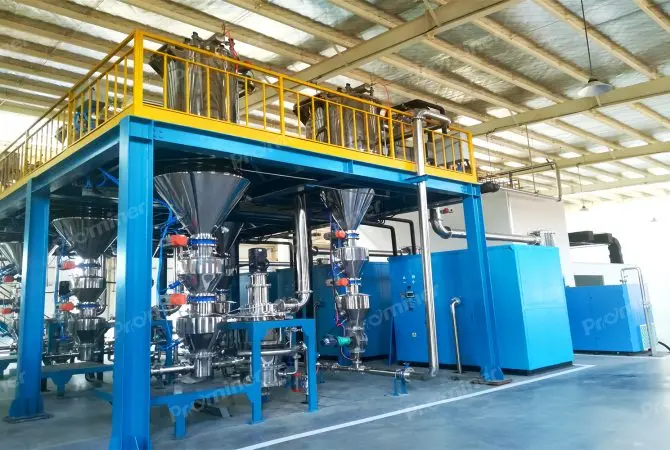
Młyn strumieniowy, znany również jako młyn strumieniowy z fluidyzowanym złożem, wykorzystuje wiele dysz do tworzenia przepływu powietrza o prędkości dźwięku
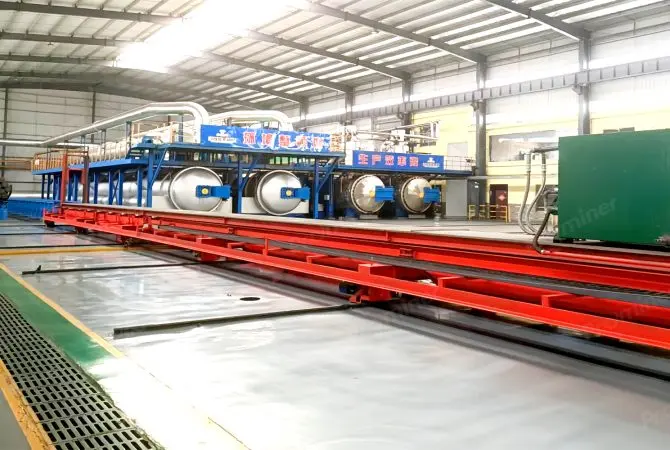
Możemy zapewnić wysokociśnieniową impregnację typu gorącego wewnątrz i zimnego na zewnątrz dla grafitu po wypaleniu
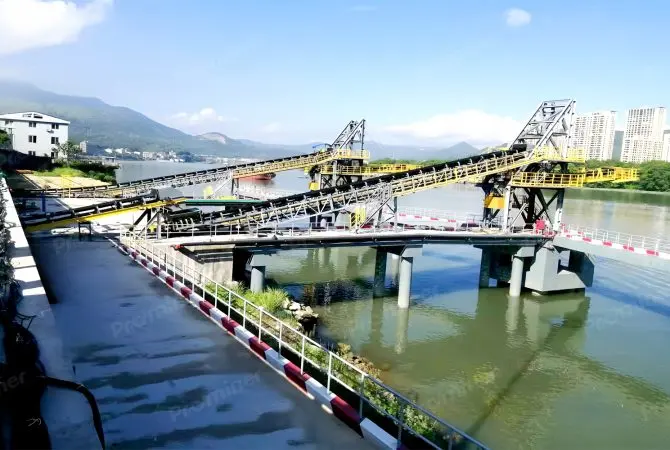
Możemy zapewnić rozwiązanie przenośników taśmowych do różnych celów, w tym stromo nachylonego przenośnika taśmowego
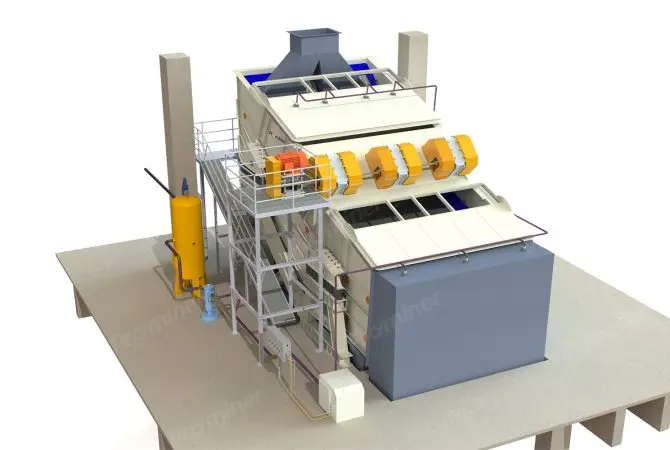
Panel ekranu flip-flow kontynuuje rozszerzanie i kurczenie, aby osiągnąć wysokie wskaźniki przyspieszenia.
Aby dowiedzieć się więcej o naszych produktach i rozwiązaniach, prosimy o wypełnienie poniższego formularza, a jeden z naszych ekspertów skontaktuje się z Tobą wkrótce
Projekt flotacji złota 3000 TPD w prowincji Shandong
Flotacja rudy litu 2500 TPD w Syczuanie
Faks: (+86) 021-60870195
Adres:Nr 2555, Xiupu Road, Pudong, Szanghaj
Prawa autorskie © 2023.Prominer (Shanghai) Mining Technology Co., Ltd.


