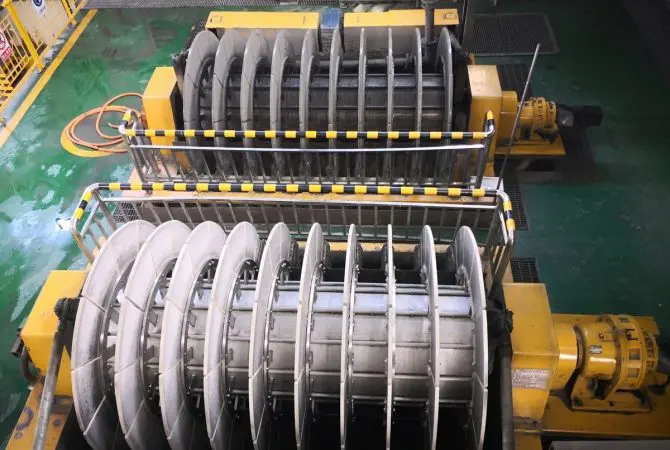
Materiał anodowy z sztucznego grafitu jest głównie wytwarzany z wysokiej jakości koksu naftowego o niskiej zawartości siarki


/
/
What Are the Best Techniques for Extracting Gold from High-Arsenic Ores?


Extracting gold from high-arsenic ores presents unique challenges due to environmental concerns and the complex nature of the ore. However, several techniques have been developed and refined to address these difficulties effectively. The best methods include:
Each technique requires assessing the specific composition of the ore, economic feasibility, and environmental regulations. Modern advancements prioritize sustainability and minimizing arsenic-related environmental hazards.
A: Cechy minerałów różnią się znacznie nawet w obrębie tego samego złoża rudy. Profesjonalny test (taki jak analiza chemiczna, XRD i SEM) zapewnia, że schemat procesu jest zoptymalizowany pod kątem twojej specyficznej klasy rudy i rozmiaru uwolnienia. To zapobiega kosztownym niedopasowaniom sprzętu i gwarantuje najwyższe możliwe wskaźniki odzysku dla twojego projektu.
A: Utrzymujemy stały zapas podstawowych części eksploatacyjnych (takich jak wkłady kruszarek, siatki screeningowe i media mielące). Dla klientów międzynarodowych oferujemy zalecaną „listę części zamiennych na 2 lata” przy pierwszym zakupie. Wsparcie techniczne jest dostępne 24/7 za pośrednictwem wideo zdalnego, a wizyty na miejscu mogą być organizowane w przypadku złożonych potrzeb serwisowych.
A: Tak. Wysyłamy zespół starszych inżynierów mechaników i elektryków na miejsce, aby nadzorować instalację, uruchamianie i testowanie obciążeniowe sprzętu. Oferujemy również kompleksowe szkolenie na miejscu dla lokalnych operatorów, aby zapewnić sprawne i długoterminowe funkcjonowanie.
A: Absolutnie. Specjalizujemy się w świadczeniu usług EPCM (Zarządzanie Inżynieryjne, Zakupy, Zarządzanie Budową). Obejmuje to wszystko, od wstępnych testów rudy i projektowania kopalni, po produkcję sprzętu, logistyka i integracja zakładów na pełną skalę, zapewniając płynne przejście od zielonego pola do produkcji.
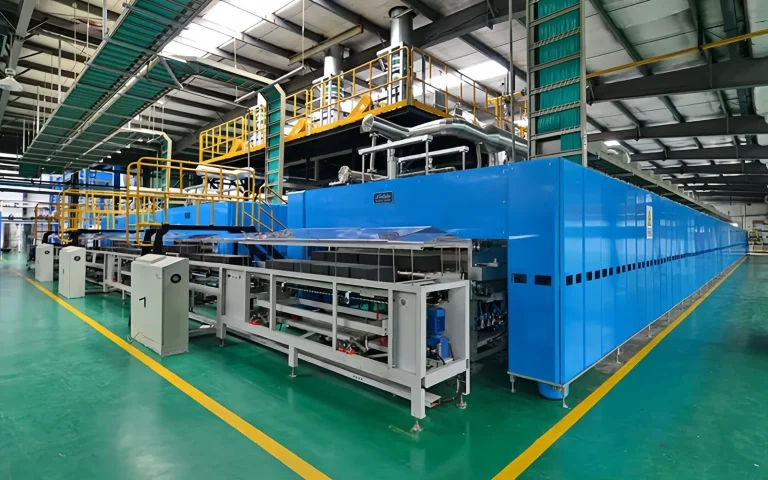
Materiał anodowy z sztucznego grafitu jest głównie wytwarzany z wysokiej jakości koksu naftowego o niskiej zawartości siarki
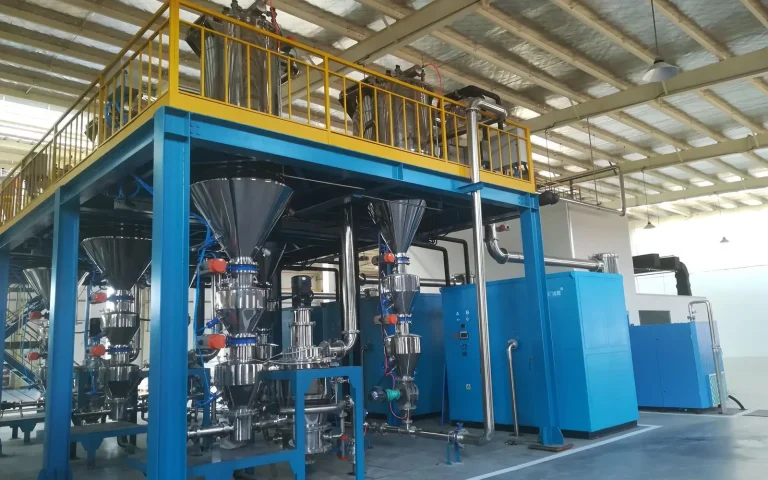
Anoda na bazie krzemu to jeden z rodzajów materiałów kompozytowych anody poprzez łączenie krzemu
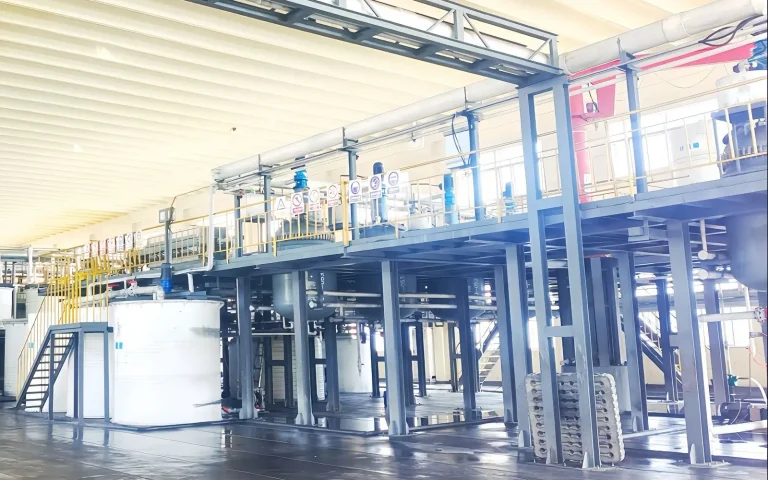
Grafit płatkowy może być używany do produkcji grafitu o wysokiej zawartości węgla, grafitu o wysokiej czystości, grafitu rozszerzalnego

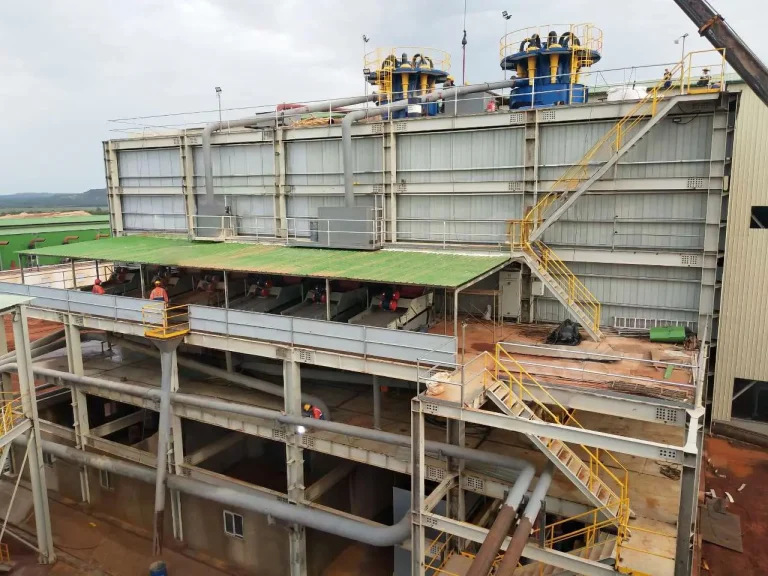
Surowiec: Złoże złota aluwiów rzecznych Klasa złota: 0,7 g/t (średnio) Stopa odzysku: 90%
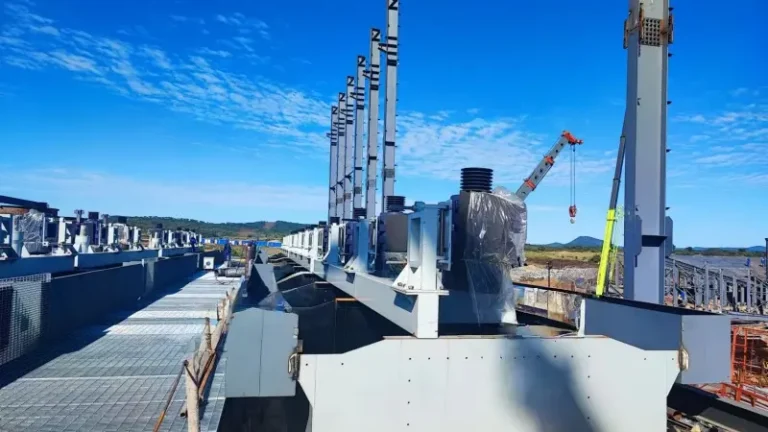
Surowiec: Woda solankowa litowa (z Trójkąta Litowego: Chile/Argentyna/Boliwia); Ruda spodumenu (z Australii i Chin)
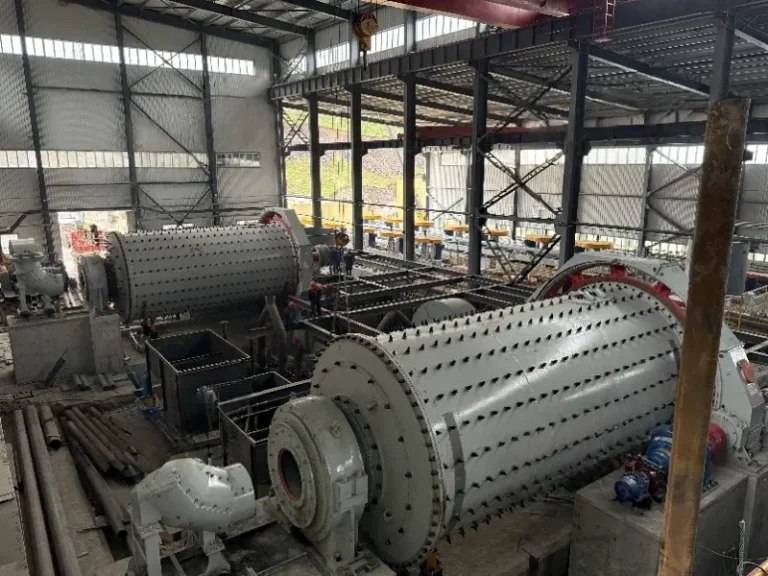
Surowiec: Lateryt niklowy typu limonitowy, zawartość Ni: 1,2% Zawartość Co: 0,12%
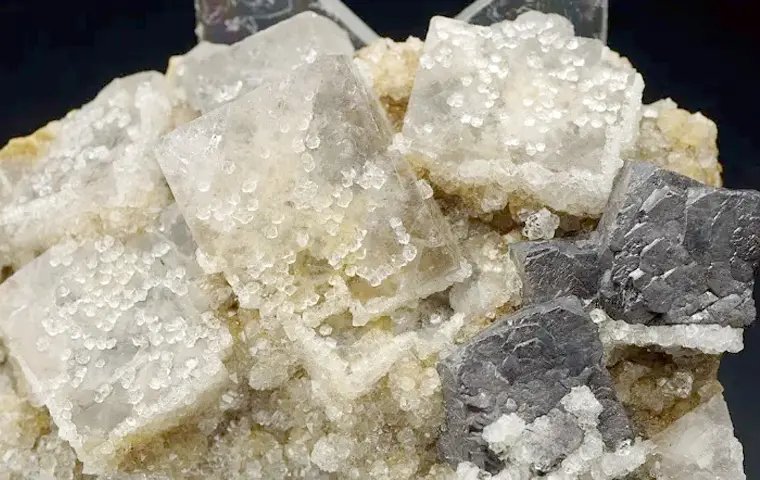
Surowiec: Ruda polymetaliczna zawierająca galenit (PbS) i fluoryt (CaF₂) Zawartość ołowiu: 3,5% Zawartość fluorytu: 35%

Surowiec: Istniejące odpady z zakładu złota (All-slime) Zawartość złota w odpadach: 1,2 g/t Produkt końcowy: Sztabka złota
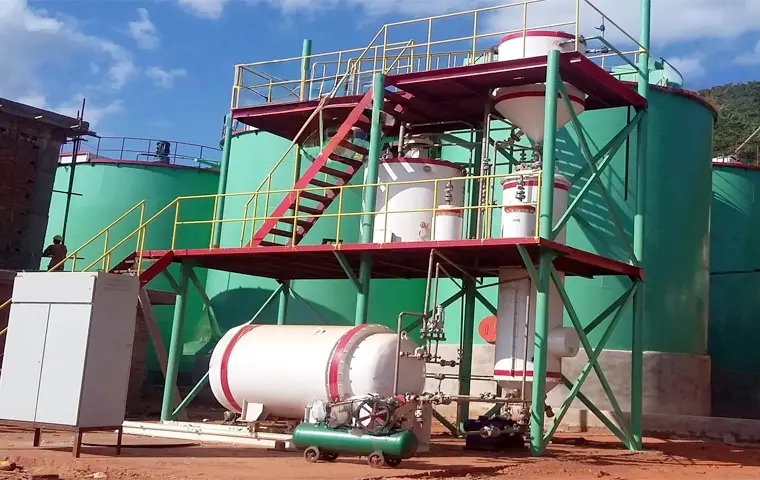
Surowiec: Złoto aluwiálne z magnetytem i hematytem (typowy złożony Sierra Madre)
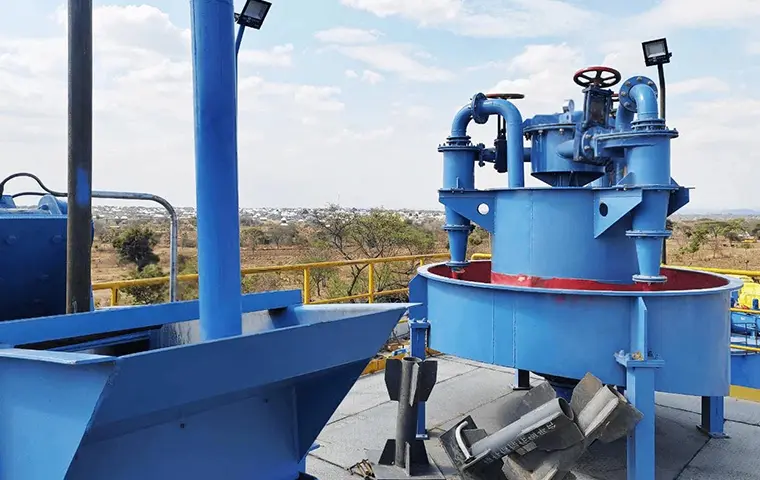
Cel pojemności: Zwiększenie zdolności przetwórczej z 500 TPD do 850 TPD w fazach bez zatrzymywania produkcji.
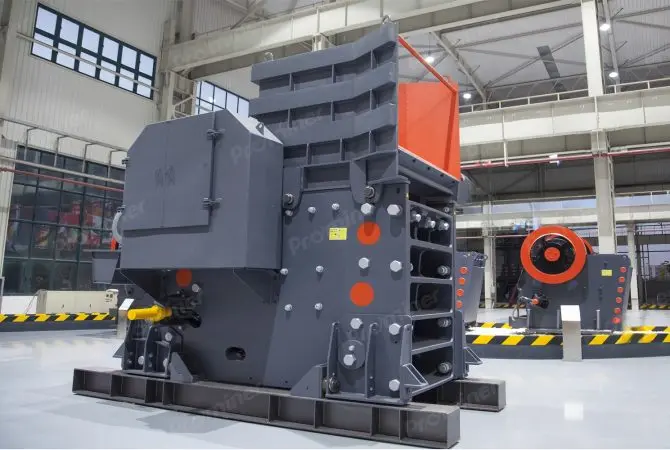
Kruszarka szczękowa, jej rozmiar otwarcia określa maksymalny rozmiar podawania. Komora kruszenia kruszarki szczękowej
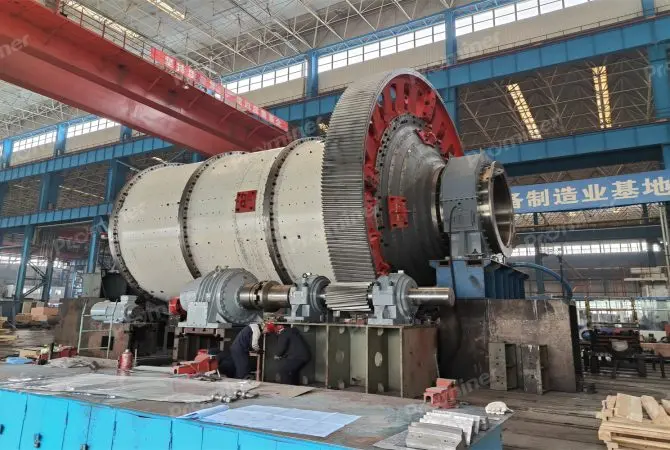
Możemy zaprojektować i wyprodukować młyn kulowy typu kratowego do podstawowego mielenia minerałów
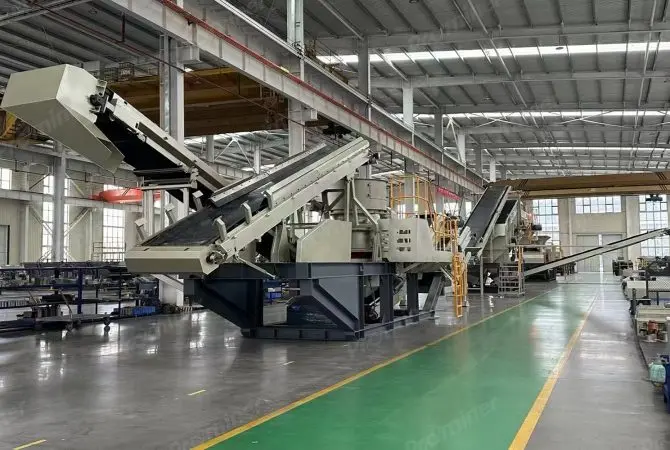
Mobilny kruszarka na podwoziu, oparty na wymaganiach rynku dotyczących łatwiejszego przemieszczania się z jednego miejsca
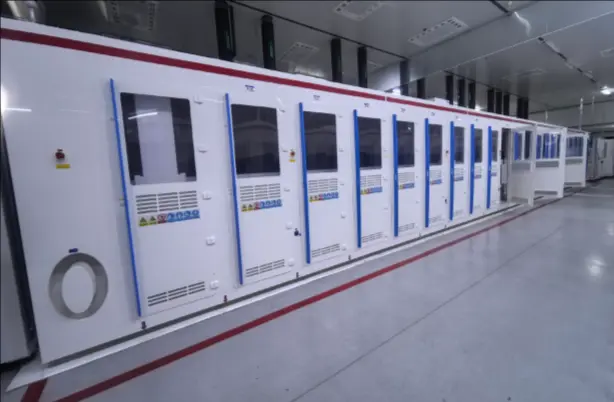
W skład wchodzi: sprzęt do teksturyzacji monokryształów w partiach, ładowarka/rozładowarka do teksturyzacji partii, niskie ciśnienie…
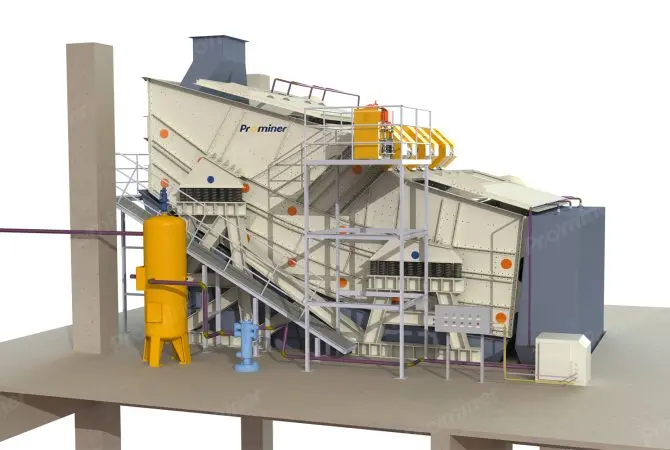
Ekran bananowy jest również dobrze znany jako ekran o stałej grubości warstwy. Prominer ma zdolność dostarczania suchych
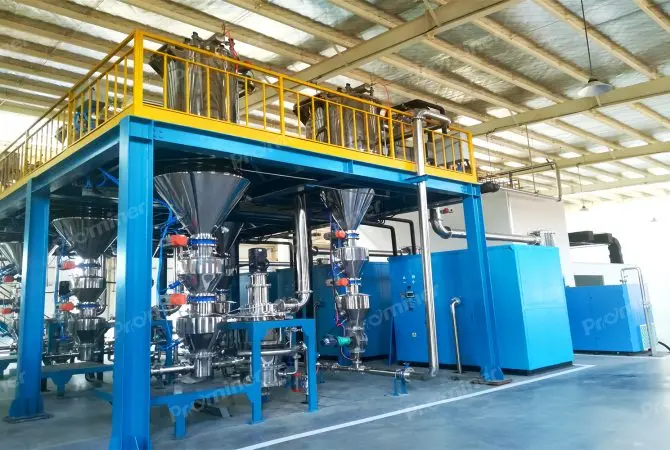
Młyn strumieniowy, znany również jako młyn strumieniowy z fluidyzowanym złożem, wykorzystuje wiele dysz do tworzenia przepływu powietrza o prędkości dźwięku
Aby dowiedzieć się więcej o naszych produktach i rozwiązaniach, prosimy o wypełnienie poniższego formularza, a jeden z naszych ekspertów skontaktuje się z Tobą wkrótce
Projekt flotacji złota 3000 TPD w prowincji Shandong
Flotacja rudy litu 2500 TPD w Syczuanie
Faks: (+86) 021-60870195
Adres:Nr 2555, Xiupu Road, Pudong, Szanghaj
Prawa autorskie © 2023.Prominer (Shanghai) Mining Technology Co., Ltd.