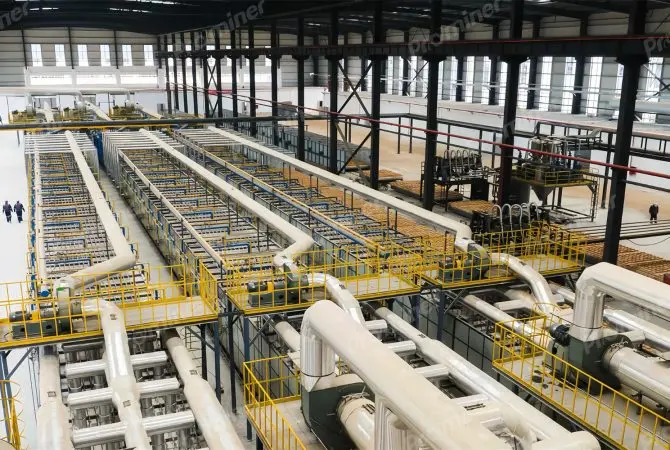
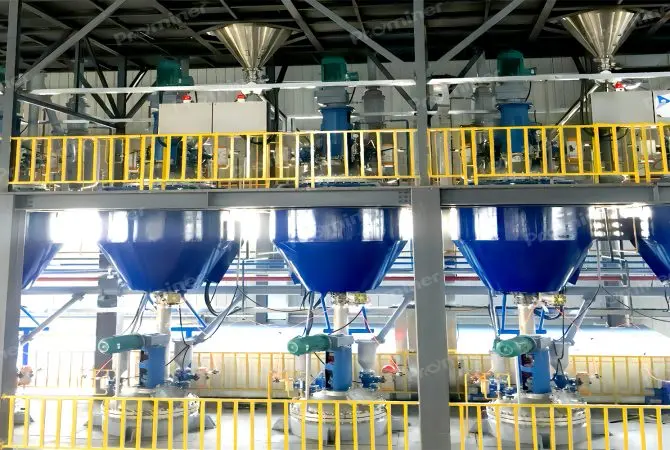
Anoda na bazie krzemu to jeden z rodzajów materiałów kompozytowych anody poprzez łączenie krzemu



Flotacja miedzi to skomplikowany proces, na który wpływa kilka kluczowych czynników, mogących znacząco wpłynąć na wskaźniki odzysku, jakość (czystość) oraz ogólny sukces. Oto główne czynniki, które decydują o sukcesie flotacji miedzi:
Aby zoptymalizować sukces flotacji miedzi, istotne jest staranne kontrolowanie zmiennych procesowych, dostosowanie do cech mineralogicznych rudy oraz konsekwentne monitorowanie i dostosowywanie warunków operacyjnych. Połączenie testów laboratoryjnych, eksperymentów w skali pilotażowej i monitorowania w czasie rzeczywistym może zapewnić wysoką wydajność odzysku i jakości, jednocześnie redukując koszty operacyjne.
Firma Prominer (Szanghaj) Mining Technology Co., Ltd. specjalizuje się w dostarczaniu kompleksowych rozwiązań w zakresie przeróbki minerałów i zaawansowanych materiałów na całym świecie. Nasze główne obszary działania obejmują: przeróbka złota, wzbogacanie rud litu, minerały przemysłowe. Specjalizujemy się w produkcji materiałów anodowych i przeróbce grafitu.
Produkty obejmują: mielenie i klasyfikację, separację i odwadnianie, rafinację złota, przetwarzanie węgla/grafitu oraz systemyługowania.
Oferujemy kompleksowe usługi, w tym projektowanie inżynierskie, produkcję urządzeń, instalację oraz wsparcie operacyjne, wspierane przez konsultacje ekspertów 24/7.
Nasz adres strony internetowej:https://www.prominetech.com/
Naszy adres e-mail:[email protected]
Nasza sprzedaż:+8613918045927(Richard),+8617887940518(Jessica),+8613402000314(Bruno)
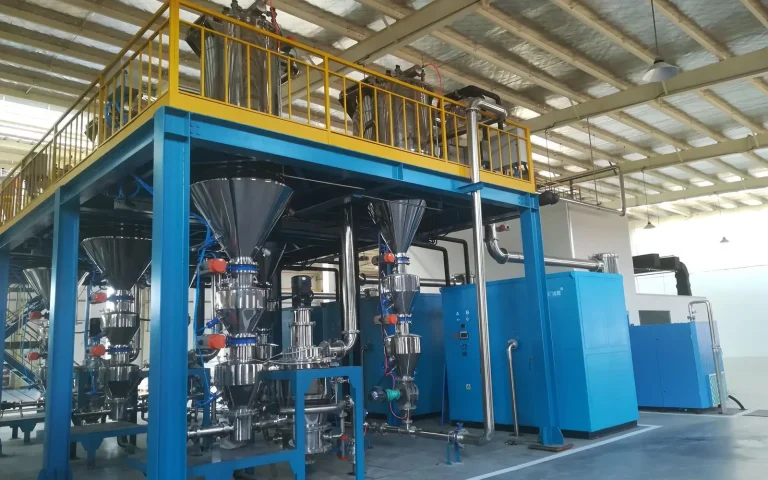
Anoda na bazie krzemu to jeden z rodzajów materiałów kompozytowych anody poprzez łączenie krzemu
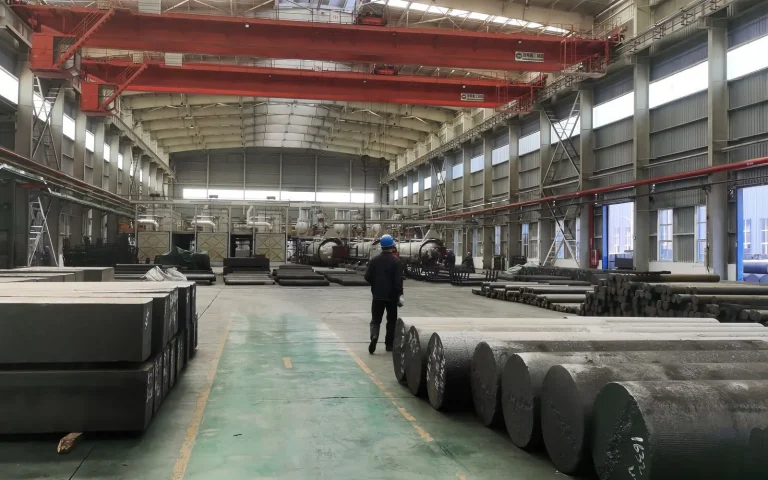
Elektroda grafitowa UHP jest głównie używana w piecach łukowych o ultra wysokiej mocy w przemyśle hutniczym
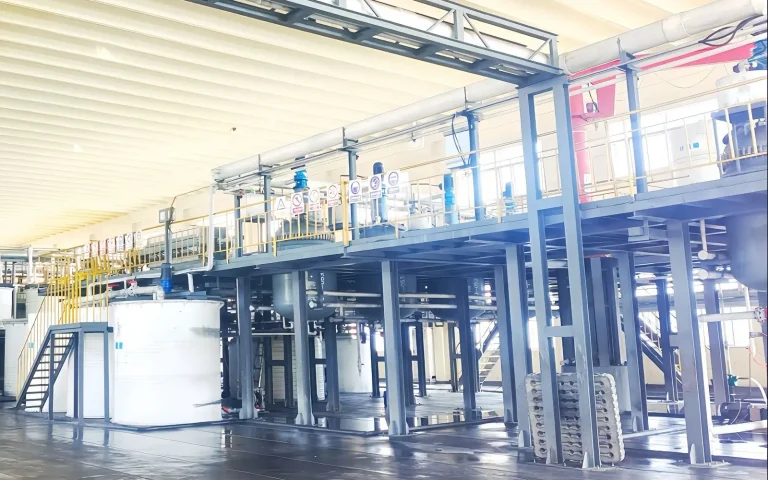
Grafit płatkowy może być używany do produkcji grafitu o wysokiej zawartości węgla, grafitu o wysokiej czystości, grafitu rozszerzalnego

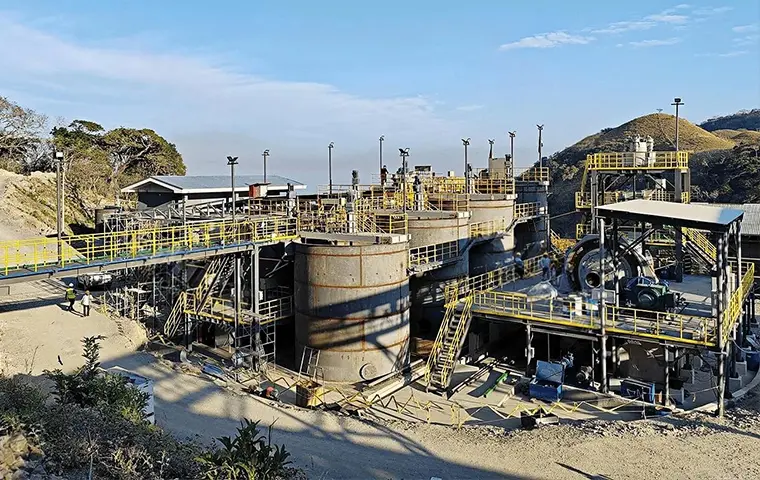
Surowa ruda: Ruda miedzi typu siarczkowego (niskiej jakości, heterogeniczna) Zawartość miedzi w surowcu: 0,45% Zawartość miedzi w koncentracie: 25%
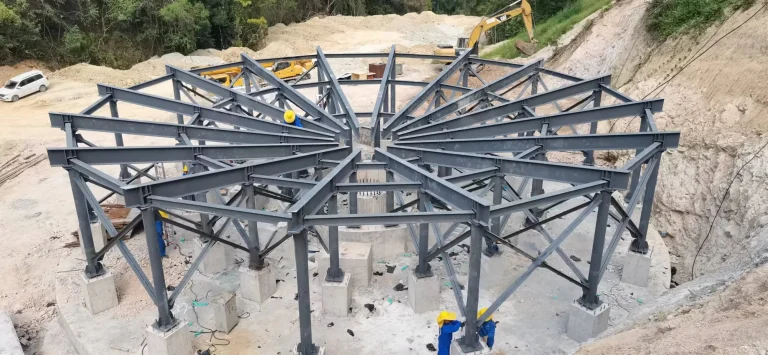
Surowiec: Ruda fluorytu (CaF₂) Klasyfikacja fluorytu: 35-40% Klasyfikacja koncentratu: ≥97% CaF₂

Surowiec: Istniejące odpady z zakładu złota (All-slime) Zawartość złota w odpadach: 1,2 g/t Produkt końcowy: Sztabka złota
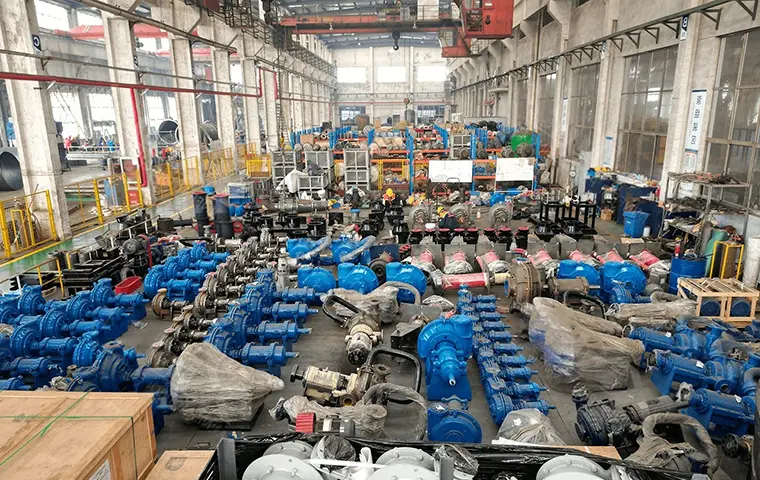
Surowa ruda: Kryształowy grafit w płatkach. Zawartość węgla w surowcu: 8–12% (zmienne). Produkt końcowy: Wysokopureczny koncentrat grafitu w płatkach.
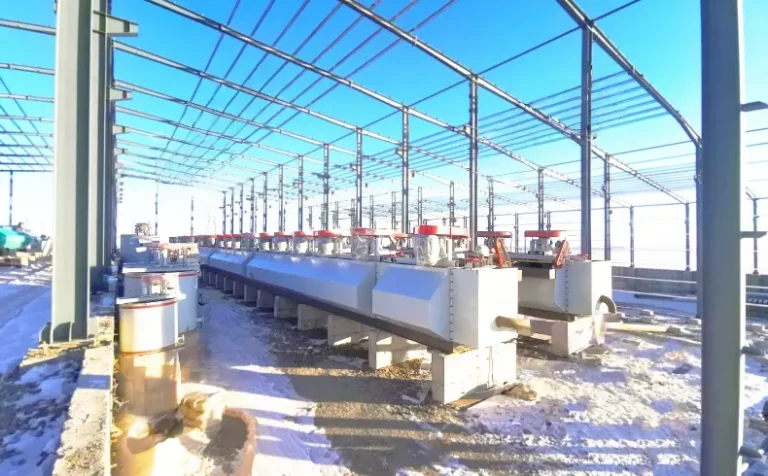
Surowiec: Ruda miedzi siarczkowa Stopień miedzi: 0,85% Produkt końcowy: Koncentrat miedzi
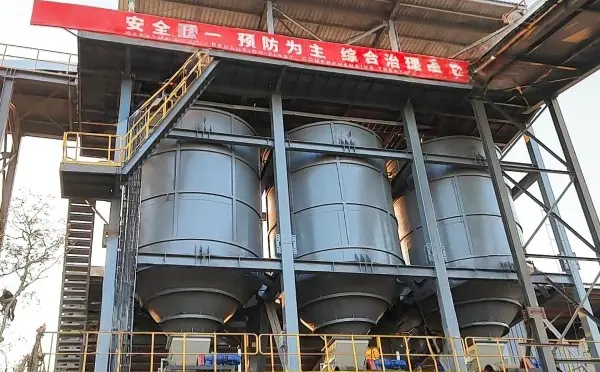
Ruda surowa: Lepidolit, Spodumen, minerały towarzyszące: kwarc, skalenie, mika Zawartość Li₂O: 0,8%
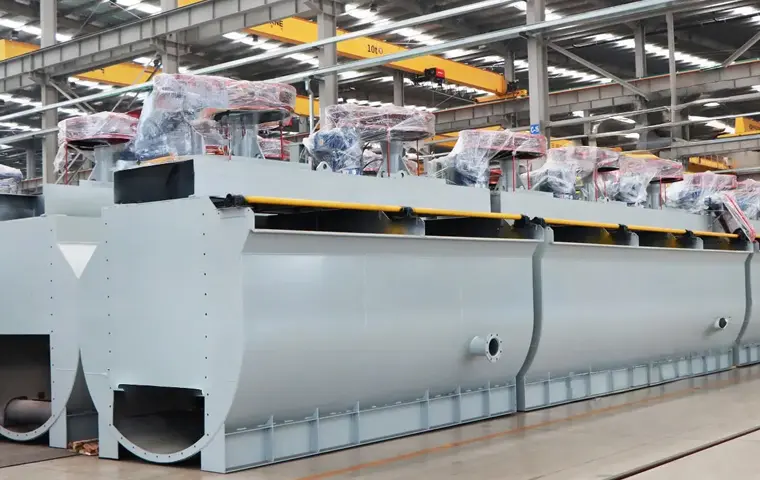
Surowa ruda: Ruda złota typu siarczkowego z pirytem Zawartość złota: 3,8 g/t Stopień koncentratu: 42 g/t Au
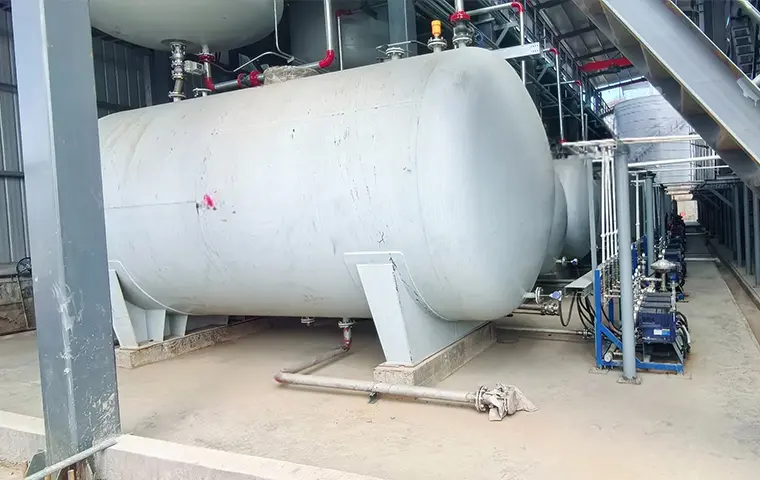
Surowa ruda: Ruda litowa spodumenowa Li2O Zawartość: 1,5% Zawartość koncentratu: 6,0%
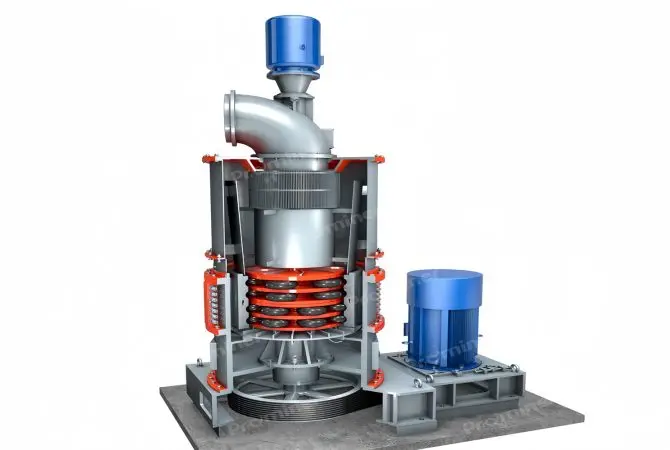
Możemy dostarczyć młyn walcowy do produkcji ultradrobnego proszku, który nadaje się do mielenia.
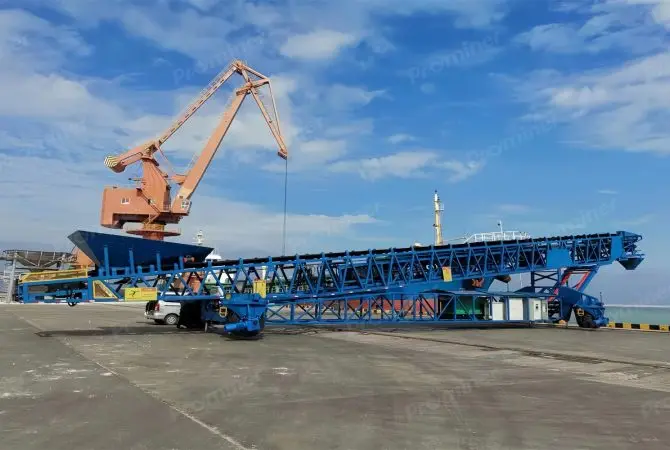
Nasza ekipa inżynierska może zaprojektować i wyprodukować mobilny stakier radialny, ładowarkę
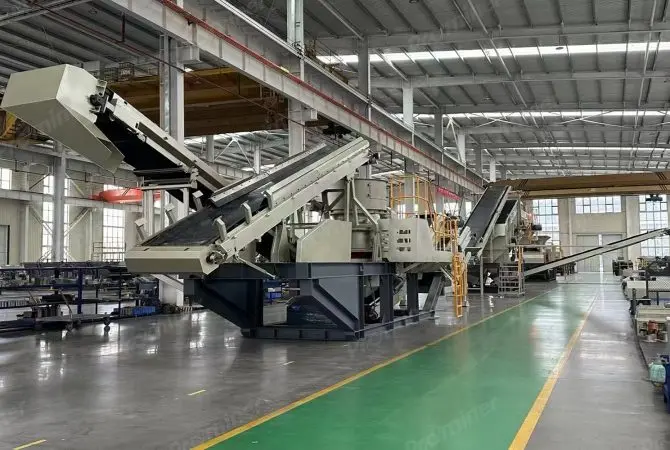
Mobilny kruszarka na podwoziu, oparty na wymaganiach rynku dotyczących łatwiejszego przemieszczania się z jednego miejsca
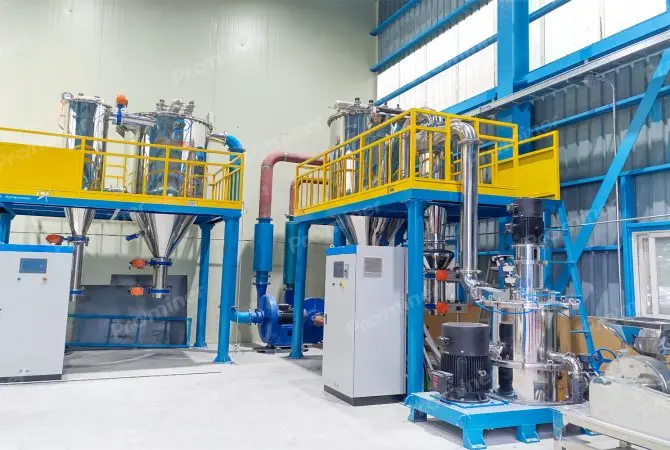
Nasza młyn uderzeniowy to wysokowydajny mechaniczny młyn do ultradrobnego mielenia i głównie
Aby dowiedzieć się więcej o naszych produktach i rozwiązaniach, prosimy o wypełnienie poniższego formularza, a jeden z naszych ekspertów skontaktuje się z Tobą wkrótce
Projekt flotacji złota 3000 TPD w prowincji Shandong
Flotacja rudy litu 2500 TPD w Syczuanie
Faks: (+86) 021-60870195
Adres:Nr 2555, Xiupu Road, Pudong, Szanghaj
Prawa autorskie © 2023.Prominer (Shanghai) Mining Technology Co., Ltd.