

Dostarczamy ważne urządzenia w procesie obróbki rudy złota, takie jak system CIL/CIP, komórki flotacyjne…


/
/
Jakie kluczowe czynniki wpływają na efektywność flotacji fosforanów?

Skuteczność flotacji fosforanów jest wpływana przez kilka powiązanych ze sobą czynników, które mogą mieć wpływ na separację i odzysk minerałów fosforanowych z rud. Oto kluczowe czynniki, które wpływają na efektywność flotacji fosforanów:
Optymalizacja tych czynników wymaga ostrożnego zbalansowania warunków operacyjnych, wyboru reagentów oraz charakterystyki rudy. Testy pilotażowe i ciągłe monitorowanie są często kluczowe dla osiągnięcia wysokiej efektywności flotacji w przetwarzaniu fosfatów.
Firma Prominer (Szanghaj) Mining Technology Co., Ltd. specjalizuje się w dostarczaniu kompleksowych rozwiązań w zakresie przeróbki minerałów i zaawansowanych materiałów na całym świecie. Nasze główne obszary działania obejmują: przeróbka złota, wzbogacanie rud litu, minerały przemysłowe. Specjalizujemy się w produkcji materiałów anodowych i przeróbce grafitu.
Produkty obejmują: mielenie i klasyfikację, separację i odwadnianie, rafinację złota, przetwarzanie węgla/grafitu oraz systemyługowania.
Oferujemy kompleksowe usługi, w tym projektowanie inżynierskie, produkcję urządzeń, instalację oraz wsparcie operacyjne, wspierane przez konsultacje ekspertów 24/7.
Nasz adres strony internetowej:https://www.prominetech.com/
Naszy adres e-mail:[email protected]
Nasza sprzedaż:+8613918045927(Richard),+8617887940518(Jessica),+8613402000314(Bruno)
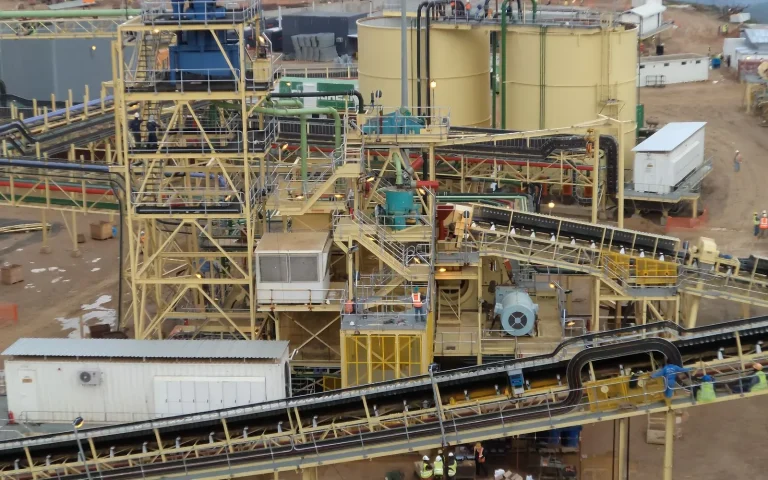
Dostarczamy ważne urządzenia w procesie obróbki rudy złota, takie jak system CIL/CIP, komórki flotacyjne…
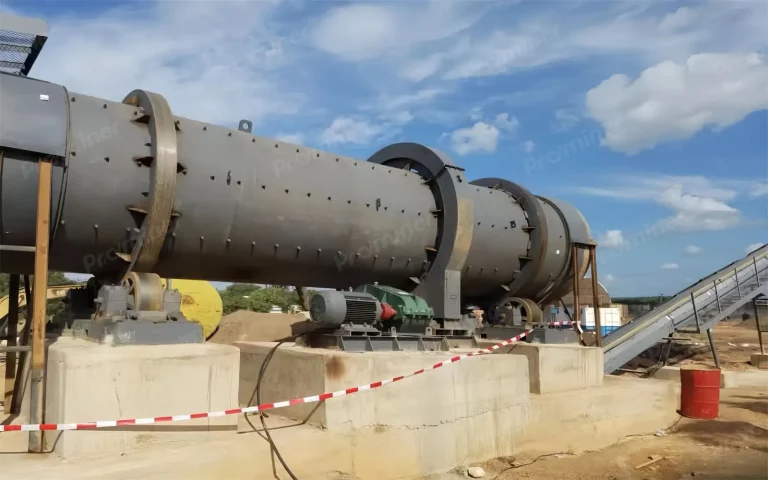
Leaching w hałdach to tradycyjny sposób leachingowy z użyciem cyjanku, który jest elastyczny i ekonomiczny do wydobywania złota
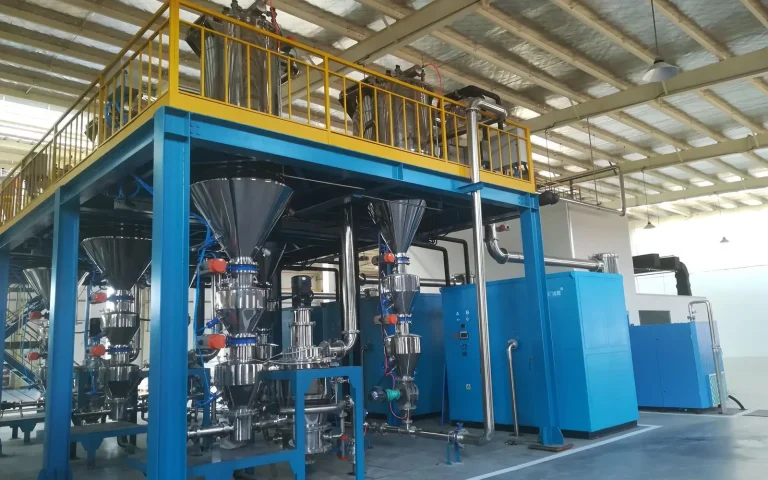
Anoda na bazie krzemu to jeden z rodzajów materiałów kompozytowych anody poprzez łączenie krzemu

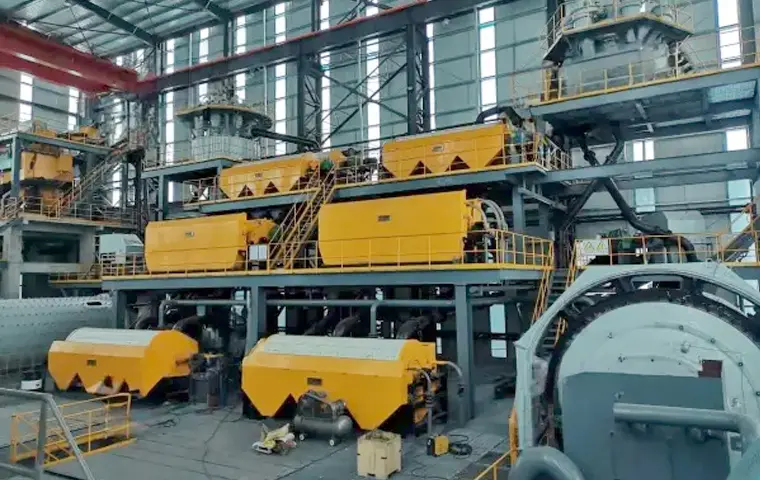
Surowiec: Ruda magnetytowa z pasmem hematytu Zawartość żelaza: 28-32% Produkt końcowy: Wysokojakościowy koncentrat żelaza
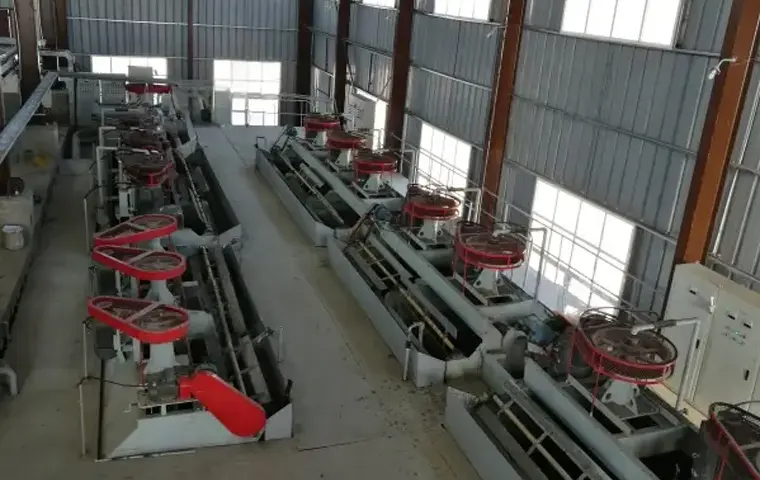
Surowiec: Osadowy fosforan, zawartość P2O5: 22-26%
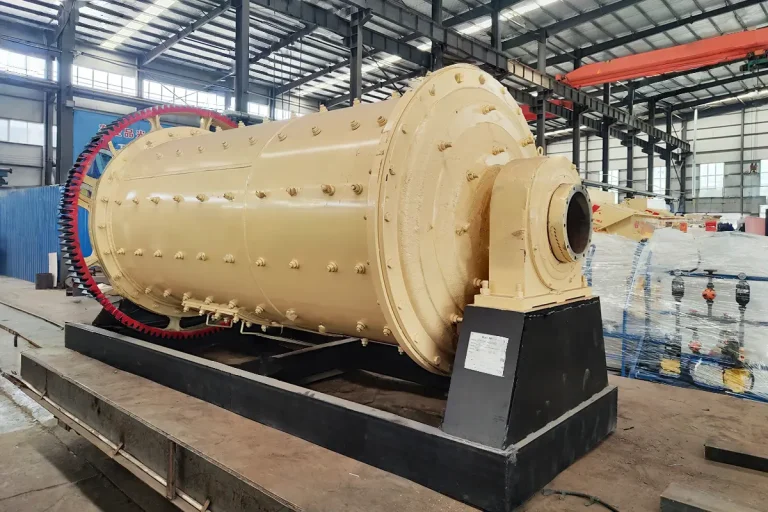
Surowa ruda: Ruda miedzi (chalcopyryt) Zawartość miedzi: 0,85% Produkty końcowe: Zmielona zawiesina rudy do flotacji
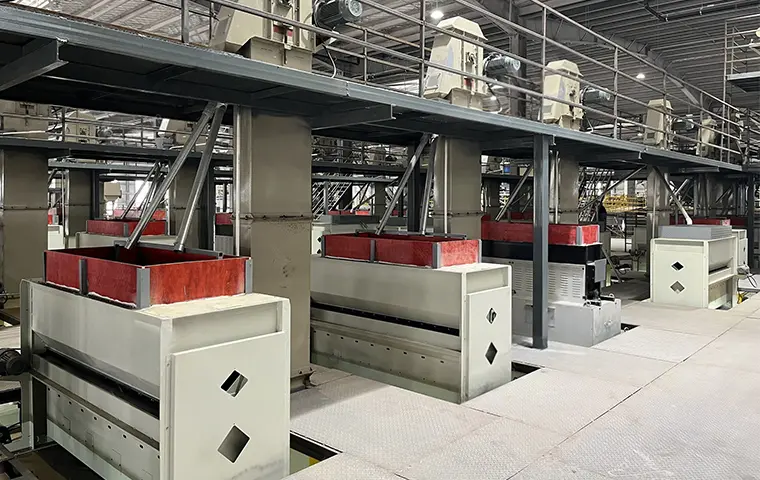
Surowa ruda: alluwialne złoża z systemów rzek śródlądowych w południowo-zachodnich Chinach, zawierające cyrkon, ruten, ilmenit i inne minerały ciężkie.
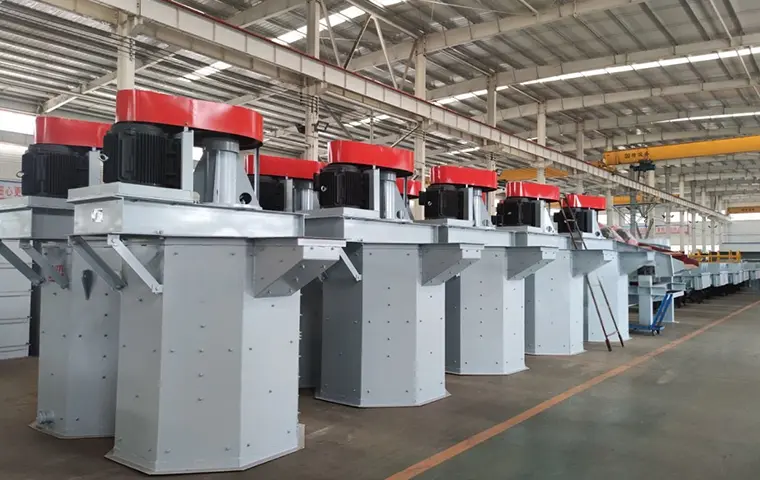
Surowiec: Ruda kwarcowa z zanieczyszczeniami (Fe, Al itp.) Klasa kwarcu: 98,5% SiO₂ Produkt końcowy: Kwarcowy piasek wysokiej czystości (99,9% SiO₂)
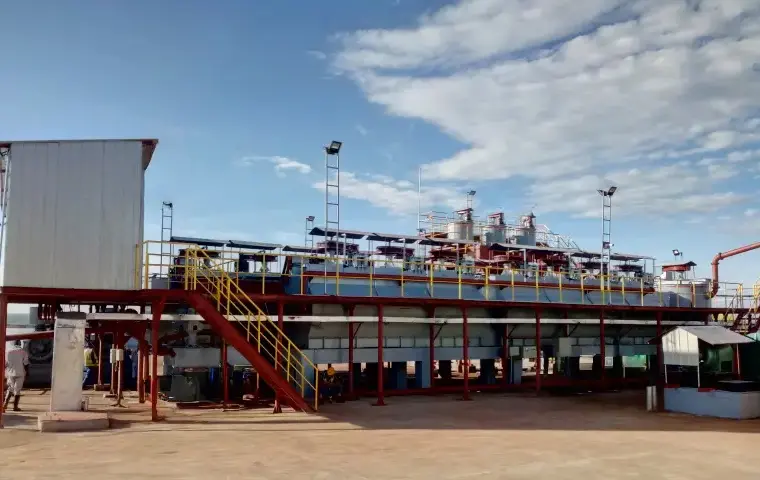
Surowiec: Złożona ruda fosforanowa z krzemionką i węglanami Zawartość P2O5: 18,5% Stopień zagęszczenia: 32% P2O5
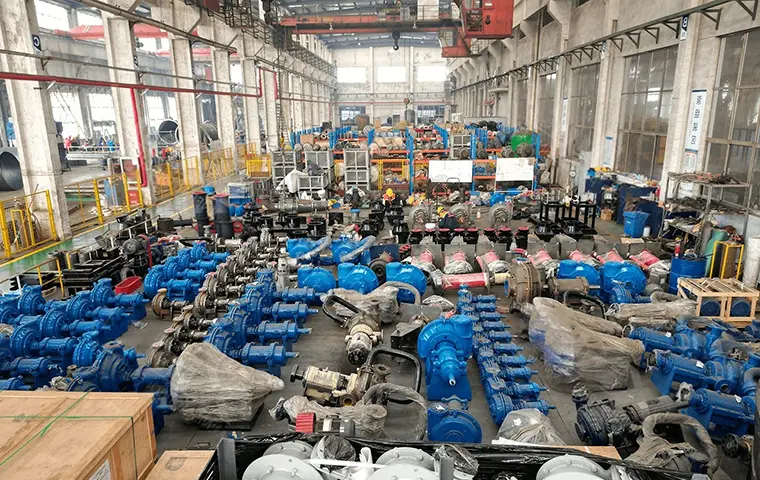
Surowa ruda: Kryształowy grafit w płatkach. Zawartość węgla w surowcu: 8–12% (zmienne). Produkt końcowy: Wysokopureczny koncentrat grafitu w płatkach.
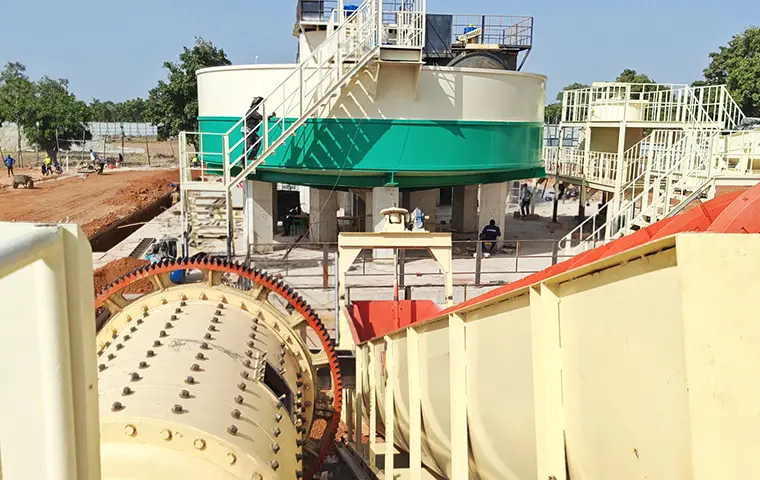
Surowa ruda: Ruda złota typu tlenkowego i siarczkowego Klasa złota: 2,5 g/t Produkt końcowy: Sztabki złota
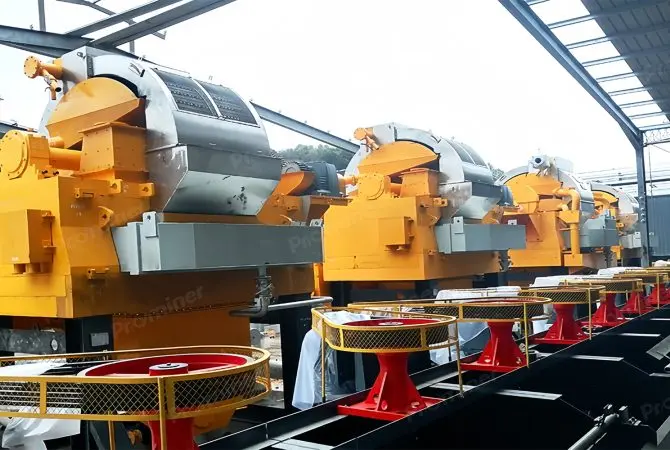
Prominer może dostarczyć różne separatory magnetyczne HIMS (separator magnetyczny o wysokiej intensywności)
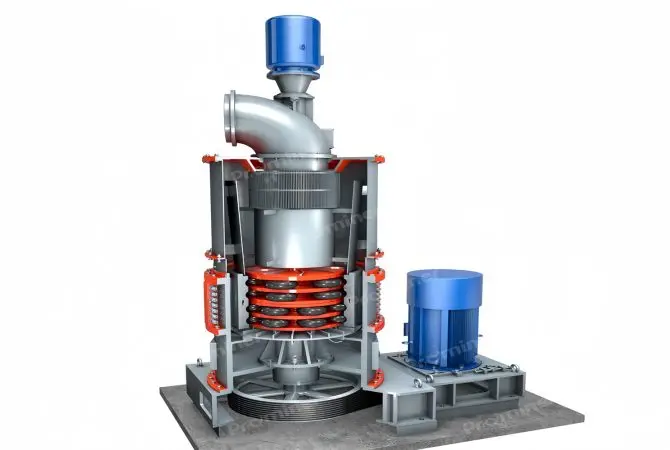
Możemy dostarczyć młyn walcowy do produkcji ultradrobnego proszku, który nadaje się do mielenia.
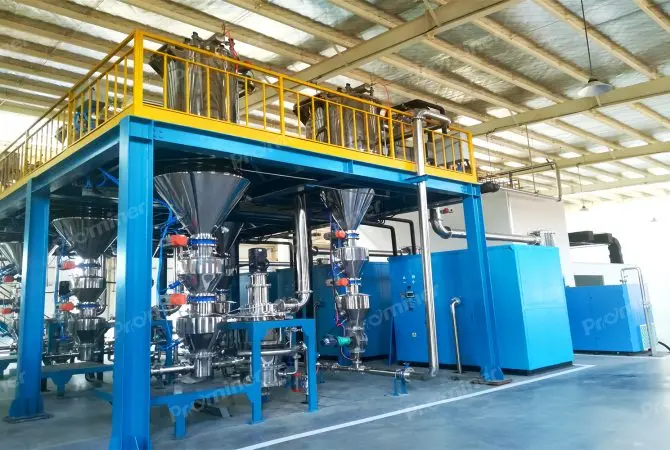
Młyn strumieniowy, znany również jako młyn strumieniowy z fluidyzowanym złożem, wykorzystuje wiele dysz do tworzenia przepływu powietrza o prędkości dźwięku
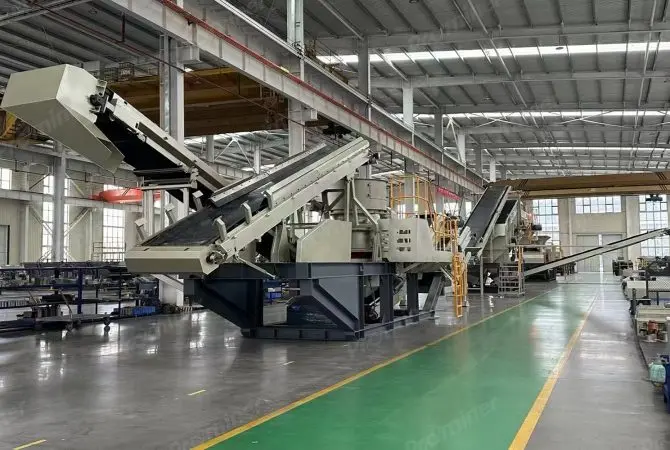
Mobilny kruszarka na podwoziu, oparty na wymaganiach rynku dotyczących łatwiejszego przemieszczania się z jednego miejsca
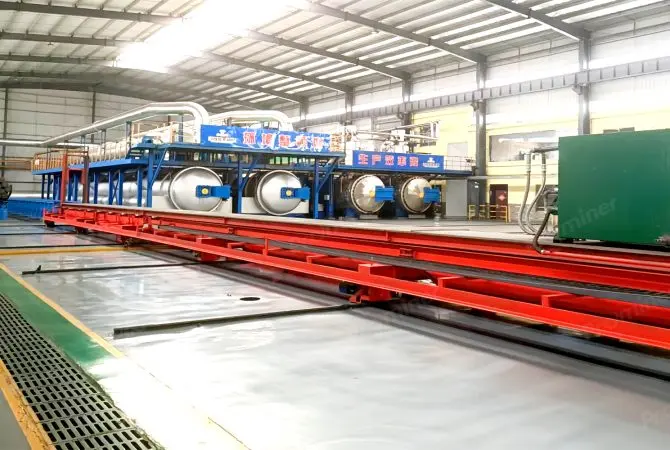
Możemy zapewnić wysokociśnieniową impregnację typu gorącego wewnątrz i zimnego na zewnątrz dla grafitu po wypaleniu
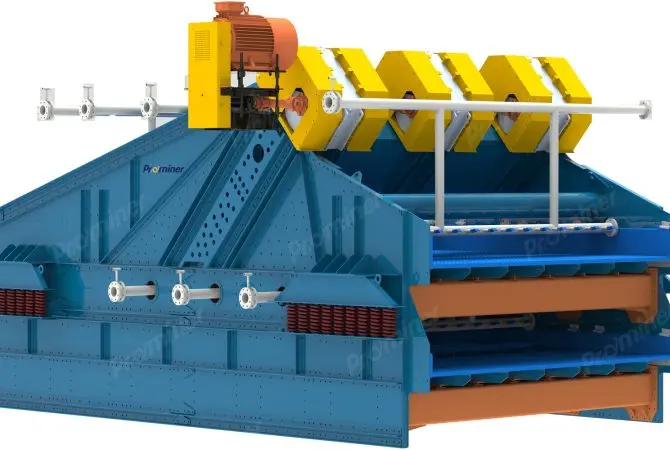
Prominer może dostarczyć wszelkiego rodzaju ekrany liniowe do klasyfikacji minerałów, rozmiarowania materiałów, osuszania
Aby dowiedzieć się więcej o naszych produktach i rozwiązaniach, prosimy o wypełnienie poniższego formularza, a jeden z naszych ekspertów skontaktuje się z Tobą wkrótce
Projekt flotacji złota 3000 TPD w prowincji Shandong
Flotacja rudy litu 2500 TPD w Syczuanie
Faks: (+86) 021-60870195
Adres:Nr 2555, Xiupu Road, Pudong, Szanghaj
Prawa autorskie © 2023.Prominer (Shanghai) Mining Technology Co., Ltd.


